
Search Results
Keyword:Safe
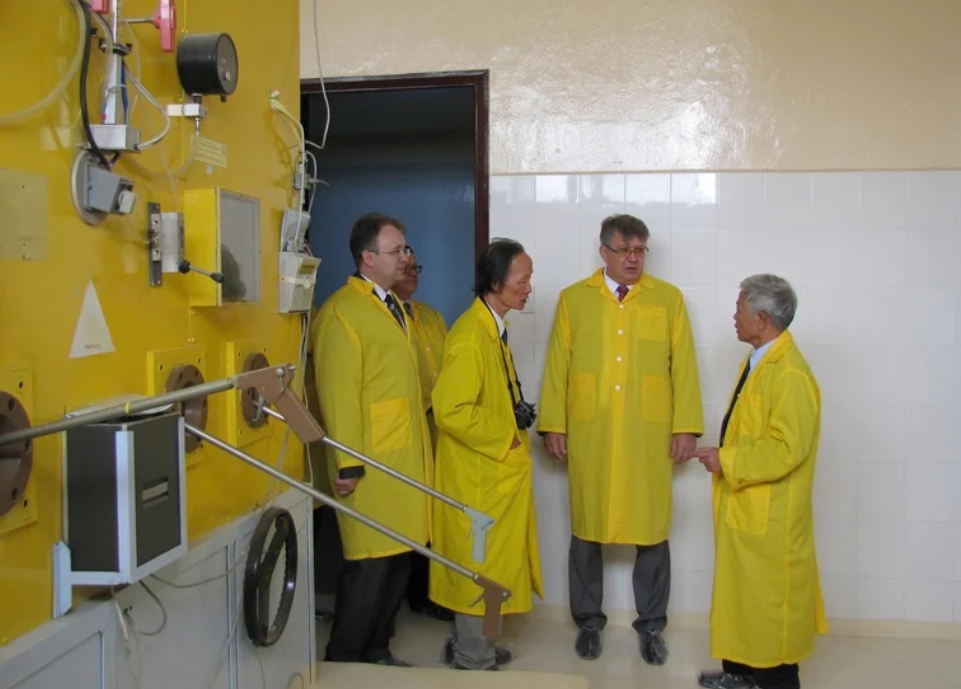
Vietnam Issues 470 International Nuclear Energy Standards Covering the Full Chain of Nuclear Power Plants, Research Reactors, SMRs, and Radiation Protection
Vietnam is preparing for nuclear energy development, with the Ministry of Science and Technology recently issuing a list of 470 international and foreign standards directly applicable to the atomic energy sector. These standards cover multiple aspects including safety, design, operation, equipment, personnel, radiation protection, nuclear security, and accident response, aiming to ensure the safe and reliable operation of nuclear facilities throughout their entire lifecycle. The list encompasses requirements across a wide range of fields, from nuclear power plants and research reactors to fuel technology, monitoring systems, radioactive waste management, and nuclear security. For nuclear power plants, the standards cover analysis, safety assessment, design, commissioning, equipment classification, accident management, aging management, maintenance...
2026-08-06
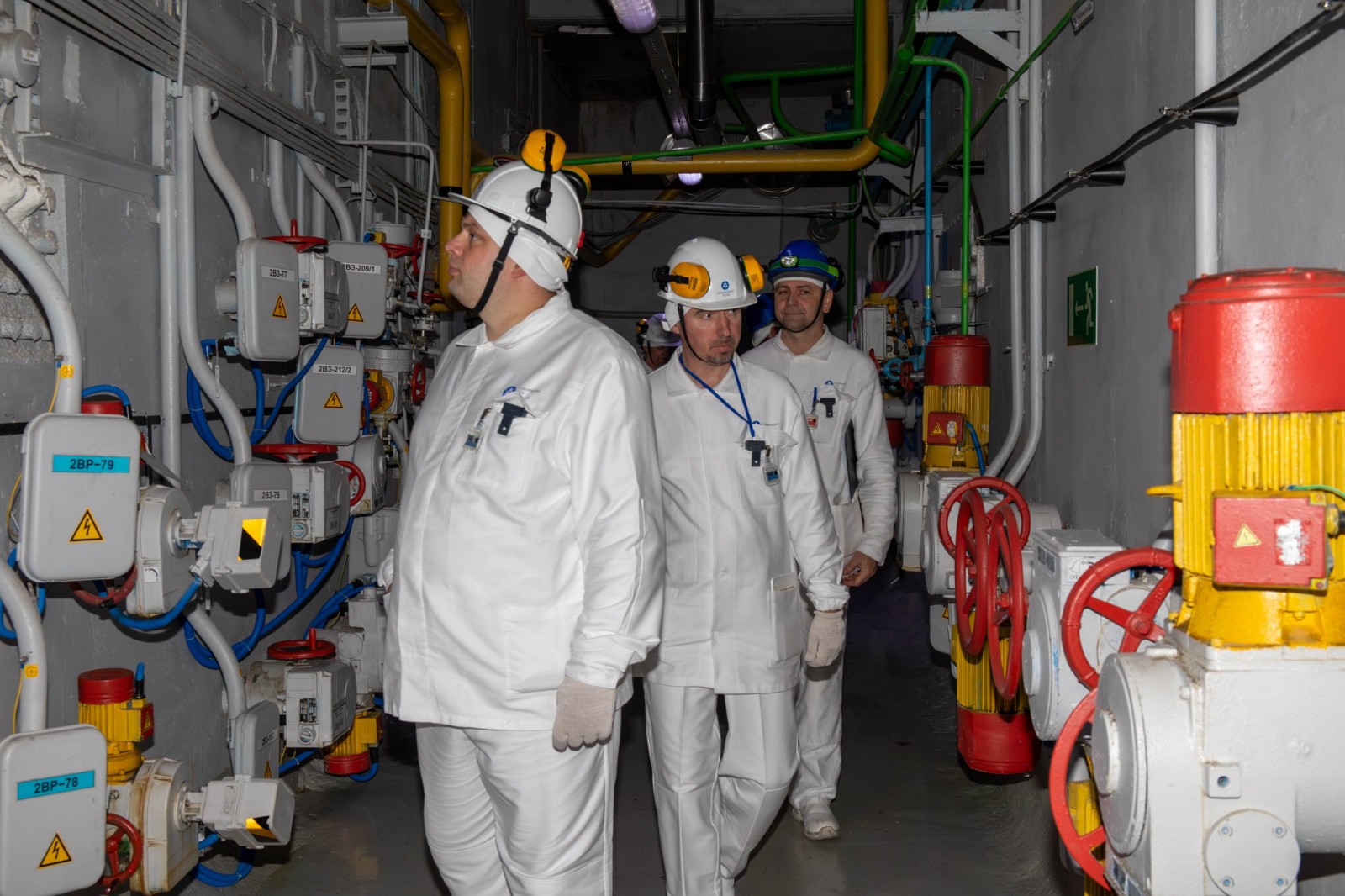
Smolensk NPP Passes Special Safety Inspection by Rosenergoatom
A team of experts from Rosenergoatom has recently completed a special safety inspection at the Smolensk Nuclear Power Plant. The inspection results will be used to further enhance safety management at the plant and at other NPPs operated by the company. The inspection was carried out by a commission comprising representatives from Rosenergoatom's headquarters and the Leningrad, Rostov, and Balakovo NPPs. Similar special inspections are conducted at Russian nuclear power plants on a regular basis, with methodologies referencing the relevant standards of the International Atomic Energy Agency (IAEA) and the World Association of Nuclear Operators (WANO), to assess compliance of the plants with domestic and international safety requirements...
2026-08-06
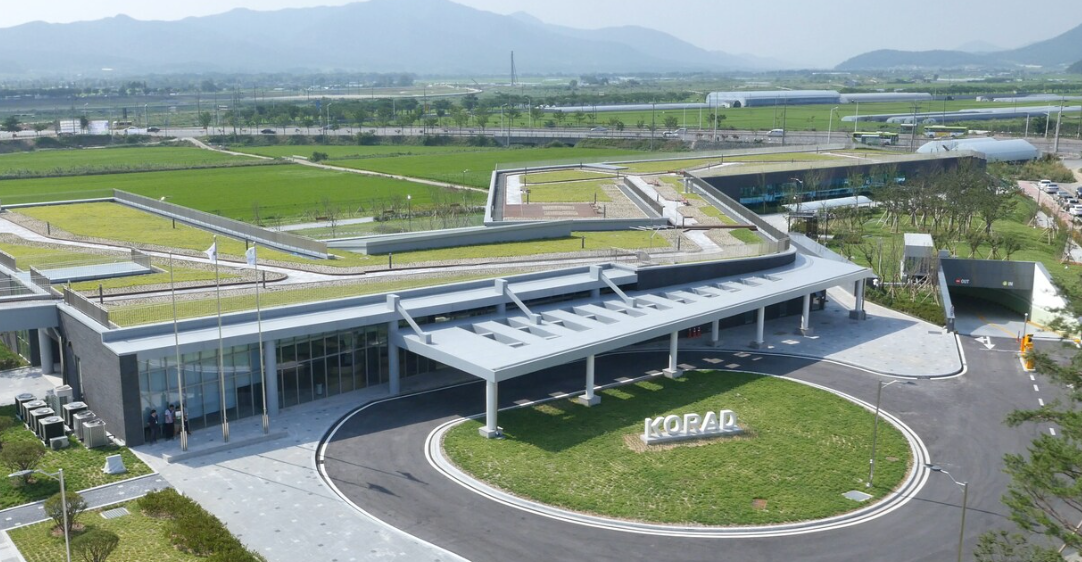
A batch of radioactive waste from the Korea Atomic Energy Research Institute deemed unsuitable for disposal due to documentation discrepancies
According to disclosures by relevant parties on August 5, a batch of radioactive waste shipped last year by the Korea Atomic Energy Research Institute (KAERI) to the low- and intermediate-level radioactive waste disposal facility (RWDF) in Gyeongju, North Gyeongsang Province, was deemed unsuitable for batch disposal due to inconsistencies between the declared documentation and actual contents. The Korea Radioactive Waste Agency (KORAD) conducted inspections after receiving the waste. KAERI shipped a total of 694 drums of radioactive waste to the disposal facility last year, of which 69 drums were inspected, and 32 were found to be non-compliant. The primary reason for non-compliance was discrepancies between the contents of the documents submitted by the institute and the actual inspection results after receipt. As a result, this batch of waste from the Korea Atomic Energy Research Institute...
2026-08-06
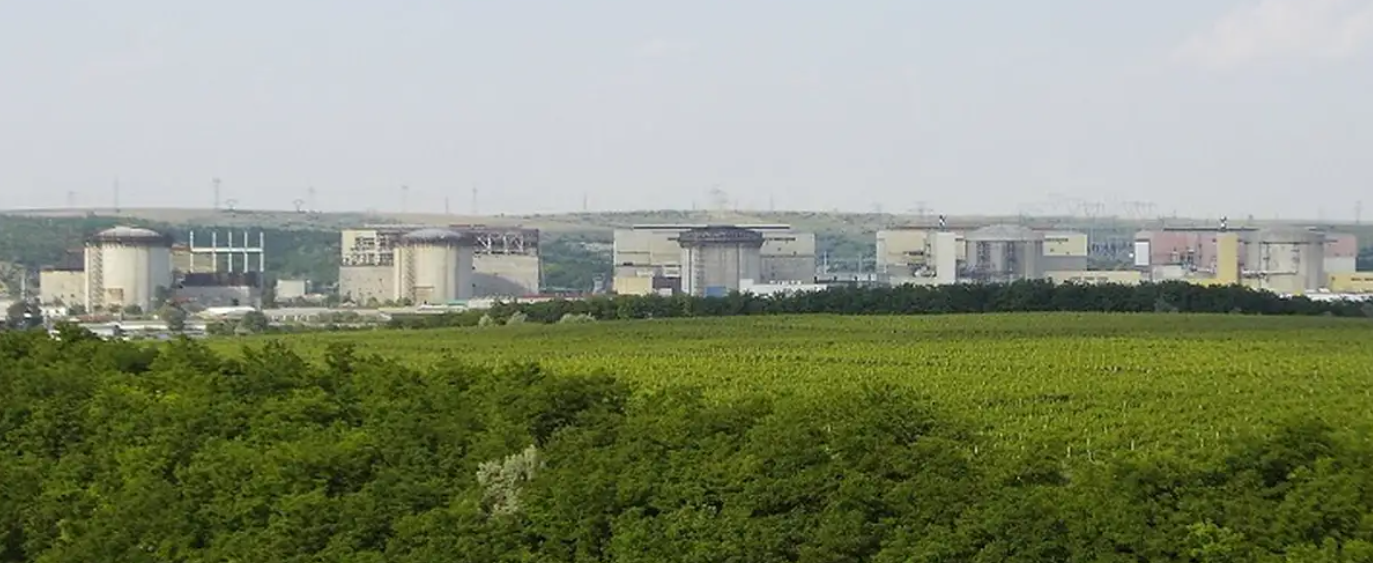
Romania postpones sinking barges to guide water flow, safeguarding cooling water supply for Cernavodă Nuclear Power Plant
Romania has recently taken emergency measures to address the impact of the persistently declining Danube River water level on the water supply to its nuclear power plant. On August 5 local time, Romanian authorities stated that four barges would be sunk in the Danube River to guide water flow into the water intake channel related to the cooling water supply of the Cernavodă Nuclear Power Plant. Cernavodă is Romania's only nuclear power plant. Affected by drought and the low water level of the Danube, the plant's water intake conditions are under pressure. On August 3, the Romanian military used approximately 180 kilograms of explosives to blast and clear a rock formation in the Danube riverbed, aiming to improve the water flow channel, ensure the cooling water source for units in operation, and prevent the nuclear units from being forced to shut down due to insufficient water supply...
2026-08-06
Radiation Monitoring Technical Center of the Ministry of Ecology and Environment Conducts On-Site Certification Assessment in Southwest China in Chengdu
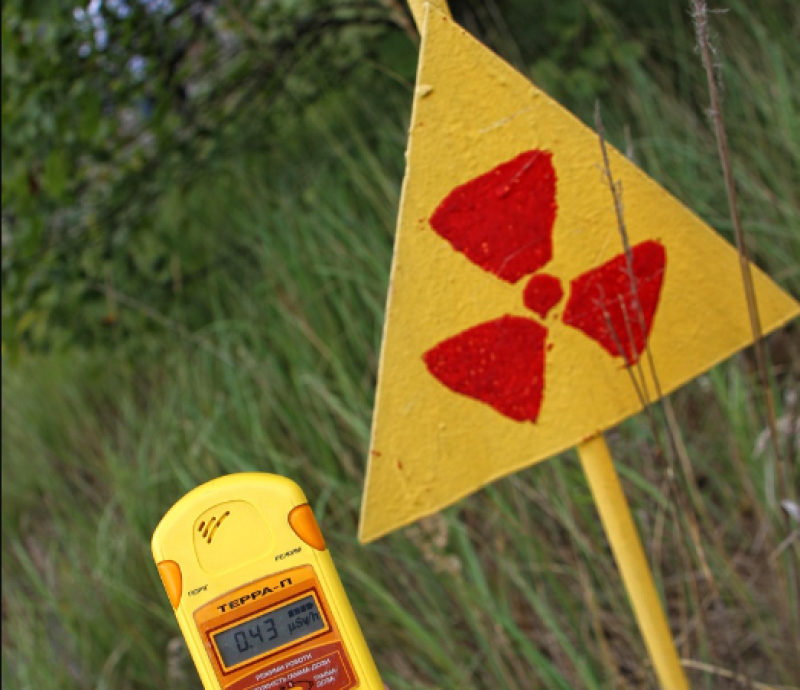
To further improve the national certification assessment for radiation monitoring personnel, the Radiation Environmental Monitoring Technical Center of the Ministry of Ecology and Environment recently organized an on-site certification assessment for radiation monitoring institutions in Southwest China in Chengdu, Sichuan Province. A total of 52 technical personnel from three institutions participated in the assessment: the Southwest Nuclear and Radiation Safety Supervision Station of the Ministry of Ecology and Environment (hereinafter referred to as the Southwest Supervision Station), the Tibet Autonomous Region Radiation Environment Supervision Station (hereinafter referred to as the Tibet Radiation Station), and the Sichuan Provincial Radiation Environment Management and Monitoring Center Station (hereinafter referred to as the Sichuan Radiation Station). The assessment team strictly controlled the assessment process in accordance with the provisions of the "Implementation Rules for Certification Assessment of Radiation Environmental Monitoring Technical Personnel." The assessment...
2026-08-05
Czech nuclear safety officials say domestic nuclear power plants have sufficient cooling water for both existing and new units
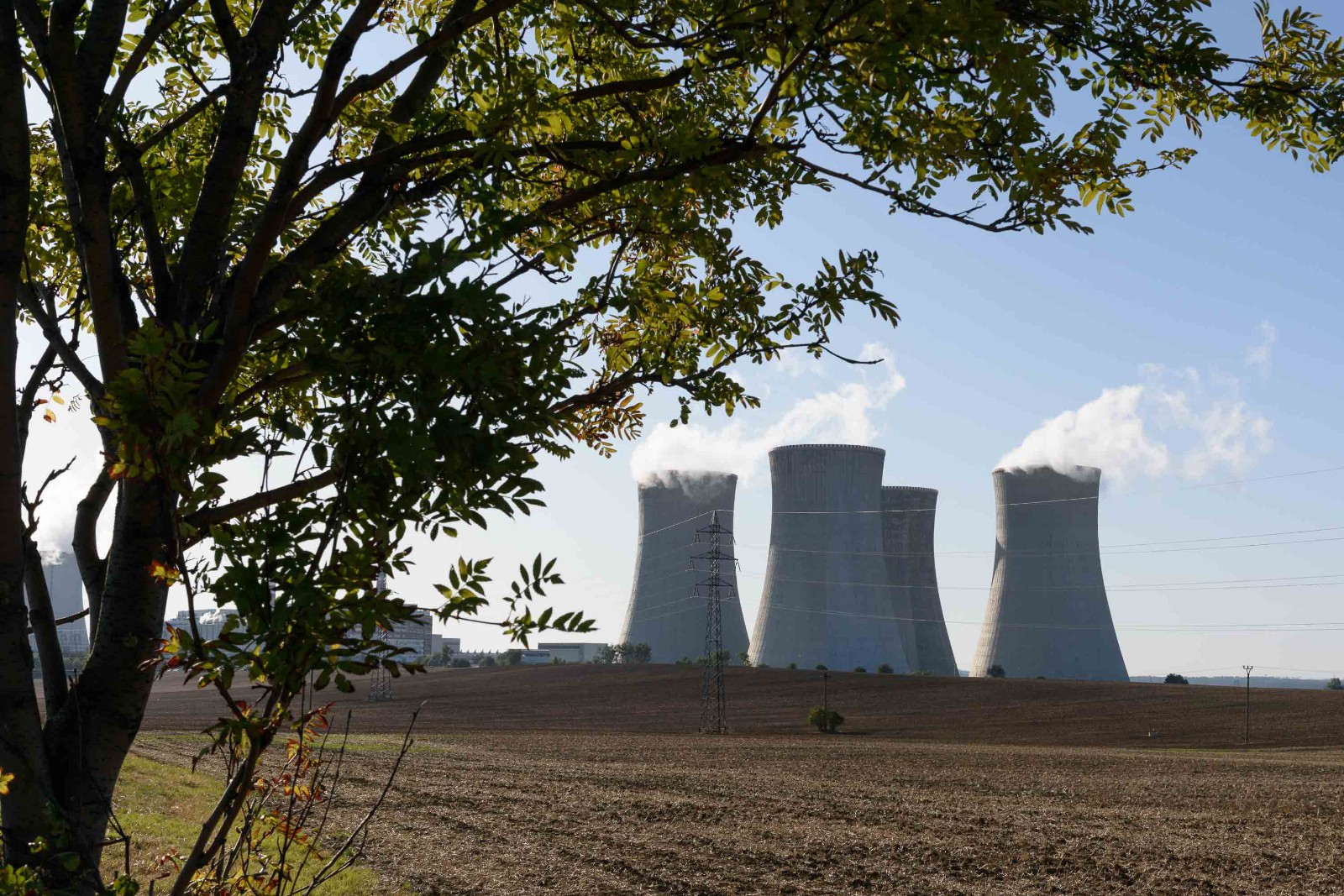
Droughts across parts of Europe are affecting the operation of some nuclear power plants. Due to low water levels and flow rates in the Danube River, two reactors at Romania's Cernavodă Nuclear Power Plant have been shut down, and Hungary's Paks Nuclear Power Plant also faces the risk of a complete shutdown. Štěpán Kochánek, Chairman of the Czech State Office for Nuclear Safety (SÚJB), stated that plant operators should not be allowed to continue operating units at full power when cooling water is insufficient, and that related shutdown measures are conservative actions predefined in operating procedures. Kochánek explained that reactor shutdowns are not an unusually rare operation. Unit shutdown typically involves gradually reducing reactor power, inserting control rods, and bringing fission reactions to a minimal level or complete cessation. After shutdown, the reactor still requires cooling, but the demand for cooling water volume and capacity is significantly lower than during full-power operation. He noted that this process shares similarities with planned outages such as refueling overhauls and is a standardized procedure that operators should master.
2026-08-05
South Korea Launches Emergency Safety Inspection of Nuclear Facilities Amid Heatwave
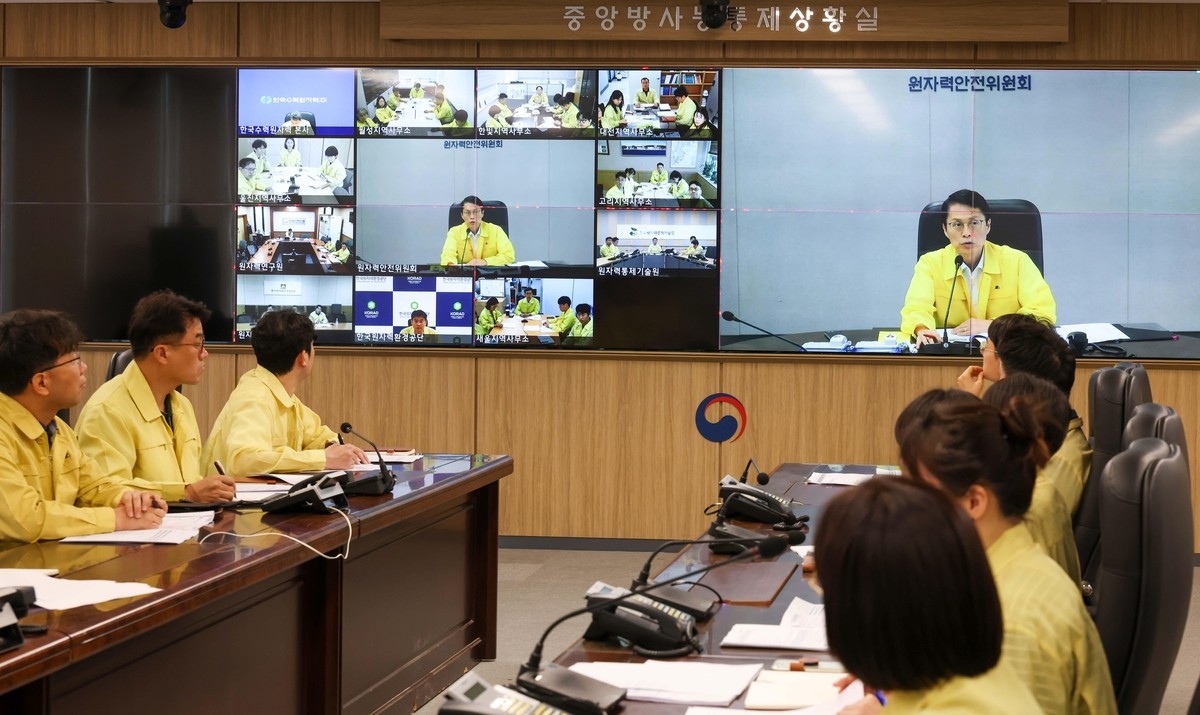
The Nuclear Safety and Security Commission (NSSC) of South Korea announced on August 5 that, due to the ongoing nationwide heatwave, it will conduct an emergency inspection of the safety status and emergency response preparedness of nuclear facilities, including nuclear power plants. The inspection was conducted via video conference, with participation from personnel of the NSSC's six regional offices, safety regulatory agencies, and Korea Hydro & Nuclear Power (KHNP). The inspection focused on the potential impact of rising seawater temperatures used for cooling nuclear power plants. The NSSC verified the performance of relevant measuring instruments and heat exchangers, and examined KHNP's on-site emergency response status and handling procedures. The design temperature limits for seawater intake at South Korea's nuclear power plants range from 31 to 36.1 degrees Celsius. Due to climate change, the risk of high seawater temperatures is gradually emerging. In 2024, seawater temperatures in the waters off all South Korean nuclear power plants, except for the area around Shin-Hanul Units 1 and 2, reached record highs.
2026-08-05

Putin Signs Decree Posthumously Awarding "Order of Courage" to Chief Engineer of Zaporizhzhia Nuclear Power Plant
Russian President Vladimir Putin recently signed a decree posthumously awarding the Order of Courage to Alexander Yakovlev, chief engineer of the Zaporizhzhia Nuclear Power Plant, who was killed in an attack, in recognition of his bravery demonstrated in the line of duty. According to previously released information, the Russian Foreign Ministry issued a statement on July 15 stating that a service vehicle of the Zaporizhzhia Nuclear Power Plant was attacked by a drone that day, and Yakovlev was killed in the attack. The statement said the attack posed a threat to the safe operation of the Zaporizhzhia Nuclear Power Plant. The Zaporizhzhia Nuclear Power Plant is one of the larger nuclear power facilities in Europe, and its operational safety has long drawn external attention...
2026-08-05

Hongyanhe Nuclear Power's Cold Source Management Experience Featured on WANO Official Website
Recently, the World Association of Nuclear Operators (WANO) published a feature report on its official website titled "Operational Excellence in Action: Hongyanhe transforms its Cold Source Resilience," introducing Hongyanhe Company's practical progress in ensuring cold source water intake to nuclear power peers worldwide. Cold source safety is a critical component of the nuclear defense-in-depth system. Coastal nuclear power plants generally pay close attention to the impact of seasonal marine organism accumulation on plant water intake safety, a natural environmental challenge commonly faced by coastal nuclear power plants globally. As the first nuclear power plant in Northeast China...
2026-08-05
Vietnam to Develop 88 National Standards and 6 National Regulations Supporting Nuclear Power and Atomic Energy Applications from 2026–2030
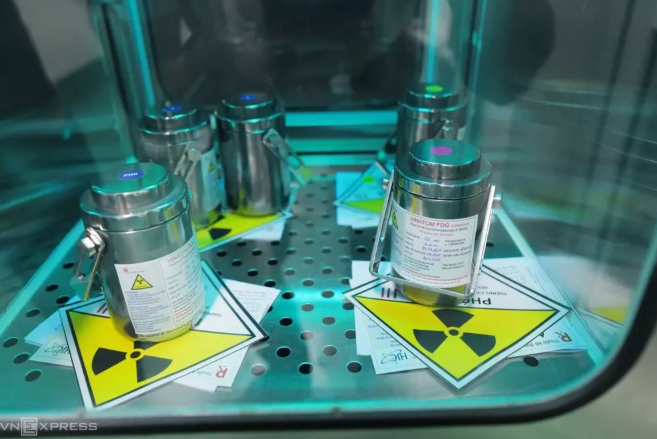
Vietnam will develop standards and regulations for nuclear power development to support the construction of future nuclear power plants and advancements in atomic energy applications. To align with this goal, the country plans to establish 88 national standards and 6 national regulations during the period from 2026 to 2030, covering key areas such as nuclear power plant safety, radiation safety, environmental monitoring, and related equipment. These standards will reference existing practical experience from the International Atomic Energy Agency (IAEA), the International Organization for Standardization (ISO), and the International Electrotechnical Commission (IEC), and will be periodically reviewed and adjusted based on project progress and actual management needs. The development of these standards is carried out in four phases, each with clearly defined focal objectives...
2026-08-05
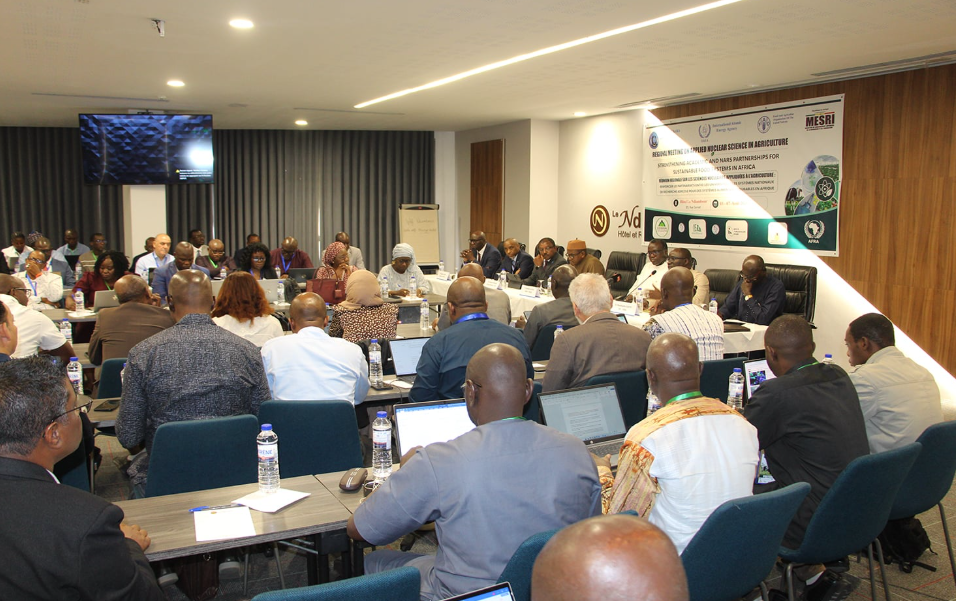
Senegal Seeks to Leverage Nuclear Energy to Boost Agricultural Productivity
Senegal is actively exploring the use of nuclear technology to enhance agricultural productivity. Facing numerous agricultural challenges, the country believes that nuclear science applications can effectively improve crop cultivation, soil health, and aquaculture, among other areas, with particular attention focused on the regional conference on nuclear science applications in agriculture held in Dakar from August 3 to 7. The event, organized by the Plant Biotechnology Laboratory led by Professor Diaga Diouf at UCAD University in collaboration with the International Atomic Energy Agency (IAEA), is part of the Atoms4Food initiative launched in 2023. The conference brought together university presidents, faculty deans, directors of national agricultural research centers, and other experts and scholars in related fields,...
2026-08-05
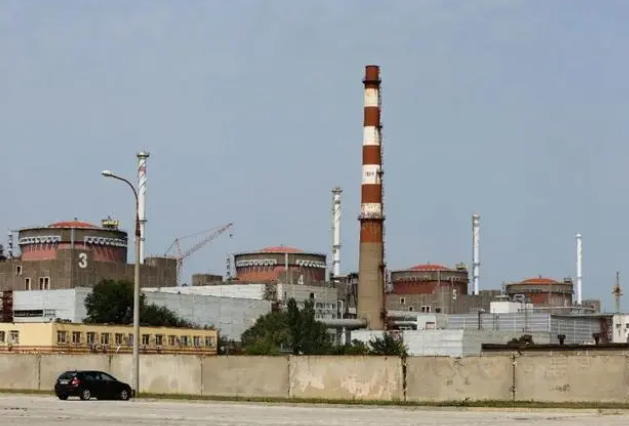
Zaporizhzhia Nuclear Power Plant Briefly Loses External Power, Restored via 330 kV Line
The International Atomic Energy Agency (IAEA) reported on August 4 that the Zaporizhzhia Nuclear Power Plant briefly lost external power supply that day. This marked the 24th occurrence of external power interruption at the plant since the outbreak of the related conflict. According to the report, the plant lost connection with the Ferrosplavnaya-1 transmission line, currently the only one still in service, in the afternoon, and emergency diesel generators provided backup power thereafter. The IAEA stated that the cause of the incident remains unclear. The plant management said the brief external power interruption was related to a technical fault in the automatic control system, and power supply was restored in less than an hour. Currently, the plant's auxiliary power is supplied by the 330 kV Fer...
2026-08-05
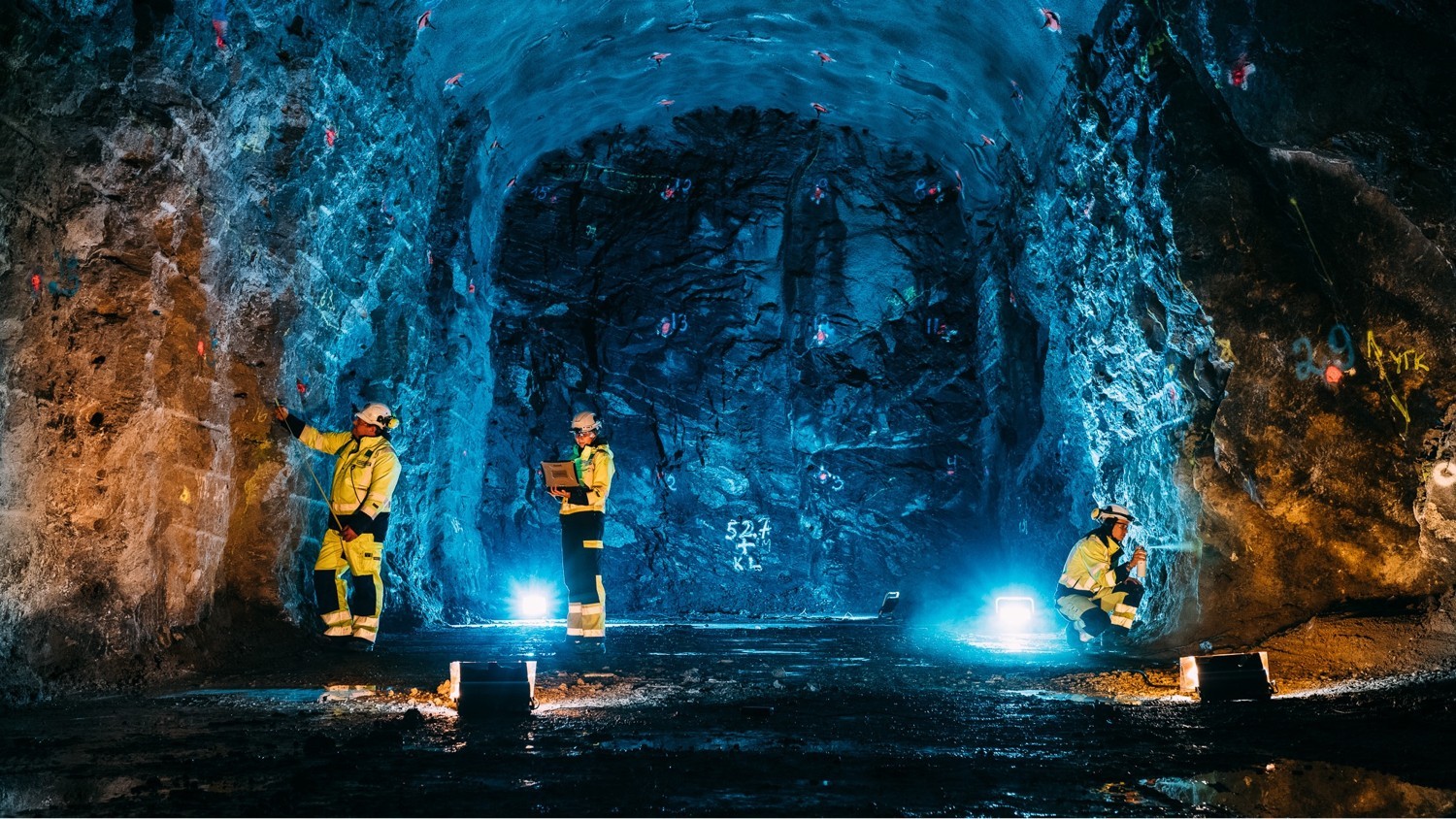
Finland's Olkiluoto Spent Nuclear Fuel Final Disposal Facility Passes Regulatory Safety Assessment
The Radiation and Nuclear Safety Authority of Finland (STUK) released a safety assessment report on August 4, concluding that Posiva's spent nuclear fuel encapsulation plant and final disposal facility at Olkiluoto, Finland, meets the safety requirements for an operating license. This conclusion brings the project, regarded as the world's first industrial-scale geological final disposal facility for spent nuclear fuel, one step closer to obtaining government approval for operation. The facility is located on Olkiluoto Island in the municipality of Eurajoki, southwestern Finland, and is designed to dispose of spent nuclear fuel generated by the Olkiluoto nuclear power plant units of Teollisuuden Voima Oyj (TVO) and the Loviisa nuclear power plant units of Fortum. Posiva submitted its operating license application in December 2021...
2026-08-05

South Korea Accelerates Safety Reviews of Long-Term Operating Nuclear Reactors and Advances Licensing of First Spent Fuel Dry Storage Facility
The Nuclear Safety and Security Commission (NSSC) of South Korea stated at its second-half work report meeting on August 4 that it will accelerate safety reviews of long-term operating nuclear reactors while simultaneously advancing regulatory efforts such as licensing systems for spent fuel dry storage facilities and small modular reactors. Under the plan, the NSSC will conduct safety inspections on nine reactors applying for continued operation, with review standards referencing newly built nuclear power plants and confirming safety margins in consideration of the characteristics of long-term unit operation. Among these, whether Kori Nuclear Power Plant Units 3 and 4 will be approved for continued operation in the second half of this year, and whether Hanbit Nuclear Power Plant Units 1 and 2 will be approved for continued operation in the first half of next year, are the near-term review priorities...
2026-08-05
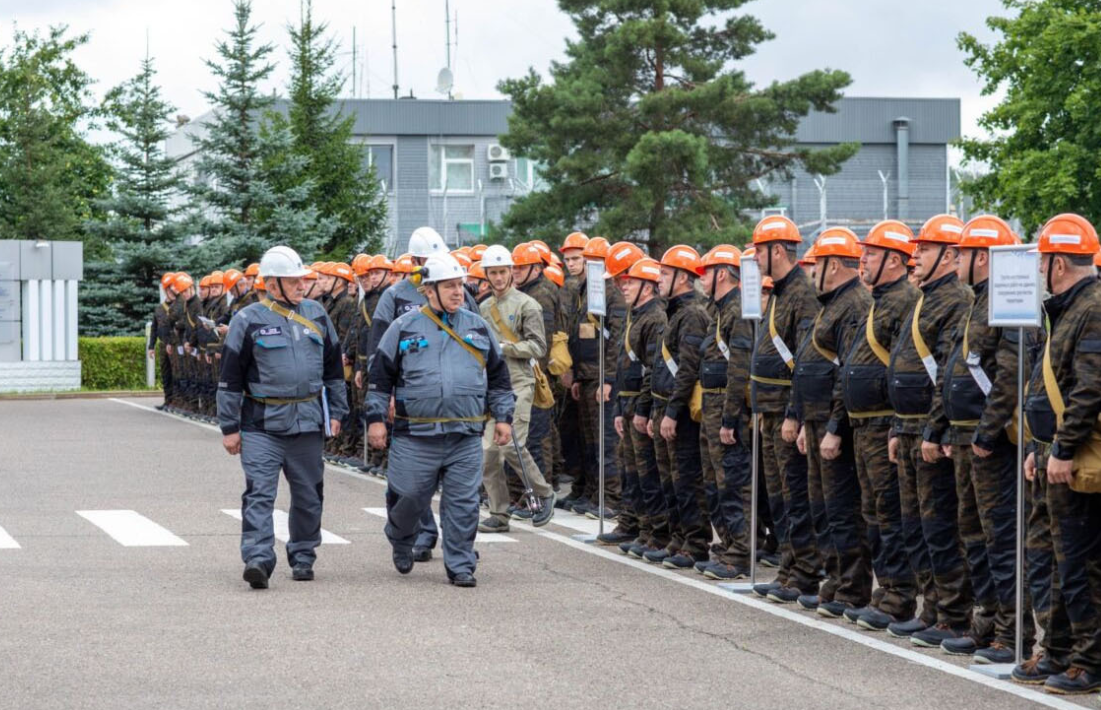
Smolensk NPP Successfully Conducts Emergency Drill Multi-Agency Coordination Tests Response Capabilities
On August 3, the Smolensk Nuclear Power Plant successfully conducted an accident response drill, with the participation of the Nuclear Power Plant Emergency Assistance Team (OPAS) of Rosenergoatom and emergency service departments. The drill brought together nuclear power plant staff, the crisis center team of Rosatom, local fire departments, medical institutions, and government representatives from the city of Smolensk and the Yelnya district. During the drill, all parties focused on practicing key tasks such as the alert and preparation of emergency response forces under non-routine conditions, organizing protective measures for personnel and local residents, and monitoring unit status and safety levels. The drill also included simulated fire...
2026-08-04