
Search Results
Keyword:Safe
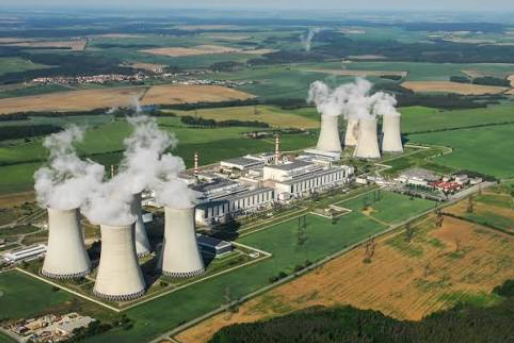
South Korean Environmental Groups to Hold Nuclear Safety Seminar, Focusing on SMR Regulatory Independence and Institutional Gaps
The Korean Federation for Environmental Movement recently announced that it will hold a session of the Continuous Nuclear Safety Seminar Series, under the safety regulation domain, at 10:00 a.m. on August 21, 2026, in Conference Room 8 of the National Assembly Members' Office Building, under the theme "Moving Beyond Promotion-Centered Nuclear Policy Toward an Independent Safety Regulatory System." The event is hosted by National Assembly member Lee Ju-hee and co-organized by the Citizens' Institute for Environmental Studies and the Korean Federation for Environmental Movement, aiming to discuss structural issues in South Korea's nuclear safety regulatory system. According to available information, the South Korean government is accelerating the research and development, industrial support, and commercialization of small modular reactors (SMRs), with the i-SMR standard design approval application already accepted and the Special Act on SMR Development Promotion scheduled to take effect in September.
2026-08-11
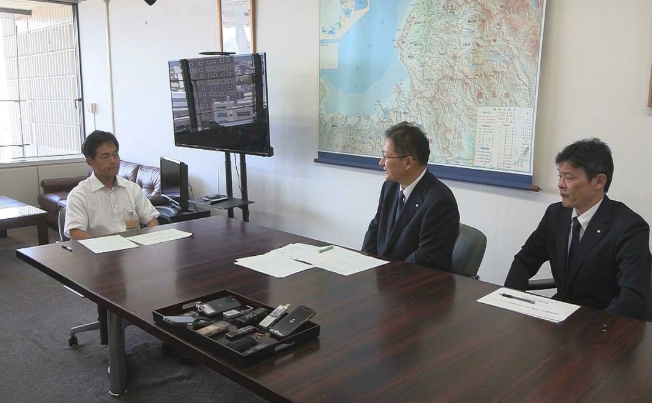
Automatic Shutdown of Unit 3 at Oi Nuclear Power Plant During Operation; Kansai Electric Power to Investigate Cause from the 12th
Unit 3 of the Oi Nuclear Power Plant in Fukui Prefecture, Japan, experienced an automatic shutdown during operation in the early hours of the 9th. Operator Kansai Electric Power stated that the fault is related to an internal abnormality in the generator and plans to formally begin a cause investigation from the 12th. Currently, there is no clear timeline for when the unit can resume operation. According to reports, an alarm related to loss of magnetic field occurred inside the generator used for power generation at the time of the incident, after which the generator stopped, and the reactor in operation also automatically shut down. On the 10th, Kansai Electric Power visited the Fukui Prefectural Government to apologize for the fault and report on subsequent response measures. Yuichiro Sakamoto, head of the Fukui Prefecture Disaster Prevention and Safety Division, pointed out that following a steam leak fault at Mihama Nuclear Power Plant Unit 3 in May this year, an unexpected emergency shutdown of a reactor in operation occurring within a short period may undermine public trust in nuclear safety. Local government authorities have demanded that the operator promptly identify the cause and implement measures to prevent similar issues from recurring.
2026-08-11
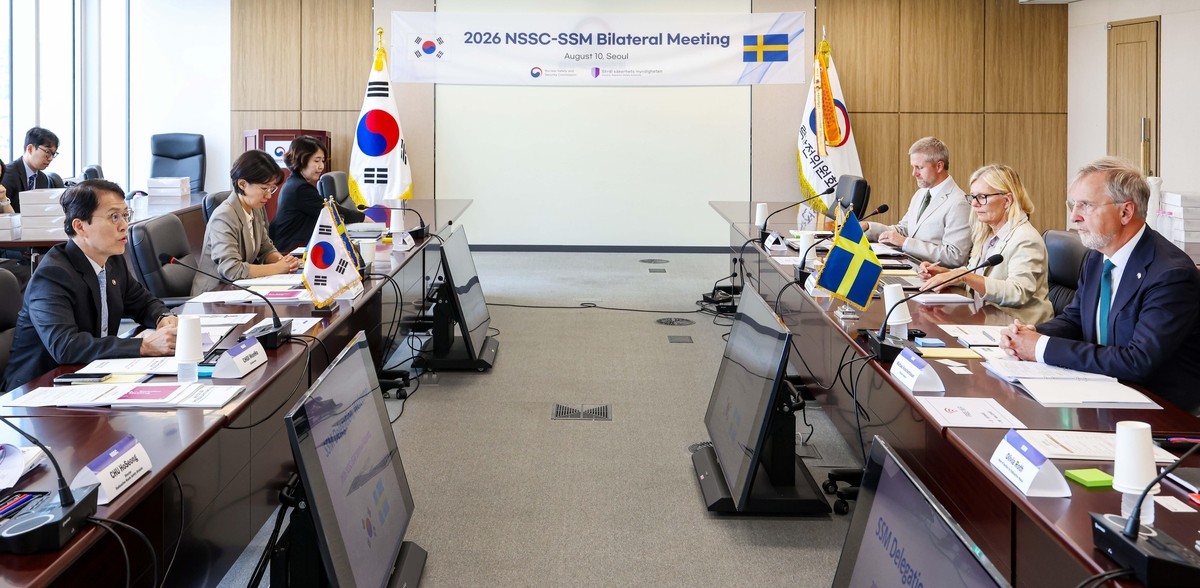
South Korea and Sweden Discuss Cooperation on High-Level Waste Disposal and SMR Regulation
The Nuclear Safety and Security Commission (NSSC) of South Korea announced on August 10 that it held a bilateral meeting with the Swedish Radiation Safety Authority (SSM) in Seoul, during which the two sides exchanged views on topics including high-level radioactive waste management, nuclear safety regulation, and the development of small modular reactors (SMRs). Sweden has accumulated strong technical expertise in the field of radioactive waste management and has developed a relatively mature technical system for high-level radioactive waste disposal. Currently, Sweden has 6 operating nuclear power units and 7 permanently shut down units, 6 of which are in the decommissioning phase. Following Finland, Sweden is constructing the world's second deep geological disposal facility for high-level radioactive waste. The NSSC of South Korea...
2026-08-10
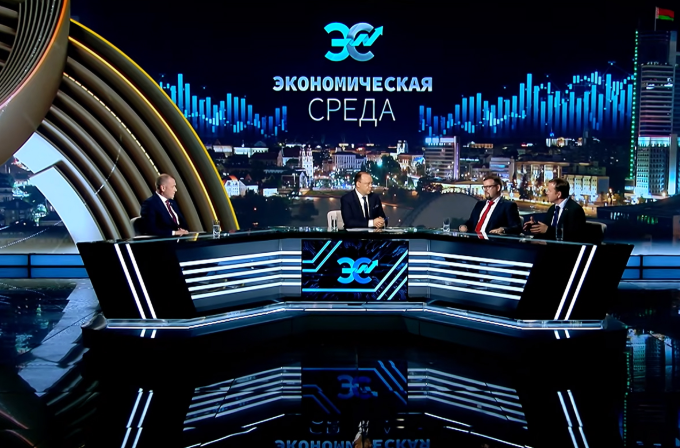
Belarusian NPP safe operation period may be extended to 100 years, with first spent fuel to be shipped to Russia for reprocessing in 2034
Stanislav Levitsky, head of the Rosatom representative office in Belarus, stated on the "Economic Environment" program of Belarusian TV Channel One that Belarusian nuclear energy development is backed by comprehensive safety assurances. He emphasized that while nuclear facilities can indeed have serious consequences if mismanaged, under the existing risk control system and modern technological support at the Belarusian NPP, nuclear power can become a low-cost, stable, and safe energy source. Levitsky believes that amid intense competition in the energy sector, some irresponsible players may use information tactics to create anxiety and attempt to provoke panic among the public...
2026-08-10
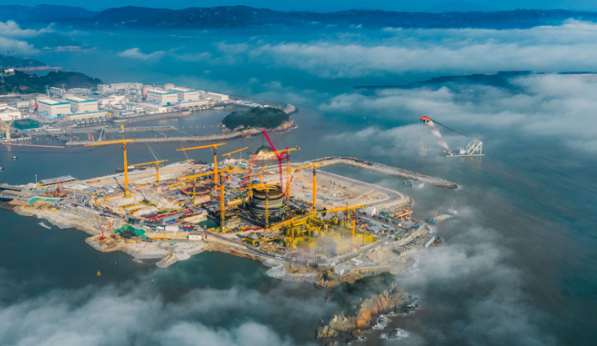
Typhoon "White Dolphin" Approaches Fujian-Zhejiang Coast, Ningde Nuclear Power Initiates Typhoon Emergency Deployment
According to the forecast of the Central Meteorological Observatory, Typhoon White Dolphin is expected to make landfall along the coast from Zhoushan, Zhejiang to Fuding, Fujian between the night of August 9 and the morning of August 10, with an intensity of 12 to 14 levels at landfall, classified as a typhoon or severe typhoon. Affected by this round of typhoon, Fujian has upgraded its emergency defense level. The Fujian Provincial Meteorological Observatory upgraded the typhoon warning to Level II at 9:00 on August 9, and the Fujian Provincial Flood Control and Drought Relief Headquarters upgraded the typhoon emergency response to Level II at the same time. Heavy to torrential rain is expected in northern Fujian from August 9 to 10, with localized extremely heavy rain. State Grid Fujian Electric Power has issued a Level III warning for typhoon and rainstorm, and activated a Level IV emergency response for typhoon, rainstorm, and flood disasters. Located in Fujian...
2026-08-10
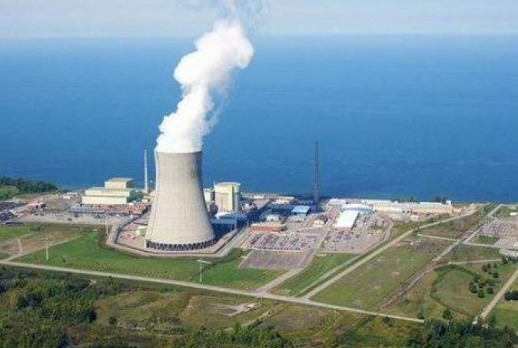
Vietnam's Nuclear and Radiation Safety Inspectorate Accelerates Year-End Efforts: Surprise Inspections + 20 National Standards + Institutional Closure
Vietnam's Radiation Protection and Nuclear Safety Inspectorate (ATBXHN) entered an accelerated implementation phase for key tasks in the final months of 2026, with work priorities including completing the annual inspection plan, strengthening surprise inspections of facilities showing signs of violations, strictly handling violations in accordance with the law, and promptly completing the legal framework for inspection, review, and supervision in the field of radiation protection and nuclear safety. Pham Xuan Linh, Chief Inspector of Nuclear Safety and Security of Vietnam, stated that the relevant inspections are not only aimed at detecting and handling violations but also at enhancing legal compliance awareness among organizations and individuals engaged in atomic energy activities, ensuring nuclear and radiation safety, and protecting public health and the environment. According to the year-end work arrangements, the inspectorate will concentrate...
2026-08-10

"Nuclear Levee" Intelligent Foundation Empowers Wuhan Nuclear Technology Utilization Intelligent Review System Officially Launched
Recently, the Nuclear and Radiation Safety Center of the Ministry of Ecology and Environment, in collaboration with software development enterprises, leveraged its independently developed nuclear safety regulatory "Nuclear Levee" intelligent review technology foundation to address the intelligent construction needs of radiation-related construction project environmental impact assessment (EIA) review at the Wuhan Ecological Environment Safety Center. The customized development of the Wuhan Nuclear Technology Utilization Intelligent Review System was successfully completed and officially deployed. The system carried out full-process technical research around three core directions: scenario adaptation, model iteration, and large-scale deployment. Key technical optimizations were completed for the EIA business scenarios, including dedicated parameter tuning and joint model training of the "Nuclear Levee" intelligent review foundation, successfully building an intelligent review system covering the entire EIA process. The system...
2026-08-10
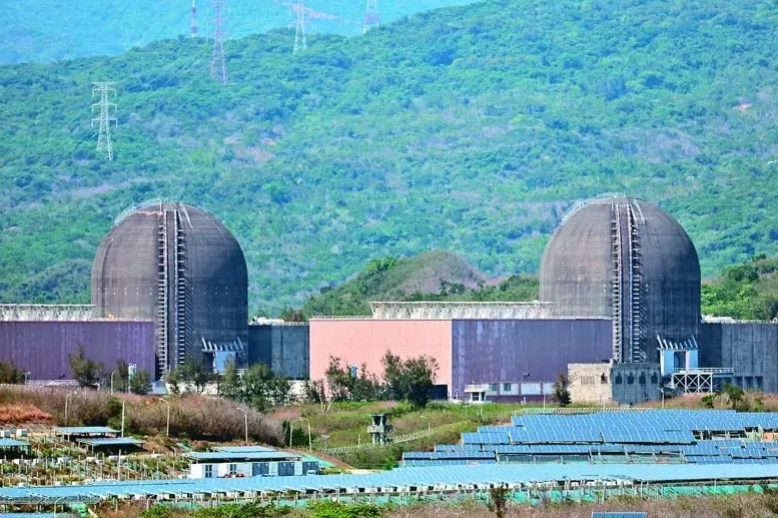
Taiwan's Nuclear Plant No. 3 safety inspection schedule extended to 2029, nuclear restart progress faces uncertainty
The latest report from the Audit Department shows that the actual progress of Taiwan's nuclear restart may be lower than expected by the public. Although the Ministry of Economic Affairs has determined that Nuclear Plant No. 2 and Nuclear Plant No. 3 are feasible for restart, and Taipower's restart plan for Nuclear Plant No. 3 has been submitted to the Nuclear Safety Commission for review, a gap has emerged in the progress of the critical self-conducted safety inspections. Although the five self-conducted safety inspection contracts for Nuclear Plant No. 3 have been awarded, the contract performance period may be extended to July 2029, casting uncertainty over the original goal of completing document review by the end of 2028. Nuclear Plant No. 3 is currently regarded as the plant with the best chance of advancing toward restart, but its restart process still must clear multiple hurdles including safety review, aging assessment, aging management, and related document review...
2026-08-10
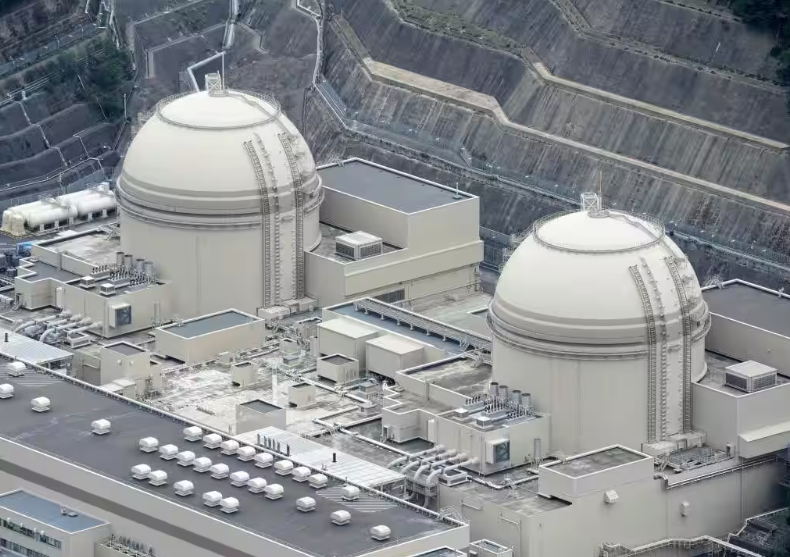
Unit 3 of Japan's Ohi Nuclear Power Plant Automatically Shuts Down
Kansai Electric Power Co. announced in the early hours of the 9th that Unit 3 of the Ohi Nuclear Power Plant, located in Ohi Town, Fukui Prefecture, Japan, automatically shut down during operation. The unit has a generating capacity of 1.18 million kilowatts. According to Kansai Electric Power, at around 23:56 on the 8th, an alarm was triggered at the unit, indicating that the generator had lost the conditions required to produce a magnetic field. Subsequently, the generator automatically stopped operating, and the reactor also automatically shut down. Preliminary information suggests that the anomaly may involve the exciter, a device used to establish the magnetic field for the generator. Kansai Electric Power stated that no radioactive material leakage occurred as a result of this incident, and there was no radiological impact on nearby personnel or the environment. The cause of the malfunction...
2026-08-10
Research Reactors Support Kazakhstan's Safe Nuclear Energy Development
Against the backdrop of growing demand for low-carbon electricity, nuclear energy is being regarded by many countries as a key energy option. Kazakhstan is also advancing its own nuclear energy development. Equally critical to the construction of nuclear power plants is the long-term research, testing, and validation of nuclear fuel, structural materials, reactor operating conditions, and safety systems. Research reactors and experimental facilities are precisely the core platforms undertaking such work. Unlike power reactors, which primarily target electricity generation, research reactors are closer to specialized nuclear science laboratories. Researchers can study the behavior of nuclear fuel and structural materials, simulate different reactor operating states, including off-normal conditions, test new technologies, and validate engineering solutions subsequently used in nuclear...
2026-08-09
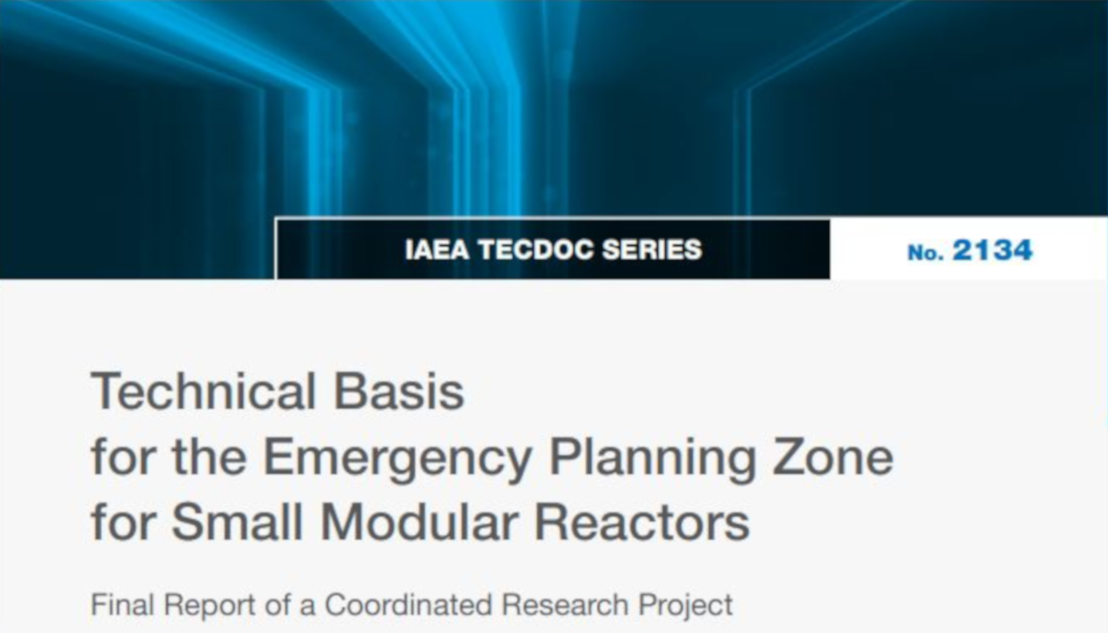
IAEA Publishes Technical Document on Emergency Planning Zones for Small Modular Reactors
The International Atomic Energy Agency (IAEA) recently released the technical document "Technical Basis for Emergency Planning Zones for Small Modular Reactors," designated as TECDOC-2134, published in Vienna in 2026. The document comprises 132 pages, includes 11 illustrations, is written in English, and is now available for download. This marks the first time the Agency has systematically documented, in publication form, the outcomes of a coordinated research project related to protective action planning zones in the deployment of small modular reactors. The document focuses on the technical basis for emergency preparedness and response for small modular reactors, with particular attention to determining the size of protective action planning zones. A protective action planning zone is an area surrounding a nuclear facility where protective measures are pre-planned in response to potential accidents...
2026-08-09

UAB startup LifeNuclear launches TheraGuide, a radiation safety guidance platform for radiopharmaceutical therapy
On August 7, LifeNuclear, a medical technology startup incubated by the University of Alabama at Birmingham (UAB), announced the launch of TheraGuide, a digital platform designed to help patients undergoing radiopharmaceutical cancer treatment understand and follow radiation safety guidance after discharge. Radiopharmaceutical therapy uses radioactive drugs to target cancer cells while minimizing damage to surrounding healthy tissue. As the therapy's applications expand, patients are typically required to read and follow complex written instructions after treatment, which can be difficult for some patients and caregivers to understand and execute. Dr. Remo George LifeNuclear was founded by UAB...
2026-08-08
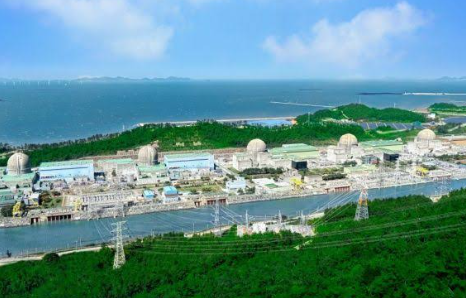
Hanbit Nuclear Power Plant launches 24-hour drone monitoring and strengthens no-fly zone publicity
The Hanbit Nuclear Power Headquarters of Korea Hydro & Nuclear Power (KHNP) recently conducted a special no-fly zone publicity campaign regarding illegal drone flights around the nuclear power plant. The campaign was held on July 27-28 at Gamame and Gusipo beaches near the Hanbit Nuclear Power Plant, focusing on educating summer tourists and drone users about flight control regulations around the plant. The publicity was jointly promoted by the Hanbit Nuclear Power Headquarters together with Yeonggwang Police Station, Gochang Police Station, Mokpo Maritime Police Station, Buan Coast Guard Station, volunteer fire brigades, and beach operators. Personnel at the site explained to visitors the drone flight restrictions around the nuclear power plant, consequences of violations, and precautions...
2026-08-08
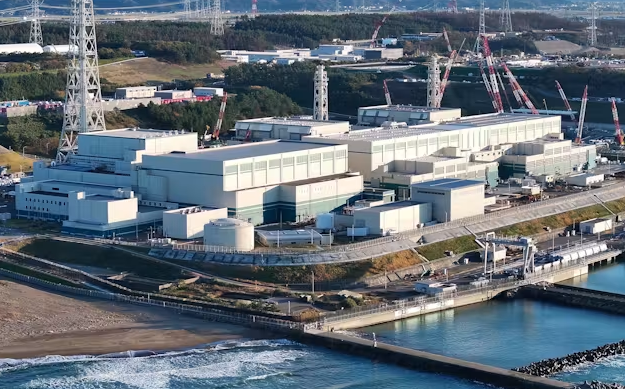
Rising Seawater Temperatures Prompt New Nuclear Safety Rules: TEPCO Sets Temporary Shutdown Criteria for Kashiwazaki-Kariwa Plant
Tokyo Electric Power Company Holdings announced on August 7 that it has established a set of self-determined criteria for evaluating whether to temporarily halt nuclear reactor operations at the Kashiwazaki-Kariwa Nuclear Power Plant in Niigata Prefecture, in response to rising seawater temperatures in the surrounding area. These criteria are not mandatory requirements directly imposed by external regulatory authorities, but rather proactive measures voluntarily implemented by TEPCO based on safe operational needs. According to the conditions announced by TEPCO, the company will consider temporarily shutting down the relevant nuclear facilities when the 7-day average seawater temperature in the waters surrounding the plant exceeds 31 degrees Celsius, when water temperatures above 34 degrees Celsius are observed, or when water temperatures above 33 degrees Celsius persist for 12 hours. These numerical thresholds indicate that seawater temperature has been incorporated as a key variable in nuclear power plant operational risk management.
2026-08-08
Finland's Onkalo Repository to Be Commissioned, Experts Say 100,000-Year Safety Assessment Still Faces Uncertainties
Finland's Olkiluoto is about to commission the world's first permanent deep geological repository for spent nuclear fuel — Onkalo. The facility is designed for long-term underground containment of spent fuel, with a design safety period of up to 100,000 years. There remains debate within the nuclear industry over whether such facilities can remain safe over such an immense timescale. Dmitry Pripachkin, head of the Department of Radiation Physics and Nuclear Technology Safety at the National Research Nuclear University MEPhI (Moscow Engineering Physics Institute), stated that modern science does not yet possess tools capable of reliably predicting the state of such facilities after 100,000 years. Science can study the evolution of geological formations over long historical periods, but...
2026-08-09