
Search Results
Keyword:Safe
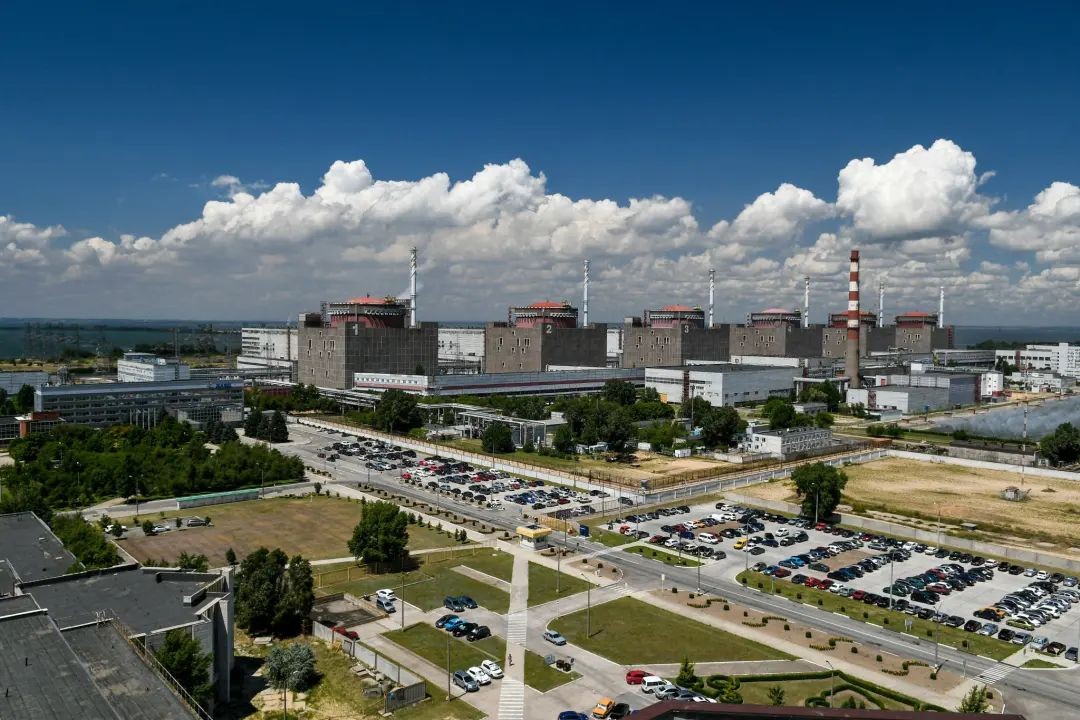
Zaporizhzhia Nuclear Power Plant Launches Major Overhaul of Damaged Diesel Generator
On August 14 local time, the Zaporizhzhia Nuclear Power Plant (ZNPP) stated that it has launched a major overhaul of a damaged diesel generator unit to ensure the plant's independent power supply capability in the event of an external power outage. The plant stated that maintenance work is currently progressing as planned, with a focus on the upkeep and repair of equipment related to safety systems. The diesel generator unit under repair is one of the independent power sources for the safety systems. Previously, during a complete interruption of external power supply, the backup diesel generator units provided power support for the plant to maintain essential safety functions. According to reports, experts on site have begun disassembling and inspecting the main components of the diesel generator unit to determine which parts need replacement or repair...
2026-08-15
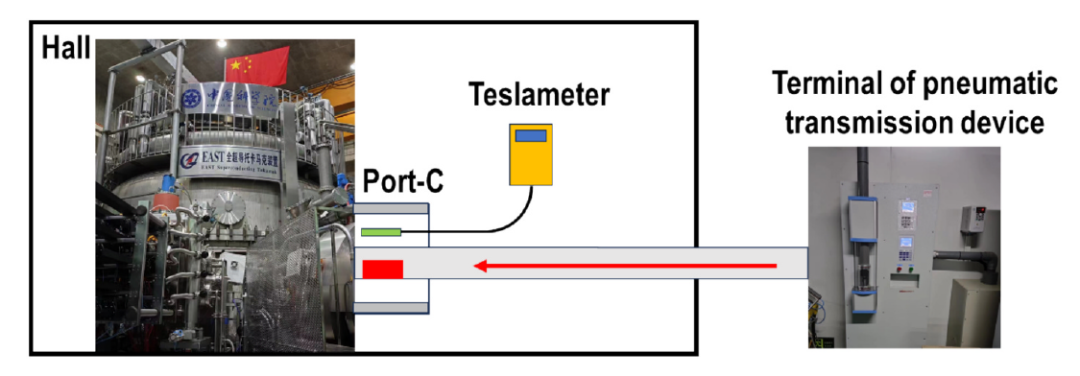
The Energy Research Institute of Hefei Comprehensive National Science Center Achieves a Series of New Progress in Safety Assessment of Activated Corrosion Products under Magnetic Field Environments in Fusion Reactors
Recently, the Radiation Protection and Safety Research Center of the Energy Research Institute of Hefei Comprehensive National Science Center has made a series of significant progress in the field of safety assessment of activated corrosion products under magnetic field environments in fusion reactors. The research team conducted systematic studies on the corrosion behavior of China's low-activation ferritic/martensitic steel CLF-1 in magnetic field environments, from three dimensions: water corrosion characteristics, migration patterns of corrosion products, and the influence of surface roughness. The relevant results have been published as three papers in the journal *Nuclear Materials and Energy*, which is ranked in Zone 1 of the emerging journal classification table. This series of research outcomes provides key scientific evidence for the radiological safety assessment of cooling water systems in fusion reactors...
2026-08-15
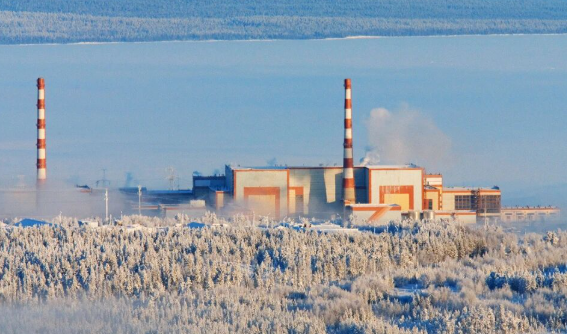
Long-term radiation environment at Kola NPP remains under control: gamma dose rates within natural background levels, 15 permanent observation stations operating since 1972
Long-term monitoring results from the external radiation monitoring group at Russia's Kola Nuclear Power Plant show that gamma radiation dose rates around the plant site have consistently remained within natural background radiation levels, with radionuclide concentrations matching background values, indicating a sound radiation environment with no differences from surrounding areas. The station's radiation safety department collects surface water samples from the discharge canal monthly, with monitoring coverage encompassing all elements including the atmosphere, snow cover, bottom sediments, food products, algae, berries, mushrooms, and caged fish. The monitoring architecture consists of two tiers: 15 permanent environmental observation stations have been in continuous operation since before the commissioning of the first reactor unit in 1972; 13 ASKRO automated radiation environment monitoring system stations provide real-time ground-level gamma dose rate data, which is transmitted directly to the Rosenergoatom crisis center and integrated into the national unified radiation monitoring network. Approximately 200,000 cubic meters of air are drawn weekly through air filtration units to capture radionuclides, with volumetric activity of radioactive iodine also measured. A mobile radiological laboratory performs on-site spectrometric analysis. Annually, about 1,200 environmental samples are collected from around the plant site and delivered to the Polyarnye Zori laboratory, where well water samples analyzed by Canberra spectrometers yield "zero nuclide" results, with samples retained for one year for potential re-analysis. Biological samples are processed using the ashing method, and instrument sensitivity is sometimes insufficient to even detect any signal from the plant's impact.
2026-08-14
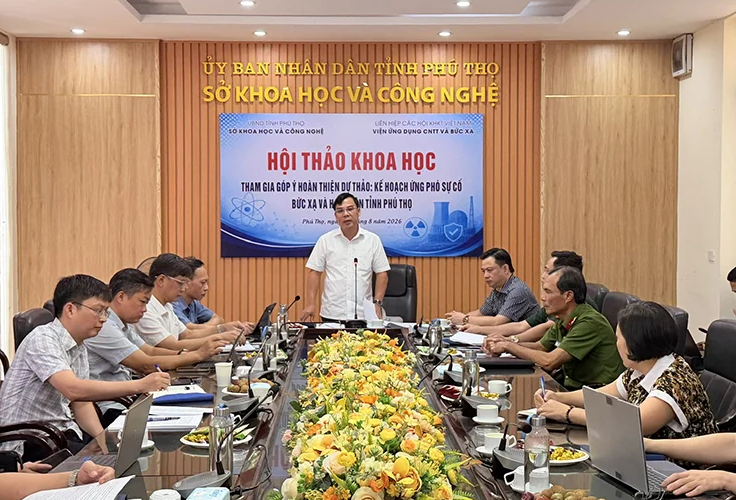
Phu Tho Province, Vietnam Advances Improvement of Radiation and Nuclear Accident Emergency Response Plan
On the morning of August 13, the Department of Science and Technology of Phu Tho Province, in coordination with the Vietnam Union of Science and Technology Associations and the Institute for Technology and Radiation Application, held a scientific seminar to solicit opinions on the draft of the "Radiation and Nuclear Accident Emergency Response Plan of Phu Tho Province." Experts, scientists, and representatives from relevant provincial and municipal departments were invited to attend, aiming to ensure the plan's feasibility, alignment with local conditions, and compliance with national requirements for atomic energy management and radiation safety. The core purpose of this seminar was to improve the emergency response plan through multi-party input, making it more suitable for local realities and meeting the requirements of atomic energy application, radiation safety, and nuclear safety management. From the local perspective, the application of radiation technology in Phu Tho Province has already reached a certain scale. Currently, the province has more than 270 institutions using radiation, equipped with over 417 X-ray machines, 2 linear accelerators, more than 500 radiation devices, and 45 radioactive sources, widely applied in fields such as medicine, industry, technical inspection, and scientific research. These technologies have played an active role in enhancing diagnostic and treatment capabilities, improving labor productivity, upgrading product quality, and serving economic and social development.
2026-08-14

Russian Scientists Develop Bioluminescent Bacterial Bioassay for Screening Safe Low-Dose Radiation Levels in Animals
Russian researchers have developed a rapid bioassay method based on bioluminescent bacteria that can be used to assess safe dose ranges of ionizing radiation for animals, providing an early screening tool for low-dose radiation applications in livestock farming. The study involved researchers from the Institute of Biophysics of the Siberian Branch of the Russian Academy of Sciences, Siberian Federal University, and Krasnoyarsk State Agrarian University. The research team noted that low-dose ionizing radiation ranging from tens to hundreds of milligrays (mGy) may activate a series of physiological processes in animals, including metabolism, growth, and biomass accumulation; however, if the dose exceeds the safe range, it may cause physiological...
2026-08-14
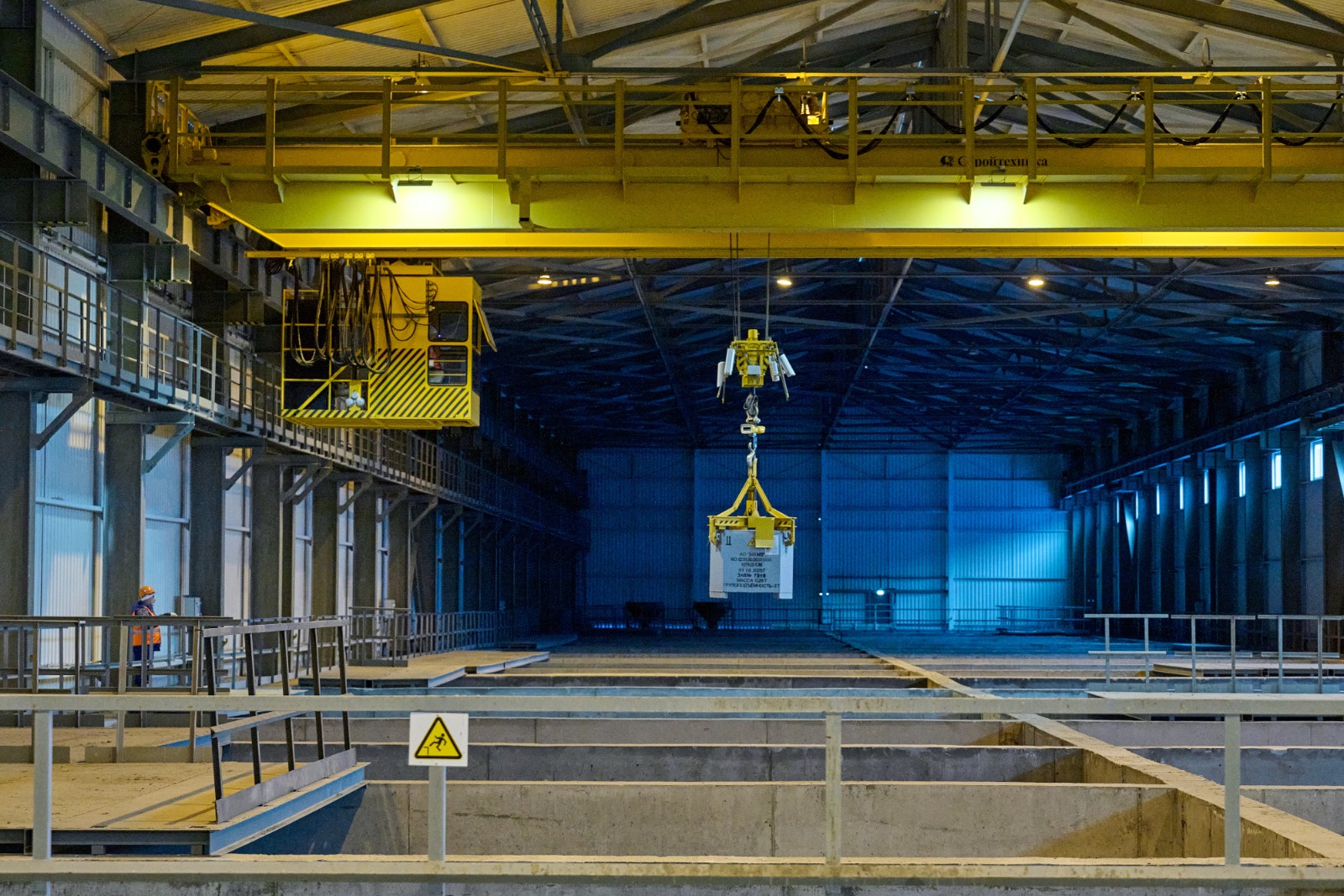
Rosatom and Lomonosov Moscow State University to Co-Host Seminar on Radioactive Waste Safety Barriers
From October 19 to 22, 2026, Lomonosov Moscow State University will host a scientific and technical seminar on the creation and monitoring of safety barriers at its sports complex. The event is jointly organized by Lomonosov Moscow State University, the Russian National Operator for Radioactive Waste Management (FSUE NO RAO), a subsidiary of Rosatom, and the Pilot Demonstration Center for Decommissioning of Uranium-Graphite Nuclear Reactors (JSC PDC UGR). The seminar focuses on the development of technologies for the creation, reconstruction, and control of engineered safety barriers. Topics include the evolution of design concepts for engineered safety barriers, selection and justification of barriers for special radioactive waste disposal and storage facilities, patterns of clay barrier material transformation and their role in safety justification for long-term radioactive waste disposal, incoming inspection of clay barrier materials during nuclear facility decommissioning, and surveys of completed barriers using various geophysical methods. Experts will also exchange views on new technologies and materials required for safety barrier construction.
2026-08-14
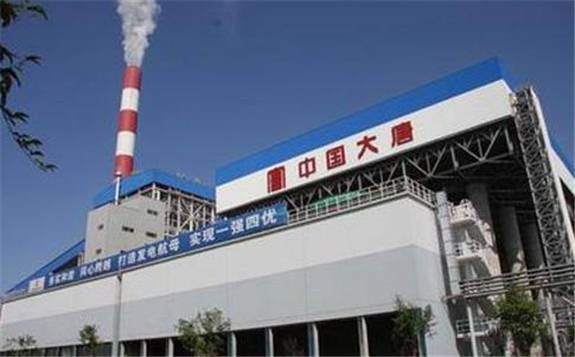
Liaoning Zhuanghe Nuclear Power Phase I Project Approved, Zhuanghe Goes All Out to Accelerate Project Implementation
Recently, the State Council held an executive meeting and decided to approve the Liaoning Zhuanghe Nuclear Power Phase I Project. Located in Lizifang Town, Zhuanghe City, Liaoning Province, the Liaoning Zhuanghe Nuclear Power Project is the first nuclear power project in Northeast China to adopt China's self-developed third-generation nuclear power technology, the Hualong One, injecting core momentum into the high-quality development of regional clean energy. The overall plan for the Liaoning Zhuanghe Nuclear Power Project includes the construction of six million-kilowatt-class Hualong One third-generation pressurized water reactor nuclear power units, with unified planning and construction in three phases. The Phase I project approved this time will build two new nuclear power units with a total installed capacity of 2.5 million kilowatts. Upon completion and commissioning, the project will deliver outstanding comprehensive benefits and strong driving effects. In terms of clean energy supply security, each...
2026-08-14
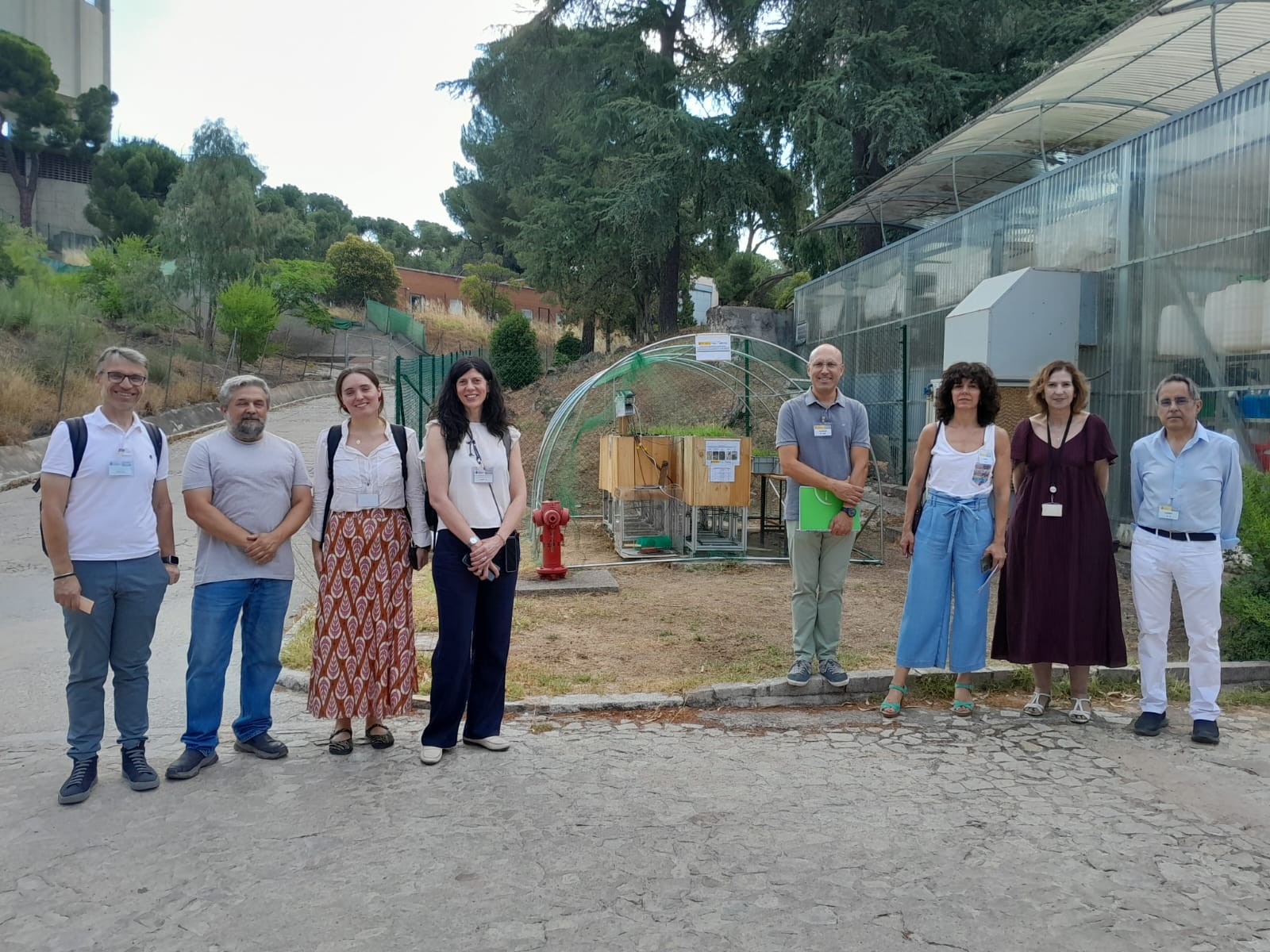
Spanish ENRESA visits CIEMAT to advance safety research on radioactive waste covers
Technical staff from the Spanish National Radioactive Waste Company (ENRESA) recently visited facilities of the Environmental Department at the Spanish Research Centre for Energy, Environment and Technology (CIEMAT) to review the progress of joint research projects in the field of radioactive waste safety management. The visit focused on two projects, VEBIOCA and CARCOB, whose research supports the optimization of the safety cover system and long-term environmental protection at the El Cabril waste storage facility in the province of Córdoba. During the visit, ENRESA technical staff first toured CIEMAT's Soil Conservation and Remediation Department. The research team presented the progress of the VEBIOCA project, which primarily analyzes the influence of vegetation on the behavior of the bio-intrusion layer within the pilot vegetation cover at the El Cabril waste storage facility. Researchers are conducting plant species identification and assessment at two locations, Madrid and Córdoba, with particular focus on the growth characteristics of different plants at the site and in the surrounding environment, as well as their interactions with the vegetation cover system. The results will provide a basis for ENRESA's selection of plant species in subsequent pilot trials.
2026-08-13

Hinkley Point C Nuclear Power Station Advances CCNSG Safety Passport Collaboration to Ensure Site Safety During Peak Construction
Hinkley Point C (HPC) nuclear power station in the UK is deepening its collaboration with the Client Contractor National Safety Group (CCNSG) to safeguard thousands of workers on site during the peak construction phase. Located in Somerset, the project is progressively transitioning from civil works to mechanical and electrical installation, placing greater demands on unified safety access standards and workforce competency. The CCNSG Safety Passport scheme, delivered by the Engineering Construction Industry Training Board (ECITB), has been operating in the engineering construction industry for over 30 years, with more than 85,500 active cardholders. The scheme is industry-led and continuously overseen by a relevant committee, of which Hinkley Point C is a member.
2026-08-13

Jellyfish Blockage Forces Shutdown of French Nuclear Units; Experts Say Shutdown Demonstrates Effectiveness of Safety Systems
France's Gravelines Nuclear Power Plant recently shut down some of its units again after large numbers of jellyfish entered the water intake system. On August 11, reactors 2, 3, and 4 at the plant were forced to shut down due to blockage in the seawater cooling pump system, reactor 1 was reduced to half power operation, reactor 5 was under maintenance at the time, and only reactor 6 continued normal operation. EDF (Électricité de France) stated that the incident had no impact on nuclear safety, personnel, or the environment, and the affected units would be restarted in phases. Located in northern France, the Gravelines Nuclear Power Plant is one of the largest nuclear power plants in Western Europe. Similar situations have occurred before. In the 20...
2026-08-13
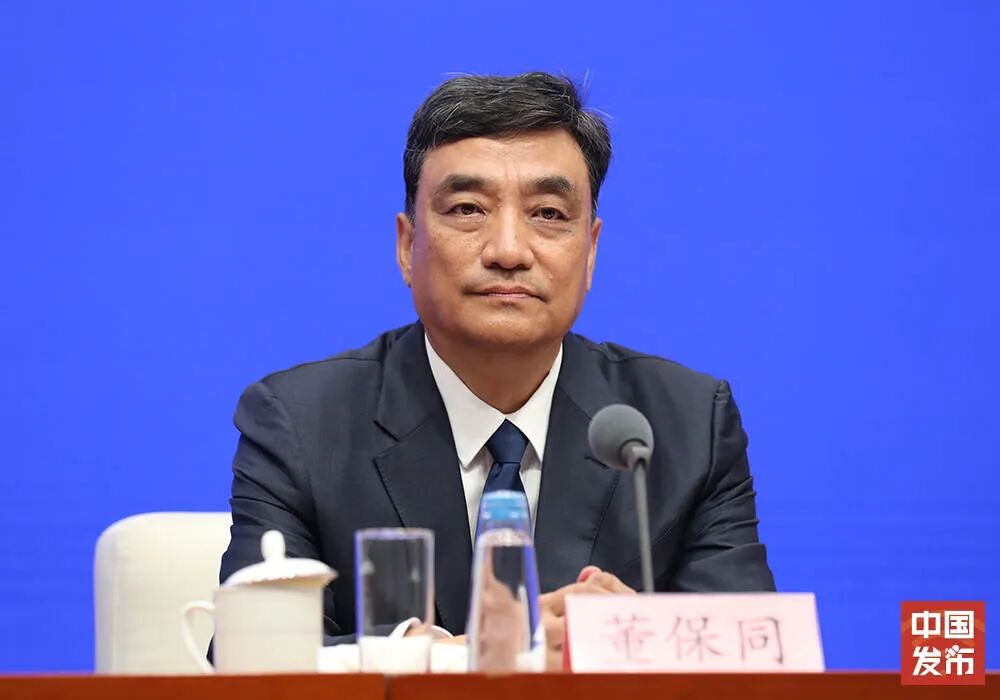
Dong Baotong, Director of the National Nuclear Safety Administration: China's nuclear safety level remains among the top internationally, and during the "15th Five-Year Plan" period, the number of operating nuclear power units in China will rank first in the world
The State Council Information Office held a series of press conferences on August 13 themed "Starting the '15th Five-Year Plan' with a Strong Beginning," introducing the progress of comprehensively advancing the construction of a Beautiful China. Dong Baotong, Vice Minister of Ecology and Environment and Director of the National Nuclear Safety Administration, stated at the conference that ecological environment safety encompasses several key aspects, including ecological security, nuclear safety, and environmental risk prevention and control. The Ministry of Ecology and Environment serves as the lead coordinating body for both the national ecological security work coordination mechanism and the nuclear safety work coordination mechanism. Over the years, together with relevant departments, we have actively responded to various risks and challenges, effectively safeguarding the bottom line of ecological environment safety. Among these, in the area of nuclear safety, we have consolidated the primary responsibility of nuclear facility operators...
2026-08-13
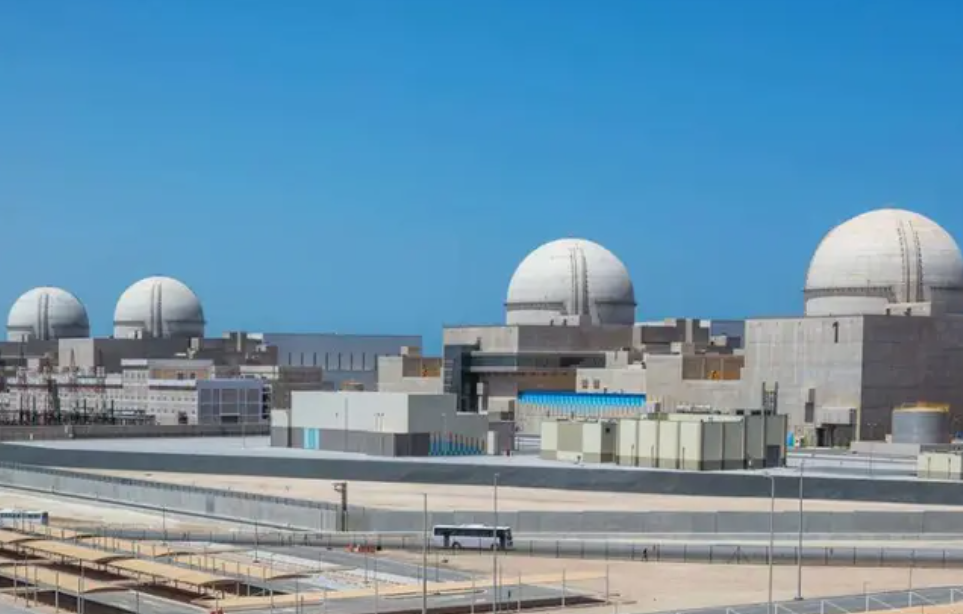
UAE Releases 2025 Annual Nuclear Regulatory Report, Highlighting Nuclear Safety and Peaceful Use Achievements
The UAE Federal Authority for Nuclear Regulation (FANR) has released its "2025 Annual Report," showcasing regulatory progress over the past year in nuclear safety, radiation protection, and nuclear non-proliferation. The report indicates that the UAE continues to advance its nuclear governance framework in line with the "We the UAE 2031" vision, enhancing regulatory efficiency while emphasizing that nuclear technology and nuclear materials must serve peaceful purposes. The report specifically highlights FANR's launch of a unified import and export system. This digital platform is designed to streamline the regulatory processes for the import and export of nuclear and radioactive materials, while strengthening regulatory transparency and traceability. The development of this system demonstrates that the UAE is focused not only on the safety of nuclear facilities themselves...
2026-08-13
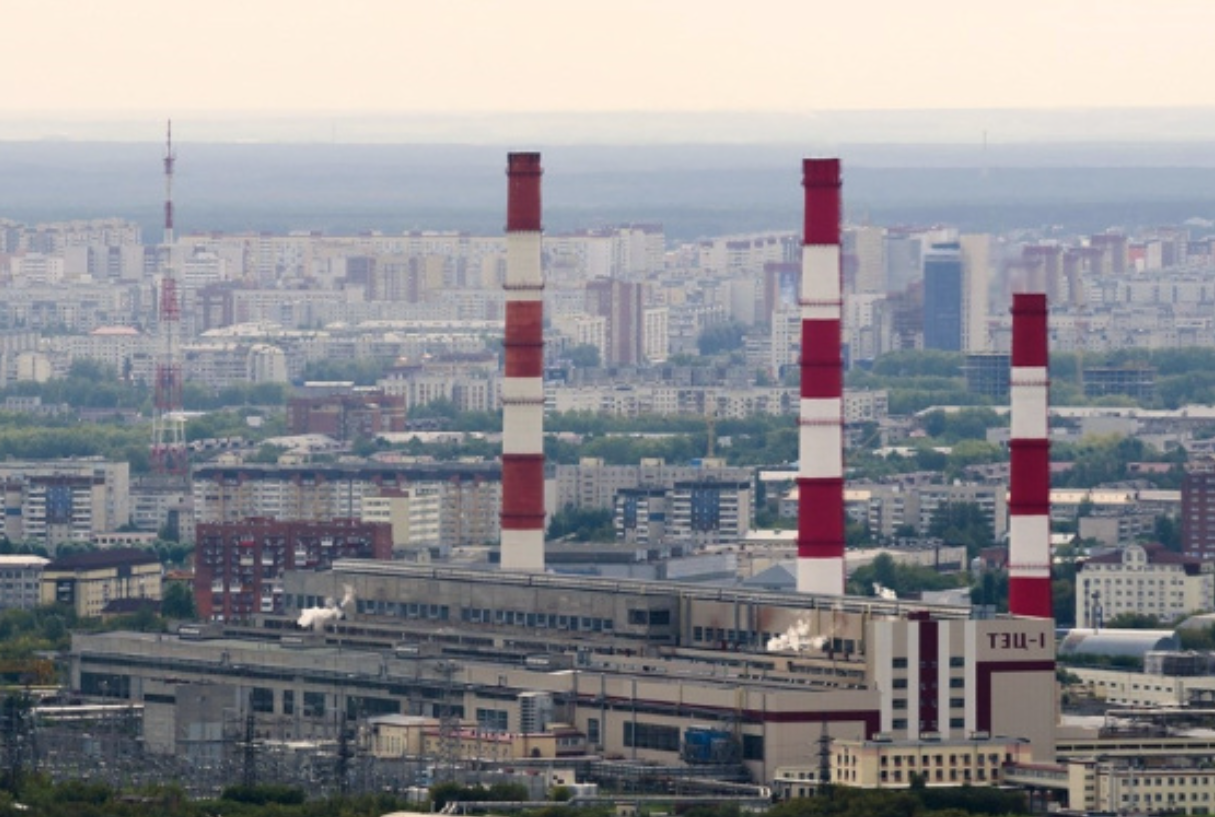
Russia's National Anti-Terrorism Committee Demands Enhanced Security for Energy and Nuclear Facilities
On August 12, Russia's National Anti-Terrorism Committee (NAK) held a meeting chaired by Alexander Bortnikov, Director of the Federal Security Service, to discuss security issues at transportation, fuel-energy complex, and nuclear energy industrial facilities. The Committee emphasized the need to strengthen comprehensive security safeguards and respond more effectively to sabotage and terrorist threats. The meeting proposed that protecting energy and nuclear industrial facilities should not remain at the institutional level alone, but rather should develop more targeted priority tasks based on evolving actual risks. Damage to fuel-energy systems and nuclear industrial facilities could affect the stability of energy supply and trigger broader security risks, which is why their level of protection is regarded as...
2026-08-13

US Valion Bio Initiates Safety Study of Entolimod for Radiation-Induced Gastrointestinal Injury
US biotechnology company Valion Bio announced on August 12 that the safety study of its investigational therapeutic candidate Entolimod for radiation-induced gastrointestinal injury is scheduled to commence this week. The study is being advanced by the Armed Forces Radiobiology Research Institute (AFRRI) under a contract with the National Institute of Allergy and Infectious Diseases (NIAID), as part of a government-funded research program. According to the company's disclosure, Entolimod has been delivered to AFRRI, the study has received approval from the Institutional Animal Care and Use Committee (IACUC), and the experimental animals are currently in the pre-dosing acclimation phase. The safety study will confirm the tolerability of Entolimod in the animal strain used by AFRRI...
2026-08-13

India plans to build at least five domestically designed small modular reactors by 2033, and reports on nuclear power plant safety assessments
In a written reply to the Lok Sabha on August 12, Jitendra Singh, India's Minister of State for Atomic Energy, stated that a key objective of the Indian government under its nuclear energy mission is to develop and operationalize at least five domestically designed small modular reactors by 2033. According to the briefing, the Bhabha Atomic Research Centre (BARC) is advancing the design and development of indigenous small modular reactor (SMR) technology, with projects including the 220 MWe Bharat Small Modular Reactor (BSMR-200) and the 55 MWe SMR-55 for power generation. BARC is also developing a High-Temperature Gas-Cooled Reactor (HTGCR) with a capacity of up to 5 MW, which can be coupled with suitable thermochemical cycles for hydrogen production. Singh stated that India...
2026-08-13