
Search Results
Keyword:Unit
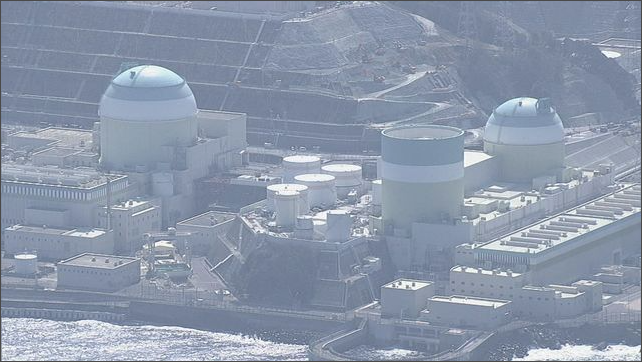
Ikata Nuclear Power Station Unit 1 Decommissioning Phase 2 Plan Approved by Experts
An expert organization in Ehime Prefecture, Japan, regarding safety management at the Ikata Nuclear Power Station recently held a meeting to discuss the decommissioning plan for Unit 1 of the station. The report formed at the meeting deemed it appropriate for the unit to enter the second phase of decommissioning in fiscal year 2027. The meeting was convened by the Nuclear Safety Expert Subcommittee under the Ikata Nuclear Power Station Environmental Safety Management Committee. This committee is responsible for providing advice to the Governor of Ehime Prefecture on safety management at the Ikata Nuclear Power Station. At the meeting, eight academic experts reviewed the decommissioning plan for Unit 1. The decommissioning of Unit 1 at the Ikata Nuclear Power Station began in 2017 and is divided into four phases overall, planned to last approximately 40 years. Currently, the decommissioning work...
2026-08-19
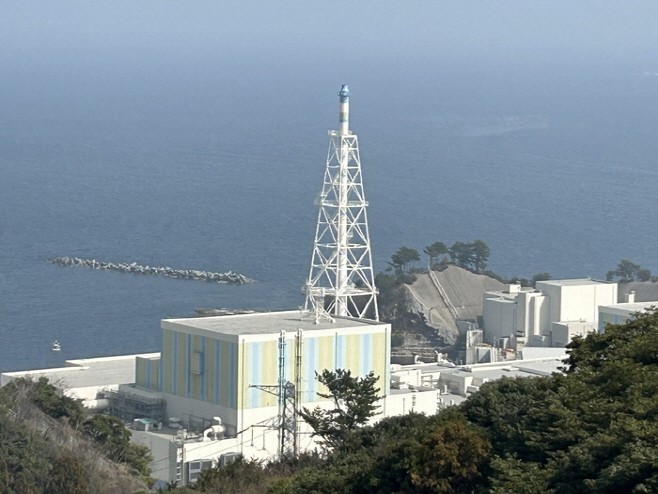
Restart of Shimane Nuclear Power Plant Unit 2 Delayed to August 19
Chugoku Electric Power announced that the restart of power generation at Shimane Nuclear Power Plant Unit 2 has been postponed from the originally scheduled August 18 to August 19. Unit 2 of the Shimane Nuclear Power Plant has been shut down since February this year for routine inspections. After approximately six months of inspections, the reactor was started on August 13, and power generation was originally planned to resume on August 18 after reaching criticality, the state of a sustainable nuclear fission chain reaction. On August 18, at a special committee meeting on Shimane Nuclear Power Plant measures held in Matsue City, Chugoku Electric Power explained that the restart of power generation was delayed by one day, mainly because the restart process requires careful progression and additional time is needed to confirm the status of related equipment...
2026-08-19

Hungary's Paks Nuclear Power Plant expected to resume full generating capacity from August 23
Hungarian Prime Minister Magyar stated that as the Danube water level is expected to recover, the remaining 6 turbines at Hungary's Paks Nuclear Power Plant are planned to restart from August 23, which is expected to fully restore the plant's original generating capacity. Due to recent high temperatures and Danube water levels, the Paks Nuclear Power Plant had previously been unable to maintain full-load operation as originally planned. On the evening of August 10, the second of the plant's 8 turbines was started, and the current generating power is approximately 480 megawatts, lower than the originally planned 2,000 megawatts. Magyar stated that once the relevant water-retention facilities are completed and the river water level rises as expected, the nuclear power plant will have the conditions to restart the remaining turbines...
2026-08-19
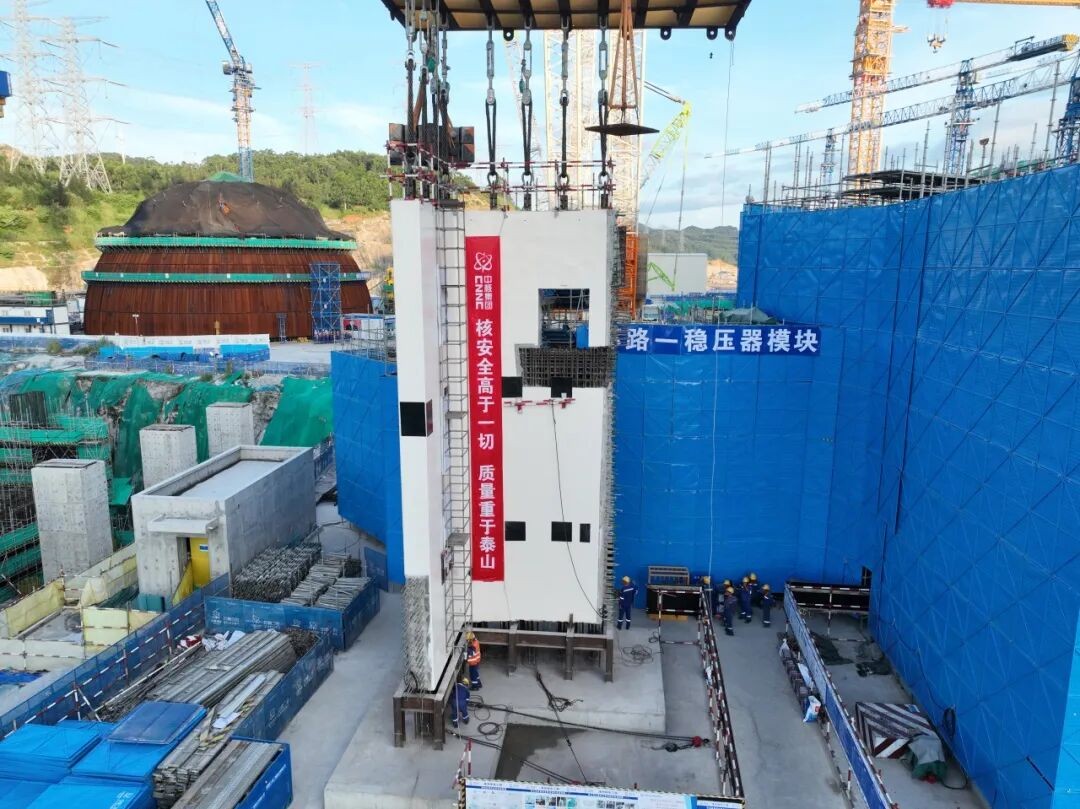
Prefabricated Module for Evaporator Compartment of Loop 3 in Internal Structure of Unit 4 at Zhangzhou Nuclear Power Plant Successfully Hoisted
At 10:18 on August 18, the prefabricated module for the evaporator compartment of Loop 3 in the internal structure of the reactor building of Unit 4 at Zhangzhou Nuclear Power Plant was hoisted into place, with safety and quality under control throughout the entire process. The structures above elevation 16.5 meters in the internal structure of the reactor building of Unit 4 at Zhangzhou Nuclear Power Plant, including the evaporator compartments, pressurizer compartment, and the roof slab of the passive reactor cavity injection tank, adopt a modular construction process featuring off-site prefabrication, integral hoisting, and precise positioning, divided into five concrete modules. The evaporator compartment module of Loop 3 hoisted this time is the first module to be lifted for Unit 4, weighing 454.289 tons, with an overall special L-shaped structure, lifted using a 3200-ton crawler crane. The hoisting operation lasted 3 hours, and Zhangzhou Nuclear Power...
2026-08-19
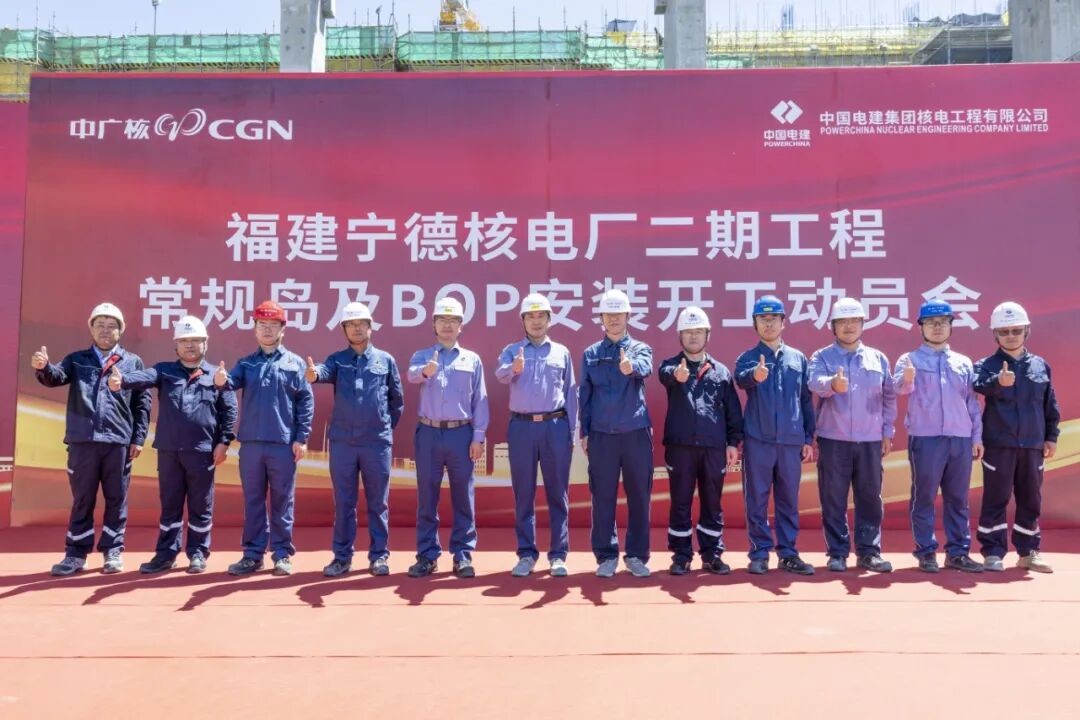
Construction of Conventional Island and BOP Installation for Units 5 & 6 of Fujian Ningde Nuclear Power Plant Launched
On the morning of August 18, the conventional island and BOP installation works for Units 5 & 6 of CGN Fujian Ningde Nuclear Power Plant were officially launched, marking the transition of the conventional island and BOP works of the Ningde Phase II project from the civil construction stage to the installation stage. This laid a solid foundation for the orderly advancement of key project tasks, including the main-line construction of the turbine generator units and the scaling-up of piping works for major process systems. As the core works for energy conversion and plant-wide utility support, the conventional island and BOP systems directly determine the construction quality, operational stability, and commissioning timelines of the units. They serve as critical support for ensuring safe and stable power generation and fulfilling the role of clean energy supply, and are of great significance to the high-quality completion and commissioning of the Phase II project...
2026-08-19

US OSI Systems Secures Approximately $200 Million Contract for Mobile Vehicle Inspection Systems
On August 17, 2026, OSI Systems, Inc. announced that its Security division has been awarded a five-year Indefinite Delivery/Indefinite Quantity (IDIQ) contract by U.S. Customs and Border Protection (CBP), with a ceiling value of approximately $200 million. Under the contract, OSI Systems will provide CBP with mobile Rapiscan® passenger vehicle inspection systems. The company stated that the initial task orders under the contract include the first batch of systems, along with related services and training content. Ajay Mehra, President and Chief Executive Officer of OSI Systems, stated that this contract will enable the company to continue supporting CBP in deploying vehicle security inspection systems. The Rapiscan mobile inspection systems help users flexibly allocate resources in response to changing on-site requirements, supporting border security and critical infrastructure protection efforts.
2026-08-18

U.S. FRIB Secures Contract from Naval Nuclear Laboratory to Develop Quantum-Classical Hybrid Nuclear Reaction Calculation Methods
A research project at the Facility for Rare Isotope Beams (FRIB) at Michigan State University, led by Dean Lee, Professor of Physics at FRIB, Professor in the Department of Physics and Astronomy at Michigan State University, and Head of the Theoretical Nuclear Science Department at FRIB, has received one-year contract support from the Naval Nuclear Laboratory. The laboratory is managed by Fluor Marine Propulsion. The project will study how to combine quantum computers with classical computers to improve the accuracy of predictions for neutron interactions with matter. This also represents the first phase of a five-year plan aimed at developing and evaluating new computational tools for nuclear science. In nuclear physics research, accurately predicting how neutrons interact with atomic nuclei...
2026-08-18
Argonne National Laboratory Launches Diamond Quantum Sensor Project to Serve High-Energy Physics Electromagnetic Field Measurements
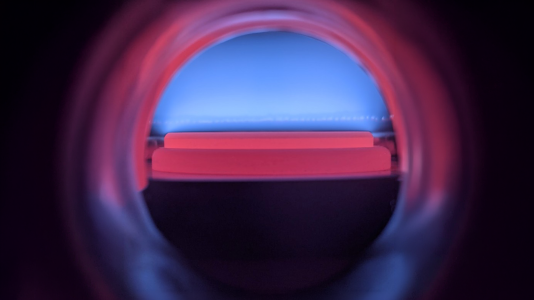
The U.S. Department of Energy's Argonne National Laboratory recently launched a new three-year, $1 million research project that plans to combine quantum information science with high-energy physics research to develop a new generation of quantum sensors based on diamond materials for higher-precision measurement and mapping of electromagnetic fields. Inside this plasma-filled vacuum chamber is the diamond substrate used to fabricate the diamond thin film (not shown in the image), within which the nitrogen-vacancy qubits are located. (Image courtesy of Nazar Delegan/Argonne National Laboratory.) In high-energy physics experiments, the precision of electromagnetic field measurements directly affects the reliability of experimental results. Whether analyzing the momentum of debris produced after particle collisions...
2026-08-18
Finland's Olkiluoto 3 unit reduces power output due to main coolant pump fault
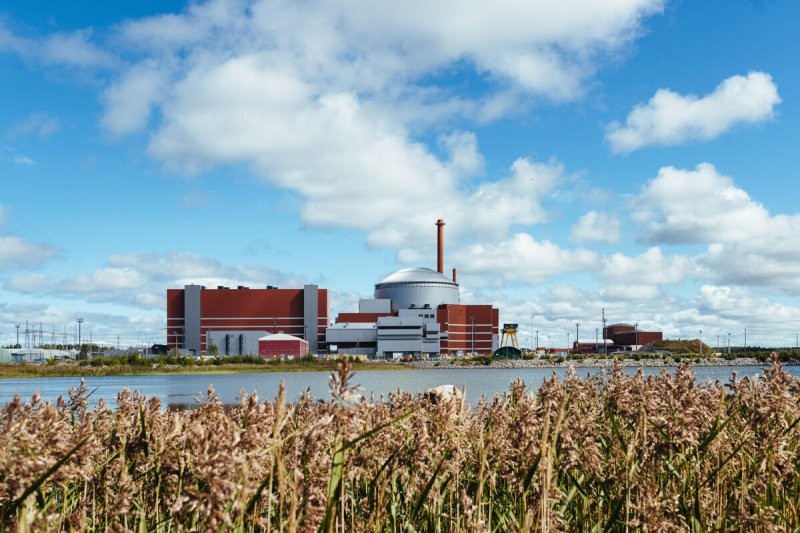
Finnish utility Teollisuuden Voima (TVO) said on August 17 that Unit 3 of the Olkiluoto nuclear power plant (OL3) will continue to operate at a stable power output of approximately 1,300 MW, about 84% of full capacity, for the coming weeks due to technical faults in two main coolant pumps in the nuclear island. The unit's rated generating capacity is approximately 1,600 MW. TVO stated that the faults were discovered during this summer. Since then, the unit has reduced its output power and investigations have been conducted into the causes of the faults and corrective measures. Under the latest arrangement, OL3 will continue operating at a reduced power level to monitor the effectiveness of corrective actions until the unit begins its scheduled annual outage on September 10, 2026. TVO...
2026-08-18
Terra Clean Energy Receives Exploration Permit for Marysvale Uranium Project in Utah, USA
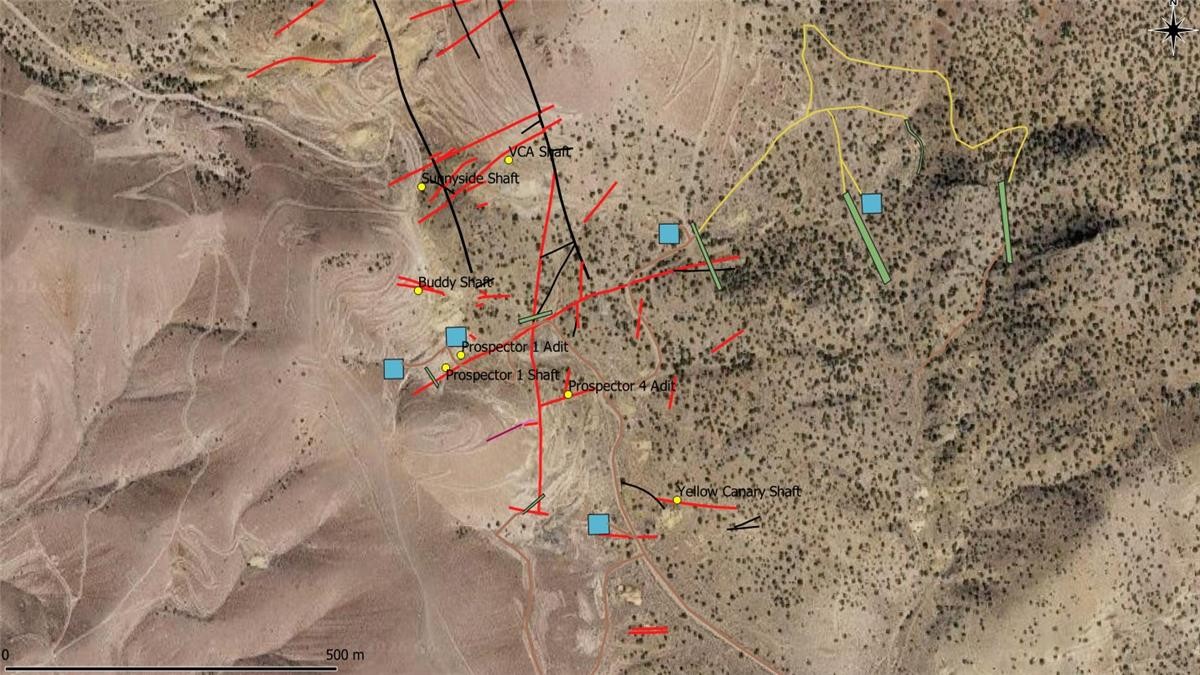
Terra Clean Energy Corp. recently announced that it has received the relevant permit from the Utah Division of Oil, Gas and Mining under the Utah Department of Natural Resources to carry out planned exploration work at its wholly-owned Marysvale Uranium Project. Under the approved work plan, the company will construct 5 drill pads to support subsequent diamond core drilling, and excavate 7 exploration trenches to expose and evaluate known uranium-bearing outcrops. Terra stated that this permit represents a significant milestone in advancing this historic uranium project. The trenching work will help the company's technical team map mineralized structures, collect samples, and validate existing geological interpretations. The results will...
2026-08-18
Fuel Loading Completed for Tianwan Nuclear Power Plant Unit 7, Entering Commissioning Phase with Nuclear Fuel
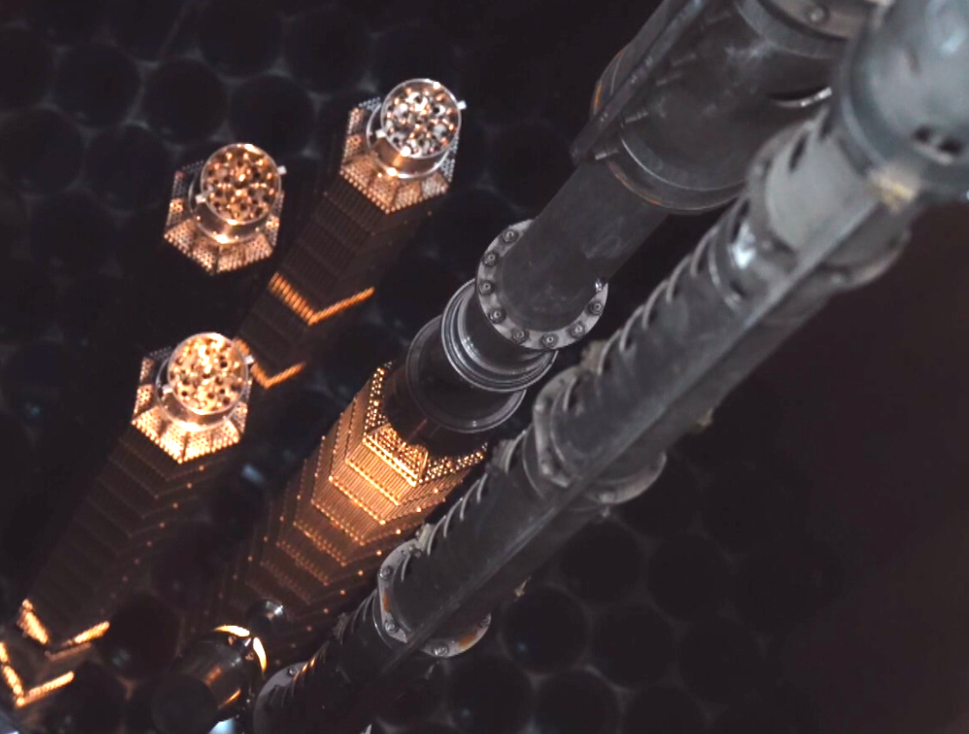
On August 18, with the completion of core loading correctness verification and the commencement of protective tube assembly reinstallation, the first nuclear fuel loading work for Unit 7 of the Tianwan Nuclear Power Plant in Lianyungang, Jiangsu Province, was successfully concluded, marking the entry into the commissioning phase with nuclear fuel. This laid a solid foundation for subsequent reactor criticality, grid connection, and commercial operation of the unit. Fuel loading is a key milestone in the entire lifecycle of nuclear power plant construction and a critical starting point for the unit's operation with nuclear fuel. Unit 7 of the Tianwan Nuclear Power Plant is the first VVER-1200 Generation III nuclear power unit to be constructed in China, and this fuel loading also marks the first-ever fuel loading for a VVER-1200 type nuclear power unit in China. The loading process commenced on the 12th and was fully completed by the 18th, with a total of 163 nuclear fuel assemblies loaded.
2026-08-18
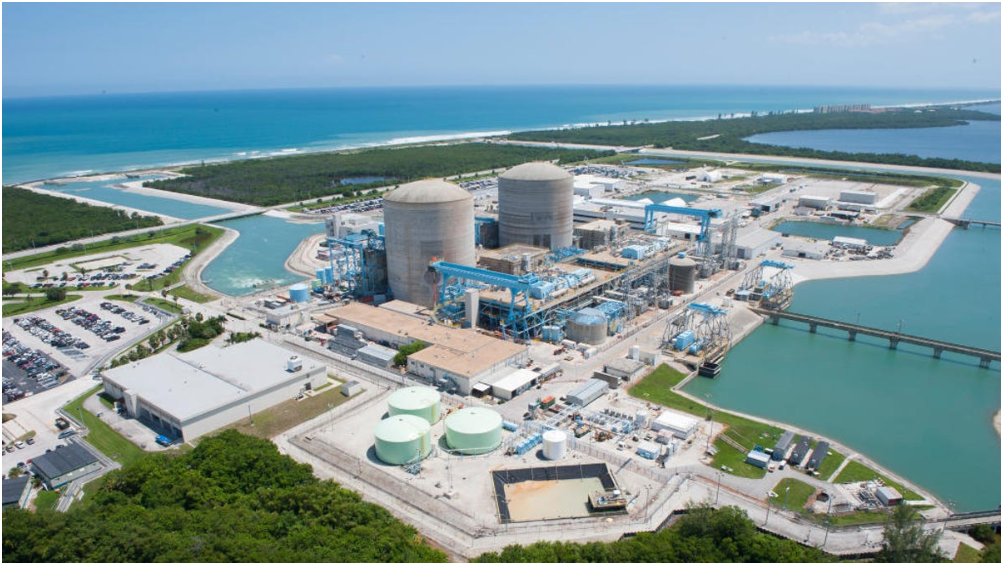
St. Lucie Nuclear Power Plant Unit 1 Returns to Full Power After Control Rods Unexpectedly Dropped into Reactor Core
Florida Power & Light (FPL) stated that St. Lucie Nuclear Power Plant Unit 1 has returned to 100% generating capacity after being manually shut down last week due to equipment issues. The unit was manually shut down by operators on Wednesday to facilitate inspections and repairs. According to information from the U.S. Nuclear Regulatory Commission (NRC), the incident was caused by three control rods dropping into the reactor core. FPL stated that the event posed no threat to the public or plant employees and caused no customer power outages. The cause of the equipment malfunction remains under investigation. St. Lucie Nuclear Power Plant is located near St. Lucie County, Florida. Forrest Brandon, a local resident living along the Indian River Lagoon with a view of the plant buildings...
2026-08-18

Rosatom Public Council holds expanded meeting in Novovoronezh
The Public Council of Rosatom recently held an expanded field meeting in Novovoronezh and organized a technical tour of the Novovoronezh Nuclear Power Plant (NPP) for its delegation. The event was timed to coincide with commemorative activities related to Unit 6 of the Novovoronezh NPP. The unit features a VVER-1200 reactor and is one of Russia's flagship Generation III+ nuclear power projects. The meeting was held online and chaired by Rosatom Director General Alexey Likhachev. Participants included representatives of Rosenergoatom, Russia's nuclear power operator, Rosatom, the Voronezh Region government, the city of Novovoronezh, as well as public, environmental, and research organizations. Representatives from the scientific community of Primorsky Krai also took part in the visit, as the region plans to develop nuclear energy projects in the coming years.
2026-08-18
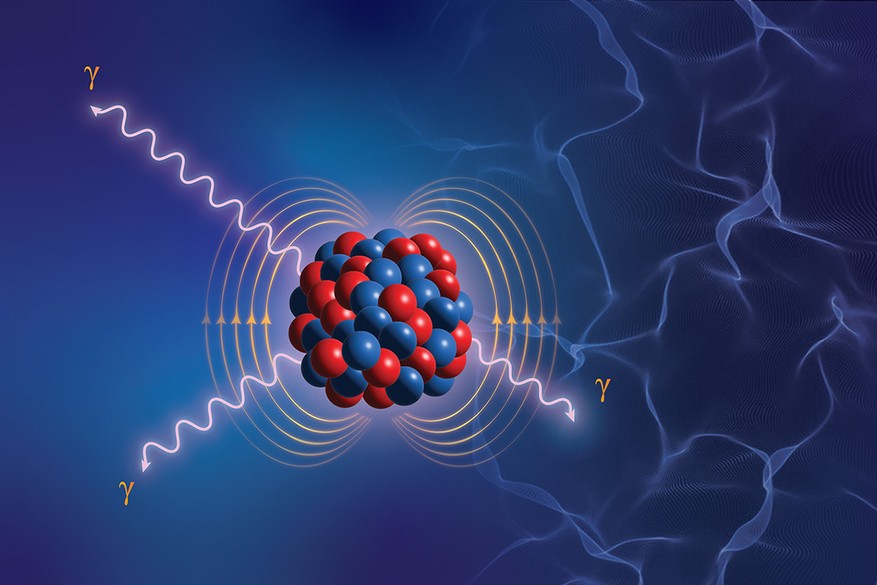
US FRIB Research Reveals Low-Energy Gamma-Ray Enhancement Originates from Nuclear Magnetic Transitions
An international research team led by the US Facility for Rare Isotope Beams (FRIB), with participation from Lawrence Livermore National Laboratory (LLNL) and other institutions, recently published findings in Nature that explain a long-standing question in nuclear physics: why some atomic nuclei emit anomalously high numbers of low-energy gamma rays. Image: FRIB Gamma rays are a type of electromagnetic radiation. Excited atomic nuclei release gamma rays during radioactive decay, gradually returning to lower, more stable energy levels. Over the past few decades, scientists have discovered that certain nuclei exhibit a low-energy enhancement phenomenon, where the number of low-energy gamma rays emitted exceeds expectations. However, this phenomenon is not universal, and its occurrence is theoretically difficult to predict.
2026-08-18
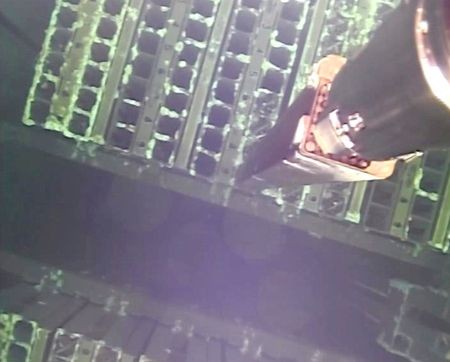
Removal of Highly Radioactive Spent Fuel Begins at Unit 2 of Fukushima Daiichi Nuclear Power Station
Tokyo Electric Power Company Holdings (TEPCO) said on August 17 that it has begun removing spent fuel assemblies with high radiation levels from the spent fuel pool of Unit 2 at the Fukushima Daiichi Nuclear Power Station in northeastern Japan, the site of a severe nuclear accident. Last month, TEPCO removed 28 unused nuclear fuel assemblies from the Unit 2 spent fuel pool. Compared with spent fuel, these unused fuel assemblies pose relatively lower risks. The company plans to complete the removal of spent fuel from Unit 2 by the end of fiscal year 2028. To date, the Unit 2 spent fuel pool contains a total of 587 spent fuel assemblies, of which TEPCO has completed the removal of...
2026-08-18