
Search Results
Keyword:Unit
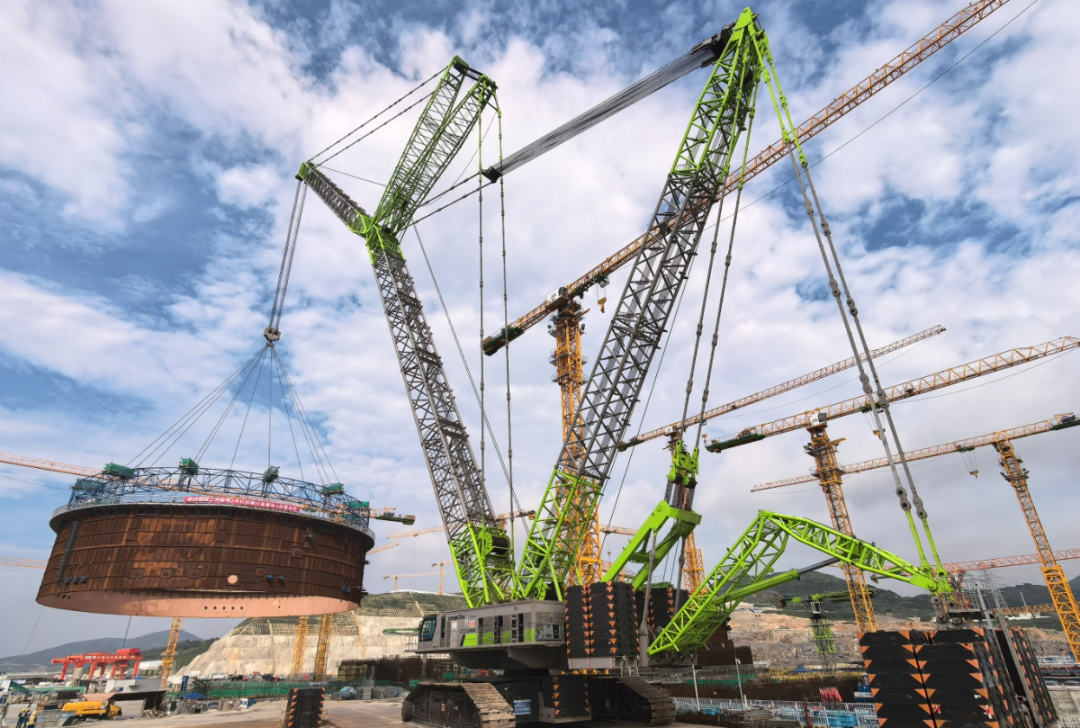
Module 4 of Steel Liner for Unit 3 of San'ao Nuclear Power Plant Successfully Hoisted
At 8:16 a.m. on August 15, the hoisting operation of Module 4 of the 3BRX steel liner for Unit 3 of the San'ao Nuclear Power Plant was officially launched. Under the stable operation of the 2,000-ton crawler crane of CNNC Machinery Engineering, the module successively completed a series of procedures including slewing, load-bearing travel, and alignment adjustment. After 220 minutes, the hoisting task was successfully completed. Module 4 of Unit 3 hoisted this time was integrally assembled from the fourth and fifth layers of the cylinder, with a diameter of approximately 45 meters and a height of 11.46 meters. The module features a large volume, susceptibility to deformation, and limited slewing space for the crane. The project team strictly implemented the special plan, completed site reinforcement, transport of baskets and counterweights, and crawler crane relocation in advance, organized hoisting simulation drills, and comprehensively inspected various safety hazards...
2026-08-18
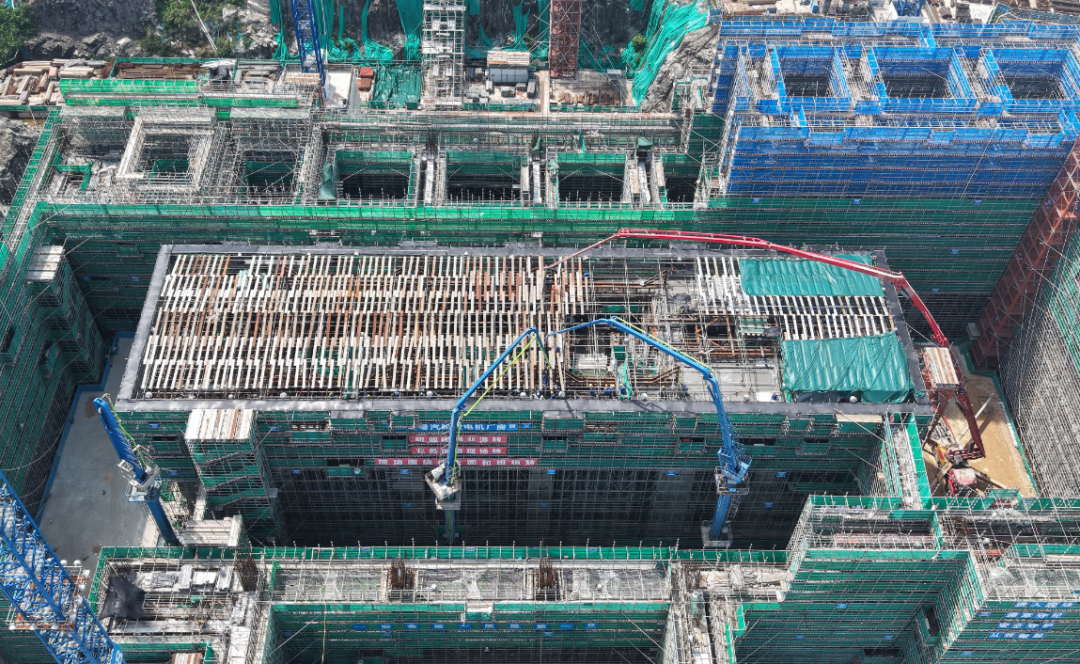
Concrete pouring completed for turbine deck of conventional island of Unit 2 at CGN Lufeng Nuclear Power Plant
At 12:30 on August 11, 2026, concrete pouring officially commenced for the turbine deck of the conventional island of Unit 2 at CGN Lufeng Nuclear Power Plant, and was successfully completed at 16:00 on August 13, after 51.5 hours, with a total of 2,685m³ of concrete poured. The turbine deck structure of the conventional island of Unit 2 measures 68.7m in length and 16m in width, with a top elevation of +8.43m, consisting of two longitudinal beams and six transverse beams. Owner-supplied items include 296 anchor bolts, 56 lifting columns, 28 anchor plates, and 18 oil pipe sleeves, among which 8 sets of large embedded parts weigh over 10t each. The turbine deck construction features complex structures, a large number of owner-supplied embedded parts, and high precision requirements. During the turbine deck construction, the project team fully drew on the experience feedback from the conventional island turbine deck of Unit 1...
2026-08-18

Fermilab Muon g-2 Experiment Sets New Direct Detection Limit on Muon Electric Dipole Moment
On August 12, 2026, the Muon g-2 Collaboration announced that a new analysis based on 25% of the data from the Muon g-2 experiment at the U.S. Department of Energy's Fermi National Accelerator Laboratory has produced the most sensitive direct measurement of the muon's electric dipole moment to date. The results show that if a muon electric dipole moment exists, its magnitude is below the current detection threshold of the experiment. The muon electric dipole moment values measured by Fermilab across different data-taking periods were compared with previous results from Brookhaven National Laboratory. The combined Fermilab value is consistent with zero (no observation). Although the experiment uses positive muons, results are typically reported for negative muons, which reverses the sign of the measured value...
2026-08-17

Argonne National Laboratory Unveils DONUT Tool to Accelerate Real-Time Analysis of X-ray Nanodiffraction Data
Researchers at the U.S. Department of Energy's Argonne National Laboratory have developed a new machine learning tool called DONUT to accelerate X-ray data analysis in experiments at the Advanced Photon Source (APS). The tool can process complex images generated by scanning X-ray nanodiffraction microscopy (SXDM) in real time during experiments, helping researchers more quickly determine internal structural changes in materials. DONUT stands for "Nanobeam Optical Diffraction based on Unsupervised Training," a physics-aware neural network. Its key feature is combining artificial intelligence methods with physical models of focused X-ray beam interactions with materials, allowing it to learn directly from experimental data without relying on pre-labeled training...
2026-08-17
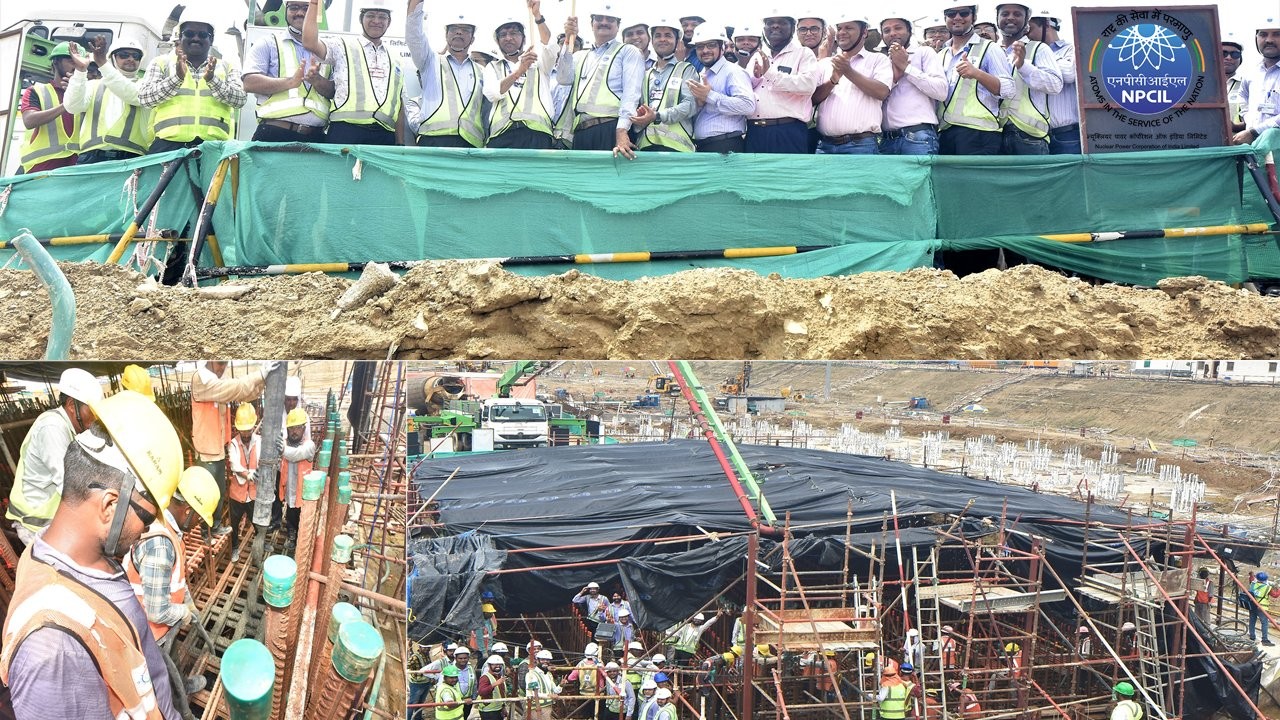
First Concrete Pour Initiated for ECCS Sump of Units 1 & 2 at Gorakhpur Nuclear Power Plant, India
Nuclear Power Corporation of India Limited (NPCIL) announced on August 14 that the first concrete pour was initiated on the same day for the Emergency Core Cooling System (ECCS) sump of Nuclear Building-01 (NB-01) of Units 1 & 2 at the Gorakhpur Haryana Anu Vidyut Pariyojana (GHAVP) — the Gorakhpur Nuclear Power Plant, marking a phased milestone in the project's construction. Units 1 & 2 of the Gorakhpur Nuclear Power Plant are located in Gorakhpur Village, Fatehabad District, Haryana State, India, with two 700 MWe units planned, totaling 1,400 MWe in installed capacity. The pouring operation was carried out after addressing geotechnical and foundation-related challenges, pile foundation qualification, and obtaining necessary regulatory approvals.
2026-08-17
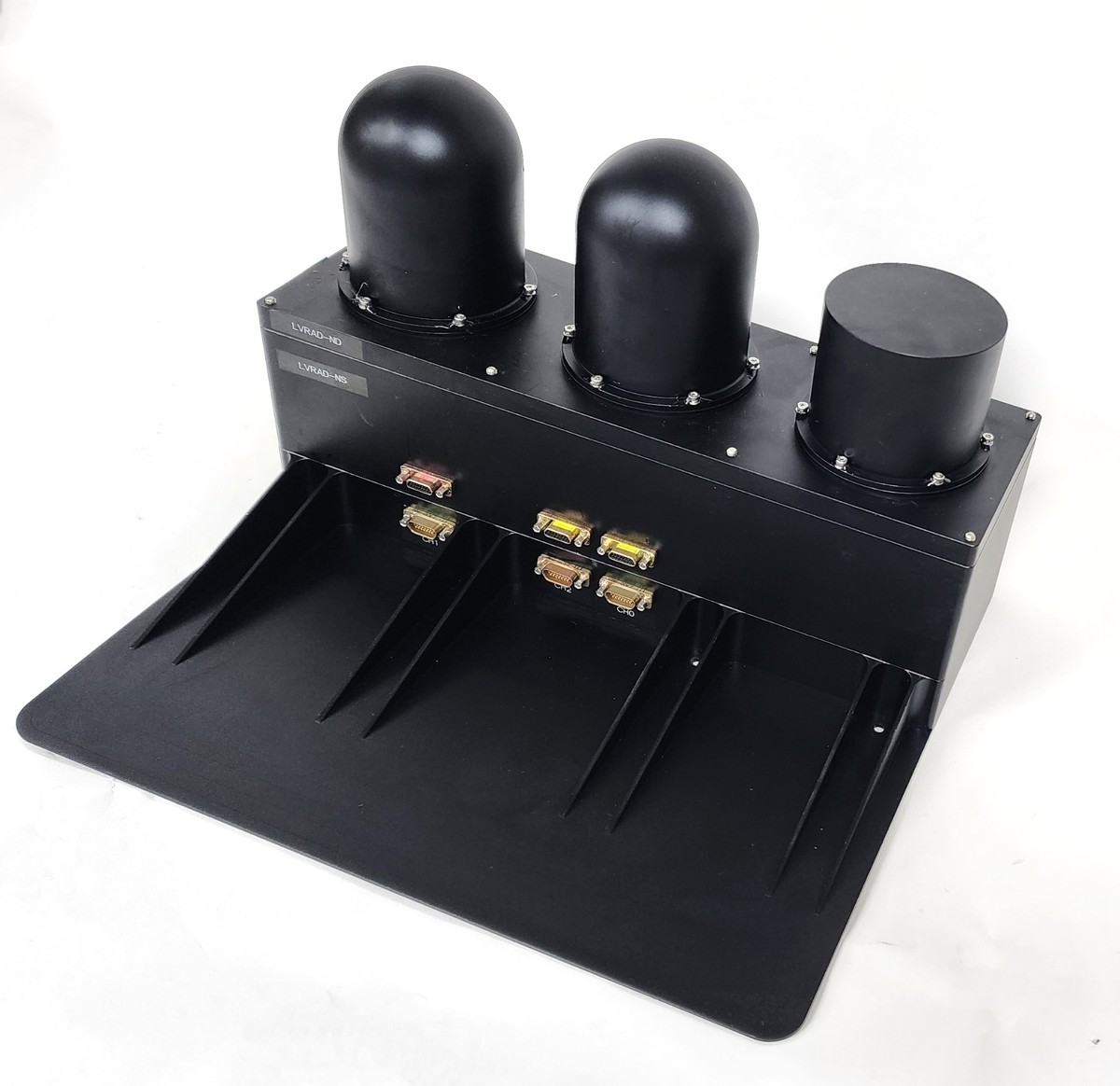
South Korea's domestically developed lunar radiation detector to travel to the Moon aboard NASA commercial lunar lander
The Korea AeroSpace Administration (KASA) announced on August 17 that the Lunar Space Radiation Detector (LVRAD), independently developed by South Korea, will be mounted on a lander under NASA's Commercial Lunar Payload Services (CLPS) program to conduct observations of the radiation environment on the lunar south pole surface. The two sides signed the relevant implementation agreement on August 14. Under the agreement, KASA plans to complete the development of the flight model of the detector by next year and deliver the equipment to the United States in accordance with the NASA lunar lander mission schedule. NASA will be responsible for integrating the Korean-developed detector onto the commercial lunar lander and supporting its operation and data transmission on the lunar surface after launch. LVRAD consists of...
2026-08-17
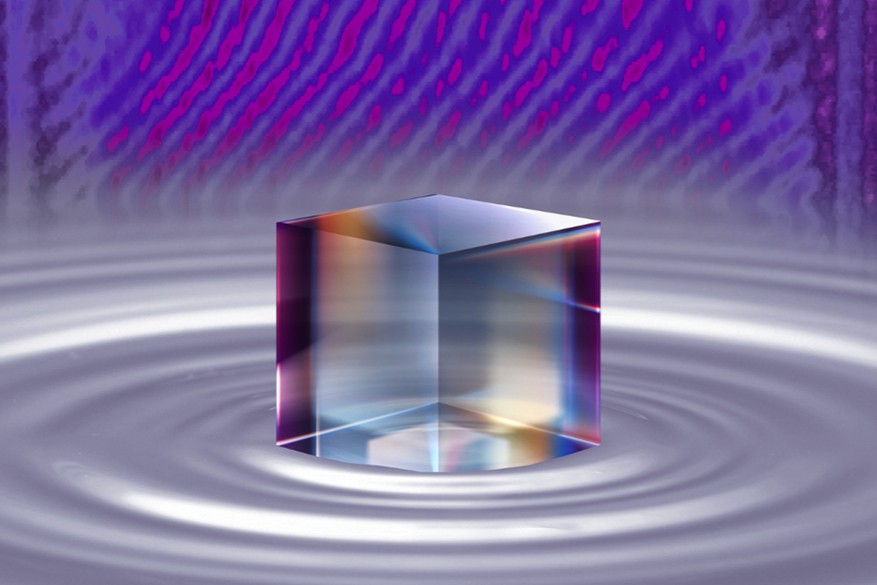
US experiment reveals diamond melting behavior under high pressure, potentially advancing inertial confinement fusion research
Researchers at Lawrence Livermore National Laboratory published a new study in Nature Physics documenting the melting process of diamond at pressures approximately three times greater than those at Earth's core. The experiments showed that under high-pressure conditions, diamond floats in liquid metallic carbon, similar to how ice floats in water. This finding helps improve inertial confinement fusion experimental models and provides new evidence for understanding the potential "diamond rain" phenomenon inside ice giant planets such as Neptune and Uranus. The latest melting experiments confirmed that under high pressure, diamond floats in liquid metallic carbon, just as ice floats in a glass of water. (Concept image: James Wickboldt/LLNL) The research team stated...
2026-08-17
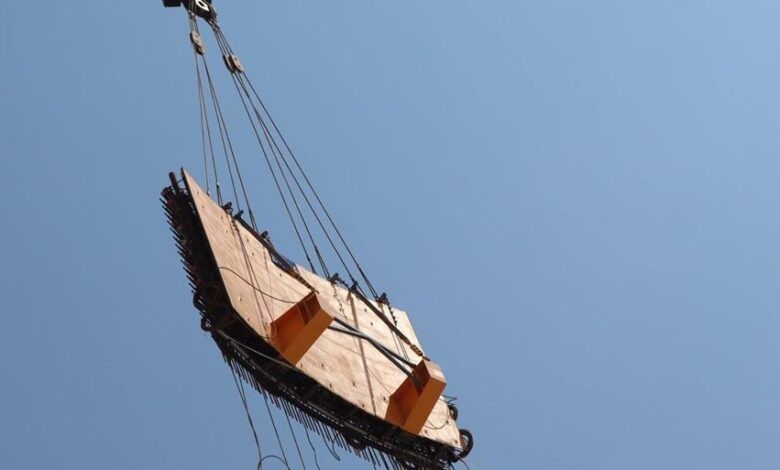
Installation of the fifth tier of the inner containment shell begins at Unit 1 of Egypt's El Dabaa Nuclear Power Plant
The Egyptian Nuclear Power Plants Authority (NPPA) recently announced that installation of the fifth tier of the inner containment shell in the reactor building of Unit 1 at the El Dabaa Nuclear Power Plant has commenced. This marks a significant milestone in the civil construction and installation work for the unit. The inner containment shell is a cylindrical structure designed to house the nuclear reactor and related primary circuit equipment of the nuclear power plant. The fifth tier being installed consists of 12 components, all prefabricated on-site at the El Dabaa plant. Each component is 7.5 meters high and weighs approximately 40 to 45 tons, depending on its structural configuration. As planned, the installation of the fifth tier is expected to be completed within two weeks. Subsequently, the remaining tiers will continue to be assembled to form the complete annular inner containment structure. A heavy-duty crane with a lifting capacity of 2,200 tons will be used for the lifting operations at the construction site...
2026-08-17
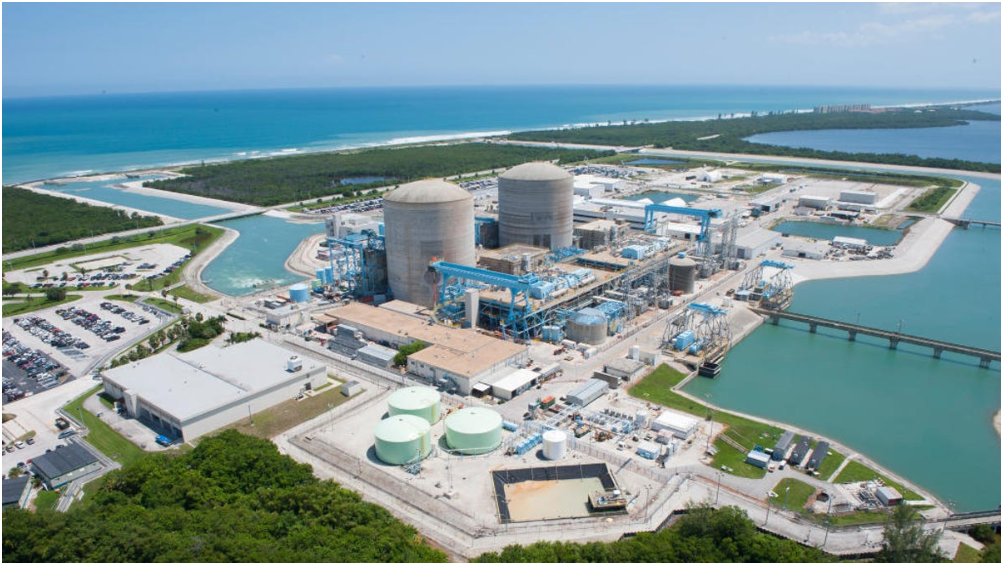
St. Lucie Nuclear Power Plant Unit 1 Manually Shut Down After Three Control Rods Dropped into the Core
According to an event notification submitted to the U.S. Nuclear Regulatory Commission (NRC), Unit 1 of the St. Lucie Nuclear Power Plant, located on Hutchinson Island, Florida, USA, experienced a manual reactor shutdown at 9:47 a.m. Eastern Time on August 13, 2026. At the time of the event, the unit was in Mode 1 and operating at 100% power. The shutdown was caused by three control rods dropping into the reactor core. The U.S. Nuclear Regulatory Commission classified the event as a non-emergency. The licensee stated that the shutdown was completed in accordance with procedures, all systems responded normally after the shutdown, and operators subsequently stabilized the unit in Mode 3, i.e., hot standby condition. Decay heat was removed by diverting steam to the main condenser via turbine bypass valves and the main feedwater system...
2026-08-17
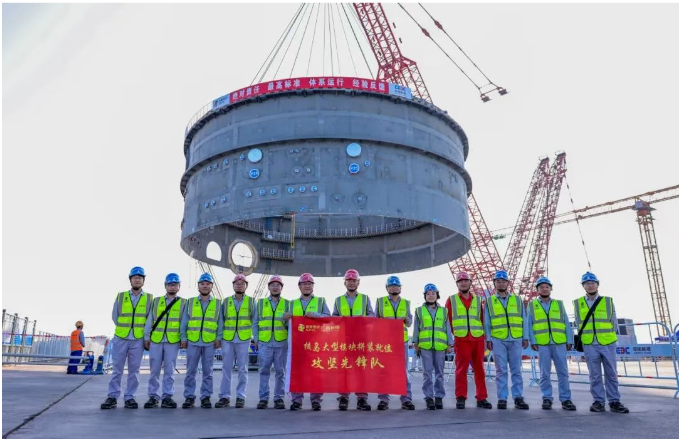
Steel Containment Vessel Ring 1 of Unit 1 at Guangxi Bailong Nuclear Power Plant Successfully Hoisted into Place
At 11:38 on August 16, after 4 hours and 01 minutes of continuous and stable operation, the steel containment vessel ring 1 (CV1R) of the nuclear island of Unit 1 at Guangxi Bailong Nuclear Power Plant was successfully hoisted into place. This hoisting marks another successful installation of a key module following the CVBH and CA20 modules for Unit 1 of Bailong Nuclear Power Plant, signifying a critical breakthrough in the construction of the main structure of the nuclear island of Unit 1. The steel containment vessel consists of five major modules: the bottom head, the intermediate cylindrical shell (rings 1 to 3), and the top head, serving as the third physical safety barrier of the reactor. The CV1R hoisted this time is the core component with the largest volume and heaviest weight among the five major components of the steel containment vessel, measuring approximately 15.5 meters in height and up to 39.6 meters in maximum inner diameter, integrating equipment...
2026-08-17
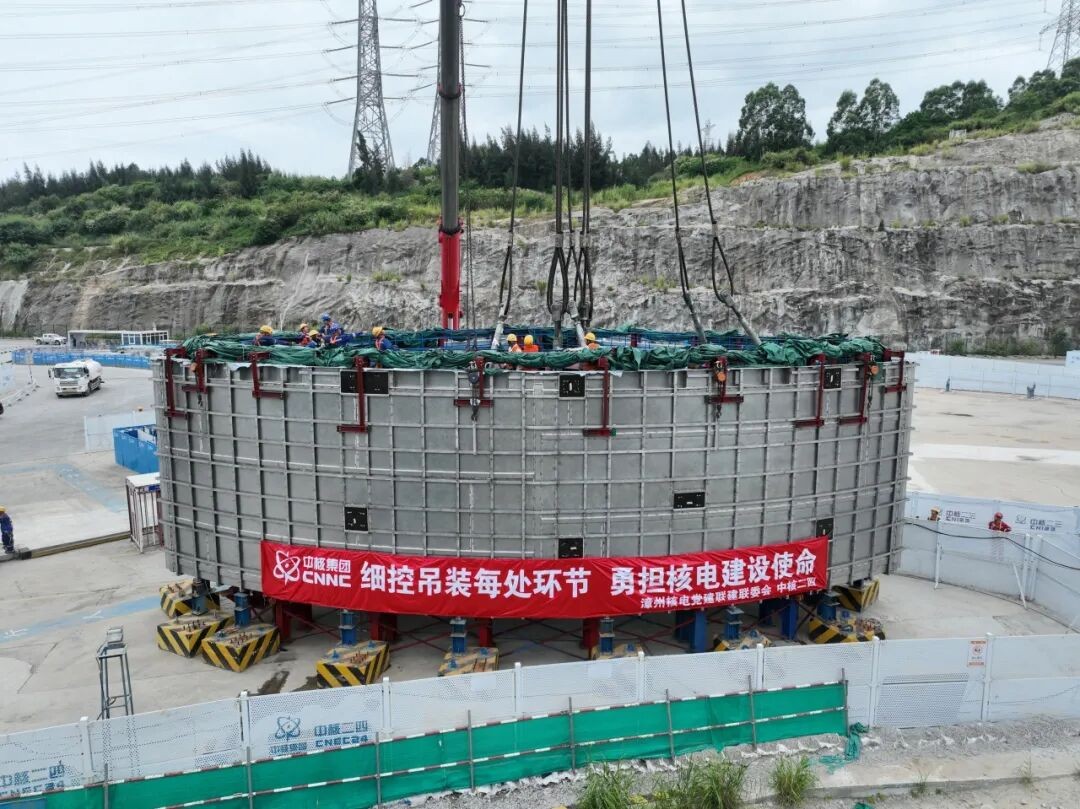
Successful Hoisting of Module 3 of the Passive Containment Cooling Water Tank for Unit 4 of Zhangzhou Nuclear Power Plant
On August 15, the hoisting of Module 3 of the passive containment cooling water tank in the reactor building of the nuclear island of Unit 4 at Zhangzhou Nuclear Power Plant was successfully completed, with the entire hoisting process being safe and quality-controlled. The passive containment cooling water tank is an important component of the passive part of the containment cooling water injection system. With a total height of 22.02 meters, it features a non-uniform cross-section in an approximately fan-shaped structure and is planned as three integral modules. Module 3, hoisted this time, had a total lifting weight of approximately 132.8 tons and a height of 5.84 meters, and was positioned using a 2000-ton-class crawler crane. As the crane slowly lifted the module, through a series of precise operations including hook lifting, boom slewing, crane traveling, and luffing, Module 3 was smoothly placed onto Module 2 of the passive containment cooling water tank, with the entire process proceeding seamlessly...
2026-08-17
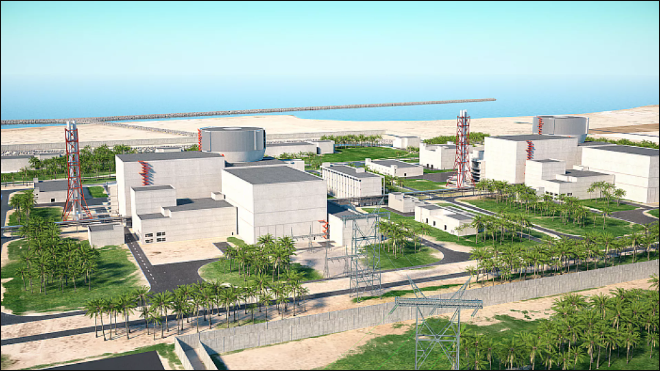
RES Engineering to Supply HVAC and Water Treatment Equipment for Egypt's El Dabaa Nuclear Power Plant
August 12 news, RES Engineering has won the bid to supply refrigeration units, ventilation systems, and water treatment equipment for the under-construction El Dabaa Nuclear Power Plant in Egypt. According to the project schedule, the scope of supply covers multiple systems and equipment in the main buildings and public areas of the nuclear power plant, including central and zoned air conditioning, standalone air conditioning, ventilation equipment, water-cooled chiller units, fans, control cabinets, humidifiers, electric heaters, steam generators, and water treatment equipment. RES Engineering stated that this project involves not only a large supply scale but also a complex variety of equipment types. Different equipment needs to be matched in terms of technical parameters, project requirements, quality standards, and delivery schedules...
2026-08-15
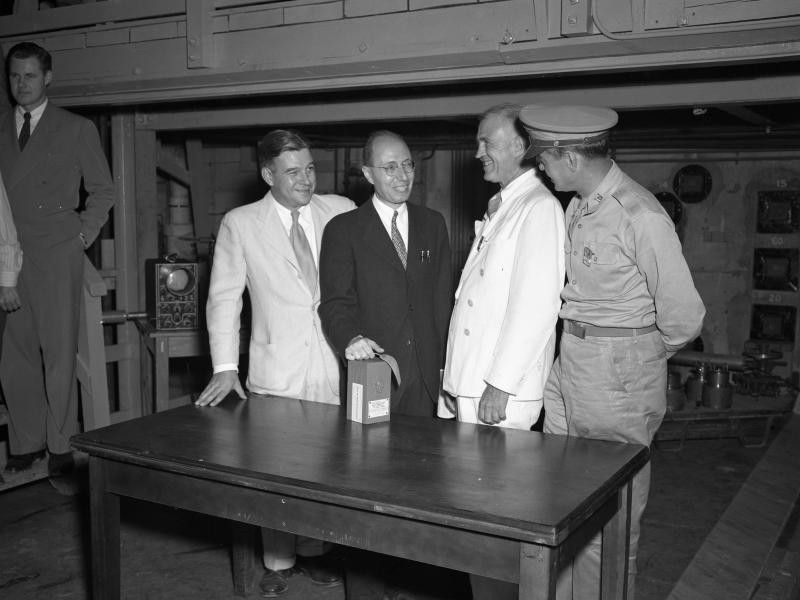
Oak Ridge National Laboratory marks 80 years of isotope research and production, with applications spanning medicine, industry, and scientific research
On August 2, 1946, the Clinton Laboratories in Oak Ridge, Tennessee, held the first formal ceremony to deliver reactor-produced radioactive isotopes. A shipment of carbon-14 was sent from there to the Barnard Free Skin and Cancer Hospital in St. Louis, Missouri. Over the past 80 years, this event has been regarded as the starting point of Oak Ridge National Laboratory's isotope research and production endeavors, and also marked the beginning of broader civilian applications for reactor-produced radioactive isotopes. After World War II, the U.S. scientific community began exploring peaceful uses of atomic energy, with radioactive isotopes becoming an important direction. As unstable variants of elements, radioactive isotopes release radiation during decay and can be used...
2026-08-15
NRC to Hold Online Public Meeting on Proposed Medical Use Licensing Rule
The U.S. Nuclear Regulatory Commission recently announced it will hold an online public meeting from 1:00 p.m. to 2:30 p.m. Eastern Time on August 20 to introduce the proposed rule aimed at reducing barriers to medical use licensing. The proposed rule was published in the Federal Register on July 27. During the meeting, NRC staff will outline the key provisions of the rule and related implementation activities, and answer questions from the public. The meeting is open to the public and will focus on regulatory processes related to medical use licensing, with the goal of explaining and discussing the proposed rule and subsequent implementation arrangements...
2026-08-16
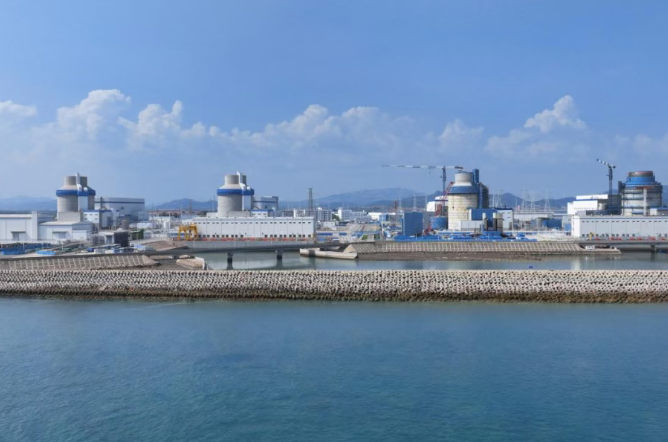
SPIC Haiyang Nuclear Power Unit 3 Hot Functional Test Successfully Completed
At 17:30 on August 13, the hot functional test (HFT) of Unit 3 at SPIC Shandong Nuclear Power Haiyang Nuclear Power Plant was successfully completed, laying a solid foundation for subsequent fuel loading and first grid connection of the unit. ▲Aerial view of Shandong Nuclear Power Haiyang Nuclear Power Plant. The hot functional test is the most critical non-nuclear comprehensive verification phase before nuclear fuel loading, often referred to as the "final exam" or "mock exam" before a nuclear power plant officially generates electricity. By executing a series of tests simulating actual operating conditions within the pressure and temperature ranges of normal reactor operation, it comprehensively verifies the reliability of nuclear island and conventional island systems and equipment under hot operating conditions, ensuring that relevant parameters meet design requirements. ▲On July 4, during the normal residual heat removal system (RNS) test at the heat-up platform of the hot functional test...
2026-08-15