
Search Results
Keyword:Unit
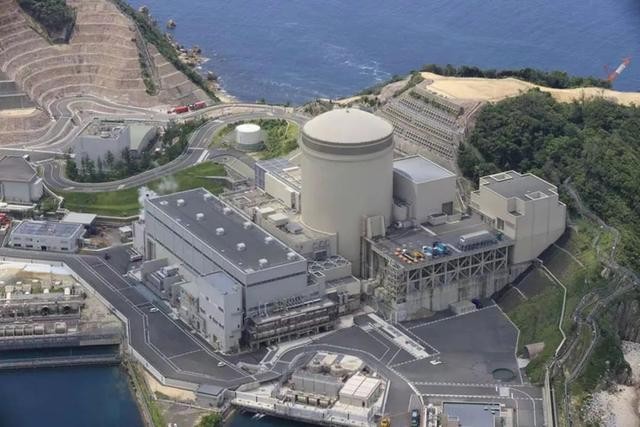
Japan's regulator says steam leak at Mihama Nuclear Power Plant Unit 3 was "avoidable"
On August 19, Japan's Nuclear Regulation Authority (NRA) released the results of its nuclear regulatory inspections for the first quarter of the current fiscal year, determining that the steam leak incident at Mihama Nuclear Power Plant Unit 3, operated by Kansai Electric Power Co., in May this year was "foreseeable within a reasonable range" and that the associated losses "could have been avoided." The incident occurred in the high-pressure turbine area of Mihama Unit 3. A small hole approximately 8 centimeters long and 1 centimeter wide appeared in the metal cover atop the high-pressure turbine casing, causing a steam leak that forced a manual reactor shutdown. In its assessment, the NRA concluded that the event was foreseeable and could have been prevented through appropriate management or maintenance measures. However, since no pipe rupture or fire occurred between the onset of the steam leak and the reactor shutdown, the NRA rated the significance and severity of the incident at the lowest of four levels.
2026-08-20
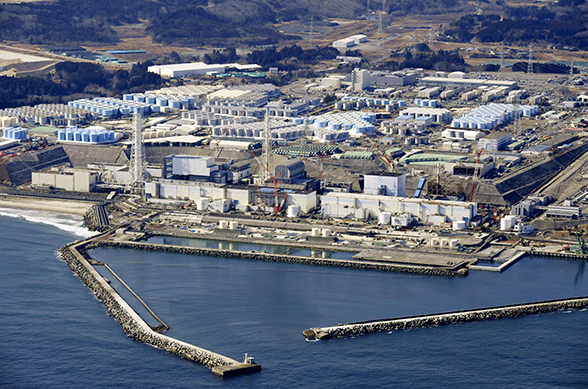
Trial lifting of damaged fuel assembly completed at Unit 2 of Japan's Fukushima Daiichi Nuclear Power Station
Tokyo Electric Power Company (TEPCO) announced on August 18 that a trial lifting of a damaged fuel assembly in the spent fuel pool of Unit 2 at the Fukushima Daiichi Nuclear Power Station has been completed. The assembly was damaged in a fall 45 years ago and was subsequently repaired with wire. This trial lifting was conducted to confirm whether it can be safely handled during the subsequent removal operation. A total of 615 fuel assemblies are stored in the Unit 2 fuel pool, including 587 spent fuel assemblies and 28 unused fuel assemblies. The removal work began on June 2, and the fuel assemblies will be transferred to the shared fuel pool within the plant site. As of August 17, 35 fuel assemblies had been removed. Despite interruptions during the operation, Tokyo Electric Power Company...
2026-08-20
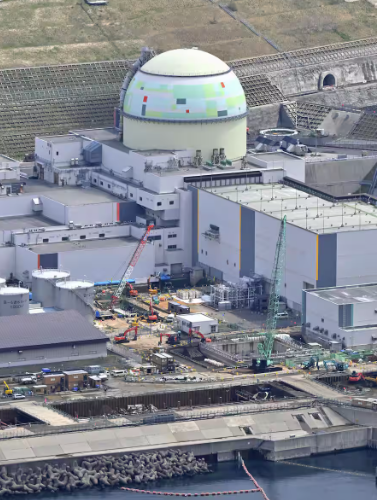
Eight economic organizations in Hokkaido urge early restart of Tomari Nuclear Power Plant Unit 3 and electricity price reduction
On August 19, eight economic organizations in Hokkaido, including the Hokkaido Economic Federation, submitted a request to Hokkaido Electric Power Company (HEPCO), urging the company to promote the early restart of Unit 3 at the Tomari Nuclear Power Plant and to reduce electricity prices as soon as possible after restart, while ensuring that safety measures are given priority. On the same day, Hiroshi Fujii, Chairman of the Hokkaido Economic Federation and Chairman of Hokkaido Electric Power Company, and Mitsuharu Yasuda, Chairman of the Hokkaido Chamber of Commerce and Industry and Chairman of Hokuyo Bank, along with other heads of economic organizations, visited HEPCO's headquarters in Sapporo and presented the request to HEPCO President Susumu Saito. The request states that the Tomari Nuclear Power Plant is of great significance for Hokkaido's economic growth and decarbonization efforts...
2026-08-20
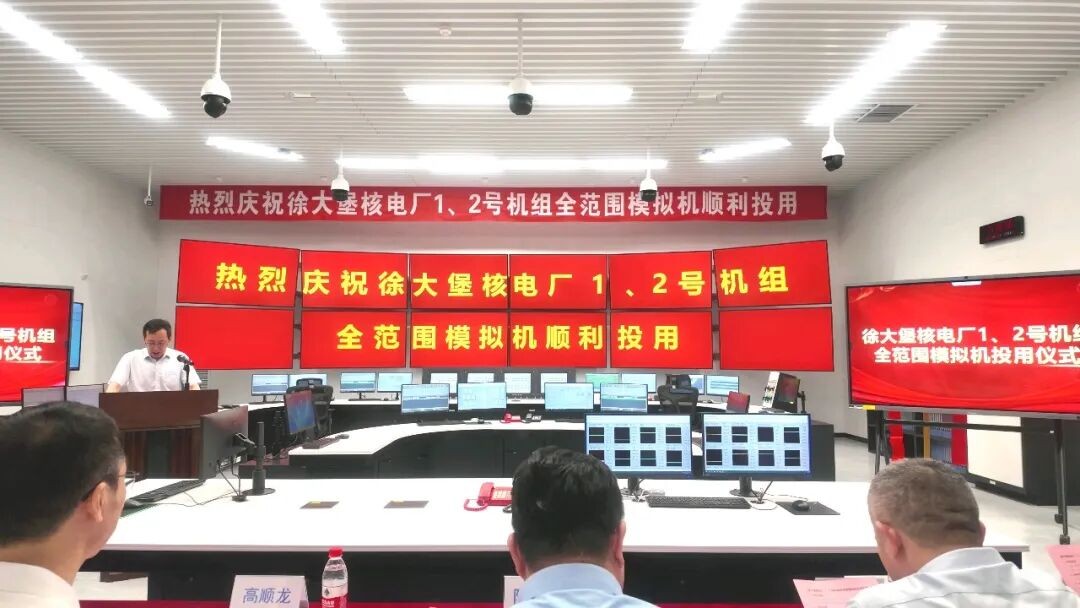
Full-Scope Simulator for Units 1 & 2 of Xudabao Nuclear Power Plant Officially Put into Operation
On August 19, the commissioning ceremony for the full-scope simulator of Units 1 & 2 of Xudabao Nuclear Power Plant was held in the simulator main control room. Chen Jin, Secretary of the Party Committee and Chairman of Liaoning Nuclear Power, and Zhang Xiong, General Manager and Deputy Secretary of the Party Committee, attended the ceremony. Gao Shunlong, Secretary of the Party Committee and Chairman of CNNC Wuhan, was invited to attend. The ceremony was presided over by Li Zhusan, Deputy General Manager of Liaoning Nuclear Power. At the ceremony site, attendees jointly watched a video reviewing the simulator construction process, and leaders from both sides jointly unveiled the plaque for the "CAP Simulator Training Center." Gao Shunlong stated that the commissioning of the simulator is an important milestone in project construction and also a brand-new starting point. CNNC Wuhan will make every effort to ensure simulator operation and maintenance support as well as optimization and upgrades, and will take this opportunity to expand the breadth and depth of cooperation with Liaoning Nuclear Power, jointly promoting high-quality project construction.
2026-08-20
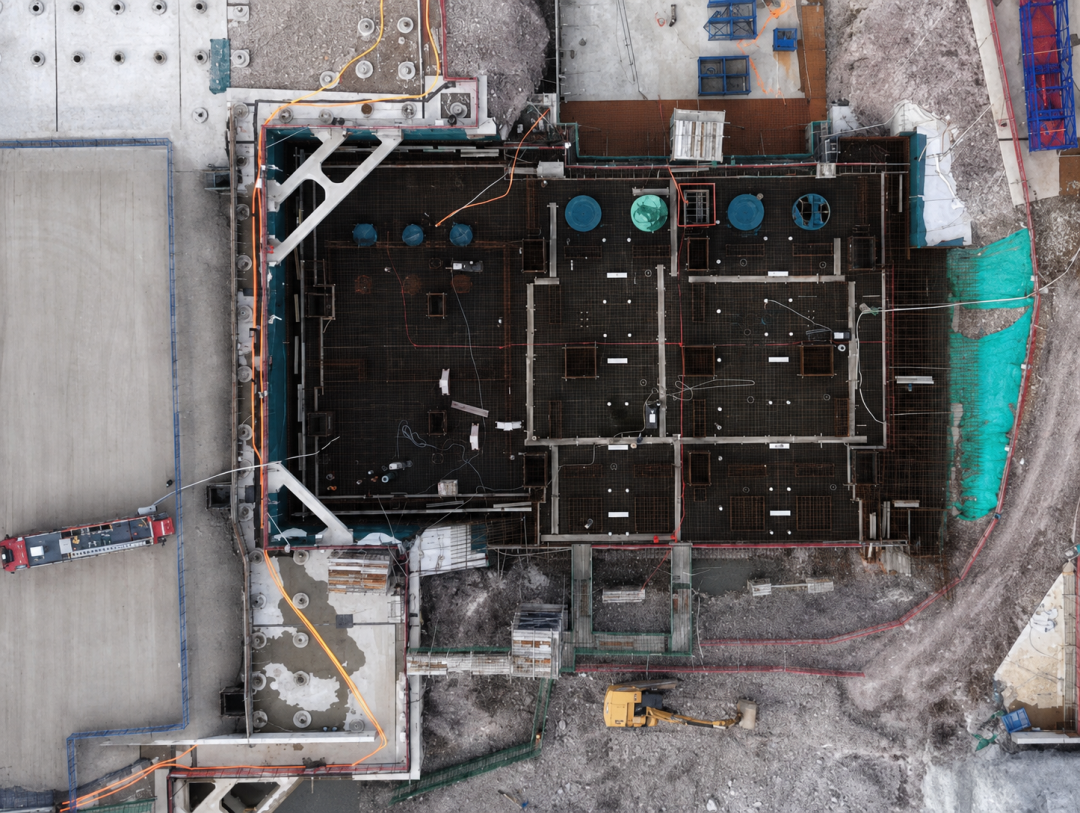
First Concrete Pour Launched for Conventional Island of Jinqimen Nuclear Power Unit 2
At 22:16 on August 18, Zhejiang Jinqimen Nuclear Power construction reached another key milestone as the first concrete pour (FCD) for the raft foundation slab of the turbine generator building in the conventional island of Unit 2 was officially launched, marking the full commencement of the main construction of the conventional island of Jinqimen Nuclear Power Unit 2 and the project's official entry into the civil construction phase. The raft foundation slab being poured, as the core load-bearing structure of the conventional island, is a variable-cross-section, super-large-volume, waterproof and impermeable special concrete structure, and is the core section with the largest volume, most critical working conditions, and highest precision requirements among the conventional island raft foundation structures. This construction involves long continuous operation hours, stringent temperature control and crack prevention requirements, and significant construction organization challenges. To ensure the safe and high-quality completion of the project, CNNC Zheneng fully demonstrated the "owner" spirit, played the "backbone" role, and shouldered the "main force" responsibility, jointly establishing a dedicated technical task force with construction and supervision units, building on the mature FCD construction experience of Conventional Island Unit 1 to comprehensively optimize the raft construction process for Conventional Island Unit 2, strictly adhering to the highest quality standards and safety regulations for nuclear power construction.
2026-08-20

US Oak Ridge National Laboratory Advances Radioisotope Nuclear Battery Development
On August 17, 2026, the US Department of Energy's Oak Ridge National Laboratory stated that its nuclear battery program is advancing the development of radioisotope power systems to meet the demand for stable, long-life power sources in deep space exploration, long-term power supply in remote areas, and national security-related scenarios. NASA's Perseverance Mars rover poses with several of the 10 sample tubes it placed in a sample depot it established in a region of Jezero Crater called "Three Forks." The rover's radioisotope thermoelectric generator is powered by a nuclear battery. Image credit: NASA/JPL-Caltech/MSSS. Nuclear batteries generate electricity from the energy released by the decay of radioisotopes, making them suitable for environments such as the seafloor, remote deserts, and extraterrestrial surfaces where maintenance is difficult and continuous power supply is needed for years or even decades.
2026-08-19
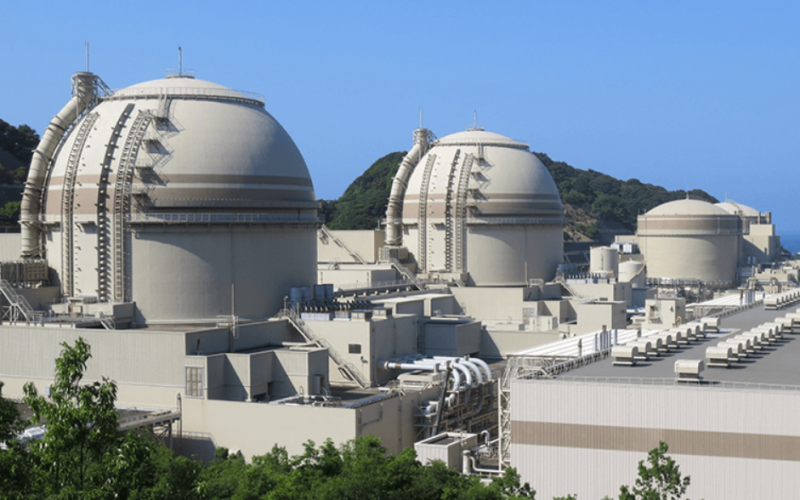
Investigation into Automatic Shutdown of Unit 3 at Japan's Ohi Nuclear Power Plant: Damage Found in Exciter Rotating Rectifier
Kansai Electric Power reported on August 19 that Unit 3 of the Ohi Nuclear Power Plant experienced an automatic generator trip triggered by a generator loss-of-field alarm at 23:56 on August 8, followed by an automatic reactor shutdown. At the time of the event, the unit was operating stably at rated thermal power. The company stated that the event caused no radiological impact on the environment. The loss-of-field alarm is used to indicate an abnormal state in the magnetic field generated inside the generator. Following the incident, Kansai Electric conducted on-site inspections of equipment related to generator magnetic field establishment, including the generator, exciter, and automatic voltage regulator (AVR). Among these, the exciter is used to establish the magnetic field for the generator...
2026-08-19
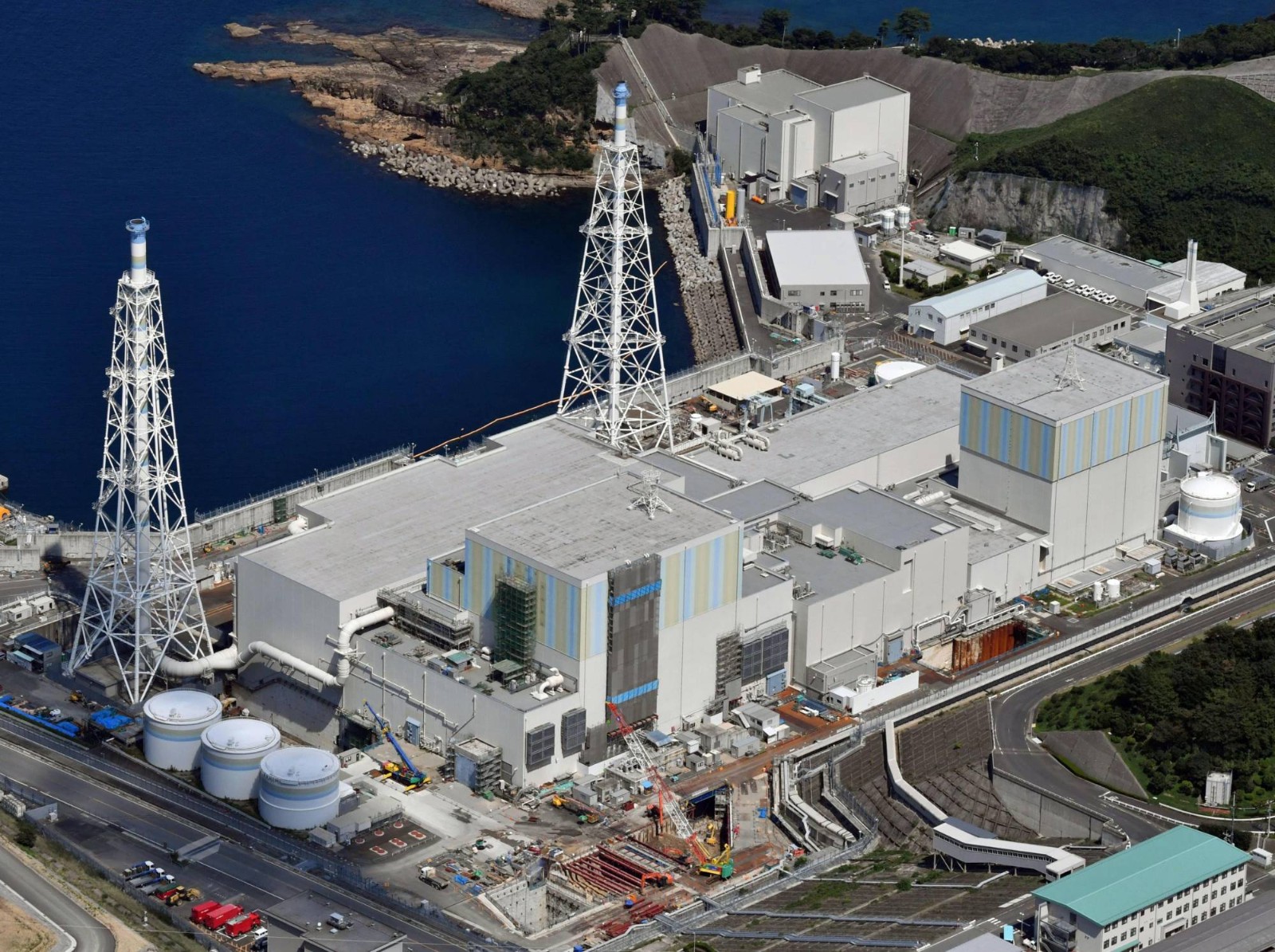
Shimane Nuclear Power Station Unit 2 Resumes Power Generation
Chugoku Electric Power Co. reported on August 19 that Unit 2 of the Shimane Nuclear Power Station resumed power generation at 2:00 p.m. that day through generator synchronization and began supplying electricity to the grid. Unit 2 of the Shimane Nuclear Power Station uses a boiling water reactor with a rated generating capacity of 820,000 kilowatts. Chugoku Electric Power Co. stated that it will prioritize safety, conduct comprehensive inspections of equipment operating conditions, and prepare for the unit to resume commercial operation as scheduled on September 16. ...
2026-08-19

Rajasthan Atomic Power Station Unit 2 Achieves First Full Year of Continuous Operation
Rajasthan Atomic Power Station Unit 2 (RAPS-2) achieved one full year of continuous operation on August 15, 2026. This marks the first time the unit has completed a full year of uninterrupted operation since it was commissioned, coinciding with India's 80th Independence Day. RAPS-2 is operated by the Nuclear Power Corporation of India Limited (NPCIL) and is one of the oldest pressurized heavy water reactor (PHWR) units still in operation by the company. This milestone of one full year of continuous operation is regarded as a significant reflection of the unit's operational management and equipment maintenance standards. Relevant information indicates that this operational record reflects the sustained commitment of Units 1 and 2 at the Rajasthan Atomic Power Station in safety culture, aging management, technical support, and operational organization, and also demonstrates the collaborative efforts of the on-site operations, maintenance, engineering, and support teams in ensuring stable unit operation.
2026-08-19

Deployable Energy and Hornbeck Offshore Partner to Advance Maritime Microreactor Applications
Deployable Energy recently announced that it has signed a memorandum of understanding with Hornbeck Offshore to advance the commercialization of the Unity nuclear battery for maritime and offshore applications. Hornbeck Offshore has also made a strategic investment in Deployable Energy. Under the arrangement, the collaboration will combine Deployable Energy's transportable microreactor technology with Hornbeck Offshore's operational expertise in offshore service vessels, focusing on applications such as inland waterways, offshore vessels and platforms, national security logistics and autonomous vessels, power generation barges, and floating data centers. ...
2026-08-19
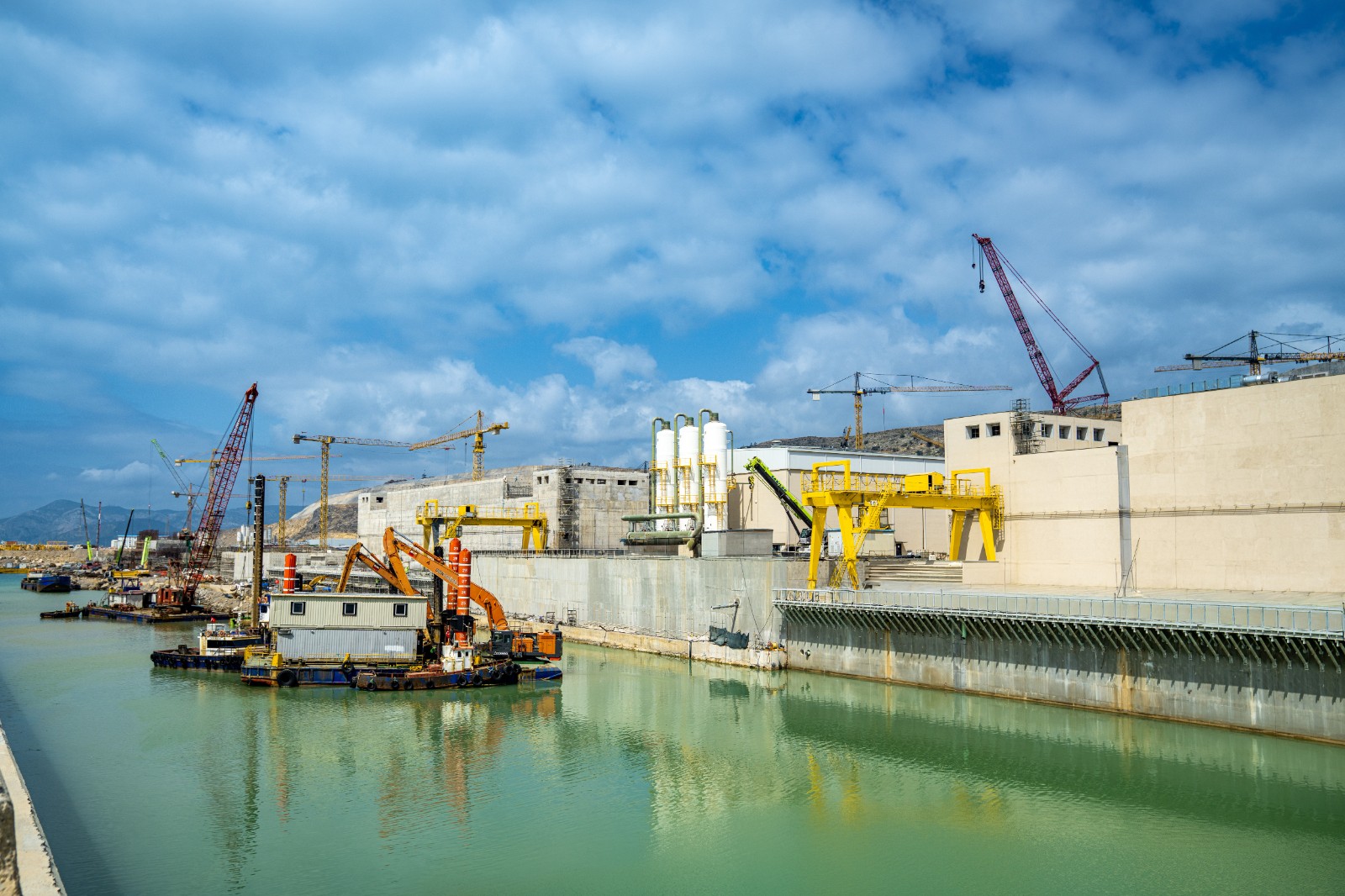
Akkuyu NPP Unit 2 Completes Installation of Four Main Pump Sets
The four main pump sets of the technical water supply system at the onshore pumping station of Unit 2 at Turkey's Akkuyu Nuclear Power Plant have been installed. Specialists from TITAN-2 Holding completed the installation, marking new progress in the construction of the turbine island cooling system for this unit. These large centrifugal pumps will be used to deliver seawater to the condenser cooling system of the turbine units. Once the unit is in operation, the continuous and stable operation of the pump sets will directly affect the cooling efficiency of the turbine hall equipment and influence the operational stability of the turbine units. According to reports, these pump sets are among the larger pump equipment at the nuclear power plant, with each pump standing as tall as a five-story building. The equipment is arranged in a tiered layout, with the pump bodies...
2026-08-19
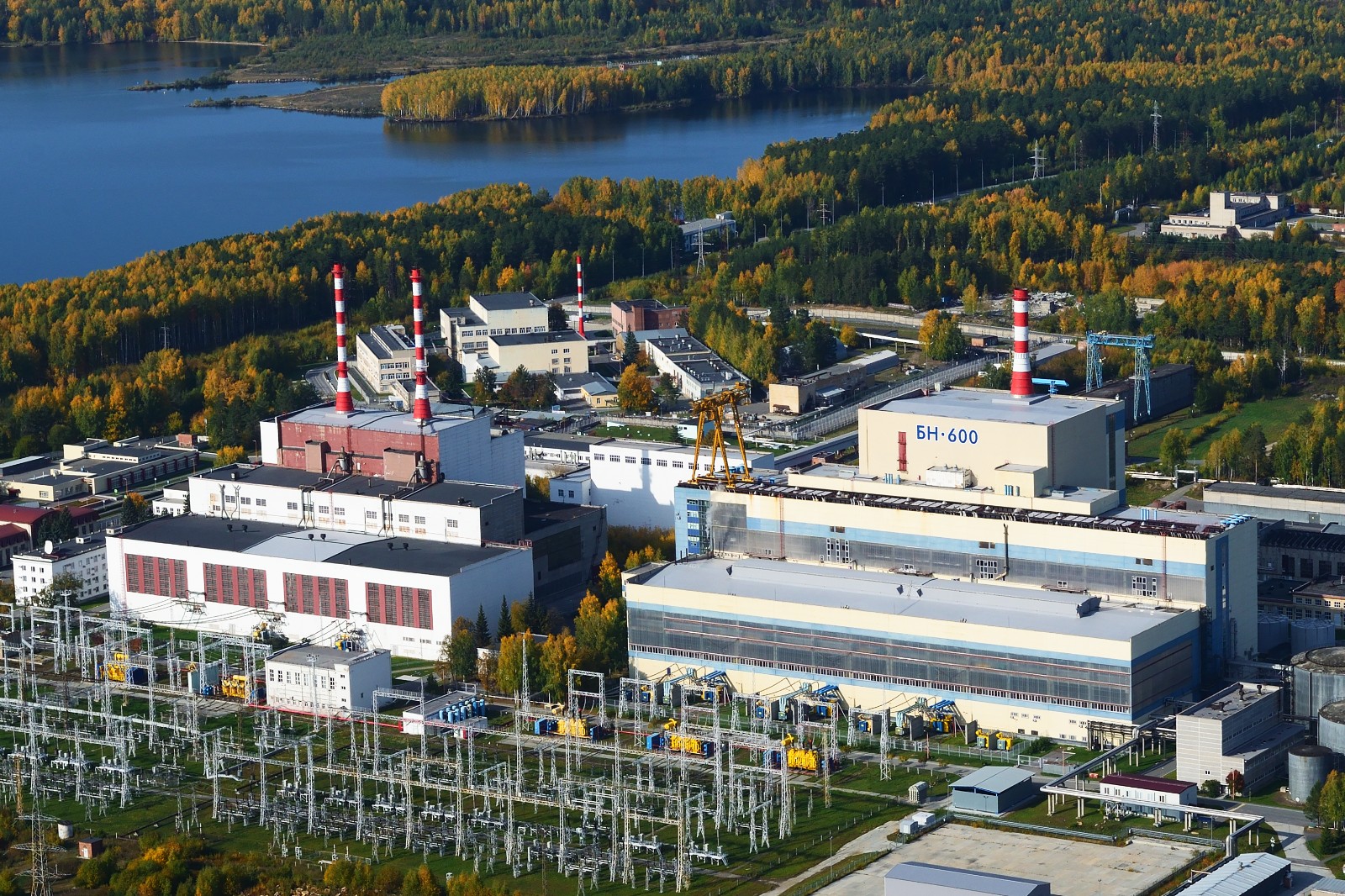
Unit 3 of Beloyarsk NPP begins scheduled maintenance and equipment modernization
Unit 3 of Russia's Beloyarsk NPP entered scheduled preventive maintenance on August 18. This outage maintenance will be used for fuel reloading, equipment maintenance, and preventive repairs, along with partial modernization efforts to maintain reliable unit operation and improve equipment performance. The unit features a BN-600 sodium-cooled fast neutron reactor. During the maintenance period, the plant will carry out major repairs on the BN-600 reactor facility and replace 9 guide tubes in the control and protection system. Such operations are uncommon and are typically performed approximately once every 10 years. According to the maintenance schedule, the plant will also repair the unloading lift device and conduct operational monitoring inspections of the reactor pressure vessel metal...
2026-08-19
RHIC Collision Data Provides New Evidence for the Existence of the "Baryon Bridge"
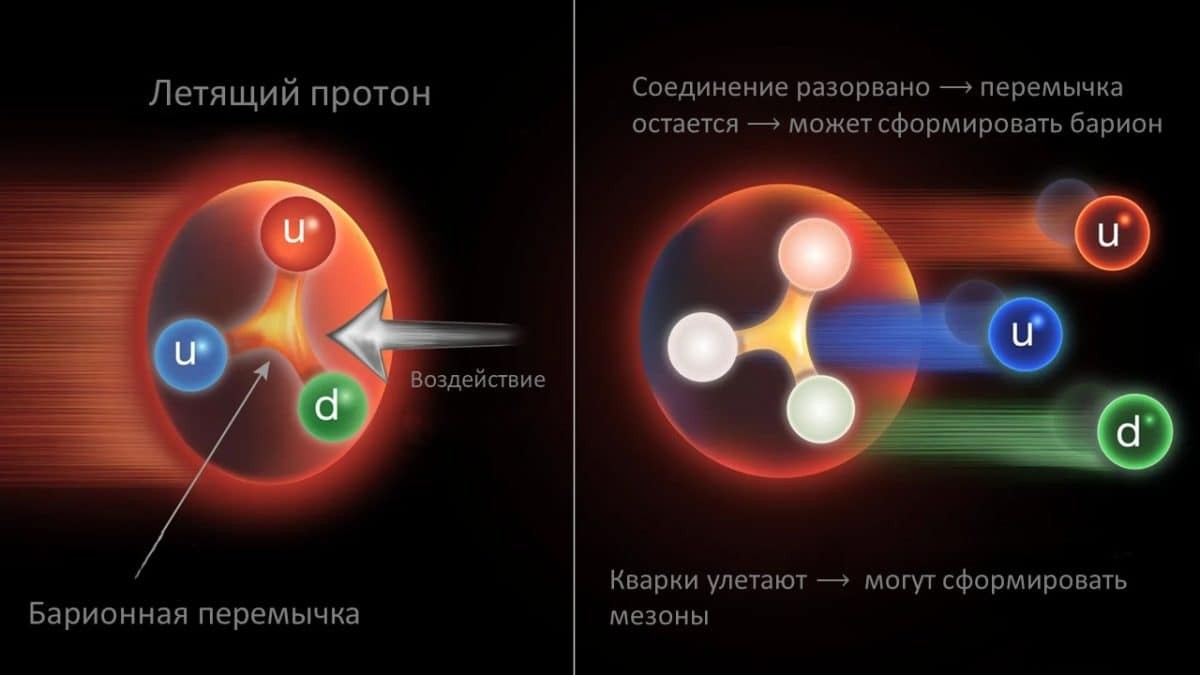
August 18 news, an international team of physicists, by analyzing nuclear collision data from the STAR detector at the Relativistic Heavy Ion Collider (RHIC), has presented strong evidence that baryon number may not be carried directly by quarks, but rather transmitted by a baryon bridge formed by gluons inside protons. The related paper has been published in the journal Science. Valerie A. Lentz, Brookhaven National Laboratory Baryons, including protons and neutrons, are generally considered to be composed of three quarks. In the existing understanding, the baryon number is viewed as being uniformly distributed among the three quarks. Meanwhile, gluons also exist inside protons; they are the carriers of the strong interaction. According to the description of quantum chromodynamics, gluons may form a Y-shaped structure known as a "baryon junction" or "gluon bridge" within the proton, but this structure has long lacked direct experimental evidence.
2026-08-19
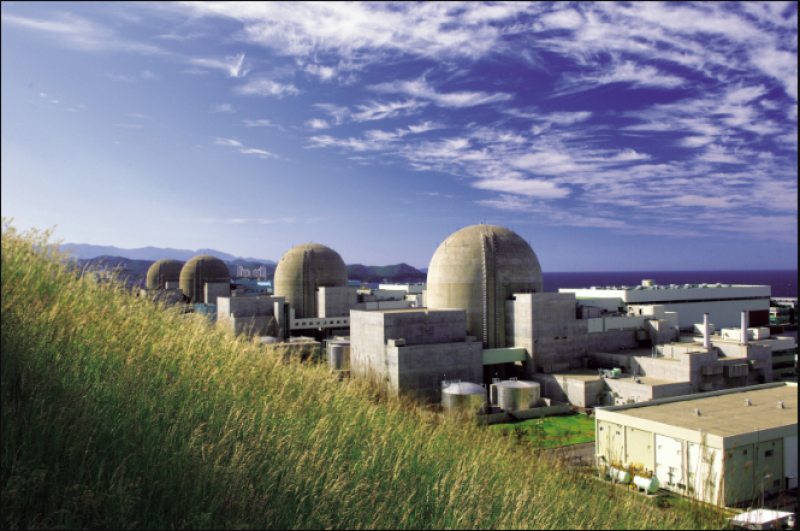
Automatic Shutdown of Unit 4 at South Korea's Hanul Nuclear Power Plant, Regulator Launches Investigation
The Nuclear Safety and Security Commission (NSSC) of South Korea reported on August 19 that Korea Hydro & Nuclear Power Co., Ltd. (KHNP) had reported the same day that Unit 4 of the Hanul Nuclear Power Plant, located in Uljin County, North Gyeongsang Province, automatically shut down at approximately 8:50 a.m. The NSSC stated that Unit 4 of the Hanul Nuclear Power Plant is currently in a stable condition. No abnormal alarms were triggered by on-site radiation monitors, and no leakage of radioactive materials to the outside environment has been detected. According to the notification, the NSSC's regional office for the Hanul Nuclear Power Plant is conducting inspections of on-site safety conditions. The regulatory body also plans to dispatch an investigation team comprising experts from the Korea Institute of Nuclear Safety (KINS) to the site to further confirm the cause of the automatic shutdown and related safety conditions.
2026-08-19

Vivos Ships First Batches from U.S. IsoPet Production Facility, Receives AERB Approval to Build International Manufacturing Center in India
KENNEWICK, Wash. — Vivos Inc. recently announced two operational milestones: its in-house production facility in Richland, Washington, has begun delivering IsoPet® products to certified veterinary clinics in the United States; simultaneously, the company has received authorization from India's Atomic Energy Regulatory Board (AERB) to establish an international manufacturing center in India. This means Vivos will have a two-site production footprint spanning the U.S. and India. According to the company, the U.S. production facility, housed at the Applied Process Engineering Laboratory (APEL), will manufacture IsoPet® veterinary oncology products and RadioGel® human oncology products, and will serve as the center for subsequent process improvements and regulatory...
2026-08-19