
Search Results
Keyword:Unit

UAB startup LifeNuclear launches TheraGuide, a radiation safety guidance platform for radiopharmaceutical therapy
On August 7, LifeNuclear, a medical technology startup incubated by the University of Alabama at Birmingham (UAB), announced the launch of TheraGuide, a digital platform designed to help patients undergoing radiopharmaceutical cancer treatment understand and follow radiation safety guidance after discharge. Radiopharmaceutical therapy uses radioactive drugs to target cancer cells while minimizing damage to surrounding healthy tissue. As the therapy's applications expand, patients are typically required to read and follow complex written instructions after treatment, which can be difficult for some patients and caregivers to understand and execute. Dr. Remo George LifeNuclear was founded by UAB...
2026-08-08
DXA Screening Among U.S. Medicare Population Declines 35% Over Nearly Two Decades
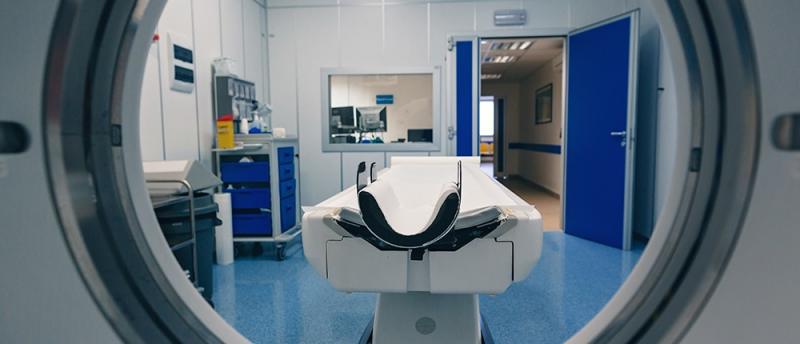
A new study shows that between 2005 and 2023, the rate of dual-energy X-ray absorptiometry (DXA) examinations among U.S. Medicare beneficiaries declined significantly, by 35%. DXA is commonly used for bone density testing and osteoporosis-related screening, and the findings suggest that disparities in screening access across different populations are widening. Researchers analyzed claims data from more than 5 million Medicare beneficiaries. The results showed that DXA utilization fell from 7,255 exams per 100,000 beneficiaries in 2005 to 4,690 per 100,000 beneficiaries in 2023. The study was published in Osteoporosis International. The decline was not uniform across populations...
2026-08-08
Unit 4 of Slovakia's Mochovce Nuclear Power Plant Reaches First Criticality
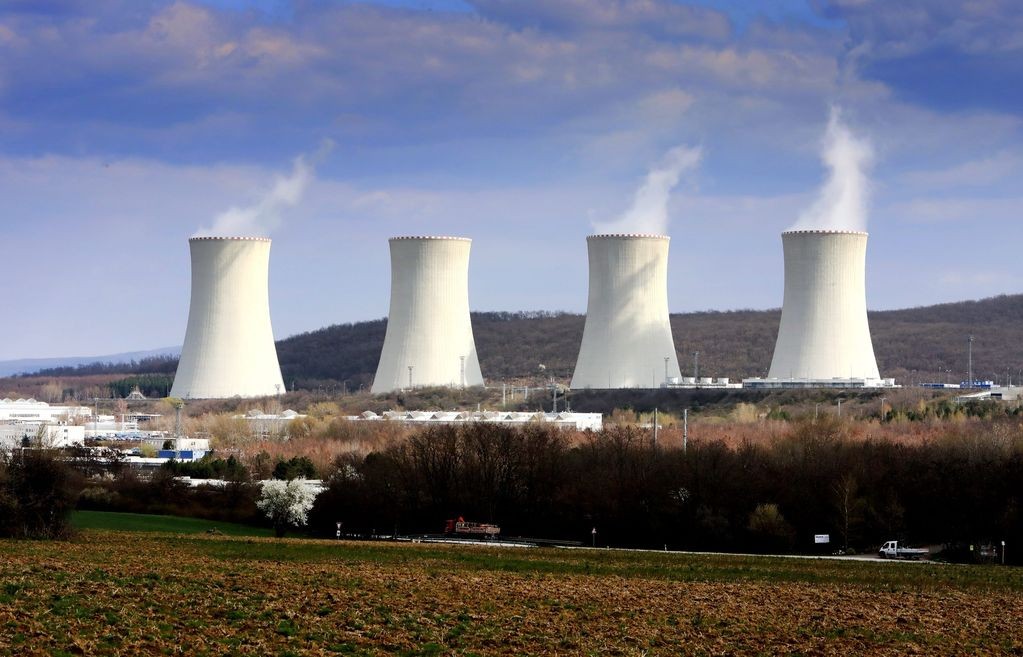
Slovenské Elektrárne stated that Unit 4 of the Mochovce Nuclear Power Plant reached first reactor criticality at 22:10 local time on August 6, and achieved minimum controllable power at 22:31. This is a key milestone in the pre-commissioning work of the unit, indicating that the reactor is ready for subsequent testing. First criticality refers to the first time the nuclear fuel in the core achieves a self-sustaining fission chain reaction. Slovenské Elektrárne stated that first criticality and reaching minimum controllable power are important steps in the commissioning process of a nuclear power plant, used to confirm the unit's readiness to enter the next phase of testing...
2026-08-08
Vacuum test of the turbine condenser at Unit 1 of Akkuyu NPP successfully completed
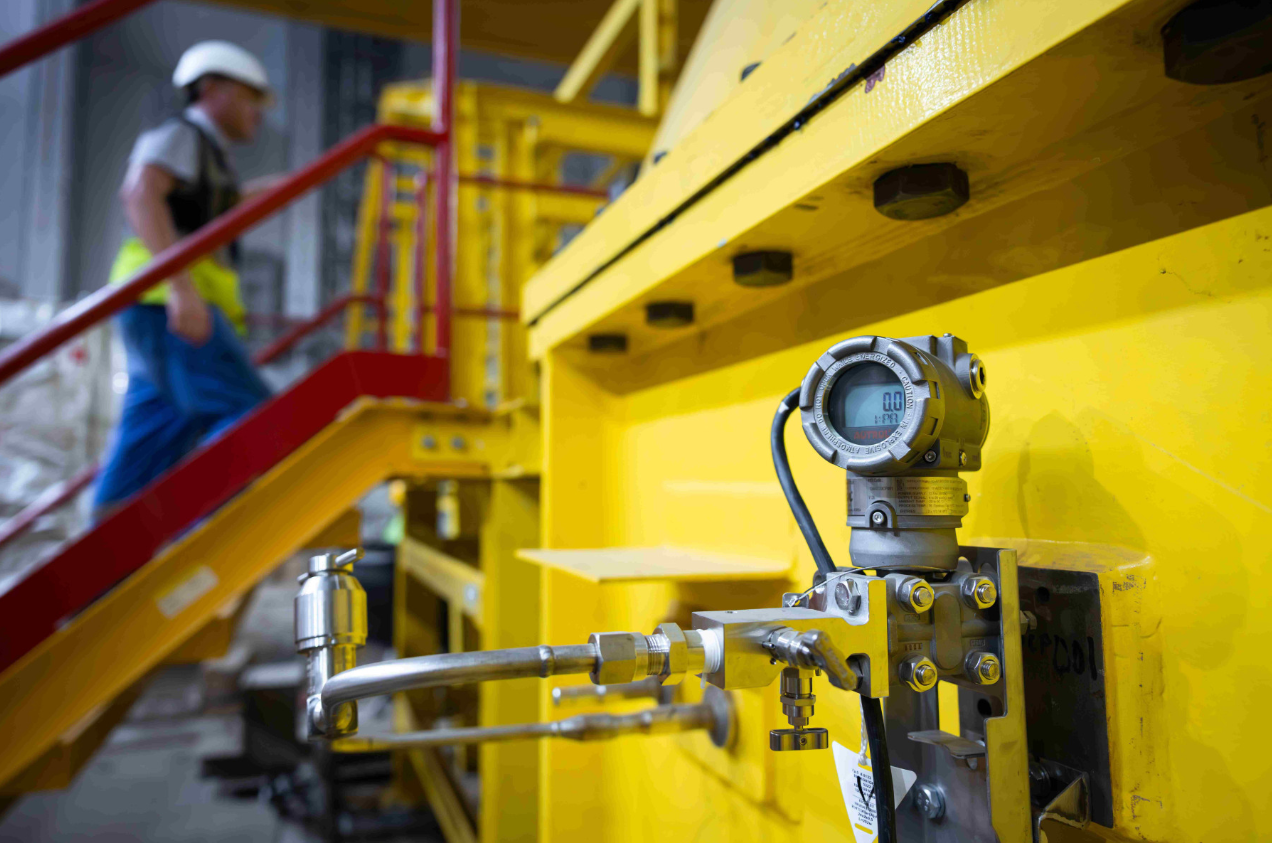
The vacuum test of the turbine condenser at Unit 1 of Turkey's Akkuyu NPP, built by Rosatom, has been completed. The operation confirmed that the main systems of the turbine unit are ready for the next stage of commissioning. During the test, technicians established the required negative pressure in the condenser, checked the tightness of the vacuum system and the thermomechanical condition of the turbine, while monitoring parameters such as condenser vacuum, steam pressure, bearing temperatures, and thermal expansion of the casing and rotor. During the turning gear rotation of the turbine, the proper operation of the flow path (blades) was confirmed. Systems involved in the operation included: start-up boiler house boilers, vacuum system, bearing lubrication system, hydraulic jacking oil system, main turning gear, steam supply and extraction systems, as well as the equipment thermomechanical condition monitoring system.
2026-08-08
First Batch of Non-Safety-Class Main Instrumentation and Control Cabinets for Unit 1 of Xudabao Nuclear Power Plant Successfully Arrived
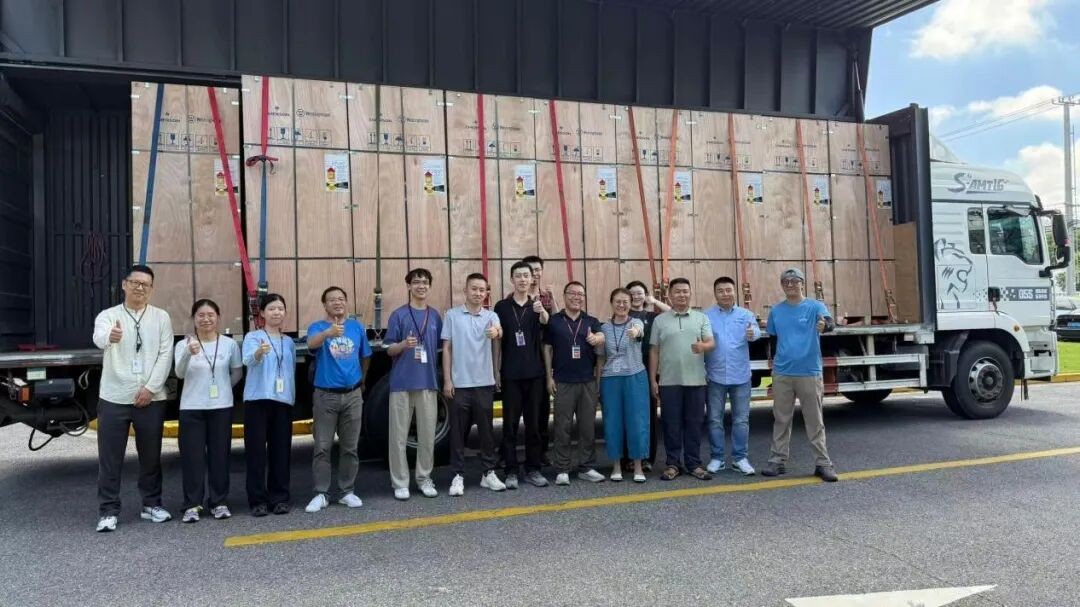
Recently, the non-safety-class main instrumentation and control (I&C) cabinets for Unit 1 of Xudabao Nuclear Power Plant arrived smoothly and were delivered to the plant site. The main I&C cabinets are core critical equipment for unit control and operation management at nuclear power plants, undertaking full-process functions such as data acquisition, logic calculation, process control, interlock protection, and operation monitoring. They can be regarded as the "central brain" ensuring the safe, controllable, and stable operation of nuclear power units. This equipment features high technical precision, strong integration, and stringent safety classification requirements, offering advantages such as high control accuracy, fast response speed, strong operational stability, and excellent fault tolerance, thereby ensuring safe, stable, and efficient unit operation. To ensure the equipment arrived on schedule, Liaoning Nuclear Power proactively took the lead, coordinated precisely, and efficiently linked the efforts of the general contractor, equipment manufacturer, and design institute, breaking through the collaborative chain across solution optimization, manufacturing, and factory acceptance testing, overcoming difficulties and advancing efficiently. By the end of July, all preparatory work was completed ahead of schedule, and the equipment arrived on time, laying a solid foundation for subsequent project milestones.
2026-08-08
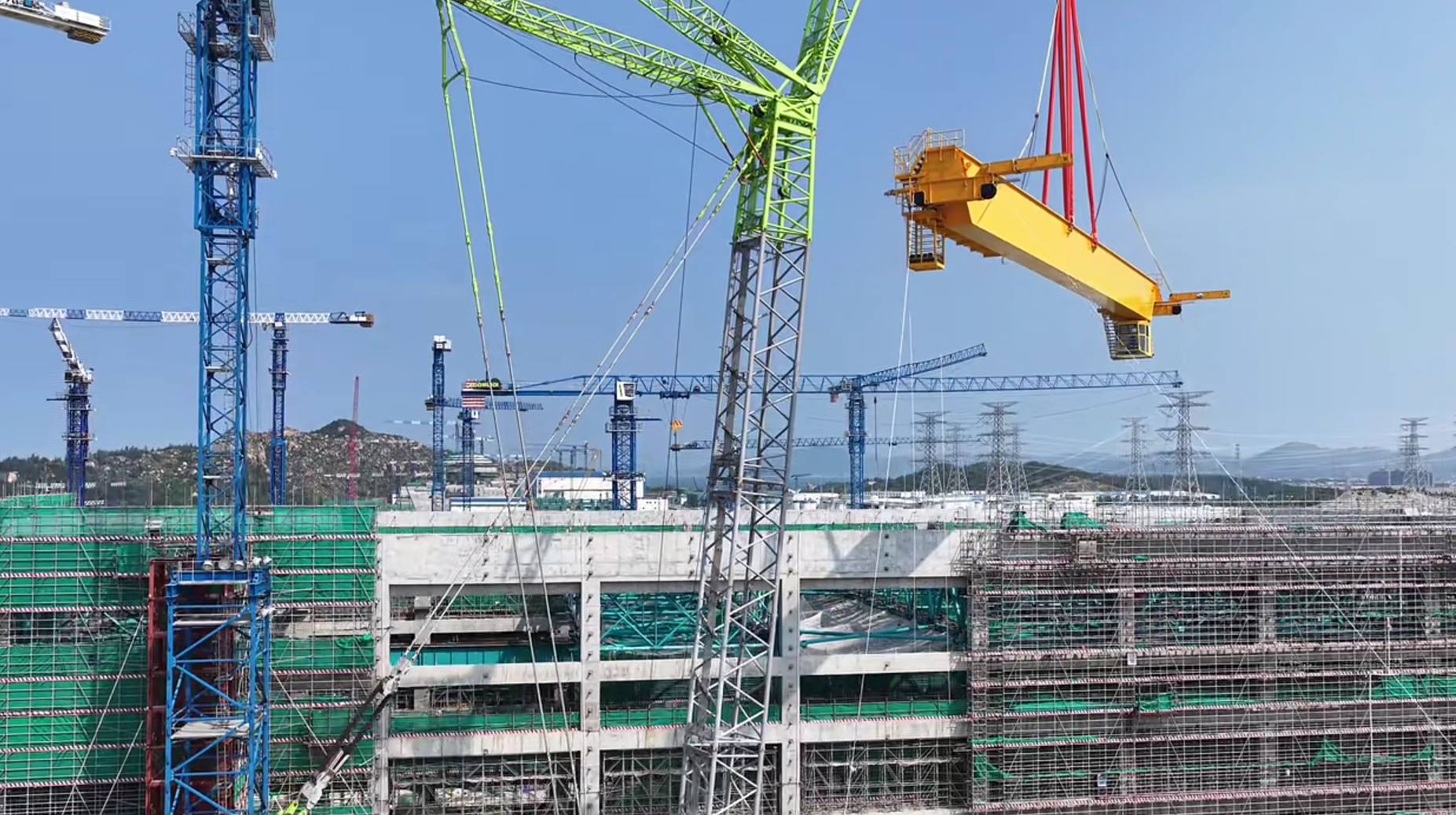
First Main Girder of Main Crane B Hoisted into Place in Conventional Island of Lufeng Nuclear Power Plant Unit 1
The first main girder of Main Crane B, the first main crane in the conventional island of Lufeng Nuclear Power Plant Unit 1, began lifting at 8:45 on August 7, 2026, and was positioned at 11:31. This marks the official commencement of main crane hoisting work in Conventional Island Unit 1; all hoisting work for Main Cranes A/B is expected to be completed by August 10. The main building of Conventional Island Unit 1 of Lufeng Nuclear Power Plant Unit 1 is equipped with two main cranes, designated Main Crane A and Main Crane B, arranged on the same level with a lifting capacity of 240t/40t each. These are critical lifting equipment for the nuclear power plant, primarily used during the construction phase for hoisting major conventional island equipment such as steam turbines, generators, condensers, moisture separator reheaters, and condensate pumps, as well as other installation work including piping and valves. During the operational phase of the nuclear power plant, they are used for maintenance of the turbine-generator unit and other in-plant items during overhaul periods.
2026-08-07

DUNE Integrates Artificial Intelligence into Neutrino Experiment to Enhance Particle Detection and Data Processing Capabilities
The team at the U.S. Fermi National Accelerator Laboratory is advancing the Deep Underground Neutrino Experiment (DUNE) by integrating artificial intelligence and machine learning tools into experiment design, detector operations, and data analysis workflows, aiming to improve neutrino interaction identification, event classification, and detector management capabilities. Located at the Long-Baseline Neutrino Facility, DUNE has begun installing structural components for its large neutrino detector modules. The experiment consists of a near detector and a far detector: the near detector is situated at Fermilab, while the far detector is located approximately one mile underground at the Sanford Underground Research Facility in South Dakota. Both detectors will employ liquid argon time projection chamber technology to record neutrino...
2026-08-07
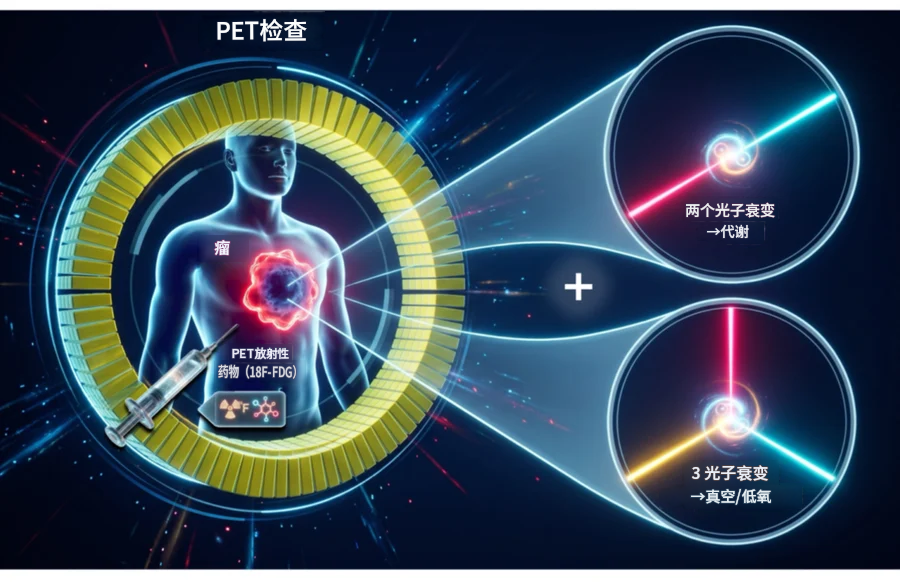
First Validation of Novel PRI Technology: Existing PET Tracers Can Image Tissue Microenvironment
August 6, 2026 - A joint research team from the Graduate School of Engineering at the University of Tokyo and the University of York in the UK announced that they have established a novel geometric imaging principle utilizing positron three-photon decay and successfully validated Positronium Ratio Imaging (PRI) technology for the first time. This method can be used in conjunction with existing clinical PET tracers and is expected to provide a new means of observing tissue microenvironments in nuclear medicine imaging. Conceptual diagram of next-generation nuclear medicine imaging utilizing positron-3-photon decay. Current clinical PET scans primarily rely on the positron two-photon annihilation process to visualize the distribution and accumulation of tracers in the body, but they provide limited information on microenvironmental factors such as tissue hypoxia that are associated with disease malignancy...
2026-08-07

South Korea's Taesung advances order for Unit 2 of US TerraPower SMR, pivoting to new track in nuclear power and gas turbine forgings
South Korean open-die forging company Taesung is accelerating its entry into the small modular reactor (SMR) supply chain. Data shows that Taesung secured its first order in June this year for rotating plug components of the primary equipment for Unit 1 of US-based TerraPower's SMR, and is expected to advance follow-up orders for related components of Unit 2 of the same project in September. The rotating plug is installed on the upper section of the reactor to support nuclear fuel replacement and in-vessel equipment maintenance, requiring high material resistance to high temperatures and radiation, as well as large-scale forging capabilities. This order therefore not only carries revenue significance but also demonstrates the company's technical validation value in the high-end nuclear power forging segment. TerraPower, founded by Microsoft founder Bill Gates, is developing...
2026-08-07
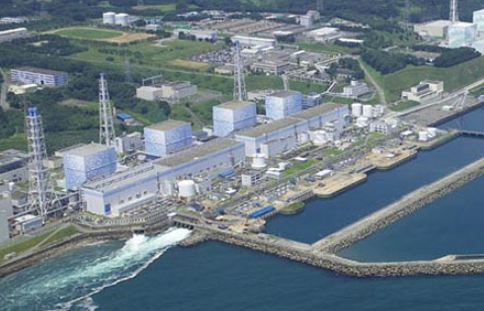
New Decommissioning Plan for Fukushima Daiichi: Priority on Internal Investigation of Unit 3 Before Fuel Debris Retrieval
The Nuclear Damage Compensation and Decommissioning Facilitation Corporation of Japan released on August 6 an outline of the 2026 edition of the "Decommissioning Strategic Plan," proposing technical approaches for the decommissioning of Tokyo Electric Power Company's Fukushima Daiichi Nuclear Power Station. The plan highlights that, for the large-scale retrieval of melted fuel debris at Unit 3, expected to commence in or after fiscal year 2037, priority should currently be given to internal investigations of the reactor building to provide a more reliable basis for subsequent engineering plans. The plan states that the fuel debris retrieval method being studied by TEPCO still requires further improvement in certainty, with the key prerequisite being an understanding of the actual internal conditions of the reactor. Due to the high radiation levels of the water inside the unit following the accident...
2026-08-07
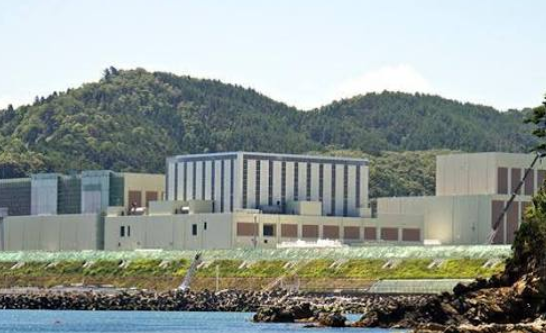
Radiation detector malfunction at Unit 2 of Japan's Onagawa Nuclear Power Plant causes hundreds of abnormal reading fluctuations
Tohoku Electric Power Company of Japan announced on August 6 that a detection equipment malfunction occurred at Unit 2 of the Onagawa Nuclear Power Plant, located in Onagawa Town and Ishinomaki City, Miyagi Prefecture. The issue involved detectors used to measure radiation levels in the main steam lines, which transport steam generated by the reactor to the turbine. Among the four detectors, one displayed readings in the central control room that surged and dropped sharply, repeating hundreds of times. Based on publicly available information, Tohoku Electric has classified this incident as a detector malfunction rather than an abnormal release of radioactive materials or a sudden change in reactor operating conditions. The company stated that the situation does not constitute a problem under security regulations, meaning that from...
2026-08-07
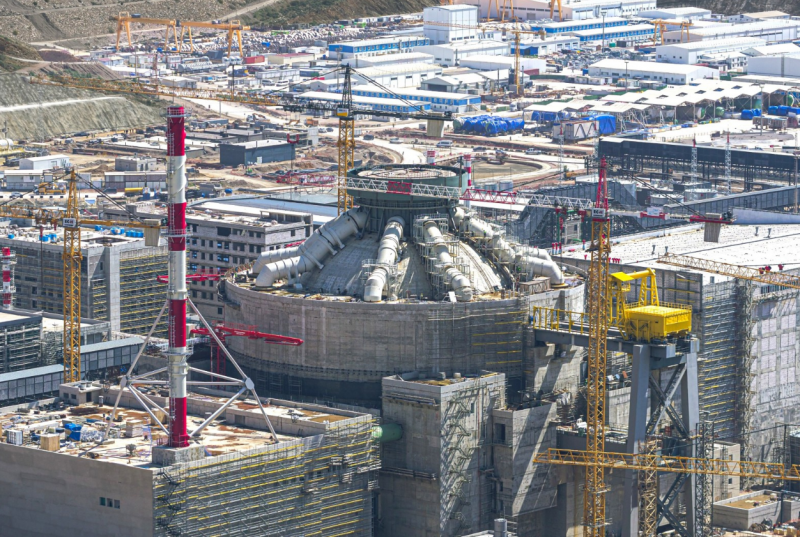
Türkiye plans to commission subsequent Akkuyu nuclear power plant units at one-year intervals
Turkish Energy Minister Alparslan Bayraktar said on August 6 that Türkiye plans to commission subsequent units of the Akkuyu Nuclear Power Plant (NPP) at one-year intervals after the first unit goes into operation. Bayraktar stated that Unit 1 of the Akkuyu NPP is scheduled to begin generating electricity by the end of the year, with work on the first reactor's commissioning currently progressing at full speed. According to Türkiye's plan, after Unit 1 enters service, the remaining units will successively enter the commissioning phase. The Akkuyu NPP is Türkiye's first nuclear power plant, constructed by Russia's State Atomic Energy Corporation (Rosatom). The project plans four units, all using Russia-designed Generation III+...
2026-08-07

Oklo's Groves Isotope Test Reactor Achieves First Criticality
Oklo, a U.S. advanced nuclear technology company, announced on August 6 that its Groves Isotope Test Reactor has achieved a controlled self-sustaining nuclear chain reaction at low power, reaching first criticality. This milestone comes less than a year after the project broke ground. Groves Isotope Test Reactor facility (Image: Groves) The Groves low-power test reactor, located in Lockhart, Texas, is the first reactor to achieve criticality on private land under the U.S. Department of Energy's Reactor Pilot Program. According to Oklo, the facility was built from undeveloped land, completing civil excavation, engineering construction, component fabrication or procurement, fuel configuration, and...
2026-08-07
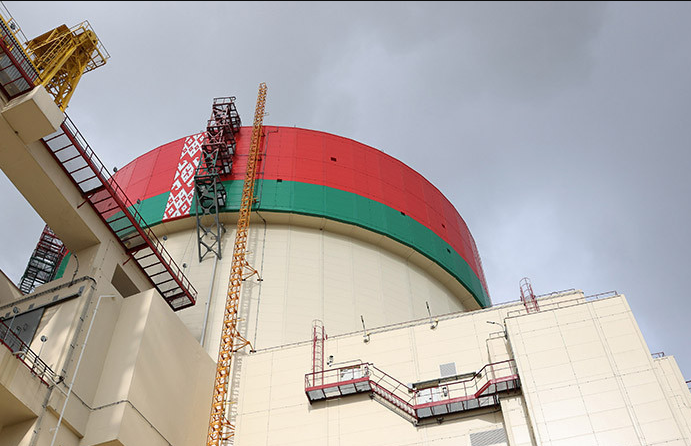
Unit 2 of Belarusian Nuclear Power Plant Resumes Grid Connection
According to the Belarusian Nuclear Power Plant, Unit 2 of the station was reconnected to the grid on August 4. The plant stated that after completing diagnostic testing of the electrical equipment of Unit 2, the unit was put into operation and reached rated operating parameters. Previously, Unit 2 of the Belarusian Nuclear Power Plant was disconnected from the grid at the end of July.
2026-08-07
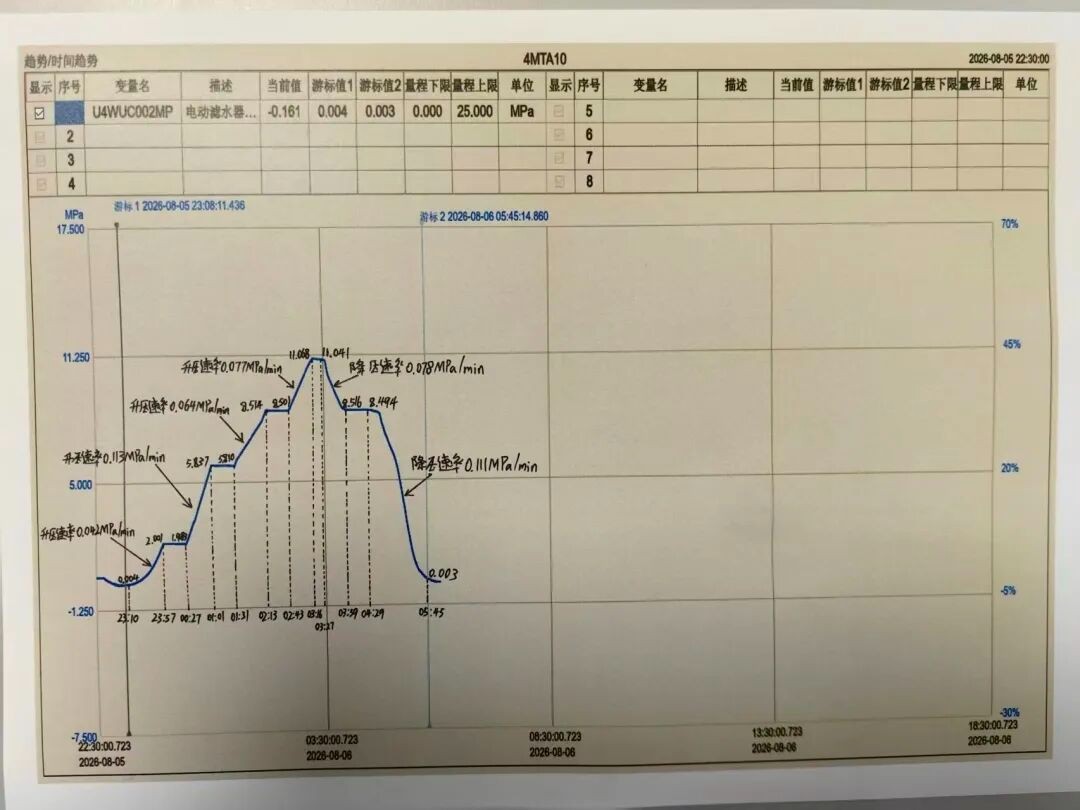
Huaneng Hainan Changjiang Nuclear Power Plant Unit 4 Secondary Loop Combined Hydrostatic Test Successfully Completed
At 04:29 on August 6, 2026, witnessed jointly by Huaneng Changjiang Nuclear Power Company and all participating construction units, the secondary loop combined hydrostatic test of Unit 4 was completed, laying a solid critical prerequisite foundation for the comprehensive implementation of subsequent cold functional tests of the unit. Hydrostatic test curve diagram The secondary loop hydrostatic test is the core critical test following the blasting purging process in the unit's secondary loop system, and constitutes a mandatory acceptance procedure during the construction and installation phase of the Hualong One nuclear power unit. The test primarily targets the steam generator secondary side system, main steam pipelines, feedwater system, auxiliary valves, supports and hangers, and all associated piping, comprehensively verifying the overall structural pressure resistance, weld and flange sealing performance, and...
2026-08-07