
Search Results
Keyword:Unit

MIT Develops Ultrafast X-ray Thermometry Method to Observe Heat Transfer in Multilayer Chip Structures
Researchers at the Massachusetts Institute of Technology (MIT) have developed a new method for observing how heat transfers through multilayer materials, which can be used to precisely measure heat flow variations inside electronic devices such as computer chips. The findings have been published in Nature Communications. As computer chips continue to shrink in size and power density keeps rising, device overheating has become a major factor limiting performance improvements. Traditional heat flow measurement methods face limitations when dealing with the multilayer structures of real electronic devices—for example, the commonly used time-domain thermoreflectance method struggles to distinguish heat transport in different material layers, while infrared imaging and other approaches also fail to capture rapid changes at microscopic scales. To address this issue...
2026-08-06

Dark Energy Survey Releases Six-Year Results: Data from 669 Million Galaxies Helps Constrain Cosmic Accelerated Expansion
On August 4, the Dark Energy Survey (DES) project released its six-year findings on dark energy detection. The project compiled 18 related papers, based on nearly 300,000 astronomical images captured between 2013 and 2019, recording information on 669 million galaxies, thousands of galaxy clusters, and more than 3,000 supernovae to study the accelerated expansion of the universe and the evolution of cosmic structure. To carry out DES, Fermi National Accelerator Laboratory built an extremely sensitive 570-megapixel digital camera, DECam, which was installed on the Blanco 4-meter telescope at the National Science Foundation's Cerro Tololo Inter-American Observatory in the Chilean Andes. (Image courtesy of Reidar Hahn/Fermi National Acceler...
2026-08-06

U.S. Laboratories Plan "Materials Discovery Cloud" to Use AI to Predict Impact of Defects in Microelectronic Devices
Researchers at the U.S. Department of Energy's Argonne National Laboratory, Lawrence Berkeley National Laboratory, Oak Ridge National Laboratory, and Northwestern University are planning to develop a Materials Discovery Cloud platform that leverages a physics-based artificial intelligence framework to predict how tiny defects affect the performance and lifespan of microelectronic devices. Visualization of the Materials Discovery Cloud, a physics-based AI framework that integrates experimental data, simulations, and high-performance computing to predict how tiny defects affect the performance and lifespan of microelectronic devices. (Image provided by ChatGPT.) Microelectronic devices are widely used in smartphones, laptops, secure communications, and artificial intelligence hardware. As device dimensions continue to shrink and operating speeds increase, tiny defects within materials and at interfaces have a more pronounced impact on device stability. These defects can cause overheating, leakage current, switching instability, and other issues, or in certain conditions, improve electrical or thermal performance. Identifying critical defects and understanding their evolution under real-world operating conditions has become a key challenge in the design of next-generation microelectronic materials.
2026-08-06

United States to Host IAEA ATLAS Initiative Ministerial Launch
The United States will host the ministerial launch of the International Atomic Energy Agency (IAEA) Atoms for Transport Licensing and Applications at Sea (ATLAS) Initiative in Washington, D.C., on August 26-27, 2026. The event will bring together ministers, policymakers, and industry representatives to discuss topics related to the safe and reliable application of nuclear technology in the maritime domain. The ATLAS Initiative aims to establish an international framework to harmonize legal and regulatory issues facing maritime nuclear energy applications and to support the deployment of related civilian nuclear technologies. Building on the IAEA's experience in nuclear safety, nuclear security, and safeguards, the Initiative emphasizes technology neutrality and places safety, security, and non-proliferation requirements as the foundation for advancing maritime nuclear applications...
2026-08-06
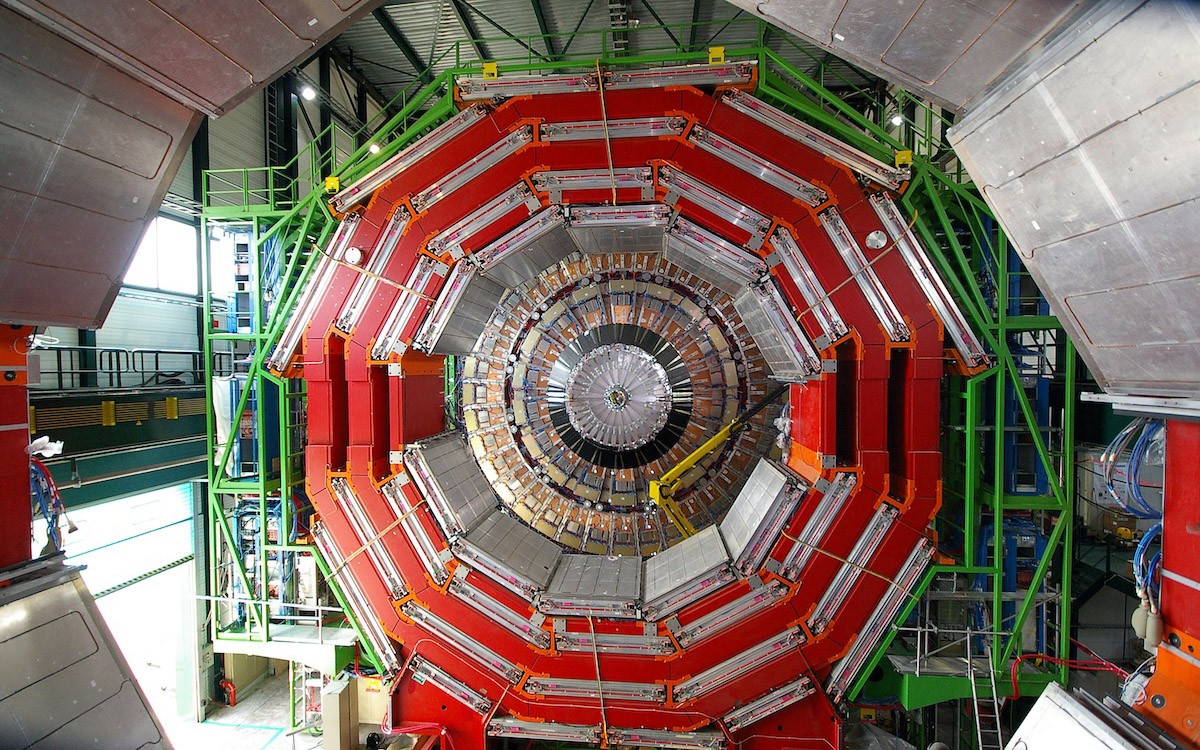
University of Kansas Receives DOE Funding to Build New-Generation Detectors for CERN's Large Hadron Collider
A particle detector development project led by the University of Kansas has recently received funding from the U.S. Department of Energy's Established Program to Stimulate Competitive Research (DOE EPSCoR). The project, funded at $1 million, will be used to design and build two High-Luminosity Zero Degree Calorimeters (HL-ZDC) for the Compact Muon Solenoid experiment (CMS) at CERN's Large Hadron Collider (LHC). The four-year project is co-led by Michael Murray, professor in the Department of Physics and Astronomy at the University of Kansas, and Christophe Royon, distinguished professor at the University of Kansas. Murray also serves as the project lead for the CMS High-Luminosity Zero Degree Calorimeter upgrade...
2026-08-06

"China Nuclear Power Development Report (2026)": China's Total Scale of Operating and Approved-Under-Construction Nuclear Power Units Ranks First in the World
On August 6, the National Energy Administration released the "China Nuclear Power Development Report (2026)". As of the end of 2025, China had a total of 112 nuclear power units in operation and approved for construction, with a total installed capacity of 125 million kilowatts, ranking first in the world. Among them, 59 units were in operation with an installed capacity of 62.48 million kilowatts, ranking third globally; 53 units were approved and under construction with a capacity of 62.93 million kilowatts, maintaining the world's largest nuclear power engineering construction scale for 19 consecutive years. The report shows that during the "14th Five-Year Plan" period, China newly approved 46 nuclear power units with a total capacity of 54.5 million kilowatts, and newly commissioned 11 units with a capacity of 12.45 million kilowatts. In 2025, China commissioned one new nuclear power unit, namely Unit 2 of the "Guohe One" demonstration project; and approved the construction of 10 new nuclear power units with a total capacity of 12.1 million kilowatts, involving Units 5 and 6 of Zhejiang Sanmen, Units 5 and 6 of Shandong Haiyang, Units 1 and 2 of Fujian Xiapu, Units 3 and 4 of Guangdong Taishan, and Units 5 and 6 of Guangxi Fangchenggang...
2026-08-06
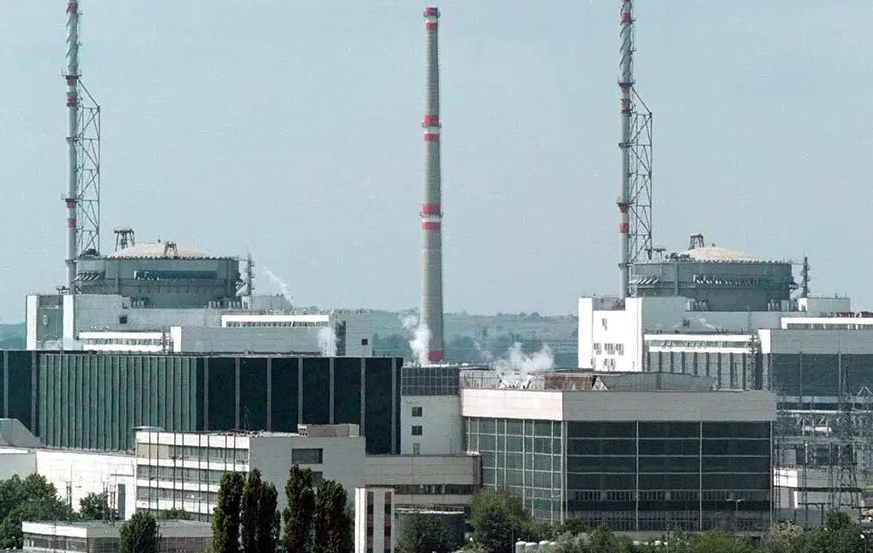
Bulgaria's Kozloduy Units 5 and 6 VVER-1000 Continue Stable Power Generation
Bulgaria's Ministry of Energy confirmed on August 4 that Units 5 and 6 (both VVER-1000) at the Kozloduy Nuclear Power Plant remain stably connected to the grid despite record-low Danube River water levels and an ongoing heatwave. Professional assessments indicate that even if the river level continues to decline at the current rate, no power reduction will be required for the next three weeks. Bulgarian authorities have confirmed that they maintain continuous contact with relevant institutions in Serbia and Romania to coordinate and monitor the situation on the Danube waterway. The stable operation of the Kozloduy Nuclear Power Plant comes at a time when neighboring operators along the Danube have been forced to reduce output or cease operations. Due to the sharp drop in water levels and rising river water temperatures, Hungary has had to significantly reduce power output and shut down the Paks Nuclear Power Plant, which supplies more than 40% of the country's electricity.
2026-08-06
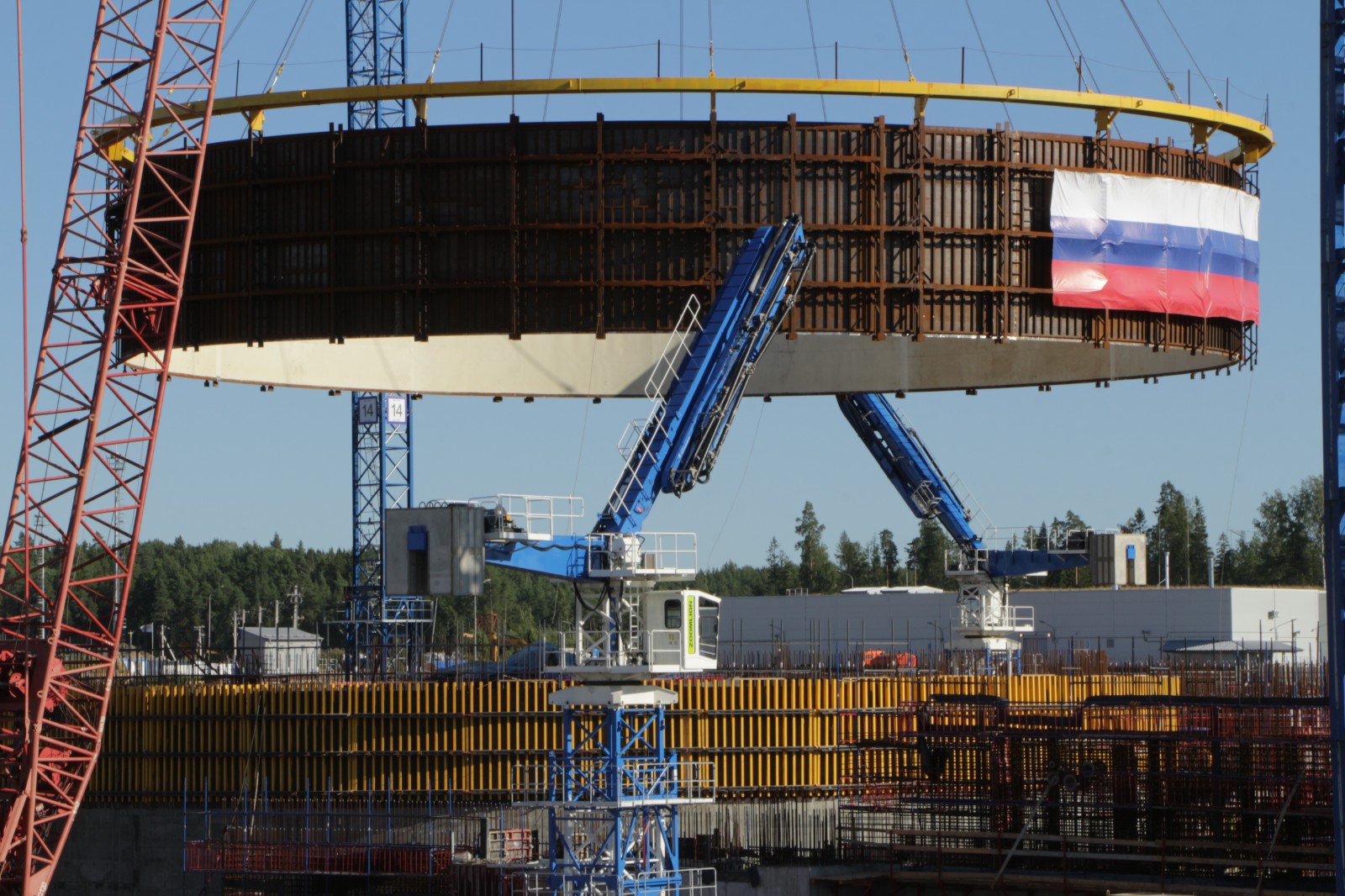
Construction of inner containment begins at Unit 4 of Leningrad Nuclear Power Plant II
Construction of the inner containment of the reactor building at Unit 4 of the Leningrad Nuclear Power Plant II in Russia has commenced. The unit features a VVER-1200 reactor, and the inner containment is a key component of the unit's passive safety system, as well as part of the plant's confinement safety system. Construction workers have installed the first tier of vertical sealed steel liner to its design position. The steel structure weighs approximately 97 tonnes, and the lifting and positioning operations were carried out using a heavy crawler crane, with the entire installation process lasting about 7 hours. The contractor, TITAN-2 Holding Company, stated that the preparatory work took several months, including component fabrication, protective coating application, on-site assembly and welding, and structural quality inspection...
2026-08-06

Novovoronezh NPP Unit 6 Exceeds 79 Billion kWh in a Decade of Operation
Since Unit 6 of Russia's Novovoronezh Nuclear Power Plant was first connected to the grid in 2016, it has delivered over 79 billion kWh of electricity to the Unified Energy System of Russia. The unit is the world's first Generation III+ nuclear power unit equipped with a VVER-1200 reactor, and also the first new nuclear unit built from scratch in Russia under the NPP-2006 project. The Novovoronezh NPP currently operates four units, namely Units 4, 5, 6, and 7. Unit 6 accounts for 31.2% of the plant's total electricity generation from operating units. The unit entered commercial operation in February 2017. Its construction began in 2007, with about 200 contracting organizations involved in the project. Russia...
2026-08-06

Leonardo DRS to Build New Facility in Connecticut, U.S. to Support Growth in Naval Nuclear Propulsion-Related Business
Leonardo DRS announced on August 4 that it has signed an agreement to build a new facility in Brookfield, Connecticut, U.S., to expand and consolidate its naval electric power systems operations. The project aims to increase production capacity, support key U.S. Navy-related programs, and provide space and infrastructure for the company's future growth in the nuclear energy sector. According to the company's disclosure, the new facility is located at 120 Park Ridge Road in Brookfield, covering approximately 141,087 square feet. Once completed, the facility will consolidate operations currently spread across three locations in Danbury and Bethel, Connecticut. The facility is expected to be operational in early 2027, with partial occupancy potentially available by late 2026 if final design and tenant fit-out work proceed smoothly.
2026-08-06
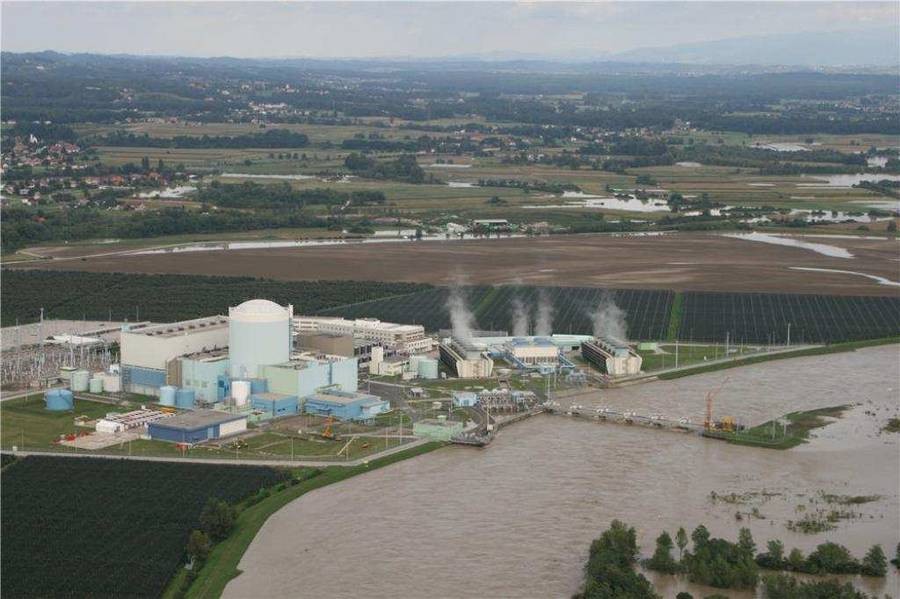
Krško Nuclear Power Plant to Reduce Power Output Due to Sava River Water Temperature Pressure
The Krško Nuclear Power Plant (Krško NPP) announced that, due to persistent abnormal hydrological and meteorological conditions in the Sava River, it will begin gradually reducing reactor power from the evening of August 6 to prevent river water temperatures from exceeding environmental standards. In the first phase, the unit's power output will be reduced to 80% of its maximum generating capacity. The plant stated that this power reduction is a planned, controlled, and temporary measure aimed at ensuring the Sava River water temperature remains within permissible limits. Relevant environmental standards stipulate that the daily average water temperature must not exceed 28 degrees Celsius, and the temperature increase of the river water caused by the plant's operation must not exceed 3 degrees Celsius. The management of the Krško Nuclear Power Plant also stated...
2026-08-06
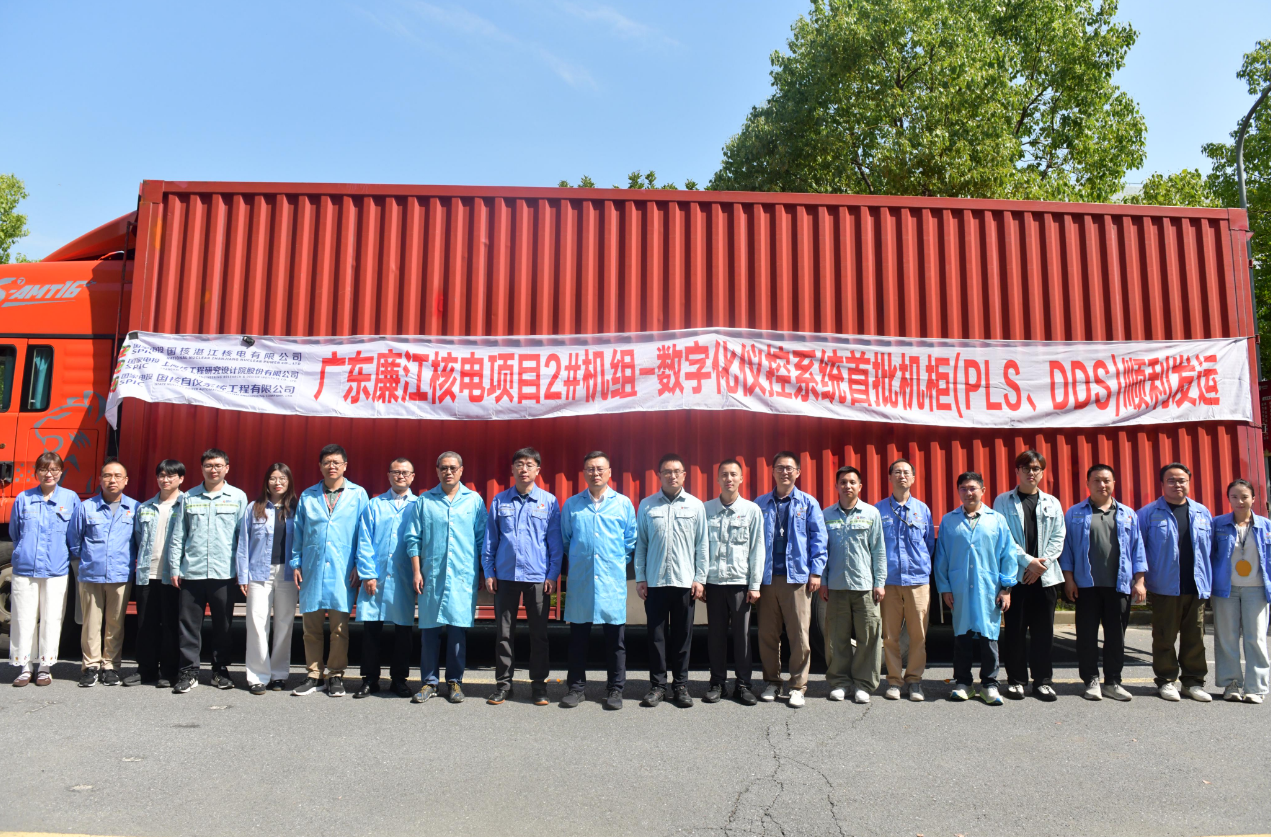
SNPAS Completes Shipment of First Batch of Cabinets for PLS and DDS Systems of Lianjiang Nuclear Power Unit 2
Recently, witnessed by Zhanjiang Nuclear Power and Shanghai Nuclear Engineering Research and Design Institute (SNERDI), SNPAS successfully completed the delivery of the first batch of cabinets for the Plant Control System (PLS) and Data Display and Processing System (DDS) of Unit 2 of the Guangdong Lianjiang Nuclear Power Project Phase I, with the equipment having arrived at the project site smoothly. Sun Mingjun, Member of the Party Committee and Deputy General Manager of Zhanjiang Nuclear Power, Liu Xin, Deputy General Manager of SNPAS, and Zhou Xu, Deputy General Manager of the Procurement Center of SNERDI, attended the shipment ceremony. This shipment marks an important milestone in the execution of the instrumentation and control (I&C) system for Unit 2, signifying that the main I&C equipment has officially entered the stage of batch delivery and on-site installation preparation. The shipment of Unit 2 follows the mature experience of Unit 1 in...
2026-08-06
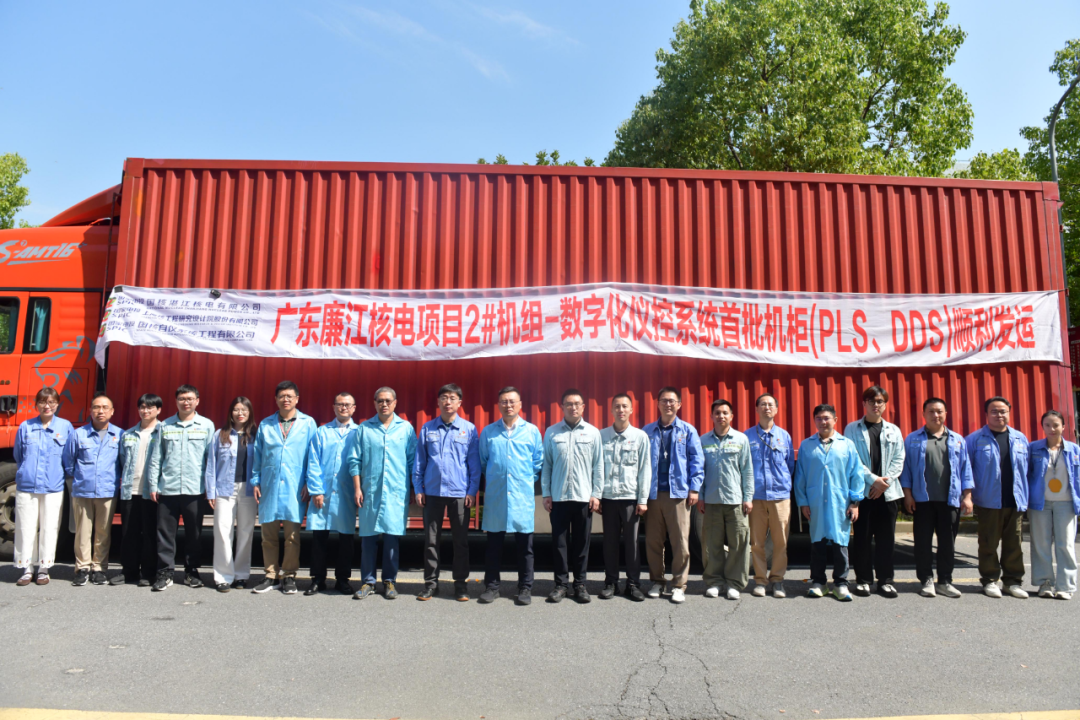
SNPAS Completes Shipment of First Batch of Cabinets for PLS and DDS Systems of Lianjiang Nuclear Power Unit 2
Recently, witnessed by Zhanjiang Nuclear Power and Shanghai Nuclear Engineering Research and Design Institute (SNERDI), SNPAS successfully completed the shipment and delivery of the first batch of cabinets for the Plant Control System (PLS) and Data Display and Processing System (DDS) of Unit 2 of the Phase I project of Guangdong Lianjiang Nuclear Power Project, with the equipment having arrived at the project site smoothly. Sun Mingjun, Member of the Party Committee and Deputy General Manager of Zhanjiang Nuclear Power, Liu Xin, Deputy General Manager of SNPAS, and Zhou Xu, Deputy General Manager of the Procurement Center of SNERDI, attended the shipment ceremony. This shipment marks an important milestone in the implementation of the instrumentation and control (I&C) system for Unit 2, signifying that the main I&C equipment has officially entered the phase of batch delivery and on-site installation preparation. The shipment of Unit 2 continues the...
2026-08-06
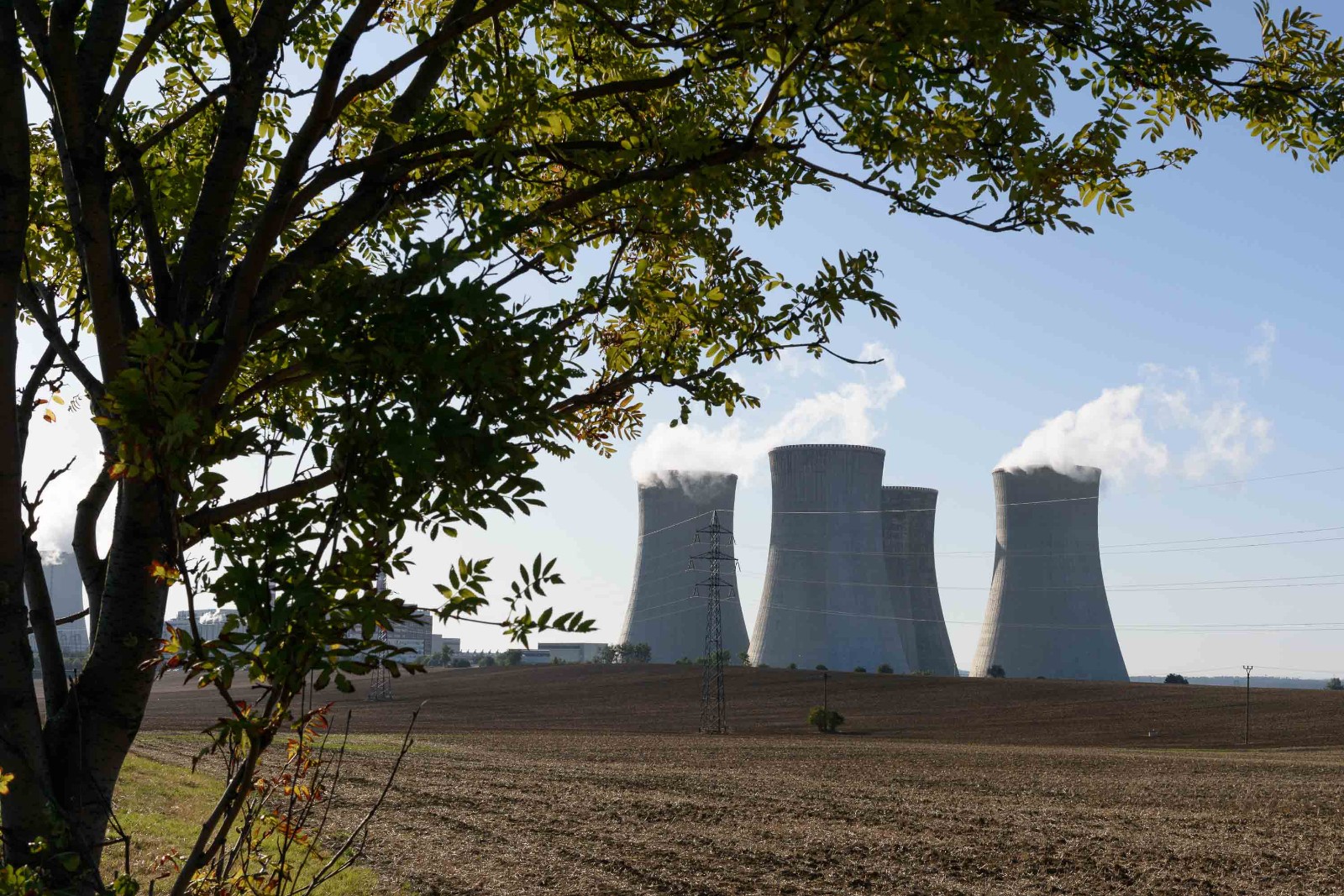
Czech nuclear safety officials say domestic nuclear power plants have sufficient cooling water for both existing and new units
Droughts across parts of Europe are affecting the operation of some nuclear power plants. Due to low water levels and flow rates in the Danube River, two reactors at Romania's Cernavodă Nuclear Power Plant have been shut down, and Hungary's Paks Nuclear Power Plant also faces the risk of a complete shutdown. Štěpán Kochánek, Chairman of the Czech State Office for Nuclear Safety (SÚJB), stated that plant operators should not be allowed to continue operating units at full power when cooling water is insufficient, and that related shutdown measures are conservative actions predefined in operating procedures. Kochánek explained that reactor shutdowns are not an unusually rare operation. Unit shutdown typically involves gradually reducing reactor power, inserting control rods, and bringing fission reactions to a minimal level or complete cessation. After shutdown, the reactor still requires cooling, but the demand for cooling water volume and capacity is significantly lower than during full-power operation. He noted that this process shares similarities with planned outages such as refueling overhauls and is a standardized procedure that operators should master.
2026-08-05
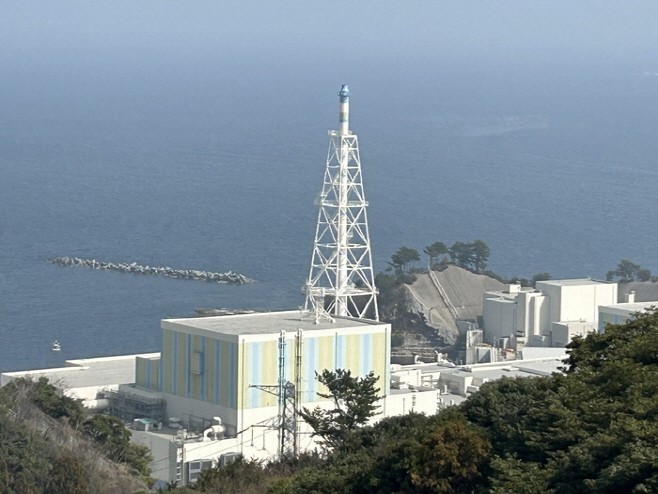
Shimane Nuclear Power Station Unit 2 scheduled inspection completion date moved up to September 16
Chugoku Electric Power Co., Inc. announced on August 5 that the schedule for the 18th periodic utility inspection of Shimane Nuclear Power Station Unit 2 has been revised, with the inspection completion date moved up from September 17, 2026 to September 16, and the power generation resumption date moved up from August 19 to August 18. Shimane Nuclear Power Station Unit 2 is a boiling water reactor unit with a rated electrical output of 820 MW. The unit was shut down on February 9, 2026 and entered its 18th periodic utility inspection. The reason for this adjustment is that, during the reactor start-up preparation work, the procurement of the nitrogen gas source used to fill the reactor containment vessel was completed earlier than planned, allowing the related work to be advanced accordingly...
2026-08-05