
Search Results
Keyword:budget

Canada Unveils 2026 Budget with Major Nuclear Energy Investment
Recently, the Canadian government officially released its 2026 budget entitled "Mastering Our Fate." The budget provides strong financial support for a national strategy aimed at doubling grid capacity by 2050, and makes large-scale strategic investments in nuclear energy development and critical minerals, comprehensively consolidating Canada's position as a global energy power. Finance Minister François-Philippe Champagne noted that the 2026 budget builds on the significant progress achieved in the 2025 budget. The new budget sets out a total of more than CAD 50 billion (...
2026-11-10

Canada's Federal Budget Earmarks Dedicated Funding to Advance Nuclear Energy Strategy
Recently, the Government of Canada officially released the 2026 federal budget, committing more than CAD 518.5 million (approximately EUR 329 million, USD 536 million) to the national nuclear energy strategy, establishing nuclear technology as a core cornerstone for achieving the nationwide clean electricity plan. Under the leadership of Prime Minister Mark Carney, Canada is committed to consolidating its position as a global clean energy superpower through comprehensive support for reactor deployment and supply chain development. This newly announced nuclear development plan builds upon the national nuclear energy strategy released by the government in June this year and is part of the overall capital expenditure of up to CAD 8 billion for electricity-related projects over the next five years...
2026-11-07
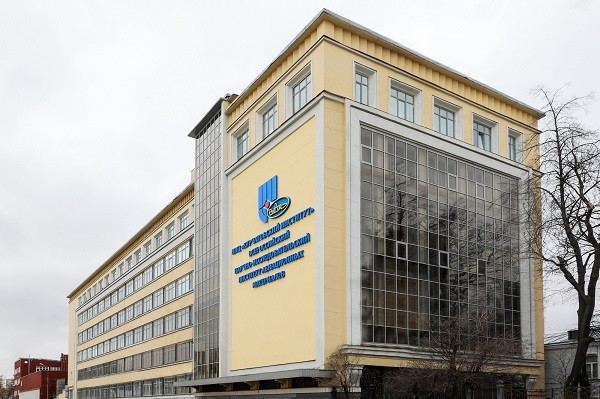
Russia's Kurchatov Institute to Receive 5.7 Billion Rubles in Fiscal Budget Support: Focusing on Controlled Thermonuclear Fusion and Advanced Plasma Technology R&D
The National Research Centre "Kurchatov Institute" will receive approximately 5.7 billion Rubles in dedicated funding support from the Russian federal budget during the period from 2027 to 2029. This fiscal allocation will be specifically used to advance key technology breakthroughs in Controlled Thermonuclear Fusion, as well as the R&D and experimental validation of innovative Plasma Technologies. The above funding plan is explicitly stated in the draft explanatory document of the 2027–2029 federal budget bill published in the electronic database of the Russian State Duma...
2026-10-03
Japanese regulator plans budget for research on next-generation reactor reviews
The Nuclear Regulation Authority (NRA) of Japan has included research costs required for reviewing next-generation nuclear reactors in its budget request for the next fiscal year. The funds will be used to evaluate the effectiveness of new safety measures, providing a review basis for potential future construction or replacement applications. The Japanese government is promoting the development of next-generation nuclear reactors, including innovative light-water reactors that further enhance safety performance based on existing light-water reactor technology. Since November 2025, Kansai Electric Power Company (KEPCO) has been conducting geological surveys at the Mihama Nuclear Power Plant in Fukui Prefecture, in preparation for possible future plans to replace existing units with next-generation reactors. At a meeting held on September 2...
2026-09-03
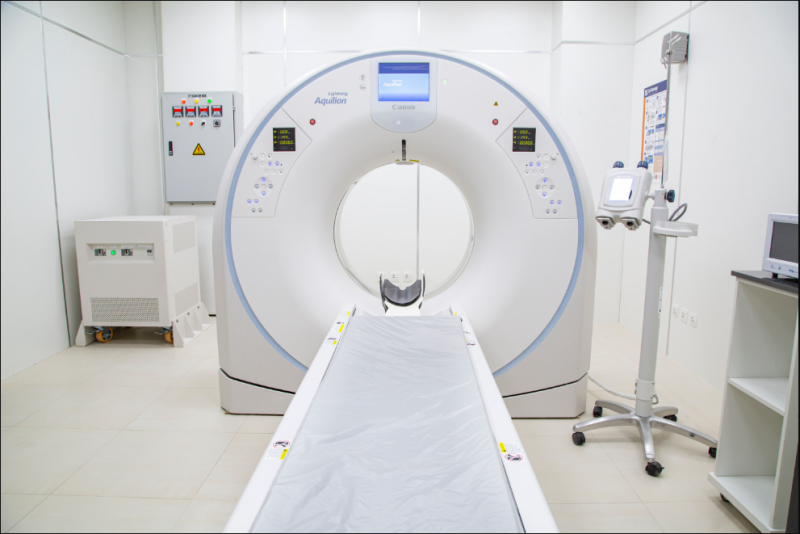
Sejong City Requests National Support for Proton Cancer Therapy Center Budget
On September 2, 2026, the Democratic Party of Korea and Sejong City held their first budget policy consultation meeting at the Sejong City Government to discuss key agenda items and budget support for the city. At the meeting, Sejong City Mayor Cho Sang-ho requested the Democratic Party's attention to several issues, including securing national funding for the construction of a cancer proton therapy center, improving the general grant system for Sejong City, and promoting the passage of the Special Act on the Administrative Capital within the year. After the closed-door consultation, a relevant spokesperson stated in a briefing that the meeting proposed allocating 300 million KRW each in the next year's national budget for a feasibility study on the construction of the cancer proton therapy center and for the formulation of the basic plan for the National Central Bioresource Center.
2026-09-02
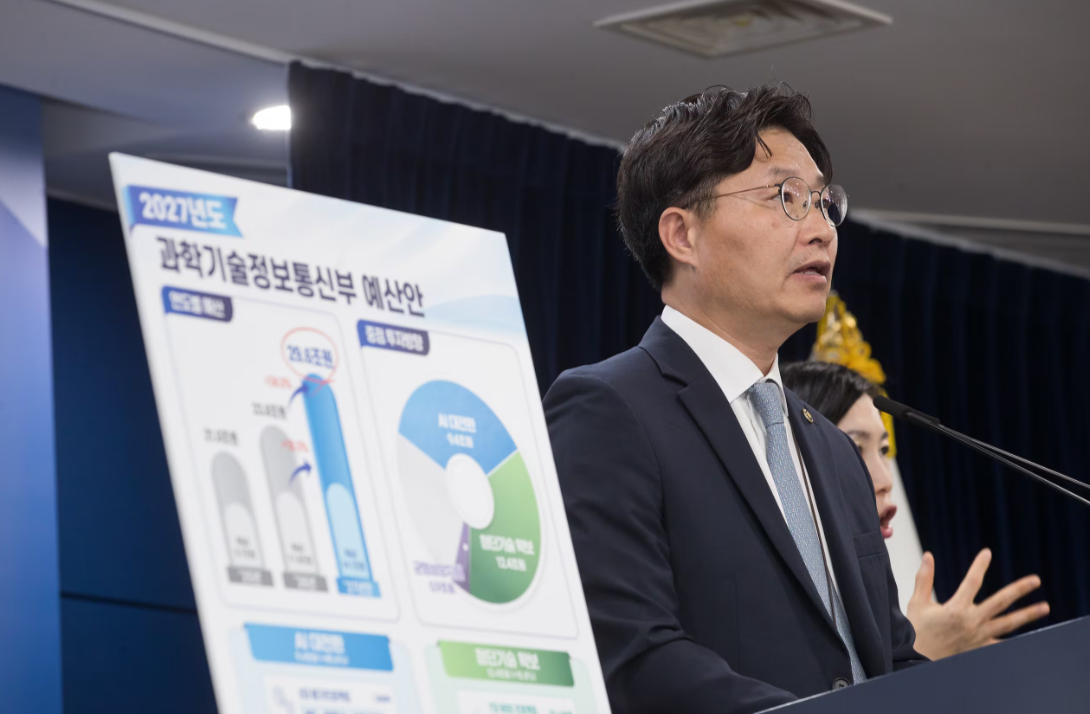
South Korea Plans to Increase R&D Investment in Nuclear Fusion and Small Modular Reactors
South Korea's Ministry of Science and ICT (MSIT) stated on September 1 that in the 2027 government budget proposal approved at a Cabinet meeting, the ministry's budget amounts to 29.6476 trillion Korean won, an increase of 24.5% compared to this year's supplementary budget. Of this, the R&D budget is planned to increase from 11.9 trillion won this year to 14.1 trillion won, accounting for 36% of the South Korean government's total R&D budget. In the science and technology sector, MSIT plans to invest 12.377 trillion won in R&D related to next-generation artificial intelligence and advanced technologies. In explaining the budget proposal, the ministry's First Vice Minister stated that in response to the growing electricity demand driven by AI development, South Korea will accelerate the development of future clean energy sources such as small modular reactors (SMRs) and nuclear fusion...
2026-09-02

Busan, South Korea Secures 2027 Budget Support; Export-Oriented Research Reactor and Other Projects Included in Government Proposal
Busan Metropolitan City recently announced that multiple national projects aligned with its core development goals have been included in the South Korean government's 2027 budget proposal, including the Gadeok Island New Airport, a new export-oriented research reactor, a heavy ion accelerator, as well as industrial projects such as port artificial intelligence, naval vessel maintenance, repair and overhaul, and power semiconductors. Under the budget arrangement, the Gadeok Island New Airport construction project has secured 431.1 billion KRW in support. To enhance maritime and logistics competitiveness, the budget proposal also includes 7.35 billion KRW for a demonstration project on autonomous port cargo handling equipment, 36.4 billion KRW to support shipbuilding and shipping cooperation, 5 billion KRW to strengthen the global competitiveness of small and medium-sized shipbuilders in naval vessel maintenance, repair and overhaul, and an additional 24.9 billion KRW allocated for the development of a fishery products industrial cluster.
2026-09-02
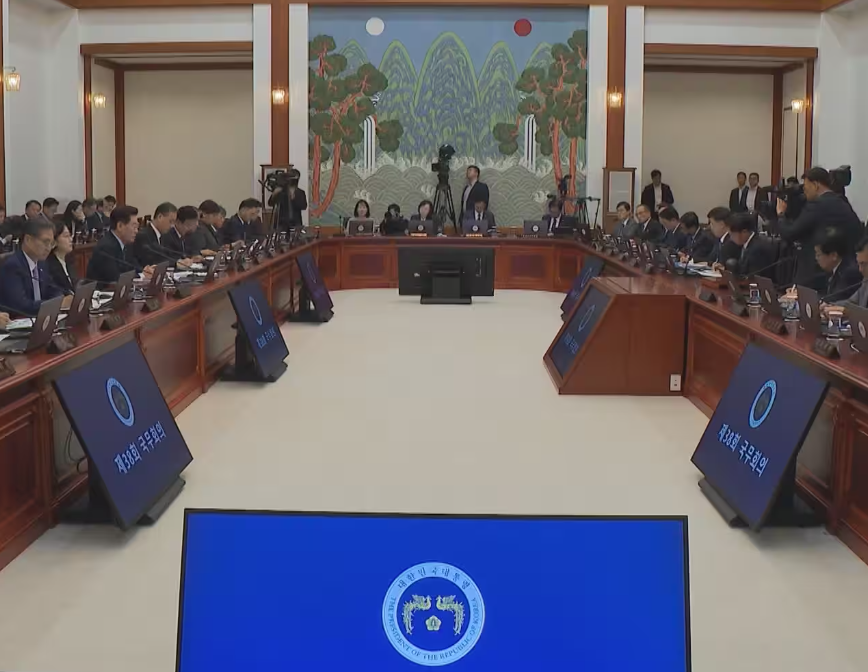
South Korea's 2027 Budget Proposal Includes First-Ever Funding for Domestic Nuclear Submarine Development
The South Korean government approved its 2027 budget proposal, with total government spending reaching 820.9 trillion won, approximately 95.6 trillion yen, marking a 12.8% increase from the previous year and setting a record high. The budget proposal has been submitted to the National Assembly for review. President Lee Jae-myung presided over a cabinet meeting at the presidential office on September 1, where the budget proposal was reviewed and approved. Under the plan, the South Korean government intends to increase investment in growth-oriented industries, with approximately 2.5 trillion yen allocated to infrastructure development related to semiconductor manufacturing and artificial intelligence, nearly doubling the scale of the previous year. On the revenue side, the South Korean government expects that as AI demand continues to grow and major semiconductor companies see improved performance, corporate income tax and personal income tax revenues will increase significantly.
2026-09-02
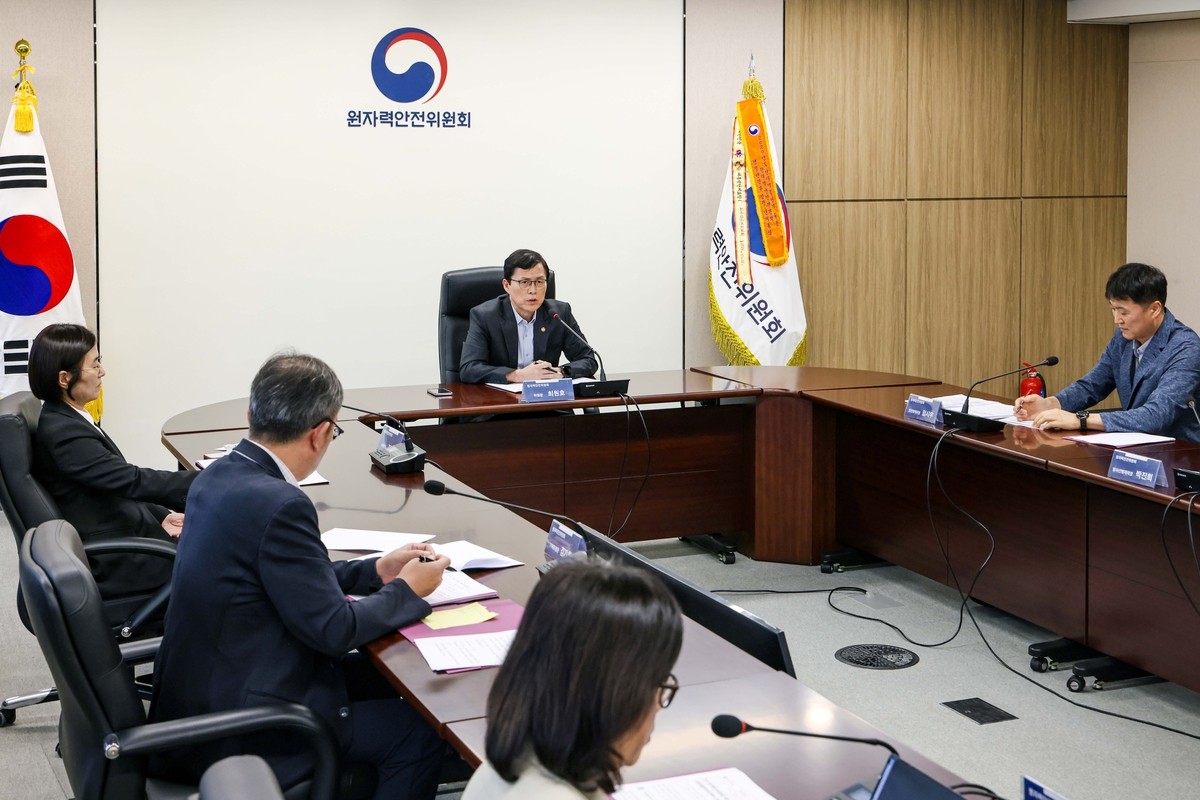
South Korea's Nuclear Safety Regulatory Budget for 2027 Rises to KRW 303 Billion
The Nuclear Safety and Security Commission (NSSC) of South Korea announced on September 1 that it has allocated KRW 303 billion for the 2027 budget, an increase of KRW 10.4 billion from this year. The new budget focuses on areas such as small modular reactor regulation, spent nuclear fuel safety, nuclear facility decommissioning review, environmental radiation monitoring, and nuclear safety information disclosure. Regarding small modular reactors, as non-light water reactor-type small modular reactor development projects aim to obtain licenses by the early 2030s, South Korea will invest KRW 8 billion in R&D to establish a new safety evaluation system. In addition, in line with the preliminary review system set to take effect in November this year, the government has allocated KRW 2.7 billion to conduct preliminary reviews of non-light water reactor-type small modular reactors expected to file applications next year. This system allows applicants to request regulatory review of reactor designs before formally submitting license applications.
2026-09-02
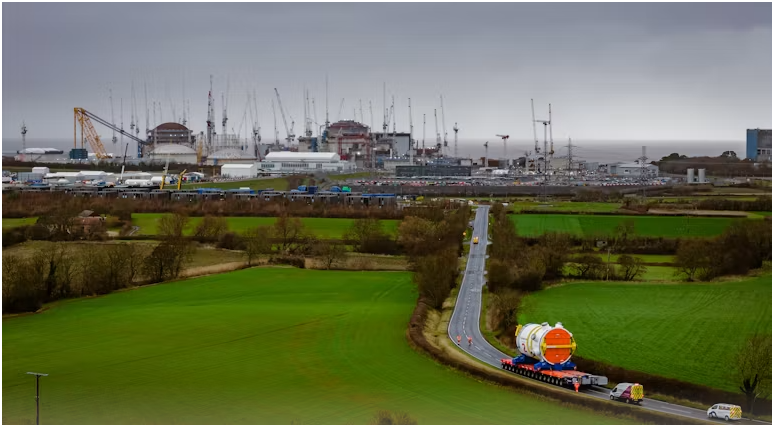
UK report calls for rebuilding nuclear power construction capability on time and on budget
The UK think tank Onward recently released a report stating that if the UK hopes to achieve affordable electricity supply and drive deep decarbonization of its energy system, it must rebuild its capability to deliver nuclear power projects on time and on budget. The report, titled "Solid Foundations: The Case for Cheap, Reliable Power," proposes that the UK should adjust its renewable-dominated power system planning and build a diversified electricity mix comprising nuclear power, renewables, and gas generation, enabling consumers to access affordable electricity when needed. The UK Nuclear Industry Association (NIA) welcomed the report, noting that the issues it raises are of practical relevance. The report recognizes...
2026-08-23
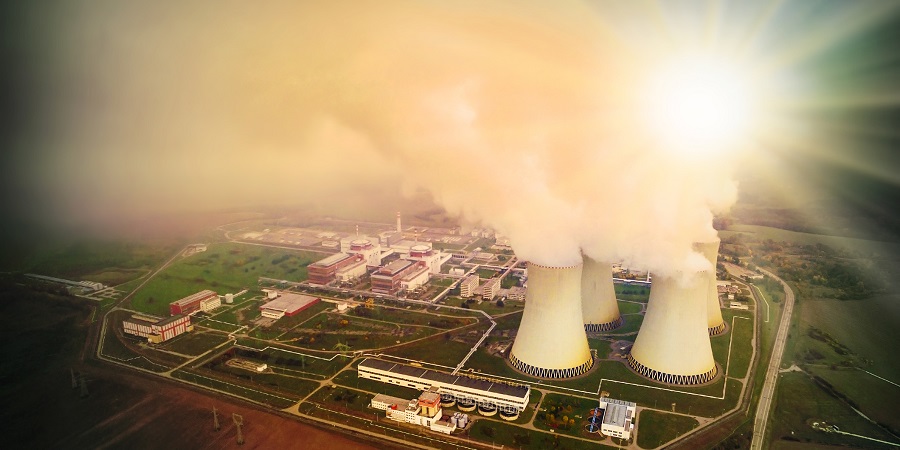
Polish Energy Ministry Moves PLN 3 Billion in First Nuclear Power Plant Construction Spending Out of 2026 Budget
The Polish Energy Ministry has deferred PLN 3 billion in spending earmarked for the construction of the country's first nuclear power plant. This change indicates that while the Polish nuclear power project remains a key component of the national energy strategy, it is facing adjustment pressures in budget execution, engineering preparation, and project milestone alignment during actual implementation. The core context behind Poland's construction of its first nuclear power plant is its long-standing reliance on coal-fired power generation, coupled with the dual constraints of EU emission reduction targets and energy security needs. Developing nuclear power is seen as an important pathway for Poland to reduce its share of fossil fuels, stabilize electricity supply, and decrease dependence on external energy sources. Therefore, changes to the relevant budget are not merely a fiscal arrangement...
2026-08-14
GAO: DOE Nuclear Cleanup "End-State Contract Model" Exceeds Budget by $500 Million in Six Years and Misses Goals
A report released by the U.S. Government Accountability Office (GAO) on July 29 shows that the Office of Environmental Management (EM) at the U.S. Department of Energy has accumulated over $500 million in cost growth on nuclear waste cleanup contracts since 2020, yet the agency cannot fully explain the reasons for these increases. EM is responsible for cleaning up 15 sites in the United States contaminated by nuclear weapons production and energy research. To address long-standing contract management problems, EM adopted the End-State Contract Model (ESCM) starting in fiscal year 2020, breaking cleanup work into smaller task orders under larger master contracts, with the goal of improving cost predictability, accelerating cleanup progress, and enhancing performance outcomes...
2026-08-12