
Search Results
Keyword:criticality
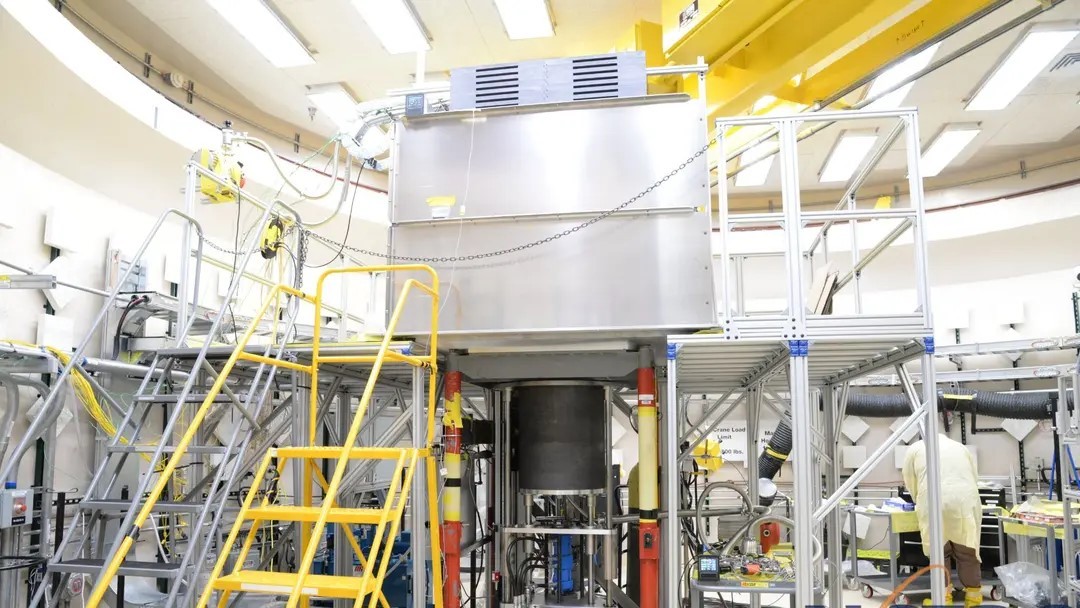
Westinghouse eVinci Microreactor Achieves Significant Breakthrough in Zero-Power High-Temperature Criticality Test
Westinghouse Electric Company recently announced that its eVinci microreactor achieved a significant breakthrough in a zero-power high-temperature criticality test, successfully achieving criticality at a temperature of 663 degrees Celsius, marking an important milestone in the project's development. This test is an important practice of the build-test-learn development model, providing key data for accelerating subsequent prototype design. The test was conducted at the U.S. Department of Energy National Nuclear Security Administration (NNSA)'s National Criticality Experiments Research Center (NCERC) in Nevada, with active cooperation and support from Los Alamos National Laboratory and the Nevada National Security Site (NNSS). The selection of the test site has sign...
2026-09-16

Westinghouse eVinci Microreactor Completes Zero-Power Criticality Testing
Westinghouse Electric Company announced on August 25 that its eVinci microreactor has completed zero-power criticality testing, validating relevant models and key assumptions in the core design. The test was completed at 10:39 a.m. Pacific Time on August 24, 2026, at the National Criticality Experiments Research Center (NCERC) at the Nevada National Security Site (NNSS). The center is operated under the U.S. National Nuclear Security Administration (NNSA). The test was conducted by Westinghouse Electric in collaboration with Los Alamos National Laboratory (LANL) and Idaho National Laboratory (INL). Zero-power criticality is typically used to verify that a reactor core can achieve a self-sustaining chain fission state at extremely low power levels, serving as a critical step in reactor physics testing and design validation...
2026-08-26
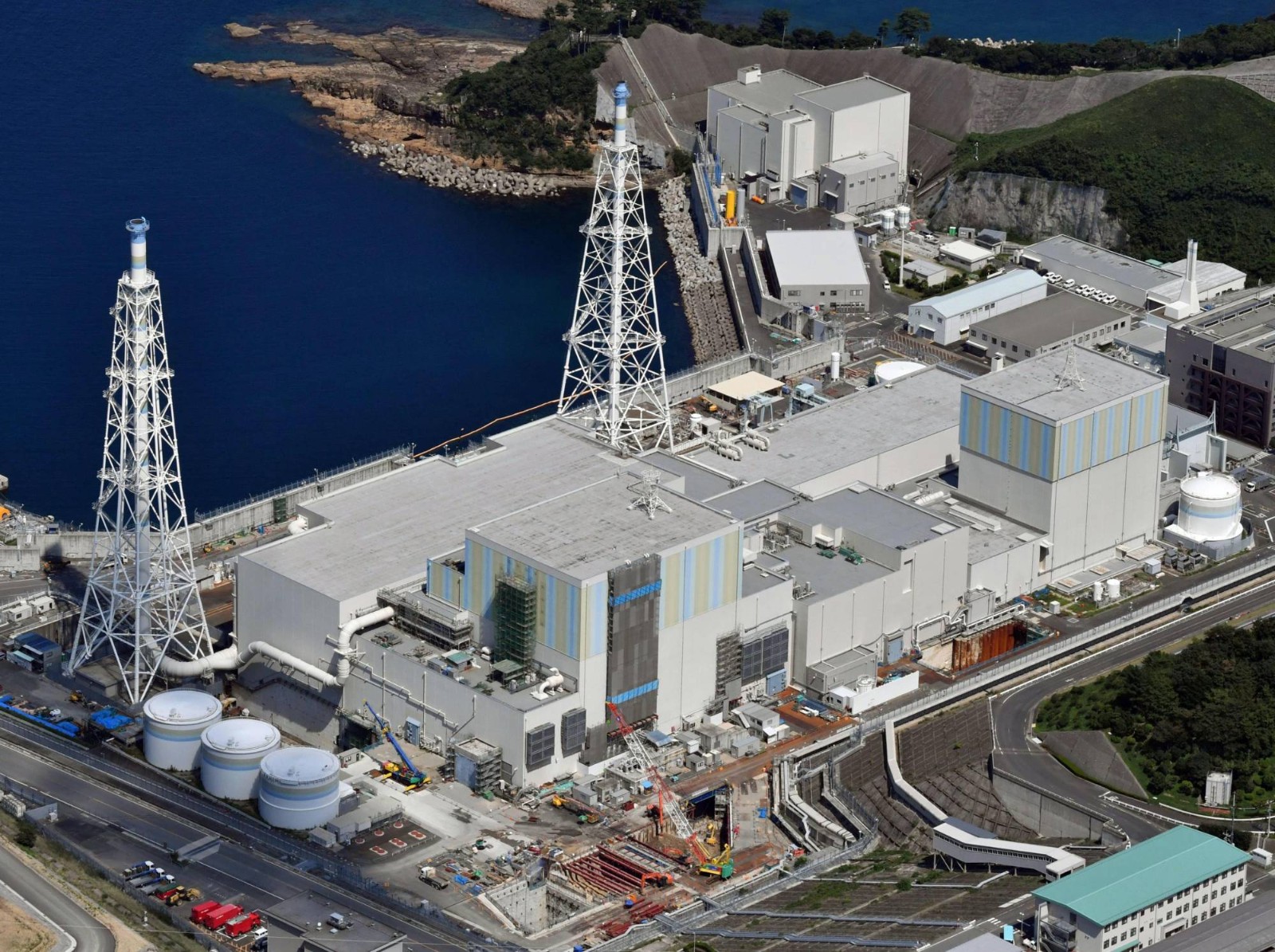
Shimane Nuclear Power Station Unit 2 restarted and reached criticality
Chugoku Electric Power Co. announced on August 13 that it started up the reactor of Unit 2 at the Shimane Nuclear Power Station at 10:00 that day, and the unit reached a critical state at 12:14. Unit 2 of the Shimane Nuclear Power Station is a boiling water reactor with a rated electrical output of 820,000 kilowatts. Criticality refers to the state in which nuclear fission reactions in the reactor core can be sustained, and is one of the key milestones in the unit restart process. According to the plan, the unit will resume power generation, i.e., synchronize the generator to the grid, on August 18, 2026, and is expected to resume commercial operation on September 16, 2026. Chugoku Electric Power Co. stated that it will continue to prioritize safety and steadily advance all subsequent procedures.
2026-08-13
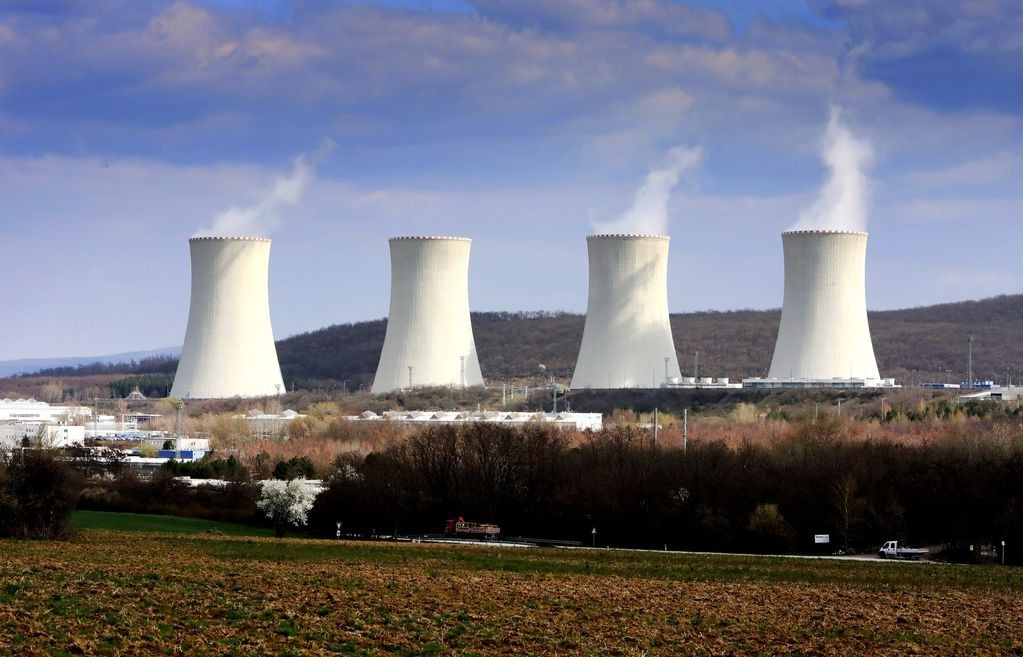
Unit 4 of Slovakia's Mochovce Nuclear Power Plant Reaches First Criticality
Slovenské Elektrárne stated that Unit 4 of the Mochovce Nuclear Power Plant reached first reactor criticality at 22:10 local time on August 6, and achieved minimum controllable power at 22:31. This is a key milestone in the pre-commissioning work of the unit, indicating that the reactor is ready for subsequent testing. First criticality refers to the first time the nuclear fuel in the core achieves a self-sustaining fission chain reaction. Slovenské Elektrárne stated that first criticality and reaching minimum controllable power are important steps in the commissioning process of a nuclear power plant, used to confirm the unit's readiness to enter the next phase of testing...
2026-08-08

Oklo's Groves Isotope Test Reactor Achieves First Criticality
Oklo, a U.S. advanced nuclear technology company, announced on August 6 that its Groves Isotope Test Reactor has achieved a controlled self-sustaining nuclear chain reaction at low power, reaching first criticality. This milestone comes less than a year after the project broke ground. Groves Isotope Test Reactor facility (Image: Groves) The Groves low-power test reactor, located in Lockhart, Texas, is the first reactor to achieve criticality on private land under the U.S. Department of Energy's Reactor Pilot Program. According to Oklo, the facility was built from undeveloped land, completing civil excavation, engineering construction, component fabrication or procurement, fuel configuration, and...
2026-08-07

Hongyanhe Nuclear Power Plant Equipment Criticality Classification System Goes Live
Recently, the equipment criticality classification system at Hongyanhe Nuclear Power Plant was officially put into operation, marking a new stage in equipment classification management transitioning from traditional offline spreadsheet management to online systematic management, and opening a new chapter in digital management. Equipment classification is the foundation of equipment reliability management. To optimize production management and maintenance resource allocation, and to ensure the safe, stable, and economical operation of nuclear power units, nuclear power plants need to implement classified management of equipment, making plant maintenance resources more focused on critical equipment that affects the safe and stable operation of units, and optimizing equipment maintenance costs. However, the traditional equipment classification management model faces many pain points. The classification work involves 740,000 equipment functional locations, with a huge and scattered amount of data, relying on manual maintenance; the synchronization of equipment classification data with SAP and CCM system data lags behind, and the approval of the classification process relies on offline circulation, resulting in long cycles and difficult version management.
2026-08-05

NEA Advances SFCOMPO Database Upgrade to Support Spent Nuclear Fuel Nuclide Inventory and Decay Heat Validation
The Nuclear Energy Agency (NEA) held the ninth annual meeting of the Technical Review Group (TRG) for the International Spent Nuclear Fuel Analysis Data Database (SFCOMPO) on July 9 in Boulogne-Billancourt, France. Thirty-three experts from research institutions, regulatory bodies, waste management organizations, and industry across 12 countries attended the meeting. The experimental and evaluated data contained in SFCOMPO are primarily used to validate computational tools related to nuclear safety and the nuclear fuel cycle, with applications including reactor physics, criticality safety, radiation shielding, and radioactive waste management. Accurate characterization of spent nuclear fuel is an essential foundation for supporting decisions on storage, transportation, reprocessing, and disposal, and is also relevant to...
2026-08-01
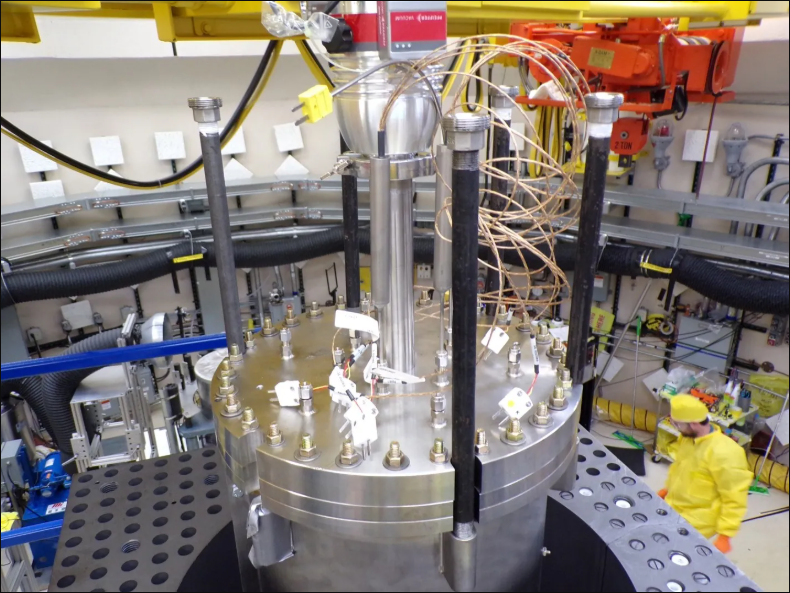
ZiaCore Microreactor Achieves Criticality in High-Temperature Zero-Power Experiment
Los Alamos National Laboratory announced on July 30 that its ZiaCore microreactor design has completed a high-temperature zero-power criticality proof-of-principle experiment at the National Criticality Experiments Research Center (NCERC) in Nevada, successfully achieving initial criticality. ZiaCore is an advanced nuclear energy microreactor design that uses low-enriched uranium dioxide fuel. The experiment lasted approximately four weeks from April to May this year, advancing the ZiaCore system to zero-power criticality under high-temperature conditions. According to the reactor design and verification process, zero-power criticality experiments can be used to validate the effectiveness of reactor physics designs, providing key benchmark data for subsequent engineering development.
2026-07-31