
Search Results
Keyword:expansion
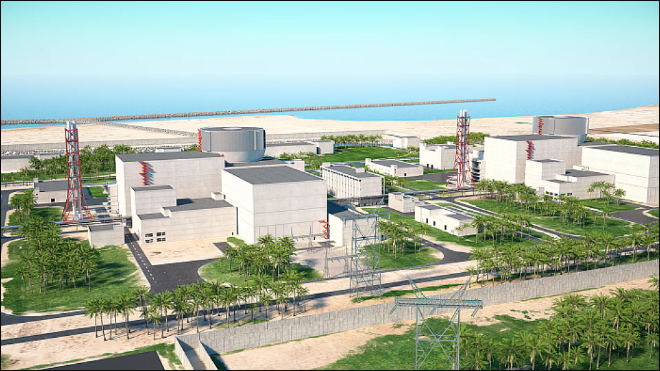
Egypt's El Dabaa Nuclear Power Plant May Add More Units, Russian and Egyptian Presidents Discuss Expansion Possibility
On September 11, Alexey Likhachev, CEO of the State Atomic Energy Corporation Rosatom (Rosatom), said that Russian President Vladimir Putin and Egyptian President Abdel Fattah el-Sisi discussed the possibility of adding generating units at Egypt's El Dabaa Nuclear Power Plant. Likhachev said the two sides discussed next steps for the project, including reserving nuclear fuel for next year and first advancing operations related to the technical startup of Unit 1. He stated that the El Dabaa nuclear power plant site can accommodate not only the 4 reactors currently under construction, but broadly speaking can also accommodate a comparable number of reactors, which was also a key focus of this discussion...
2026-09-12
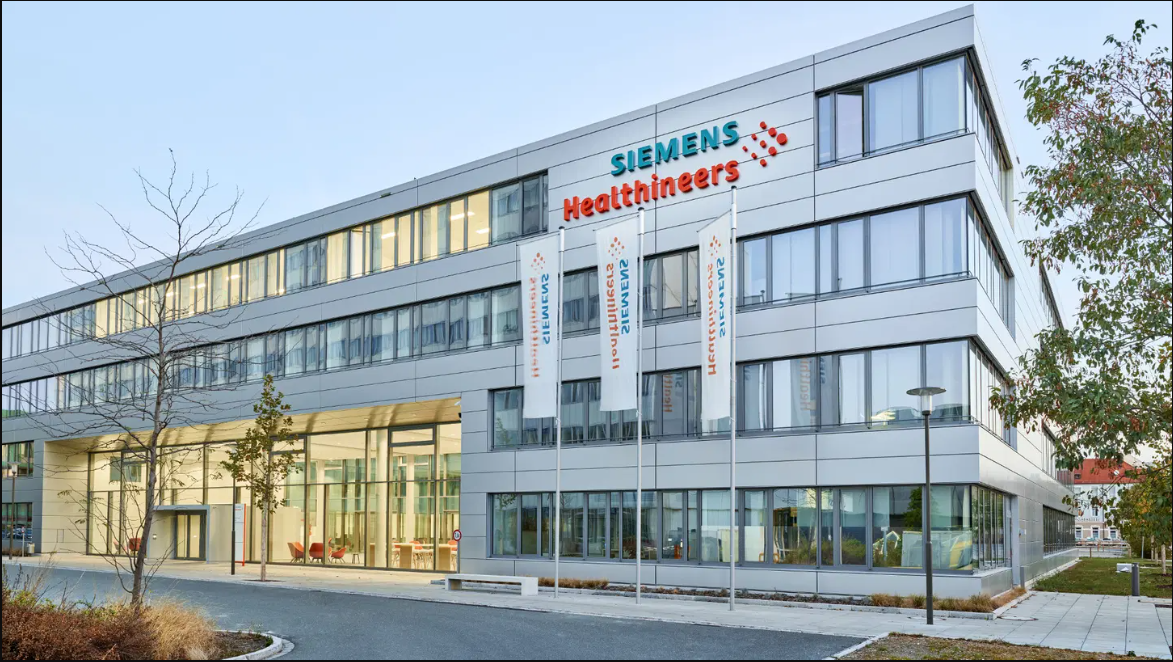
Siemens Healthineers Completes PET Detector Manufacturing Expansion Project in Tennessee, USA
Siemens Healthineers recently completed the expansion and renovation project of its PET detector center in Rockford, Tennessee, USA, with a total investment of $43.6 million. The project aims to enhance PET detector manufacturing capacity to meet the growing demand for PET/CT scanning equipment. The project added 40,000 square feet of building area to the existing 97,000-square-foot campus and renovated 7,500 square feet of existing space. The Rockford facility is Siemens Healthineers' only manufacturing site globally for producing PET detectors used in its PET/CT systems. The expansion includes 36,000 square feet of dedicated manufacturing space and a 4,000-square-foot expansion of R&D facilities; meanwhile, the company also renovated...
2026-09-10
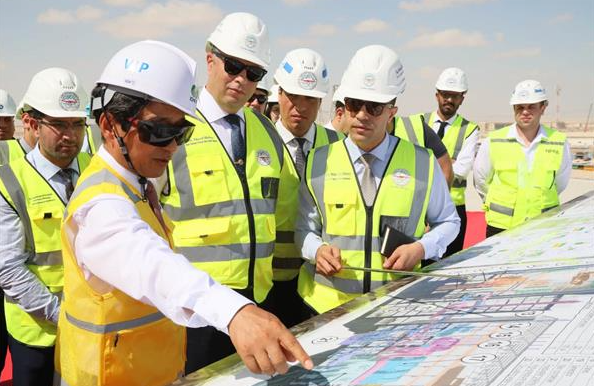
Egypt's El Dabaa Nuclear Power Plant Construction Progress Reviewed Jointly by Korea and Egypt
On September 10, 2026, Korea Hydro & Nuclear Power (KHNP) and Egypt's Nuclear Power Plants Authority (NPPA) jointly reviewed the construction progress of the El Dabaa Nuclear Power Plant project and exchanged views on further strengthening project collaboration. Kim Wan-joong, South Korean Ambassador to Egypt, and relevant personnel from Korea Hydro & Nuclear Power attended the meeting. During the meeting, Sherif Helmy, Chairman of Egypt's Nuclear Power Plants Authority, was briefed on the implementation of the scope of work undertaken by Korea Hydro & Nuclear Power. The two sides focused on discussions regarding strengthening working-level communication between Korea and Egypt, and coordinating the work arrangements of participating construction units and relevant institutions...
2026-09-10
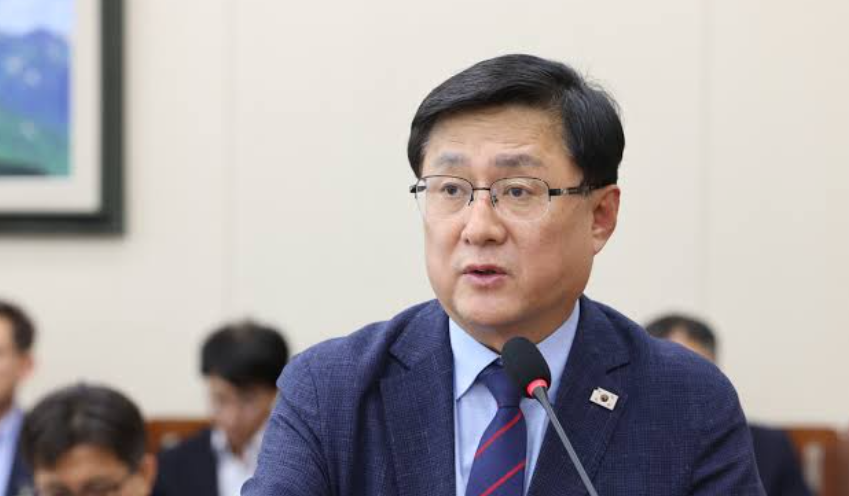
South Korea Reassesses New Nuclear Power Plant Construction Amid Rising AI Electricity Demand
On September 8, South Korea's Minister of Climate and Energy Environment, Kim Sung-hwan, stated in an interview that due to the expansion of the artificial intelligence industry, South Korea's future electricity demand is expected to increase by 25 to 30 gigawatts. The government is reassessing the possibility of constructing new nuclear power plants and plans to announce the 12th Basic Plan for Electricity Supply and Demand next month. Kim Sung-hwan said the aforementioned additional demand mainly stems from Samsung Electronics and SK hynix expanding semiconductor production, as well as the construction of new AI data centers. As internal combustion engine vehicles transition to electric vehicles and the scope of electric heating replacing gas heating expands, South Korea's overall electricity demand will continue to grow. The South Korean government...
2026-09-09
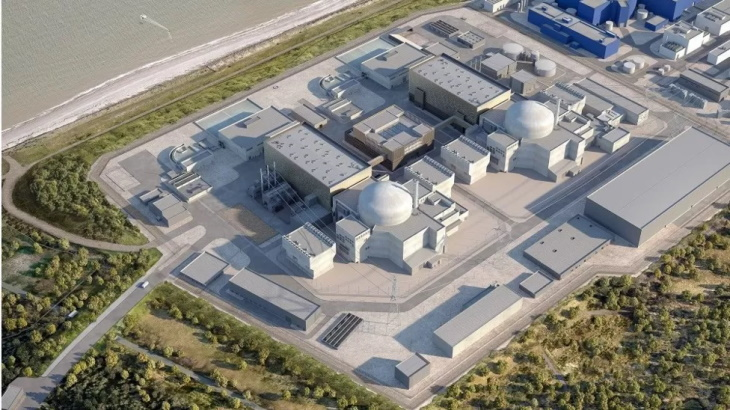
UK think tank calls for clear nuclear reactor technology roadmap to support nuclear expansion
On September 8, 2026, UK think tank Policy Exchange released a white paper stating that the UK government needs to more clearly articulate which nuclear reactor technologies it will rely on to advance the so-called nuclear golden age, and to strengthen the supply chain and achieve economies of scale through batch construction. Policy Exchange's Nuclear Enterprise Committee is composed of experts from government, industry, and academia. The committee believes that the UK's civil nuclear strategy is at a critical stage, and related decisions will affect the country's energy system for decades to come. The white paper points out that given that new small modular reactor technologies are still in the early stages of development, the UK government should retain the option of building another large-scale nuclear...
2026-09-09
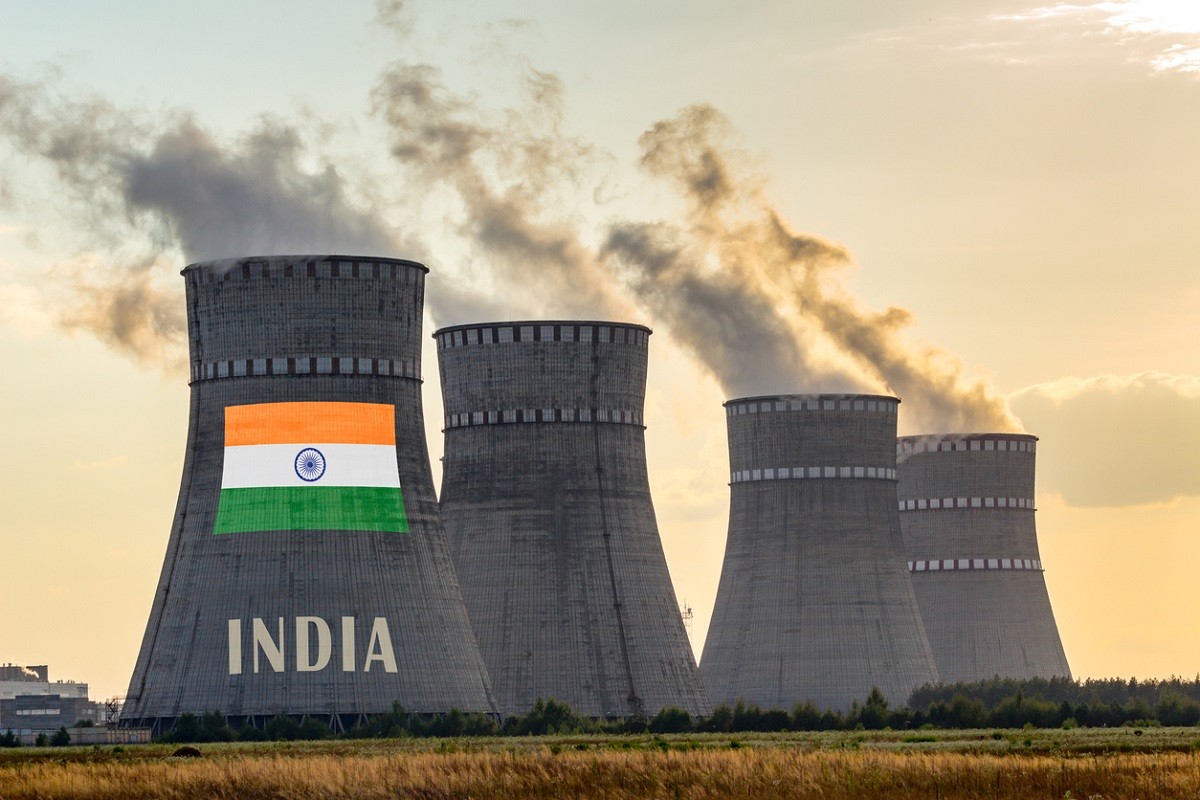
India Urged to Adjust Green Finance Rules to Support Nuclear Power Expansion
Indian officials and industry insiders said recently that if India is to achieve its goal of increasing nuclear power installed capacity to 100 gigawatts by 2047, it needs to revisit existing green finance rules and accelerate the cultivation of professional talent in the nuclear energy sector. Abhay Karandikar, a member of India's NITI Aayog, stated at the India Power Expo held in New Delhi that India's sovereign green bond framework, green deposits, and related financing rules currently do not cover nuclear energy investments and should be reviewed and adjusted. He noted that some global financial institutions, including the World Bank, have begun reassessing relevant arrangements to support nuclear energy projects...
2026-09-03
US Westinghouse Electric Seeks to Restart Nuclear Expansion via IPO
US nuclear power company Westinghouse Electric Company is seeking to advance its business revival through an initial public offering. The company previously fell into bankruptcy due to project delays and sharp cost overruns in its nuclear projects, and has since undergone changes in ownership. Recently disclosed information shows that Westinghouse Electric submitted a confidential IPO application last July, with the specific listing date and offering size yet to be determined. Market observers believe that growing electricity demand driven by artificial intelligence development, along with the policy environment promoting nuclear power expansion in the US, is improving valuation expectations for nuclear power companies. David Nicholas, CEO of nuclear energy ETF manager Xfunds...
2026-09-01

India's Nuclear Power Expansion Drives Mechanical Seal Demand; Sealmatic Positions Itself in Nuclear-Grade Supply Chain
August 29, 2026 - Sealmatic India Ltd. is leveraging its in-house mechanical seal technology and nuclear application quality certifications to expand into India's nuclear energy equipment supporting market. As India advances its nuclear power capacity expansion, demand for highly reliable mechanical seals in reactors and related pumping systems is expected to grow steadily. Although mechanical seals are not among major primary equipment such as reactors, pumps, or turbines, they play a critical role in the safe, reliable, and continuous operation of nuclear power plants. These products are primarily used in systems including main coolant, reactor coolant, auxiliary feedwater, and emergency core cooling pumps, where seal reliability, operational integrity...
2026-08-31
Expansion Project Advances at Centrus Energy's Uranium Enrichment Facility in Piketon, Ohio
Centrus Energy said on August 24 that Ohio Governor Mike DeWine, Lieutenant Governor Jim Tressel, JobsOhio CEO J.P. Nauseef, along with state, federal, and local stakeholders, visited the company's uranium enrichment facility in Piketon, Ohio, to discuss the development of the U.S. domestic nuclear fuel supply chain and Ohio's role in it. In September 2025, Centrus Energy announced a multi-billion-dollar expansion of the Piketon uranium enrichment plant. Currently, the expansion...
2026-08-25
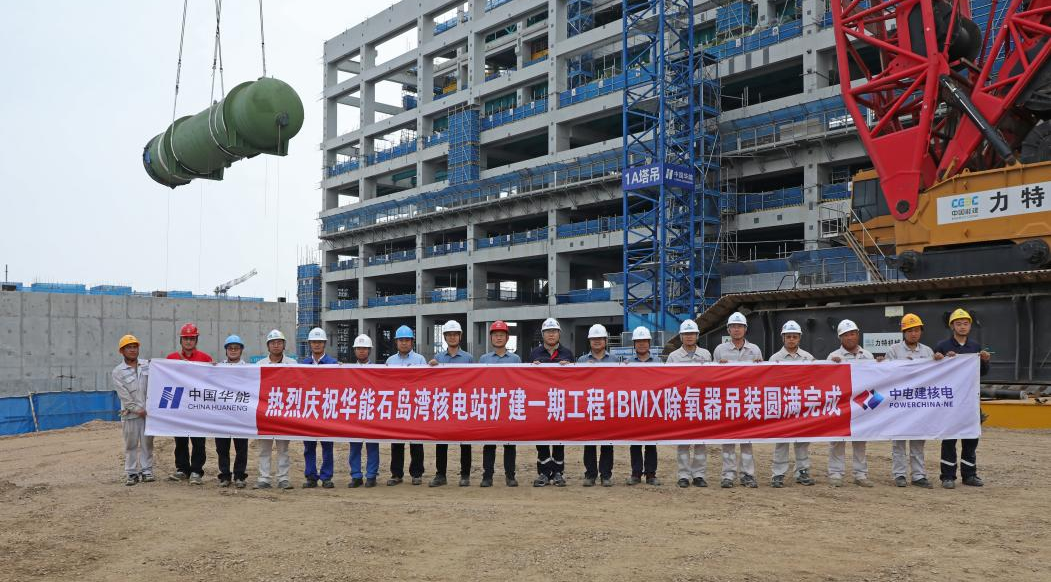
Deaerator in Place for Unit 1 Conventional Island of Huaneng Shidao Bay Nuclear Power Expansion Project
Recently, the deaerator for Unit 1 conventional island of Phase I Expansion Project of Huaneng Shidao Bay Nuclear Power Station, undertaken by PowerChina Nuclear Engineering Company, was successfully hoisted and placed into position, marking a key milestone in the installation of conventional island equipment for the unit and creating conditions for subsequent turbine equipment installation, piping layout, and system commissioning. The Huaneng Shidao Bay Nuclear Power Base currently hosts a high-temperature gas-cooled reactor demonstration project, the world's first fourth-generation nuclear power plant to achieve commercial operation. The Phase I Expansion Project plans to build two Hualong One units, third-generation nuclear power units independently developed by China, each with a capacity of 1.225 million kilowatts. Upon completion, the project is expected to provide approximately 20 billion kilowatt-hours of clean electricity annually, reduce standard coal consumption by 5.78 million tons, and cut carbon dioxide emissions by 14 million tons.
2026-08-22
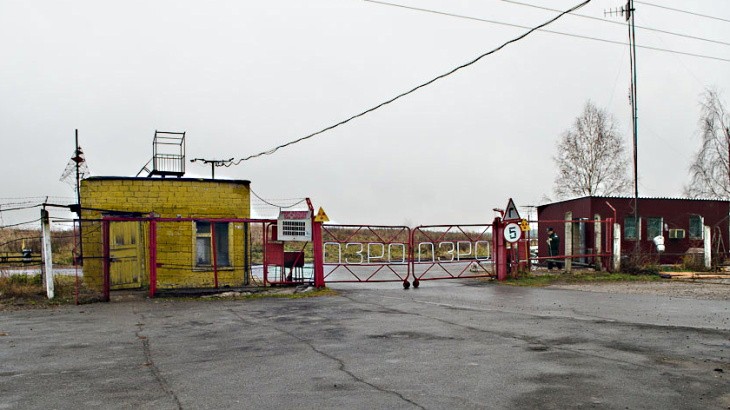
Ukraine Approves Expansion of Buryakivka Radioactive Waste Disposal Facility
The State Nuclear Regulatory Inspectorate of Ukraine (SNRIU) has approved the construction of a new disposal facility at the Buryakivka radioactive waste disposal site for the disposal of low- and intermediate-level radioactive waste generated during the cleanup of the Chernobyl nuclear accident. The Buryakivka radioactive waste disposal facility is located within the Chernobyl Exclusion Zone and is one of Ukraine's key facilities for managing radioactive waste associated with the Chernobyl accident. Built as part of priority emergency measures following the accident, the facility was commissioned in 1987 and primarily receives low- and intermediate-level radioactive waste from the Chernobyl region. Currently, the facility is operated by the Central...
2026-08-20
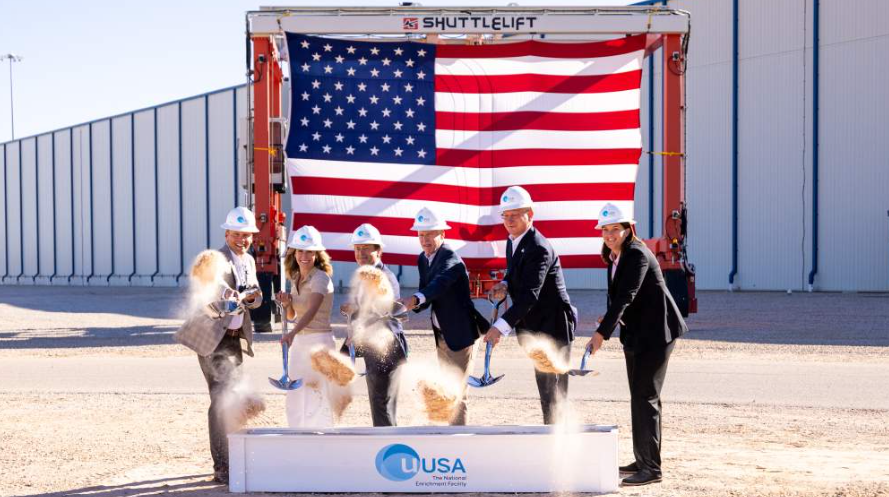
Urenco USA Breaks Ground on National Enrichment Facility Expansion, Plans to Add 2.1 Million SWU Capacity
On August 18, local time, Urenco USA held a groundbreaking ceremony in Eunice, New Mexico, United States, to launch the future expansion of its commercial uranium enrichment facility. U.S. Secretary of Energy Chris Wright, Urenco Group Chief Executive Officer Boris Schucht, and company management attended the ceremony. Urenco USA is the only commercial-scale uranium enrichment producer in the United States, operating the National Enrichment Facility (NEF). The company announced in June this year that it would increase the facility's capacity by nearly 50%. This expansion is part of a multi-billion-dollar investment, with plans to build a new...
2026-08-19
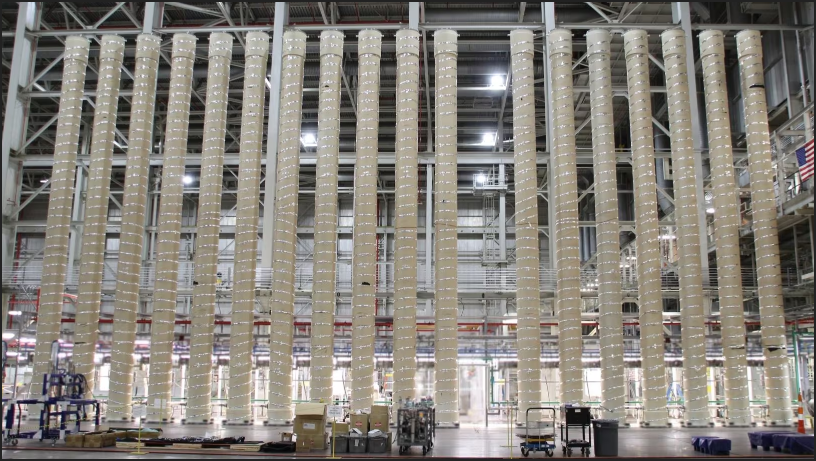
South Korea's Nuclear Expansion Faces Fuel Supply Pressure as Enriched Uranium Costs Surge Nearly Sixfold in Seven Years
Against the backdrop of accelerating global nuclear power construction and surging electricity demand from AI data centers, the nuclear fuel supply chain is facing new tensions. Due to limited uranium enrichment capacity and sanctions affecting Russian-related supplies, international uranium enrichment prices have risen sharply over the past seven years. South Korea's nuclear expansion plans are consequently facing fuel procurement pressure, with industry experts concerned that if mid- to long-term nuclear fuel security proves insufficient, newly built nuclear units could face operational risks in the future. Korea Hydro & Nuclear Power (KHNP) recently disclosed that South Korea's domestic annual enriched uranium consumption is expected to increase from approximately 460 tons currently to about 540 tons next year. The rising demand mainly stems from the overlap between life-extension operations of some older nuclear units and the commissioning of new units...
2026-08-18
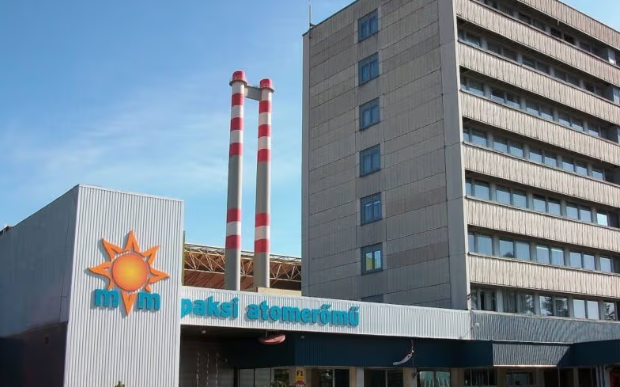
Rosatom Says Paks Nuclear Power Plant Expansion Project Progressing as Planned
Alexey Likhachev, Director General of Rosatom, stated that the construction of the Paks nuclear power plant expansion project in Hungary, with Russian participation, is progressing well, and Rosatom is carrying out related work in accordance with the plan agreed upon with the Hungarian owner. Likhachev noted that Russia is fully organizing equipment production for the two new units at the Paks nuclear power plant. Currently, enterprises under Rosatom have initiated manufacturing work related to the reactors for both units. Among these, the forging blanks for the reactor of Unit 5 at the Paks nuclear power plant have been completed, and the shell assembly stage will begin shortly. He also stated that the casting of the reactor blank for Unit 6 at the Paks nuclear power plant is progressing as planned.
2026-08-14
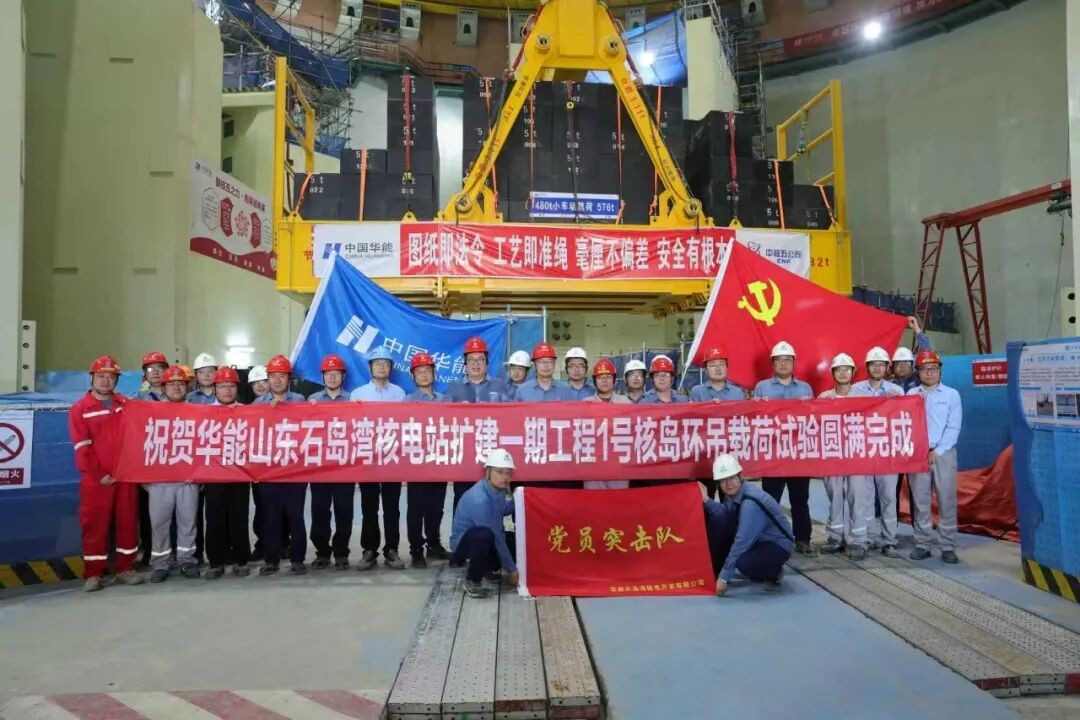
Polar Crane of Unit 1 of Shidao Bay Nuclear Power Expansion Phase I Project Officially Available
On August 12, the load test of the polar crane for Unit 1 of the Expansion Phase I Project was successfully completed, with all performance indicators fully meeting design requirements, marking that the polar crane is officially ready for use and creating favorable conditions for subsequent key tasks such as the introduction and positioning of main equipment in the nuclear island. The polar crane is the core lifting equipment in the reactor building, undertaking critical lifting and handling tasks throughout the entire lifecycle, including heavy equipment hoisting during the construction phase, refueling during shutdown and equipment maintenance during the operation phase, and equipment dismantling during the decommissioning phase. Its operational stability and reliability are directly related to the safety and quality of nuclear island installation. The success of this load test fully verified that all performance indicators of the equipment completely meet the standards for safe and reliable use...
2026-08-13