
Search Results
Keyword:molten salt reactor
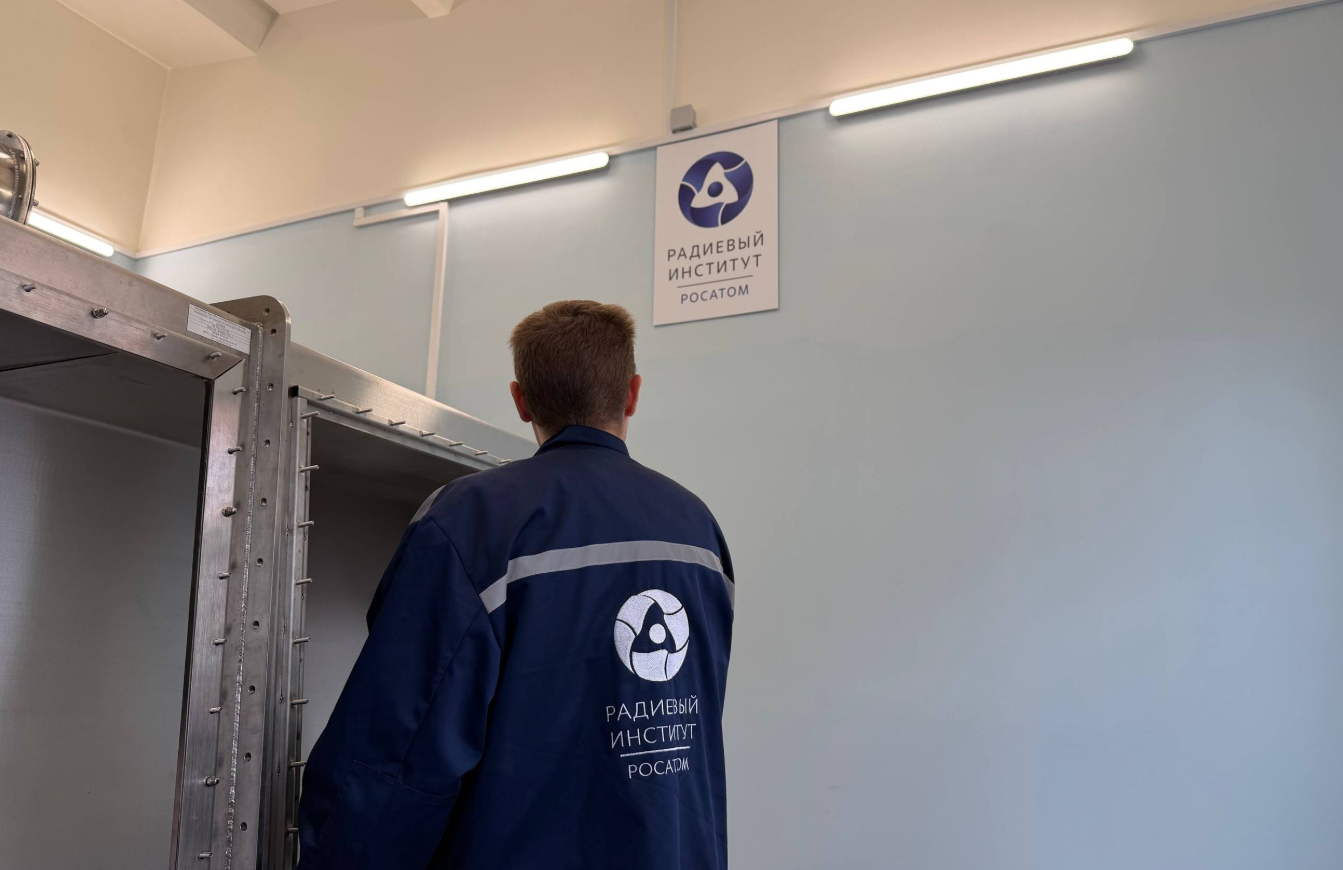
Rosatom Establishes New Laboratory to Test Molten Salt Reactor Spent Fuel Reprocessing Technology
The first production site of the Khlopin Radium Institute, part of Rosatom's research division, is completing the construction of a new laboratory that will be dedicated to testing the processing and reprocessing technology for spent nuclear fuel (SNF) from molten salt reactors (JSR/MSR). In the first phase of facility testing, it is planned to synthesize simulated fuel compositions based on lithium fluoride and beryllium fluoride, with added simulants of fission products and plutonium; subsequently, the technology will be validated on models, and ultimately practical application will be carried out on the basis of the research molten salt reactor (IZHSR) being built in Zheleznogorsk. The related construction, installation, and commissioning work is planned for completion by the end of 2026, and to prepare for...
2026-09-18

Terrestrial Energy Submits Graphite Topical Report to U.S. Nuclear Regulatory Commission, Advancing Integrated Molten Salt Reactor Licensing Process
Terrestrial Energy, a leading company in fourth-generation molten salt reactor technology, announced on September 10 that it has submitted the Graphite Topical Report to the U.S. Nuclear Regulatory Commission (NRC). The submission of this report is intended to establish a solid regulatory certification basis for the application of nuclear-grade graphite—a core component of the IMSR core unit—in commercial power plants, marking an important step in the company's commercialization process. The IMSR reactor is a graphite-moderated molten salt reactor. Although graphite has a relatively long history of application in the nuclear power field, regulators require independent performance verification for each specific reactor design to ensure safety and reliability. This submission...
2026-09-16

US-based Terrestrial Energy Submits IMSR Graphite Topical Report to Advance Molten Salt Reactor Licensing Preparation
US fourth-generation molten salt nuclear power plant developer Terrestrial Energy Inc. (NASDAQ: IMSR) recently announced that it has submitted a graphite topical report to the US Nuclear Regulatory Commission (NRC). The report is intended to provide a regulatory basis for the use of graphite, a key core component of the Integral Molten Salt Reactor (IMSR), in commercial power plant operation. Terrestrial Energy CEO Simon Irish stated that this is the second of at least three IMSR topical reports the company plans to submit to the NRC in 2026, and is part of its structured regulatory engagement plan, ultimately...
2026-09-11
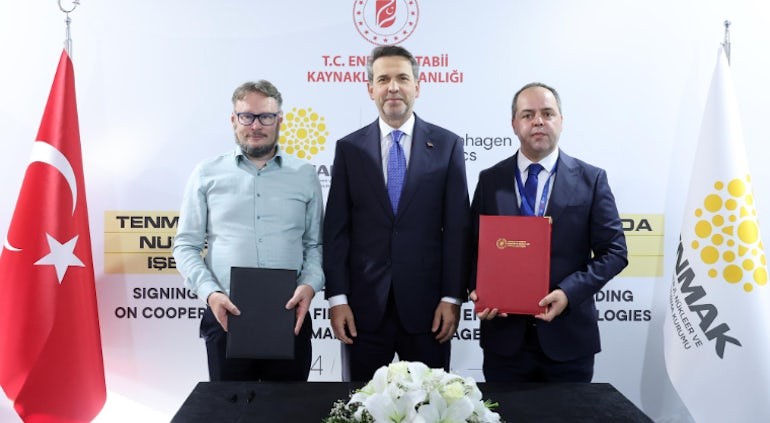
Turkey and Danish Developer Sign Memorandum of Understanding on Thorium-Based Molten Salt Reactor Research
On September 9, 2026, the Turkish Ministry of Energy stated that the Turkish Energy, Nuclear and Mining Research Institute (TENMAK) has signed a memorandum of understanding with Danish advanced reactor developer Copenhagen Atomics (CA), under which the two parties will conduct collaborative research on the application of thorium as a potential nuclear fuel for molten salt reactors. Tenmak and Copenhagen Atomics signed the memorandum of understanding on September 7. Photo courtesy of the Turkish Ministry of Energy and Natural Resources. The Turkish Ministry of Energy stated that the cooperation aims to advance research in areas related to thorium as a potential fuel for nuclear reactors, with a focus on assessing...
2026-09-10
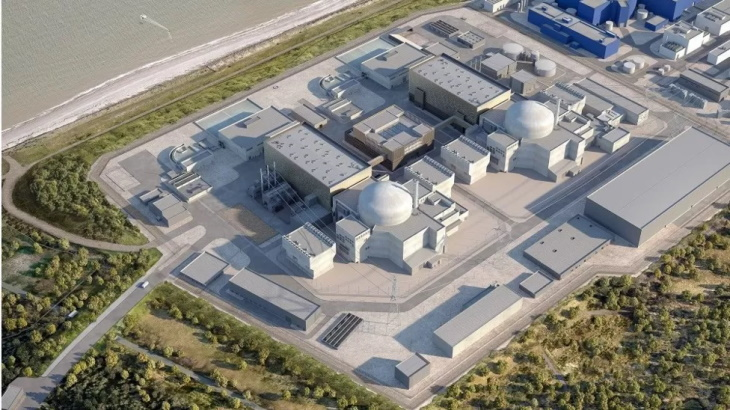
UK think tank calls for clear nuclear reactor technology roadmap to support nuclear expansion
On September 8, 2026, UK think tank Policy Exchange released a white paper stating that the UK government needs to more clearly articulate which nuclear reactor technologies it will rely on to advance the so-called nuclear golden age, and to strengthen the supply chain and achieve economies of scale through batch construction. Policy Exchange's Nuclear Enterprise Committee is composed of experts from government, industry, and academia. The committee believes that the UK's civil nuclear strategy is at a critical stage, and related decisions will affect the country's energy system for decades to come. The white paper points out that given that new small modular reactor technologies are still in the early stages of development, the UK government should retain the option of building another large-scale nuclear...
2026-09-09
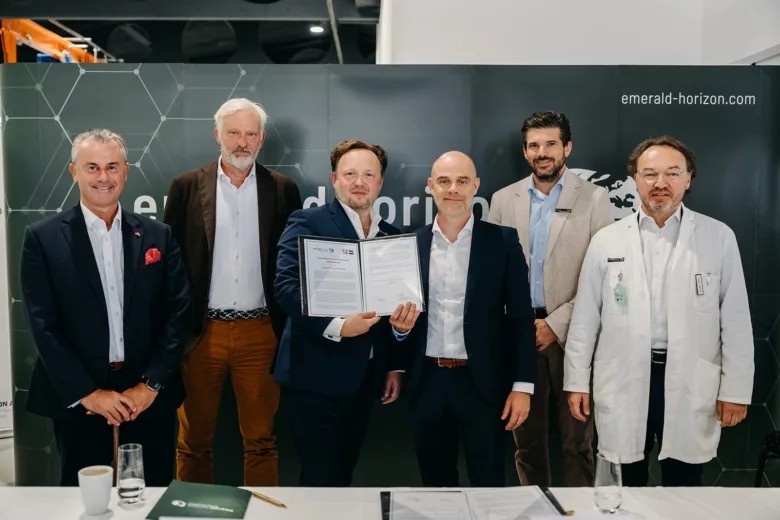
Austria's Emerald Horizon and Netherlands' VDL Launch Construction of SMRX Small Modular Reactor High-Temperature Loop
On September 8, 2026, Emerald Horizon AG, headquartered in Graz, Austria, announced that it will partner with the Netherlands-based VDL Groep to commence construction of a megawatt-scale power loop for the SMRX small modular reactor in Eindhoven, the Netherlands. Florian Wagner, founder and CEO of Emerald Horizon AG, and Markjan Vermeer, General Manager of Technology & Development at VDL ETG, have signed a joint memorandum on contract operations implementation at the Emerald LaboraTHorium laboratory in Graz. This also marks the first joint public appearance of the two parties in Austria. According to Emerald Horizon, SMRX is a modular subcritical thorium-based energy system. This initiative represents a significant step forward in the commercialization of the technology.
2026-09-09
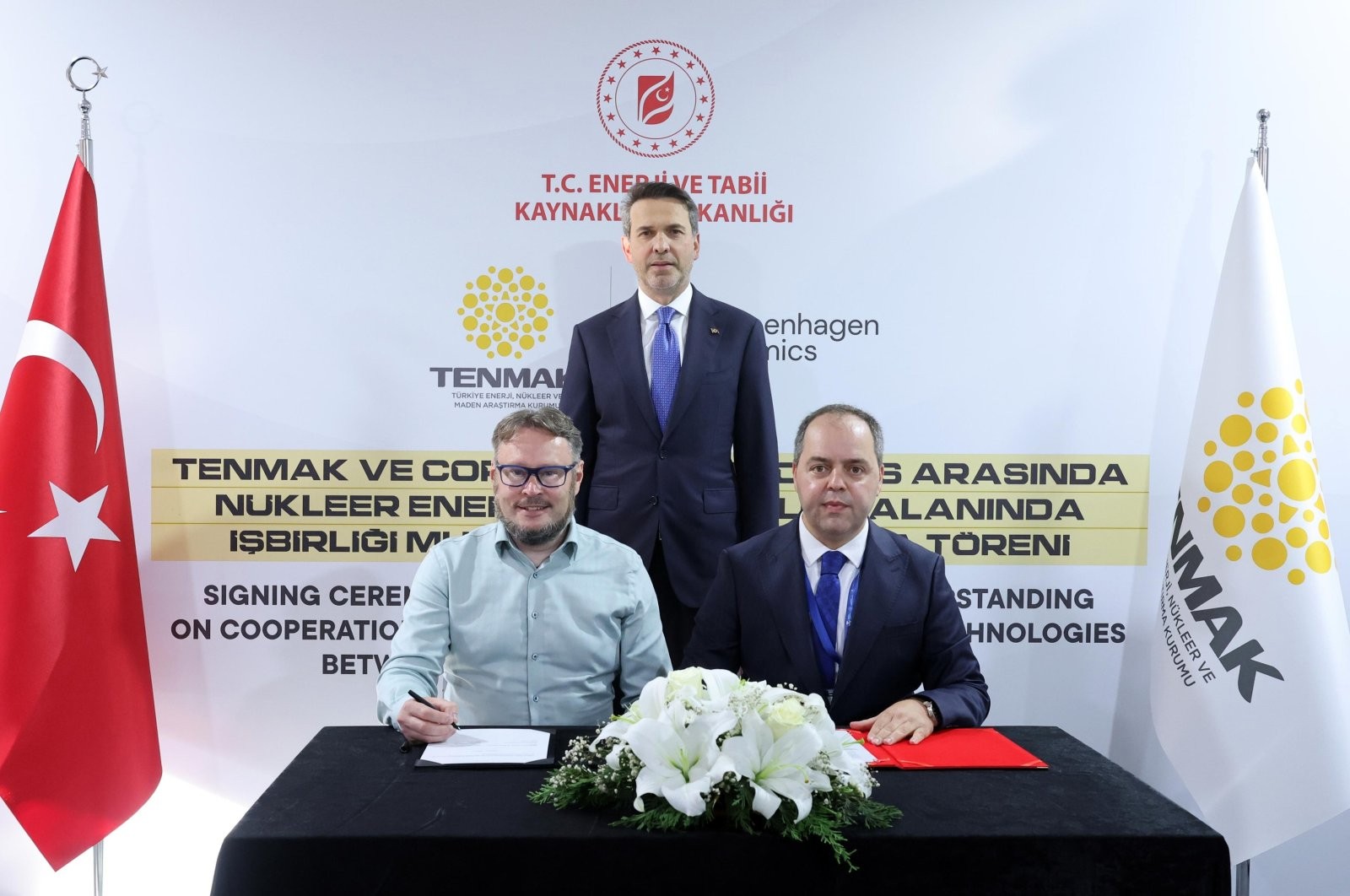
Türkiye partners with Danish company to develop thorium-based nuclear technology
Türkiye's Ministry of Energy and Natural Resources stated on September 7 that the Turkish Energy, Nuclear and Mineral Research Agency (TENMAK) has signed a memorandum of understanding with Danish nuclear technology developer Copenhagen Atomics to cooperate on developing next-generation nuclear energy technologies centered on Türkiye's thorium resources. According to the Turkish statement, the cooperation priorities include research and development of technologies that can utilize thorium, domestic production of thorium compounds in Türkiye, and promoting the participation of Turkish industrial enterprises, technology companies, and researchers in thorium-based nuclear technology development. The two sides will focus on thorium material preparation, research and development, and project design applicable to next-generation nuclear reactors, particularly molten salt reactors.
2026-09-08
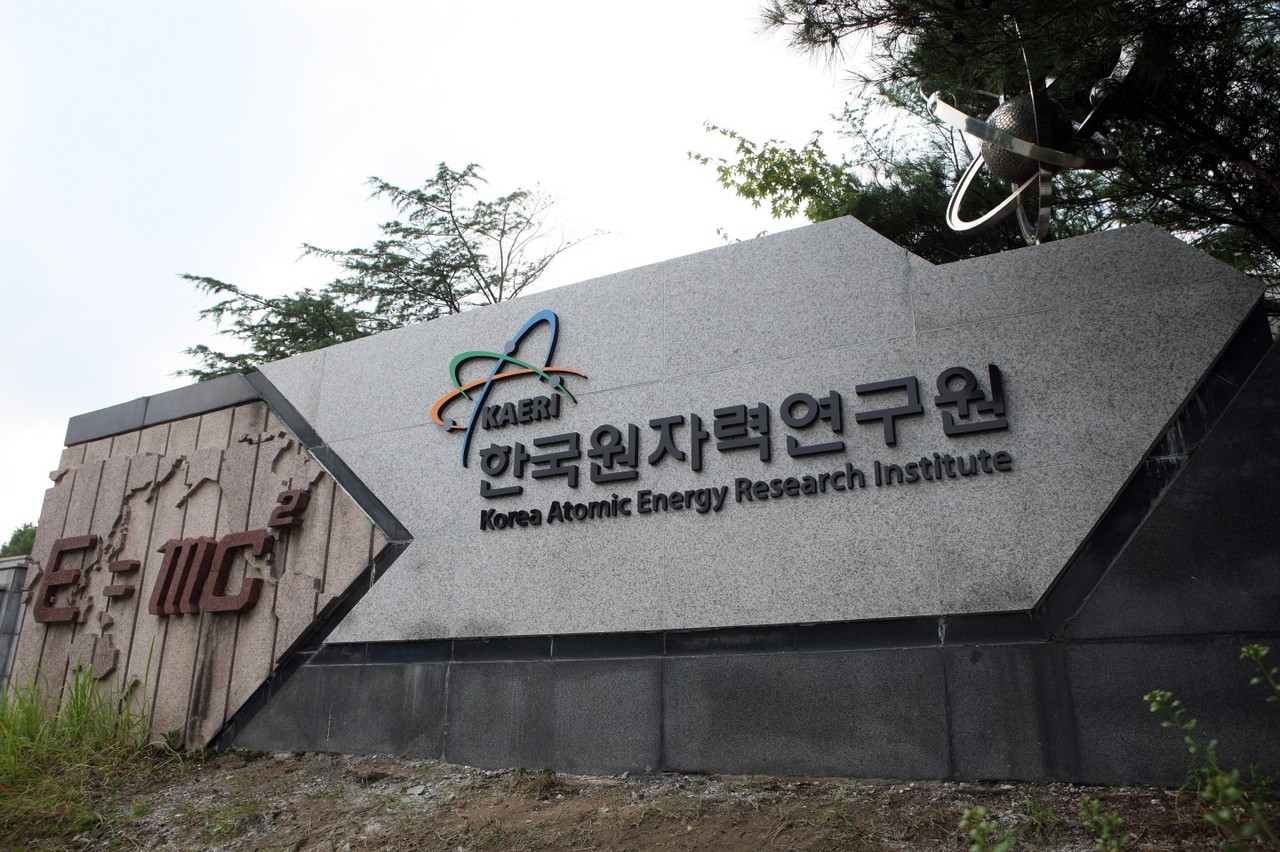
South Korea Exports Molten Salt Reactor R&D Technology to Denmark
The Korea Atomic Energy Research Institute (KAERI) announced on September 4 that it has signed a two-year contract worth USD 2.26 million (approximately KRW 3 billion) with Danish nuclear energy company Saltforce to provide molten salt reactor-related R&D services, covering areas such as nuclear fuel manufacturing, molten salt testing, and material corrosion assessment. Molten salt reactors are a class of next-generation reactors that typically use high-temperature molten salt as a fuel carrier or coolant medium. Based on the molten salt chemical system, this type of technology is mainly divided into fluoride-based and chloride-based systems. Under the contract arrangement, KAERI will provide support for the fluoride-based...
2026-09-04
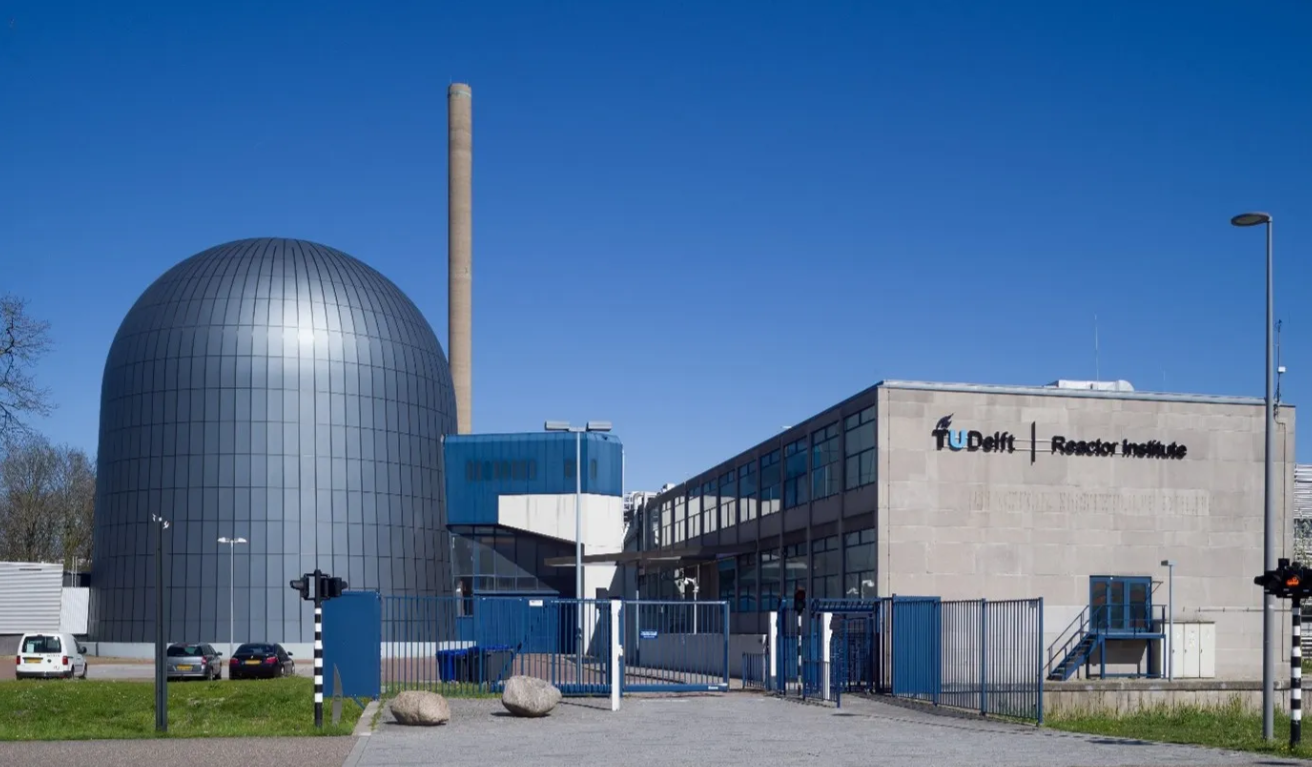
TU Delft participates in innovative projects on compact reactors and molten salt reactors
The MOOI Kernenergie nuclear funding programme, operated by the Netherlands Enterprise Agency (RVO), has recently selected four innovative projects to support research and development in reactor and fuel cycle technologies, radioactive waste storage, and geological disposal solutions. TU Delft is involved in three of these projects, with researchers from its Reactor Institute participating in the MARLIN and PRONTO projects. The MARLIN project focuses on compact modular high-temperature gas-cooled reactors (HTGRs) for industrial, maritime, and offshore applications. Based on measurement data and models, the project consortium will develop and validate a reactor prototype capable of simultaneously providing electricity and high-temperature process heat, with a focus on industrial clusters as well as maritime and offshore scenarios.
2026-08-26
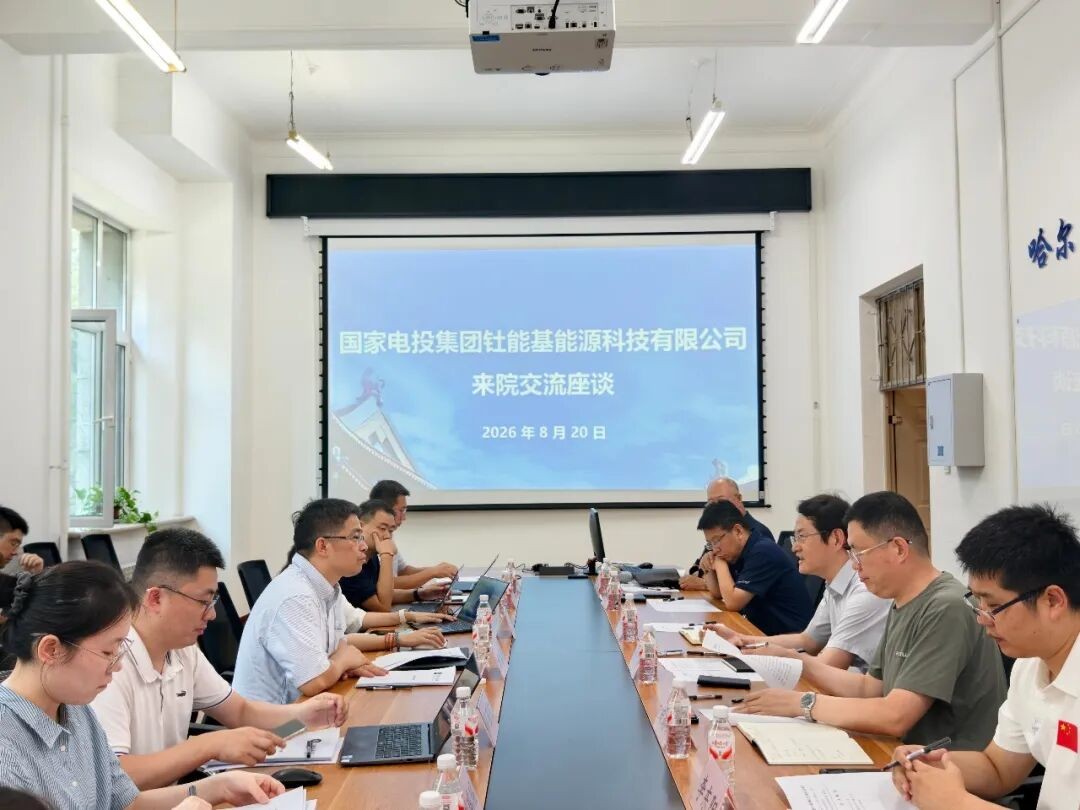
SPIC Thorium-Based Energy Technology Company Visits College of Nuclear Science and Technology at Harbin Engineering University for Cooperation Exchange
On August 20, Tang Chuntao, interim head of the Overall Technology Department and R&D Design Department of SPIC Thorium-Based Energy Technology Co., Ltd., led a delegation to the College of Nuclear Science and Technology at Harbin Engineering University for an exchange meeting. The two sides discussed topics including technical breakthroughs, research collaboration, and talent cultivation related to the National Major Science and Technology Project on thorium molten salt reactors. Dean Tan Sichao and Vice Dean Xia Genglei attended the meeting. Tan Sichao welcomed Tang Chuntao and his delegation. He noted that the College of Nuclear Science and Technology, leveraging the university's distinctive advantages in the "Three Seas and One Nuclear" strategy, has established a multidisciplinary layout in nuclear engineering, nuclear technology, and nuclear chemical engineering with deep academic accumulation. As the sole entity of SPIC Group for the thorium fuel cycle, Thorium-Based Energy Company undertakes the R&D and construction of advanced Generation IV nuclear energy systems. The two sides have complementary strengths and broad prospects for cooperation. He expressed hope that this exchange would serve as an opportunity to deepen joint research, platform co-construction, and talent co-cultivation, jointly serving the nation's high-quality nuclear energy development.
2026-08-24

Kairos Power Advances Flibe Molten Salt Applications to Support KP-FHR High-Temperature Reactor Development
Kairos Power announced on July 29 that its Fluoride Salt-Cooled High-Temperature Reactor (KP-FHR) will be among the early adopters of a fluoride salt coolant. This coolant, commonly referred to as Flibe, is composed of lithium fluoride (LiF) and beryllium fluoride (BeF₂). In the 1960s, Oak Ridge National Laboratory used this material as a coolant in the Molten Salt Reactor Experiment. According to Kairos Power, Flibe has a high specific heat capacity, enabling it to effectively absorb and transfer heat generated in the reactor core. Compared with some sodium-cooled or helium-cooled reactor systems, fluoride salt offers certain advantages in heat transport...
2026-08-03
Terrestrial Energy Signs Engineering Services Agreement with Zachry Group to Advance IMSR Plant Development in Texas
Advanced nuclear energy developer Terrestrial Energy Inc. announced on July 28 that it has signed an engineering services agreement with Zachry Group, a North American provider of engineering, construction, maintenance, turnaround, and manufacturing services. Under the agreement, Zachry Group will support Terrestrial Energy in advancing work related to the Integral Molten Salt Reactor (IMSR) plant at the Texas A&M University RELLIS campus (Texas A&M-RELLIS). The agreement covers nuclear engineering services for civil structures, mechanical and electrical systems, to support the project's design, development, and licensing activities. Both parties stated that this collaboration...
2026-07-30
Northwest Nuclear and Radiation Safety Supervision Station of the Ministry of Ecology and Environment Completes Routine Supervision and Emergency Assessment of Thorium-based Molten Salt Reactor
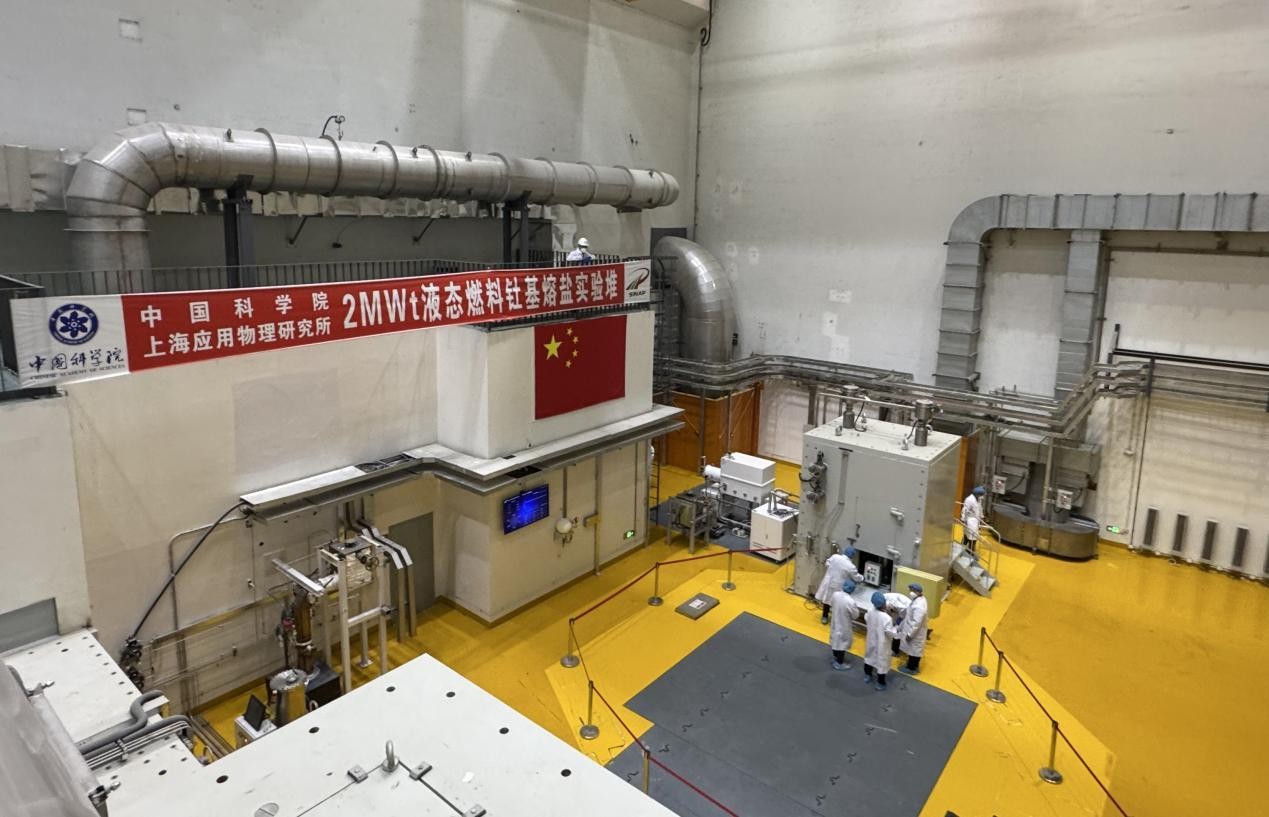
Recently, the Northwest Nuclear and Radiation Safety Supervision Station of the Ministry of Ecology and Environment (hereinafter referred to as the Northwest Supervision Station) organized a supervision team to conduct routine nuclear and radiation safety supervision and comprehensive emergency drill assessment for the 2 MW Liquid Fuel Thorium-based Molten Salt Experimental Reactor (hereinafter referred to as the Thorium-based Molten Salt Reactor) of the Shanghai Institute of Applied Physics, Chinese Academy of Sciences (hereinafter referred to as Shanghai Institute of Applied Physics). This supervision focused on the operational safety of the Thorium-based Molten Salt Reactor, effluent and environmental monitoring, radiation safety of nuclear technology utilization projects, and comprehensive emergency drills. The supervision team, through document review, on-site verification, and record tracing, primarily examined the effectiveness of the quality assurance program, personnel training and authorization, effluent and environmental monitoring records, emergency system documents, and the rectification records from previous inspections. At the same time, the supervision team observed the comprehensive emergency drill on-site and provided guidance based on actual conditions, conducting a full-process assessment of accident response procedures, cross-departmental coordination, and emergency response measures. In response to the issues and deficiencies identified during the supervision, the supervision team held a special communication meeting with the Shanghai Institute of Applied Physics and proposed rectification requirements.
2026-07-30