
Search Results
Keyword:neutron
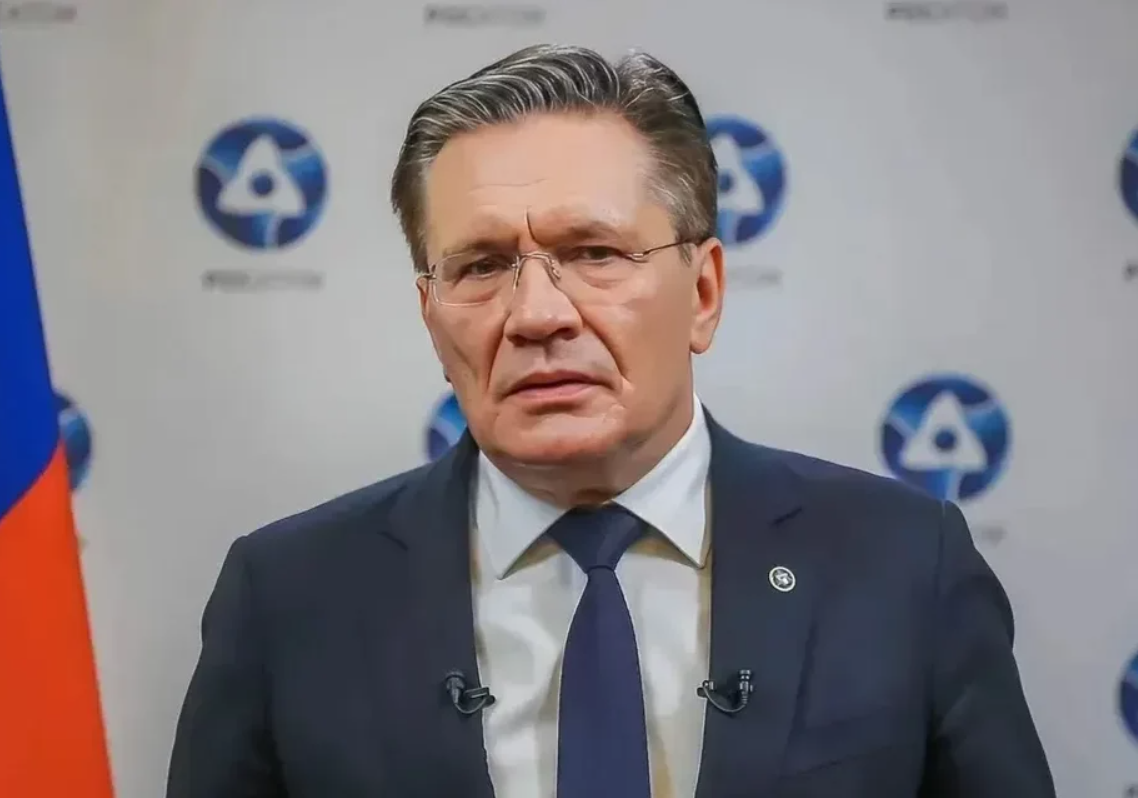
Russia and India Plan to Sign Nuclear Energy Cooperation Documents
Alexey Likhachev, Director General of the State Atomic Energy Corporation Rosatom (Rosatom), stated that Russia and India are preparing to sign a series of bilateral cooperation documents in the field of nuclear energy. The preparation of the relevant documents has reached a relatively high level of maturity and is ready for direct signing. Likhachev said that the documents to be signed involve multiple areas of cooperation, including fourth-generation nuclear energy technology using fast neutron reactors. Such cooperation will be carried out around the direction of advanced nuclear energy technology....
2026-09-12
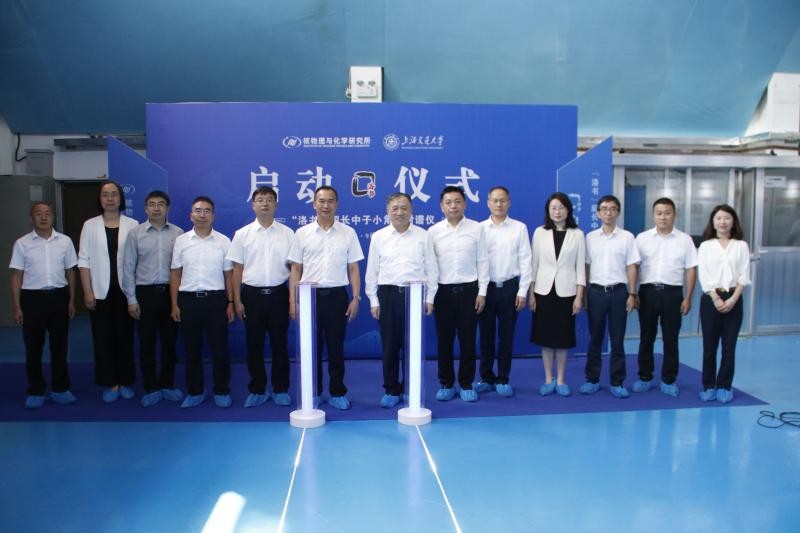
Shanghai Jiao Tong University's "Luoshu" Ultra-Long Neutron Small-Angle Scattering Spectrometer Officially Commissioned
On September 2, the launch ceremony for Shanghai Jiao Tong University's Luoshu Ultra-Long Neutron Small-Angle Scattering Spectrometer was held at the China Mianyang Research Reactor. Yang Zhenbin, Secretary of the Party Committee of Shanghai Jiao Tong University, Huang Ming, Vice President of the China Academy of Engineering Physics, and other leaders attended the event to jointly witness the official commissioning of this major scientific research facility. At the launch ceremony, Yang Zhenbin and Huang Ming jointly lit up the Luoshu Ultra-Long Neutron Small-Angle Scattering Spectrometer, marking its official commissioning. The Luoshu spectrometer was jointly built and collaboratively developed by Shanghai Jiao Tong University and the China Mianyang Research Reactor, with multiple core indicators reaching internationally advanced levels. It can broadly support research in fields such as aerospace, nuclear power and energy, biomedicine, new materials, and basic sciences, providing...
2026-09-10
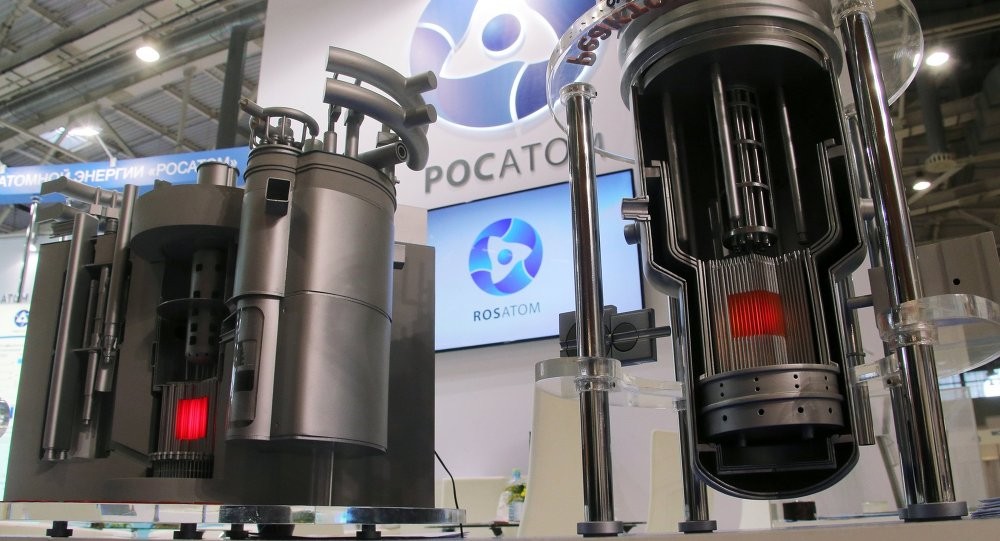
Vietnam to Join International Consortium for Russia's MBIR Fast Neutron Research Reactor
On September 9, the press service of Rosatom announced that Vietnam will join the international consortium for Russia's MBIR multi-purpose fast neutron research reactor. The reactor is currently under construction in Dimitrovgrad, Russia. Under the arrangement, the Vietnam Atomic Energy Institute (Vinatom) has been designated as Vietnam's lead organization for participation in the International Research Centre MBIR (IRC MBIR) project based on the MBIR reactor. Tran Chi Thanh, President of the Vietnam Atomic Energy Institute, stated in a declaration that participation in the project will give Vietnam more direct access to this unique experimental platform, further...
2026-09-10
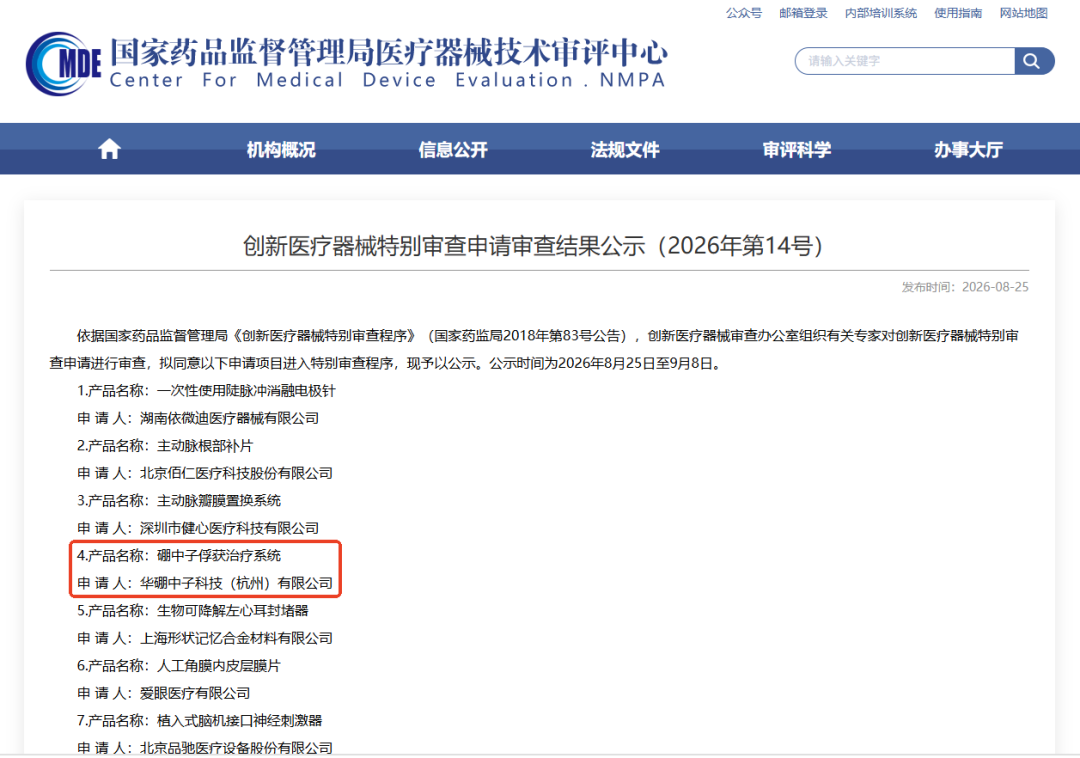
Domestically Developed "Boron Neutron Capture Therapy System" Enters the National Special Review Procedure for Innovative Medical Devices
Recently, the Medical Device Technical Review Center of the National Medical Products Administration issued a public notice on the review results of applications for the Special Review Procedure for Innovative Medical Devices (No. 14 of 2026). The boron neutron capture therapy system independently developed by Huapeng Neutron Technology (Hangzhou) Co., Ltd. has officially entered the National Special Review Procedure for Innovative Medical Devices after the public notice period. Screenshot from the official website of the Medical Device Technical Review Center of the National Medical Products Administration. The Special Review Procedure for Innovative Medical Devices is a review channel established by the National Medical Products Administration to encourage medical device innovation and promote the application of new technologies, effective since December 1, 2018. According to the relevant procedures, drug regulatory authorities and technical institutions will, on the premise of not lowering standards and not reducing procedures,...
2026-09-10

UK think tank calls for clear nuclear reactor technology roadmap to support nuclear expansion
On September 8, 2026, UK think tank Policy Exchange released a white paper stating that the UK government needs to more clearly articulate which nuclear reactor technologies it will rely on to advance the so-called nuclear golden age, and to strengthen the supply chain and achieve economies of scale through batch construction. Policy Exchange's Nuclear Enterprise Committee is composed of experts from government, industry, and academia. The committee believes that the UK's civil nuclear strategy is at a critical stage, and related decisions will affect the country's energy system for decades to come. The white paper points out that given that new small modular reactor technologies are still in the early stages of development, the UK government should retain the option of building another large-scale nuclear...
2026-09-09
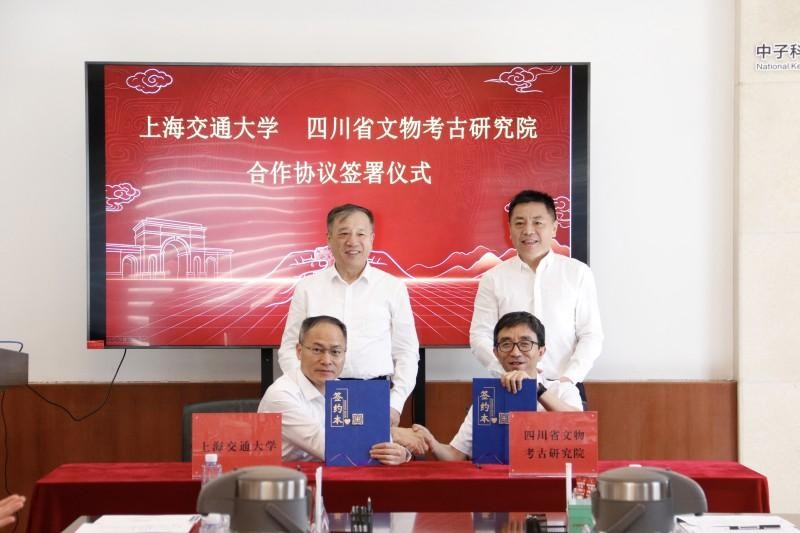
Shanghai Jiao Tong University and Sichuan Provincial Cultural Relics and Archaeology Research Institute to Jointly Build Neutron Cultural Heritage Protection Laboratory
On September 2, Shanghai Jiao Tong University and the Sichuan Provincial Cultural Relics and Archaeology Research Institute signed a strategic cooperation agreement to jointly advance the construction of the Neutron Cultural Heritage Protection Laboratory, promoting the deep integration of modern technology and cultural heritage conservation. Yang Zhenbin, Party Secretary of Shanghai Jiao Tong University, and Pu Xin, Deputy Director of the Sichuan Provincial Cultural Heritage Administration, delivered speeches respectively and jointly witnessed the signing. The collaboration focuses on the scientific research, conservation, and transmission of significant cultural heritage sites including Sanxingdui. The Sanxingdui site is a vital component of the Chinese Civilization Exploration Project. With the continuous advancement of archaeological excavations in recent years, a large number of precious artifacts have been unearthed, with increasingly complex structures and materials. How to accurately obtain their internal structure, material composition, manufacturing techniques, and preservation status without damaging the artifacts themselves has become a critical issue in cultural heritage conservation and archaeological research...
2026-09-08
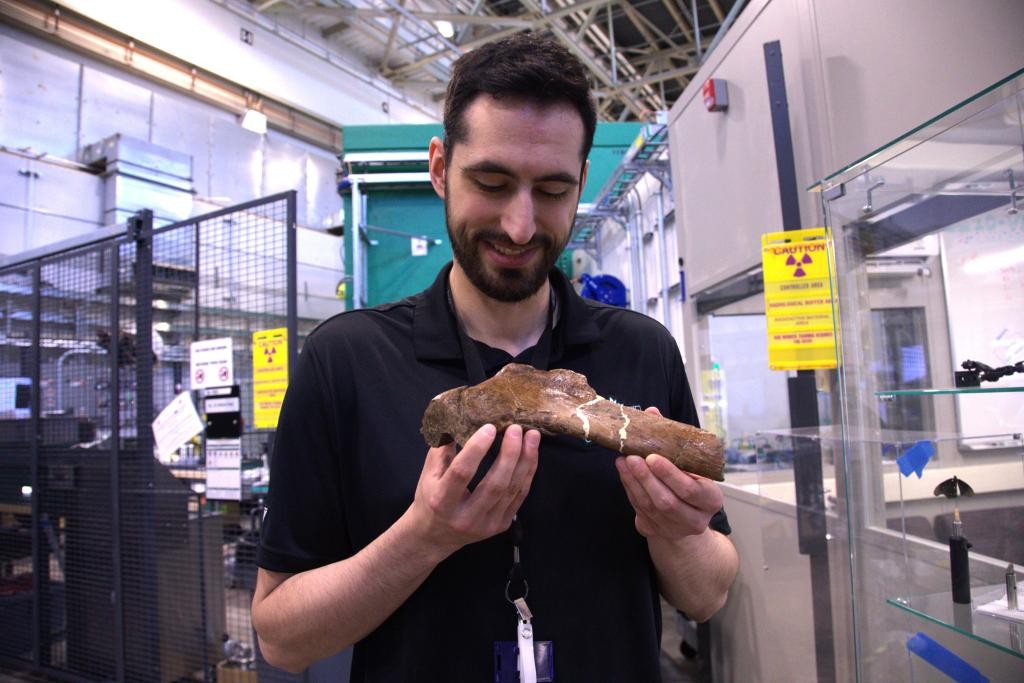
ORNL Neutron Imaging Technology Reveals Healed Rib Fracture in Tyrannosaurus Rex Fossil
Neutron imaging technology at the U.S. Department of Energy's Oak Ridge National Laboratory (ORNL) has helped researchers from the University of Regina in Canada and other institutions observe rare healing signs inside the fossilized bones of a Tyrannosaurus rex, providing new insights into ancient life from approximately 66 million years ago. The subject of this study is a fractured rib from "Scotty," the largest Tyrannosaurus rex skeleton ever discovered. Researchers found that this rib preserved a wound-healing process rarely seen in the fossil record: after the fracture occurred, iron-rich blood entered the injured area and formed a network of blood vessels to promote healing; however, before the rib had fully healed, Scotty died and was preserved in a salt marsh environment, which slowed the decomposition of the remains...
2026-09-07
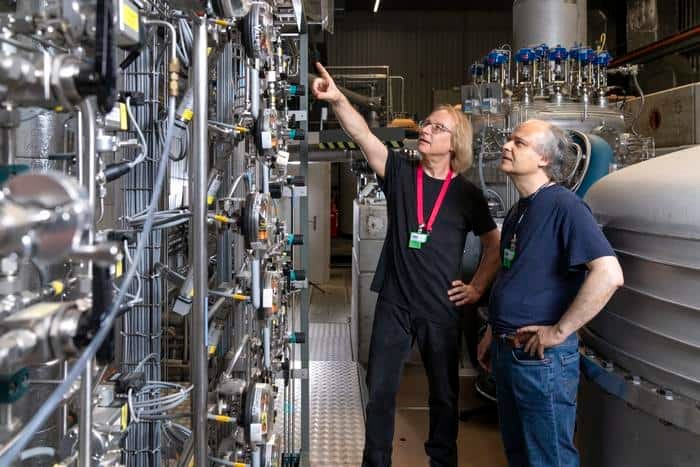
No Evidence of Mirror Neutrons Found in Swiss PSI Ultracold Neutron Experiment
The Ultracold Neutron Physics Group at the Paul Scherrer Institute (PSI) in Switzerland recently stated that its research team found no evidence of spontaneous transformation of ordinary neutrons into mirror neutrons in a high-precision experiment. The researchers said the result essentially rules out the main parameter space previously suggested for anomalous neutron-mirror neutron oscillation signals, and also weakens the possibility that mirror neutrons could be a component of dark matter. Bernhard Lauss (left) and Géza Zsigmond examined approximately 2.5 billion neutrons at the ultracold neutron source at the Paul Scherrer Institute (PSI). They essentially ruled out the hypothesis of spontaneous transformation of neutrons into mirror neutrons. (Image courtesy of Paul Scherrer Institute PSI/Ma...
2026-09-07
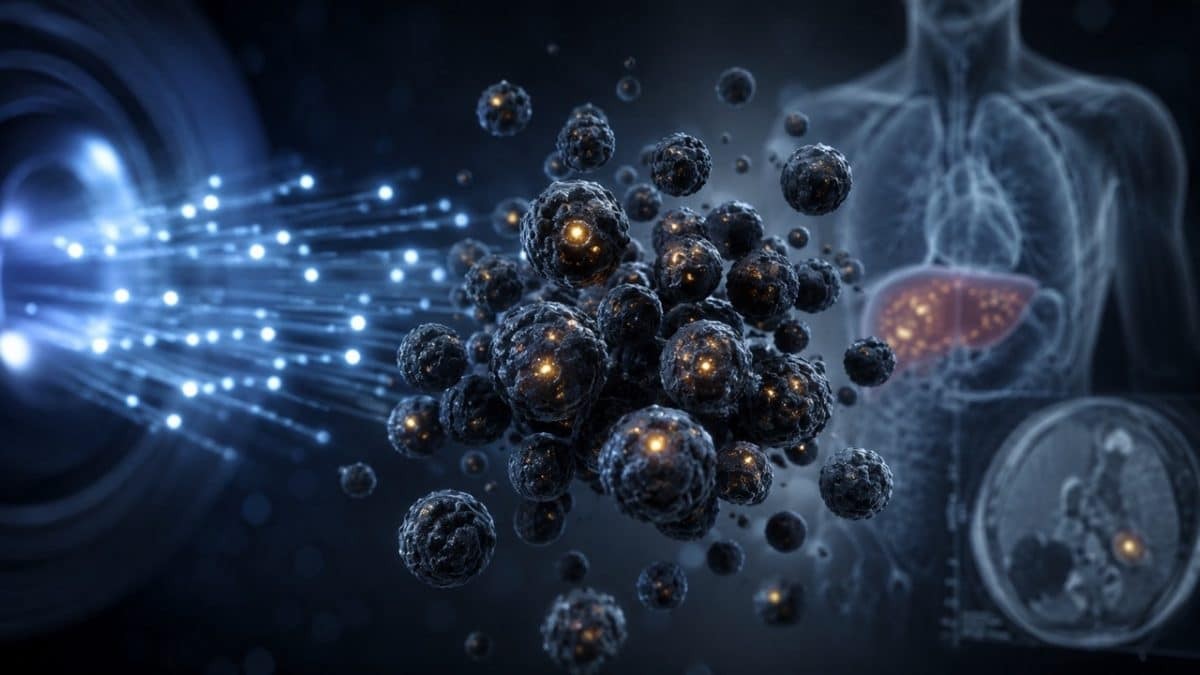
Russian Researchers Propose New Method for Preparing Iron-59 Magnetite Nanoparticles, Potentially Advancing Nuclear Medicine Diagnostics and Therapy
Russian researchers have developed a new method for preparing iron-59-labeled magnetite nanoparticles, which is expected to provide a new material preparation pathway for medical applications such as magnetic resonance imaging, single-photon emission computed tomography, and radionuclide therapy. According to reports, researchers from the Vernadsky Institute of Geochemistry and Analytical Chemistry and the Karpov Institute of Physical Chemistry, both under the Russian Academy of Sciences, have proposed synthesizing iron-59 magnetite nanoparticles using the sol-gel method. The relevant findings have been published in the journal Applied Radiation and Isotopes. The sol-gel method is a chemical approach for preparing nanomaterials, with the core process involving the conversion of a liquid colloidal solution into a gel-like network...
2026-09-07
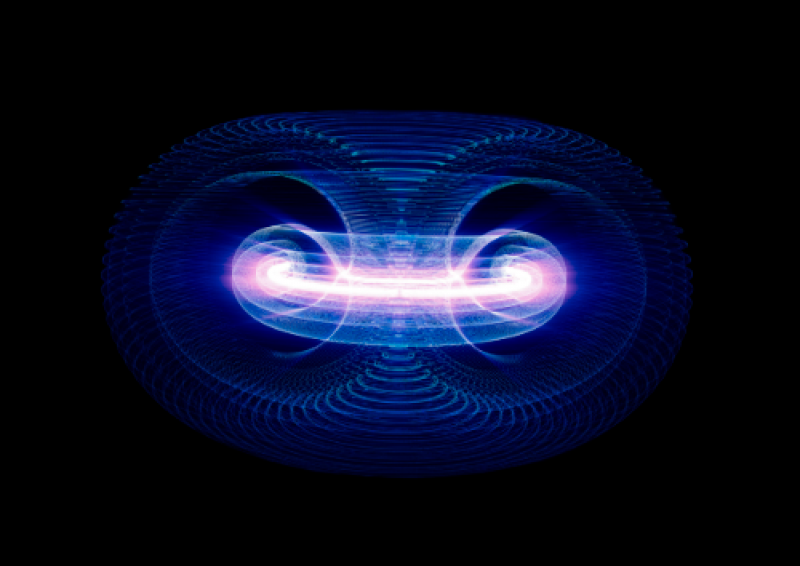
U.S. ZC Institute Unveils "Kardashev One" Fusion Prototype Reactor Plan to Independently Test Neutron Recovery Concept
ZC Institute, a fusion energy company headquartered in Atlanta, USA, announced on September 4 the launch of the Kardashev One program, aiming to develop a fusion prototype reactor to explore recovering energy lost to radiation and neutron escape during fusion reactions. As an early validation step of the program, ZC Institute has commissioned Professor Jason Cassibry and his team at the University of Alabama in Huntsville (UAH) to conduct independent testing of the related field distortion technology. According to ZC Institute, existing fusion approaches, including inertial confinement fusion and magnetic confinement fusion, lose energy in forms such as electromagnetic radiation and neutron escape. Magnetic fields can confine charged...
2026-09-05
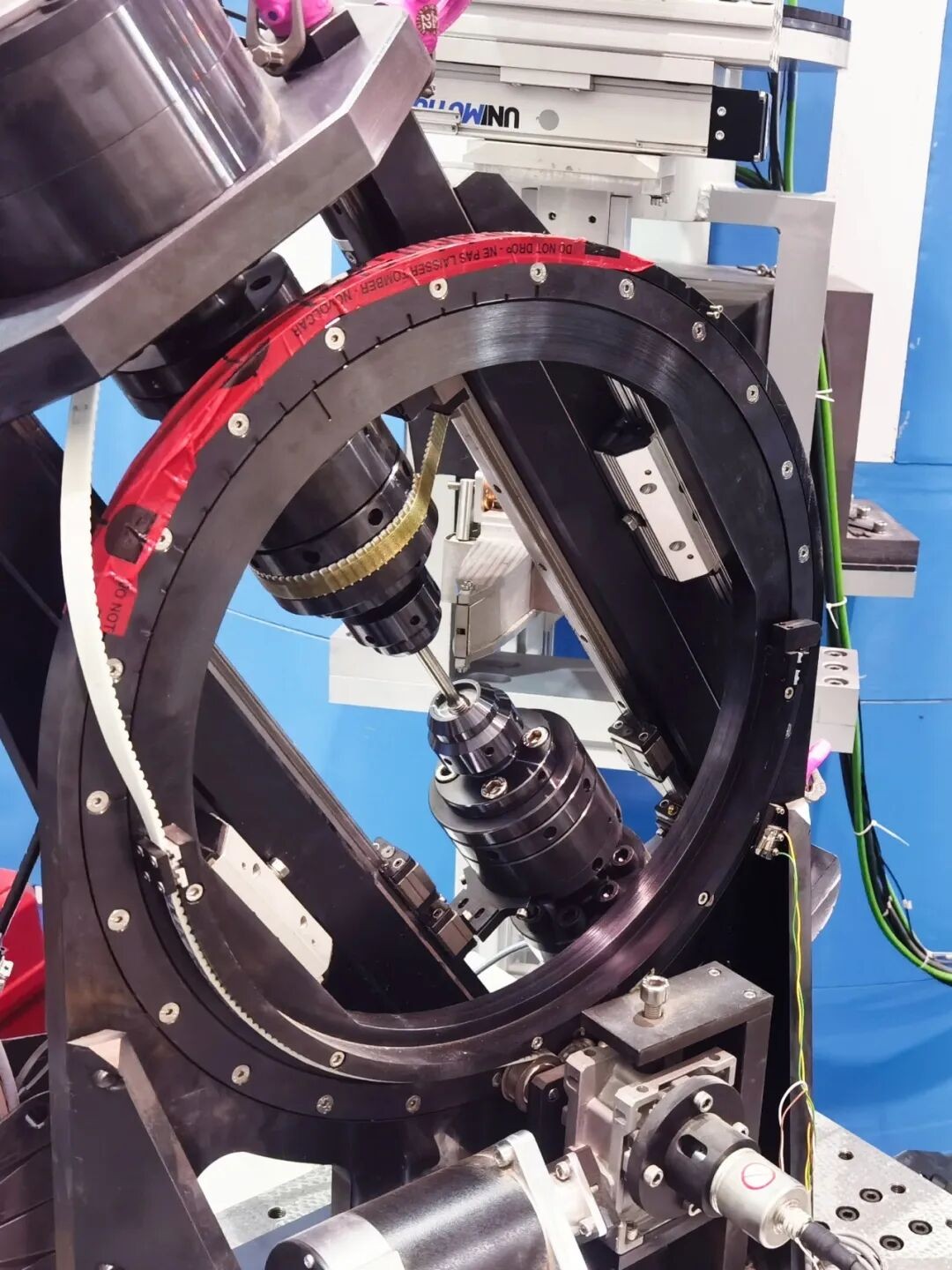
Major Breakthrough in Residual Stress Research on Key Aviation Materials in China
Nickel-based single-crystal superalloys are key materials for manufacturing turbine blades in aviation engines. Recently, the neutron scattering team from the Department of Nuclear Physics at the China Institute of Atomic Energy (CIAE) under CNNC, leveraging the Engineering Science Stress Spectrometer at the China Advanced Research Reactor (CARR), overcame technical challenges in residual stress measurement of single-crystal superalloys and established a precise three-dimensional residual stress testing method based on neutron diffraction. This provides an effective solution for residual stress assessment of critical aviation materials and lays a solid methodological foundation for the in-depth application of the CARR Engineering Science Stress Spectrometer in high-end manufacturing. During high-temperature heat treatment or service of nickel-based single-crystal superalloys...
2026-09-02
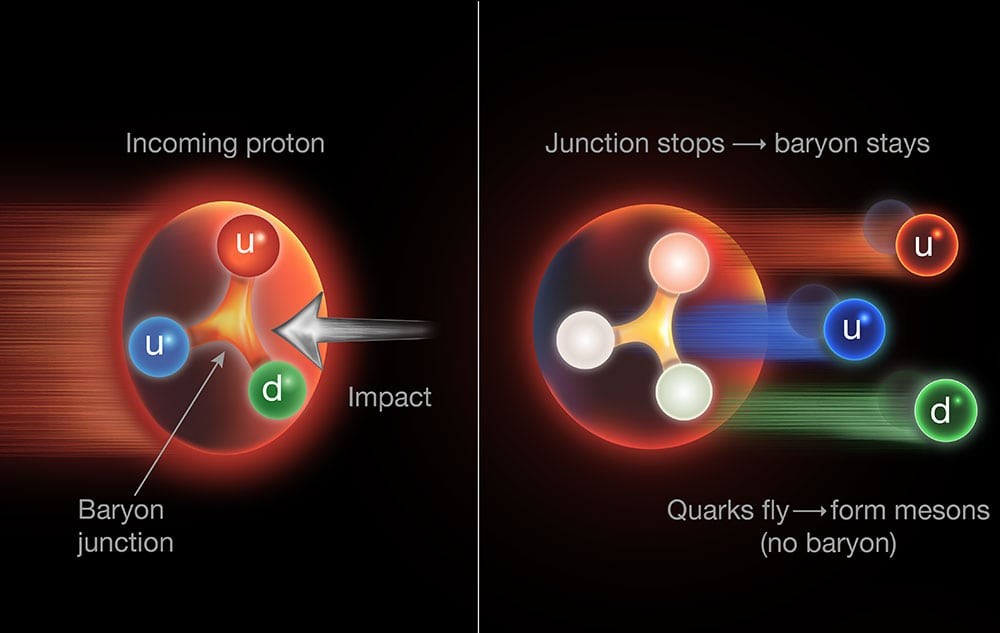
U.S. Heavy-Ion Collision Research Suggests Protons and Neutrons May Not Be Just "Three Quarks"
The STAR Collaboration at the Relativistic Heavy Ion Collider (RHIC) at the U.S. Department of Energy's Brookhaven National Laboratory recently proposed, based on heavy-ion collision data studies, that baryons such as protons and neutrons may not be simply composed of three valence quarks, and that their baryon number may be more closely related to "baryon junctions" in the gluon field. The findings were published in the journal *Science*. In the traditional valence quark model, each quark is assigned a baryon number of 1/3, so baryons such as protons and neutrons, composed of three quarks, carry a baryon number of +1. However, this model is not a fundamental requirement of quantum chromodynamics (QCD). As early as the 1970s, alternative explanations had been proposed in the theoretical community; in 1996, Dmitri Kharzeev proposed a model suggesting that the baryon number is not necessarily carried by the quarks themselves, but may instead be concentrated at the Y-shaped junction formed by the gluon field—the "baryon junction."
2026-08-31
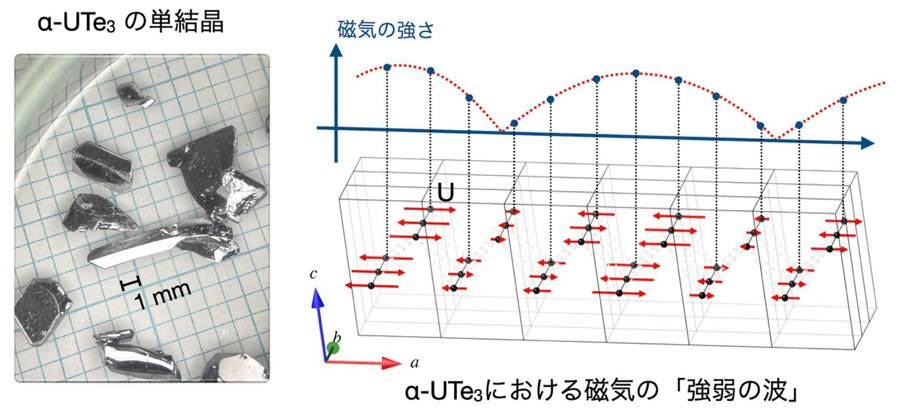
Japan Atomic Energy Agency discovers magnetic "strong-weak waves" in uranium semiconductor
The Japan Atomic Energy Agency announced on August 21 that its research team has discovered a special magnetic structure in the layered uranium semiconductor α-UTe3 (α-uranium tritelluride): the magnetism of uranium atoms not only alternates in opposite directions, but its magnetization intensity also periodically strengthens and weakens depending on the crystal position, forming a state resembling “strong-weak waves.” α-UTe3 is composed of uranium and tellurium atoms and belongs to van der Waals layered materials, where atomic layers are stacked through weak interlayer forces. Using high-quality α-UTe3 single crystals, the research team analyzed its low-temperature magnetic structure through resistivity, specific heat, and magnetization measurements, as well as nuclear magnetic resonance and single-crystal neutron diffraction techniques...
2026-08-31
German Photon and Neutron Research Data Alliance Receives €8.3 Million in Second-Phase Funding
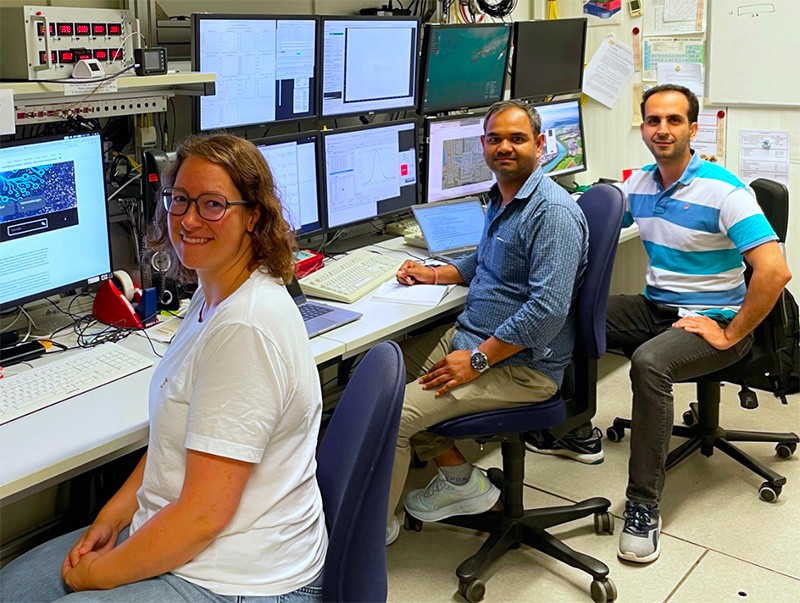
The German National Research Data Infrastructure consortium for photon and neutron experimental data (DAPHNE4NFDI) will enter its second funding phase, receiving initial funding of €8.3 million, with the funding period running until the end of 2028. Since 2021, the consortium has been working to improve the management of research data from photon and neutron experiments, making the data easier to find, access, and reuse over the long term. DAPHNE4NFDI is one of the disciplinary consortia under the German National Research Data Infrastructure (NFDI), with members including the German Electron Synchrotron (DESY), Kiel University (CAU), and other universities and research institutions. The funding decision is based on a recommendation from the German Research Foundation (DFG). Since January 2026...
2026-08-31
Russia Advances Construction of Fourth-Generation Nuclear Power Projects
Rosatom reports that it is one of the global leaders in the implementation of fourth-generation nuclear energy systems. According to the report, fourth-generation nuclear technologies are designed to minimize the risk of nuclear power accidents and reduce radioactive waste generation through a closed nuclear fuel cycle. As part of the relevant deployment, an innovative power unit featuring the BREST-OD-300 lead-cooled fast neutron reactor is under construction in Seversk, Tomsk Oblast, Russia. The project is regarded as a key component of Russia's efforts to advance the engineering application of fourth-generation nuclear power technologies. The report indicates that in 2025, the installation of the metal cladding for the central cavity of the BREST-OD-300 reactor was completed at the Seversk site, and the cladding for the surrounding cavities has also been installed in the designed positions. Meanwhile, the analytical simulator for the power unit has been put into operation.
2026-08-29