
Search Results
Keyword:neutron

China's First Qualification for Radiation Health Testing and Evaluation of BNCT Equipment Approved
Recently, the Beijing Municipal Health Commission, in accordance with the "Administrative Measures for Radiation Health Technical Service Institutions" (Guoweiban ZhiJian Fa [2026] No. 1), organized experts to conduct on-site reviews of two qualification expansion applications submitted by the National Center for Occupational Safety and Health under the National Health Commission. The projects include performance testing and evaluation of Boron Neutron Capture Therapy (BNCT) equipment and thyroid iodine-131 testing. During the review process, the expert panel conducted a comprehensive examination of the center's management system, personnel allocation, instruments and equipment, and technical capabilities related to radiation health testing and evaluation through document review, technical inquiries, on-site practical operations, and simulated demonstrations...
2026-08-12
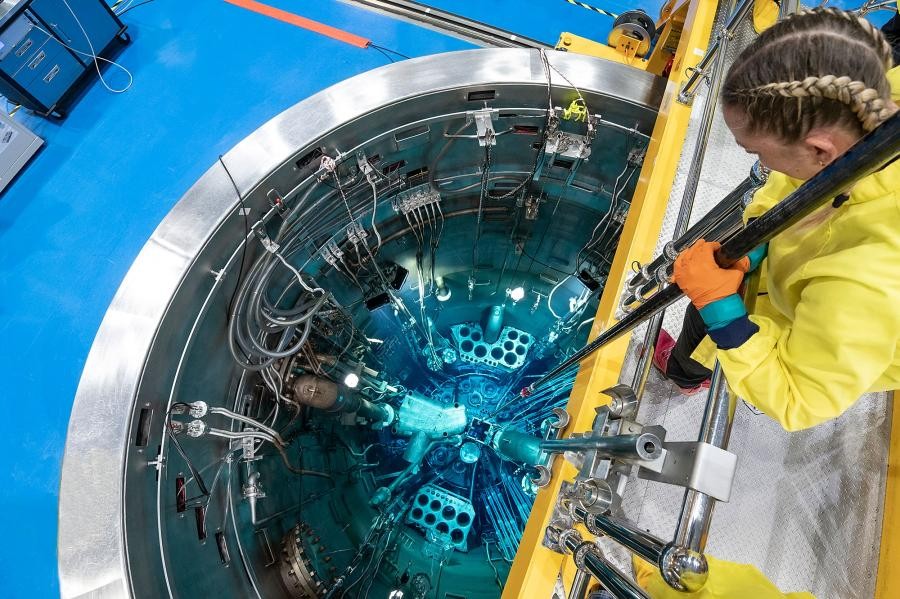
Australia's OPAL Multipurpose Reactor Marks 20 Years of Operation: Supporting Nuclear Medicine, Industrial Silicon Irradiation, and Neutron Science
The OPAL multipurpose reactor at the Lucas Heights campus of the Australian Nuclear Science and Technology Organisation (ANSTO), located south of Sydney, has marked the 20th anniversary of achieving first criticality. On August 12, 2006, OPAL achieved a self-sustaining controlled nuclear chain reaction, marking the facility's transition from the construction phase to the scientific operations phase. ANSTO stated that over the past 20 years, OPAL has become one of Australia's key nuclear science infrastructures, serving multiple fields including medicine, industry, and scientific research. OPAL is not a power reactor and is not used for electricity generation. According to available information, Australian federal law and relevant state and territory legislation prohibit the construction of nuclear power reactors, fuel fabrication, and waste disposal facilities. Unlike power reactors used for...
2026-08-12

Fuse Energy Technologies Corp. Reports FAETON-X Single-Shot D-D Fusion Neutron Yield of 1.27×10¹²
Fuse Energy Technologies Corp., headquartered in California, USA, announced on August 11 that its megajoule-class dense plasma focus device FAETON-X measured a peak neutron yield of (1.27±0.27)×10¹² neutrons per shot in a single D-D fusion experiment. The company stated that this is one of the highest single-shot fusion neutron yields publicly recorded by a commercial fusion enterprise, and the first to reach the 10¹² order of magnitude. FAETON-X is a megajoule-class pulsed-power fusion system developed by Fuse, designed as a single-pulse flash neutron source, serving pulsed-power fusion R&D and...
2026-08-12
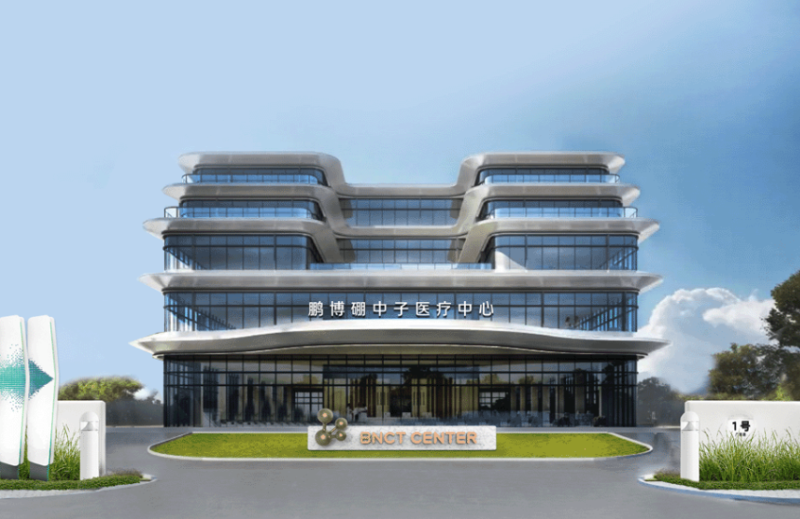
China Bio-Pharma: Enters Cooperation Agreement with Stella Pharma on Boron Neutron Therapy Drug
China Bio-Pharma Holdings Limited announced on August 12 that the company, Pengbo (Hainan) Boron Neutron Medical Technology Co., Ltd., and Japan's Stella Pharma Corporation signed a legally binding Master Cooperation Agreement on August 11, 2026, to jointly advance the development and commercialization of Steboronine in China. Steboronine is described in the announcement as the world's first approved boron neutron therapy drug, applied in Boron Neutron Capture Therapy (BNCT). Under the agreement, the cooperation between the two parties is divided into a development phase and a commercialization phase. During the development phase, the cooperation aims to leverage real-world data, real-world evidence, and real-world studies generated by the China Bio-Pharma Group to facilitate Stella Pharma in obtaining and maintaining, as soon as possible, marketing approval from China's National Medical Products Administration (NMPA) for Steboronine for the treatment of head and neck cancer; after Stella Pharma obtains marketing and manufacturing approval from the Japanese government for Steboronine for meningioma, the relevant China filings may also be extended to the meningioma indication.
2026-08-12
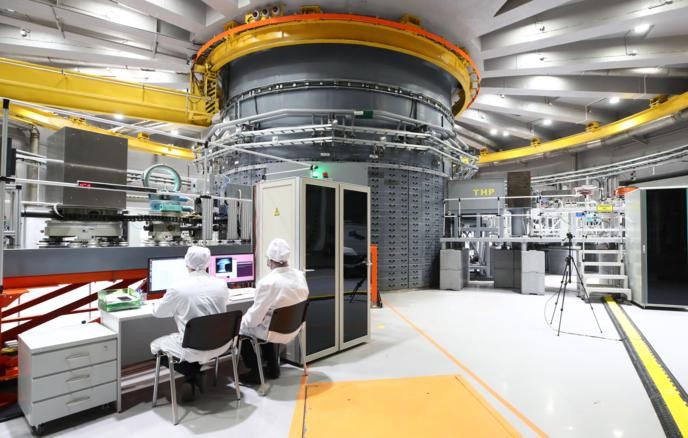
Russia Approves Chinese Academy of Sciences' Accession to International Research Organization at PIK Reactor
Mikhail Kovalchuk, Director of the Kurchatov Institute National Research Centre in Russia, recently stated that Russia has approved the Chinese Academy of Sciences' accession to the International Centre for Synchrotron Radiation, Neutron and Laser Research, which is being established around the PIK high-flux research reactor. Speaking at a meeting of the Science and Education Committee held in Novosibirsk, Kovalchuk said that three Chinese institutions have successively submitted applications to join the international organization, with the application from the Chinese Academy of Sciences having completed review and received approval. In June of this year, he had indicated that the Chinese side was interested in participating in this international research cooperation mechanism. The PIK high-flux research reactor is located in Gatchina, Russia, and was developed by the Konstantinov Petersburg Nuclear Physics Institute...
2026-08-12
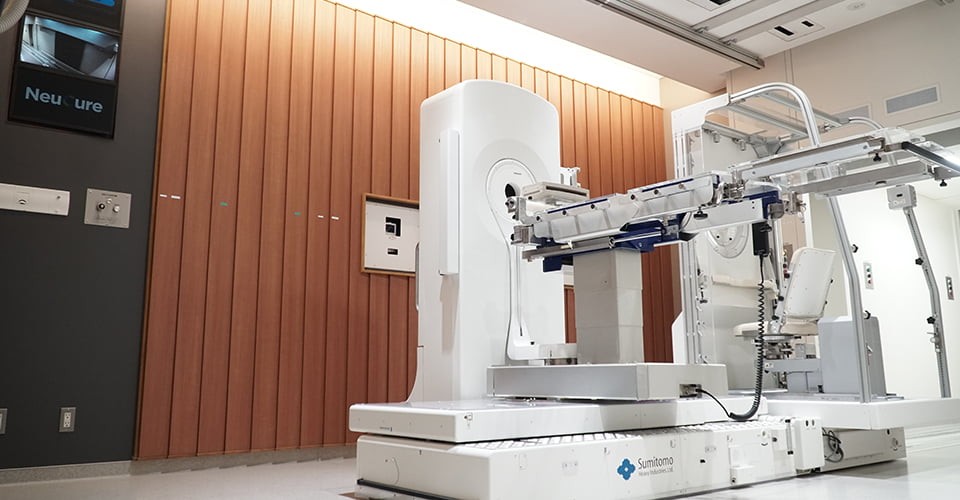
Fujita Health University in Japan Advances Research on Expanding BNCT Indications for Deep-Seated Cancers, to Conduct 18F-FBPA PET Exploratory Evaluation
On August 10, Stella Pharma Corporation of Japan announced that it is collaborating with Fujita Health University and other institutions to advance research and development aimed at expanding Boron Neutron Capture Therapy (BNCT) to deep-seated cancers. As part of this project, Stella Pharma will participate in an exploratory study on 18F-FBPA uptake capacity in deep-seated cancers conducted by Fujita Health University. The study will use 18F-FBPA PET to evaluate the tumor accumulation of boron drugs used in BNCT in deep-seated cancers, and based on the findings, explore the possibility of expanding BNCT indications in the future. The study plans to collect data from 50 cases, including pancreatic cancer, hepatocellular carcinoma, and biliary tract cancer, to accumulate foundational evidence needed for the development of BNCT for deep-seated cancers. BNC...
2026-08-11

International Team Measures Niobium-94 Neutron Reactions, Explaining Anomalous Molybdenum-94 Abundance in the Solar System
An international team of physicists has, for the first time, conducted a comprehensive study of the interactions between neutrons and the niobium-94 isotope. The findings have been published in Physical Review Letters. The study suggests that the elevated abundance of molybdenum-94 in the primordial material of the solar system can be explained by a series of neutron-involving nuclear reaction processes inside old stars, without requiring the introduction of previously unknown special formation mechanisms. The research was led by Alberto Mengoni, a researcher at the Italian National Institute for Nuclear Physics. The team conducted experiments using the n_TOF facility at CERN, focusing on tracking the interactions between neutrons and niobium-94 atoms. The n_TOF facility is used to...
2026-08-11
228 Research Reactors Worldwide in Operation, Supporting Medical Isotope Production and Neutron Science Innovation
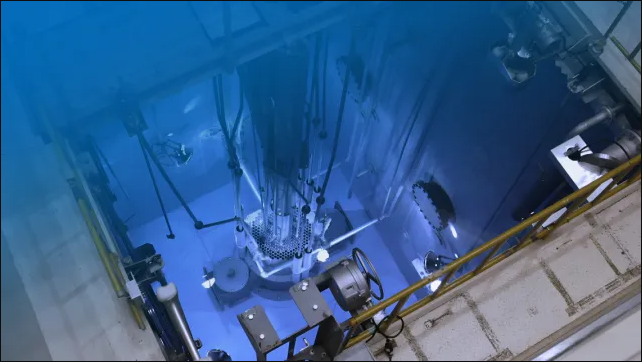
According to the International Atomic Energy Agency on August 7, research reactors continue to drive innovation in science, medicine, and industry worldwide. Currently, 228 research reactors are in operation across 54 countries, with another 23 under construction or in the planning stage. Unlike nuclear reactors used for power generation, these reactors primarily produce neutrons to support medical, industrial, agricultural, geological, forensic, and nuclear science research. A research reactor pool photographed from above. (Photo: IAEA) In the medical field, research reactors are a vital source of medical radioisotopes. Among them, technetium-99m is widely used for diagnosing cancer and diseases of the heart, brain, and bones; a large number of medical diagnostic and therapeutic procedures worldwide rely on this isotope. Other radioisotopes such as iodine-131 are also used in the treatment of cancer and thyroid diseases. The IAEA states that radioisotopes produced by research reactors serve millions of patients globally and are an essential component of modern nuclear medicine systems.
2026-08-09
Basic research cracks an application challenge that has persisted for nearly half a century: quantitative prediction of neutron irradiation swelling via ion irradiation
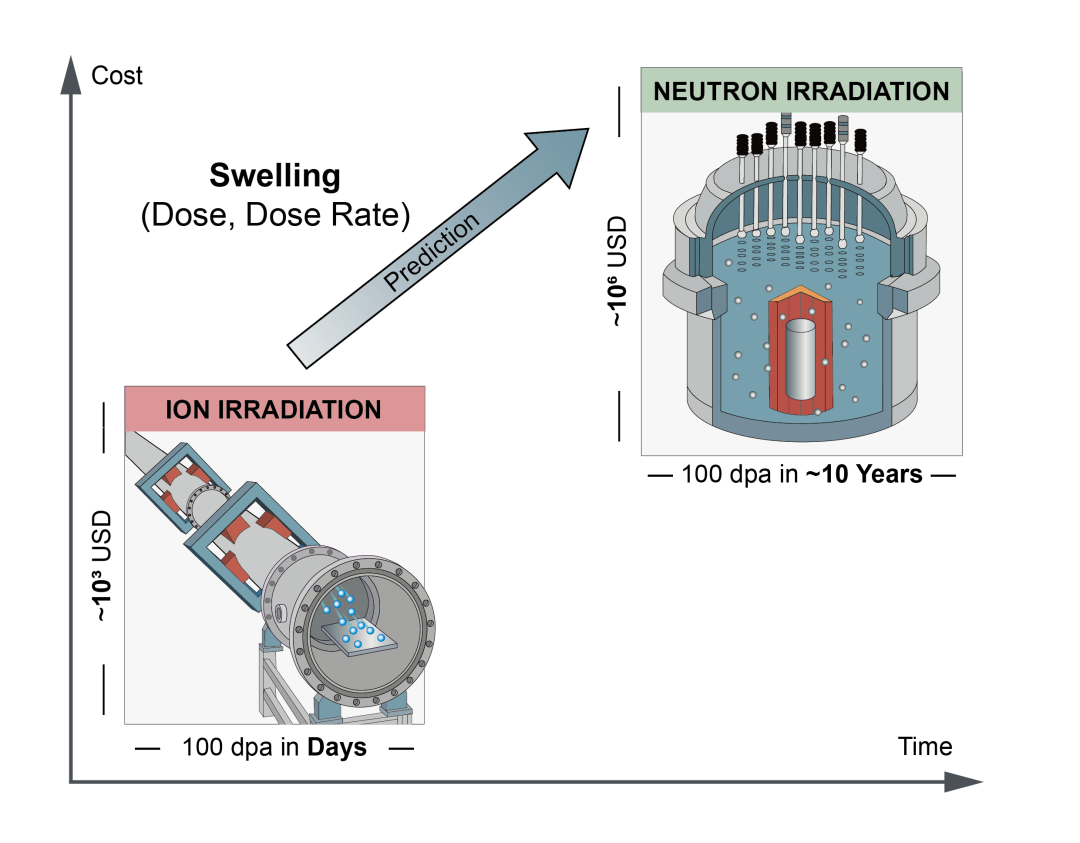
Whether advanced nuclear energy systems can operate safely over the long term depends on the ability of structural materials to resist neutron irradiation damage. Neutrons create numerous atomic-scale defects in materials, which gradually aggregate into nanoscale cavities, ultimately causing material swelling, dimensional instability, and performance degradation. However, obtaining high-dose neutron irradiation data often requires years or even more than a decade, with high costs and post-irradiation sample radioactivity; in contrast, ion irradiation can simulate years of accumulated damage within days and is therefore widely adopted (approximately 95% of irradiation experimental data in existing literature come from ion irradiation). But the dose rate of ion irradiation is typically 3—4 orders of magnitude higher than that of neutron irradiation, making direct conversion between the two results difficult. Recently, the research team of Wang Chenxu and Wang Yugang from the Institute of Heavy Ion Physics, School of Physics, and the State Key Laboratory of Nuclear Physics and Nuclear Technology at Peking University, in collaboration with researchers from the University of Tennessee and other institutions, established a quantitative relationship between material swelling and irradiation dose and dose rate at fixed temperatures based on cluster dynamics simulations, theoretical derivations, and ion irradiation experiments, achieving prediction of neutron irradiation swelling using rapid ion irradiation and providing a new tool for rapid screening and lifetime evaluation of nuclear materials.
2026-08-07

First American Nuclear Company (FANCO) Receives DOE Funding to Accelerate Advanced Nuclear Reactor Development
First American Nuclear Company (FANCO) has received two Rapid Turnaround Experiment (RTE) awards from the U.S. Department of Energy's Office of Nuclear Energy, enabling the company to leverage specialized national laboratory research capabilities to support the development of its EAGL-1 small modular reactor. These awards were granted during the FY2026 RTE selection cycle, which evaluates proposals based on technical superiority, feasibility, and relevance to DOE's nuclear energy programs. The program provides researchers with free access to radiation testing, post-irradiation examination facilities, and technical expertise. FANCO-approved research projects include a study on the effects of extrusion temperature on FeCrAl-ODS alloys in liquid metal fast...
2026-08-06
Swiss PSI Ultracold Neutron Experiment Finds No Signs of "Mirror World" Oscillation
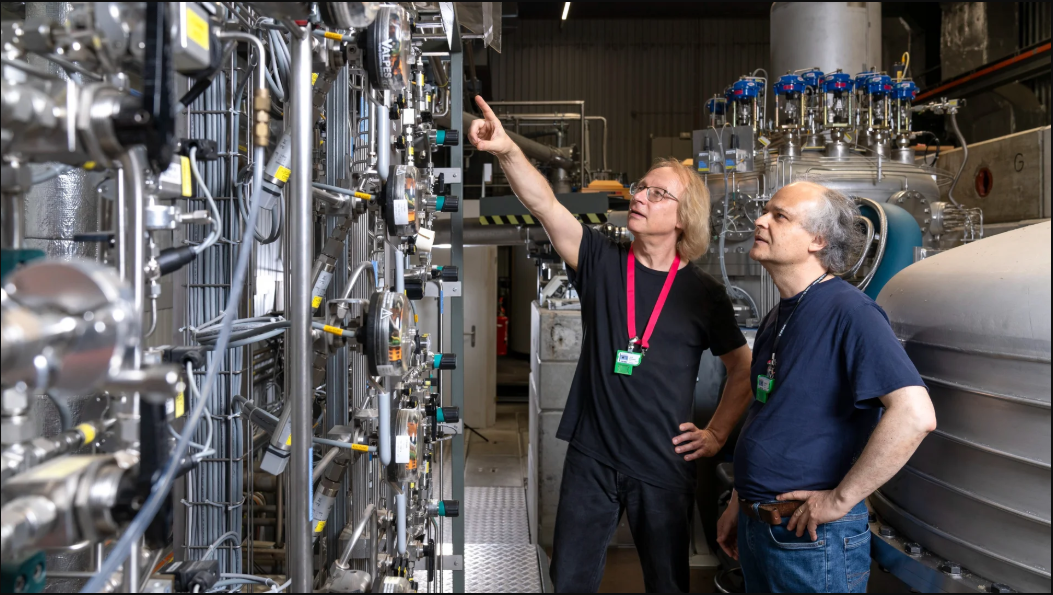
The Paul Scherrer Institute (PSI) in Switzerland announced on July 28 that its researchers detected approximately 25 billion neutrons in an ultracold neutron experiment and found no signs of neutrons spontaneously transforming into mirror neutrons. The results constrain, with high certainty, the theoretical possibility of neutrons disappearing into the so-called mirror world. The mirror world hypothesis posits that every elementary particle in the real world may have a corresponding mirror particle, such as mirror electrons, mirror protons, and mirror neutrons. Such particles interact extremely weakly with ordinary matter, potentially connecting primarily through gravity or rare oscillations of neutral particles, and have therefore also been considered as dark matter candidates...
2026-08-03
Russia's Vector Research Center Proposes Quantum Dots for Boron Delivery in Neutron Capture Therapy
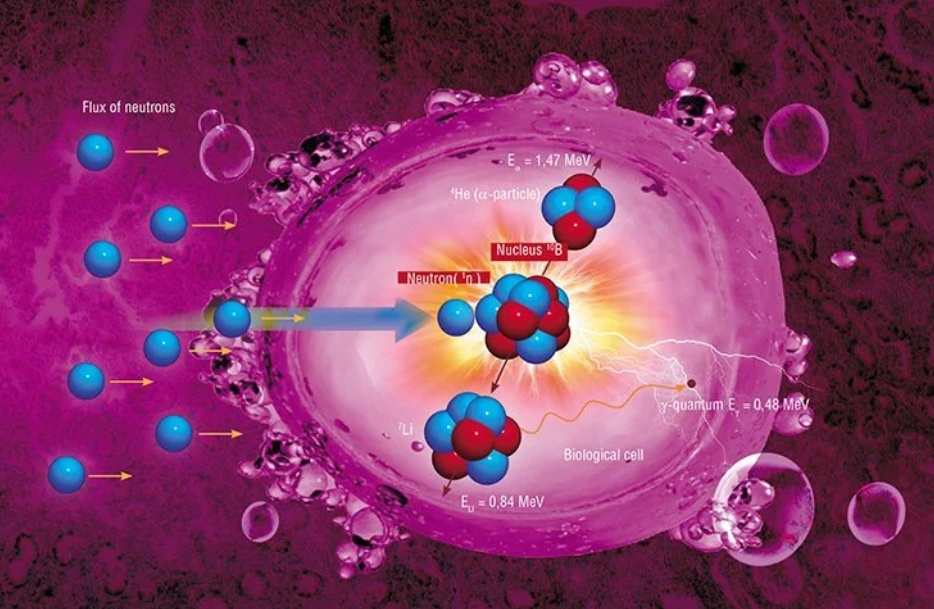
Russia's Vector Research Center has proposed using quantum dots as targeted boron delivery systems in boron neutron capture therapy (BNCT) to explore more precise approaches to tumor treatment. Yuri Tumanov, the center's chief researcher, presented this research progress at a conference on engineering biology and biopharmaceuticals. Boron neutron capture therapy is a cancer treatment method that combines boron-containing drugs with neutron irradiation. The basic concept involves first allowing boron-containing drugs to accumulate in tumor cells, then subjecting the patient to neutron irradiation, which triggers a nuclear reaction that releases energy concentrated within boron-containing cancer cells, thereby destroying tumor cells. How to construct boron delivery systems that are low-toxicity, highly efficient, and capable of participating in targeted tumor destruction remains one of the key challenges in this field...
2026-08-01

Hefei establishes a new joint laboratory for fusion reactor material irradiation and evaluation, driving the coordinated development of the nuclear fusion industry.
Recently, the Joint Laboratory for Fusion Reactor Material Irradiation and Evaluation—co-established by the Institute of Plasma Physics (Hefei Institutes of Physical Science, Chinese Academy of Sciences) and the Institute of High Energy Physics (Chinese A
2026-07-27

China and Russia Discuss Cooperation on Non-Energy Applications of Nuclear Technology in Beijing
On July 24, Rosatom hosted a Russian-Chinese business matchmaking event in Beijing, focusing on cooperation in the non-energy applications of nuclear technology. Held at the Trade Representation of the Russian Federation in China, the event was attended b
2026-07-27