
Search Results
Keyword:neutron
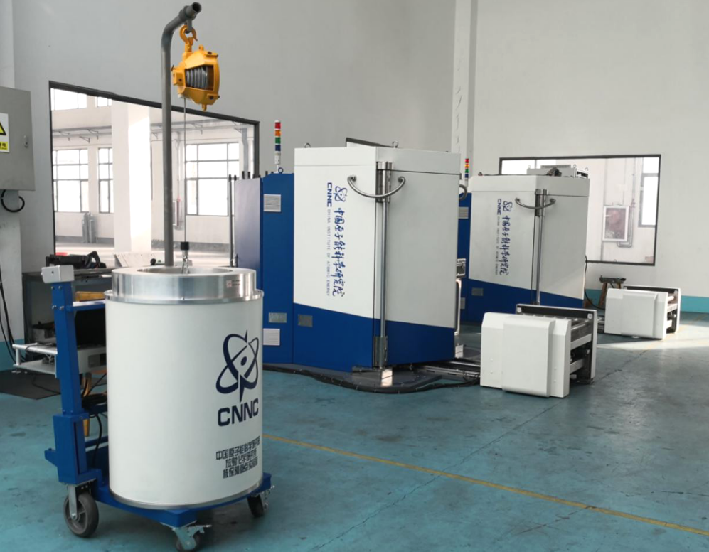
CIAE Neutron Measurement Patent for Nuclear Waste Wins China Patent Excellence Award
On August 28, the results of the 26th China Patent Award, the highest government honor in China's intellectual property field, were announced. The invention patent for the calibration method of a neutron measurement device for drummed nuclear waste, completed by Zhu Liqun, Senior Engineer, and Xu Xiaoming, Associate Researcher, from the Department of Radiochemistry at the China Institute of Atomic Energy (CIAE), won the China Patent Excellence Award. Since 2020, CIAE has won the China Patent Award for six consecutive sessions, securing a total of 11 awards including 2 gold and 1 silver medals, further demonstrating the institute's formidable strength in technological innovation and intellectual property. The calibration method invention patent for the neutron measurement device for drummed nuclear waste has achieved multiple world firsts...
2026-08-29
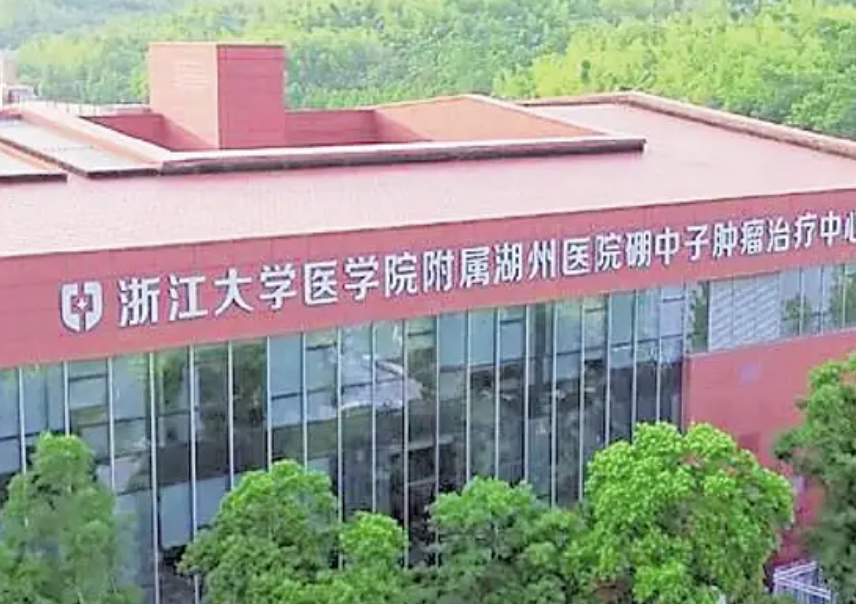
Huzhou, Zhejiang Launches Phase I "Drug-Device Combination" Clinical Trial for the Province's First BNCT System
Recently, the Boron Neutron Tumor Treatment Center at Huzhou Hospital Affiliated to Zhejiang University School of Medicine has drawn attention with the introduction of the province's first Boron Neutron Capture Therapy (BNCT) system. Previously, the system had already initiated a Phase I BNCT drug-device combination clinical trial. According to the system developer, Huapeng Neutron Technology (Hangzhou) Co., Ltd., BNCT is a radiotherapy technique combining drugs and devices, with its core lying in the coordinated use of boron-containing drugs and neutron irradiation. After entering the human body, the boron-containing drug can be absorbed by tumor cells; subsequent neutron beam irradiation triggers a localized reaction to achieve targeted radiotherapy against tumor cells. Unlike conventional radiotherapy, which typically employs fractionated irradiation over a longer treatment course, BNCT emphasizes selective targeting of tumor cells, aiming to reduce damage to surrounding healthy tissues and lower radiotherapy-related side effects such as hair loss and immunosuppression.
2026-08-27

Phase II of China Spallation Neutron Source in Dongguan expected to be completed by 2029
On August 26, a media delegation from the Guangdong-Hong Kong-Macao Greater Bay Area visited the China Spallation Neutron Source (CSNS) in Dongguan to learn about the operation of this major scientific facility and the progress of its Phase II project. The CSNS is China's first and the world's fourth pulsed spallation neutron source, often referred to as a "super microscope" for exploring the microscopic world. Since its opening in 2018, the facility has been operating in areas including basic research, research addressing major national needs, industrial innovation, and the integration of Hong Kong and Macao in science and technology innovation, and has become one of the key scientific research platforms in the Greater Bay Area. Tong Xin, Deputy Director of the Spallation Neutron Source Science Center, stated that the Phase II project of the CSNS is currently under construction, with a construction period from January 2024 to October 2029...
2026-08-26

Phase I of Jinjiang Ruisi Ke Particle Therapy Equipment Production Base Fully Operational
Recently, Phase I of the Ruisi Ke Advanced Particle Therapy Equipment Production Base for tumors, located in Dongshi Town, Jinjiang, Fujian, has been fully put into operation, marking new progress in the life and health industry sector of Quanzhou South Wing National High-Tech Zone. As the first launch project in the local effort to build the "China Nuclear Medicine Valley," this project is accelerating the clustering of the nuclear medical equipment industry chain. It is understood that all four production workshops of Phase I of the Ruisi Ke production base have commenced operations, with a total floor area of nearly 30,000 square meters. Inside the workshops, relevant personnel are performing precision machining on core components of the proton therapy system. The base possesses research and development, production, and testing capabilities for proton therapy systems and boron neutron capture therapy systems, making it one of the few...
2026-08-24
Progress in Tritium Containment and Radiation Protection Materials Research at the Institute of Plasma Physics, Chinese Academy of Sciences
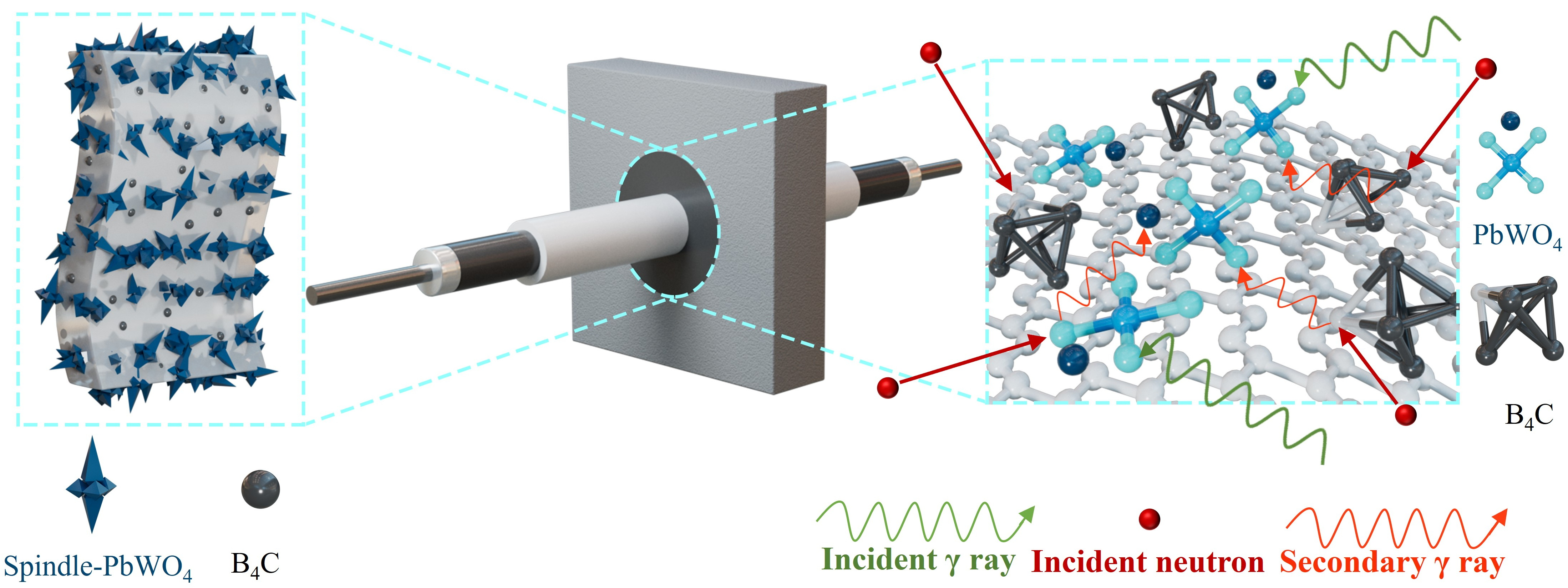
Recently, Associate Researcher Huo Zhipeng of the Fusion Reactor Blanket and Safety Research Center at the Institute of Plasma Physics, Chinese Academy of Sciences, together with his supervised master's students Zhang Jie and Chen Zuoyang, developed a class of flexible PbWO4-B4C reinforced silicone rubber composites with dual functions of tritium safety containment and nuclear radiation protection. The related research results were published in Journal of Materials Research and Technology. Future fusion facilities require comprehensive performance from radiation protection materials in tritium safety containment systems, including airtight sealing, flexibility for easy assembly and disassembly, and radiation shielding capability, for penetration hole sealing, post-maintenance, and high-flux neutron and γ-ray radiation protection. The research...
2026-08-21

Rosatom Says Seversk Fast Reactor Project Will Demonstrate Russia's Nuclear Technology Capabilities
Rosatom Director General Alexey Likhachev said that if the nuclear power project under construction in Seversk, Tomsk Oblast, is put into operation before 2030, it will demonstrate Russia's capabilities in new nuclear technologies
2026-08-21

Korean Research Team Reveals Mechanism Behind Neutron Irradiation-Induced Reliability Degradation in Ferroelectric AI Semiconductors
Jeonbuk National University announced on the 20th that a research team led by Professor Bae Hak-yeol from the Department of Electronic Engineering at its College of Engineering, in collaboration with Professor Kim Tae-wan's team at Seoul National University and Q-Beam Solution, a startup affiliated with the Korea Atomic Energy Research Institute, conducted a joint study analyzing the causes of performance degradation in next-generation ferroelectric memory and neuromorphic semiconductor devices under neutron irradiation. The findings have been published in the latest issue of ACS Applied Electronic Materials. Ferroelectric semiconductors, which can maintain their polarization state even after power is disconnected, are considered a key candidate for next-generation non-volatile memory and neuromorphic computing devices. Neuromorphic computing aims to simultaneously implement both memory and computation within a single device...
2026-08-20
CERN measures niobium-94 neutron capture for the first time, shedding new light on the mystery of molybdenum abundance in ancient stardust
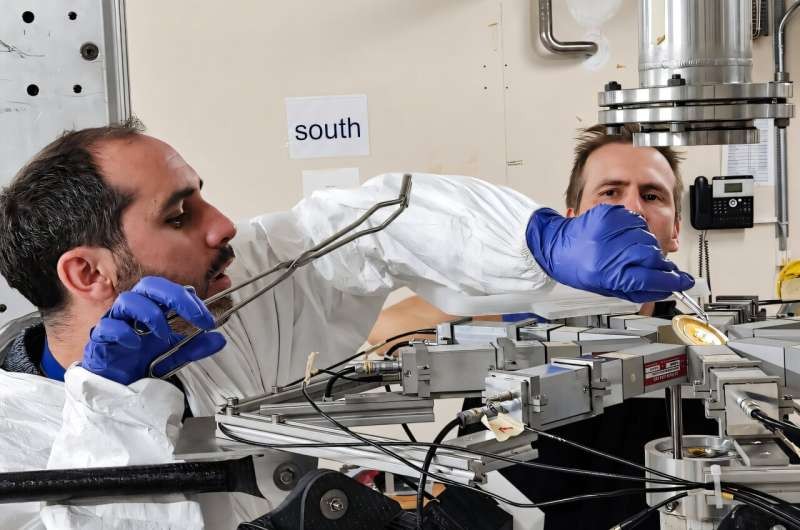
The n_TOF collaboration at CERN recently reported that researchers have for the first time measured the probability of neutron capture by niobium-94. The results, published in Physical Review Letters, provide new experimental evidence for explaining the anomalous abundance of molybdenum-94 in presolar grains. The EAR2 facility in the n_TOF experiment at CERN produces intense neutron beams, opening new possibilities for nuclear research. Credit: CERN Niobium-94 is a niobium isotope containing 41 protons and 53 neutrons, occupying a critical juncture in the nuclear reaction chain that produces heavy elements in dying stars. Researchers are interested in it because niobium-94 is very close to molybdenum-94, differing by just one fewer proton and one more neutron. Under the high-temperature, high-pressure conditions inside stars, niobium-94 may either transform into molybdenum-94 through beta decay or form niobium-95 through neutron capture. The competition between these two reaction pathways directly affects scientists' understanding of the origin of molybdenum-94.
2026-08-20
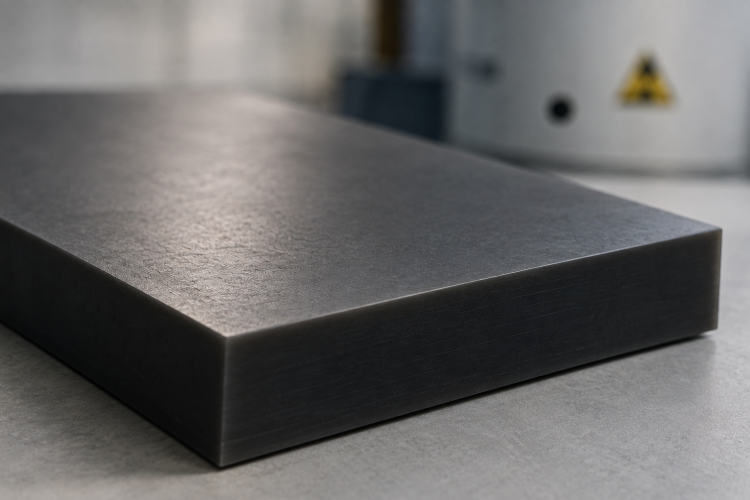
Russian enterprise develops borated polyethylene material for neutron radiation protection
A neutron radiation protection material developed by Russian company NPO Gelar has obtained relevant certification. The material, named Polikeramoplast-PB, is a borated polyethylene that resembles ordinary gray or black plastic sheets in appearance, but its protective performance derives from the combination of hydrogen and boron. According to reports, the hydrogen in the material effectively moderates fast neutrons, reducing the likelihood of subsequent secondary reactions, while the boron helps absorb moderated neutrons. In contrast, traditional heavy metal materials used for gamma-ray shielding are not suitable for standalone neutron protection, as heavy atomic nuclei have limited attenuation effects on neutrons. The material can be used in radiation therapy room protection systems and combined with lead...
2026-08-19
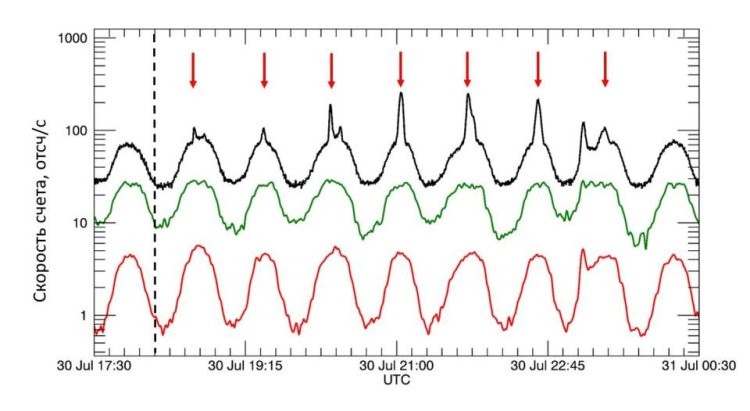
Russian Segment of ISS Adjusts BTN-M2 Equipment Configuration, Continues Neutron and Gamma Radiation Observations
On August 13, 2026, during the ISS-75 expedition mission, Russian cosmonauts Pyotr Dubrov and Anna Kikina performed configuration adjustments to the BTN-M2 scientific equipment inside the Nauka module of the Russian Segment of the International Space Station. Figure 1. Profiles of gamma rays (energies below 500 keV, black curve), 511 keV photons from electron-positron annihilation (green curve), and high-energy neutrons (red curve) detected by the BTN-M2 instrument aboard the ISS on July 30–31, 2026. Red arrows indicate enhanced gamma-ray flux during the solar proton event (SPE) as the ISS passed over high-latitude regions of the Earth...
2026-08-18
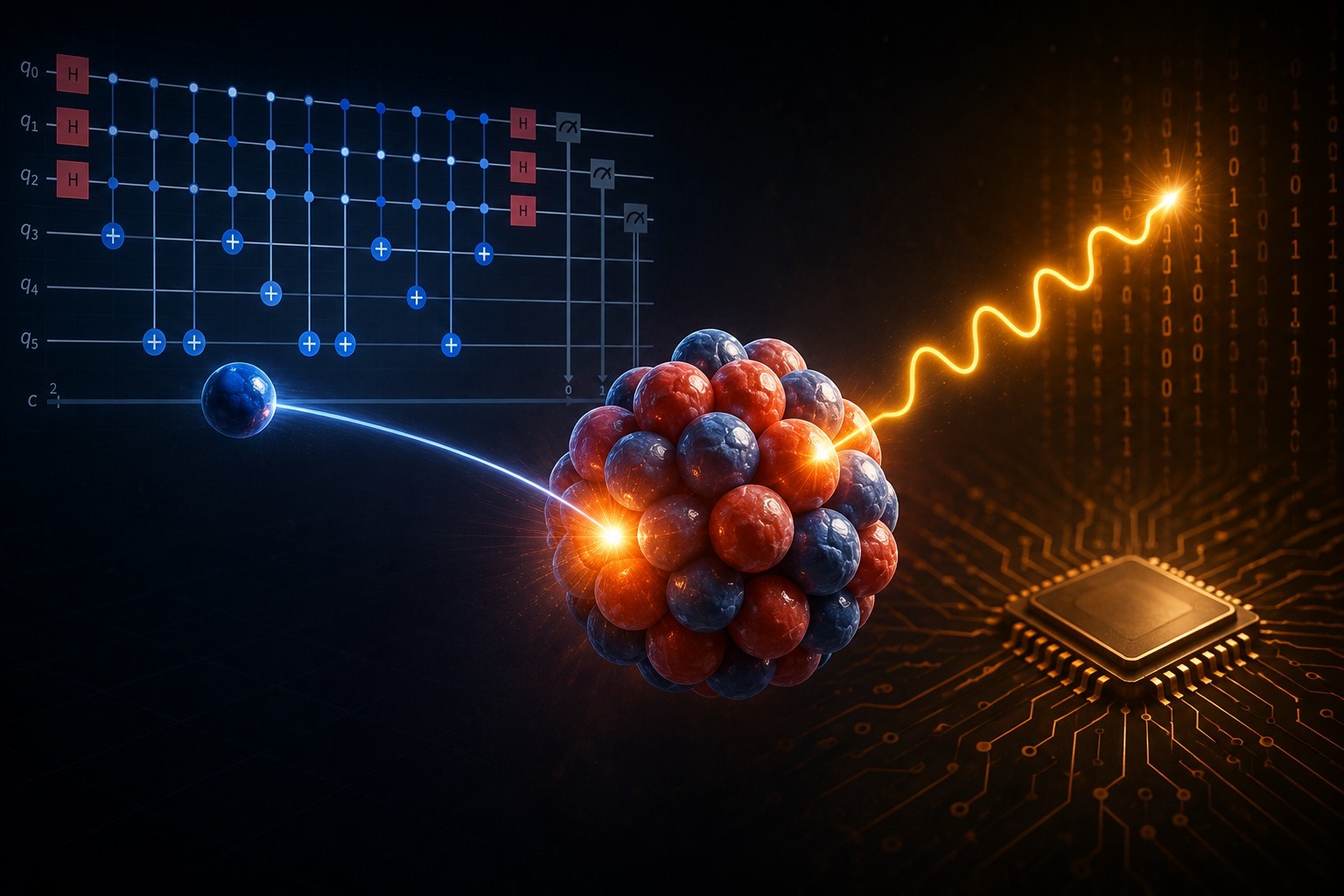
U.S. FRIB Secures Contract from Naval Nuclear Laboratory to Develop Quantum-Classical Hybrid Nuclear Reaction Calculation Methods
A research project at the Facility for Rare Isotope Beams (FRIB) at Michigan State University, led by Dean Lee, Professor of Physics at FRIB, Professor in the Department of Physics and Astronomy at Michigan State University, and Head of the Theoretical Nuclear Science Department at FRIB, has received one-year contract support from the Naval Nuclear Laboratory. The laboratory is managed by Fluor Marine Propulsion. The project will study how to combine quantum computers with classical computers to improve the accuracy of predictions for neutron interactions with matter. This also represents the first phase of a five-year plan aimed at developing and evaluating new computational tools for nuclear science. In nuclear physics research, accurately predicting how neutrons interact with atomic nuclei...
2026-08-18

Neutron and X-ray tomography reveal hydrogen-rich regions in Martian meteorite "Black Beauty"
An international team of researchers from Denmark, Sweden, and Switzerland recently conducted a three-dimensional non-destructive analysis of a slice of the Martian meteorite NWA 7034 "Black Beauty" using neutron tomography and X-ray tomography, discovering macroscopic hydrogen-rich regions within it. The study suggests that these hydrogen-rich features provide evidence of early water-rock interactions on Mars. The findings have been published in Geophysical Research Letters. Black Beauty is a brecciated meteorite from Mars that was ejected into space by an impact event and eventually landed in the Sahara Desert in Morocco. Weighing approximately 320 grams, the meteorite contains material up to 4.48 billion years old, making it one of the oldest known Martian crustal fragments...
2026-08-17
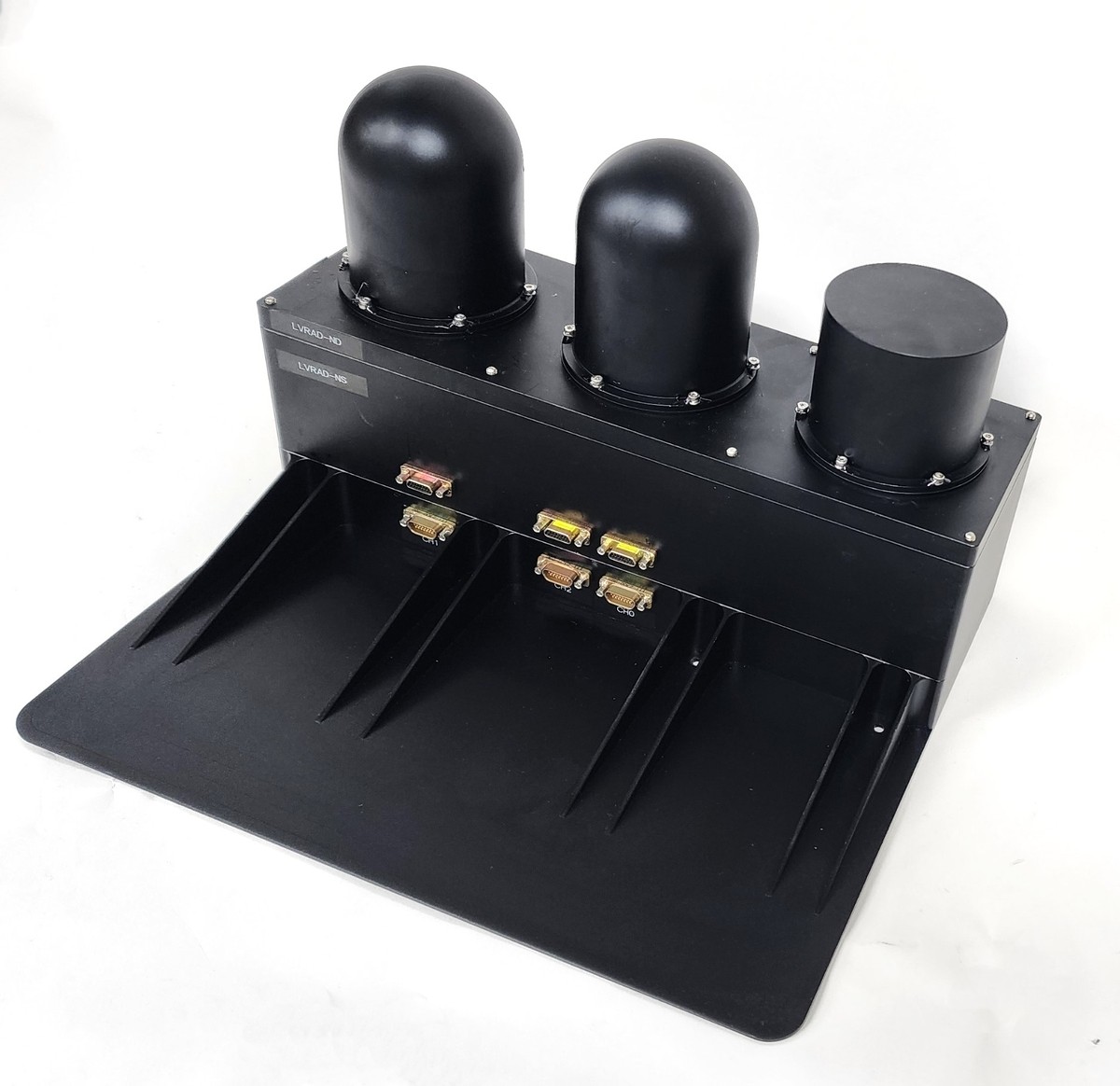
South Korea's domestically developed lunar radiation detector to travel to the Moon aboard NASA commercial lunar lander
The Korea AeroSpace Administration (KASA) announced on August 17 that the Lunar Space Radiation Detector (LVRAD), independently developed by South Korea, will be mounted on a lander under NASA's Commercial Lunar Payload Services (CLPS) program to conduct observations of the radiation environment on the lunar south pole surface. The two sides signed the relevant implementation agreement on August 14. Under the agreement, KASA plans to complete the development of the flight model of the detector by next year and deliver the equipment to the United States in accordance with the NASA lunar lander mission schedule. NASA will be responsible for integrating the Korean-developed detector onto the commercial lunar lander and supporting its operation and data transmission on the lunar surface after launch. LVRAD consists of...
2026-08-17
Russia's SKIF Synchrotron Radiation Facility Hailed as a Milestone for Russian Science
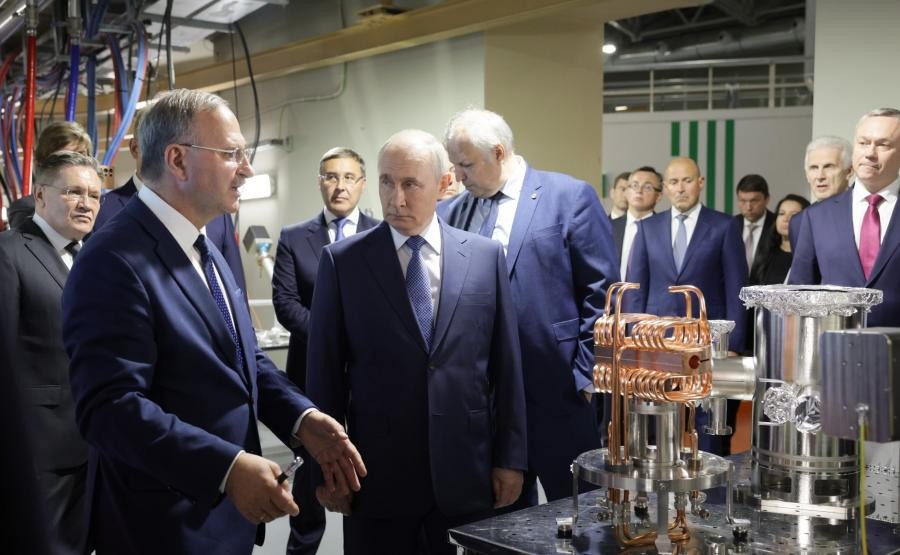
On August 13, Russian President Vladimir Putin visited the Koltsovo Science City in Novosibirsk to learn about the operating principles of the Siberian Circular Photon Source (SKIF), a shared-use center. This center is the first facility in a network of modern synchrotron radiation sources being built in Russia, with construction efforts incorporated into the national development program for synchrotron and neutron research and related research infrastructure, covering the period through 2030 and beyond. It was reported that SKIF, with its high-brightness, high-intensity X-ray beams, can serve high-level research in fields such as chemistry, physics, materials science, biology, geology, archaeology, and paleontology. Officials also noted that...
2026-08-14

Idaho National Laboratory's Hot Fuel Examination Facility Named U.S. Nuclear Historic Landmark
The American Nuclear Society (ANS) recently designated the Hot Fuel Examination Facility (HFEF) at Idaho National Laboratory (INL) as a Nuclear Historic Landmark. Since becoming operational in 1975, the facility has conducted post-irradiation examination of nuclear fuel and materials, and continues to support research on advanced reactors, commercial nuclear fuel, and related energy security. HFEF is located within the Materials and Fuels Complex (MFC) at Idaho National Laboratory and houses the largest inert-atmosphere hot cell in the United States dedicated to nuclear materials research. The hot cell operates in an argon environment and features approximately 4-foot-thick shielding walls, enabling remote, non-destructive, and high-precision examination of highly irradiated fuel and material samples while reducing worker radiation exposure.
2026-08-13