
Search Results
Keyword:nuclear power
South Korean 3D-Printed Nuclear Power Plant Component Operates Continuously for 18 Months
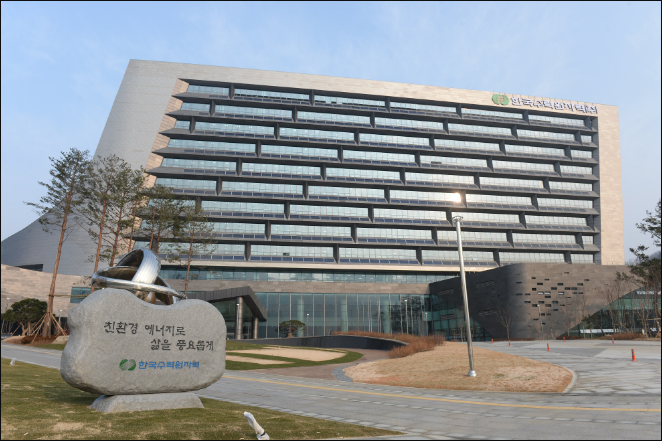
Korea Hydro & Nuclear Power (KHNP) announced on August 26 that a nuclear power plant component manufactured using 3D printing technology has been in continuous operation for 18 months on a reactor unit. This marks the first time South Korea has completed long-term operational validation of a 3D-printed nuclear power plant component in actual service. The component is a multi-blade impeller used to cool the generator circuit breaker of a nuclear power plant. Traditional impellers typically consist of multiple blades mounted on a fixed plate, and the connection points between the fixed plate and blades are at risk of damage during long-term operation. KHNP completed the development of this impeller in 2024, switching to 3D printing to manufacture an integrated one-piece structure, thereby reducing weak connection points and improving component durability. Before being put into service, this 3D-printed impeller underwent...
2026-08-26
Zaporizhzhia Nuclear Power Plant Loses External Power for Six Days
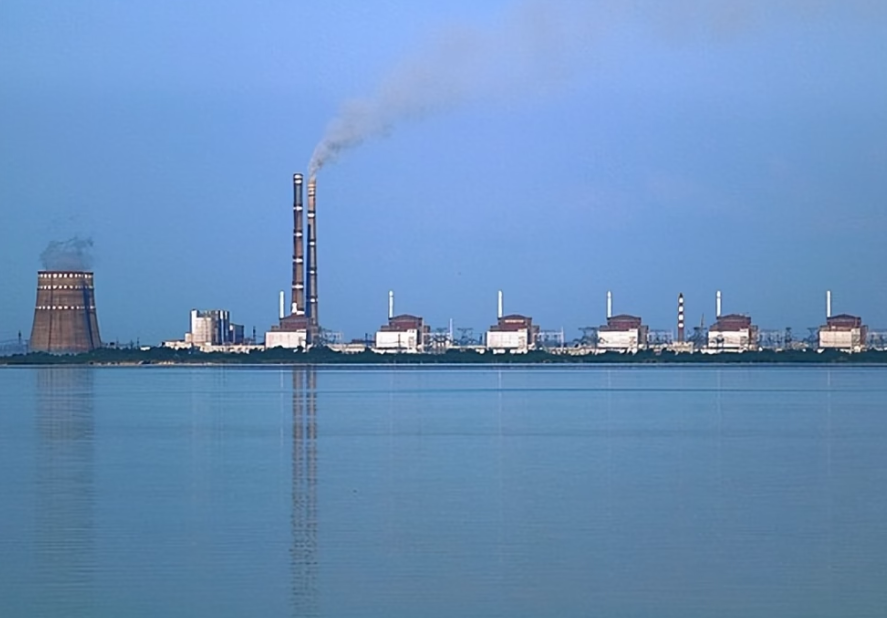
On August 25 local time, the Zaporizhzhia Nuclear Power Plant (ZNPP) stated that it had lost external power since August 20 and had been relying on backup diesel generators to meet on-site electricity demand for six consecutive days. The plant's existing fuel reserves can still ensure operation, but difficulties in fuel resupply have not yet significantly eased. Yevgeniya Yashina, head of communications at ZNPP, stated that plant staff are monitoring nuclear safety parameters and the operation of backup diesel generator units around the clock. She noted that fuel transportation still faces difficulties due to shelling on roads leading to the plant; to improve the efficiency of existing reserve utilization, the plant has optimized the operation of diesel generators...
2026-08-26

Egypt and Rosatom Consult on Expanding Nuclear Energy Cooperation
Egypt's Minister of Electricity and Renewable Energy, Mahmoud Mostafa Esmat, stated that Egypt will hold regular consultations with Russia's Rosatom on cooperation in nuclear energy and related fields, with meetings potentially taking place in either Egypt or Russia. Esmat said he would maintain regular meetings with Rosatom Director General Alexey Likhachev to exchange updates on the construction and commissioning progress of the El Dabaa nuclear power plant project and discuss directions for expanding cooperation. Currently, both sides are studying the addition of new units at the El Dabaa nuclear power plant, the construction of seawater desalination facilities, and the expansion of other areas of cooperation...
2026-08-26
Japan's Mihama Nuclear Power Plant Unit 3 Receives Preliminary Approval for Operation Plan Beyond 50 Years
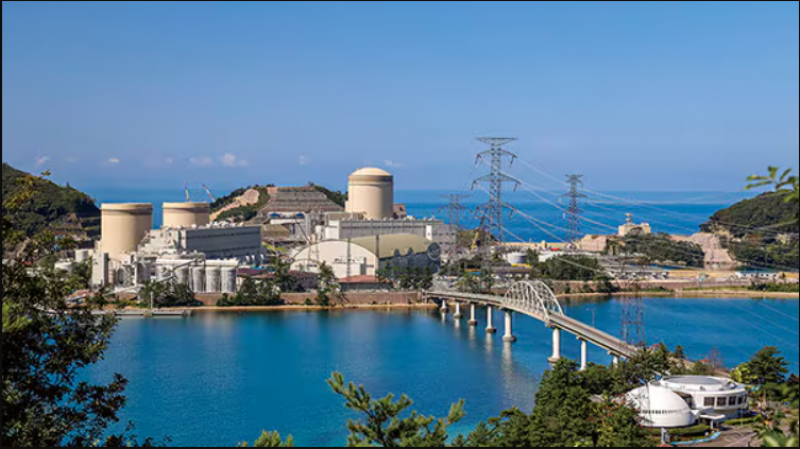
On August 25, Japan's Nuclear Regulation Authority (NRA) gave preliminary approval to Kansai Electric Power Co. (KEPCO) for the long-term facility management plan for Unit 3 of the Mihama Nuclear Power Plant. Located in Mihama Town, Fukui Prefecture, the unit will mark its 50th anniversary of commercial operation on December 1. In May of this year, the metal top cover of the high-pressure turbine at Mihama Unit 3 suffered damage, resulting in steam leakage. At the NRA meeting held that day, KEPCO explained that the cause of the incident was believed to be thinning of the inner wall of the top cover due to steam flow. The company stated that this phenomenon falls under previously anticipated aging and degradation management for turbine equipment, and that the existing plan already includes corresponding management measures. Visual inspection and other examination methods were also deemed applicable, thus no revision to the long-term facility management plan was required.
2026-08-26
US Pacific Fusion Breaks Ground on $1 Billion Fusion Facility in New Mexico
On August 25, local time, Pacific Fusion launched construction of a research and manufacturing campus in Albuquerque, New Mexico, USA. The project involves an investment of approximately $1 billion and will be used to build the company's fusion demonstration system, with goals including achieving net facility gain and producing high-yield fusion energy pulses. The campus is located in the Mesa del Sol area of Albuquerque. According to Pacific Fusion's plan, the demonstration system aims to achieve net energy gain at the facility level by 2030, meaning the fusion device outputs more energy than the total energy initially stored in the equipment. The company stated that if this goal is achieved, it will mark a significant technological milestone in the commercialization of fusion energy...
2026-08-26
Westinghouse eVinci Microreactor Completes Zero-Power Criticality Testing
Westinghouse Electric Company announced on August 25 that its eVinci microreactor has completed zero-power criticality testing, validating relevant models and key assumptions in the core design. The test was completed at 10:39 a.m. Pacific Time on August 24, 2026, at the National Criticality Experiments Research Center (NCERC) at the Nevada National Security Site (NNSS). The center is operated under the U.S. National Nuclear Security Administration (NNSA). The test was conducted by Westinghouse Electric in collaboration with Los Alamos National Laboratory (LANL) and Idaho National Laboratory (INL). Zero-power criticality is typically used to verify that a reactor core can achieve a self-sustaining chain fission state at extremely low power levels, serving as a critical step in reactor physics testing and design validation...
2026-08-26
US NuScale Deploys Nuclear-Specific AI to Advance Small Modular Reactor Projects
NuScale Power Corporation announced on August 25 that it is deploying nuclear-specific artificial intelligence tools to support its engineering and knowledge management efforts, accelerating the development of its advanced small modular reactor projects. The initiative combines NuScale's technical expertise in advanced reactors, Nuclearn's AtomAssist nuclear AI platform, and NPX's experience in nuclear project delivery and AI implementation, aiming to establish specialized tools tailored for nuclear scenarios that help engineering teams retrieve, understand, and apply critical technical information more efficiently. As advanced...
2026-08-26

NuCube Energy and Canadian Nuclear Laboratories Launch Microreactor R&D Collaboration
NuCube Energy, Inc. announced on August 25 that it has initiated research and development activities under an agreement signed with Canadian Nuclear Laboratories (CNL). The two parties will conduct research on the NuCube reactor design, focusing on advancing data identification, modeling, and analysis efforts to support the validation of its microreactor technology. Under this R&D program, Canadian Nuclear Laboratories will validate existing experimental data and benchmark computational models used to predict heat pipe performance in high-temperature environments exceeding 900 degrees Celsius. The qualified experimental data provided by Canadian Nuclear Laboratories will be used to expand the NuCube computational mo...
2026-08-26
Dry Spent Fuel Storage Facility Planned at Hanbit Nuclear Power Plant in South Korea
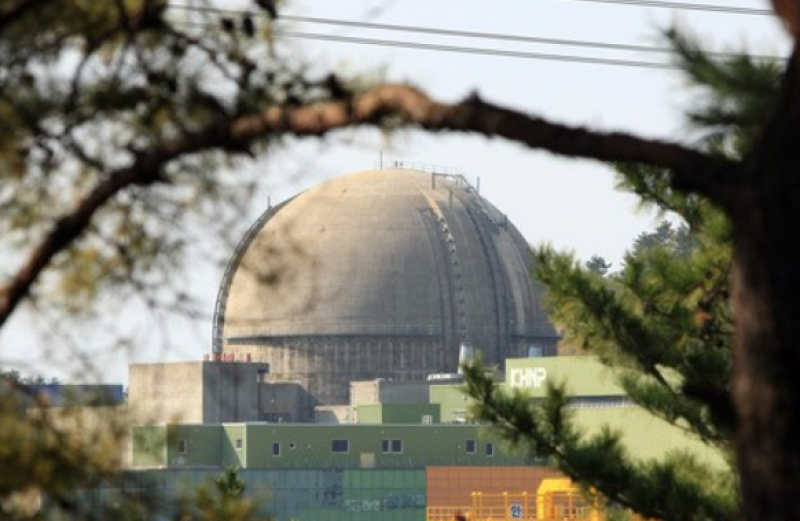
Korea Hydro & Nuclear Power (KHNP) held a resident briefing session on August 25 at the Hongnong-eup Community Center in Yeonggwang-gun, South Jeolla Province, to introduce its plan to build an on-site interim spent fuel storage facility at the Hanbit Nuclear Power Plant. Approximately 200 residents from villages near the plant, along with officials from Yeonggwang-gun and Korea Electric Power Corporation (KEPCO), attended the meeting, which proceeded in an orderly manner. KHNP stated that the existing wet spent fuel storage pools at Hanbit Nuclear Power Plant have reached 86% capacity and are expected to approach saturation by 2030, necessitating the construction of a new on-site storage facility. According to the plan, the proposed facility will be located within the Hanbit Nuclear Power Plant site, covering approximately 7,328 square meters, and will employ dry storage methods for interim spent fuel storage...
2026-08-26
South Korea's Ulju County Seeks to Streamline Procedures for Support Projects Around Nuclear Power Plants
Ulju County, Ulsan Metropolitan City, South Korea, announced on August 26 that it will propose simplifying the procedures for implementing support projects in areas around power plants at the administrative meeting of local governments hosting nuclear power plants to be held next month, and will push for institutional adjustments to expand the scope of support for electricity bill subsidy projects. According to the Enforcement Decree of South Korea's Act on Support for Areas Around Power Plants, basic support projects for areas around power plants include profit-generating projects, public and social welfare projects, education projects, resident welfare support projects, investment attraction support projects, electricity bill subsidy projects, and other support projects. The first institutional improvement proposal put forward by Ulju County this time is to simplify the procedures for using basic support funds generated during the construction of small-capacity power plants.
2026-08-26
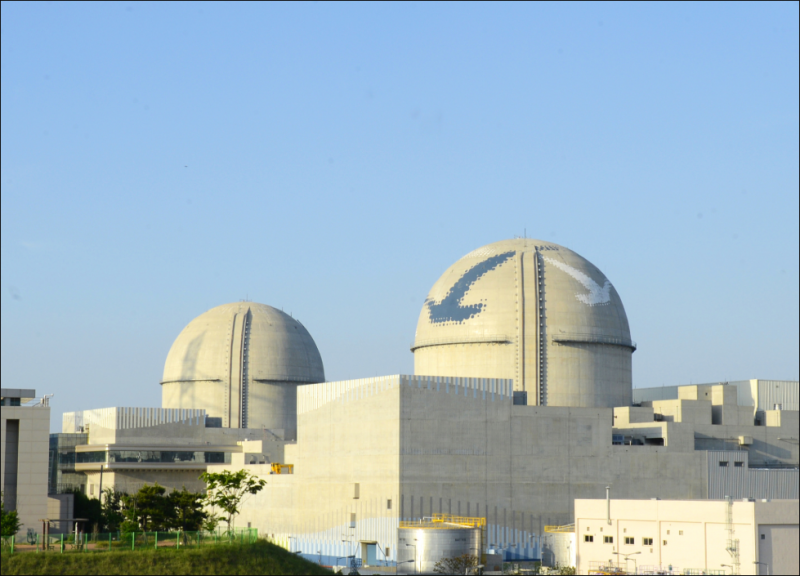
Korea's Shin-Kori Unit 1 Reaches Full Power After Scheduled Maintenance
Korea Hydro & Nuclear Power (KHNP) announced that Shin-Kori Unit 1 reached 100% rated power at approximately 3:07 a.m. on the 26th. The unit is a 1,400 MW-class pressurized water reactor. Shin-Kori Unit 1 began its sixth scheduled preventive maintenance on July 2 and resumed power generation on July 23. During the maintenance period, the unit underwent statutory inspections as required by Korea's Nuclear Safety Act. Shin-Kori nuclear power plant stated that this maintenance included nuclear fuel replacement, as well as maintenance and inspection of major equipment and facilities to enhance the safety and reliability of the power generation facility....
2026-08-26
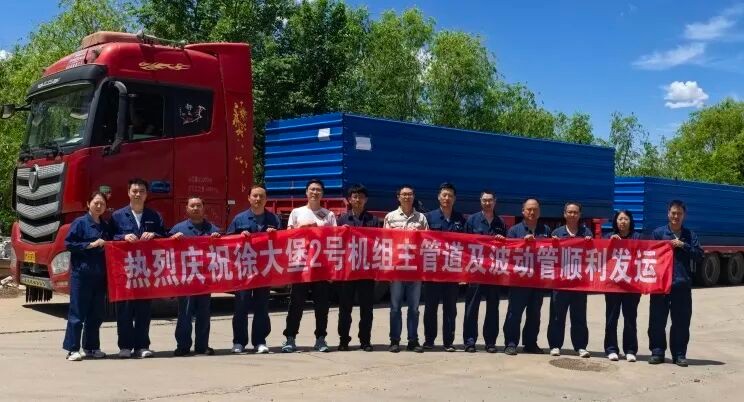
Main Piping and Surge Lines for Unit 2 of Xudabao Nuclear Power Plant Arrived at Site
On August 22, the main piping and surge lines for Unit 2 of Xudabao Nuclear Power Plant were successfully delivered to the site, laying a solid foundation for the commencement of main piping welding, a Level-1 milestone. The main piping serves as the aorta of the reactor coolant system. Together with the reactor pressure vessel, steam generators, and reactor coolant pumps, it forms a closed loop and pressure boundary. It is not only the core pipeline carrying the circulation and transfer of the reactor coolant but also a critical safety barrier for the nuclear island, making it an essential component of the nuclear island's core equipment. To ensure high-quality and on-time delivery of the equipment, Liaoning Nuclear Power took the lead in coordinating with the general contractor, procurement party, and equipment manufacturers, establishing a three-tier coordination mechanism of "daily reports + weekly meetings + monthly executive meetings" to fully streamline the information chain. Through measures such as optimizing production processes, mobilizing superior production capacity, and implementing continuous operations, all tasks were completed on schedule, ensuring the equipment was shipped and delivered to the site as planned.
2026-08-26
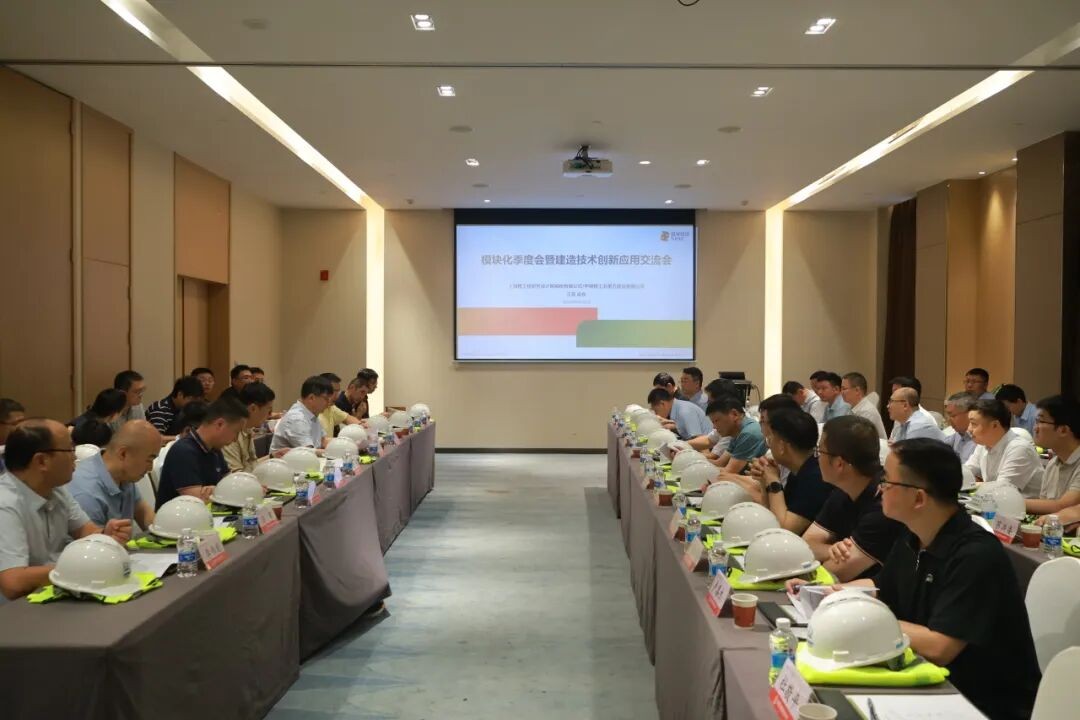
Guohe Series Nuclear Power Engineering Modular Quarterly Meeting and Construction Technology Innovation Application Exchange Conference Successfully Held in Qidong
On August 21, the Guohe Series Nuclear Power Engineering Modular Quarterly Meeting and Construction Technology Innovation Application Exchange Conference, hosted by Shanghai Nuclear Engineering Research and Design Institute (SNERDI) and organized by China Nuclear Industry Fifth Construction Co., Ltd. (CNF), was successfully held in Qidong, Jiangsu Province. Zhang Shoulong, Deputy General Manager and Safety Director of SNERDI, Li Jun, Deputy General Manager of China Nuclear Engineering Corporation (CNEC), and Liu Weihua, Chief Engineer of CNF, attended the meeting. More than 50 representatives from various nuclear power construction participating units gathered to discuss the innovation and practical application of nuclear power modular construction technology. At the meeting, the implementation of action items from the previous quarter was first reviewed, followed by progress reports on key work items including dry construction, plugging modularization, module design guidance manual, and multi-discipline shared rack design optimization. Each nuclear power project department then reported on quarterly work progress and subsequent work plans in turn; participating construction units including China Nuclear Industry 22nd Construction Co., Ltd., China Nuclear Industry 23rd Construction Co., Ltd., and CNF conducted thematic exchanges on modular construction, automatic welding technology, implementation of innovative technologies, and the "7050" plan (70% of all plant welding joints as prefabricated joints, and 50% of all plant prefabricated joints welded by automatic welding). Departments of SNERDI and participating partner units conducted in-depth discussions, exchanging views on key challenges in nuclear power modular construction and building consensus on technical breakthroughs. During the meeting, all attending representatives visited the Jiangsu Heneng Qidong Intelligent Manufacturing Base for on-site inspection, observing the intelligent manufacturing production line construction and gaining direct insight into the practical achievements of modular prefabrication and intelligent manufacturing processes. The meeting fully affirmed the phased achievements made by all participating units in the field of Guohe series nuclear power modular construction, pointed out that modular construction is a key driver for improving quality and efficiency in nuclear power engineering, and made arrangements for the next phase of work, emphasizing that all participating units should continue to deepen EC (Engineering-Construction) collaboration and integrated construction-installation development, and strengthen collaborative coordination to fully guarantee the high-quality construction of Guohe series nuclear power projects.
2026-08-26
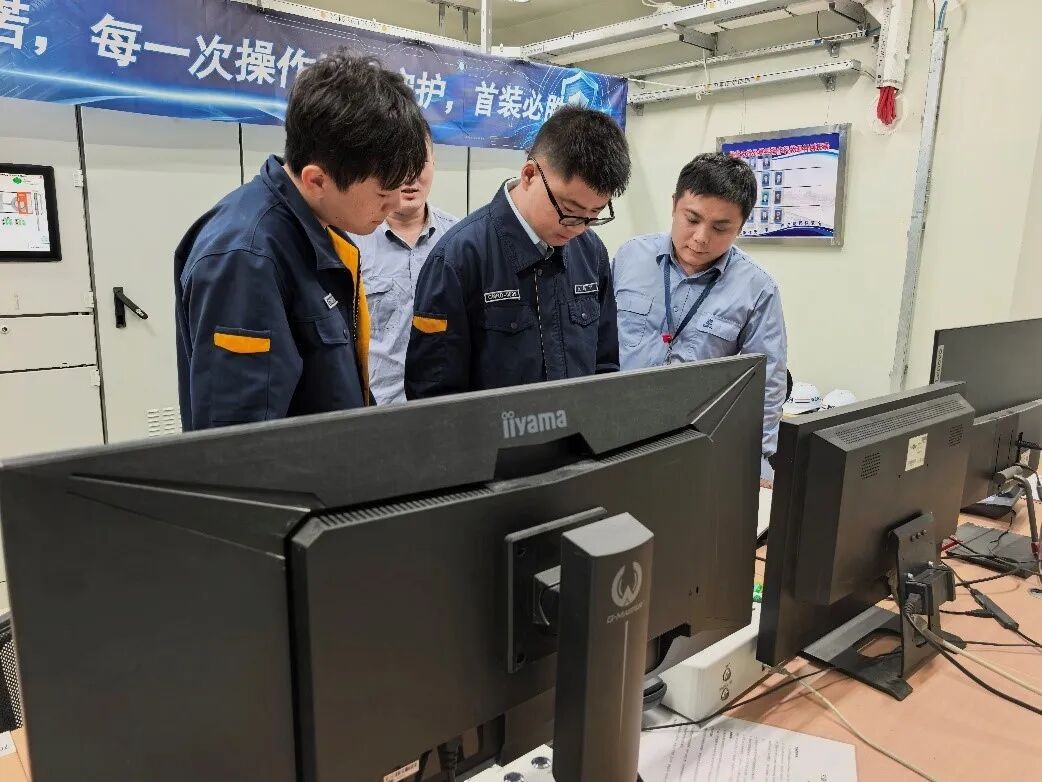
Ministry of Ecology and Environment North China Regional Office of Nuclear and Radiation Safety Supervision Conducts Supervision of First Fuel Loading at Tianwan Nuclear Power Plant Unit 7
Recently, the first fuel loading of Unit 7 at Tianwan Nuclear Power Plant was officially initiated, with the first fuel assembly successfully loaded into the reactor core, marking the unit's formal transition into the commissioning phase with nuclear operation. This unit is a key cooperative project witnessed by the heads of state of China and Russia via video link at its groundbreaking ceremony. This fuel loading marks a significant milestone achievement in the largest strategic cooperation project in China-Russia nuclear energy cooperation. As a core and critical procedure in nuclear power engineering, the first fuel loading serves as a comprehensive and holistic verification of the unit's engineering construction quality, system commissioning effectiveness, and safety control capabilities, and is of decisive significance to the subsequent safe and stable operation of the unit. The Ministry of Ecology and Environment North China Regional Office of Nuclear and Radiation Safety Supervision (hereinafter referred to as the North China Regional Office) has consistently upheld the nuclear safety regulatory work style of "rigorous, prudent, meticulous, and practical," closely focusing on the core and critical aspects of the first fuel loading, and implementing full-coverage, full-chain, and whole-process supervision and control over this fuel loading operation, effectively safeguarding the safety and quality defense line of the loading operation.
2026-08-26
Japan Completes Cryogenic Test of World's Largest Superconducting Toroidal Field Coil for ITER
Japan's National Institutes for Quantum Science and Technology (QST) and Toshiba Corporation announced on August 25 that they had successfully completed the first cryogenic current test of the world's largest superconducting toroidal field coil at the construction site of the International Thermonuclear Experimental Reactor (ITER). The test was conducted at an operating temperature of approximately minus 269 degrees Celsius, marking a critical technical milestone before ITER's commissioning. The superconducting toroidal field coil, also known as the TF coil, installed in the test facility is a key component of ITER's superconducting magnet system, used to generate the strong magnetic field required to confine plasma. During the test, the team cooled the coil from room temperature to cryogenic conditions, confirmed its transition to the superconducting state, and for the first time achieved stable conduction of 10,000 amperes of current while the coil was in the superconducting state.
2026-08-25