
Search Results
Keyword:nuclear power
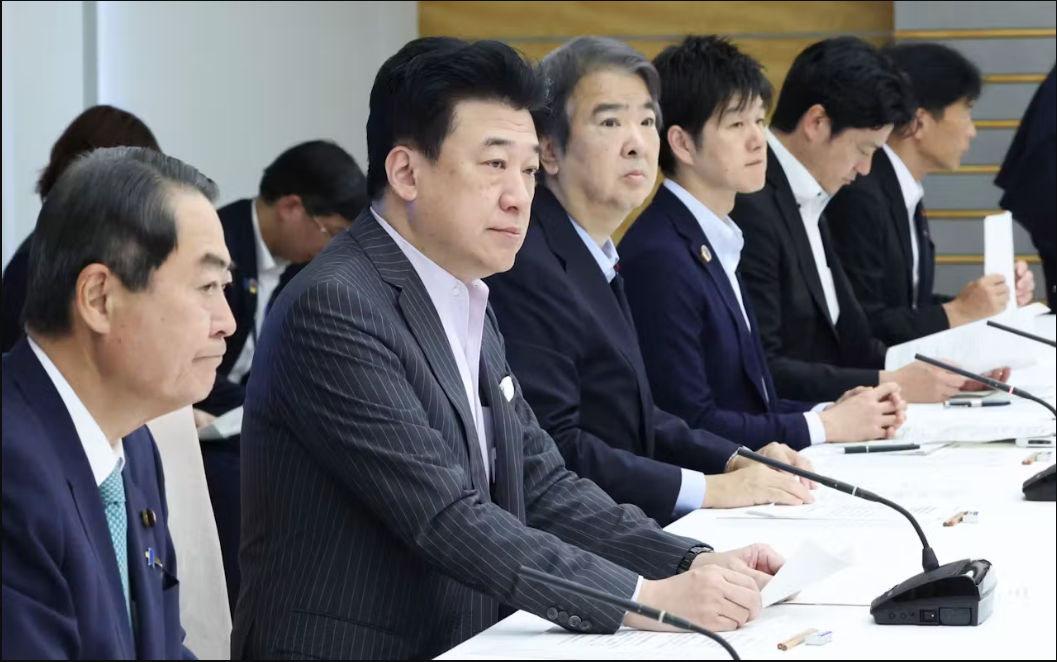
Japan to Use Fukushima Decontaminated Soil at Government Office Buildings in Sendai and Saitama
At a Cabinet meeting held at the Prime Minister's Office on August 25, the Japanese government decided to use decontaminated soil generated from the Tokyo Electric Power Company (TEPCO) Fukushima Daiichi Nuclear Power Station accident for flower beds and other areas at joint government office buildings in Sendai City and Saitama City. This will mark the first use of such recycled soil outside Tokyo. According to the plan, the relevant office buildings will use a total of approximately 2 cubic meters of low-radioactivity "reconstruction recycled soil," with the specific construction schedule still being coordinated. The usage site in Saitama City is located at the government joint office building in the Saitama New Urban Center area, and Sendai City will also implement similar arrangements at its joint government office building. Under Japanese law, soil decontaminated after the Fukushima Daiichi Nuclear Power Station accident must be transported outside Fukushima Prefecture for final disposal by March 2045. The Japanese government hopes that by first using such soil in public facilities, it can promote the final disposal work outside Fukushima Prefecture and enhance public understanding of the safety and necessity of such soil.
2026-08-25
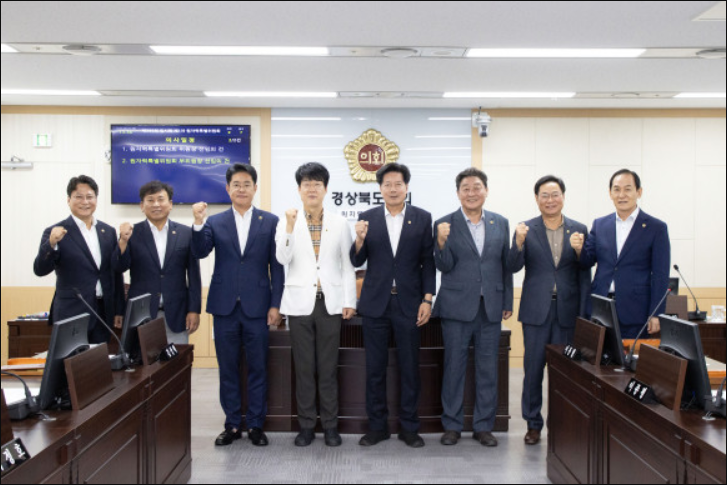
North Gyeongsang Provincial Council Establishes Special Committee on Nuclear Power
On August 25, the North Gyeongsang Provincial Council in South Korea established a Special Committee on Nuclear Power on the first day of its 365th special session, electing provincial council member Kim Jae-jun as committee chairman and Lee Dong-hyeop as vice chairman. According to reports, the committee will focus on addressing major nuclear power-related issues in the region, while also working to enhance the competitiveness of the nuclear power industry in North Gyeongsang Province and safeguard the safety and rights of provincial residents. North Gyeongsang Province is one of the regions in South Korea with a relatively high concentration of nuclear power facilities, having already developed a certain base of nuclear institutions and industrial infrastructure. With the recent confirmation of two new nuclear reactor projects in Yeongdeok County, the committee plans to strengthen on-site investigations and legislative activities to promote the nuclear power industry as a new growth driver for the region's underdeveloped areas.
2026-08-25
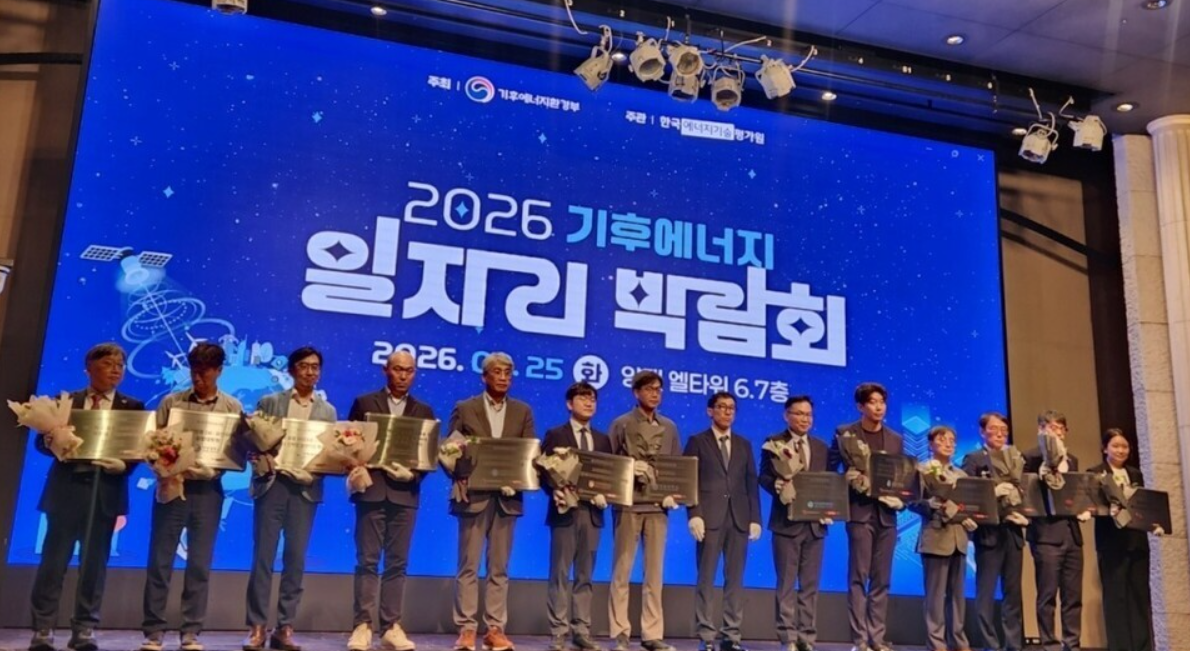
South Korea Launches Next-Generation Energy Leader Training Program in Nuclear Energy
The Next-Generation Energy Leader Training Program in the nuclear energy sector, supported by the Ministry of Climate, Energy and Environment and the Korea Energy Technology Evaluation and Planning Institute (KETEP) and implemented by the Korea Association for Radiation Promotion (KARA), has been officially launched. On August 25, the association held an inauguration ceremony at the 2026 Climate and Energy Job Fair held in Changwon, marking the program's entry into the implementation phase. The program targets young researchers who have recently obtained doctoral degrees, focusing on enhancing their research capabilities and industrial adaptability in the nuclear energy field, while promoting closer talent cultivation linkage mechanisms among universities, enterprises, and research institutions...
2026-08-25
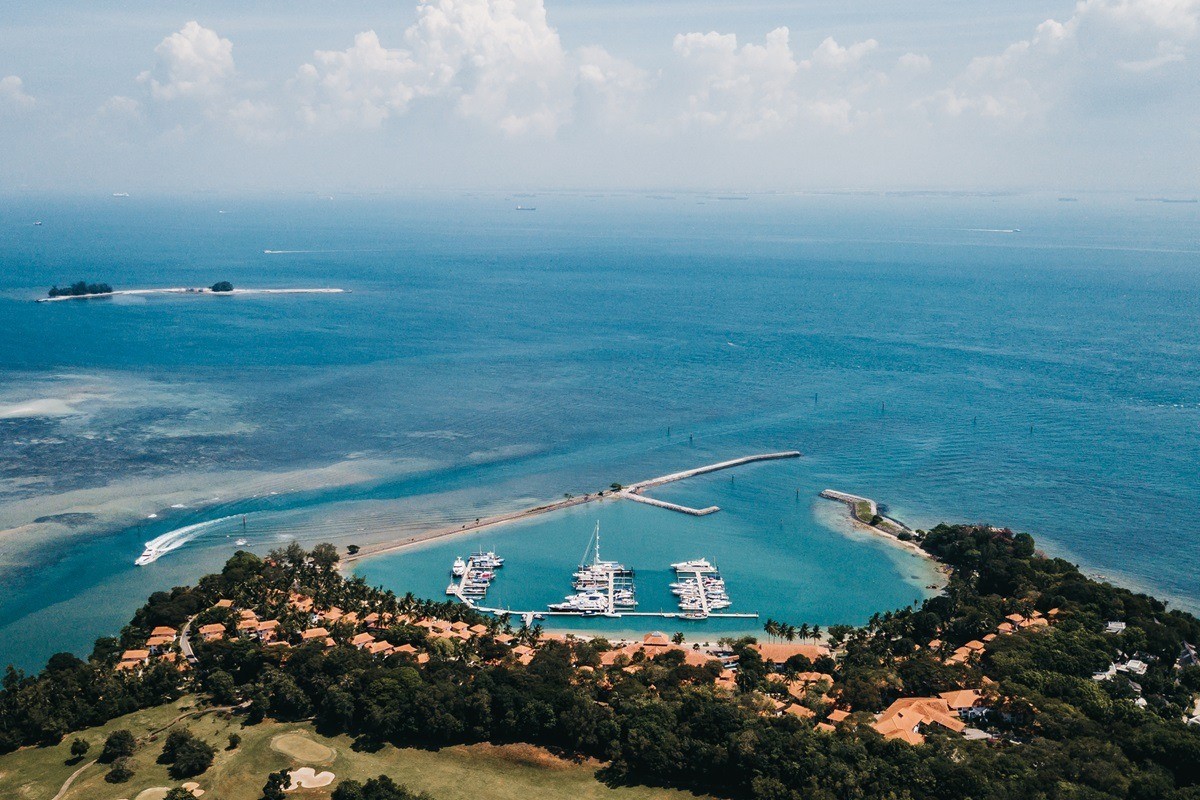
Singapore Plans "Western Island"; Experts Say It Could Serve as a Study Subject for Future Nuclear Power Siting
Singapore plans to integrate several outlying islands south of Jurong Island over the coming decades to build the Western Island, which will support the development of new power generation infrastructure and other projects. Several experts interviewed believe that if Singapore decides to deploy nuclear energy in the future, the Western Island could become one of the potential sites requiring focused study, but it cannot yet be directly equated with a "nuclear island." Singapore Prime Minister Lawrence Wong announced at the National Day Rally on August 23 that Singapore plans to consolidate the small islands south of Jurong Island, including Semakau, Pulau Bukom, and Pulau Sudong, into the Western Island to meet future energy and industrial development needs. Dr. Nian Jiakang, co-founding chairman of an independent energy think tank, believes that Singapore's limited land and dense population make the integration of outlying islands conducive to expanding the research space for future nuclear siting. He said that if Singapore decides to develop nuclear energy, the Western Island should be included as a serious evaluation option, but this does not mean a conclusion has been reached on such deployment.
2026-08-25
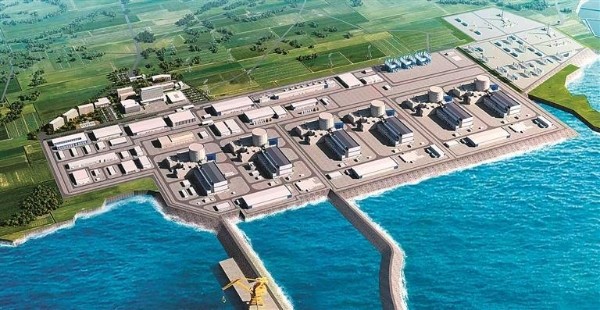
Liaoning Zhuanghe Nuclear Power Enters Construction Preparation Phase, Expected to Complete 2 Billion Yuan in Project Investment by Year-End
On August 22, 85 heavy and light engineering machinery units entered the site simultaneously to carry out topsoil clearing work on 179,000 square meters of land, marking the official entry of the Liaoning Zhuanghe nuclear power project into the construction preparation phase. Rendering of the Liaoning Zhuanghe nuclear power project. The Liaoning Zhuanghe nuclear power project is the first nuclear power project in Northeast China to adopt the Hualong One, China's self-developed third-generation nuclear power technology. The project plans to build six million-kilowatt-class nuclear power units in three phases, with a total investment of approximately 125 billion yuan. The first phase will construct two units with a total investment of approximately 44.56 billion yuan. It was approved at the executive meeting of the State Council on July 31, received formal approval from the National Development and Reform Commission on August 13, and obtained the advance land use approval from the Liaoning Provincial Department of Natural Resources on August 20, meeting the legal conditions for land construction.
2026-08-25
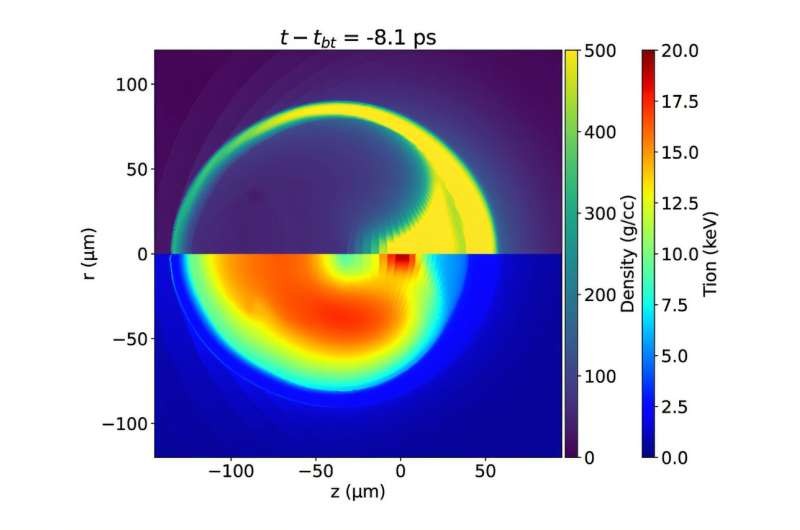
US Study Shows Inertial Fusion Implosions Can Tolerate Certain Asymmetries
Researchers at the Lawrence Livermore National Laboratory (LLNL) in the US have recently found that implosion designs for inertial fusion energy (IFE) can withstand considerable imperfections before performance degrades sharply. This result aids in the design of fuel targets for future fusion power plants, particularly in assessing the tolerance of target capsules to errors under high-frequency injection and laser-driven conditions. The study's simulation results show the density (top) and temperature (bottom) at the instant just before fusion reactions peak in an asymmetric implosion. The hottest spot coincides with the point of highest fuel density, indicating direct ignition of high-density fuel jets driven by asymmetry. The image was recently selected for the cover of Physics of Plasmas...
2026-08-25
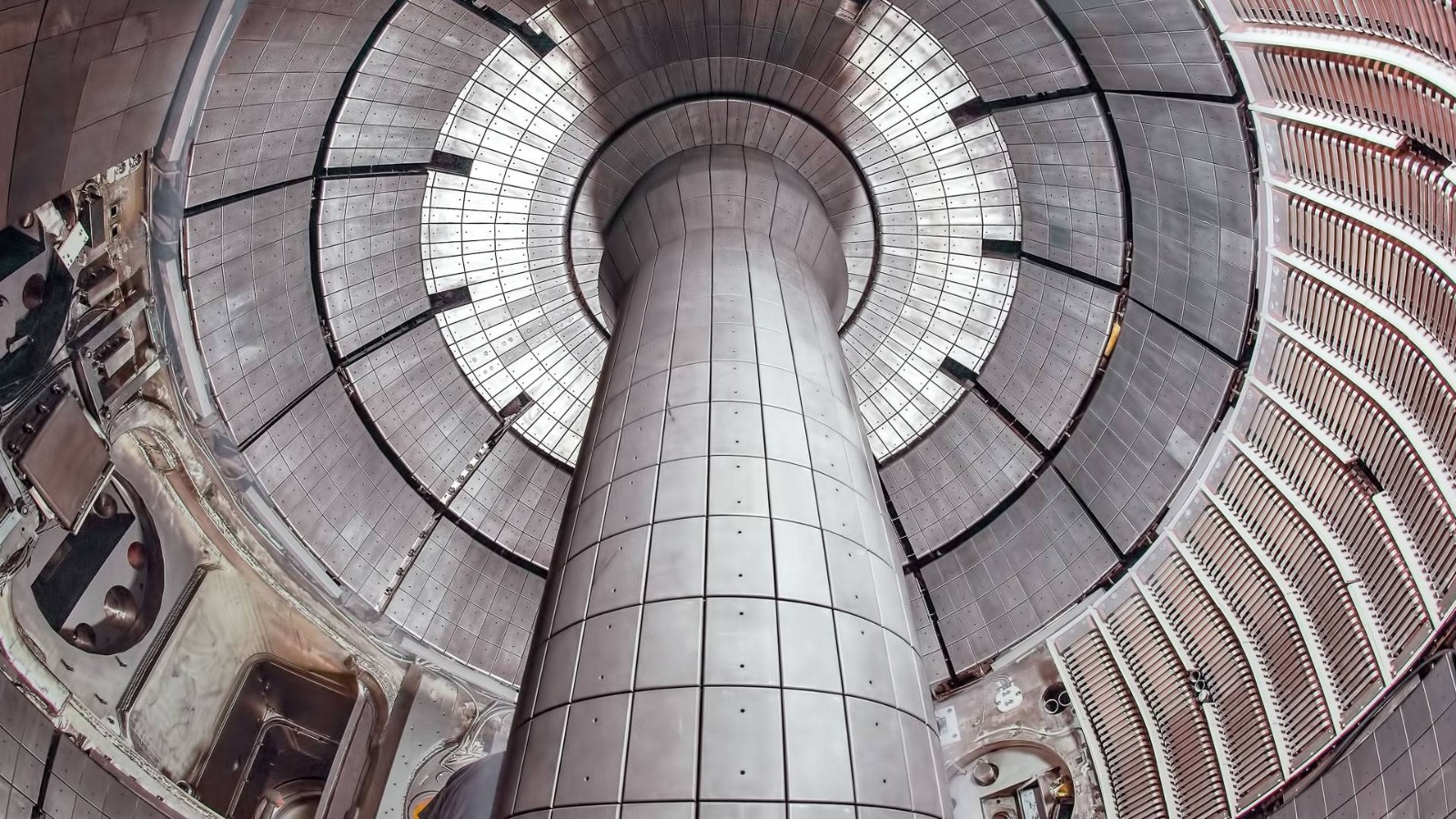
U.S. Department of Energy Extends Princeton University Contract to Operate PPPL
The U.S. Department of Energy (DOE) and Princeton University have extended the contract under which Princeton University manages and operates the Princeton Plasma Physics Laboratory (PPPL). The laboratory is located on Princeton University's Forrestal Campus in Plainsboro, New Jersey. Under the new extension, the contract will be renewed for five years starting April 1, 2027. Princeton University expects to strengthen collaboration with faculty and research teams on campus during the contract period, explore next-generation fusion energy research facilities, and enhance laboratory infrastructure and safety to support ongoing operational needs. Princeton University's office for research affairs...
2026-08-25
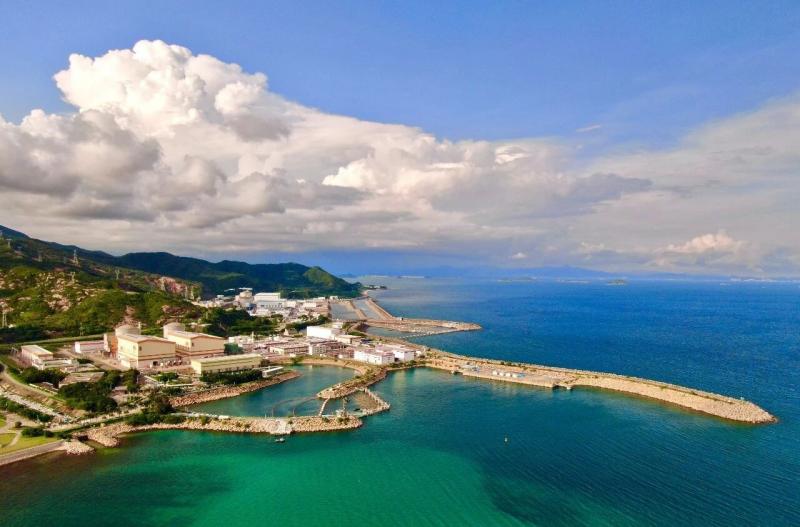
China's Nuclear Power Installed Capacity Up 8.5% Year-on-Year by End of July
On August 25, the National Energy Administration released national electricity statistics for January-July. By the end of July, the country's cumulative installed power generation capacity reached 4.08 billion kilowatts, up 11.0% year-on-year. Among this, nuclear power installed capacity stood at 66.14 million kilowatts, up 8.5% year-on-year. During January-July, the country added 3.62 million kilowatts of new nuclear power installed capacity. In the same period, the cumulative average utilization hours of power generation equipment nationwide were 1,671 hours, down 135 hours from the same period last year. The data also showed that by the end of July, thermal power installed capacity was 1.58 billion kilowatts, up 6.3% year-on-year; hydropower installed capacity was 456 million kilowatts, up 3.4% year-on-year; wind power installed capacity was 687 million kilowatts, up 19.5% year-on-year; solar power installed capacity was 1.288 billion kilowatts, up year-on-year...
2026-08-25
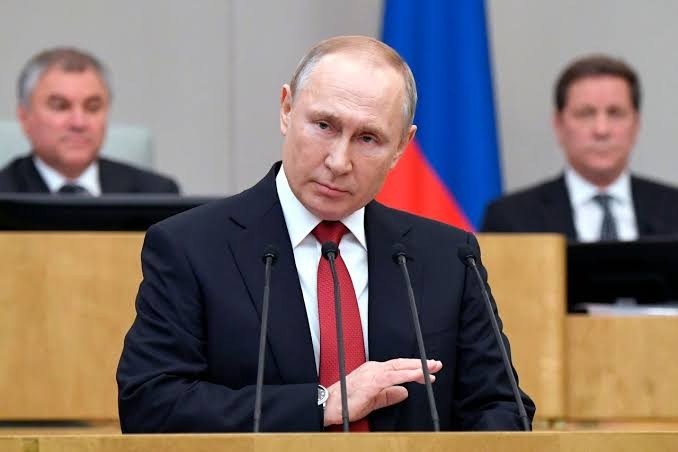
Russia and India to Advance Cooperation in Nuclear Energy and Other Fields
Russian President Vladimir Putin said at a meeting with Indian Foreign Minister Subrahmanyam Jaishankar in Moscow on August 24 that Russia has identified energy, nuclear energy, and high-tech as key areas of bilateral cooperation with India, with relevant topics steadily advancing on the bilateral agenda. Putin stated that Russia and India maintain cooperation across multiple fields, and bilateral trade volume has grown this year. During the talks, he mentioned that issues such as energy, fertilizer supply, nuclear energy, and high-tech cooperation have been discussed under the India-Russia intergovernmental mechanism. Earlier that day, Jaishankar co-chaired the 27th session of the India-Russia Intergovernmental Commission on Trade, Economic, Scientific, Technological and Cultural Cooperation (IRIGC-TEC) with Russian First Deputy Prime Minister Denis M...
2026-08-25

Russia and Algeria Advance Cooperation in Peaceful Uses of Nuclear Energy
August 22 news, Russian Ambassador to Algeria Alexey Solomatin said in an interview that Russia and Algeria are advancing cooperation in the field of peaceful uses of nuclear energy, with direct working contacts established between the relevant agencies of the two countries. Solomatin stated that cooperation between the two countries in this field is expanding. The basis for bilateral cooperation is the Intergovernmental Agreement on Cooperation in the Peaceful Uses of Nuclear Energy signed in 2014. In addition, Russia and Algeria signed the Roadmap for Cooperation in the Peaceful Uses of Nuclear Energy during the 2024 International Atomic Energy Expo (Atomexpo), outlining the main directions of bilateral cooperation. He noted that the practical implementation of the agreements will begin in 2...
2026-08-25
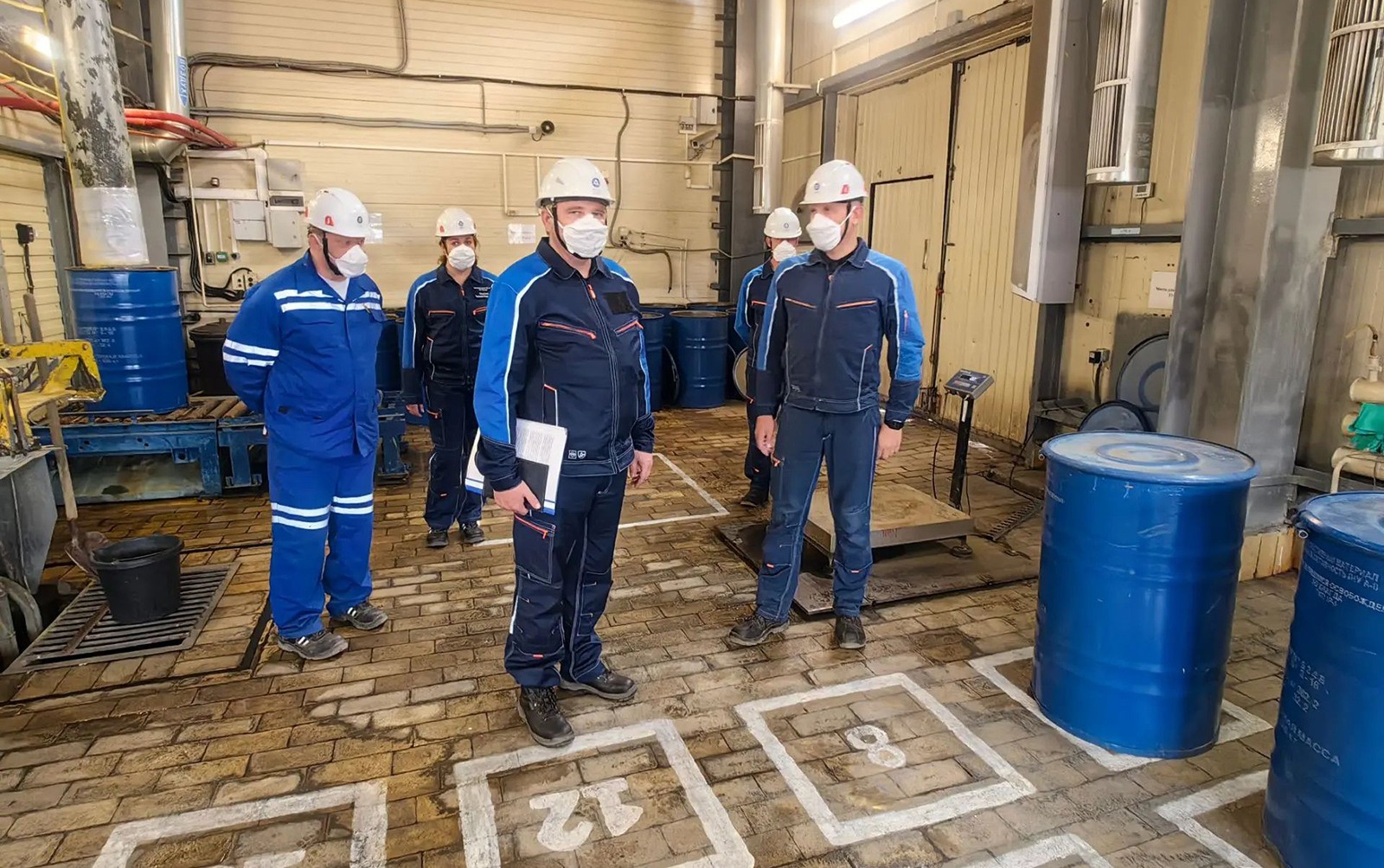
Russia's Khiagda Uranium Enterprise Passes Routine Regulatory Inspection
Khiagda JSC, part of the mining division of Russia's State Atomic Energy Corporation (Rosatom), has completed a routine on-site inspection by the Federal Service for Environmental, Technological and Nuclear Supervision (Rostekhnadzor). The inspection covered the company's uranium mining-related facilities and its nuclear energy utilization activities. The inspection team was led by Mikhail Morev, Head of the Department for Assessment, Licensing and Inspection of Industrial Nuclear Reactors and Spent Nuclear Fuel Management Facilities at Rostekhnadzor. The team inspected the railway freight yard in Chita, as well as the central production site in the Bauntovsky District of the Republic of Buryatia...
2026-08-25
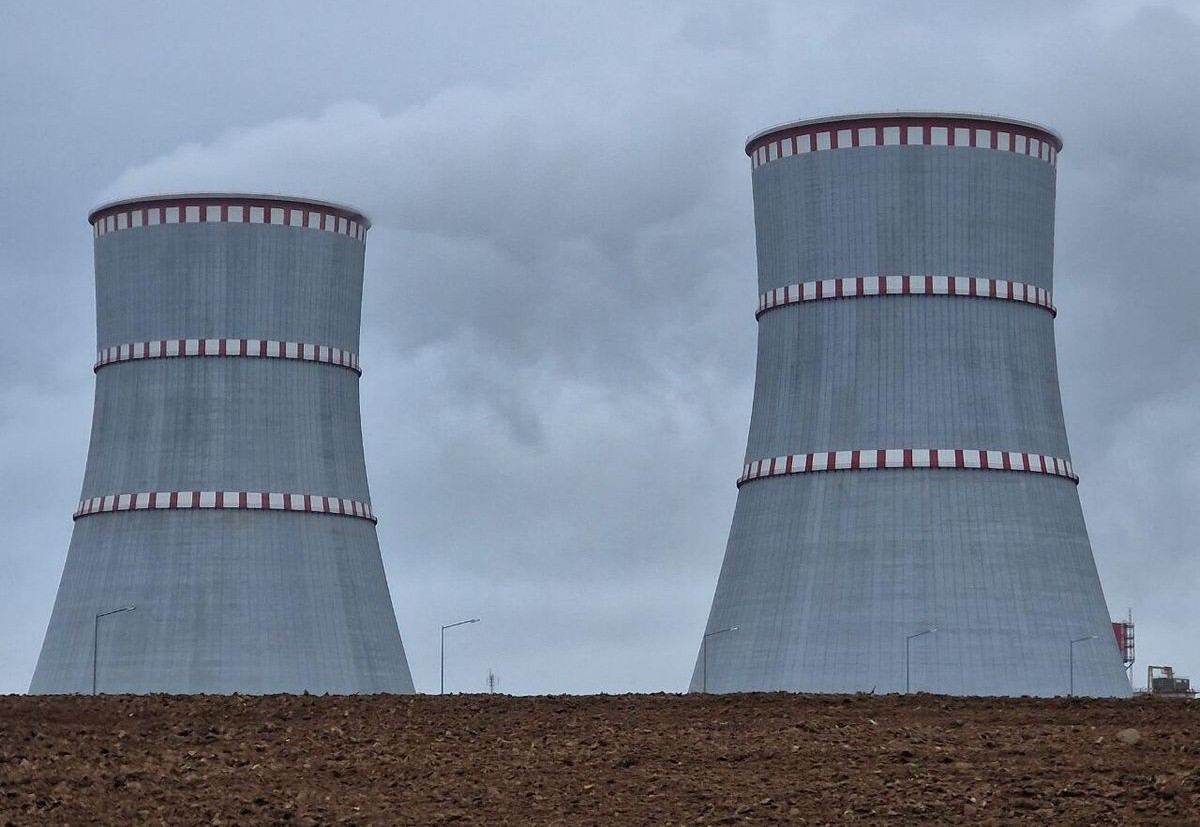
Belarusian Nuclear Power Plant's cumulative electricity generation exceeds 65.5 billion kWh
Belarusian Energy Minister Denis Moroz stated before the start of the Minsk-Ostrovets electric vehicle rally that the cumulative electricity generation of the Belarusian Nuclear Power Plant has exceeded 65.5 billion kWh, currently accounting for approximately 40% of the country's total electricity output. Moroz said that since the plant's commissioning, it has effectively replaced a portion of natural gas consumption, reduced foreign exchange expenditure pressure caused by energy imports, and is of great significance to Belarus's economic operation. Located in Ostrovets, Grodno Region, the Belarusian Nuclear Power Plant is the country's first nuclear power plant, constructed under the Russian AES-2006 design. The project commenced in 2013 and is being built with the participation of Rosatom...
2026-08-25
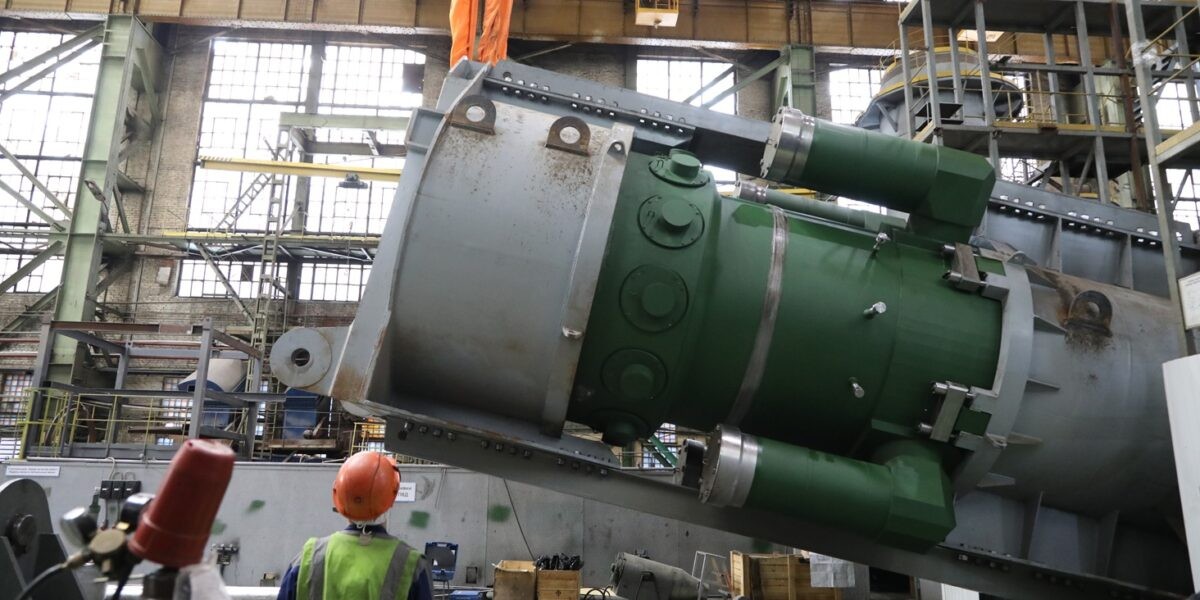
Russia has manufactured 15 RITM-200 reactors
Alexey Likhachev, CEO of Rosatom, presented plans for constructing nuclear power plants of various capacities at a nuclear energy development meeting, with small-capacity nuclear power systems being one of the key topics. According to the presentation, Russia has manufactured 15 RITM-200 reactors to date, with another 13 under construction. The RITM-200 is Russia's new-generation marine reactor, primarily used in Project 22220 nuclear-powered icebreakers. The most recent reactor equipment has been delivered to the nuclear-powered icebreaker Leningrad. Rosatom is developing small nuclear power plant solutions based on the RITM-200, covering both land-based and marine applications...
2026-08-25
Russia Plans to Update Regulatory Framework for Advanced Nuclear Technologies
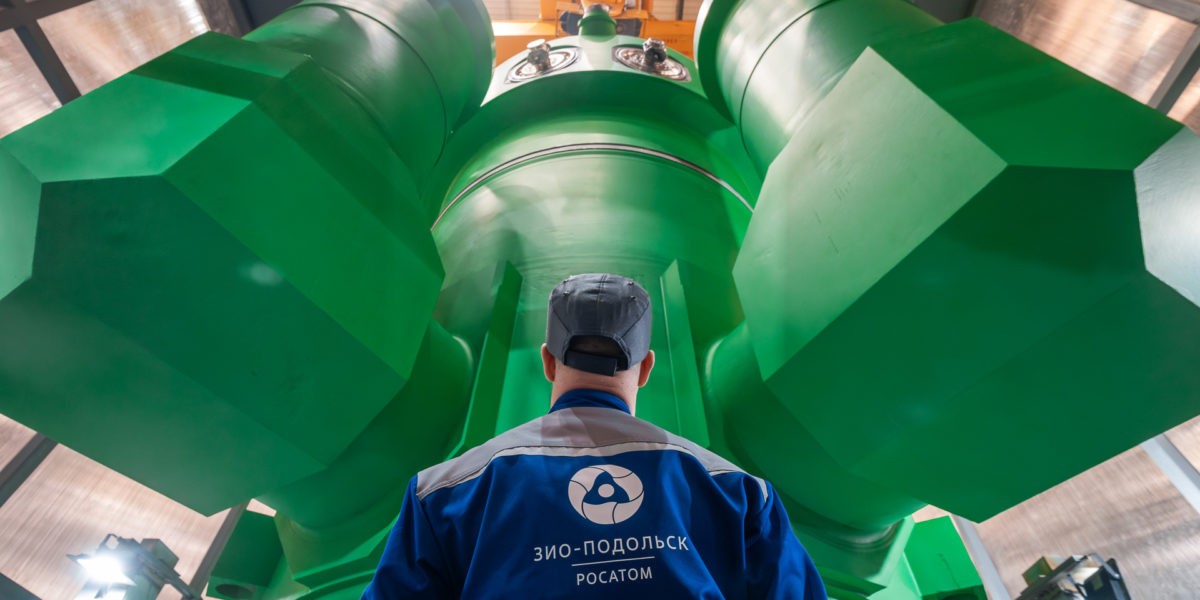
Alexey Likhachev, Director General of Rosatom, stated at a presidential meeting that the pace of nuclear technology development is outpacing the adaptability of the existing technical regulatory system, making it necessary to update relevant federal laws and regulations. Likhachev believes that regulatory adjustments should align with the development of advanced nuclear technologies, but without compromising regulatory independence or introducing additional safety risks. He proposed drawing on internationally accepted practices by conducting regulatory assessments at an early stage of projects, meaning regulators would engage in communication with developers before formal license applications are submitted, so as to resolve potential disputes before project construction begins...
2026-08-25
Rosatom to Conduct Site Surveys for Myanmar Small Nuclear Power Plant in 2027
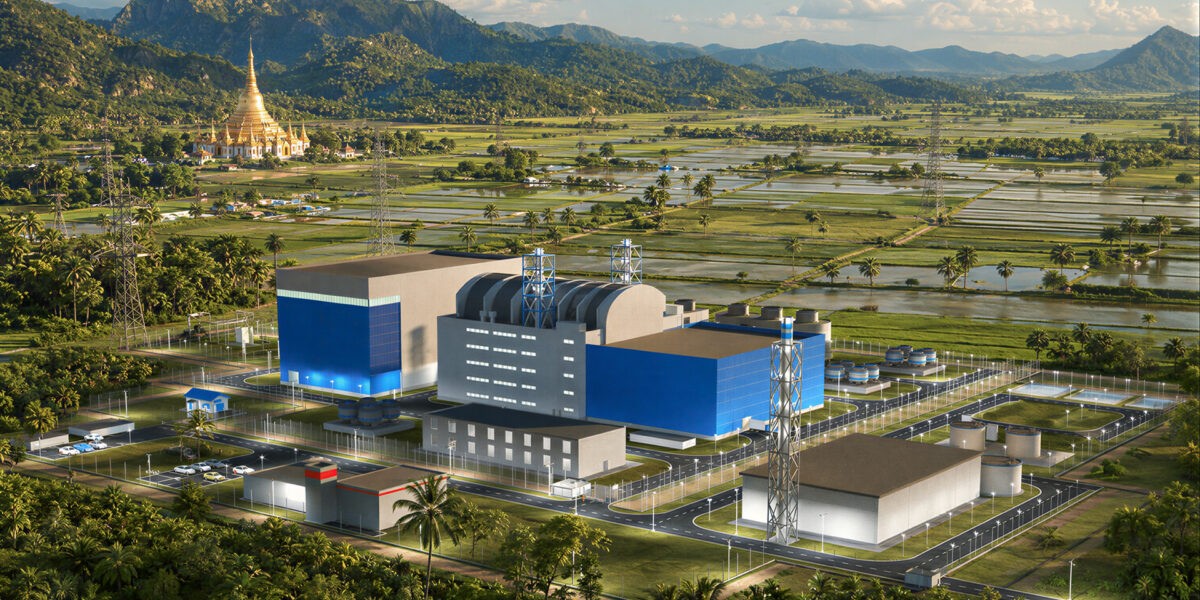
Russia and Myanmar are advancing the implementation of a small nuclear power plant project. Russian Prime Minister Mikhail Mishustin stated during a meeting with visiting Myanmar President Min Aung Hlaing on August 18 that the project will promote deeper cooperation between the two countries in basic research, applied sciences, and related fields. Rosatom CEO Alexey Likhachev said the company expects to sign a preliminary engineering survey contract by the end of this year and plans to commence site construction in 2027. He also noted that the project timeline depends not only on the Russian side but also on...
2026-08-25