
Search Results
Keyword:nuclear power
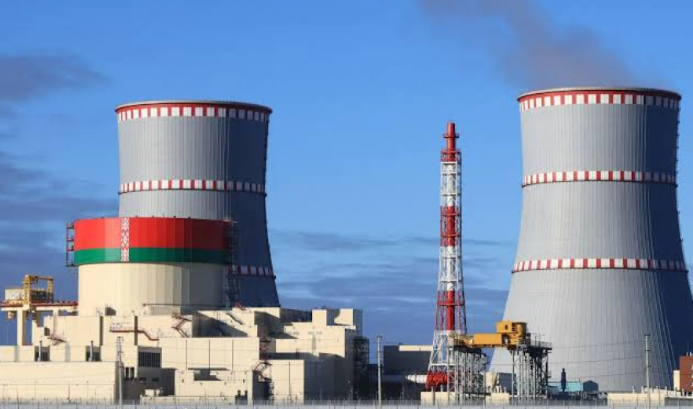
Belarus Plans Construction of New Nuclear Power Plant
Belarus plans to build a third unit at its existing nuclear power plant and is planning a second nuclear power plant. The Belarusian nuclear power plant has become a flagship project of the Union State and a symbol of cooperation between Belarus and Russia. However, the country does not intend to stop there. The President of Belarus has made an important decision: to build a third unit at the existing nuclear power plant, while studying the possibility of constructing a second nuclear power plant in the Mogilev region. Energy Minister Denis Moroz discussed the significance of this initiative, its timeline, and the direction of energy development over the next 15 years in the "Economic Environment" program. In 2008, the President of Belarus made the strategic decision to build a nuclear power plant, at a time when other countries were shutting down...
2026-08-06

"China Nuclear Power Development Report (2026)": China's Total Scale of Operating and Approved-Under-Construction Nuclear Power Units Ranks First in the World
On August 6, the National Energy Administration released the "China Nuclear Power Development Report (2026)". As of the end of 2025, China had a total of 112 nuclear power units in operation and approved for construction, with a total installed capacity of 125 million kilowatts, ranking first in the world. Among them, 59 units were in operation with an installed capacity of 62.48 million kilowatts, ranking third globally; 53 units were approved and under construction with a capacity of 62.93 million kilowatts, maintaining the world's largest nuclear power engineering construction scale for 19 consecutive years. The report shows that during the "14th Five-Year Plan" period, China newly approved 46 nuclear power units with a total capacity of 54.5 million kilowatts, and newly commissioned 11 units with a capacity of 12.45 million kilowatts. In 2025, China commissioned one new nuclear power unit, namely Unit 2 of the "Guohe One" demonstration project; and approved the construction of 10 new nuclear power units with a total capacity of 12.1 million kilowatts, involving Units 5 and 6 of Zhejiang Sanmen, Units 5 and 6 of Shandong Haiyang, Units 1 and 2 of Fujian Xiapu, Units 3 and 4 of Guangdong Taishan, and Units 5 and 6 of Guangxi Fangchenggang...
2026-08-06
CGN and Shandong Provincial People's Government Sign Strategic Cooperation Agreement
On August 5, China General Nuclear Power Group Co., Ltd. and the People's Government of Shandong Province signed a strategic cooperation agreement in Jinan. Zhou Naixiang, Deputy Secretary of the Shandong Provincial Party Committee and Governor of Shandong Province, and Pang Songtao, Deputy Secretary of the Party Committee and General Manager of China General Nuclear Power Group Co., Ltd., witnessed the signing. Zhang Haibo, Member of the Standing Committee of the Shandong Provincial Party Committee and Executive Vice Governor of Shandong Province, and Cai Zhen, Member of the Standing Committee of the Party Committee and Vice General Manager of China General Nuclear Power Group Co., Ltd., signed the agreement on behalf of both parties respectively. According to the agreement, the two parties will carry out multi-level, multi-field, and multi-form cooperation and exchanges in accordance with laws and regulations, with a focus on frontier innovation areas such as nuclear energy development and utilization, deep-sea offshore wind power, new energy industries, and nuclear technology applications, intensifying cooperative development efforts to support Shandong Province in building a pilot zone for green, low-carbon, and high-quality development.
2026-08-06
World Nuclear Association: Global Nuclear Power Investment Must Reach $250 Billion Annually to Support Tripling of Installed Capacity by 2050
Global nuclear power investment is expected to see significant growth, with annual investment needs potentially exceeding $250 billion by 2050 to meet rising world energy demand. According to a report by the World Nuclear Association (WNA), this investment scale aims to at least triple global nuclear power installed capacity and is supported by 38 countries. This represents a potential investment opportunity of up to $6 trillion for the nuclear power industry, attracting widespread attention. In addition to government funding, private sector capital participation is crucial to the comprehensive development of nuclear power. The report emphasizes that investment should not only focus on new nuclear power plant construction but also expand the nuclear fuel cycle to support large-scale operations, ensure energy supply...
2026-08-06
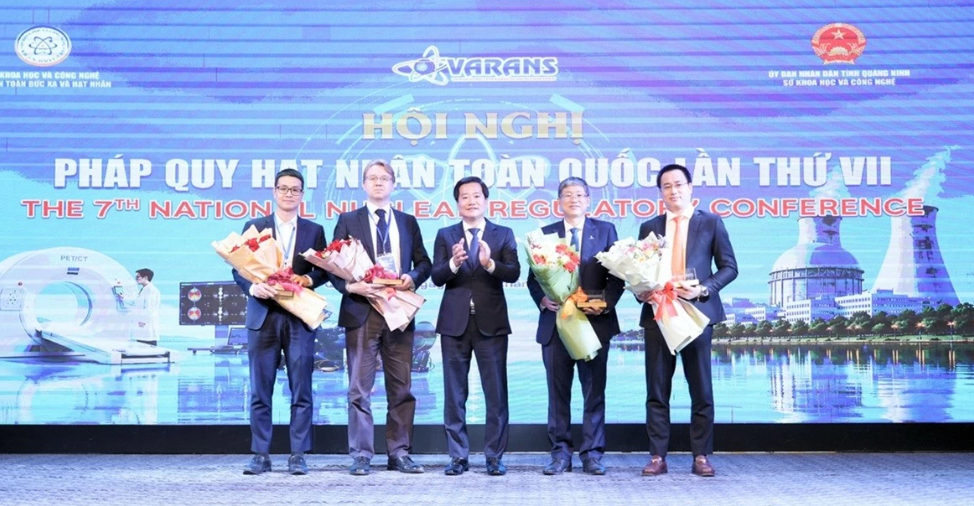
Petrovietnam Calls for Synchronized Regulation and Development in Ninh Thuan 2 Nuclear Power Project
Petrovietnam has proposed adopting a synchronized coordination mechanism in the development of the Ninh Thuan 2 nuclear power project. The Group believes that for this nuclear power plant project, regulatory, licensing, and inspection procedures should proceed in parallel with the project development process during the investment preparation phase. This approach can enhance document quality, control risks, and ensure the project is implemented safely and in compliance with standards. Petrovietnam emphasized that nuclear power projects require regulatory work (including licensing, assessment, and review) to be integrated into all stages of the project lifecycle, rather than being treated as a subsequent step. The Vietnam Oil and Gas Group proposed that, to effectively advance project preparation, regulatory capacity building should be strengthened...
2026-08-06

UK Energy - Nuclear joins World Association of Nuclear Operators
Great British Energy - Nuclear (GBE-N) has joined the World Association of Nuclear Operators (WANO) as a new member of its fifth membership category. This membership category is open to organizations worldwide that are planning, constructing, or preparing to operate new nuclear facilities. By joining WANO, GBE-N will gain access to the association's global professional network, operational experience feedback, and tailored support for new nuclear projects. WANO can provide assistance in the construction, commissioning, operational readiness, startup, and long-term safe and reliable operation of new nuclear plants. GBE-N, a UK government-owned entity, is advancing plans to deploy Rolls-Royce Small Modular Reactors in Gwynedd, North Wales (formerly known as Wylfa).
2026-08-06

South Korea Moves to Legislate Advance Ordering Rules for Key Nuclear Equipment
The South Korean government and the ruling party are pushing to revise nuclear-related regulations, aiming to codify the advance ordering mechanism for key nuclear power plant equipment into law. The initiative seeks to clarify the legal basis for ordering certain long-lead-time manufactured equipment before the licensing process is completed, reducing disputes over the timing of equipment orders during nuclear plant construction. According to sources from the National Assembly and the government, Democratic Party lawmaker Heo Seong-mu has drafted an amendment to the Nuclear Power Plant Regulatory Act that includes provisions allowing advance ordering of critical components needed for nuclear plant construction. The amendment is currently gathering co-signatures from ruling party lawmakers and will be submitted for parliamentary review once the required quorum is reached. The amendment's progress...
2026-08-06
Changwon City Advances SMR Industry Support System
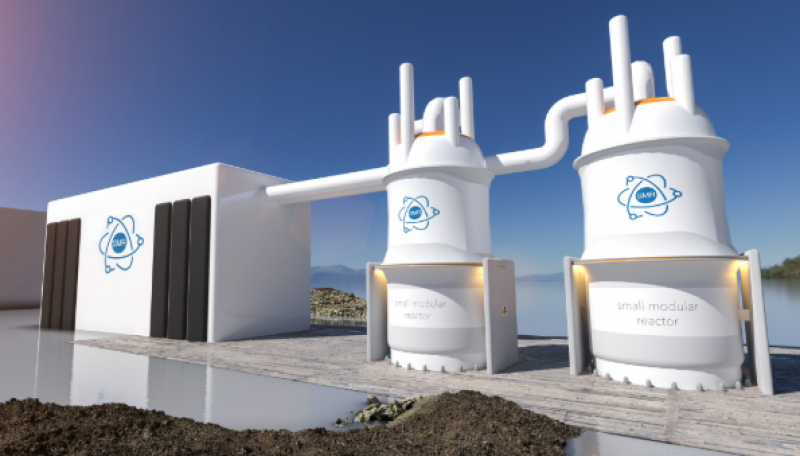
Changwon City in South Gyeongsang Province, South Korea, is advancing a local nuclear industry support system centered on Small Modular Reactors (SMRs), and will formulate its first mid-to-long-term nuclear industry plan. Changwon City announced on August 5 that it plans to conduct consulting services for the "Changwon City Nuclear Industry Development Plan (2027–2030)" from October this year to April next year. The project, with a budget of 45 million KRW, will be entrusted to the Changwon Industry Promotion Agency, focusing on systematically supporting the local nuclear industry and improving the relevant institutional framework. The "Changwon City Nuclear Industry Promotion and Support Ordinance," which underpins this effort, was enacted in 2023. South Korea has recently designated SMRs as one of its national strategic directions. In February of last year, the South Korean government proposed in the "11th Basic Plan for Power Supply and Demand" to achieve commercialization of a 0.7 GW-class SMR demonstration unit by 2035. Meanwhile, the "Special Act on SMRs," passed by the National Assembly, is expected to take effect next month. On the 4th, the government also revised the "Special Tax Limitation Act" and its enforcement decree, designating SMRs with an output of 300 MW or less, as well as Micro Modular Reactors (MMRs) of 20–30 MW class and below, as national strategic technologies. In addition to existing projects, Changwon City also plans to conduct research on "Strategy Formulation for an SMR R&D Special Zone" in cooperation with relevant agencies. The city hopes to create synergies with the "Changwon Second National Industrial Complex," which is currently attracting investment, and to promote the establishment of an SMR industry manufacturing hub. Changwon City is home to Doosan Enerbility and its cluster of partner companies, with Doosan Enerbility being one of South Korea's major manufacturers of nuclear power plant key components. In terms of infrastructure, the "Gyeongnam Nuclear Industry Comprehensive Support Center," which provides office space for businesses, broke ground in February of last year and is scheduled for completion in September next year; the "Small Modular Reactor Robot Manufacturing Support Center," which will handle R&D support and workforce training, is planned for completion by December 2028; and the "Small Modular Reactor Manufacturing Parts Testing and Inspection Support Center," which received national funding in April of last year with a budget of 27.4 billion KRW, is currently undergoing conceptual architectural design and is scheduled for completion by December 2029.
2026-08-06
Vietnam Issues 470 International Nuclear Energy Standards Covering the Full Chain of Nuclear Power Plants, Research Reactors, SMRs, and Radiation Protection
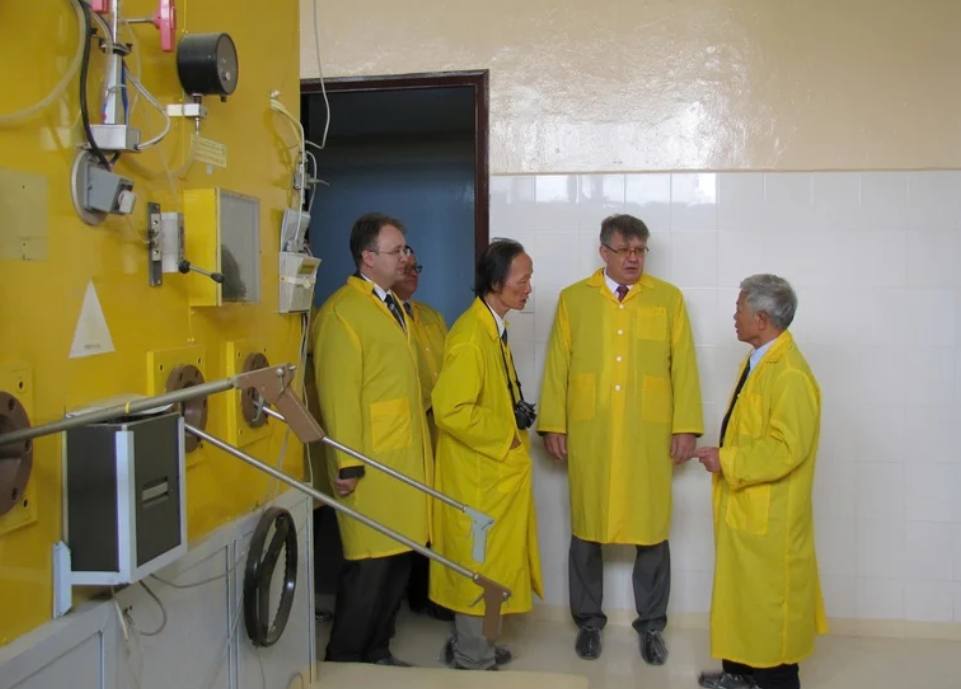
Vietnam is preparing for nuclear energy development, with the Ministry of Science and Technology recently issuing a list of 470 international and foreign standards directly applicable to the atomic energy sector. These standards cover multiple aspects including safety, design, operation, equipment, personnel, radiation protection, nuclear security, and accident response, aiming to ensure the safe and reliable operation of nuclear facilities throughout their entire lifecycle. The list encompasses requirements across a wide range of fields, from nuclear power plants and research reactors to fuel technology, monitoring systems, radioactive waste management, and nuclear security. For nuclear power plants, the standards cover analysis, safety assessment, design, commissioning, equipment classification, accident management, aging management, maintenance...
2026-08-06
TAE Technologies and Black Moon Energy Sign Helium-3 Supply Cooperation Agreement
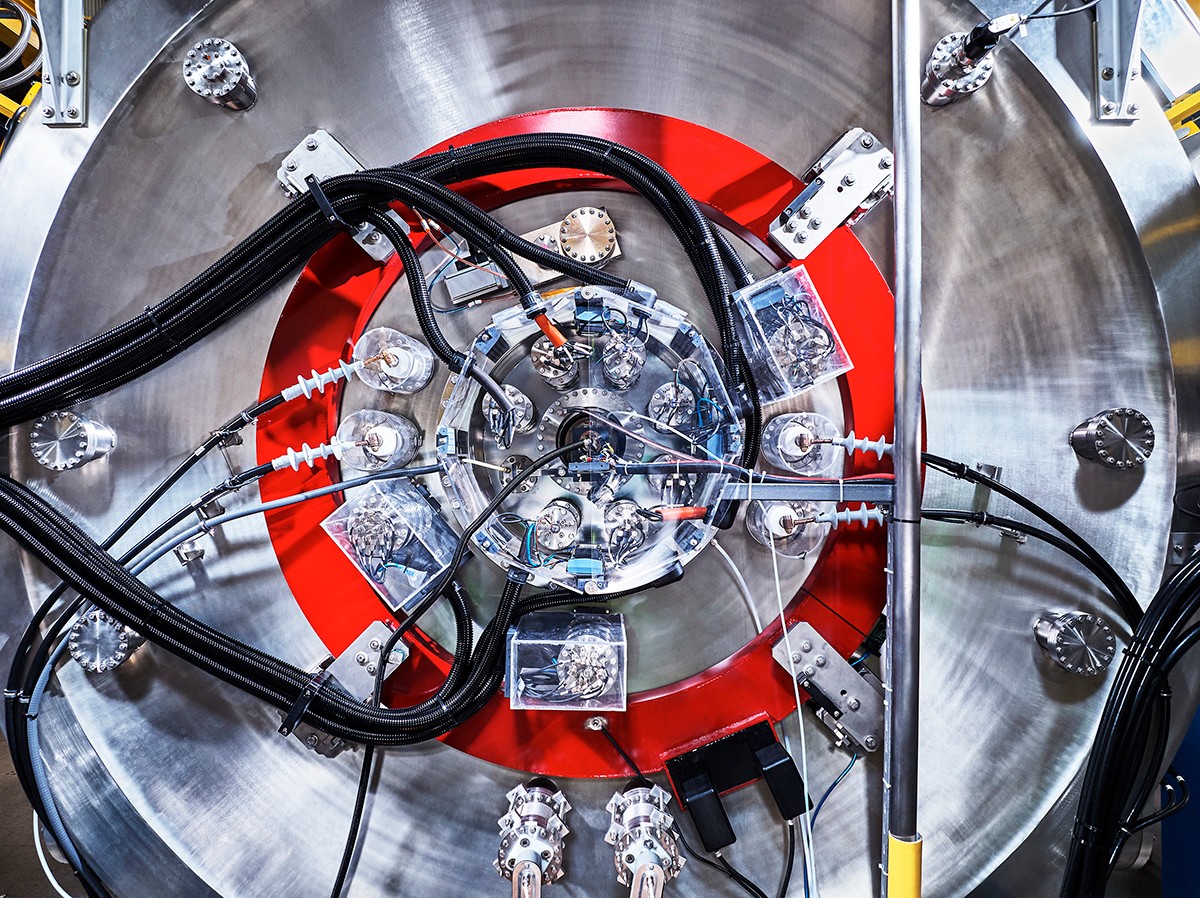
On August 5, local time, fusion energy company TAE Technologies announced a cooperation agreement with Black Moon Energy Corporation (BMEC). The two parties will collaborate on helium-3 (He-3) fuel supply solutions and commercial development needed for the future commercialization of fusion energy. Under the agreement, Black Moon Energy will supply helium-3 fuel to TAE Technologies. TAE Technologies CEO Michl Binderbauer stated that the agreement helps accelerate the company's energy goals through alternative fuel supply solutions. The company noted that its fusion technology pathway offers high flexibility in fuel cycle selection, allowing it to choose more cost-competitive fuel cycles based on long-term fuel market changes.
2026-08-06
Bulgaria's Kozloduy Units 5 and 6 VVER-1000 Continue Stable Power Generation
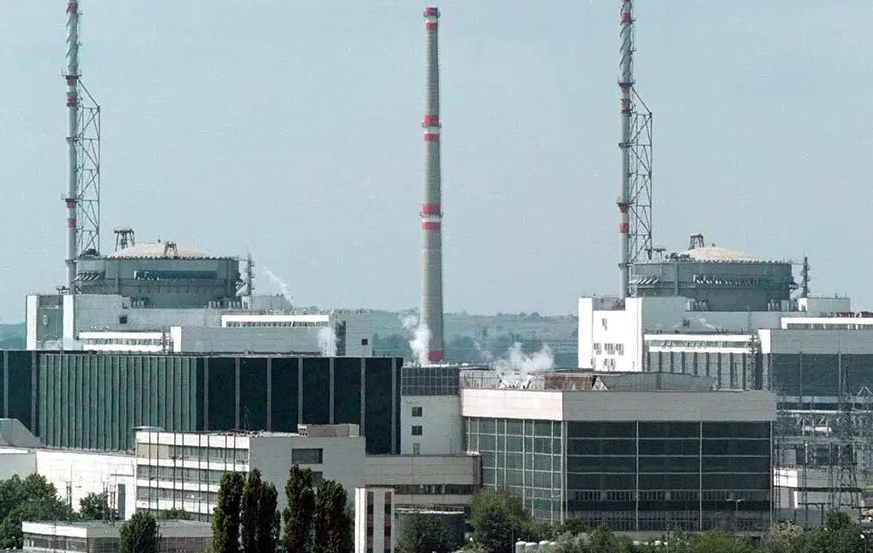
Bulgaria's Ministry of Energy confirmed on August 4 that Units 5 and 6 (both VVER-1000) at the Kozloduy Nuclear Power Plant remain stably connected to the grid despite record-low Danube River water levels and an ongoing heatwave. Professional assessments indicate that even if the river level continues to decline at the current rate, no power reduction will be required for the next three weeks. Bulgarian authorities have confirmed that they maintain continuous contact with relevant institutions in Serbia and Romania to coordinate and monitor the situation on the Danube waterway. The stable operation of the Kozloduy Nuclear Power Plant comes at a time when neighboring operators along the Danube have been forced to reduce output or cease operations. Due to the sharp drop in water levels and rising river water temperatures, Hungary has had to significantly reduce power output and shut down the Paks Nuclear Power Plant, which supplies more than 40% of the country's electricity.
2026-08-06
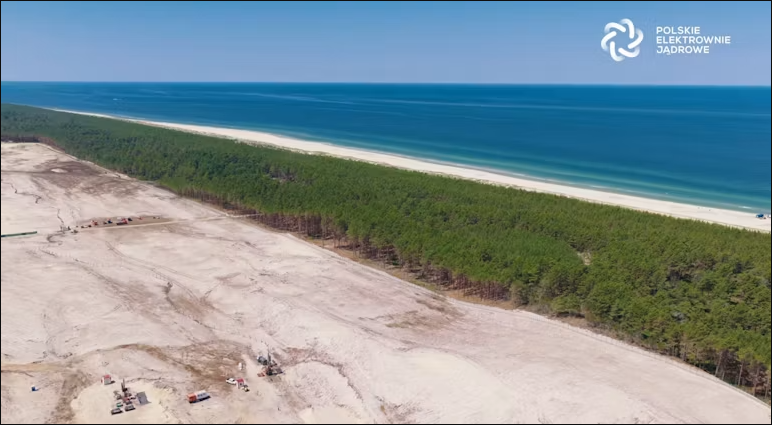
Site Handover for Poland's First Commercial Nuclear Power Plant to Bechtel
New progress has been made in the construction of Poland's first commercial nuclear power plant. The Lubiatowo-Kopalino site in the Pomerania region of northern Poland has been handed over to Bechtel of the United States, and earthworks at the project site are underway. Polskie Elektrownie Jądrowe (PEJ), Poland's state-owned project company, stated that Bechtel has replaced PEJ as the site coordinator for the project. Under the Polish government's earlier arrangement, the nuclear power plant will feature three Westinghouse Electric Company AP1000 pressurized water reactor units. In 2023, Westinghouse Electric Company and Bechtel formed a consortium to jointly advance project implementation. The nuclear power plant is sited in the Lubiatowo-Kopalino area along the Baltic Sea coast in Poland.
2026-08-06
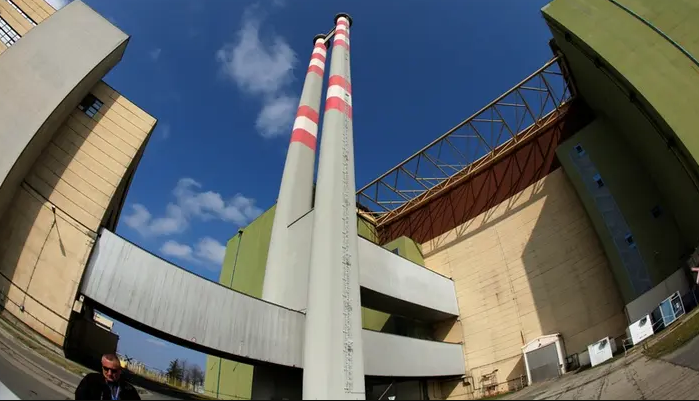
Hungary's Paks Nuclear Power Plant Avoids Full Shutdown as Danube Rises 2 cm, Now Operating at Only 240 MW
From the night of August 4 to the early morning of August 5, Hungary's Paks Nuclear Power Plant (about 100 km south of Budapest, commissioned in 1982, never fully shut down in its history) nearly disconnected from the grid due to low Danube water levels—3 of its 4 units had been sequentially shut down, leaving only one turbine operating at about 240 MW (normal output near 2,000 MW), supplying roughly half of Hungary's electricity. Hungarian Prime Minister Péter Magyar stated that the river level rose about 2 cm overnight, allowing the final unit's cooling to be maintained and averting the first full shutdown in 44 years; temperatures are still expected to exceed 40°C in the coming days, with cooling and rainfall only anticipated around Friday (approximately August 8). To alleviate energy pressure, Prime Minister Magyar thanked those who voluntarily...
2026-08-06
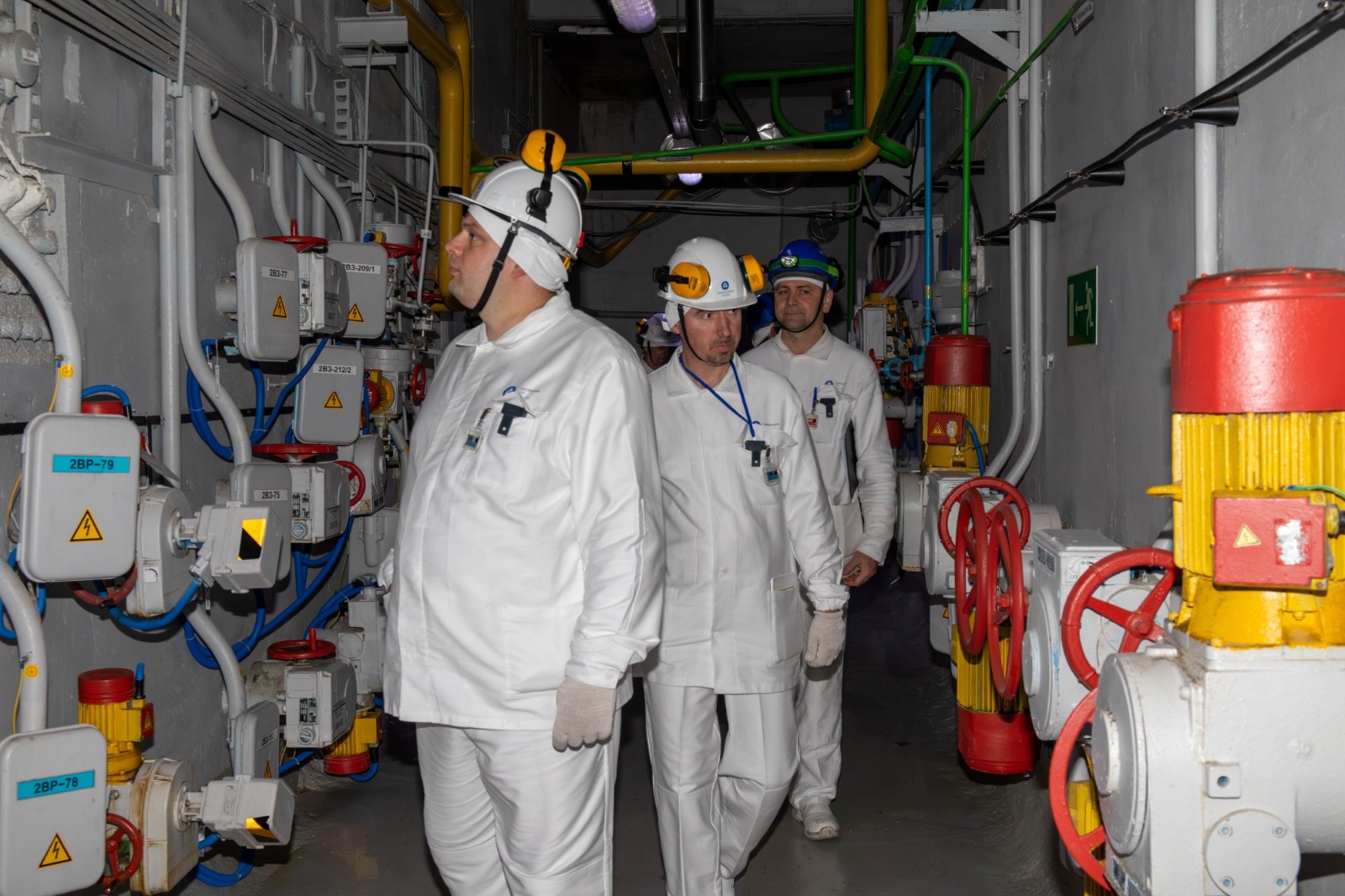
Smolensk NPP Passes Special Safety Inspection by Rosenergoatom
A team of experts from Rosenergoatom has recently completed a special safety inspection at the Smolensk Nuclear Power Plant. The inspection results will be used to further enhance safety management at the plant and at other NPPs operated by the company. The inspection was carried out by a commission comprising representatives from Rosenergoatom's headquarters and the Leningrad, Rostov, and Balakovo NPPs. Similar special inspections are conducted at Russian nuclear power plants on a regular basis, with methodologies referencing the relevant standards of the International Atomic Energy Agency (IAEA) and the World Association of Nuclear Operators (WANO), to assess compliance of the plants with domestic and international safety requirements...
2026-08-06
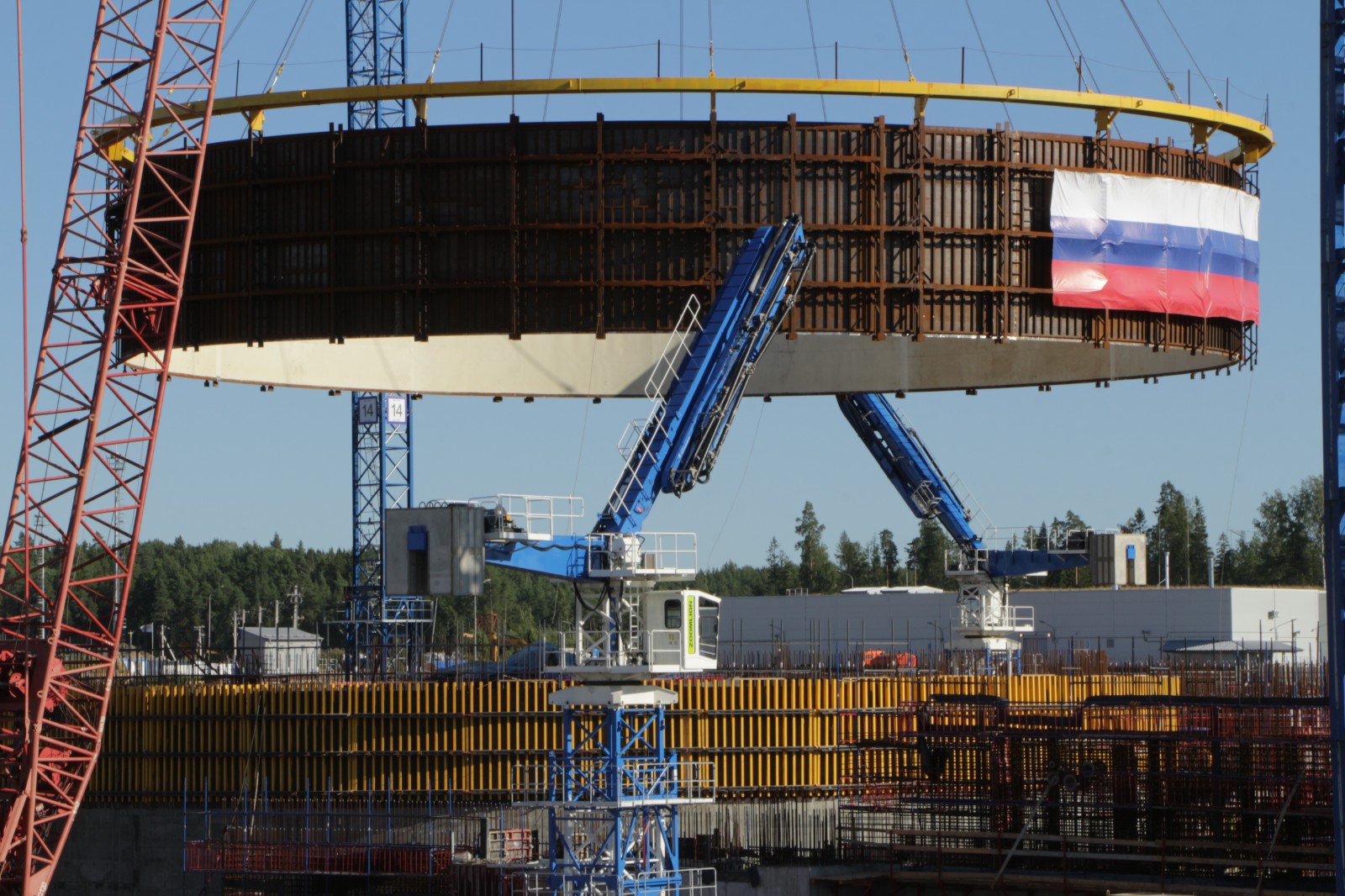
Construction of inner containment begins at Unit 4 of Leningrad Nuclear Power Plant II
Construction of the inner containment of the reactor building at Unit 4 of the Leningrad Nuclear Power Plant II in Russia has commenced. The unit features a VVER-1200 reactor, and the inner containment is a key component of the unit's passive safety system, as well as part of the plant's confinement safety system. Construction workers have installed the first tier of vertical sealed steel liner to its design position. The steel structure weighs approximately 97 tonnes, and the lifting and positioning operations were carried out using a heavy crawler crane, with the entire installation process lasting about 7 hours. The contractor, TITAN-2 Holding Company, stated that the preparatory work took several months, including component fabrication, protective coating application, on-site assembly and welding, and structural quality inspection...
2026-08-06