
Search Results
Keyword:radionuclide
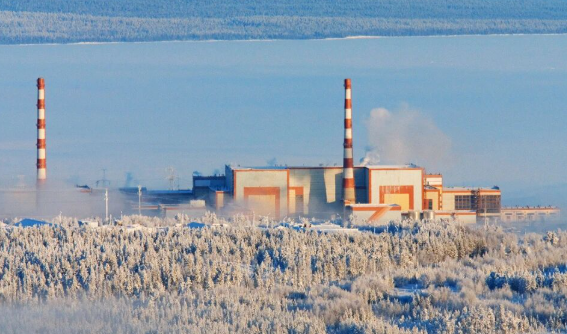
Long-term radiation environment at Kola NPP remains under control: gamma dose rates within natural background levels, 15 permanent observation stations operating since 1972
Long-term monitoring results from the external radiation monitoring group at Russia's Kola Nuclear Power Plant show that gamma radiation dose rates around the plant site have consistently remained within natural background radiation levels, with radionuclide concentrations matching background values, indicating a sound radiation environment with no differences from surrounding areas. The station's radiation safety department collects surface water samples from the discharge canal monthly, with monitoring coverage encompassing all elements including the atmosphere, snow cover, bottom sediments, food products, algae, berries, mushrooms, and caged fish. The monitoring architecture consists of two tiers: 15 permanent environmental observation stations have been in continuous operation since before the commissioning of the first reactor unit in 1972; 13 ASKRO automated radiation environment monitoring system stations provide real-time ground-level gamma dose rate data, which is transmitted directly to the Rosenergoatom crisis center and integrated into the national unified radiation monitoring network. Approximately 200,000 cubic meters of air are drawn weekly through air filtration units to capture radionuclides, with volumetric activity of radioactive iodine also measured. A mobile radiological laboratory performs on-site spectrometric analysis. Annually, about 1,200 environmental samples are collected from around the plant site and delivered to the Polyarnye Zori laboratory, where well water samples analyzed by Canberra spectrometers yield "zero nuclide" results, with samples retained for one year for potential re-analysis. Biological samples are processed using the ashing method, and instrument sensitivity is sometimes insufficient to even detect any signal from the plant's impact.
2026-08-14

Radioactivity Levels in Arctic Archipelagos Within Background Range, Russian Research Team Reports No Anomalies
On August 13, Andrei Puchkov, senior researcher at the Environmental Radioactivity Laboratory of the N.P. Laverov Federal Arctic Integrated Research Center, Ural Branch of the Russian Academy of Sciences, stated that measurements taken during the 2026 Arctic Floating University expedition's landings on Novaya Zemlya and Franz Josef Land showed very low radioactivity levels, with no anomalies detected. Puchkov noted that the expedition measured radon concentrations at all landing sites, with radon flux densities ranging from below 1 millibecquerel per square meter per second to 200 millibecquerels per square meter per second, all recorded values remaining within background levels. He indicated that permafrost acts as a barrier and shield in the region, preventing radioactive gases from reaching the surface; relatively higher radon fluxes in some areas may be associated with geological features such as fault zones and fracture zones.
2026-08-14
Maistop Completes Pre-A Round Financing to Advance Medical Radionuclide Industrialization via Electron Accelerator Method
August 12 news, Xi'an Maistop Technology Co., Ltd. recently completed its Pre-A round of financing, with investors including the Central Enterprise Strategic Emerging Fund and Guoxin Venture Capital Fund, both under China Reform Holdings Corporation. The proceeds from this round will primarily be used for site construction, equipment procurement, technology R&D, and daily operations. Founded in 2019, Maistop is a technology enterprise engaged in the R&D and production of medical radionuclides as well as nuclear medicine technical services. The company focuses on the preparation of medical radionuclides via the electron accelerator photonuclear reaction method, with core products including Actinium-225, Lead-212, Copper-67, and Molybdenum-99. Among these, Actinium-225 is a scarce radionuclide of significant interest in alpha-emitting nuclide targeted therapy, with relatively strong global clinical demand...
2026-08-13
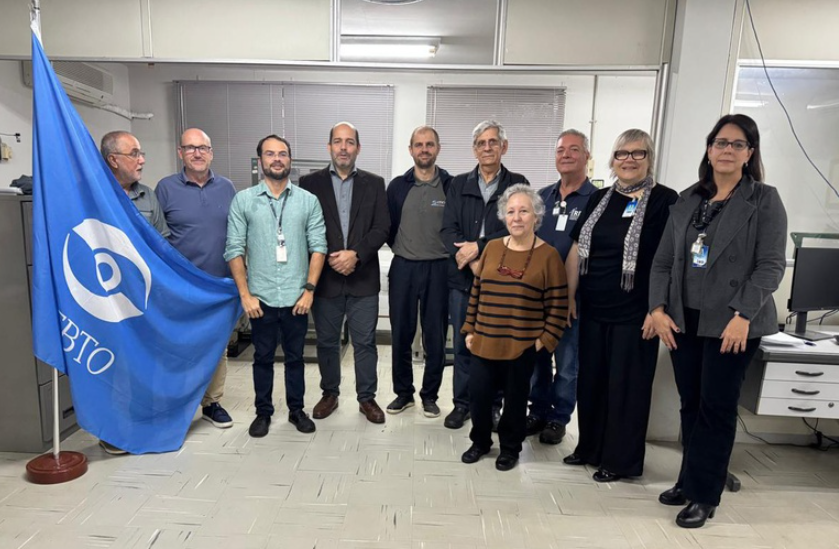
Brazil's IRD Radiometric Metrology Laboratory Receives CTBTO Certification, Joins International Nuclear Test Monitoring Network
The Radiometric Metrology Laboratory of Brazil's Institute of Radiation Protection and Dosimetry (IRD/ANSN) has recently received certification from the Comprehensive Nuclear-Test-Ban Treaty Organization (CTBTO), officially qualifying it to join the international verification system. The certification was granted following an on-site audit conducted by the CTBTO in Rio de Janeiro from June 16 to 25, marking the Brazilian laboratory as the 15th certified unit among the 16 treaty-designated radionuclide laboratories. The certification primarily confirmed that the laboratory meets CTBTO requirements in high-precision analysis, result reliability, data traceability, and standardization of technical procedures. The audit covered sample reception and preparation, equipment calibration, result interpretation,...
2026-08-12
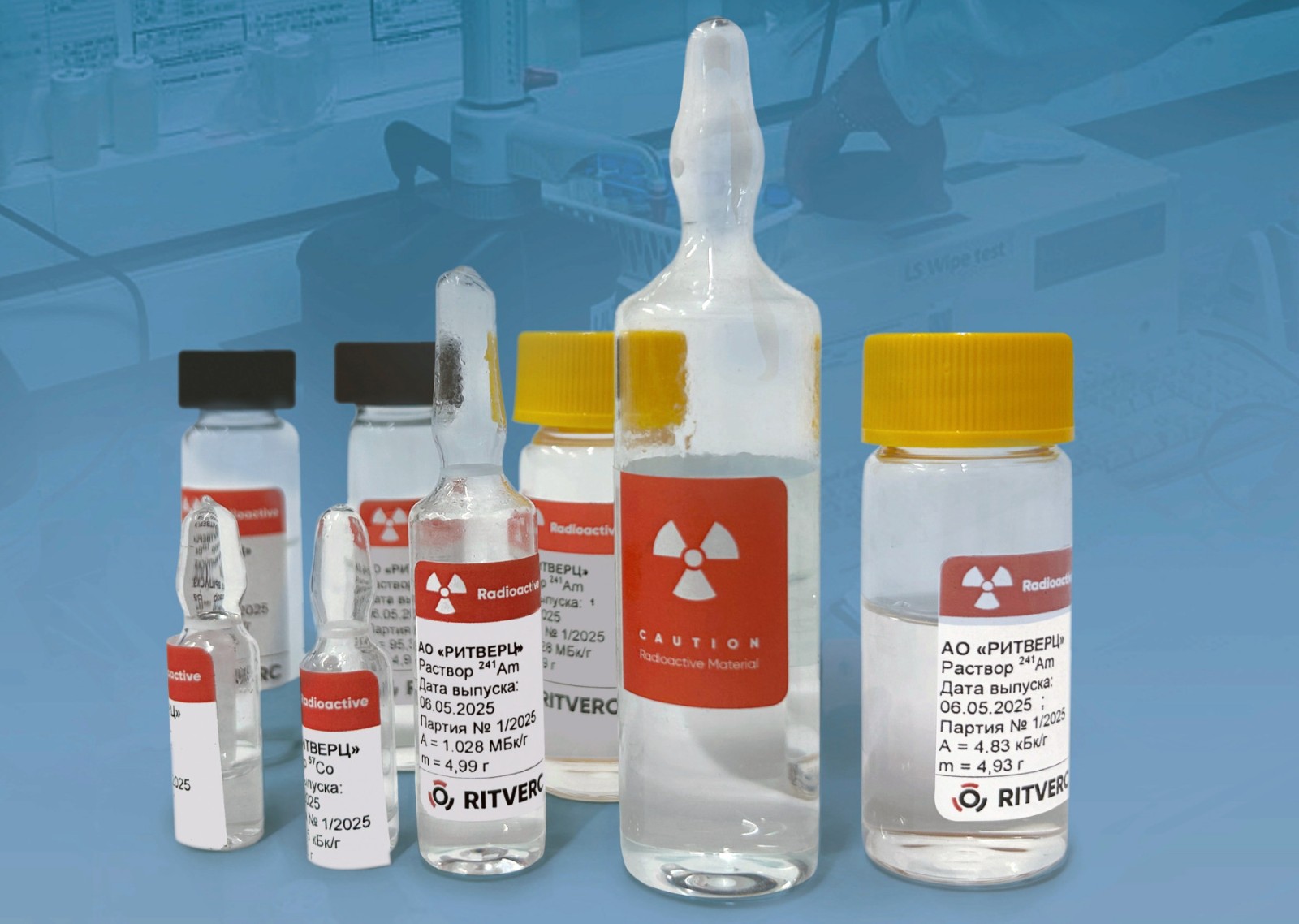
RITVERTS Multiple Radionuclide Solution Specific Activity Reference Standards Added to Register
RITVERTS JSC has added multiple radionuclide solution specific activity reference standards to the register, covering nuclides such as americium-241, europium-152, cesium-137, barium-133, cobalt-60, cobalt-57, strontium-90 + yttrium-90, tritium, plutonium-239, uranium-238, and plutonium-238. The reference standards added to the register this time include GSO 13340-2026 (americium-241), GSO 13339-2026 (europium-152), GSO 13338-2026 (cesium-137), GSO 13337-2026 (barium-133), GSO 13336-2026 (cobalt-60), GSO 13335-2026 (cobalt-57) from the SO UAR-G-RT dataset; GSO 13334-2026 (strontium-90 + yttrium-90), GSO...
2026-08-12
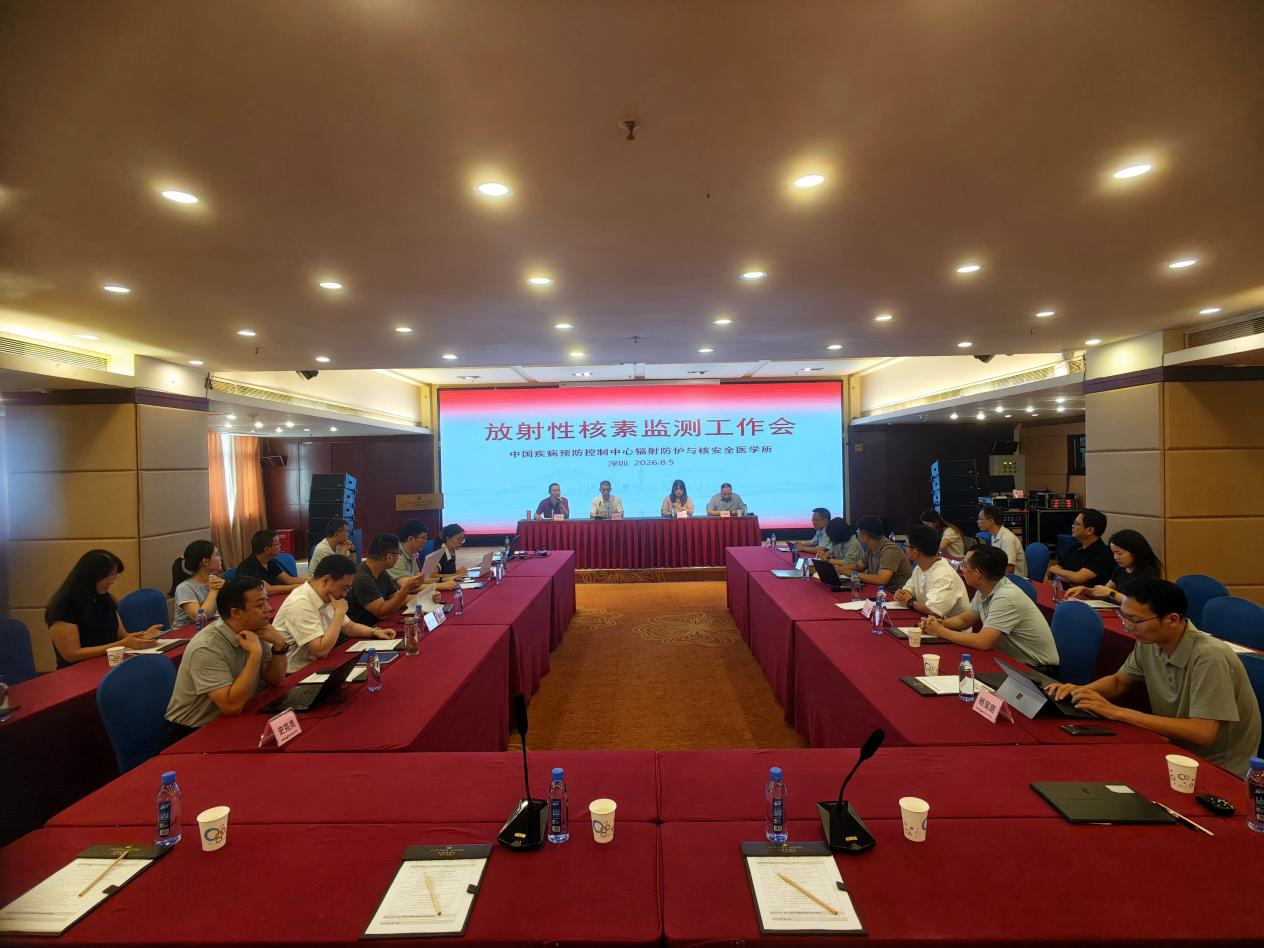
2026 Summer Radionuclide Monitoring Work Meeting Held in Shenzhen
On August 5, 2026, the National Institute for Radiological Protection (NIRP), Chinese Center for Disease Control and Prevention (hereinafter referred to as the Institute) convened a radionuclide monitoring work meeting in Shenzhen, aiming to exchange technical issues in radionuclide monitoring and better carry out this monitoring work in 2026. A total of 27 technical professionals from 17 institutions nationwide attended the meeting. The meeting was chaired by Zhou Qiang, Director of the Radiation Detection and Evaluation Research Division of the Institute. Zhang Naixing, President of Shenzhen Prevention and Treatment Center for Occupational Diseases, delivered a welcome address. A representative from the Department of Food Safety, National Health Commission, attended the meeting and elaborated on the purpose and work requirements of convening this meeting. Ding Kuke, Deputy Director of the Public Health Management Division, Chinese Center for Disease Control and Prevention, emphasized the necessity of strengthening monitoring quality control.
2026-08-11

Grand Pharma's FAP-targeted diagnostic radiopharmaceutical GPN01530-2 receives FDA Fast Track designation
On August 9, 2026, Grand Pharmaceutical issued a voluntary announcement stating that its self-developed global innovative radionuclide drug conjugate GPN01530-2 has recently been granted Fast Track designation by the U.S. Food and Drug Administration (FDA) for the diagnosis of solid tumors. Previously, the product had already been approved by the FDA to conduct Phase I/II clinical studies for the diagnosis of solid tumors. GPN01530-2 is a small-molecule radionuclide drug conjugate (RDC) targeting fibroblast activation protein (FAP). Data shows that FAP is not expressed or is lowly expressed in normal tissues, but is highly expressed in tumor-associated fibroblasts within the tumor microenvironment of various cancers, and is considered a novel specific target in the field of tumor diagnosis and treatment...
2026-08-10
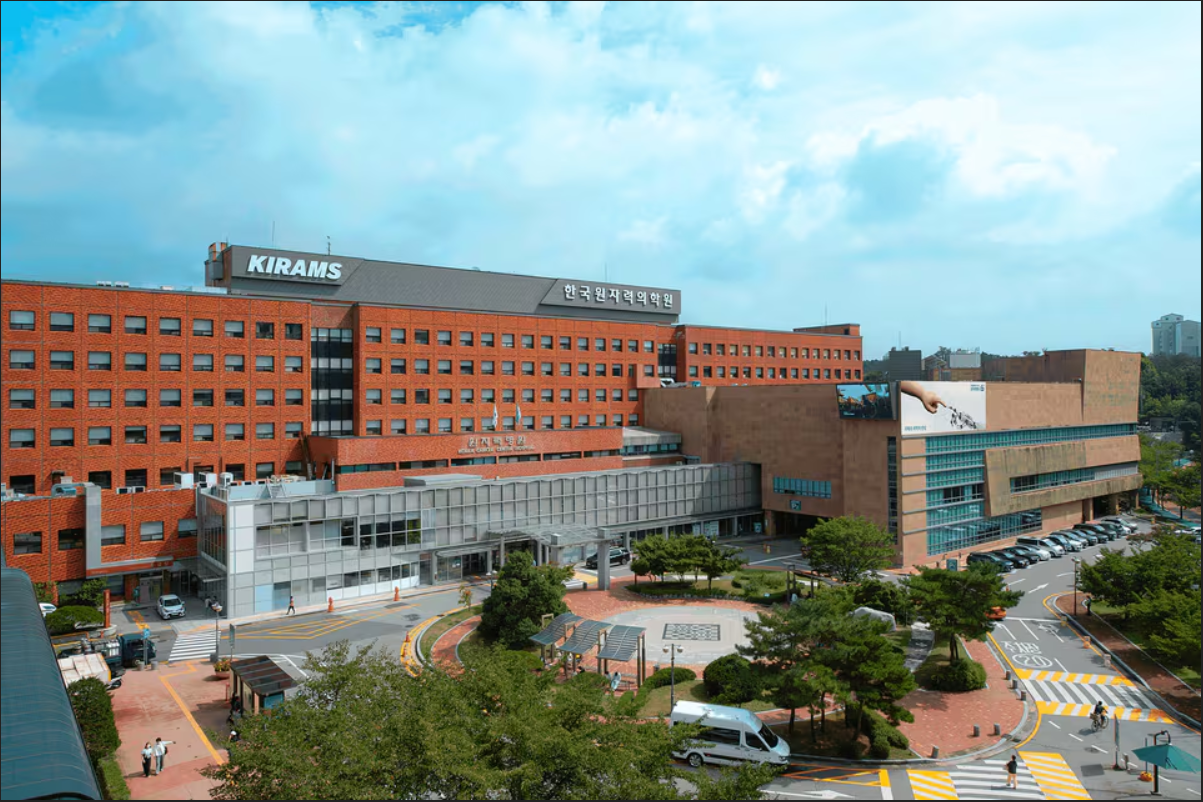
South Korea to Resume Actinium-225 Production Next Year to Ease Shortage of Raw Materials for Anti-Cancer Radiopharmaceuticals
South Korea's domestic production project for actinium-225 (Ac-225), a radioisotope used in next-generation cancer treatment, is expected to resume next year after being stalled for more than a year. Funding was secured in the first half of this year, and the Korea Institute of Radiological & Medical Sciences (KIRAMS) plans to complete facility construction and trial production before launching full-scale production in the second half of next year, aiming to alleviate the raw material shortage facing domestic clinical research and radiopharmaceutical development. KIRAMS is affiliated with the Ministry of Science and ICT. The institute received approval from the Nuclear Safety and Security Commission in May last year to produce Ac-225 using a cyclotron. The project first entered the review process in 2018 and took seven years to gain approval, with initial production originally planned by the end of last year. However, work on upgrading production facilities and procuring equipment was suspended after approximately 2 billion KRW in budget was not approved during parliamentary review.
2026-08-10
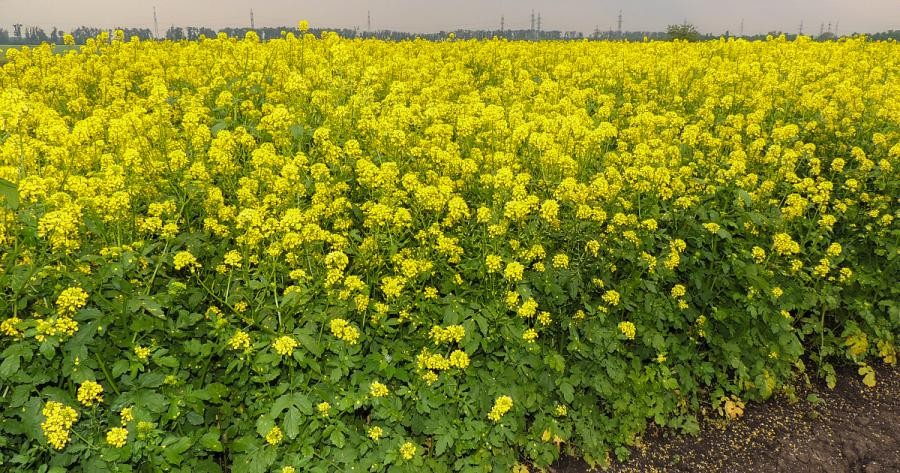
Russia Advances Rare Earth Extraction Technology Using Hyperaccumulator Plants, Plans Field Trials
August 7 news - Russian researchers have developed a technology for extracting rare earth metals using hyperaccumulator plants. The technology involves planting crops such as mustard, buckwheat, and sunflower at engineered landfill sites, allowing them to absorb metal elements from the soil and concentrate them in their biomass; after harvest, the plants are incinerated, and valuable elements are extracted from the ash. Mustard plantation. Photo: Pustovoit All-Russian Research Institute of Oil Crops. According to reports, under natural conditions in Russia, the relevant crops can be harvested two to three times per growing season. Estimates indicate that a single landfill site can yield up to 15 tons of rare earth metals annually. Currently, the laboratory has conducted tests using phosphogypsum waste from the Voskresensk and Balakovo areas, as well as loparite from the Lovozersky Mining and Processing Plant. The project plans to conduct field trials under real-world conditions this year, with pilot planting scheduled for next year.
2026-08-09
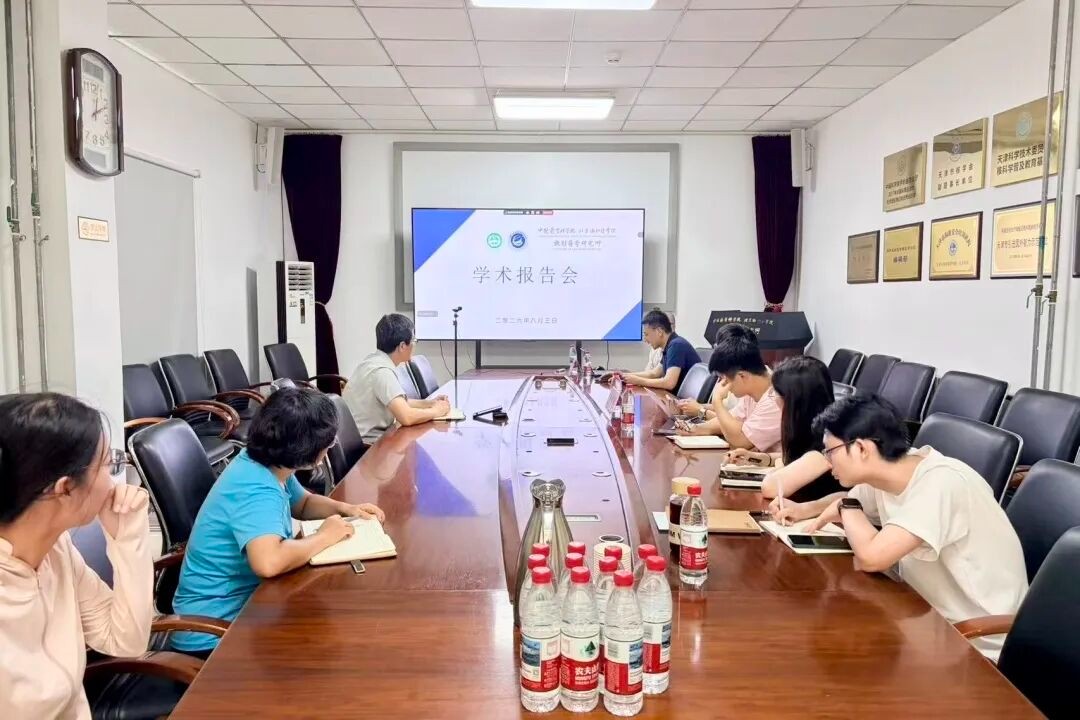
Institute of Radiation Medicine, Chinese Academy of Medical Sciences Hosts Academic Seminar on PSMA-Targeted Radiopharmaceuticals
On August 3, the Institute of Radiation Medicine, Chinese Academy of Medical Sciences held an academic seminar, inviting Professor Lin Guoxian from the BC Cancer Agency in Vancouver, Canada, to deliver a lecture titled "Development of Prostate-Specific Membrane Antigen-Targeted Radiopharmaceuticals for the Diagnosis and Treatment of Prostate Cancer." The seminar was held in a hybrid format, with some researchers and graduate students from the institute attending in person. Professor Lin Guoxian has long been engaged in the development of targeted radiopharmaceuticals for cancer diagnosis and therapy, having led or contributed to the publication of over 135 peer-reviewed journal articles, filed more than 30 patent applications related to radiopharmaceuticals, and completed clinical translation of 7 self-developed radiopharmaceuticals applied in...
2026-08-07
South Gyeongsang Province Completes 380 Food Radioactivity Tests in First Half of Year, All Meeting Standards
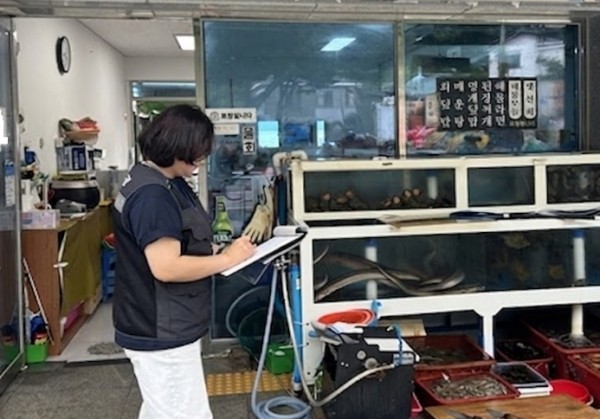
The Gyeongsangnam-do Institute of Health and Environment recently announced that in the first half of this year, it conducted radioactivity testing on agricultural products, aquatic products, and processed foods already in circulation, completing tests on 380 samples. Testing items included radioactive iodine, radioactive cesium, and tritium, with all results meeting food radiation-related standards. According to the institute, it continues to conduct radiation monitoring on foods with high market consumption to ensure the daily dietary safety of residents. Of the 380 tests completed in the first half of this year, 338 were for iodine and cesium, and 42 were for tritium, with no samples exceeding permissible levels. In terms of monitoring methods, the institute has established a...
2026-07-27

Russian State Expert Review Authority Approves Design Changes for Ufa Radionuclide Therapy Center
Russia approves design changes for the Ufa Radionuclide Therapy Center, which will employ the latest technologies and equipment. The new center, located in the Republic of Bashkortostan, is expected to become a significant force in the local fight against cancer. With a floor area exceeding 6,000 square meters, the facility is a G-shaped three-story building with a basement. Its internal framework uses monolithic reinforced concrete to ensure stability and safety. The project's design strictly adheres to medical technology standards, aiming to create a modern and innovative treatment institution. At the core of the center is the radionuclide therapy department, which includes 24-hour inpatient wards, featuring a radionuclide supply area, a 20-bed "active" ward, and common areas. Additionally, it includes service and administrative zones to support the center's daily operations...
2026-08-01
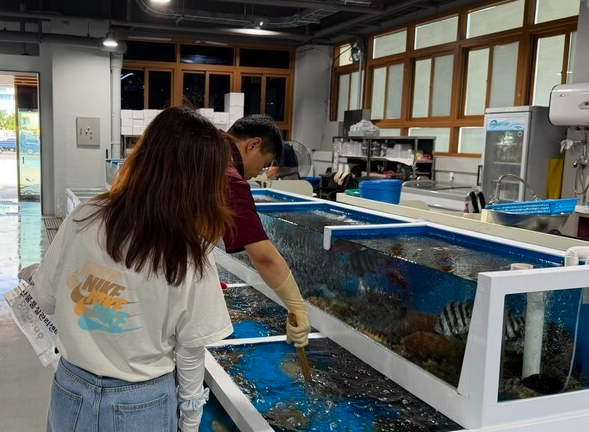
Pohang, South Korea, launches a special inspection for foodborne pathogens and radionuclides in summer seafood.
Pohang City in North Gyeongsang Province, South Korea, has recently launched a special safety inspection campaign for seafood during the summer season to address potential risks of foodborne illness associated with rising air and seawater temperatures. Ru
2026-07-27