Registration
REGISTER FOR THE CONFERENCE
Registration
REGISTER FOR THE CONFERENCE
 Apply to Exhibit
APPLICATION FOR EXHIBITION
Apply to Exhibit
APPLICATION FOR EXHIBITION
 Sponsorship
SPONSORSHIP APPLICATION
Sponsorship
SPONSORSHIP APPLICATION
Kansai Electric Power Launches Two Joint Research Projects for Nuclear Power Plant Decommissioning
Kansai Electric Power Co., Inc. announced on August 24 that it has completed the selection of joint research projects related to nuclear power plant decommissioning for fiscal year 2026, choosing two proposals from previously solicited research plans, and signed joint research contracts and commenced research activities on the same day. The projects target research on products and technologies applicable to decommissioning operations at Kansai Electric Power's nuclear power plants. The company solicited research proposals to be implemented from fiscal year 2026 between March 16 and April 30, 2026, with a focus on improving the safety and efficiency of dismantling operations, reducing radioactive waste, and supporting local companies in developing related products and technologies. Selected projects...
2026-08-24
Japan's TEPCO Receives 4.8 Billion Yen in Nuclear Damage Compensation Funds
2026-08-24

SASAC: Accelerating the Cultivation of Talent for Controlled Nuclear Fusion
2026-08-24
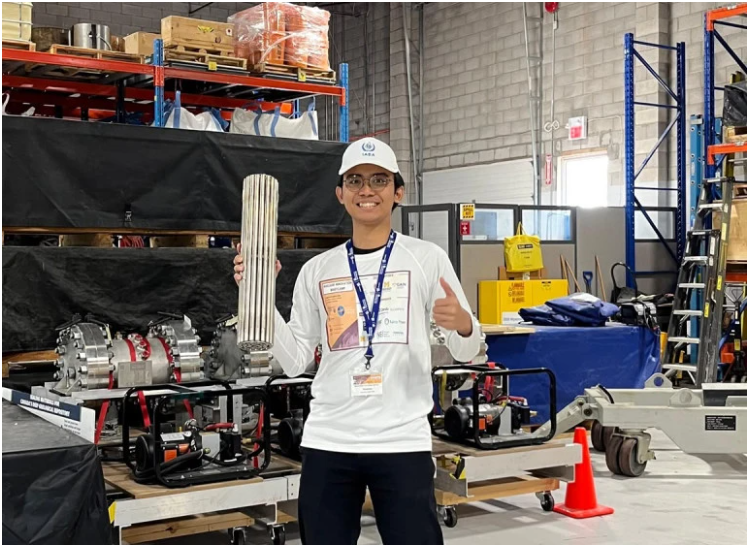
Indonesian UGM Student Travels to Canada to Study Nuclear Energy Program Development
2026-08-24
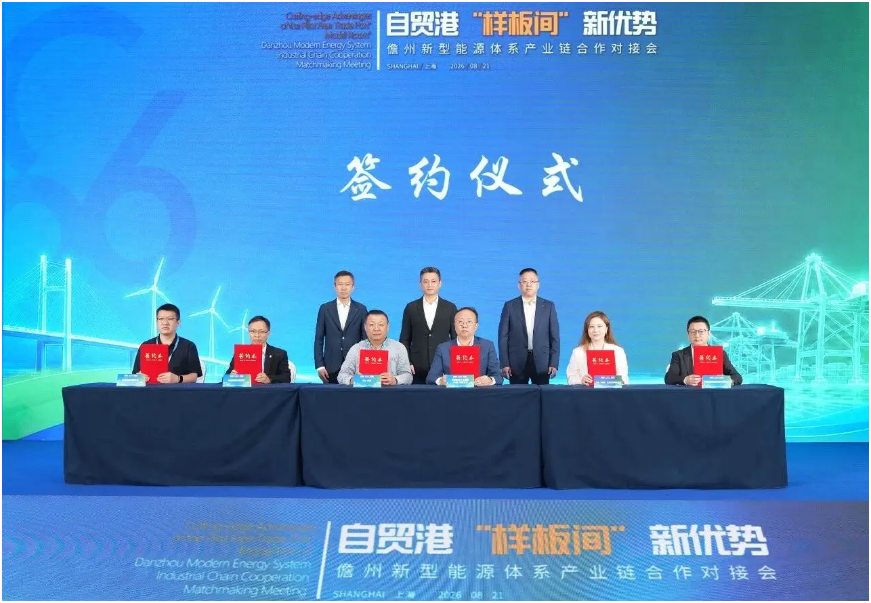
Hainan Danzhou Plans to Integrate Nuclear Power into Yangpu 220kV Power Grid
2026-08-24
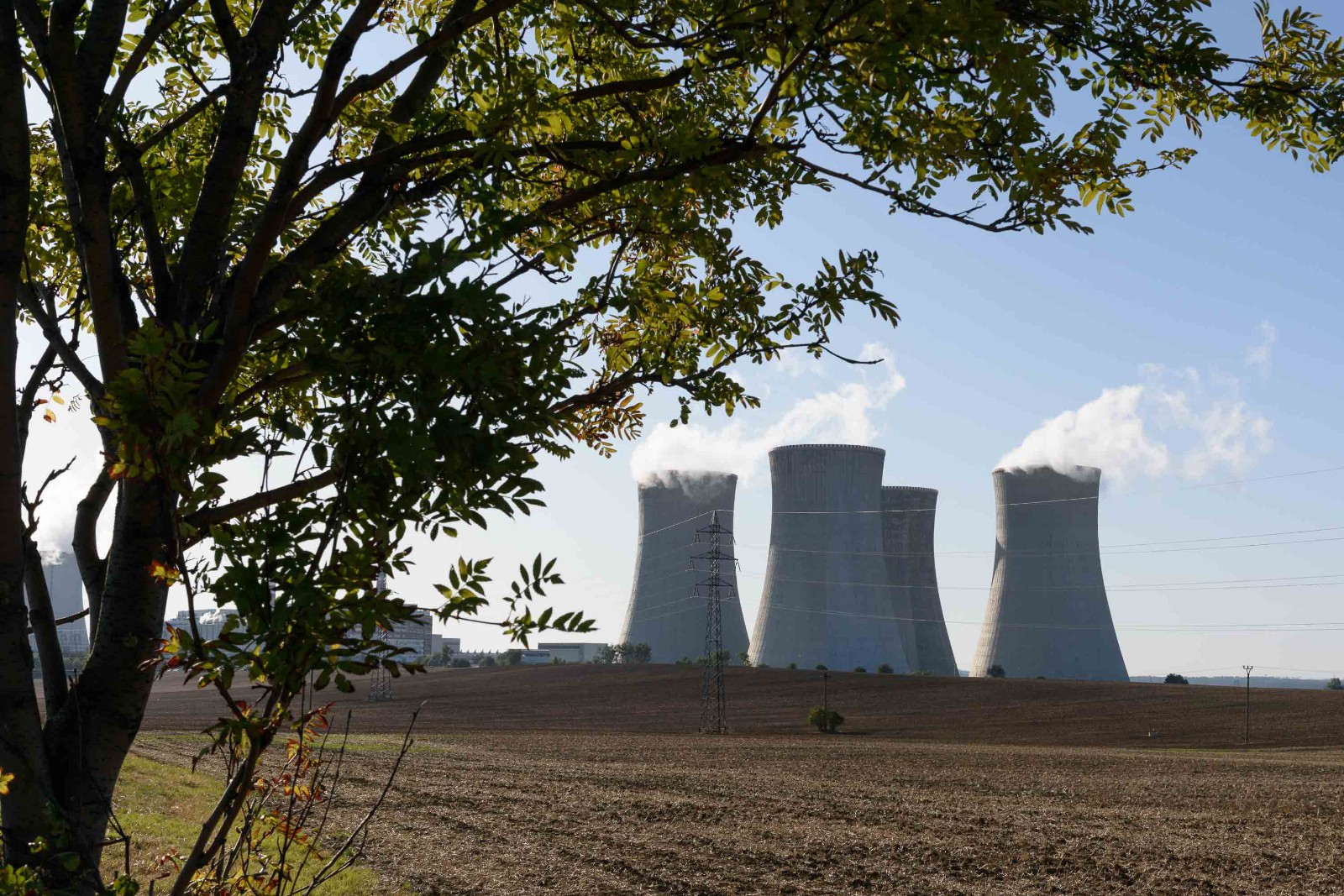
Czech Dukovany New Nuclear Project Scheduled to Break Ground in 2029
2026-08-24
The 10th Batch of Auxiliary Equipment for Shaanxi Zhonghuan's Egypt El Dabaa Nuclear Power Cooperation Project Successfully Loaded and Shipped
2026-08-24
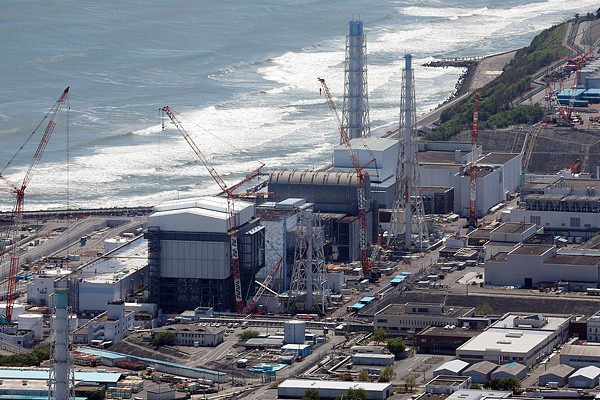
Three Years Since Japan Began Discharging Nuclear-Contaminated Water: Over 170,000 Tons Released Across 22 Rounds
2026-08-24
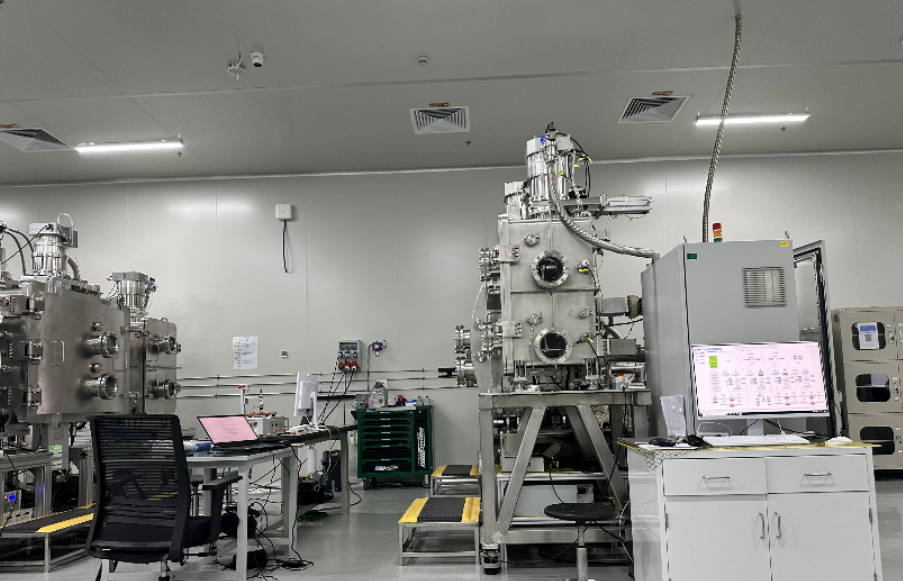
Beijing's First Second-Generation High-Temperature Superconducting Tape Mass Production Line Project Approved
2026-08-24
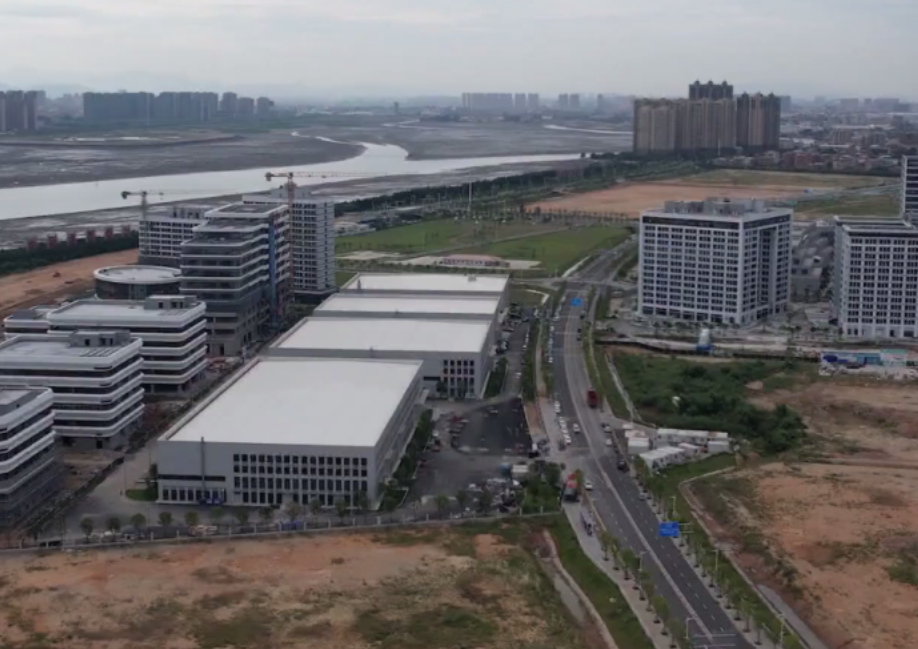
Recently, Phase I of the Ruisi Ke Advanced Particle Therapy Equipment Production Base for tumors, located in Dongshi Town, Jinjiang, Fujian, has been fully put into operation, marking new progress in the life and health industry sector of Quanzhou South Wing National High-Tech Zone. As the first launch project in the local effort to build the "China Nuclear Medicine Valley," this project is accelerating the clustering of the nuclear medical equipment industry chain. It is understood that all four production workshops of Phase I of the Ruisi Ke production base have commenced operations, with a total floor area of nearly 30,000 square meters. Inside the workshops, relevant personnel are performing precision machining on core components of the proton therapy system. The base possesses research and development, production, and testing capabilities for proton therapy systems and boron neutron capture therapy systems, making it one of the few...
2026-08-24
Recently, the 6-megapixel large-area two-dimensional pixel array detector independently developed by the detector R&D team of the High Energy Photon Source (HEPS) at the Institute of High Energy Physics, Chinese Academy of Sciences, completed long-term online operation validation. Since its deployment for trial operation at the HEPS Biological Macromolecular Microcrystal Diffraction Beamline in October 2025, it has supported nearly 90 research projects from over 50 research groups as of June 30, 2026. During the trial operation period, the detector accumulated more than 2,000 hours of operation with stable, uninterrupted performance. The beamline and detector teams conducted joint commissioning and optimization, verifying its operational stability and data reliability under complex working conditions. Leveraging the high-quality data collected by this detector, some...
2026-08-24
On August 10, Haikou Silk Road Social Science Research Institute and the Ministry of Agriculture, Forestry and Fisheries of the Kingdom of Cambodia signed the Memorandum of Understanding on Research Cooperation for the Stability and Development of the China-Cambodia Agricultural Supply Chain in Phnom Penh. According to the MOU, the industrial application of irradiation processing technology in the agricultural sector has been listed as one of the core cooperation directions for both sides. In this cooperation, the Joint Laboratory for R&D and Validation of Agricultural Product Irradiation Technology played a key supporting role. The joint laboratory was co-founded by Fuzhao Renjian Group and the Institute of Agro-Products Processing Science and Technology of the Chinese Academy of Agricultural Sciences, focusing on breeding, post-harvest loss reduction, agricultural product processing, and food safety, conducting irradiation technology R&D and validation, and promoting the application of relevant outcomes...
2026-08-24
Recently, Hitachi (China) Co., Ltd. received an order for one heavy ion cancer therapy system from the Shanghai Proton and Heavy Ion Center, and the two parties held a signing ceremony. This order is part of the Phase II construction project of the Shanghai Proton and Heavy Ion Center. Rendering of the completed Phase II project of the Shanghai Proton and Heavy Ion Center The Shanghai Proton and Heavy Ion Center is the first medical institution in China to possess both proton and heavy ion radiotherapy technologies. To further meet the demand for precision medicine, the center launched its Phase II construction in 2025, planning to add particle therapy system equipment. According to the project arrangement, the heavy ion therapy system ordered this time will be equipped with 4 treatment rooms and integrate Hitachi's moving-target tracking technology and pencil-beam scanning irradiation technology.
2026-08-24
The Korea Atomic Energy Research Institute (KAERI) announced on August 24 that the National Assembly had passed a partial amendment to the Act on the Promotion of Radiation and Radioisotope Utilization at its plenary session on August 20, incorporating the functions of a radiation injury treatment hospital, along with supporting research and technology development, into the institute's statutory scope of business. Under the amendment, relevant institutions will provide specialized medical services to individuals who have sustained radiation injuries or are at risk of such injuries. Radiation injury generally refers to health abnormalities in the human body resulting from excessive exposure to radiation. Such injuries may not manifest immediately after exposure; even when early symptoms appear only as skin redness, they can later progress to ulceration, necrosis, and affect the blood or bone marrow systems. Some individuals also require long-term follow-up to monitor for delayed health risks such as cancer.
2026-08-24
Mohammad Eslami, head of the Atomic Energy Organization of Iran, recently stated that more than 1.5 million patients in Iran use diagnostic and therapeutic products developed by the organization each year, and related medical products have also been exported to multiple countries. Eslami made these remarks at a ceremony held by Iran's nuclear industry to celebrate Physicians' Day. He said that promoting the application of advanced treatment methods is one of the key directions of Iran's scientific and technological development. The progress made by Iranian researchers in cold plasma technology has opened up a "brand-new and promising path" for medical applications. He stated that plasma technology has not only achieved notable results in the research field but has also played a role in healthcare settings.
2026-08-24
South Korean medical device company Radexel announced on August 24 that it has been selected as the lead institution for a global flagship project, partnering with Asan Medical Center, the Korea Atomic Energy Research Institute (KAERI), and other organizations to develop next-generation radiotherapy equipment based on magnetic field control. The project is a national strategic R&D initiative jointly promoted by the Ministry of Science and ICT, the Ministry of Trade, Industry and Energy, the Ministry of Health and Welfare, and the Ministry of Food and Drug Safety, with a total investment of KRW 35.2 billion, including KRW 27.95 billion in government funding, over a seven-year period. Under the plan, the Radexel consortium will develop a Magnetically Controlled Radiotherapy (MPRT) system. This technology controls secondary...
2026-08-24