Registration
REGISTER FOR THE CONFERENCE
Registration
REGISTER FOR THE CONFERENCE
 Apply to Exhibit
APPLICATION FOR EXHIBITION
Apply to Exhibit
APPLICATION FOR EXHIBITION
 Sponsorship
SPONSORSHIP APPLICATION
Sponsorship
SPONSORSHIP APPLICATION
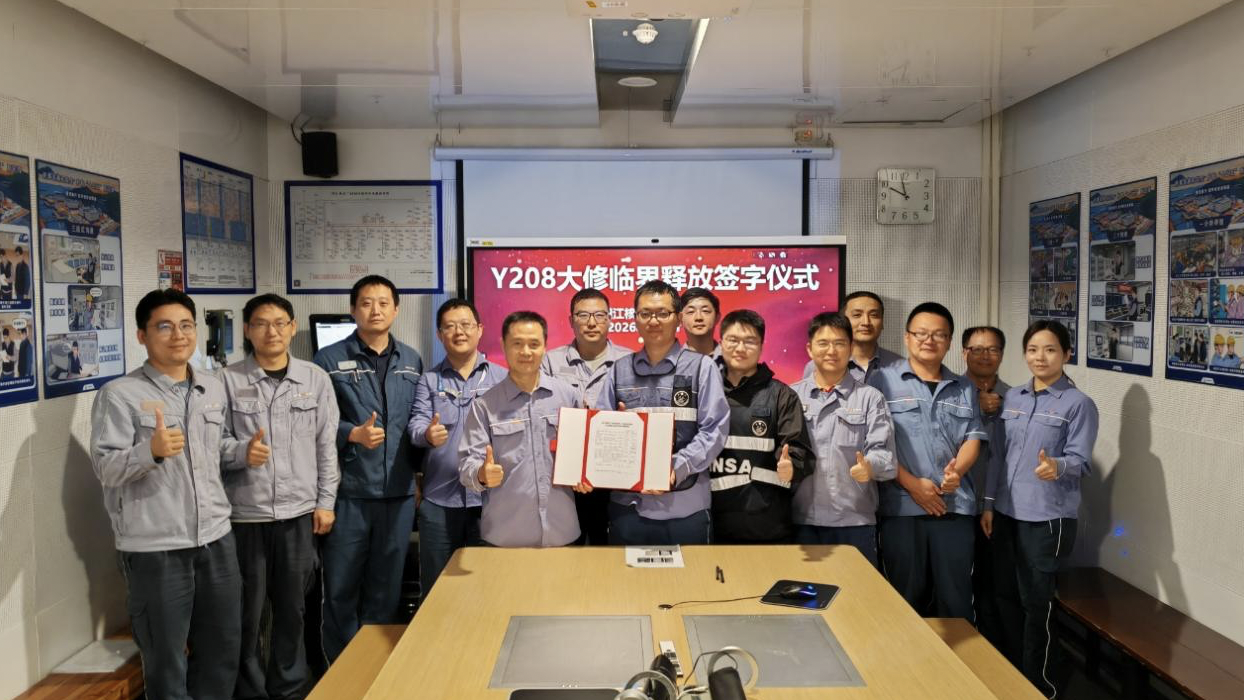
South China Regional Office of the National Nuclear Safety Administration Completes Refueling Outage Inspection of Yangjiang Nuclear Power Plant Unit 2
The South China Regional Office of Nuclear and Radiation Safety Supervision of the Ministry of Ecology and Environment successfully completed the nuclear safety supervision and inspection of the first criticality control point for the eighth refueling outage of Yangjiang Nuclear Power Plant Unit 2 on October 11. After verifying item by item the prerequisites for reactor recriticality and confirming that the primary loop and related systems and equipment were in a controlled and compliant state, the supervisors signed off and released the criticality control point in accordance with the law, marking the successful completion of the on-site nuclear safety supervision task for the Y208 refueling outage of the unit. During the overlapping period of the 2026 Mid-Autumn Festival and National Day holidays, multiple operating units at several nuclear power bases along the South China coast successively entered routine refueling outage cycles, with on-site maintenance activities highly concentrated, and nuclear safety...
2026-10-15
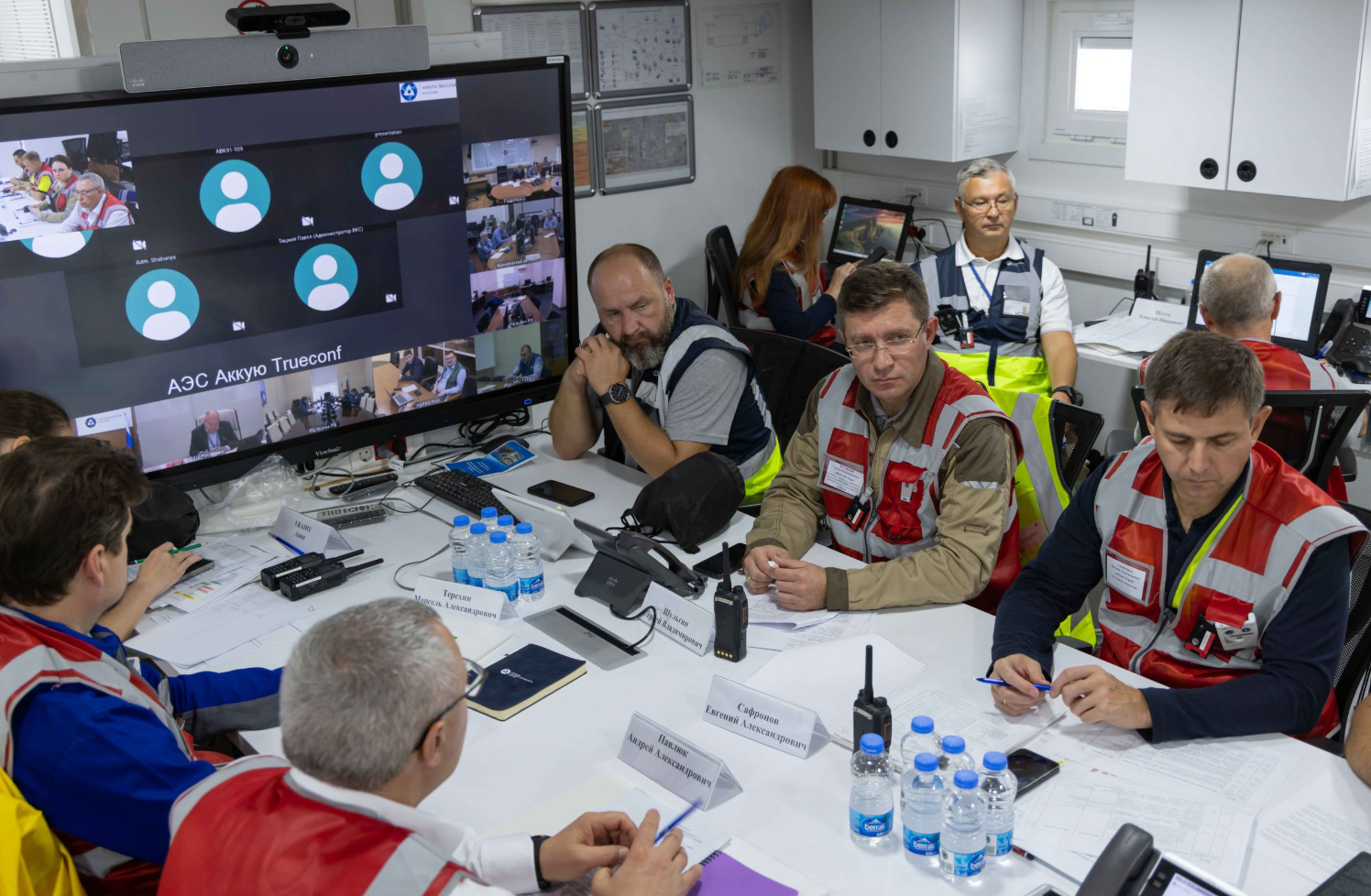
Akkuyu NPP in Türkiye Holds Full-Scale Joint Emergency Exercise: Cross-Departmental Live Drill Tested Ahead of First Unit Commissioning
2026-10-14
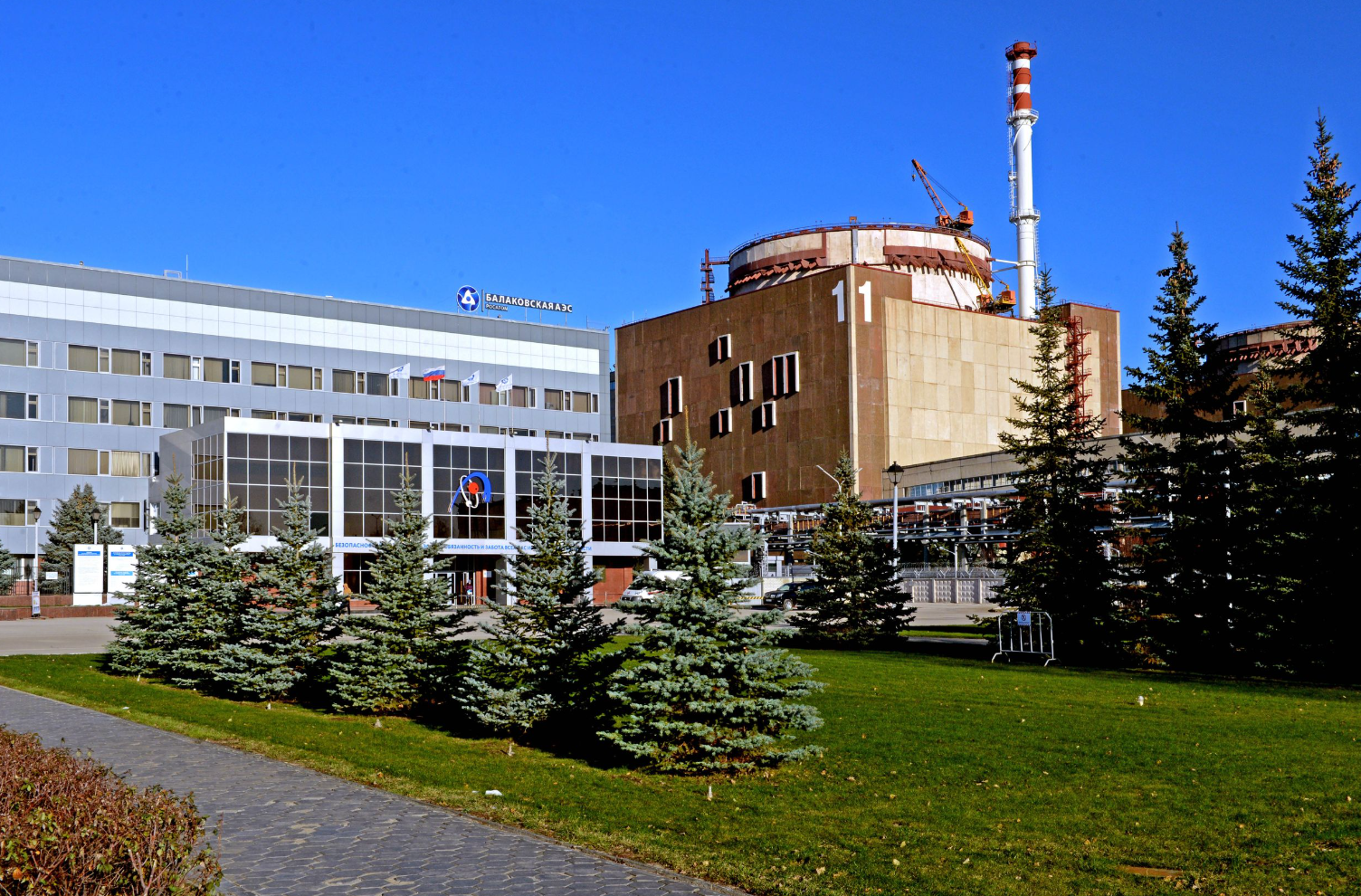
Russia's Balakovo NPP Meets 2026 Metal Decontamination and Recycling Target Ahead of Schedule, Over 57 Tonnes of Purified Steel Ingots Return to Industrial Circulation
2026-10-14
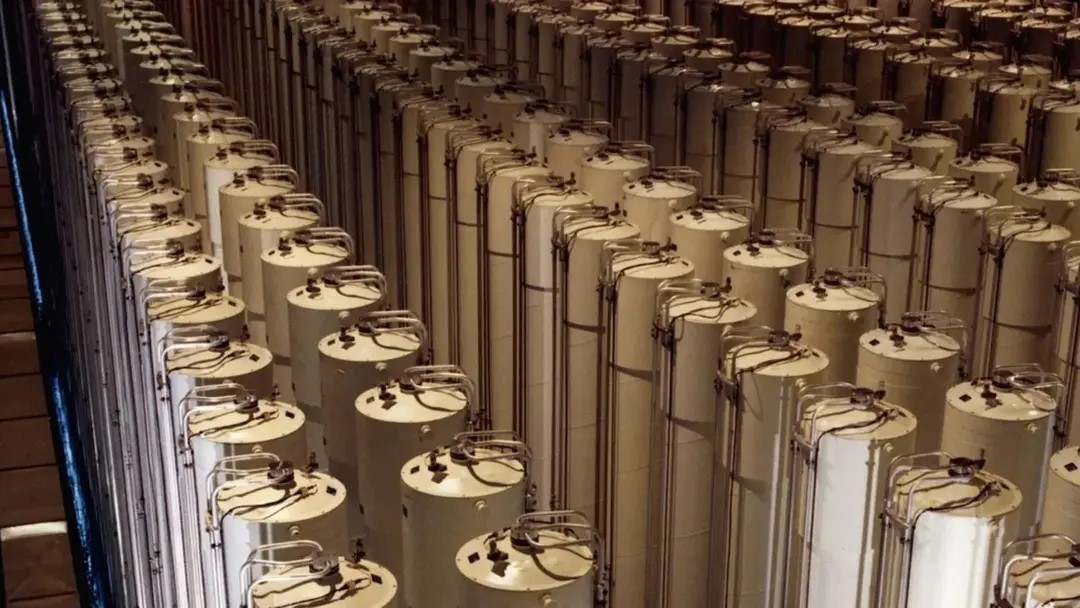
Expansion of the United States' only commercial uranium enrichment facility reaches 75% completion, as Urenco's New Mexico plant accelerates capacity upgrades
2026-10-14

Review of Continued Operation for Kori NPP Units 3 and 4 Launched; Accident Management Plan Included in Review Process
2026-10-14
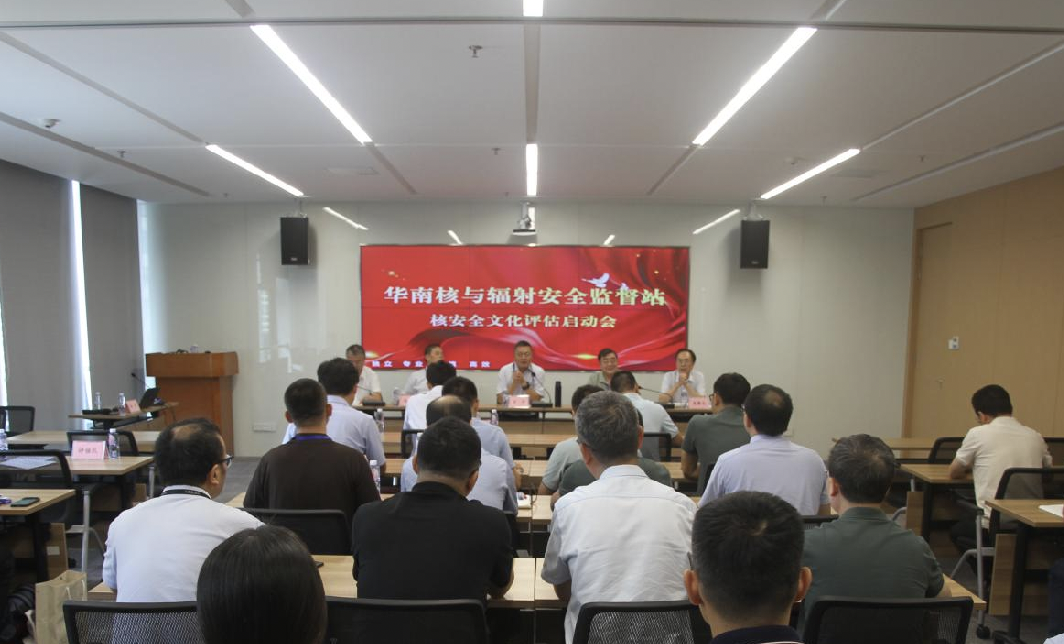
South China Regional Office organizes nuclear safety culture self-assessment
2026-10-14

EDF Plans to Accelerate Climate Adaptation Plan as Summer Extreme Heat Forces Faster Nuclear Unit Retrofits
2026-10-14
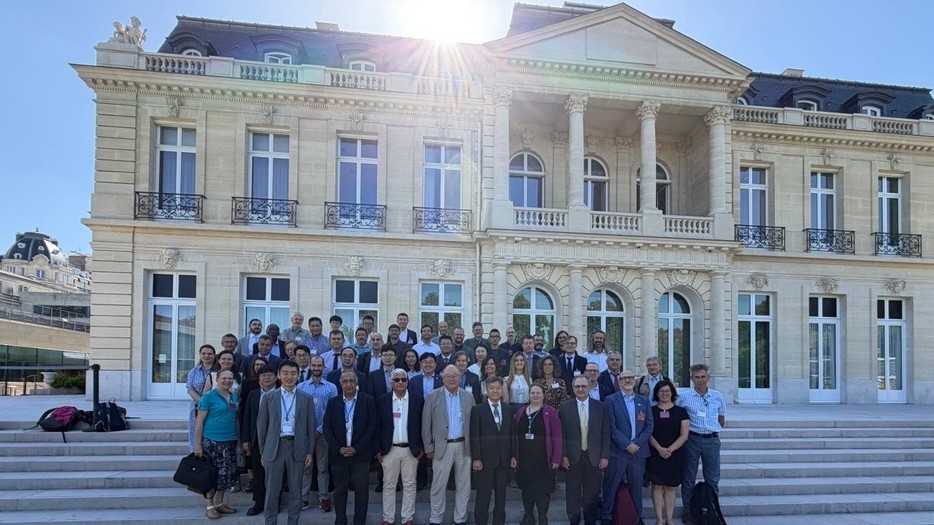
China-led NEA Severe Accident International Benchmark Approved
2026-10-14
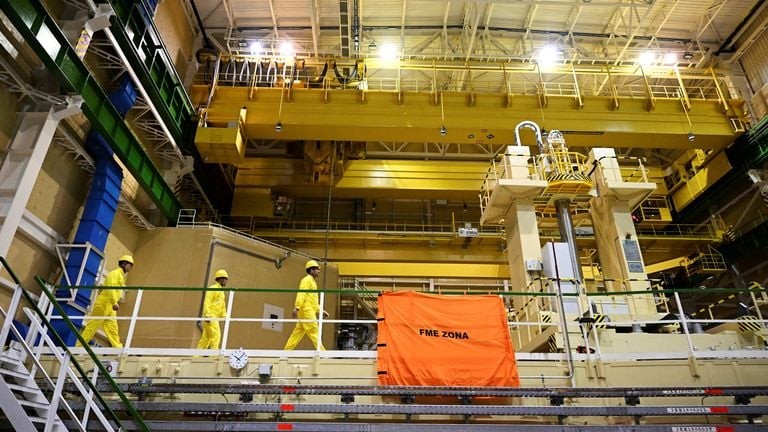
Slovakia's Mochovce NPP Unit 4 First Grid Connection Delayed Due to Retest, Full Commercial Operation Expected Within the Year
2026-10-14
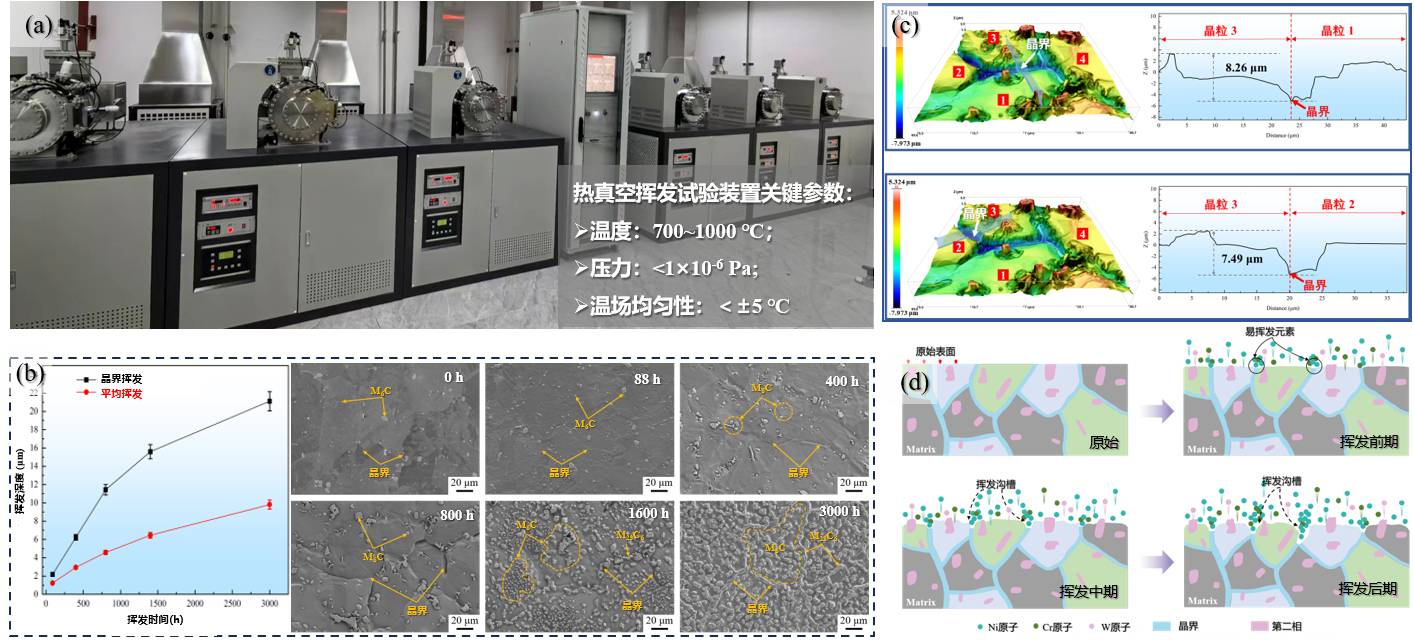
It was learned from CNNC that the China Institute of Atomic Energy, leading a collaboration with Nanchang University, Shanghai Jiao Tong University and other institutions, has achieved an important breakthrough in research on the volatilization behavior of materials under high-temperature ultra-high vacuum conditions, quantitatively revealing for the first time the volatilization anisotropy mechanism of nickel-based alloys under high-temperature ultra-high vacuum. This provides important theoretical basis and experimental data support for the microstructure optimization, life prediction, and reliability design of high-temperature structural materials used in extreme thermal vacuum environments, and is of great significance for promoting the independent and controllable development of high-temperature ultra-high vacuum materials in China. The related research paper was published in the internationally leading journal in the field of corrosion and oxidation, Corrosion Science. Nickel-based alloys...
2026-10-15
National Research Nuclear University MEPhI held a grand ceremony on October 2 to celebrate the 75th anniversary of its historic Department No. 1—the Department of Radiation Physics and Safety of Nuclear Technologies. Several experts from the renowned Russian radiation safety monitoring system research, development, and manufacturing enterprise NPP Doza, who serve both as key technical personnel of the company and as faculty members at the university, were invited to attend the event. As a major center for training professional and technical personnel for Russia's nuclear industry...
2026-10-14
Recently, the Iranian Ministry of Health and the Atomic Energy Organization of Iran (AEOI) signed a memorandum of understanding to expand the application of nuclear technology in the healthcare sector. Iranian Health Minister Mohammad-Reza Zafarqandi and AEOI Chairman Mohammad Eslami signed the agreement, with the primary goal of controlling the Aedes mosquito population through the sterile insect technique (SIT) to combat dengue fever, chikungunya, and Zika virus. It is understood that SIT is an environmentally friendly pest control method: male mosquitoes are mass-reared, sterilized using radiation, and then released to significantly reduce mosquito populations. Both parties will utilize Iran's scientific, research, and technological capabilities to establish a mass-rearing center for Aedes aegyp...
2026-10-13
The 18th National Symposium on Radiopharmaceuticals and Labeled Compounds was held on October 10-11 at the Chongqing Science Hall. The conference was co-hosted by the China Isotope & Radiation Corporation Research Institute and the IAEA Collaborating Centre for Radiopharmaceuticals and Radioactive Sources, co-organized by the Nuclear Medicine Branch of the Chinese Medical Association, the Isotope Branch of the Chinese Nuclear Society, the Radiopharmaceuticals Branch of the Chinese Nuclear Society, and the Nuclear Chemistry and Radiochemistry Branch of the Chinese Nuclear Society, and undertaken by China Isotope & Radiation Corporation and the Chongqing Nuclear Society. More than 400 experts, scholars, clinicians and...
2026-10-12
In the Lao People's Democratic Republic, rice is both the core staple food and main source of income for rural households, and a strategic cornerstone for maintaining national food security. Currently, more than 80% of the country's farming households are engaged in rice cultivation, and paddy fields account for about 60% of the nation's total cultivated land area. The Lao government has set the national paddy production target at 5.5 million tons. Facing multiple challenges such as climate warming, frequent flooding, crop diseases, and tightening agricultural resources, enhancing the climate resilience and scientific research capacity of the rice production system has become an urgent priority. Relying on the International Atomic Energy Agency (IAEA) technical cooperation program and the Joint FAO...
2026-10-12
China's highest-latitude high-speed railway, the Harbin-Yichun High-Speed Railway, has officially opened for operation. Faced with the dual challenges of opening a new line under extreme cold climate conditions and the high-intensity operation of EMUs, flaw detection of hollow axles—key load-bearing components of the car body—has become a core link in ensuring the safe and smooth operation of trains. Previously, flaw detection operations for EMU hollow axles mainly relied on manual operation, which not only imposed high labor intensity on maintenance personnel but also placed extremely high demands on detection accuracy and standardization. In response to the technical requirements under severe cold environments and the efficiency pain points of traditional manual maintenance, the Harbin EMU Depot of China Railway Harbin Group Co., Ltd., together with a scientific research team, successfully developed an intelligent mobile hollow axle ultrasonic flaw detector, which has already been put into trial use in EMU trial operations and routine maintenance.
2026-10-12
Pilsen-based Škoda JS a.s., part of the Czech ČEZ Group, has recently won its first commercial contract in the Polish market. The company will invest approximately CZK 300 million to carry out a comprehensive modernization of the MARIA research reactor, which belongs to the Polish National Centre for Nuclear Research (NCBJ) and is located in Otwock, near Warsaw. Škoda JS spokesperson Karel Samec confirmed the deal to the Czech News Agency (ČTK), saying the company hopes to use this as an opportunity to further expand into the Polish nuclear power market and to secure a role as a core equipment...
2026-10-12