Registration
REGISTER FOR THE CONFERENCE
Registration
REGISTER FOR THE CONFERENCE
 Apply to Exhibit
APPLICATION FOR EXHIBITION
Apply to Exhibit
APPLICATION FOR EXHIBITION
 Sponsorship
SPONSORSHIP APPLICATION
Sponsorship
SPONSORSHIP APPLICATION
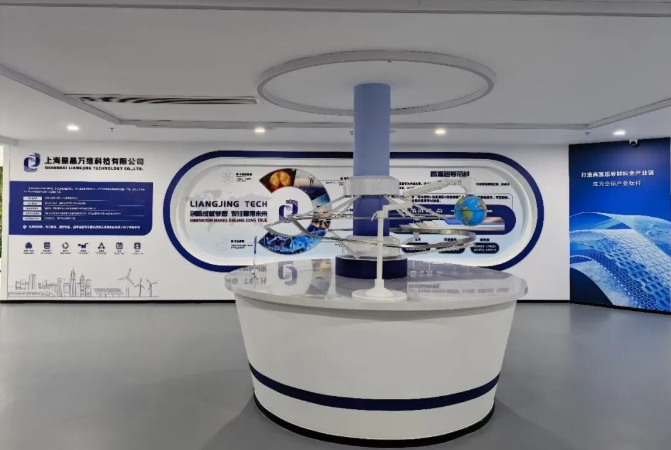
Liangjing Technology Completes Hundreds of Millions of Yuan in Financing to Advance High-Temperature Superconducting Tapes
Recently, Shanghai Liangjing Wanwei Technology Co., Ltd. (referred to as Liangjing Technology), a Chinese high-temperature superconducting materials industrialization enterprise, announced the consecutive completion of angel round, angel+ round, and Pre-A round financing totaling hundreds of millions of yuan. This round of financing was jointly led by Shenzhen Capital Group and China Reform Fund, with participation from China Nuclear Fund, CRRC Transformation and Upgrading Fund, Zijin Mining, and several other industrial and state-owned funds. The funds will be used for capacity expansion, research platform construction, and full-chain self-development of core equipment. It is reported that Liangjing Technology was established in May 2025, with core technology originating from the team of Professor Li Yijie at the School of Physics and Astronomy, Shanghai Jiao Tong University. The company adopts an independent pulsed laser deposition (PLD) route, having achieved breakthroughs in superconducting target self-manufacturing...
2026-10-26
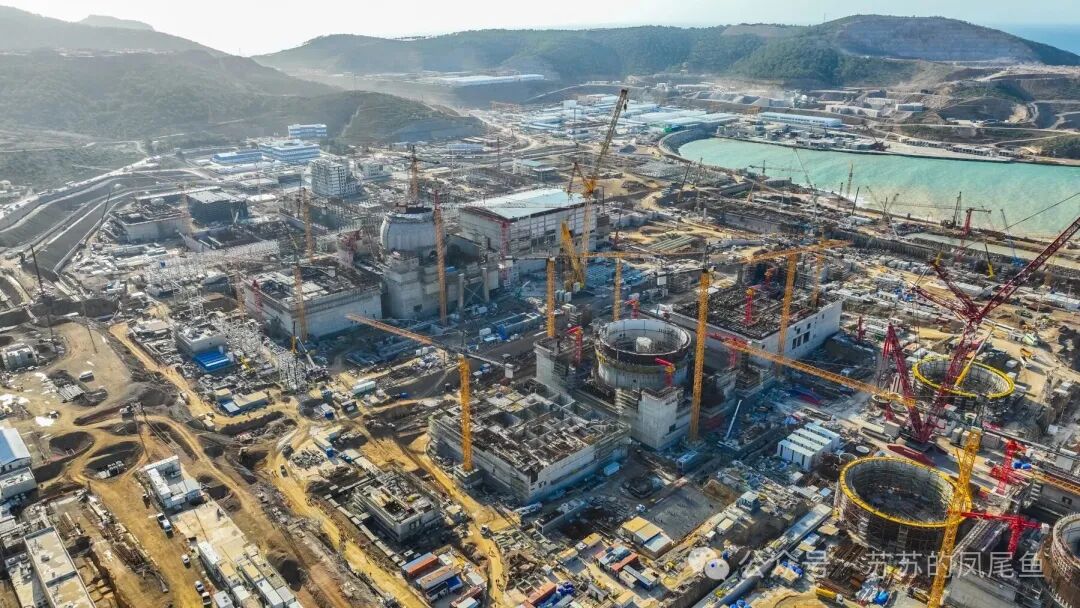
Vesta Engineering Deploys Industrial Television System for Akkuyu Nuclear Power Plant
2026-10-26
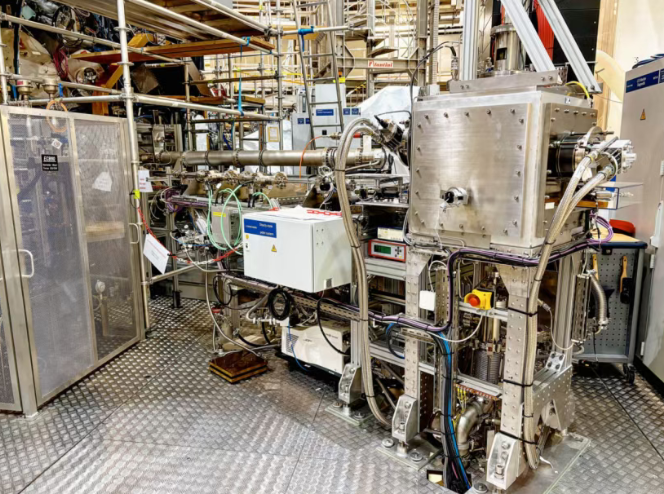
World's Largest Stellarator W7-X Launches New Experimental Campaign to Pursue Long Pulses
2026-10-26
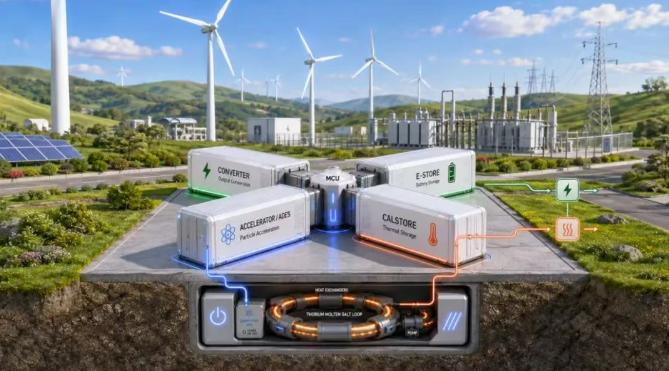
Austrian Startup Introduces Containerized Thorium-Based Reactor
2026-10-26
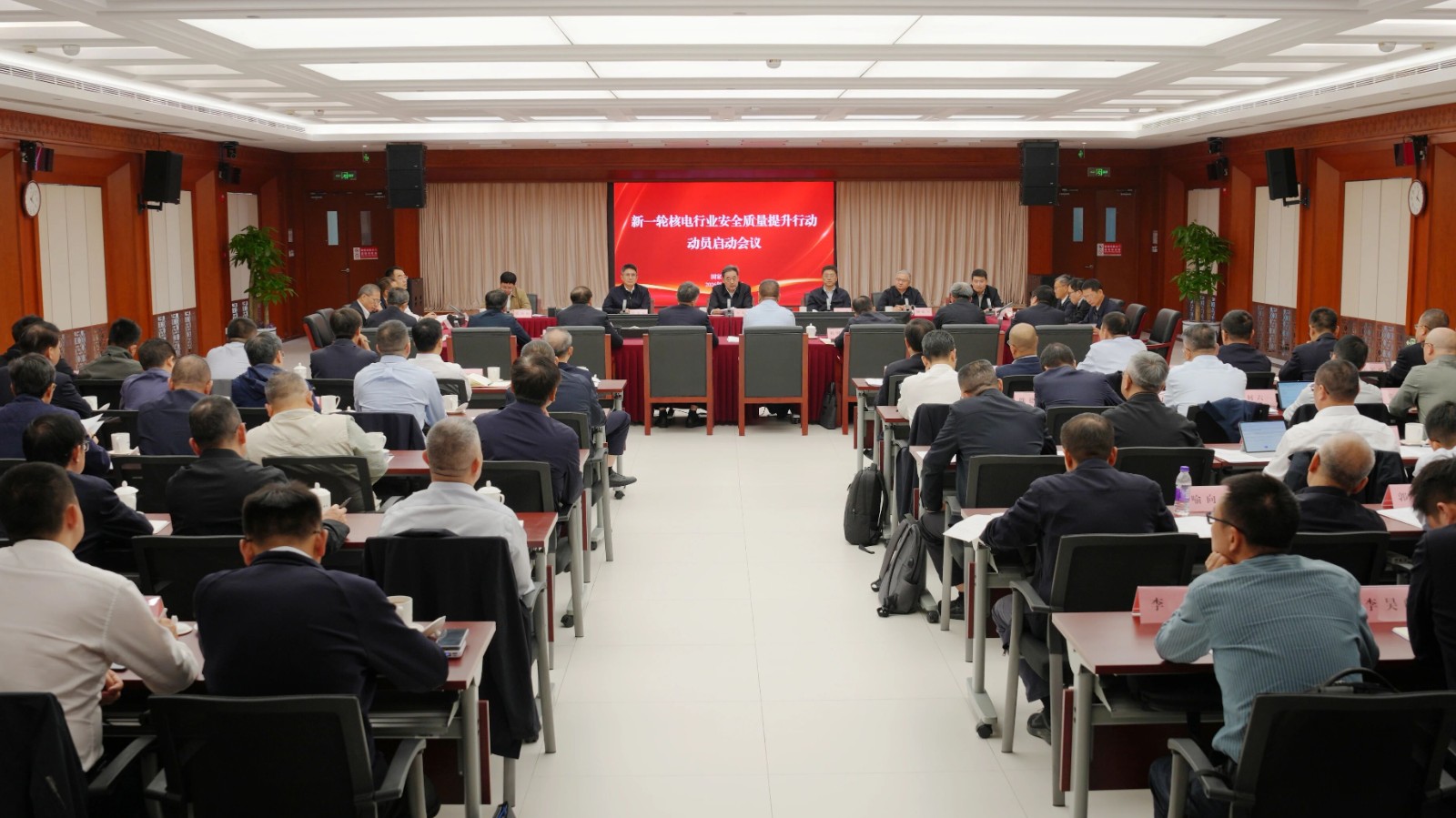
National Energy Administration Convenes Mobilization and Launch Meeting for a New Round of Nuclear Power Industry Safety and Quality Improvement Action
2026-10-25
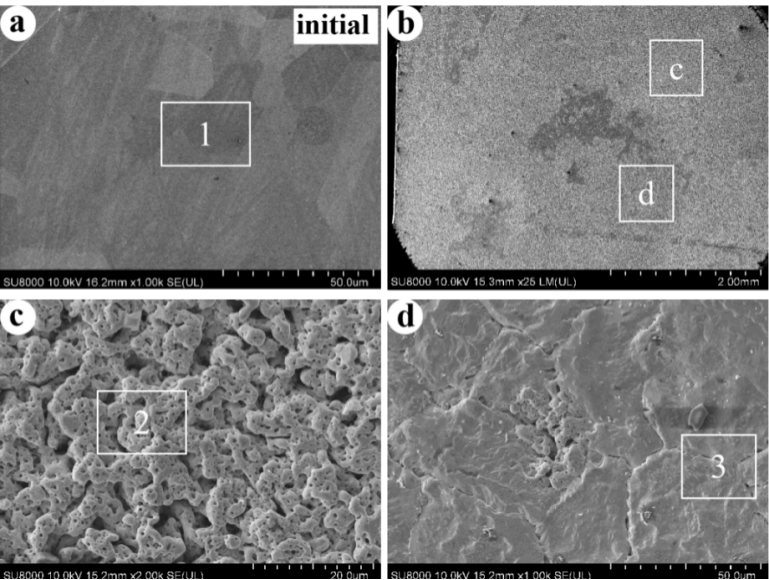
Hefei Energy Research Institute Achieves Progress in Research on Compatibility Between Fusion Materials and Liquid Metals, Providing a Basis for Cladding and First Wall Material Selection
2026-10-25
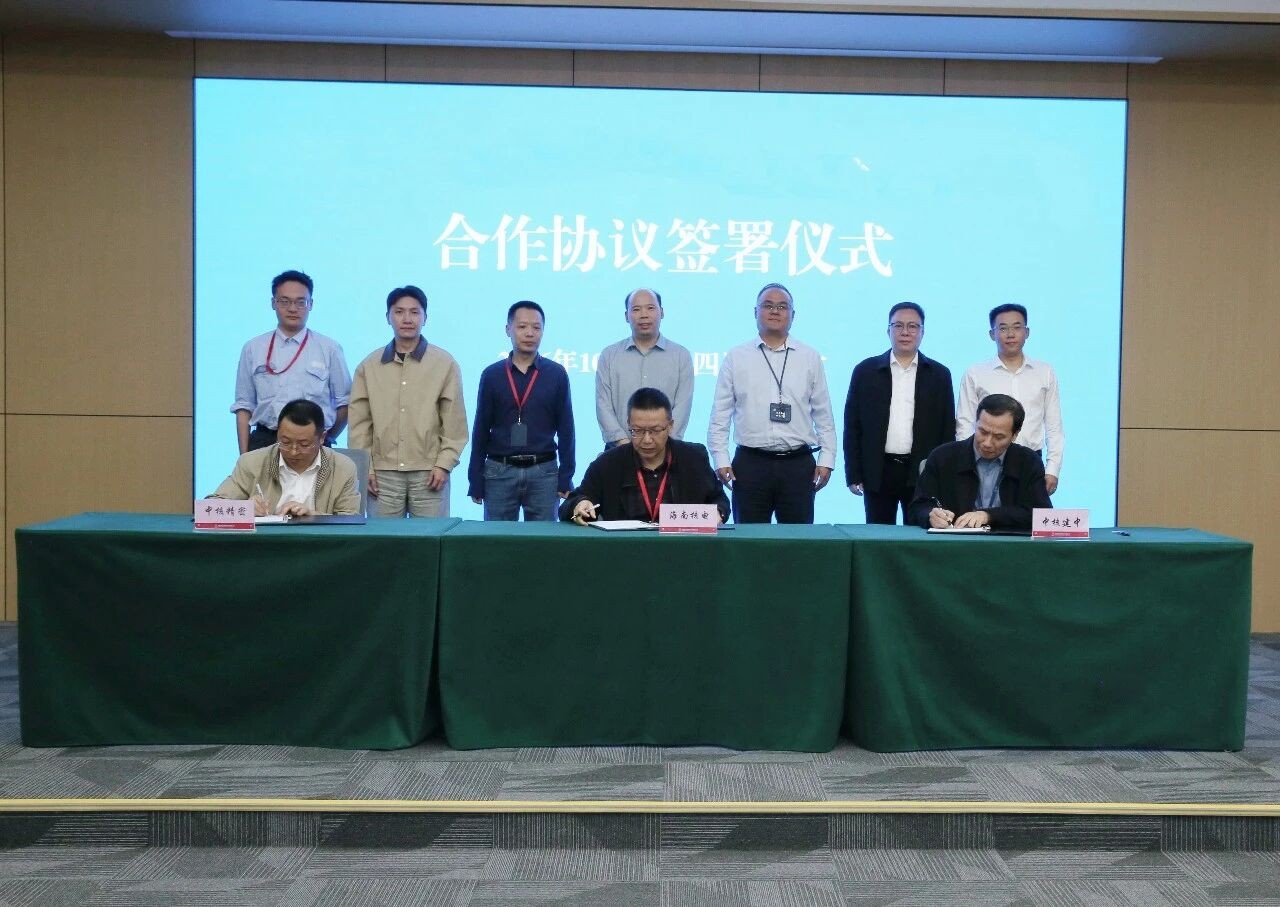
Hainan Nuclear Power, CNNC Jianzhong, and CNNC Precision Sign Special Cooperation Agreement to Jointly Tackle the Full Process of Core Components for Nuclear Fuel Assemblies
2026-10-25
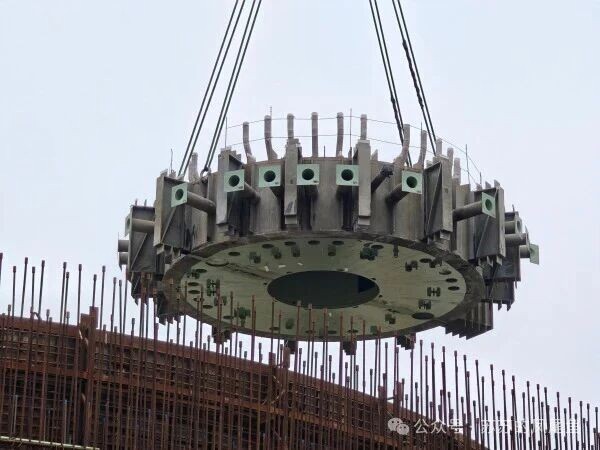
Installation of key components of the core catcher for Unit 4 of Leningrad NPP Phase II completed
2026-10-25
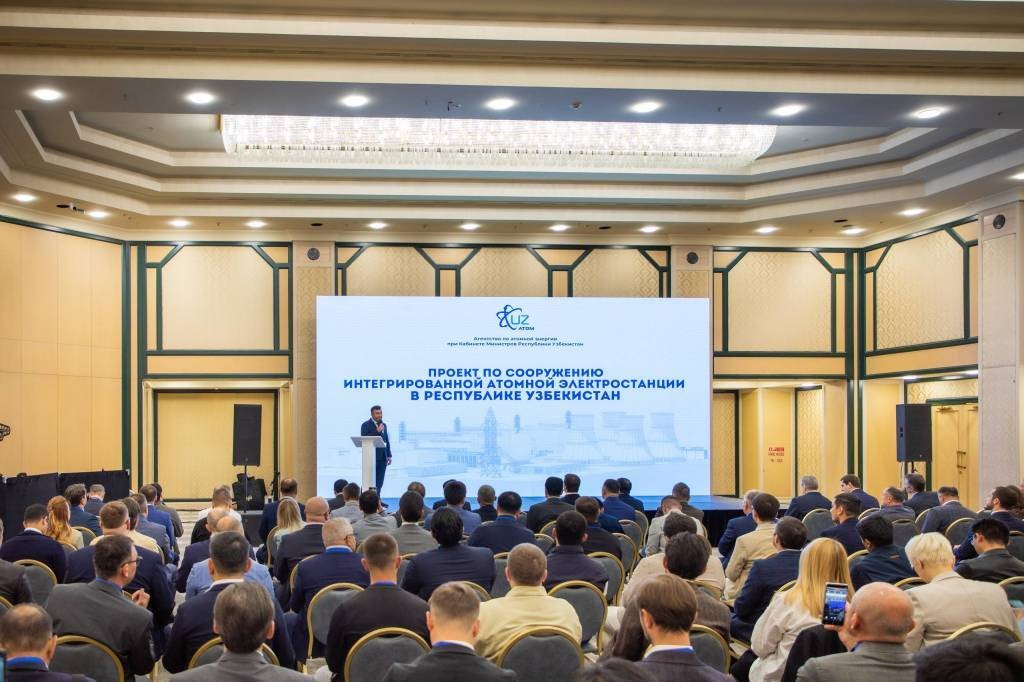
Uzbekistan and Russia Discuss Establishing a Nuclear Power Plant Construction Joint Venture and Localized Production of Multiple Core Supporting Materials
2026-10-25
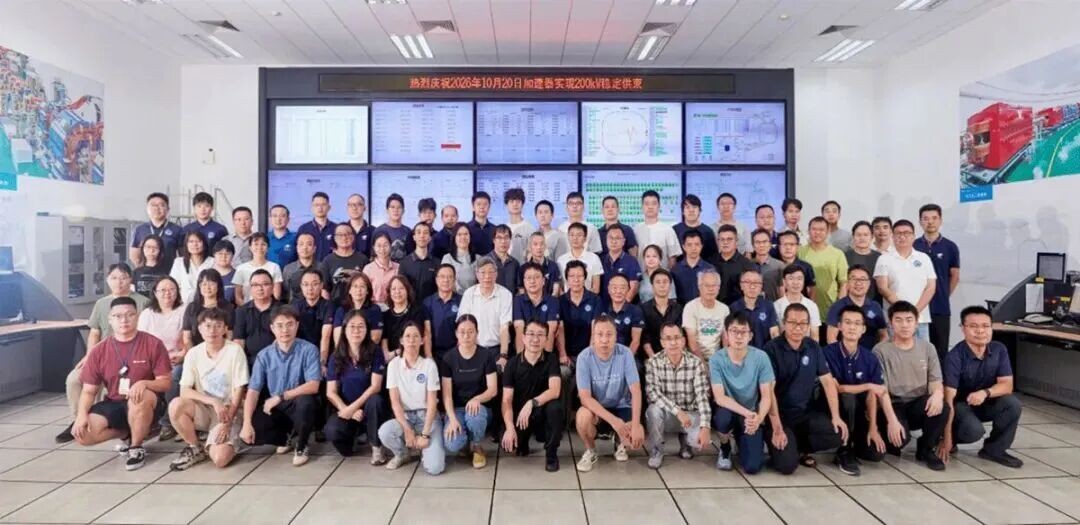
To minimize the impact on user operations, the China Spallation Neutron Source Phase II Project (CSNS-II) utilizes the annual summer shutdown window to carry out Phase II equipment installation. During this year's summer shutdown, the project team completed the installation and commissioning of the front-end equipment of the linear accelerator, all solid-state modulators, and the third magnetic alloy cavity of the rapid cycling synchrotron. At this point, all equipment of the CSNS-II accelerator except the superconducting accelerator has been installed. After nearly a month of beam commissioning, on October 20, 2026, the facility's beam power exceeded 200 kW and officially entered user operation, reaching twice the Phase I design beam power. This is also an important milestone in the CSNS-II construction, providing key verification for achieving the Phase II...
2026-10-25
The 2026 6th CNNC Radiopharmaceutical and Radionuclide Production Worker Vocational Skills Competition, themed "Forging Craftsmanship with Nuclear Power, Winning the Future with Skills," was successfully held from October 20 to 24 at the Nuclear and Radiation Safety Center of the Ministry of Ecology and Environment. The competition was hosted by CNNC and organized by China Isotope & Radiation Corporation, and is a key practical measure for CNNC and the Nuclear and Radiation Safety Center to deepen strategic coordination and advance the construction of shared laboratories. The two sides closely focused on research directions including radiation environmental monitoring, nuclide analysis, and precise sample testing, promoting the co-construction and sharing of instruments and equipment, reference materials, methodology systems, and data platforms. A total of 16 units and 3...
2026-10-25
At the China Pavilion event of the 17th Conference of the Parties to the United Nations Convention on Biological Diversity, the Ministry of Ecology and Environment of China officially released the "Beauty of Diversity: Nature-Positive Solutions Report of Chinese Enterprises." The typical case submitted by China General Nuclear Power Group (CGN), "Advancing Habitat Protection to the Decision-Making Stage of Clean Energy Development," was successfully selected, systematically presenting on the international multilateral stage the innovative governance achievements of Chinese energy enterprises in coordinating zero-carbon electricity supply with ecological habitat restoration. According to the practical experience disclosed in the report, CGN deeply integrates the concept of nature conservation into the entire lifecycle of corporate investment decisions and production operations, strictly aligning with Targets 1...
2026-10-25
Finnish radioactive waste management company Posiva has officially received an operating license from the Finnish government to operate the spent fuel encapsulation and final disposal facility at Olkiluoto. The facility thus becomes the world's first spent nuclear fuel repository to receive such an operating license. On December 30, 2021, Posiva submitted an operating license application to the Finnish Ministry of Economic Affairs and Employment for the spent fuel encapsulation plant and the Onkalo final disposal facility, with the requested operating period running from March 2024 through the end of 2070. The encapsulation plant and final disposal facility...
2026-10-24
The 39th Annual Congress of the European Association of Nuclear Medicine was held in Vienna, Austria, from October 17 to 21. CGN Nuclear Technology appeared once again, continuing its participation since its first exhibition in 2025, and showcased the core medical isotope products of CGN Isotope (Mianyang) Technology Co., Ltd. The exhibition focused on CGN Hejia® Germanium-68 solution, Germanium-Gallium generator and supporting automatic elution device, while also introducing multiple medical isotope products such as Oxygen-18, Copper-64, Zirconium-89 and Iodine-123. At this annual congress, physical exhibits such as the Germanium-Gallium generator and the supporting automatic elution device clearly demonstrated the company's technical...
2026-10-23
Recently, the China Institute of Atomic Energy (CIAE) under China National Nuclear Corporation (CNNC) successfully completed the full-process experimental verification of post-irradiation fuel assembly reassembly technology for the integrated closed fuel cycle fast reactor nuclear energy system (referred to as the integrated fast reactor), and successfully developed a reassembly prototype, comprehensively verifying the technical feasibility. This achievement marks that CIAE has independently mastered the core technology of post-irradiation fuel assembly reassembly for fast reactors, laying a solid foundation for subsequent engineering applications and material and fuel research under higher irradiation dose conditions, and is of great significance for enhancing China's advanced nuclear fuel R&D level and promoting the development of the closed fuel cycle. The full-process experimental verification platform for post-irradiation fuel assembly reassembly technology...
2026-10-23
Recently, the East China Nuclear and Radiation Safety Supervision Station of the Ministry of Ecology and Environment (hereinafter referred to as the East China Supervision Station) organized the 2026 East China Regional Nuclear Facility Safety Work Conference in Jiujiang, Jiangxi. Four nuclear power joint-stock companies and nuclear facility operating organizations within the East China jurisdiction sent personnel to attend. The conference adhered to a problem-oriented and pragmatic-first approach. The East China Supervision Station organized participants to study the latest decisions and arrangements of the Party Central Committee on nuclear safety work, and, in light of the safety and quality conditions and important typical problems of nuclear facilities in East China in the first three quarters of 2026, proposed ideas for further improving nuclear facility safety work. The operating organizations focused on contractor management, fuel management, identification and response to extreme weather risks, and...
2026-10-23