
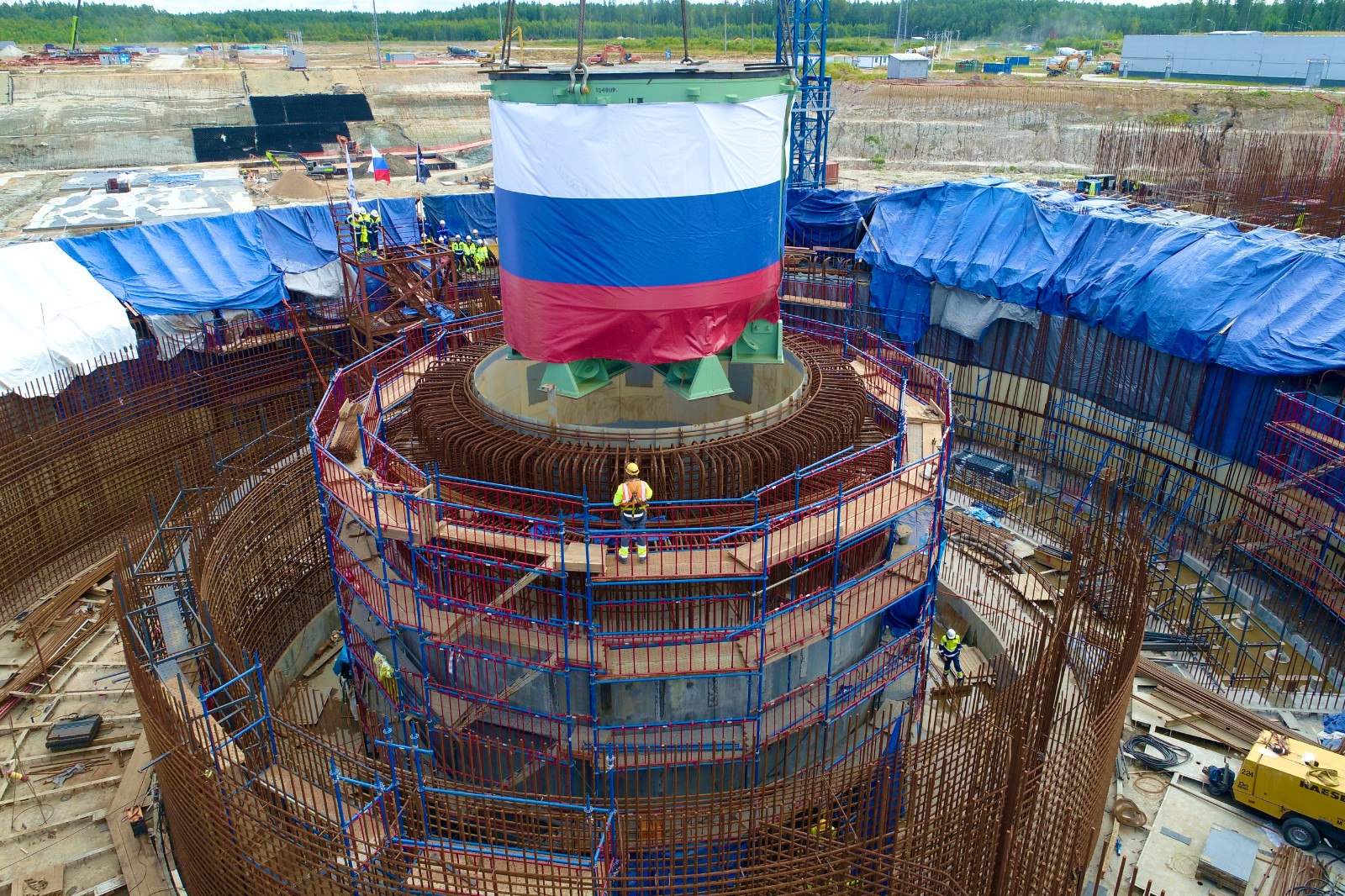
Unit 4 of Leningrad NPP Phase II completes installation of first major equipment
Unit 4 of Russia's Leningrad NPP Phase II recently completed the installation of the core melt catcher vessel. This is the first major equipment of the unit to enter the installation stage, and also the first passive safety system equipment to be installed. The steel structure weighs 157 tonnes, and the installation was carried out using a heavy crawler crane, taking about one work shift of approximately 8 hours, nearly 3 months ahead of the original schedule. Valery Zhemchugov, Acting Director of Leningrad NPP, stated that the installation of the core melt catcher vessel is a key milestone in the construction of Unit 4, a VVER-1200 pressurized water reactor unit, and that the relevant work was completed in accordance with quality requirements, providing more time for subsequent reactor building civil and installation works.
2026-07-31
Germany to Establish Fusion Technology Research Center at Karlsruhe Institute of Technology
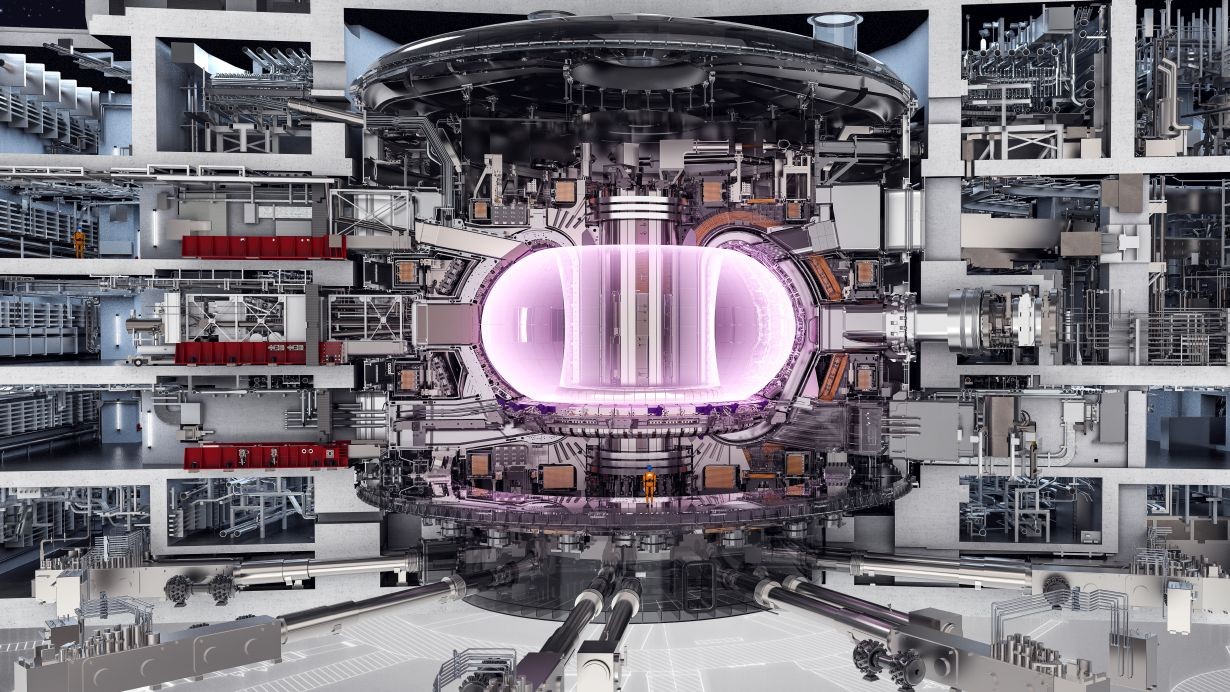
The German federal government is advancing the layout for the country's first fusion reactor. According to a decision announced on July 29, 2026, by the German Federal Ministry of Research, Technology and Space (BMFTR), one of three newly established fusion research centers will be located at the Karlsruhe Institute of Technology (KIT), focusing on fuel cycles, new materials, and engineering technology research for fusion power plants. In line with Germany's Fusion Action Plan, the new research centers will integrate the efforts of scientific institutions and industry to concentrate on solving key technical challenges before the application of fusion energy. The center at KIT will leverage the institute's expertise in fusion fuel cycles, high-performance materials, and core reactor components to advance related achievements...
2026-07-30
The 7th National Nuclear Regulatory Conference of Vietnam Convened: Improving the Legal Framework to Serve the National Nuclear Program and Sustainable Development
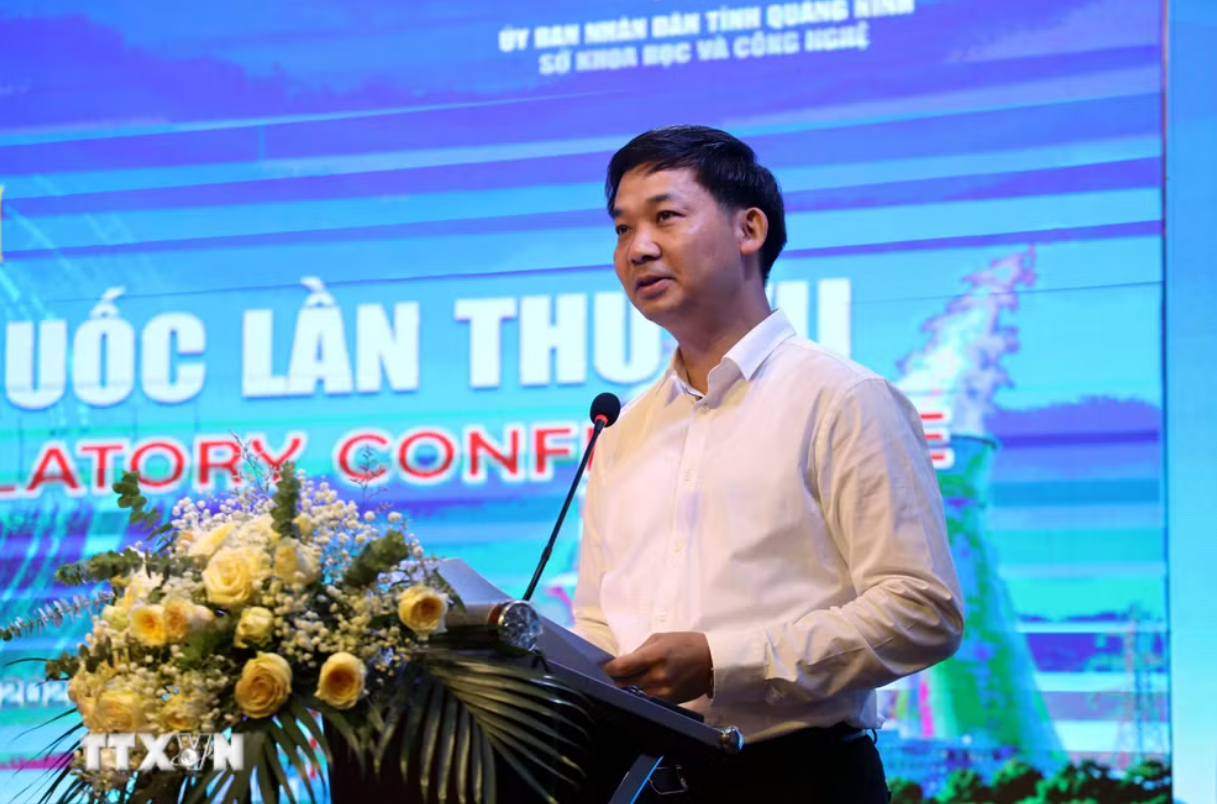
The 7th National Nuclear Regulatory Conference of Vietnam was held in Quang Ninh Province, with the theme of national management of radiation and nuclear safety serving socio-economic development. The conference brought together leaders from the government, ministries, and industry sectors, local officials, as well as over 400 delegates and experts from international organizations including the International Atomic Energy Agency (IAEA). This conference aimed to comprehensively assess the achievements of national governance in the field of radiation and nuclear safety over the past period, unify directions, clarify tasks, and formulate key solutions for development from 2026 to 2035. The conference took place at an important time when Vietnam's nuclear program is being restarted, supporting the peaceful use of atomic energy, ensuring radiation and nuclear safety, and strengthening national scientific and technological capabilities...
2026-07-30
Terrestrial Energy Signs Engineering Services Agreement with Zachry Group to Advance IMSR Plant Development in Texas
Advanced nuclear energy developer Terrestrial Energy Inc. announced on July 28 that it has signed an engineering services agreement with Zachry Group, a North American provider of engineering, construction, maintenance, turnaround, and manufacturing services. Under the agreement, Zachry Group will support Terrestrial Energy in advancing work related to the Integral Molten Salt Reactor (IMSR) plant at the Texas A&M University RELLIS campus (Texas A&M-RELLIS). The agreement covers nuclear engineering services for civil structures, mechanical and electrical systems, to support the project's design, development, and licensing activities. Both parties stated that this collaboration...
2026-07-30
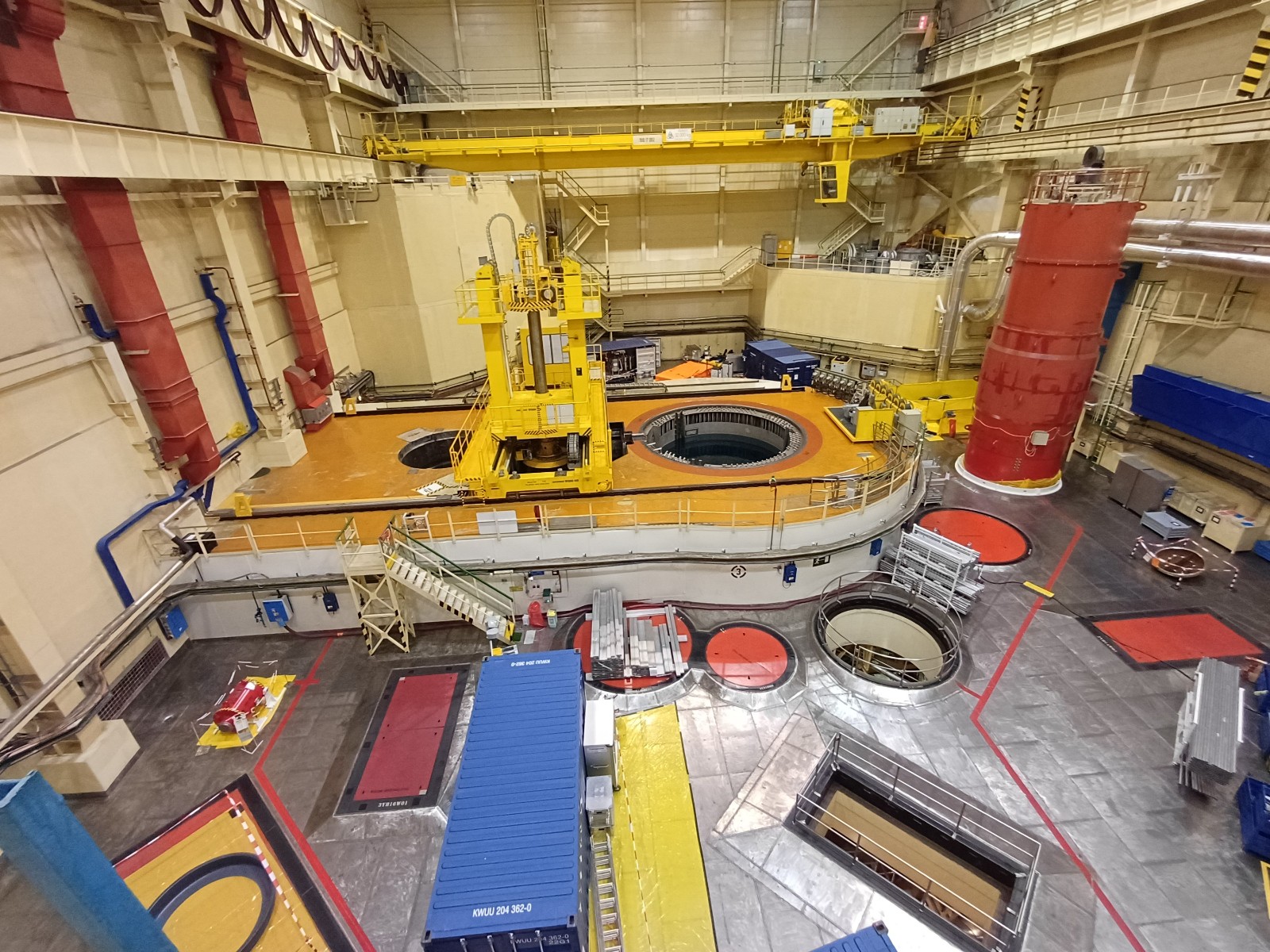
Fuel unloading completed for Unit 3 of Dukovany Nuclear Power Plant
On July 30, Unit 3 of the Dukovany Nuclear Power Plant completed the unloading of reactor fuel assemblies, and the planned refueling outage has now entered its next phase. During this outage, the plant will replace part of the nuclear fuel and carry out hundreds of inspections, tests, and maintenance activities to enhance nuclear safety levels and ensure the long-term stable operation of the unit. In this outage, although the actual number of fuel assemblies to be replaced accounts for about one-fifth of the total, operators must first remove all fuel assemblies from the entire core and transfer them to the spent fuel pool. Subsequently, the reactor water level will be lowered to create conditions for maintenance of core cooling system components and inspection of some primary circuit equipment...
2026-07-30

Kazakhstan and France Discuss Cooperation in Peaceful Uses of Nuclear Energy
On July 28-29, the bilateral committee meeting between Kazakhstan and France on the peaceful uses of nuclear energy was held at the French Ministry for Europe and Foreign Affairs. The meeting was convened in accordance with the bilateral agreement on cooperation in the peaceful uses of nuclear energy, focusing on reviewing progress in scientific, technological, and industrial cooperation, and discussing the direction of the next phase of collaboration. The Kazakh delegation was led by Almasadam Satkaliyev, Director of the Atomic Energy Agency of the Republic of Kazakhstan. During the visit, the delegation met with Jean-Noël Barrot, French Minister for Europe and Foreign Affairs, Nicolas Forissier, Minister Delegate for Foreign Trade and Economic Attractiveness...
2026-07-30
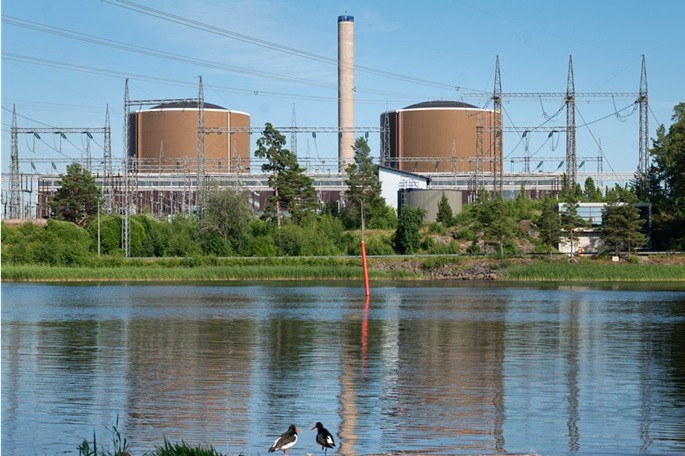
Annual outage maintenance of Loviisa Nuclear Power Plant begins on August 2
Fortum, the Finnish state-owned energy company, announced that the annual outage maintenance of the Loviisa Nuclear Power Plant will commence on August 2, starting with Unit 2 and then transitioning to Unit 1. The maintenance is scheduled to continue until October 18. During this period, the two units will be taken offline for maintenance in rotation, with the other unit remaining in operation. As planned, Unit 2 will undergo a major annual overhaul conducted every eight years. During the maintenance, staff will unload the reactor fuel, inspect and pressure test the reactor pressure vessel, replace approximately one-quarter of the fuel, and complete a series of equipment maintenance and servicing tasks. Unit 1 will undergo a shorter routine annual maintenance, primarily involving fuel replacement and related maintenance work.
2026-07-30
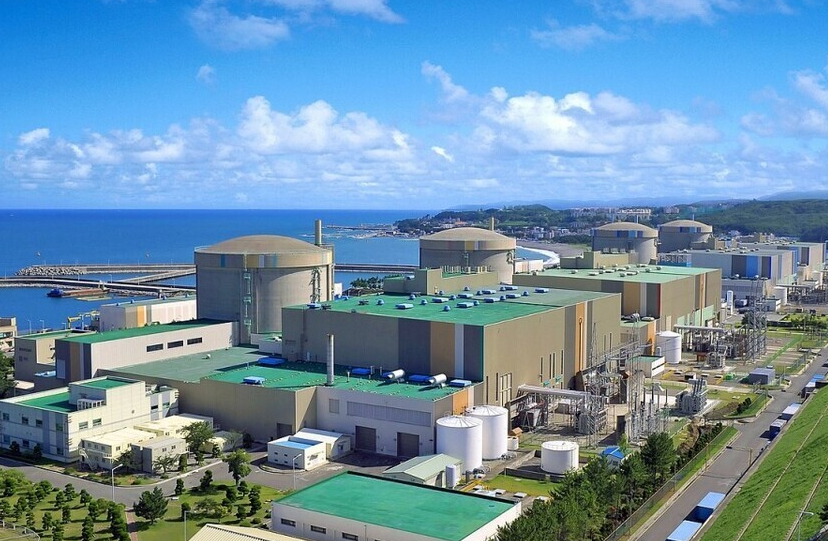
Heavy water leak at Wolseong Nuclear Power Plant Unit 2 in South Korea found to be far larger than initially reported
The actual scale of the heavy water leak that occurred at Wolseong Nuclear Power Plant Unit 2 in Gyeongju, North Gyeongsang Province, South Korea, in September last year, is reported to be far larger than the initially disclosed figure. The Gyeongju Environmental Movement Alliance disclosed on the 30th that a detailed internal report obtained from Korea Hydro & Nuclear Power (KHNP) shows the total amount of heavy water leaked was 1,311.15 kg, approximately five times the initially reported 256 kg, of which 5.14 kg was recorded as having leaked outdoors. After the incident, Korea Electric Power Corporation (KEPCO) had reported a heavy water leak of 256 kg and stated that no external leakage occurred. The detailed report now made public reveals...
2026-07-30
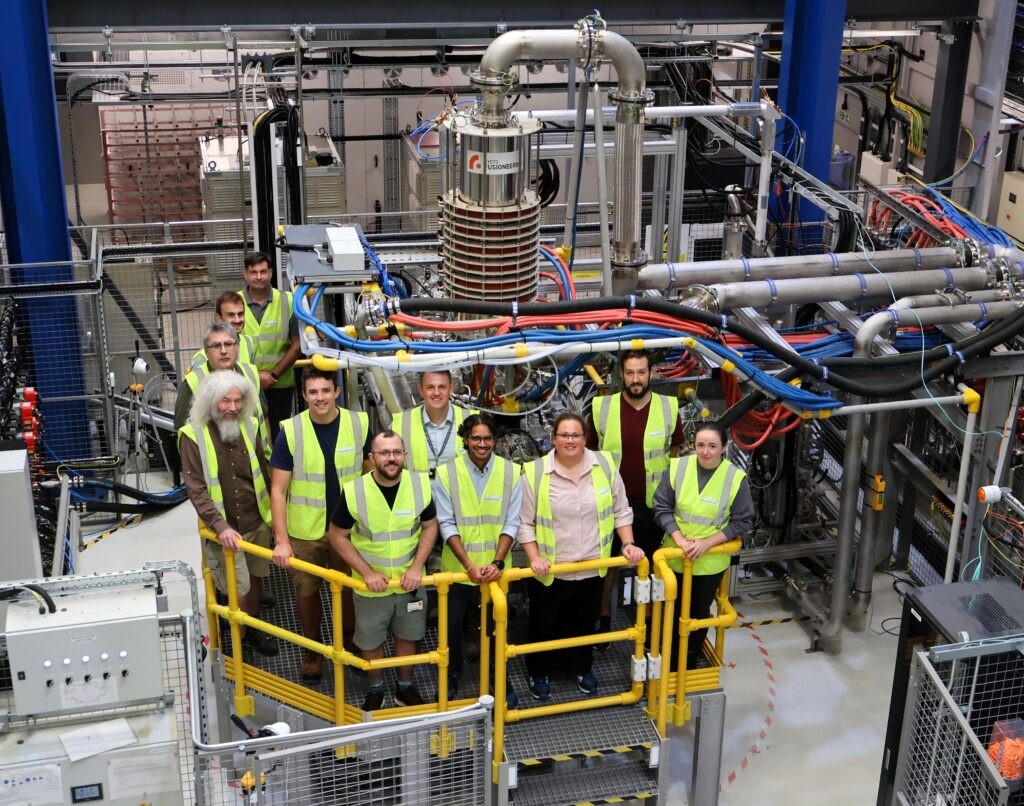
Tokamak Energy's ST40 device new gyrotron completes site acceptance test
Tokamak Energy disclosed on July 29 that the new gyrotron planned for its high-field spherical tokamak device ST40 has completed site acceptance testing. The equipment, which will serve as the core component of the radio frequency heating system, has undergone key performance verification before installation on ST40. During this test, the gyrotron achieved stable 1 MW power operation at both 104 GHz and 137 GHz frequencies, with pulse lengths up to 2 seconds. The test content included repeatability, modulation capability, power control, and mode purity, and the results demonstrated that the equipment can meet the requirements for sustained performance output in relevant fusion experiments. The gyrotron was built by Kyoto Fusioneering...
2026-07-30
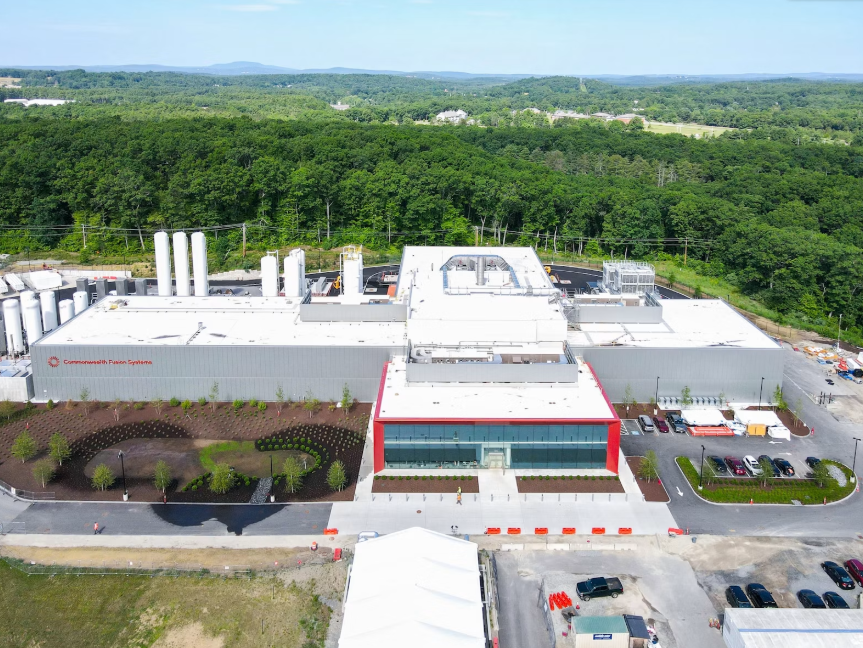
U.S. Fusion Energy Company CFS Completes $1 Billion Equity Financing
U.S. fusion energy startup Commonwealth Fusion Systems (CFS) announced on July 30 that it has completed $1 billion in new equity financing. The company stated that this is one of the largest single-round financings globally for a fusion energy company since its $1.8 billion Series B round in 2021. To date, CFS has raised a total of $4 billion, accounting for nearly 30% of the cumulative global fusion industry financing. Headquartered in Devens, Massachusetts, CFS was founded in 2018. The company is primarily advancing the SPARC fusion demonstration device and the ARC commercial fusion power plant project. Fusion reactions release energy by combining light atoms such as hydrogen under extremely high temperatures and pressures, and are considered a potential low-carbon energy pathway. However, fusion reactors are still in the experimental and engineering validation stage, with related technologies facing challenges such as material resistance to neutron bombardment and improving reaction efficiency.
2026-07-30

Princeton University and PPPL Launch Collaborative Graduate Program in Plasma Science and Technology
The Princeton Plasma Physics Laboratory (PPPL), a U.S. Department of Energy (DOE) facility, and Princeton University recently launched the Collaborative Research Program in Plasma Science and Technology (CRPST). This two-year program, which began on July 1, 2026, aims to establish a more formal joint mentorship mechanism and expand opportunities for Princeton University graduate students in engineering, physics, and related disciplines to participate in research at PPPL. Under the program, selected students will be jointly mentored by a PPPL scientist and a Princeton University faculty member. Students will work at PPPL at least one day per week, participate in relevant research groups, and use laboratory facilities to advance their projects...
2026-07-30
SuperCritical Obtains Exclusive License for Uranium Extraction from Seawater Technology, Plans Industrial Deployment in the United States
SuperCritical Materials Corp., a U.S. developer of nuclear fuel and critical materials infrastructure, announced on July 24 that it has obtained an exclusive license from Battelle Memorial Institute for a patented uranium adsorbent technology used to extract uranium from seawater. The technology was originally developed by Pacific Northwest National Laboratory (PNNL) and its research partners. Battelle Memorial Institute currently manages eight national laboratories for the U.S. federal government. SuperCritical stated that the technology has been verified to extract uranium from seawater...
2026-07-30
U.S. Department of Energy Selects Five States to Explore Building Nuclear Lifecycle Innovation Hubs
The U.S. Department of Energy (DOE) announced on July 28 that it has selected Utah, Tennessee, Oklahoma, Louisiana, and Idaho as potential host states for Nuclear Lifecycle Innovation Hubs. The DOE has signed memorandums of understanding with these five states and will continue to evaluate the conditions and plans for hosting the hubs in each state. On January 28 of this year, the DOE issued a Request for Information, inviting states to express interest in building Nuclear Lifecycle Innovation Hubs. The proposed hubs are intended to support full lifecycle activities for nuclear fuel, including fuel fabrication, uranium enrichment, spent nuclear fuel reprocessing, and waste disposal. Depending on state priorities and regional capabilities, the hubs may also accommodate...
2026-07-30
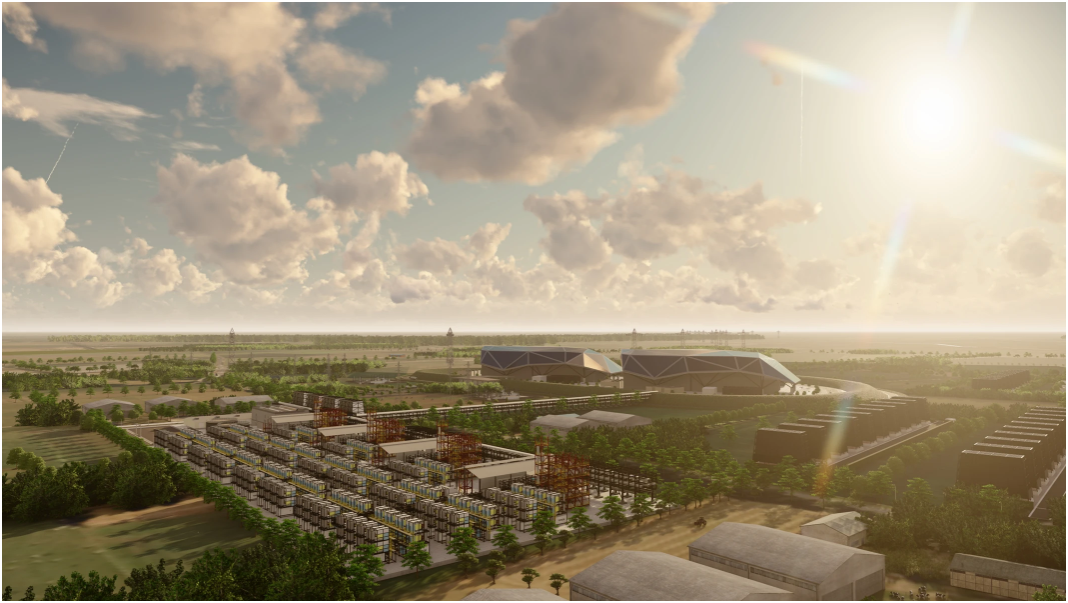
McDermott Signs Agreement with ULC-Energy to Support Rolls-Royce SMR Development in the Netherlands
McDermott and ULC-Energy announced on July 29 that they have signed a cooperation agreement to jointly support the development of the Rolls-Royce Small Modular Reactor (Rolls-Royce SMR) project, with a primary focus on the Dutch market. Under the agreement, the collaboration will center on the coupling of small modular reactors with energy-intensive industrial processes, exploring the application of nuclear energy in industrial energy systems. McDermott will leverage its engineering experience in energy transition and industrial decarbonization, covering areas such as low-carbon hydrogen and ammonia, sustainable aviation fuel (SAF), and carbon capture and utilization (CCU); ULC-Energy will provide capabilities in nuclear project development.
2026-07-30
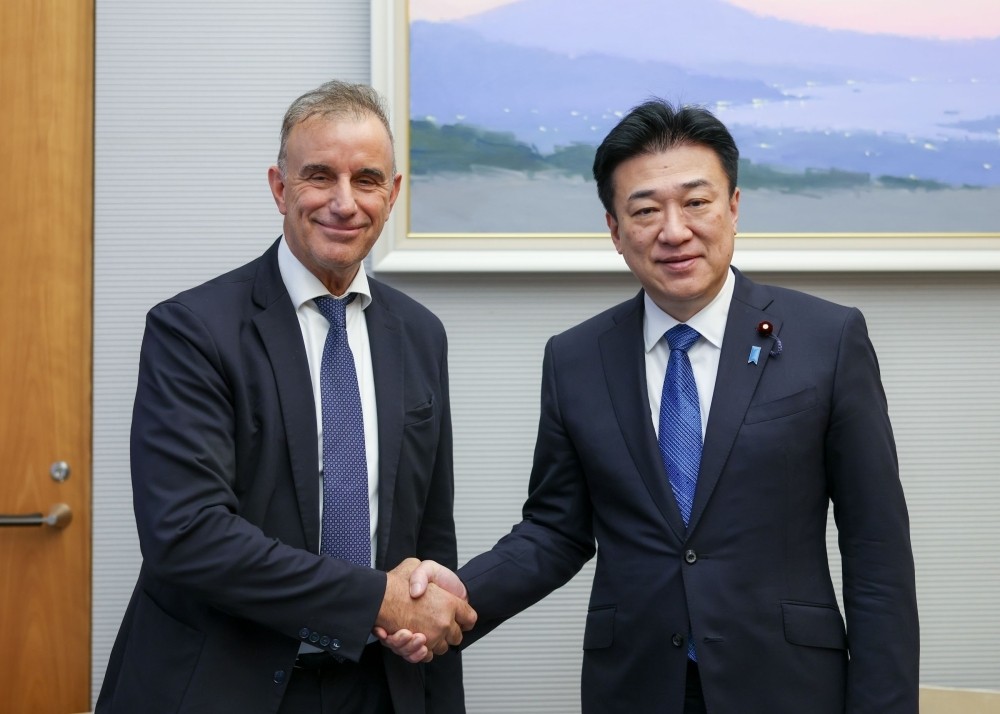
Japan's Chief Cabinet Secretary Meets ITER Organization Director-General
Starting at 4:50 p.m. on July 29, Japan's Chief Cabinet Secretary Yoshimasa Hayashi met with Pietro Barabaschi, Director-General of the International Thermonuclear Experimental Reactor (ITER) Organization, who was visiting Japan. The meeting lasted approximately 15 minutes. (Photo source: Japan Cabinet Public Affairs Office) Hayashi welcomed Barabaschi's visit to Japan. He stated that fusion energy has been listed as one of the 17 strategic areas in Japan's growth strategy. Japan looks forward to progress in the ITER project and believes it will play a significant role in advancing the realization of fusion energy and enhancing energy security. Hayashi...
2026-07-30
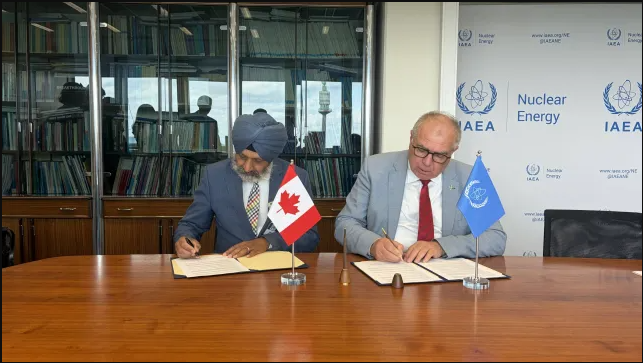
IAEA and University of Saskatchewan Sign Agreement to Strengthen Nuclear Talent Development
The International Atomic Energy Agency (IAEA) and the University of Saskatchewan recently signed a "Practical Arrangement" to enhance cooperation in nuclear knowledge management, nuclear energy education, research support, and talent development. The agreement was signed on July 24 at IAEA headquarters. Baljit Singh, Vice-President of the University of Saskatchewan, and Mikhail Chudakov, IAEA Deputy Director General and Head of the Department of Nuclear Energy, signed the "Practical Arrangement" on July 24 at IAEA headquarters. (Photo: IAEA) Under the agreement, the two parties will collaborate through training workshops, expert missions, and educational material development...
2026-07-30
American Fusion Company Launches Texatron Test Program at Texas Tech University
American Fusion Company announced on July 29 that, after completing preliminary laboratory preparations and verifying the remote ignition system, the company has launched the Texatron test program at Texas Tech University. The company is the developer of proprietary technologies related to the Texatron fusion engine. According to the company, a total of seven members of the American Fusion engineering and scientific team conducted a one-day preparation session at the research facilities of the Department of Physics and Astronomy at Texas Tech University. The activities included laboratory environment setup, inspection of instrumentation and supporting systems, system interface verification, and preparation for Texatron platform operation...
2026-07-30
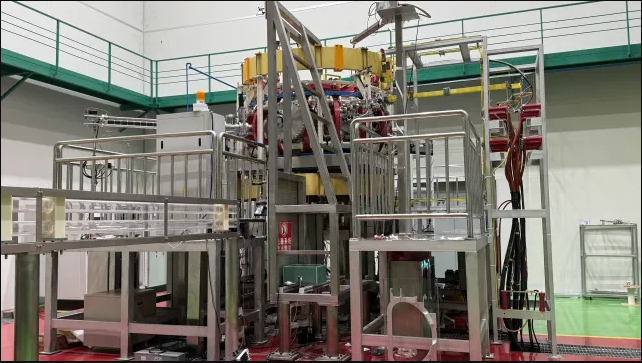
IAEA Launches New Project to Advance Research Network on Small and Medium-Sized Fusion Devices
The International Atomic Energy Agency recently launched a new Coordinated Research Project, aiming to further strengthen the global network of small and medium-sized fusion devices, supporting multinational coordinated experiments, diagnostic technology development, and personnel training, providing a platform for cultivating the next generation of fusion researchers. The Tokamak TT-1 device at the Thailand Institute of Nuclear Technology (TINT) has long participated in the IAEA Coordinated Research Project on the network of small and medium-sized fusion devices, contributing to international cooperation, research, and capacity building. (Photo: JP Cayol/IAEA) This project builds upon a previous five-year collaborative research program. The previous project was named Small and Medium-Sized Magnetic Confinement...
2026-07-30
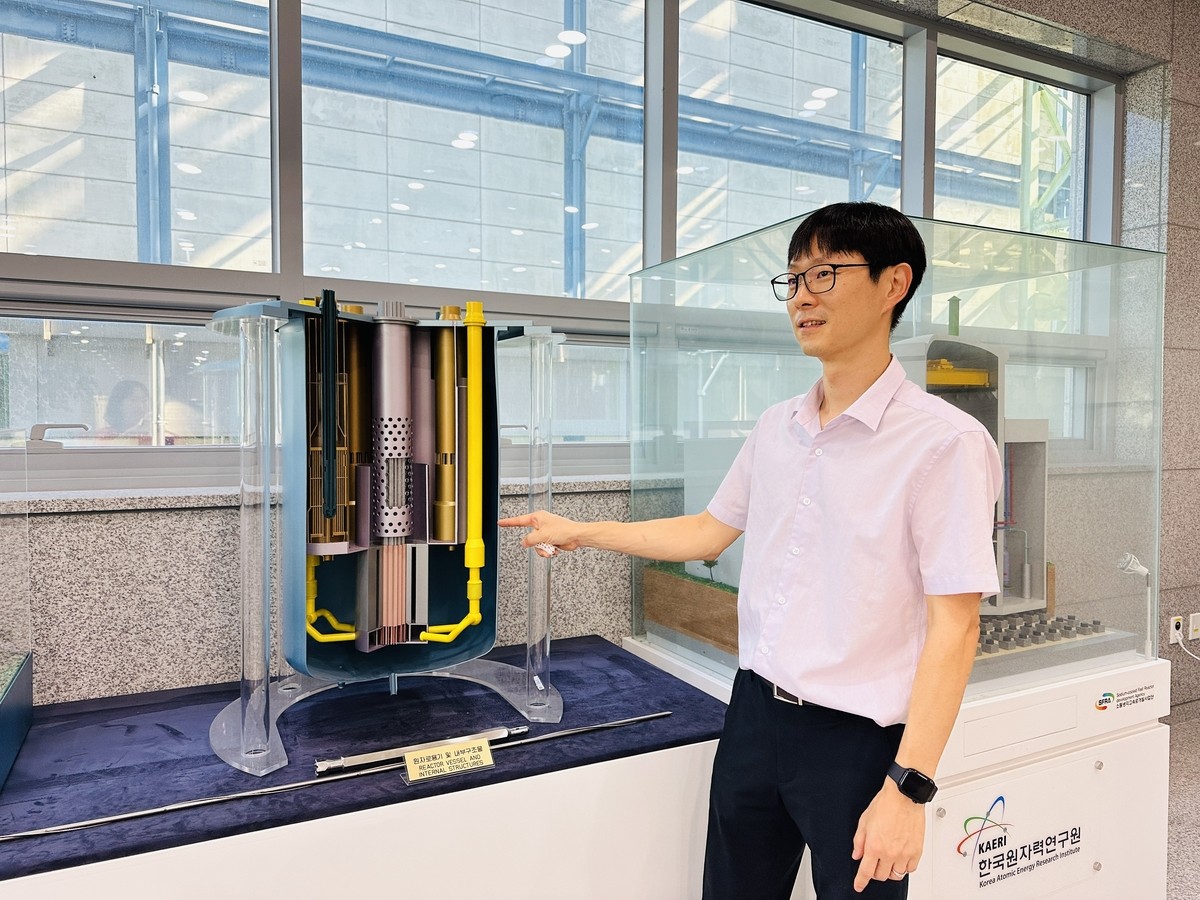
South Korea launches design of 250 MWe sodium-cooled fast reactor Helios
The Korea Atomic Energy Research Institute (KAERI), in collaboration with Hyundai Engineering & Construction and KEPCO E&C, has initiated the design of the next-generation sodium-cooled fast reactor Helios. The reactor is planned to have an electrical output of 250 MWe, based on the existing 100 MWe-class sodium-cooled fast reactor Salus-100 design, targeting large-scale power consumption applications such as AI data centers and industrial parks. Lee Je-hwan, head of the Fourth Generation Reactor Technology Development Department at KAERI, stated that future demand for large-scale carbon-free electricity around AI data centers and industrial parks...
2026-07-30
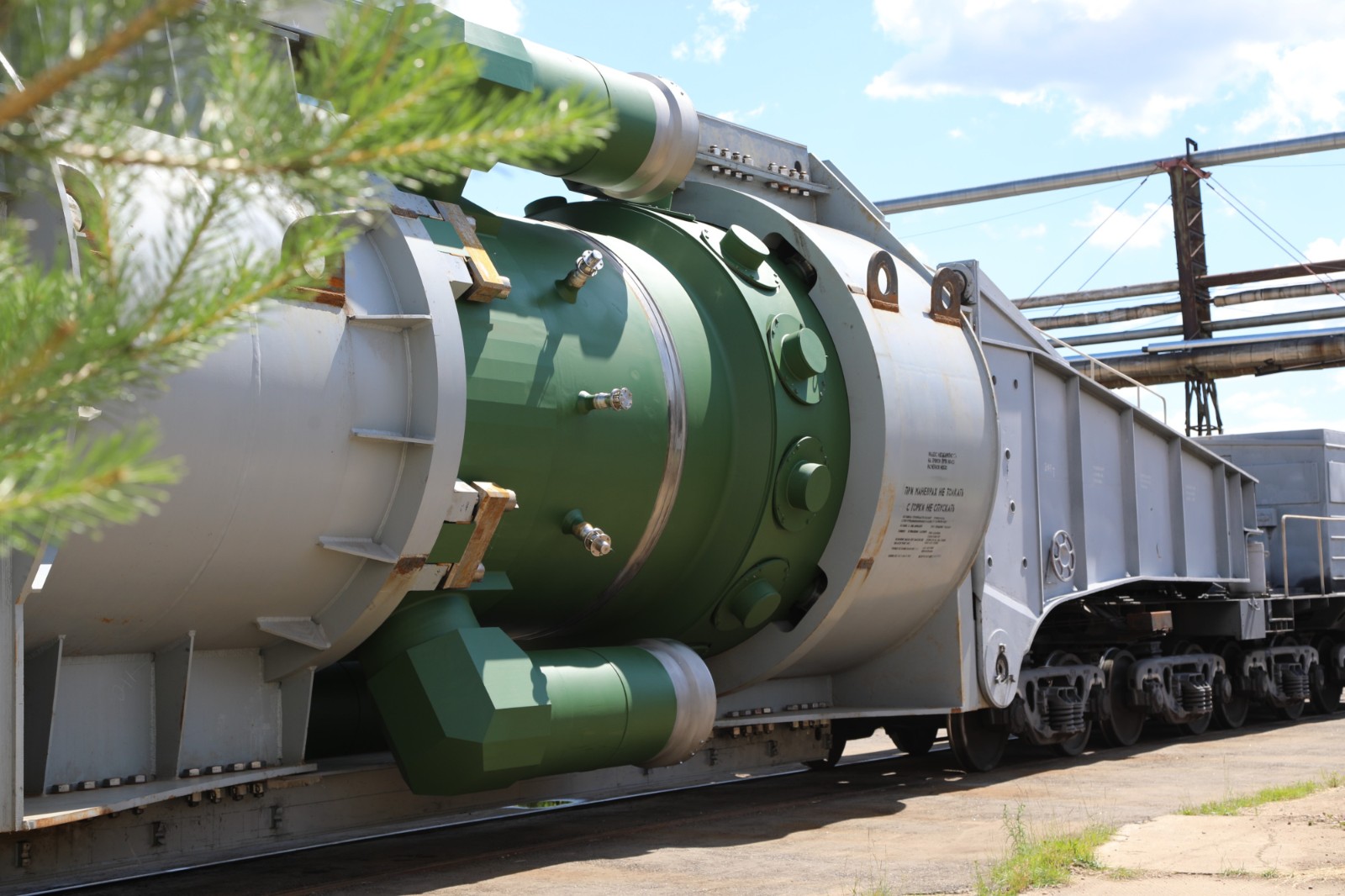
Russia Completes Manufacturing of Second RITM-200 Reactor Unit for Leningrad Nuclear-Powered Icebreaker
On July 29, Rosatom's ZiO-Podolsk Mechanical Plant in the Moscow Region completed the manufacturing of the second RITM-200 reactor unit for the Leningrad nuclear-powered icebreaker. With this, the manufacturing of all major equipment for the reactor compartment of this under-construction 22220-type universal nuclear-powered icebreaker has been fully completed. The Leningrad nuclear-powered icebreaker began construction in January 2024. The naming of the vessel is linked to the 80th anniversary of the lifting of the Siege of Leningrad, with veterans and survivors of the siege proposing that this new-generation nuclear-powered icebreaker be named Leningrad. Following Rosatom's tradition of naming reactor units, the two completed reactor units of the Leningrad have been named "Iskra" and "Grom," commemorating the operations that broke and ultimately lifted the Siege of Leningrad between 1943 and 1944.
2026-07-30
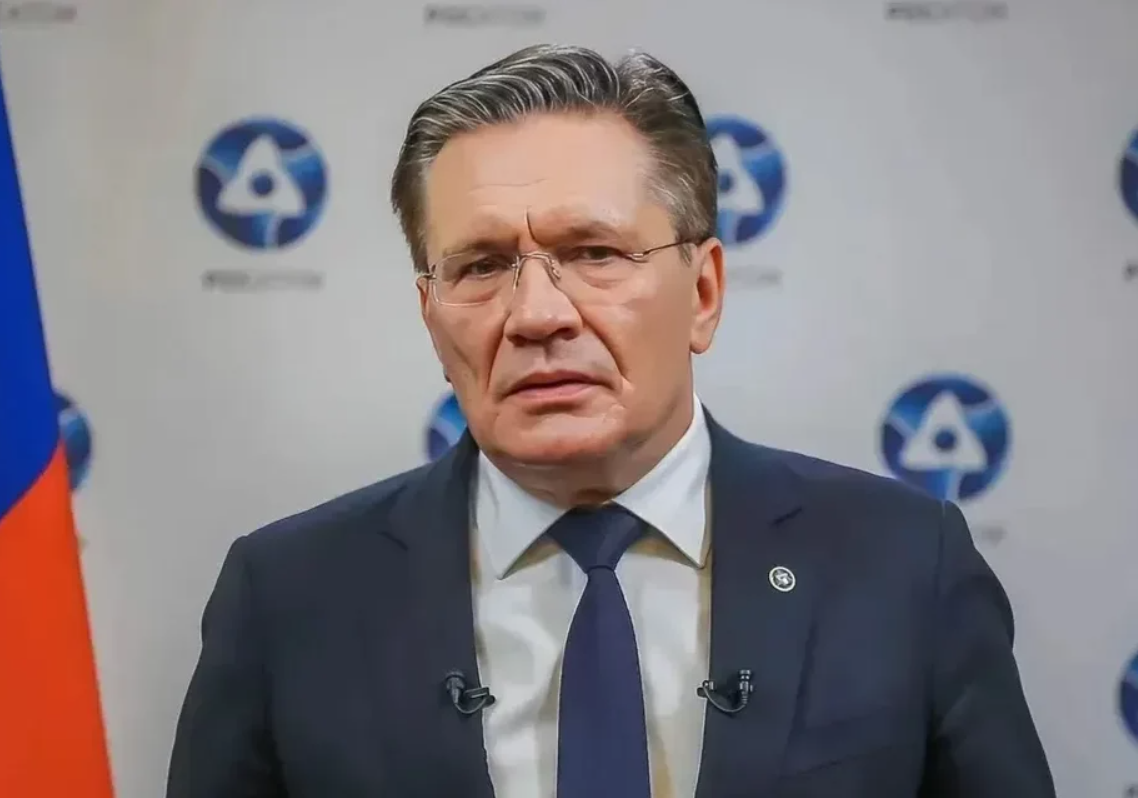
Rosatom says 13 small reactor pressure vessels at various production stages
Rosatom Director General Alexey Likhachev recently stated that 13 small reactor pressure vessels are currently at various production stages, and the equipment will be used for nuclear-powered icebreakers and small nuclear power plant projects. Likhachev noted that the batch includes reactor pressure vessels for the Uzbekistan nuclear power plant, which is planned to start construction in 2026. He said that the simultaneous manufacturing of 13 small reactor pressure vessels is unprecedented in the history of Russia's nuclear industry. The reactor pressure vessel is one of the core components of the primary circuit of a nuclear reactor, used to house the core and related internal structures, and withstand high temperatures and pressures during operation.
2026-07-30
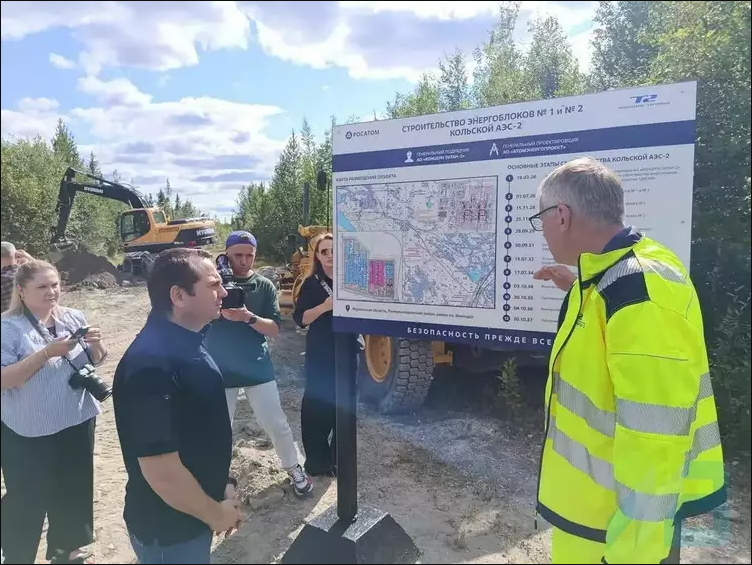
Construction of Kola Nuclear Power Plant Phase II Starts in Murmansk Region
On July 29, Murmansk Region Governor Andrey Chibis announced the start of construction of the Kola Nuclear Power Plant Phase II, located near the town of Polyarnye Zori in the region. Chibis stated that the Kola NPP is the most powerful nuclear power plant north of the Arctic Circle, having supplied energy to the Arctic region for over half a century. The newly launched Phase II project is situated adjacent to the existing plant, with a planned installed capacity of 1,200 megawatts. He noted that the Kola NPP Phase II is the second major energy facility built in the Murmansk Region in the past seven years, and will provide energy support for key regional projects over the coming decades, including the construction of new production facilities, mining projects, and the development of the trans-Arctic transport corridor and the resource base of the Northern Sea Route.
2026-07-30
Reading Ranking
- 1 Germany to Establish Fusion Technology Research Center at Karlsruhe Institute of Technology
- 2 IAEA Launches New Project to Advance Research Network on Small and Medium-Sized Fusion Devices
- 3 DOE's Oak Ridge National Laboratory and REV Advance Shared Fusion Test Platform Construction
- 4 Nuclear power companies in Gyeongsangnam-do, South Korea, selected for SMR advanced manufacturing technology project
- 5 SuperCritical Obtains Exclusive License for Uranium Extraction from Seawater Technology, Plans Industrial Deployment in the United States
- 6 Unit 2 of Romania's Cernavoda Nuclear Power Plant not to shut down temporarily due to low Danube water level
- 7 Hungary replaces head of Paks II nuclear power project company.
- 8 Germany's Hesse to Build National Laser Fusion Center, Plans Commercial Laser Fusion Power Plant at Biblis
- 9 Rosatom states that the Akkuyu Nuclear Power Plant is just months away from commissioning.
- 10 McDermott Signs Agreement with ULC-Energy to Support Rolls-Royce SMR Development in the Netherlands
- 11 EDF plans to bring in investors for Nuward small modular reactor project by end of 2026
- 12 Chugoku Electric Power Submits Third Amendment to Reactor Installation Change Permit Application for Shimane Nuclear Power Plant Unit 3 to Regulatory Authority
- 13 Europe Completes Manufacturing of JT-60SA Pellet Centrifuge Accelerator
- 14 Romanian National Nuclear Power Company Responds to Review Comments on the Doicești SMR Project
- 15 Multiple meetings focus on the *Convention on Supplementary Compensation for Nuclear Damage* as the global nuclear liability regime continues to advance.