
Search Results
Keyword:-
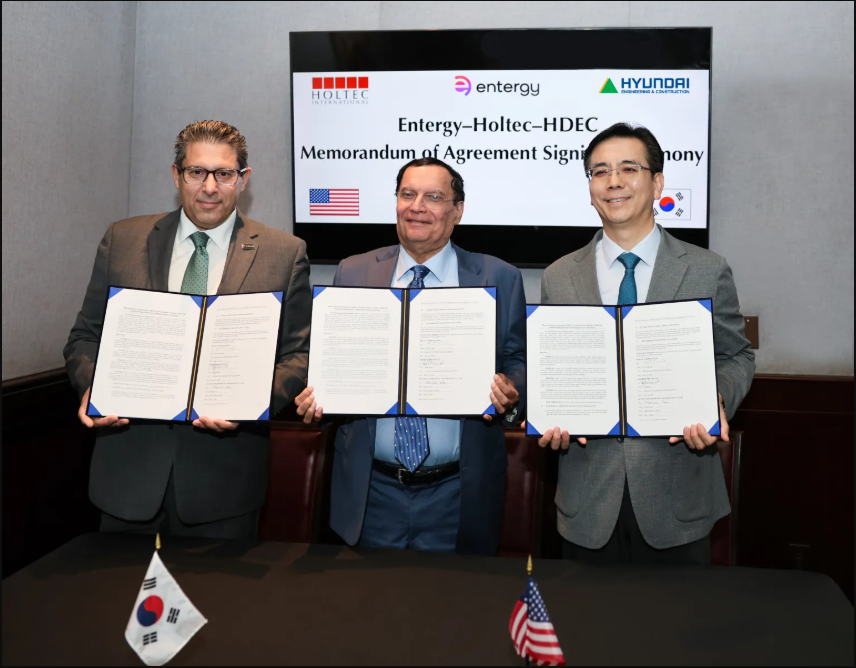
Holtec, Entergy, and Hyundai Engineering & Construction Partner to Evaluate SMR-300 Deployment Opportunities in the Southern United States
On August 4, local time, Holtec International, Entergy Services, LLC, and Hyundai Engineering & Construction Co., Ltd. (HDEC) announced a strategic collaboration to jointly evaluate potential opportunities for deploying Holtec's SMR-300 advanced small modular reactor within Entergy's service territory to power large-load customers. The collaboration is established through a non-binding memorandum of agreement. Under the arrangement, the three parties will conduct assessments around a potential two-unit SMR-300 project, focusing on customer demand,...
2026-08-05
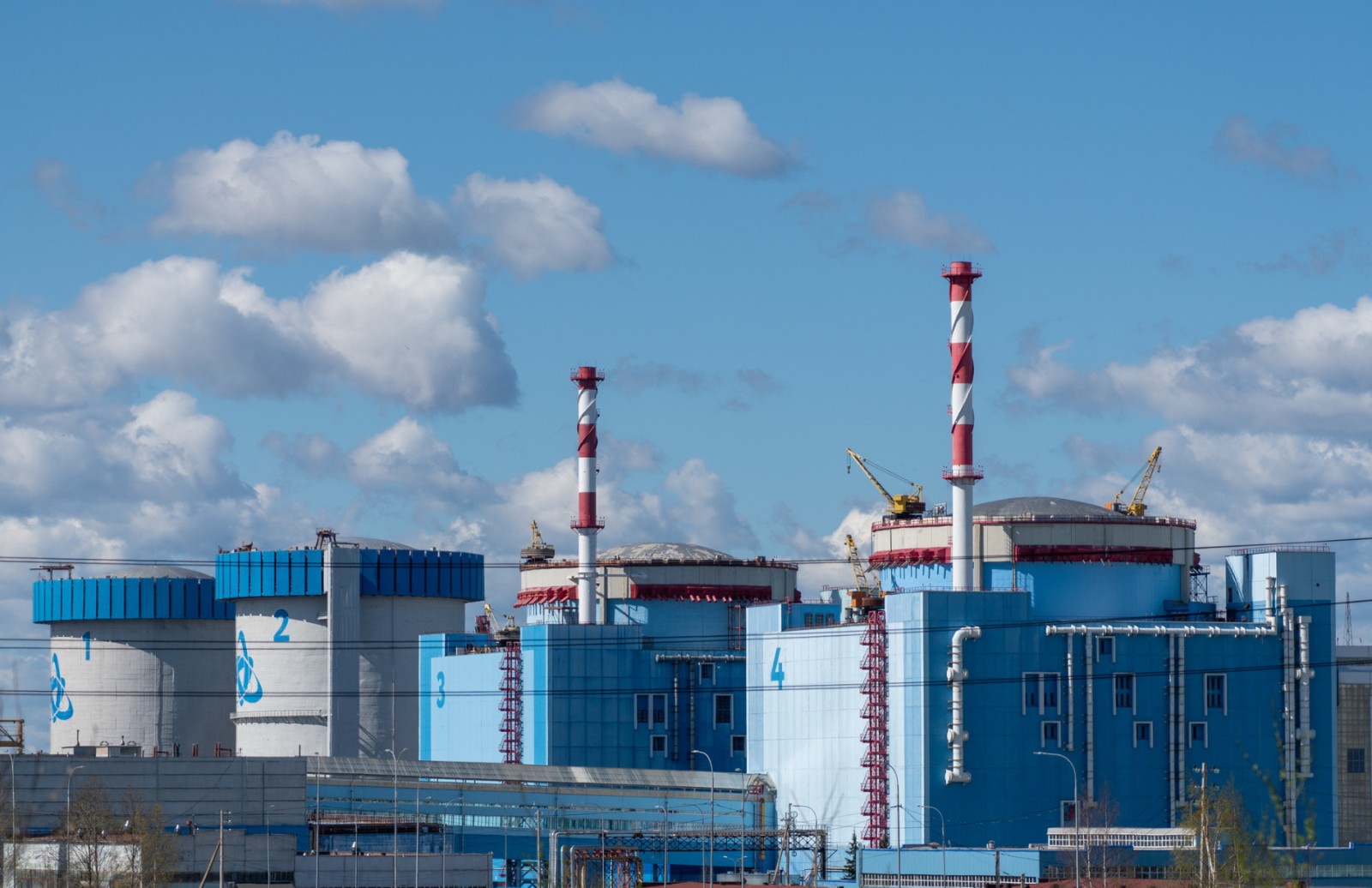
Kalinin NPP Reaches 850 Billion kWh of Cumulative Power Generation
On August 4, Russia's Kalinin NPP reported that since the commissioning of its first unit, the plant has generated a cumulative total of 850 billion kWh of low-carbon electricity. This output is equivalent to approximately 3.5 years of electricity demand in Russia's Central Federal District. Kalinin NPP is part of the power division of Rosatom. Viktor Ignatov, the plant's director, stated that the cumulative generation of 850 billion kWh is the result of the long-term dedication and professional commitment of several generations of nuclear workers, built upon the expertise of the operating team, reliable unit performance, and the consistent prioritization of safety...
2026-08-05

South Korea Accelerates Safety Reviews of Long-Term Operating Nuclear Reactors and Advances Licensing of First Spent Fuel Dry Storage Facility
The Nuclear Safety and Security Commission (NSSC) of South Korea stated at its second-half work report meeting on August 4 that it will accelerate safety reviews of long-term operating nuclear reactors while simultaneously advancing regulatory efforts such as licensing systems for spent fuel dry storage facilities and small modular reactors. Under the plan, the NSSC will conduct safety inspections on nine reactors applying for continued operation, with review standards referencing newly built nuclear power plants and confirming safety margins in consideration of the characteristics of long-term unit operation. Among these, whether Kori Nuclear Power Plant Units 3 and 4 will be approved for continued operation in the second half of this year, and whether Hanbit Nuclear Power Plant Units 1 and 2 will be approved for continued operation in the first half of next year, are the near-term review priorities...
2026-08-05
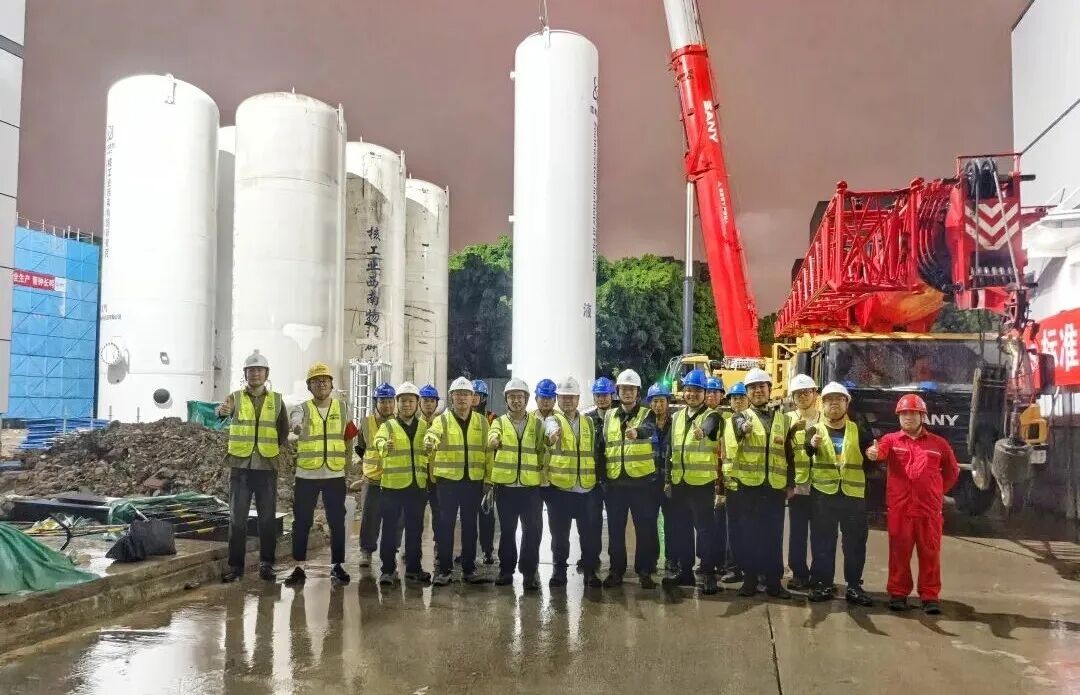
Lifting Task of Large Storage Tanks in Cryogenic System Tank Area of HL-3 Upgrade Project Successfully Completed
On August 4, the lifting task of large storage tanks in the cryogenic system tank area of the HL-3 upgrade project, undertaken by the Southwestern Institute of Physics (SWIP), was successfully completed. After two days and one night of continuous efforts, a total of 14 large storage tanks were precisely positioned, including 6 medium-pressure high-purity helium storage tanks of 100 cubic meters each, 2 cryogenic liquid nitrogen storage tanks of 100 cubic meters each, and 6 auxiliary helium storage tanks, with a total lifting tonnage exceeding 200 tons. The achievement of this key milestone marks significant phased progress in the installation of cryogenic system equipment. Once the cryogenic system is completed, it will provide stable and reliable cooling capacity for the neutral beam injection system and the toroidal cryopumps of the HL-3 device, effectively enhancing the neutral beam injection efficiency and...
2026-08-05
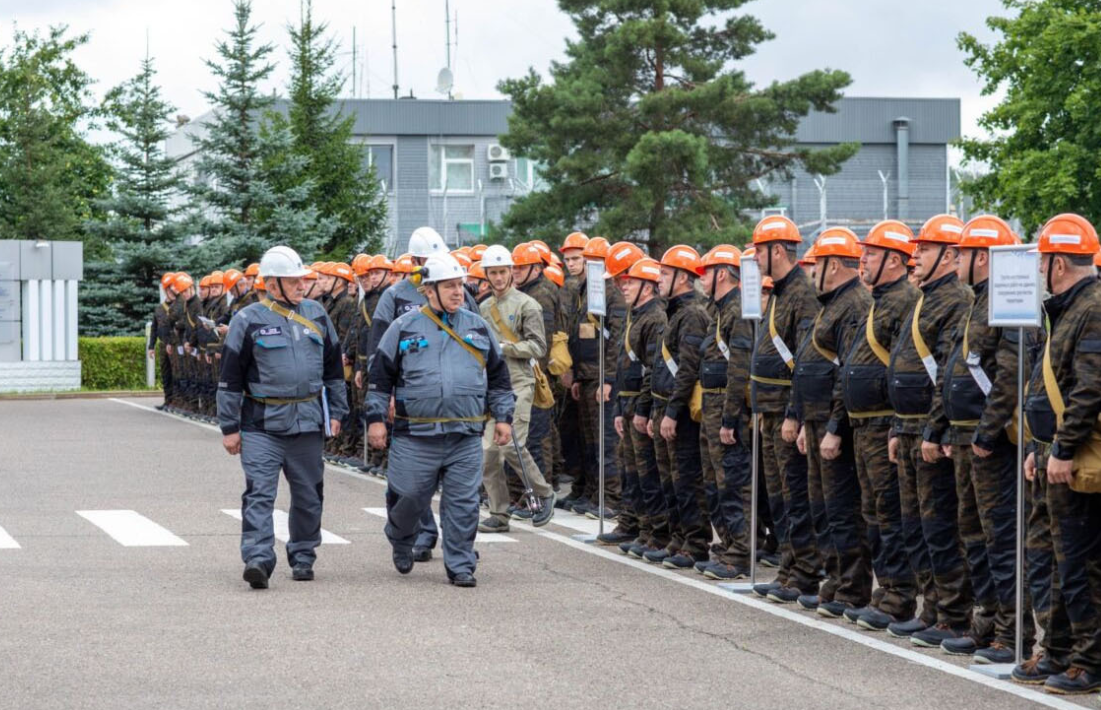
Smolensk NPP Successfully Conducts Emergency Drill Multi-Agency Coordination Tests Response Capabilities
On August 3, the Smolensk Nuclear Power Plant successfully conducted an accident response drill, with the participation of the Nuclear Power Plant Emergency Assistance Team (OPAS) of Rosenergoatom and emergency service departments. The drill brought together nuclear power plant staff, the crisis center team of Rosatom, local fire departments, medical institutions, and government representatives from the city of Smolensk and the Yelnya district. During the drill, all parties focused on practicing key tasks such as the alert and preparation of emergency response forces under non-routine conditions, organizing protective measures for personnel and local residents, and monitoring unit status and safety levels. The drill also included simulated fire...
2026-08-04

Russian Nuclear-Powered Icebreaker "Yakutia" Provides First Escort for Luxury Cruise Ship to Wrangel Island Nature Reserve
This summer, the second group of tourists to Wrangel Island successfully landed on the nature reserve. 150 tourists were able to witness with their own eyes this mysterious island known as the "birthplace of polar bears." This was made possible thanks to the nuclear-powered icebreaker Yakutia providing ice escort services for the luxury cruise ship SH Minerva, ensuring navigational safety. This year, ice conditions in the Chukotka region were relatively complex, posing challenges to the cruise ship's operations. Previously, SH Minerva had failed to reach Wrangel Island due to its inability to break through sea ice, so the trip organizers took special measures this time. RussiaDiscovery and Vodokhod companies submitted a request to Rosatomflot...
2026-08-04
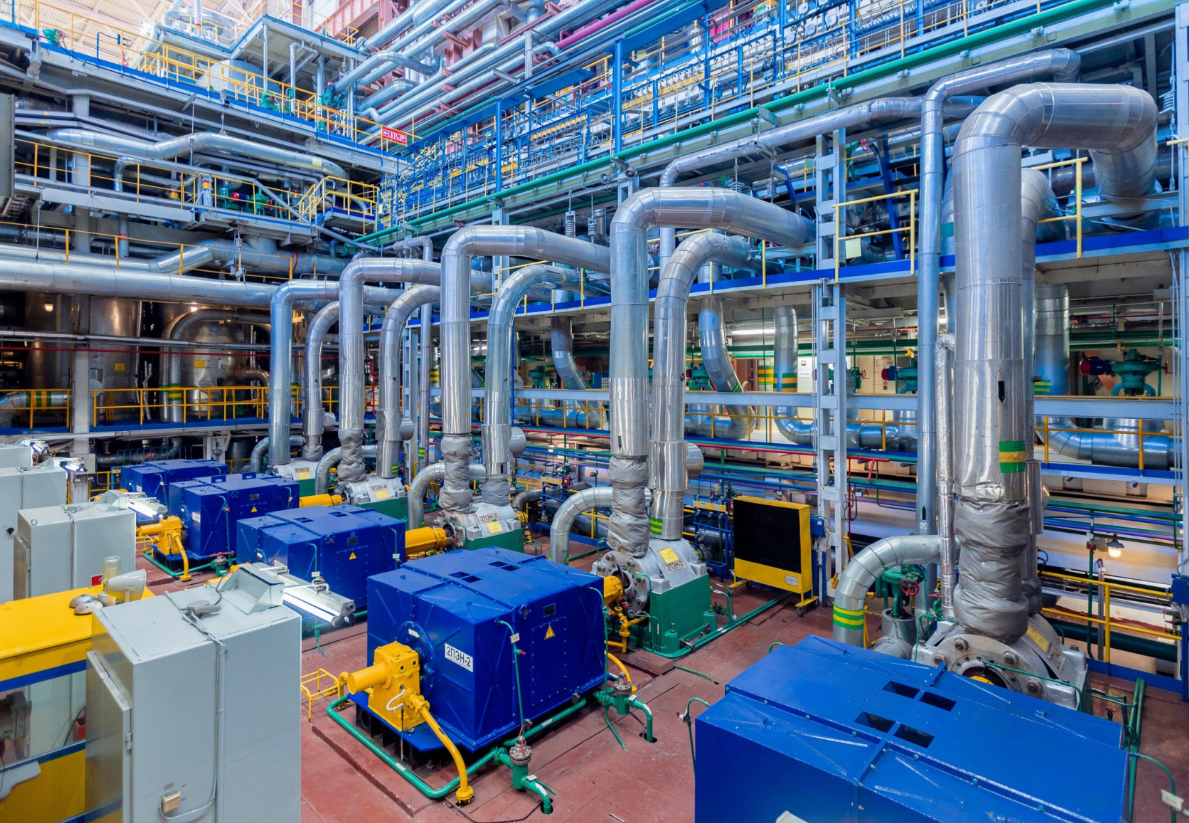
Unit 2 of Kola NPP begins 30-day scheduled preventive maintenance
On August 2, 2026, Unit 2 of the Kola Nuclear Power Plant launched scheduled preventive maintenance (SPM) incorporating modernization elements, expected to last approximately 30 days. During this mid-cycle overhaul, specialists will carry out extensive work on critical equipment. In the reactor shop, major repairs will be performed on part of the steam generators, main circulation pumps, and primary circuit piping. Plans also include disassembly and reassembly of the reactor plant, nuclear fuel replacement, and repair of the reactor internals and safety system equipment. In the turbine shop, turbine units, turbogenerators, circulation pumps, low-pressure heaters, and separators-superheaters will be repaired. On the electrical side, transformers and diesel generators will undergo maintenance. Additionally, upgrades are planned for the automatic chemical control system of the primary coolant and the DC power distribution panels for the entire station and individual units.
2026-08-04

X-energy and SGL Carbon to Expand Nuclear-Grade Graphite Production Capacity
X-Energy and SGL Carbon announced on August 3 that they have signed a binding agreement to expand production capacity for NBG-18 medium-grained isotropic nuclear-grade graphite. NBG-18 is a critical specialty material for X-Energy's Xe-100 high-temperature gas-cooled reactor, supporting the company's subsequent commercial project deployments. Under the agreement, X-Energy will invest up to $8 million in phases to support the construction of new facilities and equipment upgrades at SGL Carbon's plant in Chedde, France. Upon completion of the expansion, the plant will be capable of producing graphite billets annually sufficient for up to eight Xe-100 reactors. SGL Carbon has also agreed to expand its graphite billet processing capacity in the United States to enhance the stability of this safety-critical material supply chain.
2026-08-04
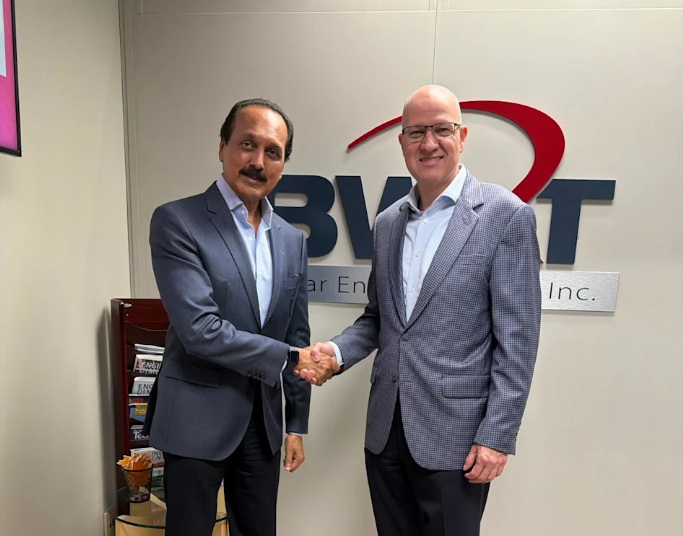
CCTE Signs Supply Agreement with BWXT Canada to Advance Commercial Demonstration of ANEEL Fuel
U.S. nuclear fuel company Clean Core Thorium Energy (CCTE) announced on August 3 that it has signed a fuel manufacturing supply agreement with BWXT Canada Ltd. to further refine manufacturing conditions for the commercial demonstration of its ANEEL nuclear fuel platform. Under the agreement, BWXT Canada will provide qualified fuel assembly hardware for integration with ANEEL fuel pellets, and assemble them into complete, reactor-representative full-scale demonstration fuel assemblies at the Chalk River Laboratories under Canadian Nuclear Laboratories (CNL). CCTE is responsible for providing ANEEL fuel...
2026-08-04
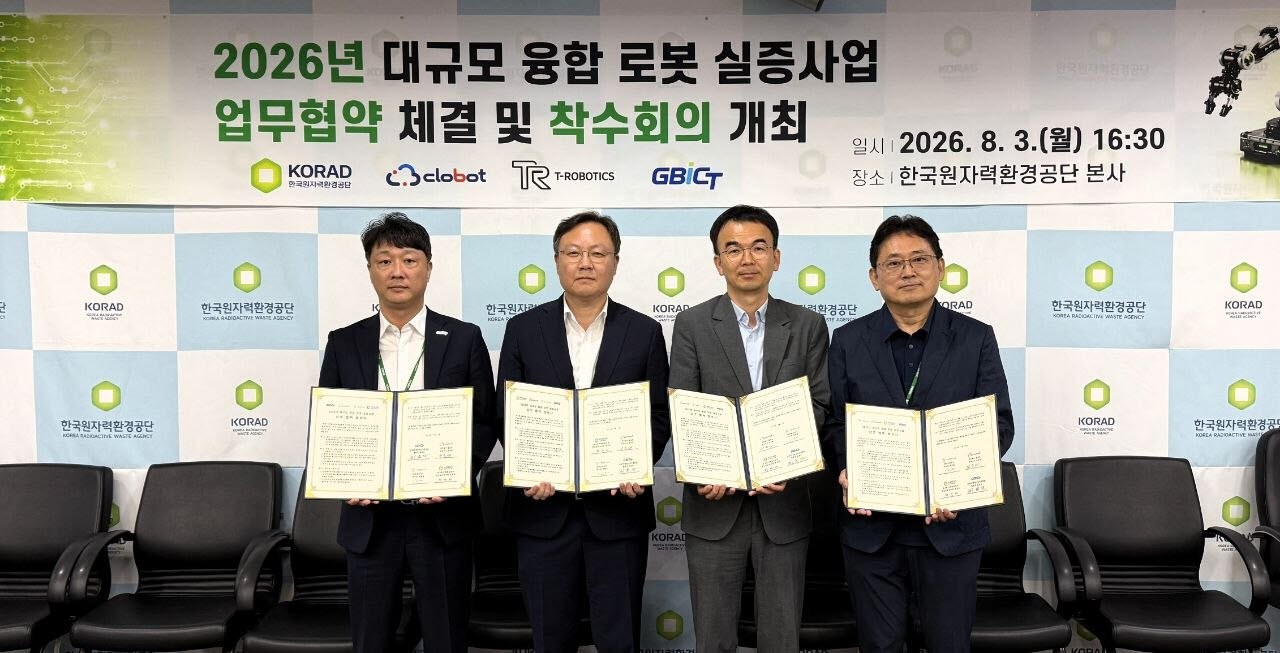
T-Robotics to Participate in South Korea's Radioactive Waste Management Robot Demonstration Project
T-Robotics, a South Korean industrial humanoid robot and autonomous mobile robot (AMR) company, announced on August 4 that it has signed a memorandum of understanding to advance the 2026 large-scale integrated robot demonstration project. The MOU was jointly signed by T-Robotics, the Korea Radioactive Waste Agency (KORAD), Klobot, and the Gyeongbuk ICT Convergence Industry Promotion Association. The parties plan to jointly pursue a government demonstration project targeting high-risk radioactive waste safety management scenarios, exploring the collaborative application of multiple types of robots in radioactive waste disposal facilities. Under the agreement, the participating organizations will establish...
2026-08-04
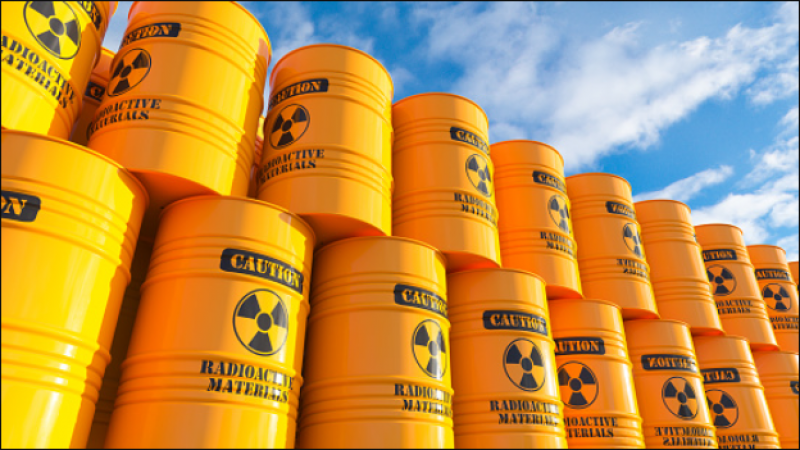
Russian Researchers Develop High-Wear-Resistant Steel Sample for Nuclear Waste Processing
Novosibirsk State Technical University (NSTU) recently announced that Russian researchers have developed a steel sample with reinforcing elements. Experimental results show that the durability of this material is approximately 4 times that of 5KhNM tool steel currently used in nuclear power plant waste processing equipment. The research focuses on improving precipitation hardening steel structures. Precipitation hardening steel is a special class of alloy material that, after quenching and holding at specific temperatures, precipitates fine, hard particles within the steel, thereby enhancing strength and wear resistance. The researchers aim to replace existing 5KhNM tool steel with new high-strength alloys...
2026-08-04

Carbon isotope analysis reveals: Canadian Arctic seabed sediments can sequester part of permafrost organic carbon
News dated August 3, 2026: Researchers from the Alfred Wegener Institute and the Center for Marine Environmental Sciences at the University of Bremen conducted a study on permafrost coasts near Herschel Island (Qikiqtaruk) in Canada, finding that not all terrestrial organic carbon released by Arctic permafrost thaw and coastal erosion enters the atmosphere—a significant portion is instead stored in seabed sediments. The findings have been published in the journal *Nature Geoscience*. Arctic terrestrial permafrost ecosystems store approximately 130 billion tons of carbon from organic sources such as plant debris, while marine and river delta sediments contain an additional 40 billion tons. As Arctic warming accelerates...
2026-08-04
Czech Republic Leads EU Project to Assess Application of Commercial-Grade Items in VVER Nuclear Power Plants
The Czech State Office for Nuclear Safety (SÚJB) has launched a two-year EU project focused on assessment methodologies for the application of high-quality commercial-grade items in nuclear power plants equipped with VVER reactors. The project aims to establish a unified, expert-judgment-based evaluation process that provides methodological support for nuclear facilities when introducing relevant items, while ensuring that nuclear safety requirements are not compromised. As the nuclear power supply chain landscape evolves, certain plant-specific components may face the need to be replaced by commercial-grade products. In response, regulatory authorities need to establish clear rules to review the suitability, quality assurance, and safety implications of substitute items. The project will focus on evaluating...
2026-08-04
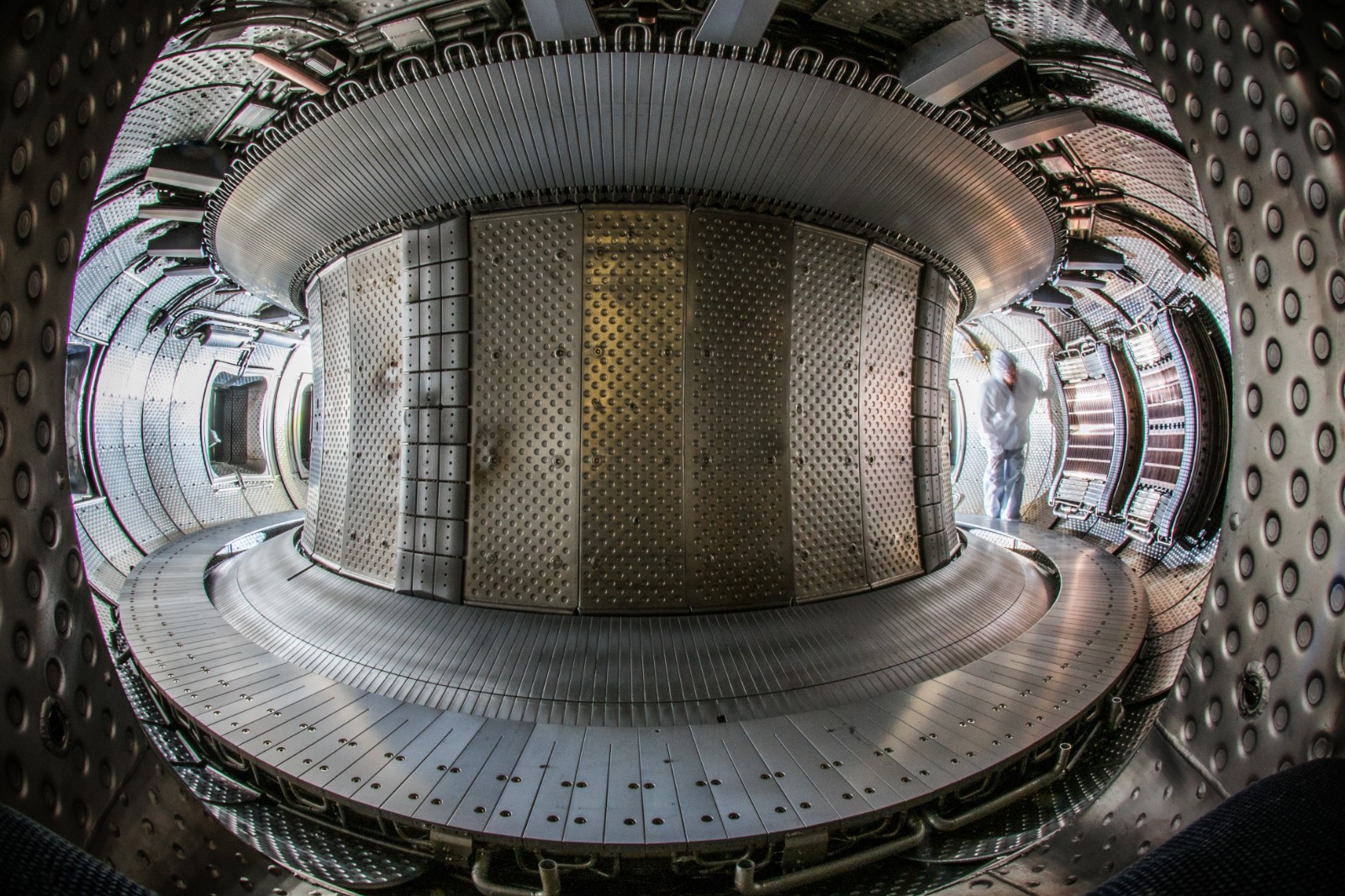
First H-mode plasma with ELMs achieved on WEST
Recently, the C13 experimental campaign on the French tungsten tokamak WEST achieved a major breakthrough, successfully producing H-mode plasmas with Edge Localized Modes (ELMs). This is a key step in preparing for plasma scenarios relevant to the International Thermonuclear Experimental Reactor (ITER) and future fusion power plants. Over the past nearly three months, scientists, engineers, and technicians from the French Alternative Energies and Atomic Energy Commission (CEA) at Cadarache, together with international collaborators, conducted the C13 experimental campaign. This campaign aimed to address a series of key scientific and technical challenges in magnetic confinement fusion, covering the behavior of plasma-facing components and advanced plasma scenarios. The experiments focused on...
2026-08-04
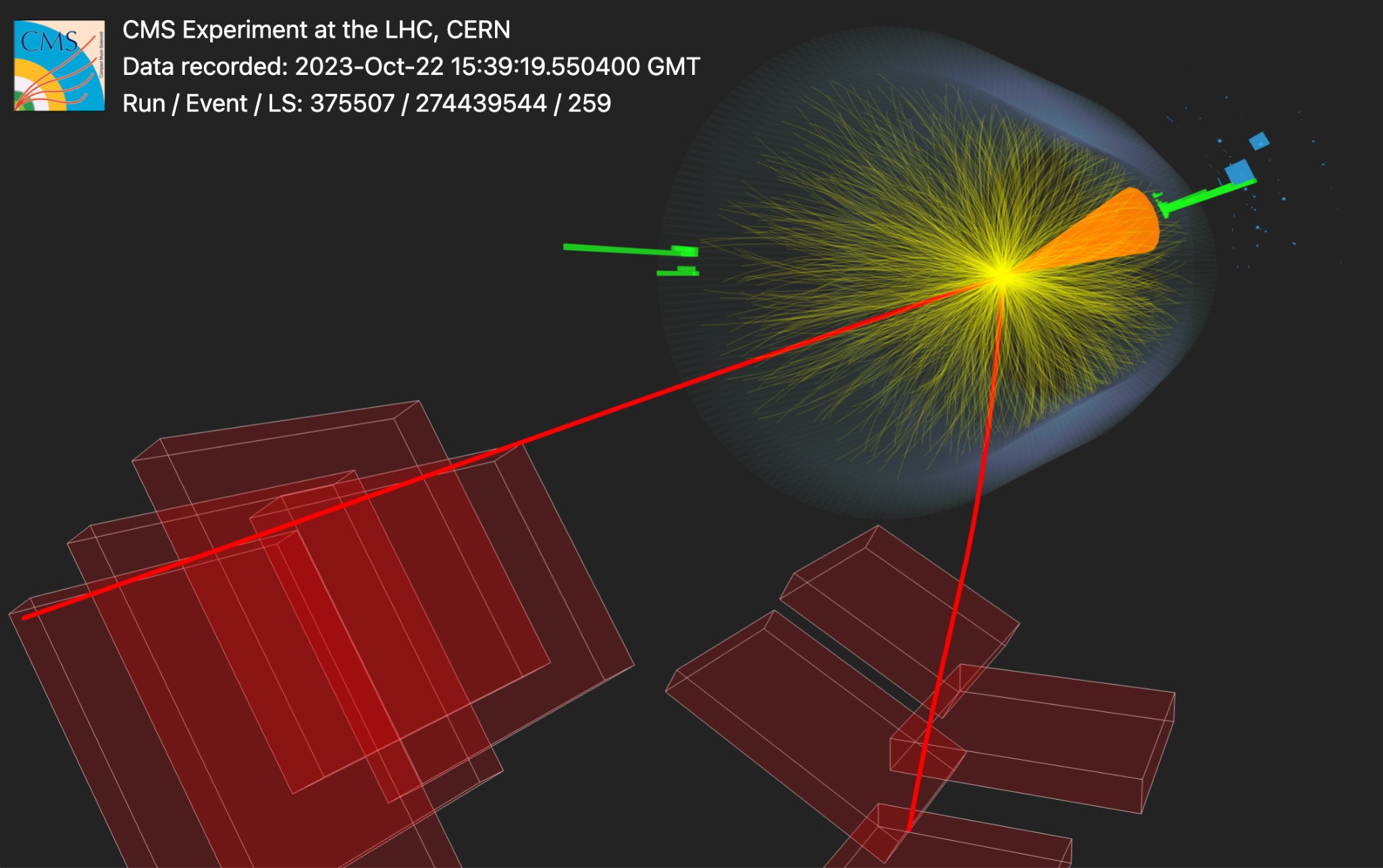
Unveiling Extreme Heat: Z Boson Probes New Mechanisms of the "Hottest Matter in the Universe"
Using Z boson probes at the Large Hadron Collider (LHC), scientists have revealed new details about how the hottest matter in the universe—the quark-gluon plasma (QGP)—absorbs energy, challenging existing theoretical models. This research provides important clues for understanding the state of the early universe shortly after the Big Bang. To gain deeper insights into the QGP, physicists cleverly employ Z bosons as messengers. Since Z bosons do not interact with the QGP, they can traverse the plasma almost unaffected, precisely recording information about the initial state. By analyzing the momentum differences between μons produced from Z boson decays and their recoiling jets, scientists were able to determine the energy lost by quarks as they traverse the QGP...
2026-08-04