
Search Results
Keyword:2
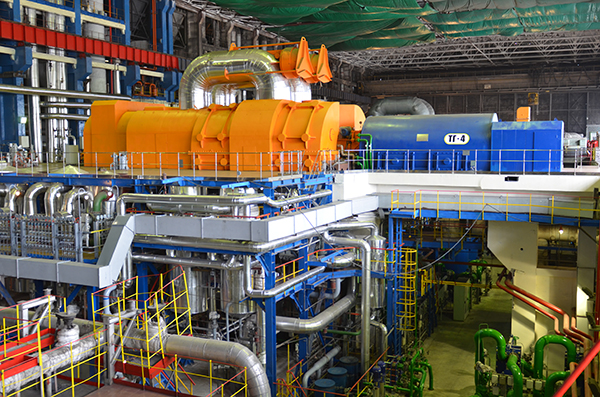
Russian Power Machines plans to deliver two nuclear steam turbines per year starting from 2029
Power Machines, a Russian company, expects to deliver two steam turbines for nuclear power plants to customers annually starting from 2029. Anton Viktorov, Deputy General Director and Head of the Nuclear Energy Division, revealed that the relevant production capacity arrangements have been incorporated into the company's future plans. Viktorov stated that the company plans to sign contracts for three nuclear power units in 2026, along with several maintenance contracts for steam turbine and generator equipment; negotiations are also underway for contracts covering three additional units. He noted that this task places high demands on the company's production capacity organization and project execution. In terms of manufacturing capabilities, Power Machines previously disclosed that the company plans to produce 7 gas turbines and 14 steam turbines in 2026. With subsequent additional investments and production capacity expansion, the relevant factories will have the capacity to produce 10 sets of equipment annually starting from 2029.
2026-08-30
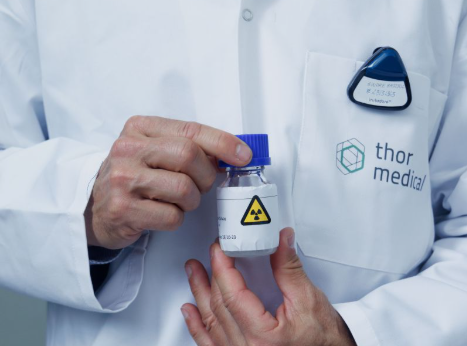
Thor Medical Advances AlphaOne Commercial Production in H1, Completes First Customer Deliveries of Lead-212 Isotope
Thor Medical ASA, a supplier of high-purity isotopes to the radiopharmaceutical industry, announced its H1 2026 results on August 28. The company stated that its AlphaOne facility has completed mechanical construction on time and on budget and has entered commercial production, marking the start of a new phase focused on scaling output, increasing customer deliveries, and growing revenue. Thor Medical CEO Jasper Kurth said that with the completion of the first customer product deliveries from AlphaOne, the company has established a solid commercial foundation in a rapidly growing market, and the next step is to advance the execution plan around capacity expansion, customer deliveries, and revenue growth to support the development of next-generation precision cancer therapies...
2026-08-28
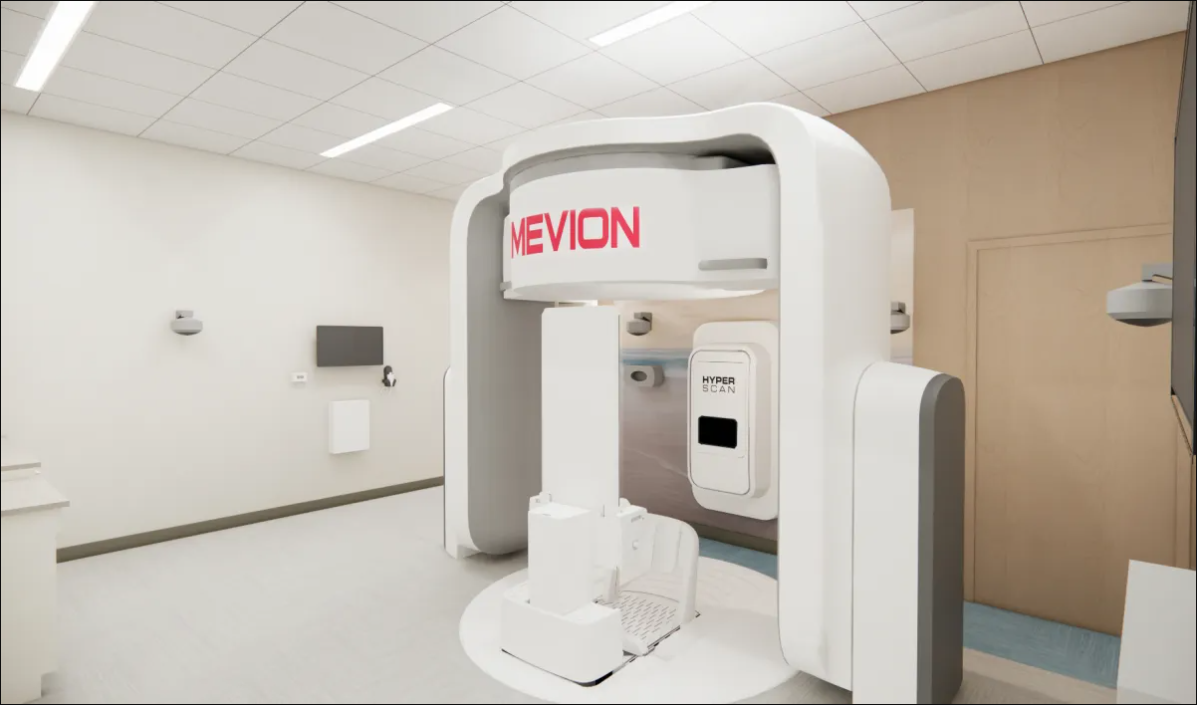
Auburn University Installs 200 MeV Superconducting Proton Accelerator to Build First University-Led Space Electronics Radiation Testing Facility in the U.S.
Auburn University's Applied Research Institute has announced the installation of a new 200 MeV superconducting proton accelerator, advancing the construction of the nation's first university-led proton testing facility dedicated to space electronics qualification. The system, a RAD-FX-200 superconducting synchrocyclotron manufactured and installed by Mevion Medical Systems, serves as the core component of Auburn University's new radiation-hardening facility. According to reports, the facility will help address gaps in U.S. space qualification testing capacity, providing radiation testing services for microelectronics to government agencies, aerospace, and defense-related industries. Systems such as satellites, missile defense interceptors, spacecraft, and launch vehicles rely on microelectronics, which may be affected by proton radiation in orbital environments. A single radiation-induced failure can cause system loss, and such failures are typically difficult to repair once in orbit...
2026-08-28
Russian Thorium-Based Radiopharmaceuticals Expected Within 1-2 Years
On August 27, Igor Korobko, Professor of the Russian Academy of Sciences and Director of the Department of Medical and Scientific Development in Healthcare of the Russian Ministry of Health, stated at the Technoprom Forum held in Novosibirsk that thorium-based drugs for precision radionuclide therapy of tumors are expected to become available in Russia within the next 1 to 2 years. Korobko noted that tumor treatment still requires support from more available isotopes. For example, when patients develop resistance to actinium-related therapies, clinical practice necessitates the use of different isotopes for treatment. He stated that Russia is advancing the development of related therapies domestically and expects to have thorium-based drugs within the next year or two. Currently, actinium-225 is considered one of the more promising radionuclides...
2026-08-28
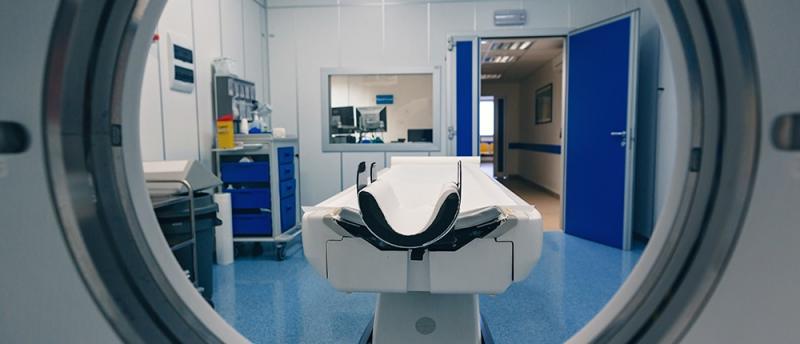
Russia Plans to Complete Development of First Domestic Proton Beam Therapy Cyclotron by 2027
Russian scientists plan to complete the development of the country's first domestically produced proton beam therapy cyclotron by 2027, with commissioning to begin in the same year. This progress was announced by Sergey Gertzog, CEO of the Russian National Institute of Electronics and Atomic Energy (NIIEFA), at the recent Technoprom forum held in Novosibirsk. A proton beam therapy cyclotron is a type of charged particle accelerator that uses magnetic and electric fields to accelerate protons to high-energy states, reaching speeds of one-half to two-thirds the speed of light. The accelerated proton beam can target cancerous tumor areas with relative precision for oncological treatment. According to the schedule outlined in Gertzog's report...
2026-08-28
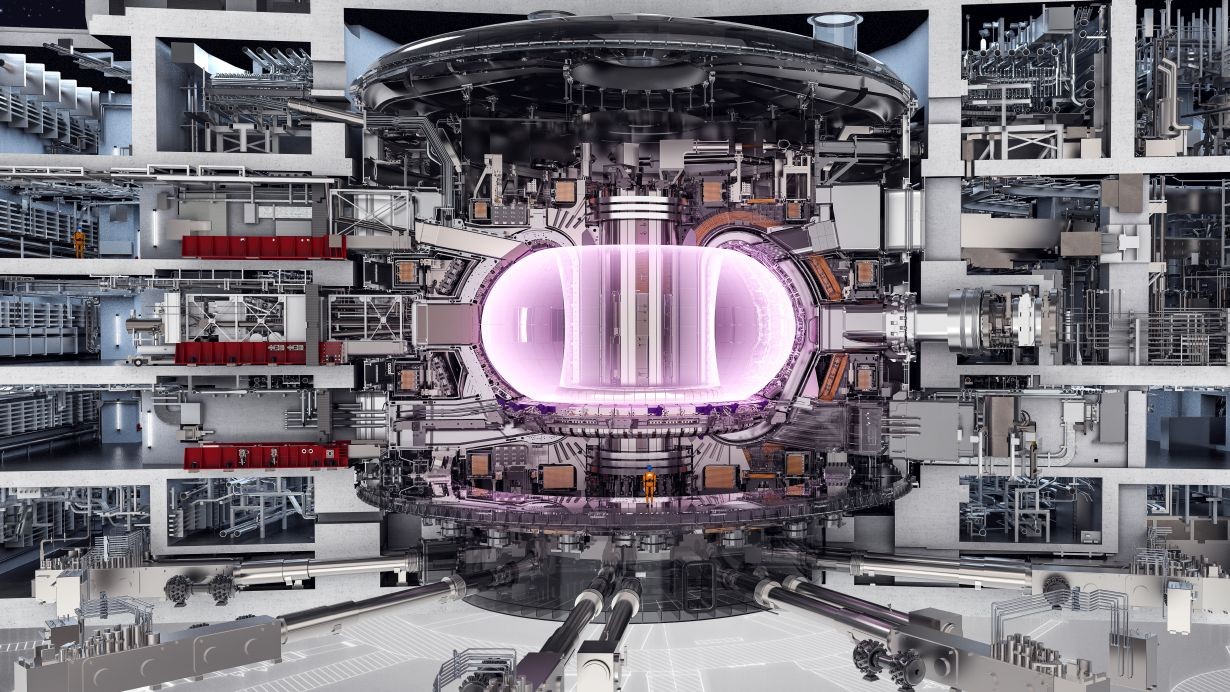
France's ITER research program may start before 2034
Scientific preparation work for the International Thermonuclear Experimental Reactor (ITER) is currently about 7 months ahead of the original schedule, and the research program may start earlier than the previously set target of 2034. Anatoly Krasilnikov, Director of the ITER Project Center at Rosatom, revealed this progress during the Technoprom-2026 forum. Krasilnikov stated that the project team no longer uses the milestone term "first plasma," but has instead adjusted the objective to "start of the research program," with a target date of 2034. Based on the current progress, the work is 7 months ahead of schedule, and there is a possibility of achieving the goal ahead of time...
2026-08-28
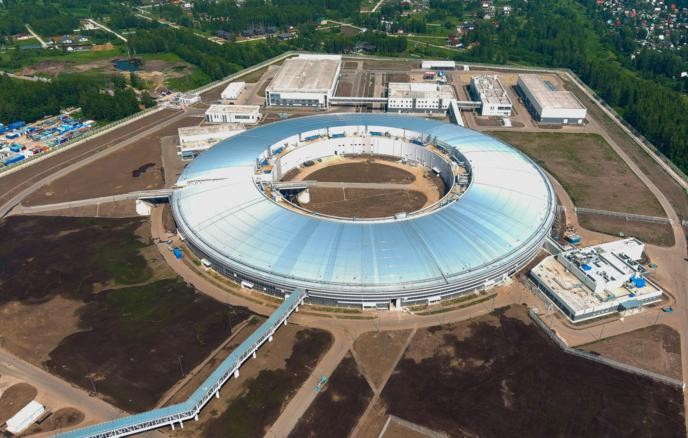
First Seven Experimental Stations of Russia's SKIF Synchrotron Planned for Commissioning in Summer 2027
The first seven scientific experimental stations at the Siberian Circular Photon Source (SKIF) shared center, located near Novosibirsk, Russia, are planned to begin beam testing in August 2027. According to the center's relevant official, all experimental station equipment has been fully installed, and experts are currently conducting commissioning work. Construction of the SKIF synchrotron was completed in June 2026. Once the project becomes operational, it will utilize synchrotron radiation to help researchers observe the internal structure of matter, obtaining high-precision data on material structure and behavior, which can serve fundamental research and related industrial R&D. As planned, the Budker Institute of Nuclear Physics of the Siberian Branch of the Russian Academy of Sciences will launch beam operation in the main storage ring in September...
2026-08-28
Bristol Myers Squibb to Invest $173 Million in New Radiopharmaceutical Plant in Indiana, USA
Bristol Myers Squibb's RayzeBio will build a new radiopharmaceutical production facility in Whitestown, Indiana, USA, with an investment of $173 million. The project will be located at the Anson Industrial Park in Boone County, with construction planned to begin this year, complementing RayzeBio's existing operational radiopharmaceutical plant in Indianapolis. According to information released by the state of Indiana, the new facility will cover approximately 225,000 square feet. Bristol Myers Squibb expects the two production sites to add 100 new positions by the end of 2029, with annual salaries for new positions expected to exceed $130,000. Bristol Myers Squibb acquired San Diego-based RayzeBio in 2023 for $4.1 billion...
2026-08-28
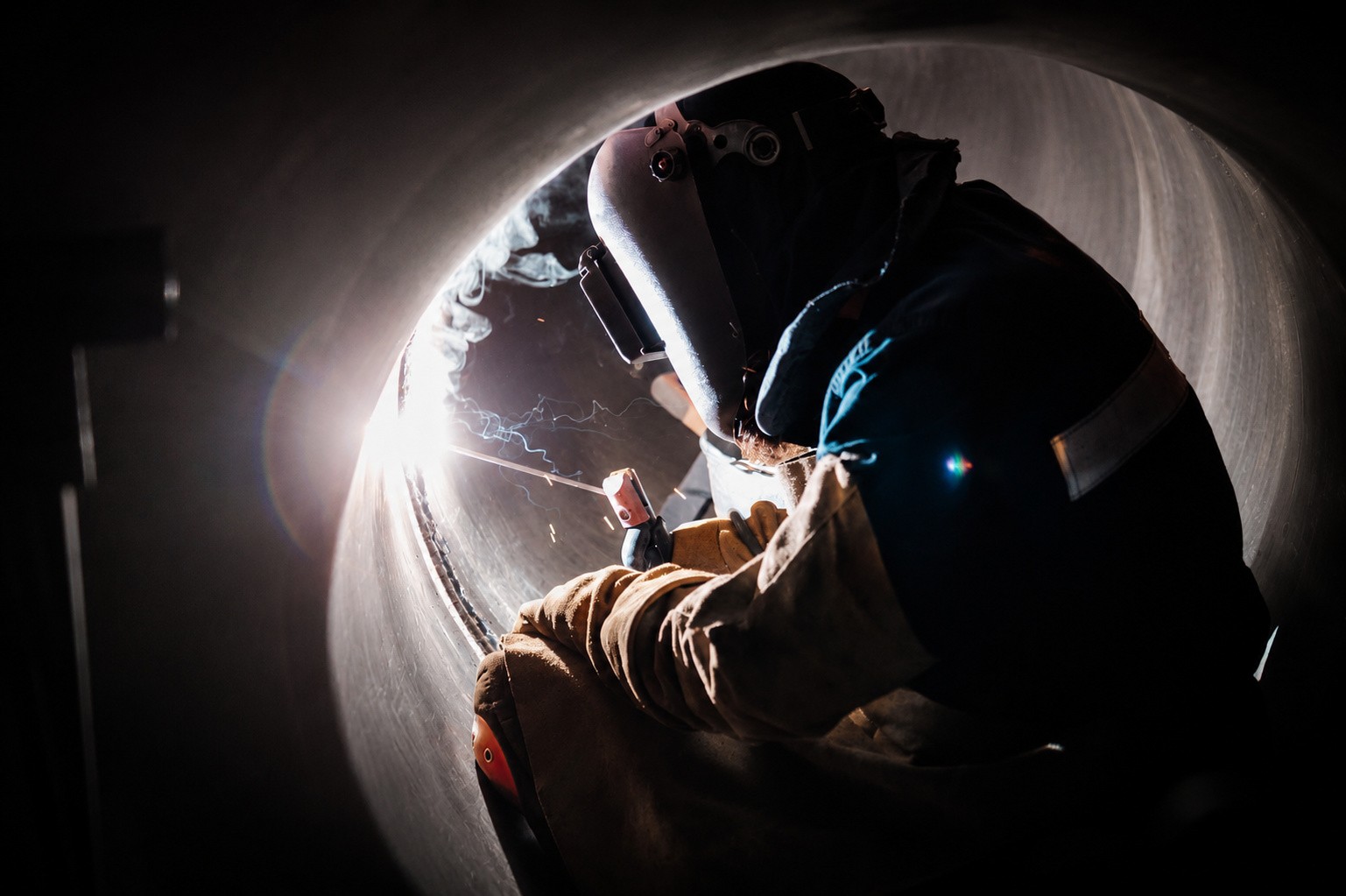
Welding of main circulation pipeline completed for Unit 2 of Turkey's Akkuyu NPP
On August 27, welding of the main circulation pipeline was completed for Unit 2 of Turkey's Akkuyu Nuclear Power Plant. The pipeline connects the reactor, steam generators, and main circulation pumps, and is one of the key components forming the primary circuit system of the reactor facility. The welding work lasted 73 days and involved welding 32 pipe joints. Engineering technicians, welders, fitters, pipe cutters, non-destructive testing personnel, heat treatment personnel, and quality inspection personnel participated in the relevant operations. During construction, each process step proceeded according to the established technological workflow, and welded joints had to pass inspection before moving to the next stage. According to reports, all welded joints underwent high-temperature heat treatment to relieve internal stress in the metal and ensure compliance with design performance requirements.
2026-08-28
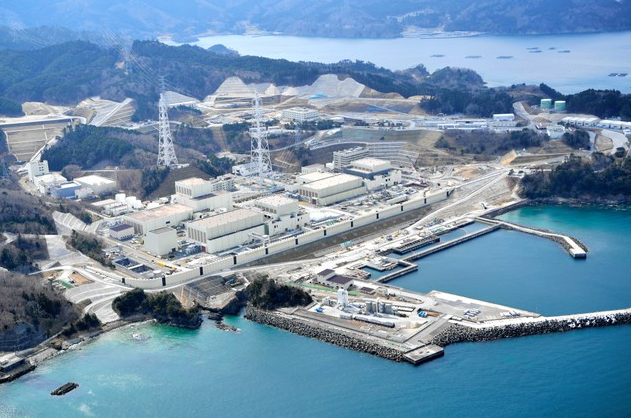
Japan Extends Deadline for Anti-Terrorism Facility Construction at Onagawa Nuclear Power Plant Unit 2
The Nuclear Regulation Authority (NRA) of Japan has officially decided to revise relevant regulations to extend the deadline for installing anti-terrorism facilities, specifically "facilities for responding to specified severe accidents," at nuclear power plants. Under the new rules, the deadline will be adjusted from "within five years after the construction plan is approved" to "within five years after the start of commercial operation." The revised regulations are expected to take effect in September. This change will affect Tohoku Electric Power's Onagawa Nuclear Power Plant Unit 2. The unit, which had faced the possibility of shutdown by December 2026 due to difficulties in completing the required facilities by then, will now be able to continue operating beyond that date. Tohoku Electric Power...
2026-08-28
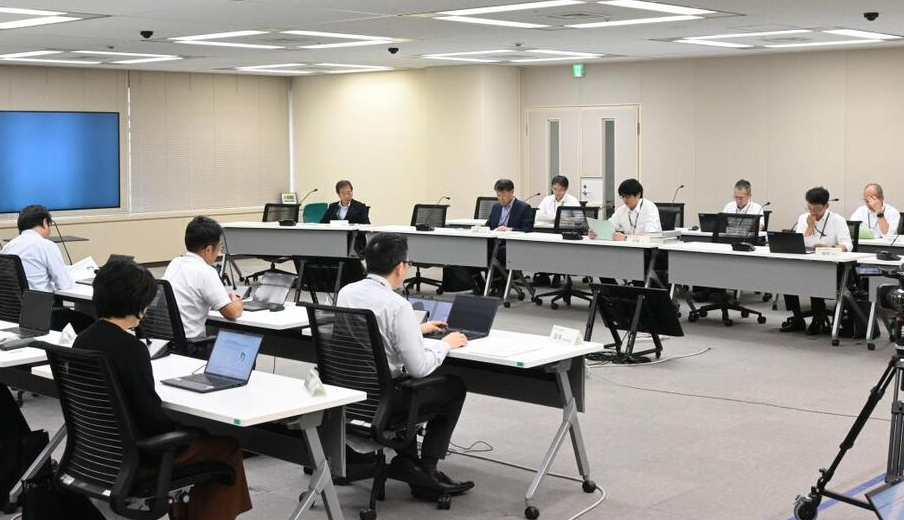
Japan's Tokai No. 2 Nuclear Power Plant Seawall Reinforcement Plan Receives Basic Approval
Japan's Nuclear Regulation Authority (NRA) held a review meeting on the 27th local time and basically approved the seawall structural modification plan for the Tokai No. 2 Nuclear Power Plant submitted by Japan Atomic Power Company (JAPC). The plant is located in Tokai Village, Ibaraki Prefecture, Japan, and the relevant seawall is an important component of the safety measures required for restart, with foundation defects having been discovered during construction. According to JAPC's explanation, the modification plan does not remove the underground foundation where defects were found, but instead adds pile foundations around it and uses cement-based materials to reinforce the ground. Regarding this plan, JAPC submitted an assessment of the seawall's seismic and tsunami resistance performance after modification, concluding that the structurally adjusted seawall can still fulfill the functions required of a tsunami protection facility.
2026-08-28

Fangchenggang Nuclear Power Station Unit 2 Completes First Ten-Year Overhaul
On the morning of August 25, Unit 2 of CGNPC Fangchenggang Nuclear Power Station successfully synchronized to the grid on its first attempt following the 7th overhaul, marking the completion of the F207 overhaul undertaken by CGNPC Service Maintenance Company. This overhaul was the first ten-year overhaul since Unit 2 was put into commercial operation. The maintenance process achieved the goal of "no indicator events in safety, quality, and schedule," and made breakthroughs in charging pump maintenance and nuclear-grade socket welding operations. During this overhaul, the nuclear-grade socket welding project was implemented on-site for the first time. To ensure work quality, the maintenance team completed preparatory work in advance, including welding procedure qualification certification, skill qualification process card review and submission, test piece welding, and non-destructive testing, all of which passed acceptance.
2026-08-28
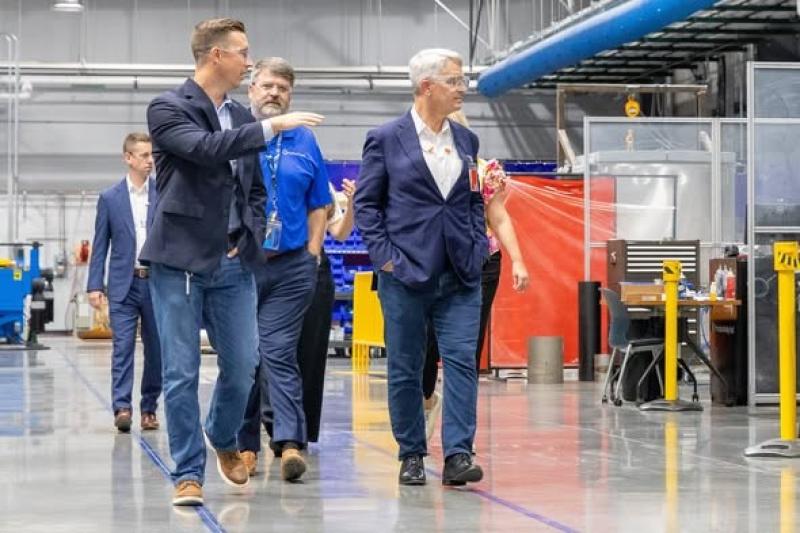
NNSA Administrator Brandon Williams Visits Kairos Power to Review SMR Technology
Kairos Power, a U.S. small modular reactor developer, recently announced that Brandon Williams, Administrator of the National Nuclear Security Administration (NNSA), has visited the company's Manufacturing Development Campus in Albuquerque, New Mexico, to review its readiness for advanced reactor deployment. According to Kairos Power, Williams and his delegation toured the campus's advanced manufacturing, fuel development, molten salt production, modular systems, and large-scale hardware verification facilities. The campus serves as a key base for the company's advancement of fluoride salt-cooled high-temperature reactor technology and also supports the engineering validation and manufacturing capability development required for future reactor deployment.
2026-08-27
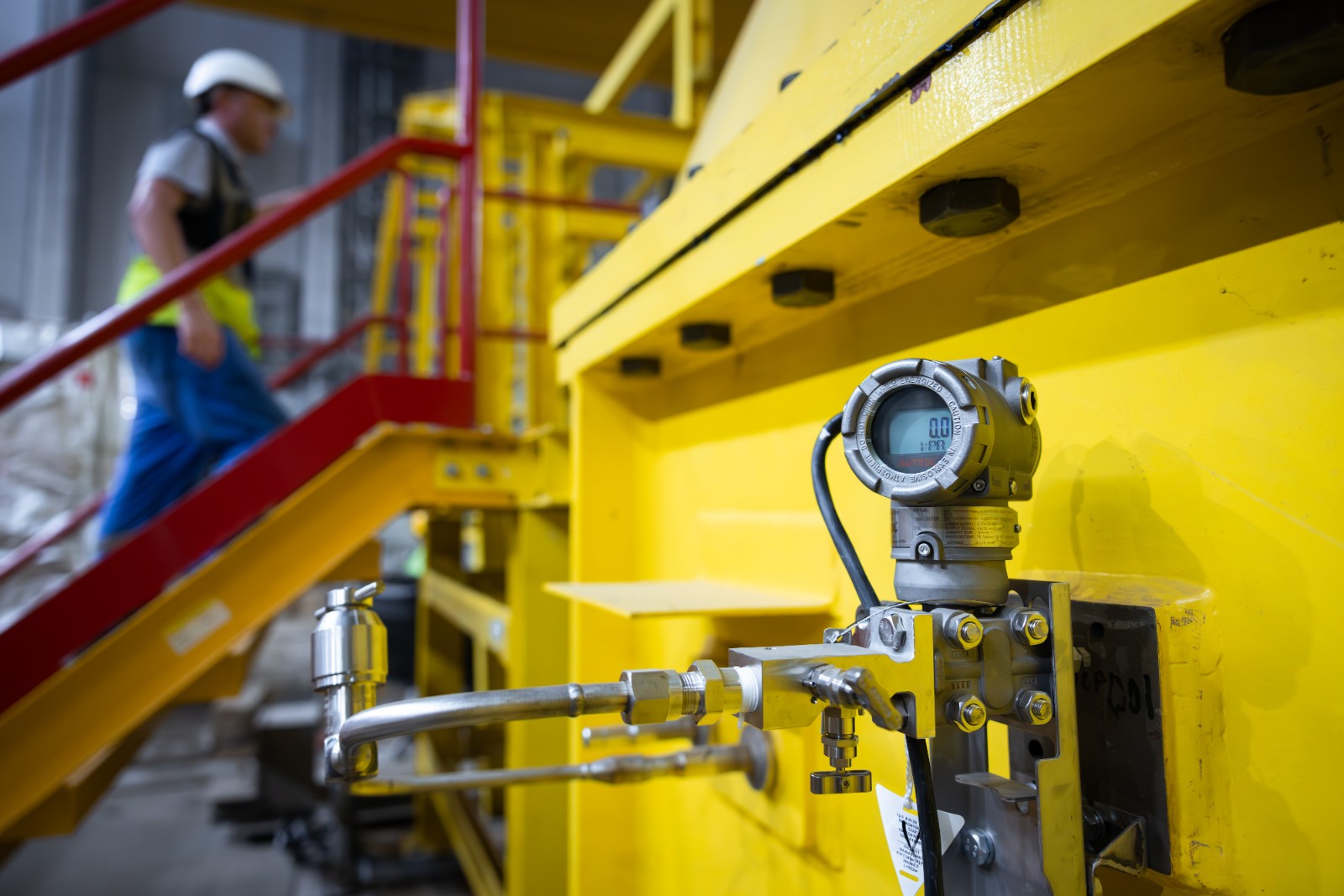
Test vacuum established in turbine condenser of Unit 1 at Turkey's Akkuyu NPP
On August 25, test vacuum was established in the turbine condenser of Unit 1 at Turkey's Akkuyu Nuclear Power Plant. This operation verified the readiness of the main systems of the turbine unit, creating conditions for subsequent commissioning work. Specialists from TITAN-2 Holding (TITAN-2) established the required vacuum in the condenser and checked the tightness of the vacuum system as well as the thermal and mechanical condition of the turbine. During the test, technical personnel continuously monitored key parameters such as steam pressure, bearing temperatures, thermal expansion of cylinders and rotors, and condenser vacuum level. While the turbine was rotated by the turning gear, experts also verified the operational condition of the turbine flow path. This...
2026-08-27

Europe Advances Space Nuclear Power Research, Targeting Lunar and Mars Missions
The European Space Agency (ESA) is accelerating its assessment of nuclear energy applications in deep-space missions, focusing on using small nuclear reactors to power spacecraft electric propulsion systems, as well as providing stable energy for future fixed lunar surface facilities and subsequent Mars missions. Existing space missions primarily rely on chemical fuels and solar panels. The former is limited by the amount of propellant that can be carried, while the latter suffers from declining power generation efficiency as spacecraft move farther from the Sun. ESA believes that nuclear power systems could compensate for the shortcomings of both approaches, particularly in long-duration lunar operations and deeper space exploration. ESA completed a nuclear thermal propulsion study last year. In March this year, the agency...
2026-08-27