
Search Results
Keyword:2
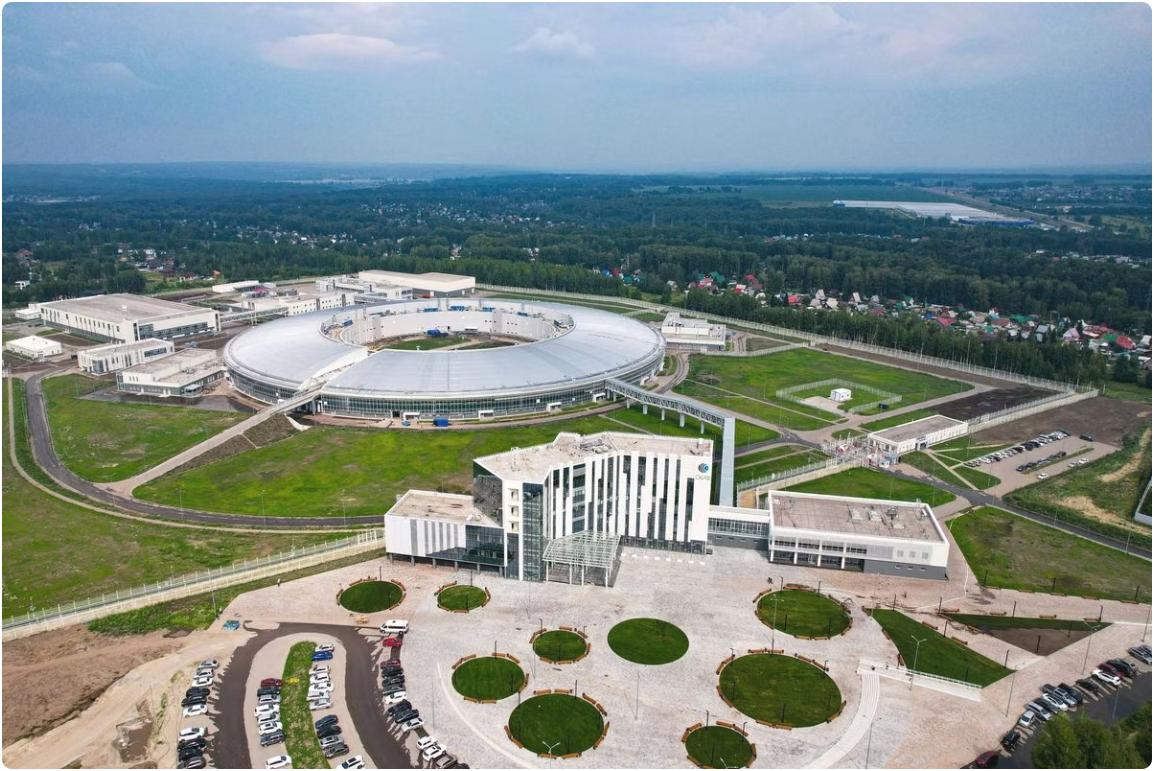
Russia's SKIF Synchrotron First Scientific User Competition Expected to Launch in Second Half of 2027
The competition to select the first research teams for the Siberian Circular Photon Source (SKIF) synchrotron in Russia is planned for the second half of 2027. Valery Bukhtiyarov, Director of the Boreskov Institute of Catalysis of the Siberian Branch of the Russian Academy of Sciences, stated at the Technoprom-2026 forum held in Novosibirsk that the first open competition will be launched in the second half of 2027. The institute is responsible for commissioning the construction of this large-scale scientific facility. Bukhtiyarov noted that SKIF is scheduled to receive synchrotron radiation and conduct its first experiments in the autumn. Construction of the facility was completed in June 2026, with an opening ceremony held in August 2026. Once operational, SKIF will use synchrotron radiation to help...
2026-08-27
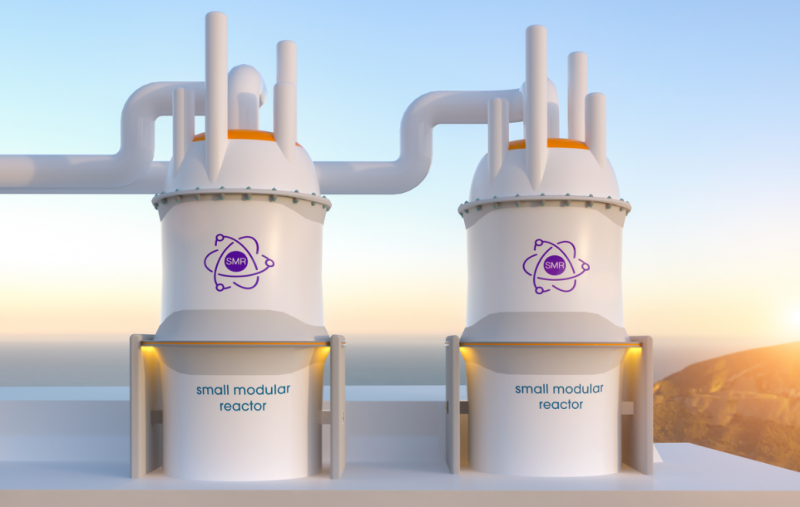
Thailand Plans to Include Small Modular Reactors in Power Development Plan, Targeting 9 GW by 2050
Thailand's new draft Power Development Plan (PDP) is expected to be released in September and enter the public consultation phase. All four power supply scenarios under discussion incorporate small modular reactors (SMRs) and large-scale energy storage systems, covering the planning period from 2026 to 2050. According to the draft's vision, Thailand plans to connect its first 300 MW-class small modular reactor to the national power grid by 2037, with nuclear power installed capacity reaching 9,000 MW by 2050. Based on a single-unit capacity of 300 MW, this target is roughly equivalent to approximately 30 reactors of similar scale, though the actual number may be adjusted depending on technology pathways and electricity demand. The main objectives of the new plan include reducing greenhouse...
2026-08-27
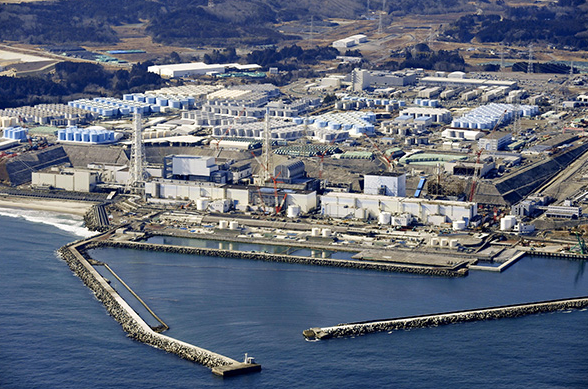
TEPCO replaces faulty motor of robotic arm at Fukushima Daiichi Unit 2
Tokyo Electric Power Company (TEPCO) began replacing the faulty motor of the robotic arm used for fuel debris retrieval trials at Unit 2 of the Fukushima Daiichi Nuclear Power Station on August 26. The robotic arm, approximately 22 meters long, is planned for use in the third fuel debris retrieval trial. During a previous operational inspection inside the reactor building of Unit 2, TEPCO found that the motor driving the robotic arm had malfunctioned, preventing the brake from releasing and the arm from extending. As the robotic arm is already installed on site, workers will enter the "front chamber" in front of the containment vessel to perform the replacement manually. The company stated that radiation levels in the work area will be strictly controlled to prevent workers from receiving excessive exposure. After this replacement, TEPCO will...
2026-08-27

U.S. Army Plans to Deploy Over 20 Micro Nuclear Reactors at Military Bases
The U.S. Army has signed contracts with five companies to develop, build, and operate micro nuclear power plants at military bases, with a total contract value of up to $2.2 billion. According to relevant information, the U.S. Department of Defense requires the companies to construct, own, and operate more than 20 micro nuclear reactors at military installations by 2028. The plan is intended to enhance energy security for critical defense facilities and reduce dependence on the external power grid. The deployment is incorporated into the framework of the Janus Project, which the U.S. Army launched in 2025. The project aims to establish a power supply network composed of compact micro nuclear reactors at military bases, providing continuous and stable electricity to vital defense facilities....
2026-08-27

Training Launch for First Batch of Operators for Units 1 and 2 of Xudabao Nuclear Power Plant on Full-Scope Simulator
Recently, the first batch of operator training on the full-scope simulator for Units 1 and 2 of Xudabao Nuclear Power Plant was officially launched. The training program lasts 6 months, with 48 candidate Reactor Operators (ROs) and 24 candidate Senior Reactor Operators (SROs) participating. Centering on the five fundamental operator skills, the training conducts systematic hands-on exercises on the simulator platform, building a reserve of operations personnel for subsequent project construction and safe unit operation. The simulator for Units 1 and 2 can highly replicate the real working environment of the main control room and covers various operating conditions, making it an important platform for operations personnel to enhance their practical capabilities. The training is structured around five fundamental skills—close monitoring, precise control, conservative decision-making, teamwork, and knowledge mastery—integrating job conduct standards and team...
2026-08-27
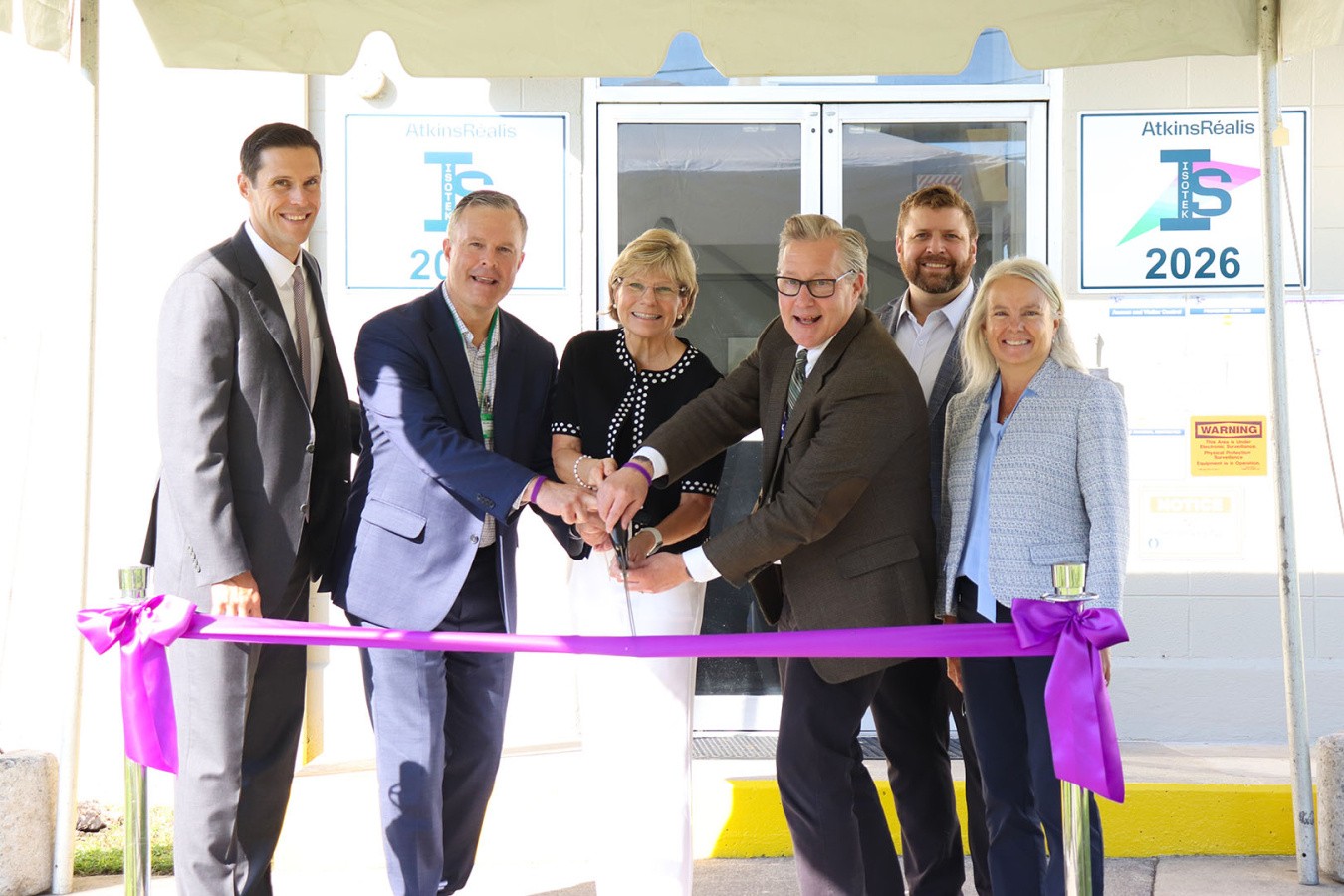
New Analytical Laboratory Completed at Oak Ridge to Support U-233 Cleanup and Medical Isotope Supply
The U.S. Department of Energy Oak Ridge Environmental Management Office (OREM) and its contractor Isotek Systems completed installation of a new analytical laboratory at Oak Ridge National Laboratory (ORNL) on August 25, 2026. The laboratory will support ORNL's highest-priority environmental cleanup project and accelerate delivery of critical medical isotope materials for cancer treatment research. Isotek Systems is responsible for removing the U.S. uranium-233 inventory stored at Oak Ridge National Laboratory. Uranium-233 was primarily developed in the 1950s and 1960s, initially intended for use as nuclear reactor fuel, but was later proven unsuitable as a commercial fuel source...
2026-08-26
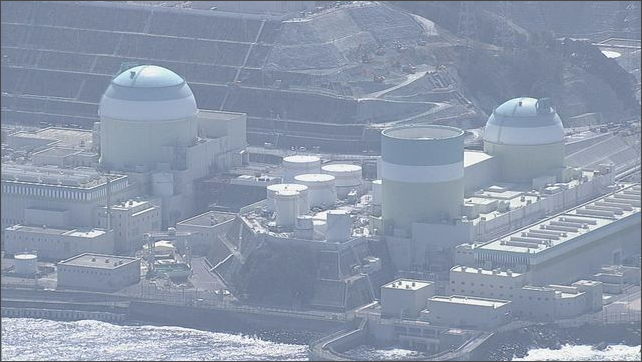
Bitumen Solidification Facility at Unit 2 of Japan's Ikata Nuclear Power Plant Returns to Normal
Shikoku Electric Power Co. reported on August 25, 2026, that the bitumen solidification facility at Unit 2 of Japan's Ikata Nuclear Power Plant, currently in a decommissioned state, had returned to normal operation at 10:45 a.m. that day. The gasket at the joint of the mixer top cover, where the earlier abnormality had been detected, had been replaced, and trial operation results showed no abnormalities. The incident occurred on April 28. On that day, when operators started the bitumen solidification facility in the controlled area of the reactor auxiliary building, they observed a steam-like phenomenon near the mixer thermometer, which subsequently disappeared on its own. Maintenance personnel later inspected and confirmed at 3:05 p.m. that the steam-like gas originated from inside the mixer and had escaped through the joint of the mixer top cover; at 5:06 p.m., the bitumen solidification facility was shut down.
2026-08-26
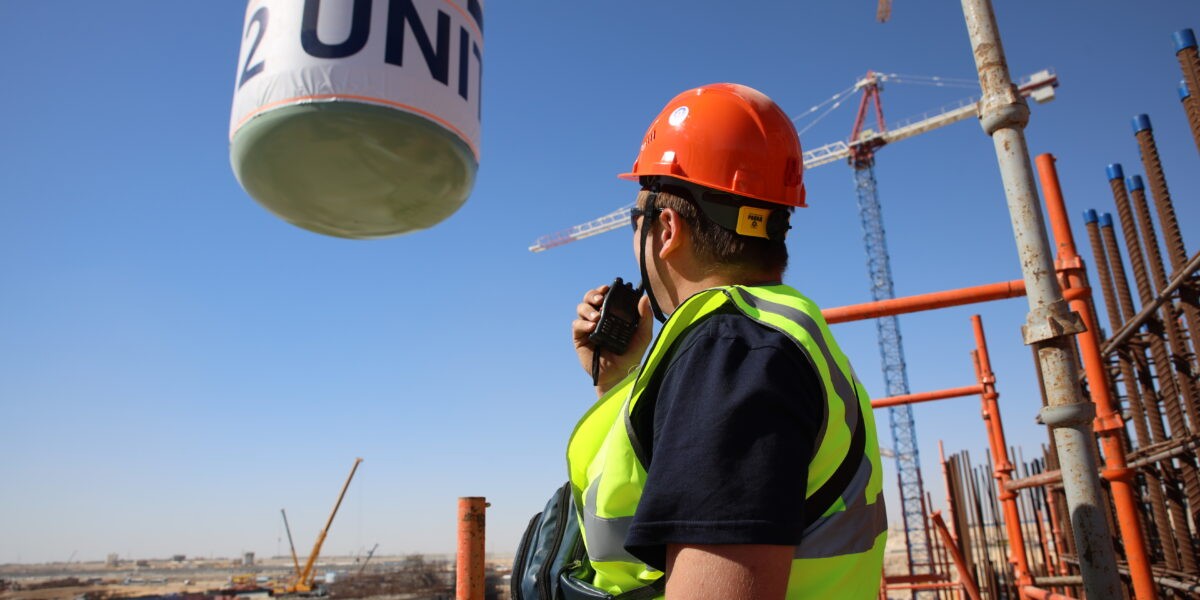
Four Units of Egypt's Dabaa Nuclear Power Plant Under Simultaneous Construction
Alexey Likhachev, President of Rosatom, and Mahmoud Esmat, Egypt's Minister of Electricity and Renewable Energy, recently discussed the construction progress of the Dabaa Nuclear Power Plant. As Egypt's first nuclear power plant, the Dabaa project is planned to feature four VVER-1200 reactor units, which are expected to provide electricity for approximately 20 million people once completed. Likhachev stated that the project has entered a critical construction phase, with all four units progressing simultaneously. Among them, Unit 1 serves as the pilot unit for the project and is scheduled to be connected to the grid in 2028. To achieve this goal, the project team still needs to complete several tasks, including the delivery of nuclear fuel in 2027.
2026-08-26

Phase II of China Spallation Neutron Source in Dongguan expected to be completed by 2029
On August 26, a media delegation from the Guangdong-Hong Kong-Macao Greater Bay Area visited the China Spallation Neutron Source (CSNS) in Dongguan to learn about the operation of this major scientific facility and the progress of its Phase II project. The CSNS is China's first and the world's fourth pulsed spallation neutron source, often referred to as a "super microscope" for exploring the microscopic world. Since its opening in 2018, the facility has been operating in areas including basic research, research addressing major national needs, industrial innovation, and the integration of Hong Kong and Macao in science and technology innovation, and has become one of the key scientific research platforms in the Greater Bay Area. Tong Xin, Deputy Director of the Spallation Neutron Source Science Center, stated that the Phase II project of the CSNS is currently under construction, with a construction period from January 2024 to October 2029...
2026-08-26

Two production lines at radiopharmaceutical plant in Russia's Kaluga Region enter trial production
Rosatom recently announced that two production lines at its modern radiopharmaceutical manufacturing facility in the Kaluga Region have entered trial production. The facility, built in accordance with the Eurasian Economic Union's international Good Manufacturing Practice (GMP) standards, is equipped with high-level production equipment and is designed to supply safe, quality-controlled radiopharmaceuticals to the market. According to reports, Rosatom's subsidiary enterprises currently produce more than ten registered diagnostic and therapeutic radiopharmaceuticals, involving isotopes such as iodine-123, iodine-131, technetium-99m, and samarium-153. The new plant's production plan is based on the demand for radioisotope products from Russian medical institutions through 2030. The company...
2026-08-26

U.S. Fusion Roadmap Targets Early Power Plant Deployment by Mid-2030s
The U.S. Department of Energy (DOE) recently released the "Fusion Science and Technology Roadmap," proposing to accelerate the deployment of early fusion power plants by the mid-2030s. The roadmap represents a key federal-level arrangement to advance fusion technology from experimental research toward engineering and commercialization, coordinated by the Office of Fusion established in November 2025. Unlike existing nuclear power plants that release energy through fission reactions, fusion devices attempt to fuse light atomic nuclei together, with an energy source principle identical to that of the Sun. Fusion power is regarded as a potential low-carbon energy direction, but the industry remains in the experimental and demonstration stage, with private developers yet to achieve commercial-scale net energy gain, i.e...
2026-08-26

Molecular Partners Advances DLL3 Radiopharmaceutical MP0712 to Higher Dose Cohort
Swiss clinical-stage biotechnology company Molecular Partners AG recently announced its business progress and financial results for the first half of 2026. The company stated that its DLL3-targeting radioactive DARPin therapy MP0712 has advanced to the second therapeutic dose level in a U.S. multicenter Phase 1/2a clinical study, and patient enrollment for the new dose cohort is currently underway. MP0712 is a radiopharmaceutical targeting the tumor-associated antigen DLL3, carrying a therapeutic alpha-emitting radionuclide lead-212 (Pb-212) payload, co-developed by Molecular Partners and Orano Med, primarily for small cell lung cancer and other neuroendocrine tumors. According to the company's disclosure, the first dose cohort of MP0712...
2026-08-26

Main Piping and Surge Lines for Unit 2 of Xudabao Nuclear Power Plant Arrived at Site
On August 22, the main piping and surge lines for Unit 2 of Xudabao Nuclear Power Plant were successfully delivered to the site, laying a solid foundation for the commencement of main piping welding, a Level-1 milestone. The main piping serves as the aorta of the reactor coolant system. Together with the reactor pressure vessel, steam generators, and reactor coolant pumps, it forms a closed loop and pressure boundary. It is not only the core pipeline carrying the circulation and transfer of the reactor coolant but also a critical safety barrier for the nuclear island, making it an essential component of the nuclear island's core equipment. To ensure high-quality and on-time delivery of the equipment, Liaoning Nuclear Power took the lead in coordinating with the general contractor, procurement party, and equipment manufacturers, establishing a three-tier coordination mechanism of "daily reports + weekly meetings + monthly executive meetings" to fully streamline the information chain. Through measures such as optimizing production processes, mobilizing superior production capacity, and implementing continuous operations, all tasks were completed on schedule, ensuring the equipment was shipped and delivered to the site as planned.
2026-08-26

Liaoning Zhuanghe Nuclear Power Enters Construction Preparation Phase, Expected to Complete 2 Billion Yuan in Project Investment by Year-End
On August 22, 85 heavy and light engineering machinery units entered the site simultaneously to carry out topsoil clearing work on 179,000 square meters of land, marking the official entry of the Liaoning Zhuanghe nuclear power project into the construction preparation phase. Rendering of the Liaoning Zhuanghe nuclear power project. The Liaoning Zhuanghe nuclear power project is the first nuclear power project in Northeast China to adopt the Hualong One, China's self-developed third-generation nuclear power technology. The project plans to build six million-kilowatt-class nuclear power units in three phases, with a total investment of approximately 125 billion yuan. The first phase will construct two units with a total investment of approximately 44.56 billion yuan. It was approved at the executive meeting of the State Council on July 31, received formal approval from the National Development and Reform Commission on August 13, and obtained the advance land use approval from the Liaoning Provincial Department of Natural Resources on August 20, meeting the legal conditions for land construction.
2026-08-25
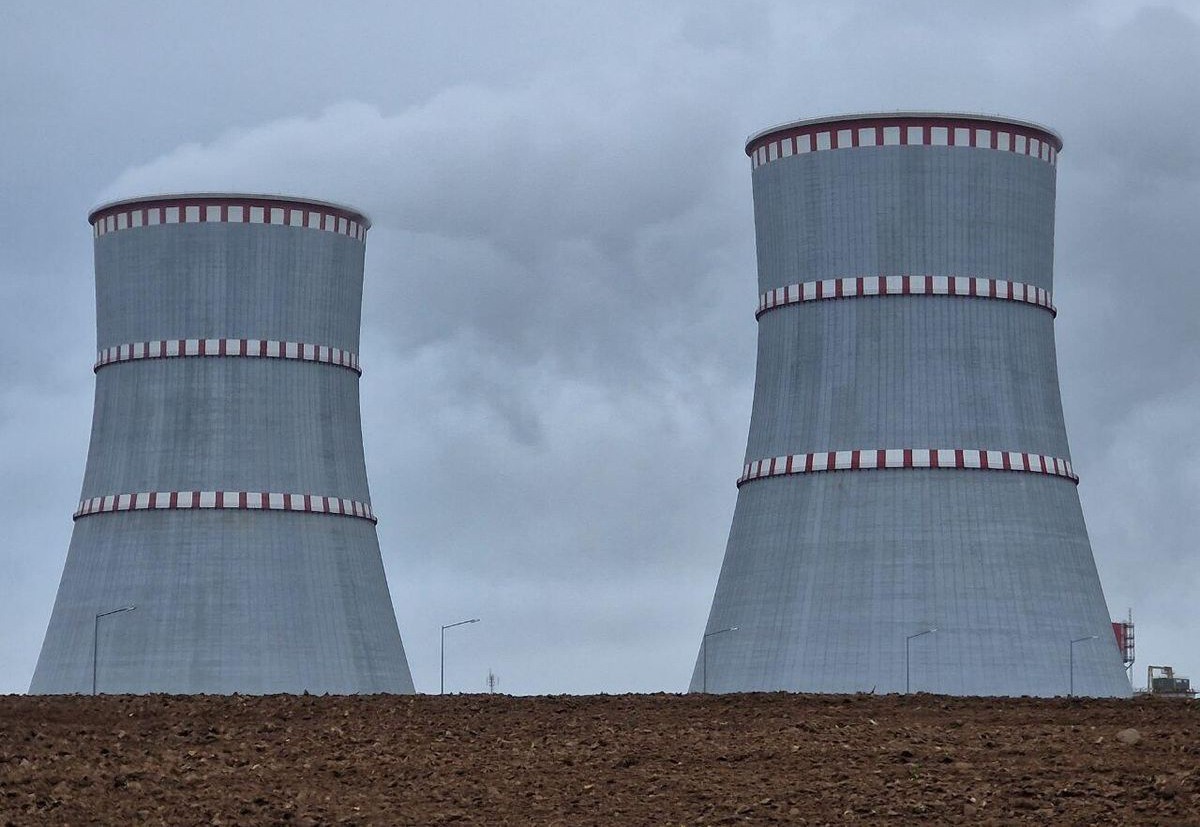
Belarusian Nuclear Power Plant's cumulative electricity generation exceeds 65.5 billion kWh
Belarusian Energy Minister Denis Moroz stated before the start of the Minsk-Ostrovets electric vehicle rally that the cumulative electricity generation of the Belarusian Nuclear Power Plant has exceeded 65.5 billion kWh, currently accounting for approximately 40% of the country's total electricity output. Moroz said that since the plant's commissioning, it has effectively replaced a portion of natural gas consumption, reduced foreign exchange expenditure pressure caused by energy imports, and is of great significance to Belarus's economic operation. Located in Ostrovets, Grodno Region, the Belarusian Nuclear Power Plant is the country's first nuclear power plant, constructed under the Russian AES-2006 design. The project commenced in 2013 and is being built with the participation of Rosatom...
2026-08-25