
Search Results
Keyword:2050
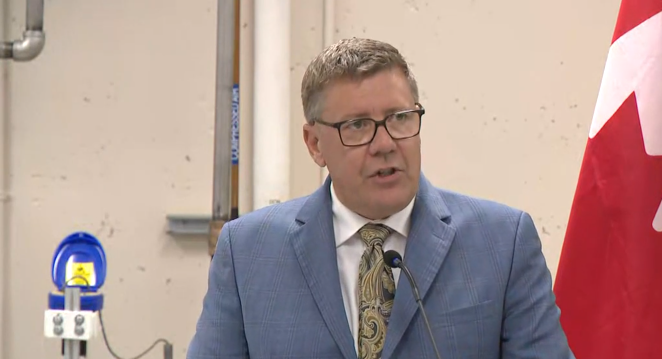
Saskatchewan, Canada Releases Long-Term Nuclear Energy Strategy: Plans to Build 2,600 MW of Nuclear Power by 2050
Scott Moe, Premier of Saskatchewan, Canada, officially announced the province's long-term nuclear energy development plan in Saskatoon on September 29, establishing a strategic goal of building at least 2,600 megawatts (MW) of nuclear power capacity by 2050. Moe emphasized that nuclear energy is not only a zero-carbon clean baseload power source, but also a "nation-building opportunity" that empowers economic growth for generations, will create high-end jobs across the province, attract multinational capital, and ensure long-term electricity stability for households and industry. According to the plan, four core pillars have been established: 1. Build a highly resilient power foundation supporting long-term economic growth: Rely on non-intermittent zero-carbon nuclear energy to address the electricity load gap brought about by society-wide electrification...
2026-09-30
Global nuclear power generation hits record high; World Nuclear Association says 2050 capacity target still requires project support
On September 8, 2026, the World Nuclear Association (WNA) stated in its newly released World Nuclear Outlook Report 2026 that global nuclear power generation reached 2,702 TWh in 2025, a record high. The Association said that if national nuclear expansion plans are implemented, global nuclear installed capacity could exceed the level corresponding to the nuclear tripling target by 2050. The report shows that global nuclear power generation in 2025 increased by 35 TWh compared with the previous record set in 2024. The average capacity factor of operating nuclear units worldwide was 83.7%, continuing the strong operational performance seen since 2000. The World Nuclear Association stated that with national targets achieved, identified...
2026-09-09
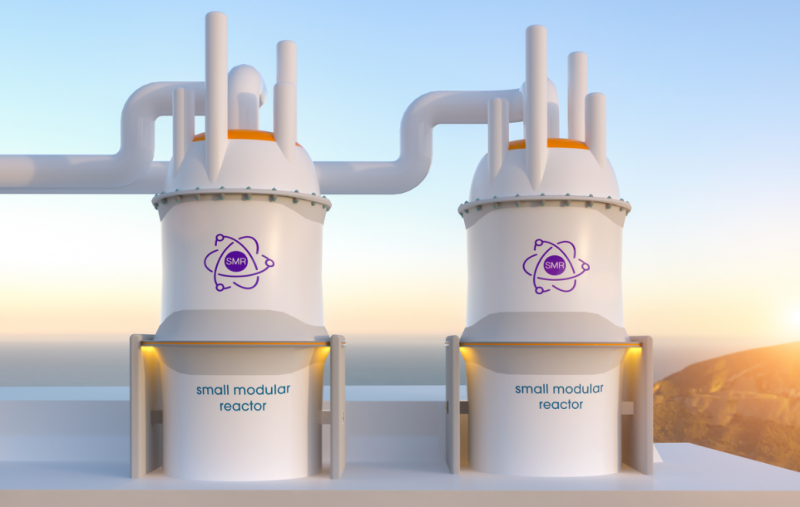
Thailand Plans to Include Small Modular Reactors in Power Development Plan, Targeting 9 GW by 2050
Thailand's new draft Power Development Plan (PDP) is expected to be released in September and enter the public consultation phase. All four power supply scenarios under discussion incorporate small modular reactors (SMRs) and large-scale energy storage systems, covering the planning period from 2026 to 2050. According to the draft's vision, Thailand plans to connect its first 300 MW-class small modular reactor to the national power grid by 2037, with nuclear power installed capacity reaching 9,000 MW by 2050. Based on a single-unit capacity of 300 MW, this target is roughly equivalent to approximately 30 reactors of similar scale, though the actual number may be adjusted depending on technology pathways and electricity demand. The main objectives of the new plan include reducing greenhouse...
2026-08-27
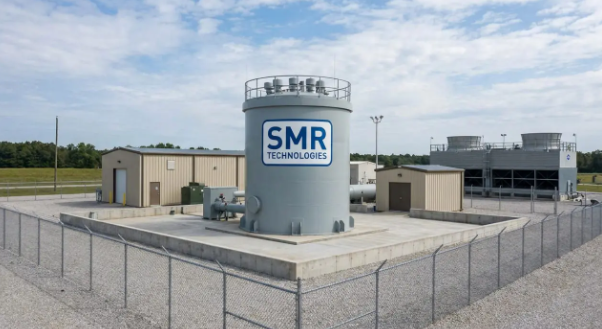
Türkiye Maps Out Small Modular Reactors, Targeting 5,000 MW Installed Capacity by 2050
Türkiye is positioning small modular reactors (SMRs) as a new breakthrough in its nuclear energy strategy. Under relevant plans, Türkiye aims to achieve approximately 5,000 MW of SMR installed capacity by 2050, a scale that would surpass the Akkuyu Nuclear Power Plant project. For Türkiye, which has long sought to reduce its external energy dependence, SMRs are seen as a strategic opportunity combining energy security, industrial upgrading, and technological competitiveness. Compared with traditional large-scale nuclear power plants, SMRs feature smaller installed capacity and more flexible deployment, typically ranging from 10 MW to 300 MW; micro modular reactors below 10 MW are even smaller and can be transported by truck. Reports note that such reactors can be deployed in...
2026-08-13
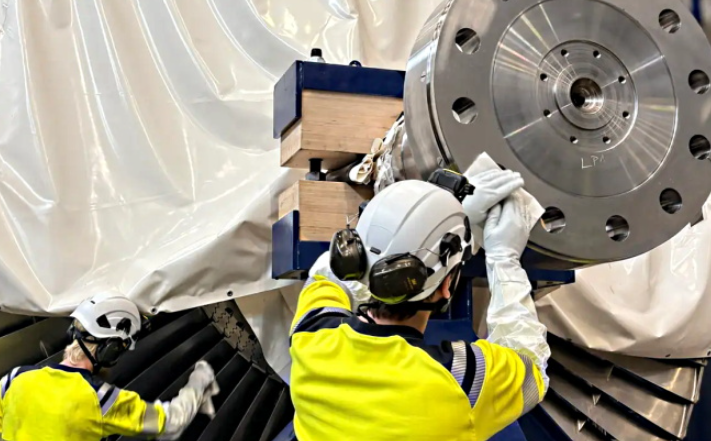
Finland's Loviisa Nuclear Power Plant Launches Turbine Island Upgrade to Support Operation Until 2050
Finnish utility Fortum has launched a large-scale modernization project for the turbine island at the Loviisa Nuclear Power Plant. The project aims to increase the plant's electrical output and ensure the continued, safe, and reliable operation of both units through the end of 2050 under the new operating licenses. The Loviisa plant consists of two VVER-440 pressurized water reactor units and is Finland's first nuclear power plant, currently supplying more than 10% of the country's electricity. Unit 1 entered commercial operation in 1977, followed by Unit 2 in 1981, and the Finnish government approved the extended operating licenses in February 2023. The core of this upgrade is the modernization of the low-pressure turbines, which is the largest single undertaking in the Loviisa turbine island upgrade...
2026-08-12
Small Modular Reactors Expected to Contribute One-Quarter of Global New Nuclear Capacity by 2050
According to data compiled by the World Nuclear Association (WNA), global nuclear power installed capacity is expected to reach 1,446 GWe by 2050. This projection is based on the continued operation of existing reactors and the implementation of announced nuclear power development targets by governments. Currently, global installed nuclear capacity stands at approximately 403 GWe. To achieve the above scale, an additional approximately 1,043 GWe of nuclear capacity will need to be added. Among this, Small Modular Reactors (SMRs) are expected to contribute about 260 GWe, accounting for roughly one-quarter of global new nuclear capacity. Factors driving nuclear power expansion are increasing. The rapid adoption of artificial intelligence applications has driven up electricity demand from data centers, and the accelerating electrification of transportation and industrial sectors has further elevated the importance of stable, low-carbon electricity supply. Meanwhile, energy security and net-zero emission targets are prompting more countries to reassess the role of nuclear energy in their energy mix.
2026-08-10
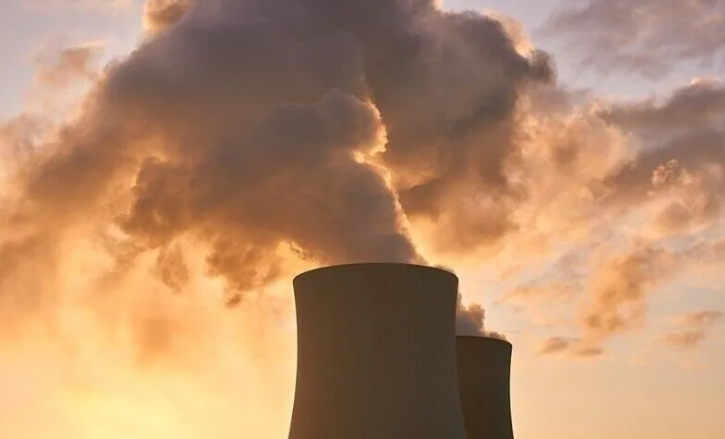
World Nuclear Association: Global Nuclear Power Investment Must Reach $250 Billion Annually to Support Tripling of Installed Capacity by 2050
Global nuclear power investment is expected to see significant growth, with annual investment needs potentially exceeding $250 billion by 2050 to meet rising world energy demand. According to a report by the World Nuclear Association (WNA), this investment scale aims to at least triple global nuclear power installed capacity and is supported by 38 countries. This represents a potential investment opportunity of up to $6 trillion for the nuclear power industry, attracting widespread attention. In addition to government funding, private sector capital participation is crucial to the comprehensive development of nuclear power. The report emphasizes that investment should not only focus on new nuclear power plant construction but also expand the nuclear fuel cycle to support large-scale operations, ensure energy supply...
2026-08-06