
Search Results
Keyword:3

South Korea plans to build an innovative self-developed fusion reactor by 2035
Yang Hyeong-ryeol, head of the fusion sector of the K-Moonshot project at the Korea Institute of Fusion Energy (KFE), recently stated that South Korea plans to complete the construction of an independently developed innovative fusion reactor by 2035 and strives to complete power generation demonstration by 2039. He said that nuclear fusion is an extremely challenging technical endeavor, but once a breakthrough is achieved, it will have broad driving effects on the energy, industrial, and technological systems. Yang Hyeong-ryeol, project director of South Korea's Moonshot program, said nuclear fusion is often called an artificial sun because it generates energy by simulating the energy production process inside the sun. Against the backdrop of rapid expansion of AI applications, rising electricity demand, and increasing global pressure for carbon reduction, the commercialization of fusion energy is attracting growing attention from more countries and enterprises. The South Korean government has listed nuclear fusion, along with small modular reactors and renewable energy, as key future technology directions, and hopes to advance the commercialization of fusion energy through public-private partnerships.
2026-08-20
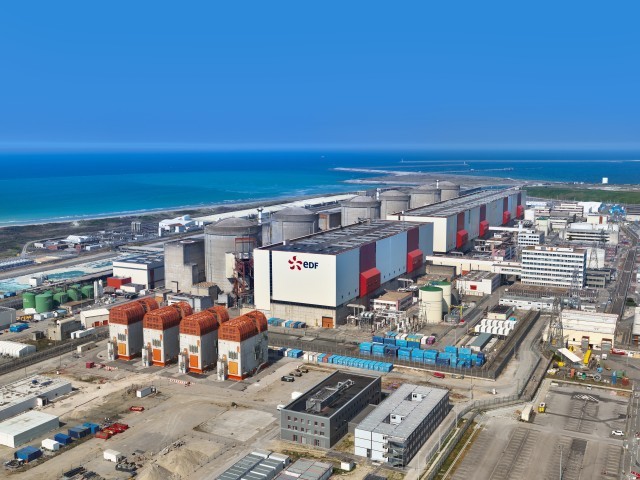
Unit 3 of France's Gravelines Nuclear Power Plant Reconnected to Grid, Unit 4 Remains Shut Down
According to EDF on August 18, Unit 3 of the Gravelines Nuclear Power Plant in northern France was reconnected to the national grid at 3:55 a.m. local time on August 18. The unit had been automatically shut down at 7:43 p.m. on August 10 in accordance with established safety protection procedures due to a large influx of jellyfish into the seawater pump station filtration system. The Gravelines Nuclear Power Plant has a total of six units. On August 10, a large number of jellyfish entered the pump station used to draw seawater for cooling nuclear facilities, affecting equipment such as pre-filters and filter drums. In accordance with operating procedures, Units 3 and 4 were automatically shut down; the operating team also shut down Unit 2 and reduced Unit 1's power to 50% to adapt to changing site conditions. Unit 5 was...
2026-08-20
South Korea's Woori Technology Wins Supply Contract for Control Systems for Kori Nuclear Power Plant Units 3 and 4
Woori Technology announced on August 20 that it has signed a supply contract with Korea Hydro & Nuclear Power (KHNP) to provide equipment and technical support for the Plant Monitoring System (PMS) facility improvement project for Units 3 and 4 of the Kori Nuclear Power Plant. According to the disclosed information, the contract amount is KRW 8.4726 billion, approximately KRW 8.5 billion, excluding value-added tax, accounting for 9.72% of Woori Technology's consolidated sales in 2025. The contract period runs from August 19, 2026 to February 21, 2028, with sales and supply limited to South Korea, and the supply method is in-house production. Under the contract arrangement, Woori Technology will...
2026-08-20
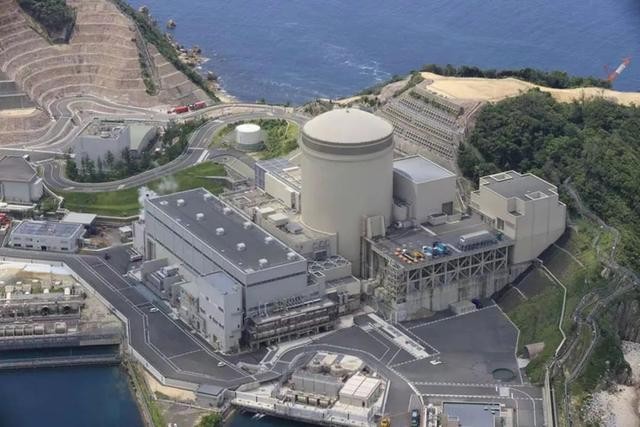
Japan's regulator says steam leak at Mihama Nuclear Power Plant Unit 3 was "avoidable"
On August 19, Japan's Nuclear Regulation Authority (NRA) released the results of its nuclear regulatory inspections for the first quarter of the current fiscal year, determining that the steam leak incident at Mihama Nuclear Power Plant Unit 3, operated by Kansai Electric Power Co., in May this year was "foreseeable within a reasonable range" and that the associated losses "could have been avoided." The incident occurred in the high-pressure turbine area of Mihama Unit 3. A small hole approximately 8 centimeters long and 1 centimeter wide appeared in the metal cover atop the high-pressure turbine casing, causing a steam leak that forced a manual reactor shutdown. In its assessment, the NRA concluded that the event was foreseeable and could have been prevented through appropriate management or maintenance measures. However, since no pipe rupture or fire occurred between the onset of the steam leak and the reactor shutdown, the NRA rated the significance and severity of the incident at the lowest of four levels.
2026-08-20
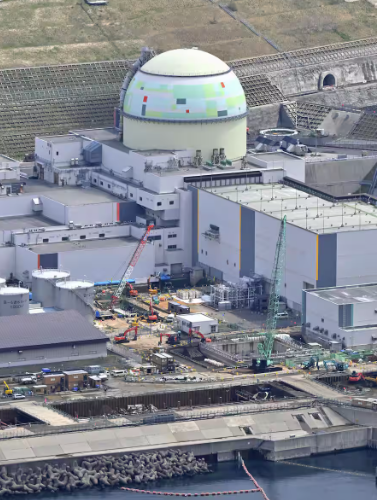
Eight economic organizations in Hokkaido urge early restart of Tomari Nuclear Power Plant Unit 3 and electricity price reduction
On August 19, eight economic organizations in Hokkaido, including the Hokkaido Economic Federation, submitted a request to Hokkaido Electric Power Company (HEPCO), urging the company to promote the early restart of Unit 3 at the Tomari Nuclear Power Plant and to reduce electricity prices as soon as possible after restart, while ensuring that safety measures are given priority. On the same day, Hiroshi Fujii, Chairman of the Hokkaido Economic Federation and Chairman of Hokkaido Electric Power Company, and Mitsuharu Yasuda, Chairman of the Hokkaido Chamber of Commerce and Industry and Chairman of Hokuyo Bank, along with other heads of economic organizations, visited HEPCO's headquarters in Sapporo and presented the request to HEPCO President Susumu Saito. The request states that the Tomari Nuclear Power Plant is of great significance for Hokkaido's economic growth and decarbonization efforts...
2026-08-20

US Oak Ridge National Laboratory Advances Radioisotope Nuclear Battery Development
On August 17, 2026, the US Department of Energy's Oak Ridge National Laboratory stated that its nuclear battery program is advancing the development of radioisotope power systems to meet the demand for stable, long-life power sources in deep space exploration, long-term power supply in remote areas, and national security-related scenarios. NASA's Perseverance Mars rover poses with several of the 10 sample tubes it placed in a sample depot it established in a region of Jezero Crater called "Three Forks." The rover's radioisotope thermoelectric generator is powered by a nuclear battery. Image credit: NASA/JPL-Caltech/MSSS. Nuclear batteries generate electricity from the energy released by the decay of radioisotopes, making them suitable for environments such as the seafloor, remote deserts, and extraterrestrial surfaces where maintenance is difficult and continuous power supply is needed for years or even decades.
2026-08-19
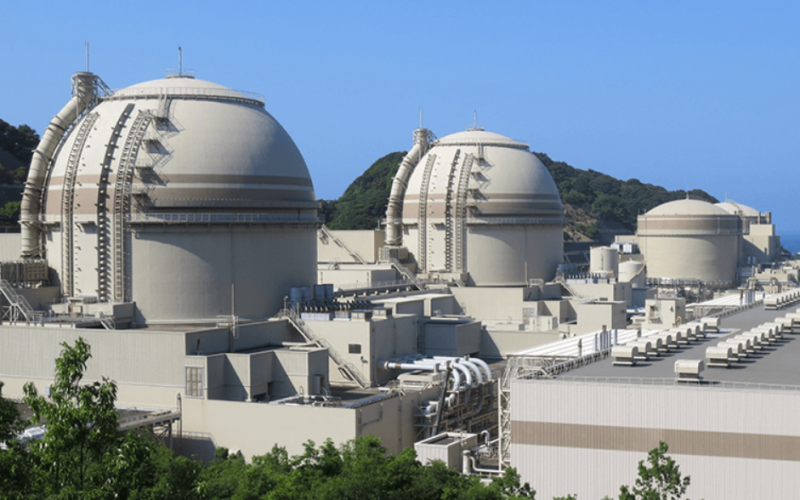
Investigation into Automatic Shutdown of Unit 3 at Japan's Ohi Nuclear Power Plant: Damage Found in Exciter Rotating Rectifier
Kansai Electric Power reported on August 19 that Unit 3 of the Ohi Nuclear Power Plant experienced an automatic generator trip triggered by a generator loss-of-field alarm at 23:56 on August 8, followed by an automatic reactor shutdown. At the time of the event, the unit was operating stably at rated thermal power. The company stated that the event caused no radiological impact on the environment. The loss-of-field alarm is used to indicate an abnormal state in the magnetic field generated inside the generator. Following the incident, Kansai Electric conducted on-site inspections of equipment related to generator magnetic field establishment, including the generator, exciter, and automatic voltage regulator (AVR). Among these, the exciter is used to establish the magnetic field for the generator...
2026-08-19
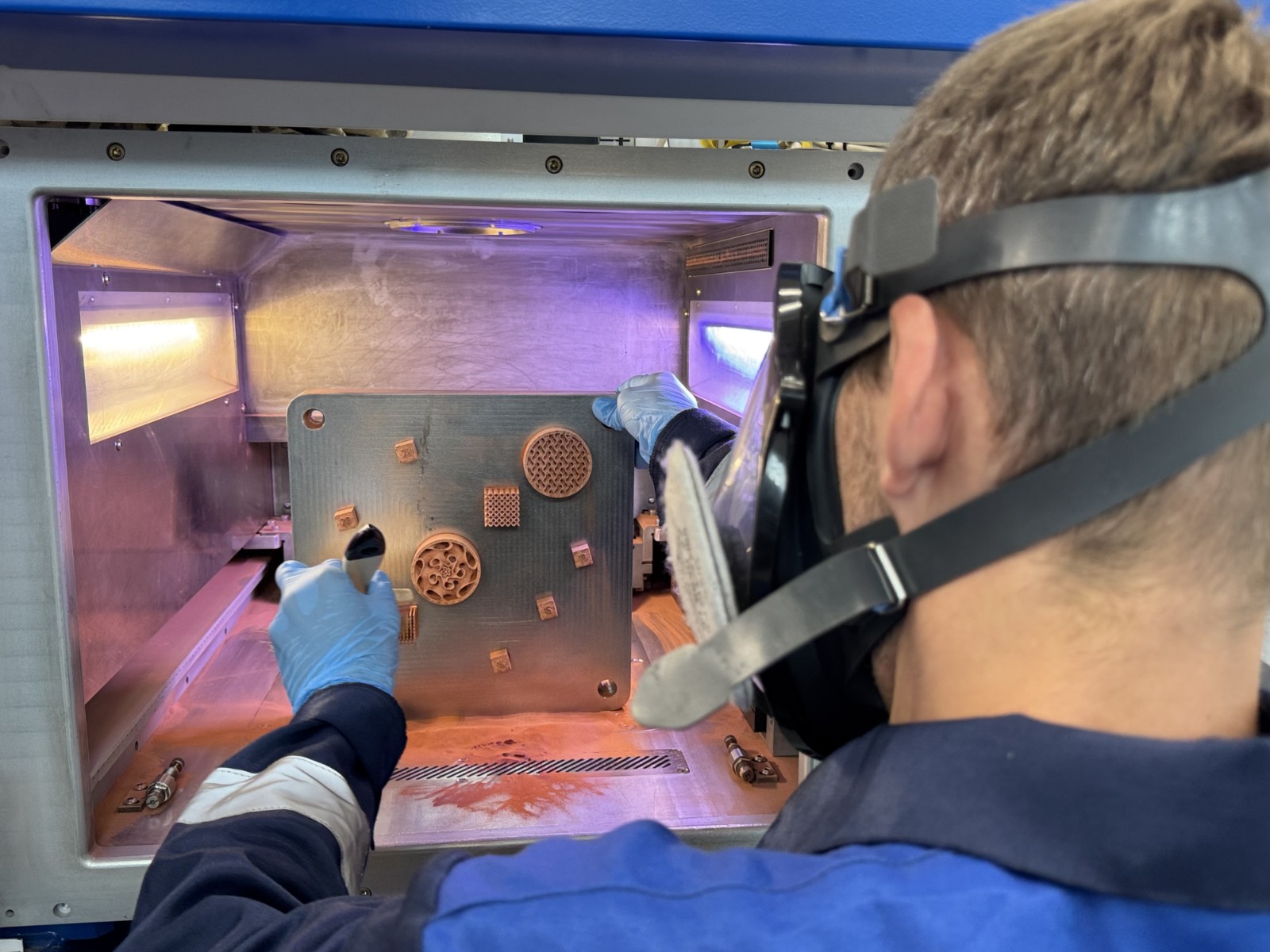
Rosatom masters 3D printing technology for copper and copper alloys
The additive manufacturing technology business division of Rosatom's Fuel Division recently announced that its experts have successfully manufactured products from copper and copper alloys using the RusMelt industrial 3D printer, marking progress in additive manufacturing with copper materials. According to reports, Rosatom had previously used selective laser melting (SLM) technology to produce metal 3D-printed equipment of various sizes, with commonly used materials including stainless steel, heat-resistant materials, and titanium. Due to copper's physical properties such as high thermal conductivity and high electrical conductivity, which also pose technical challenges for laser melting, its application in metal 3D printing has long been limited. The company's additive manufacturing technology center in Moscow...
2026-08-19
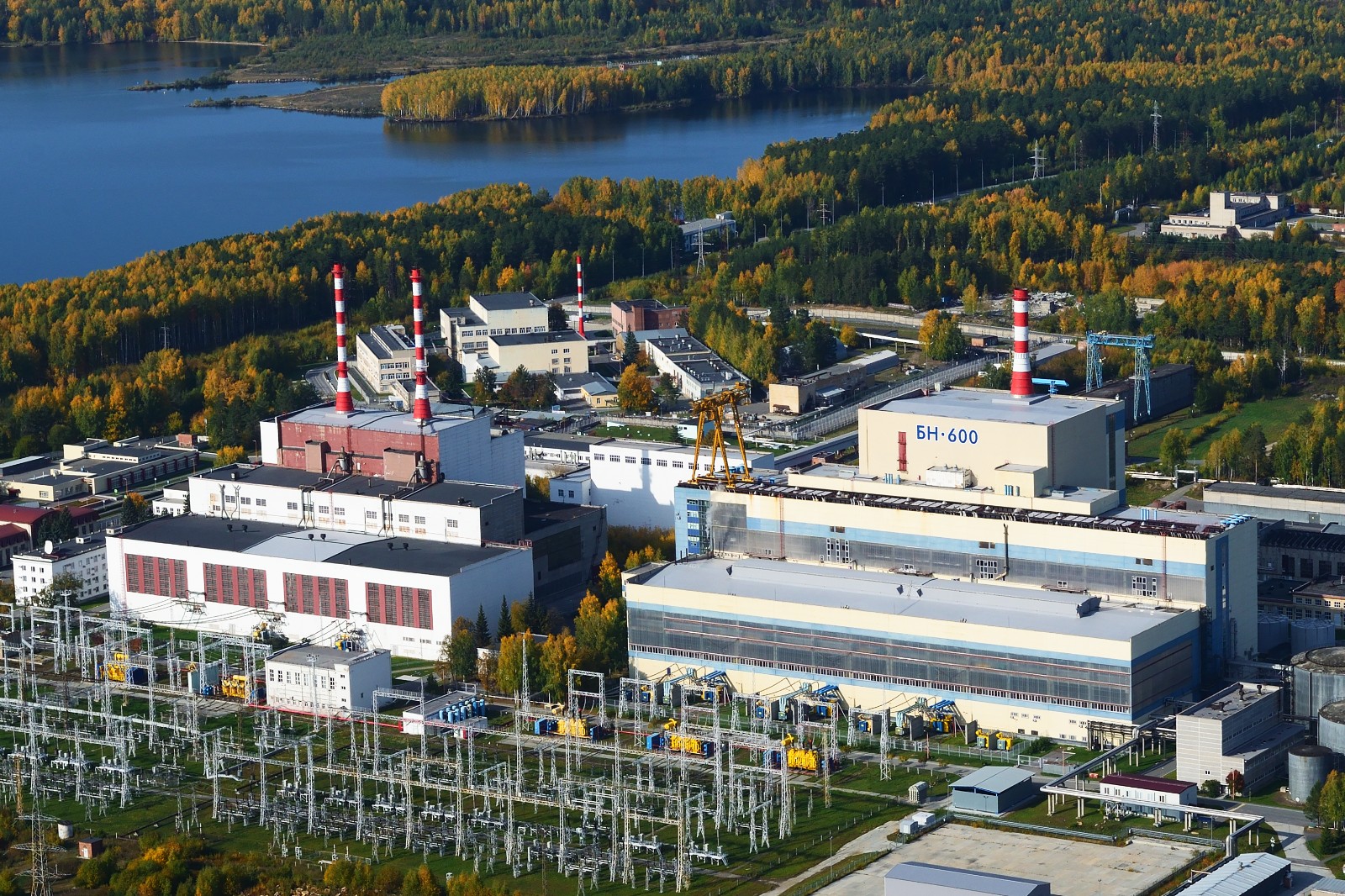
Unit 3 of Beloyarsk NPP begins scheduled maintenance and equipment modernization
Unit 3 of Russia's Beloyarsk NPP entered scheduled preventive maintenance on August 18. This outage maintenance will be used for fuel reloading, equipment maintenance, and preventive repairs, along with partial modernization efforts to maintain reliable unit operation and improve equipment performance. The unit features a BN-600 sodium-cooled fast neutron reactor. During the maintenance period, the plant will carry out major repairs on the BN-600 reactor facility and replace 9 guide tubes in the control and protection system. Such operations are uncommon and are typically performed approximately once every 10 years. According to the maintenance schedule, the plant will also repair the unloading lift device and conduct operational monitoring inspections of the reactor pressure vessel metal...
2026-08-19

Hungary's Paks Nuclear Power Plant expected to resume full generating capacity from August 23
Hungarian Prime Minister Magyar stated that as the Danube water level is expected to recover, the remaining 6 turbines at Hungary's Paks Nuclear Power Plant are planned to restart from August 23, which is expected to fully restore the plant's original generating capacity. Due to recent high temperatures and Danube water levels, the Paks Nuclear Power Plant had previously been unable to maintain full-load operation as originally planned. On the evening of August 10, the second of the plant's 8 turbines was started, and the current generating power is approximately 480 megawatts, lower than the originally planned 2,000 megawatts. Magyar stated that once the relevant water-retention facilities are completed and the river water level rises as expected, the nuclear power plant will have the conditions to restart the remaining turbines...
2026-08-19
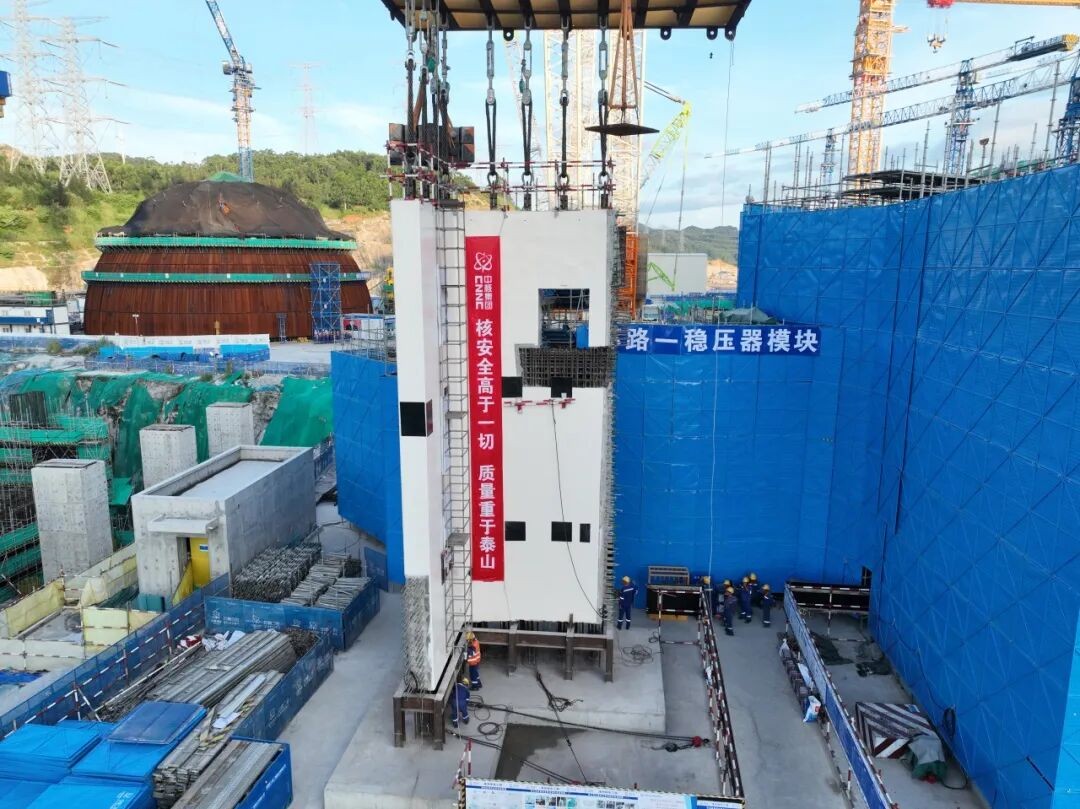
Prefabricated Module for Evaporator Compartment of Loop 3 in Internal Structure of Unit 4 at Zhangzhou Nuclear Power Plant Successfully Hoisted
At 10:18 on August 18, the prefabricated module for the evaporator compartment of Loop 3 in the internal structure of the reactor building of Unit 4 at Zhangzhou Nuclear Power Plant was hoisted into place, with safety and quality under control throughout the entire process. The structures above elevation 16.5 meters in the internal structure of the reactor building of Unit 4 at Zhangzhou Nuclear Power Plant, including the evaporator compartments, pressurizer compartment, and the roof slab of the passive reactor cavity injection tank, adopt a modular construction process featuring off-site prefabrication, integral hoisting, and precise positioning, divided into five concrete modules. The evaporator compartment module of Loop 3 hoisted this time is the first module to be lifted for Unit 4, weighing 454.289 tons, with an overall special L-shaped structure, lifted using a 3200-ton crawler crane. The hoisting operation lasted 3 hours, and Zhangzhou Nuclear Power...
2026-08-19
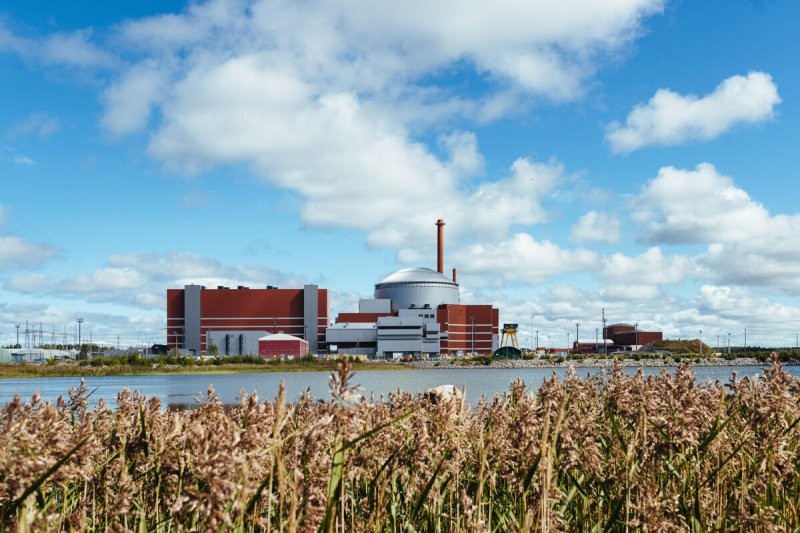
Finland's Olkiluoto 3 unit reduces power output due to main coolant pump fault
Finnish utility Teollisuuden Voima (TVO) said on August 17 that Unit 3 of the Olkiluoto nuclear power plant (OL3) will continue to operate at a stable power output of approximately 1,300 MW, about 84% of full capacity, for the coming weeks due to technical faults in two main coolant pumps in the nuclear island. The unit's rated generating capacity is approximately 1,600 MW. TVO stated that the faults were discovered during this summer. Since then, the unit has reduced its output power and investigations have been conducted into the causes of the faults and corrective measures. Under the latest arrangement, OL3 will continue operating at a reduced power level to monitor the effectiveness of corrective actions until the unit begins its scheduled annual outage on September 10, 2026. TVO...
2026-08-18
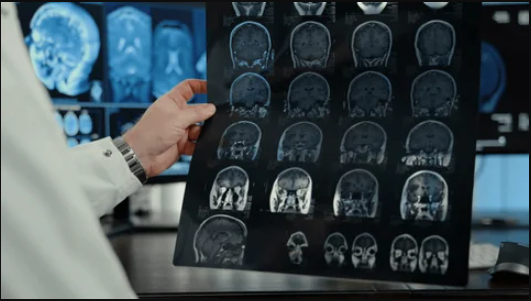
Decoding the Clinical-Radiological Paradox: Brain Network Mechanisms in Spinocerebellar Ataxia Type 3 Revealed
On August 17, the team of Professor Liu Chen and Professor Wang Jian from the Department of Radiology at Southwest Hospital of Army Medical University, in collaboration with Professor Long Zhiliang's team from the Faculty of Psychology at Southwest University, systematically revealed for the first time the micro-level molecular pathological mechanisms underlying macroscopic brain network decoupling in patients with spinocerebellar ataxia type 3 (SCA3) by integrating multimodal magnetic resonance imaging technology with high-resolution micro-biological atlases. This provides a novel perspective and objective imaging targets for resolving the clinical-radiological dissociation challenge in clinical diagnosis and treatment. The findings were published in the internationally leading journal in the field of movement disorders under the title "Putaminal Structure-Function Decoupling as an Early Candidate Imaging Biomarker for Motor Severity in Spinocerebellar Ataxia Type 3."
2026-08-18
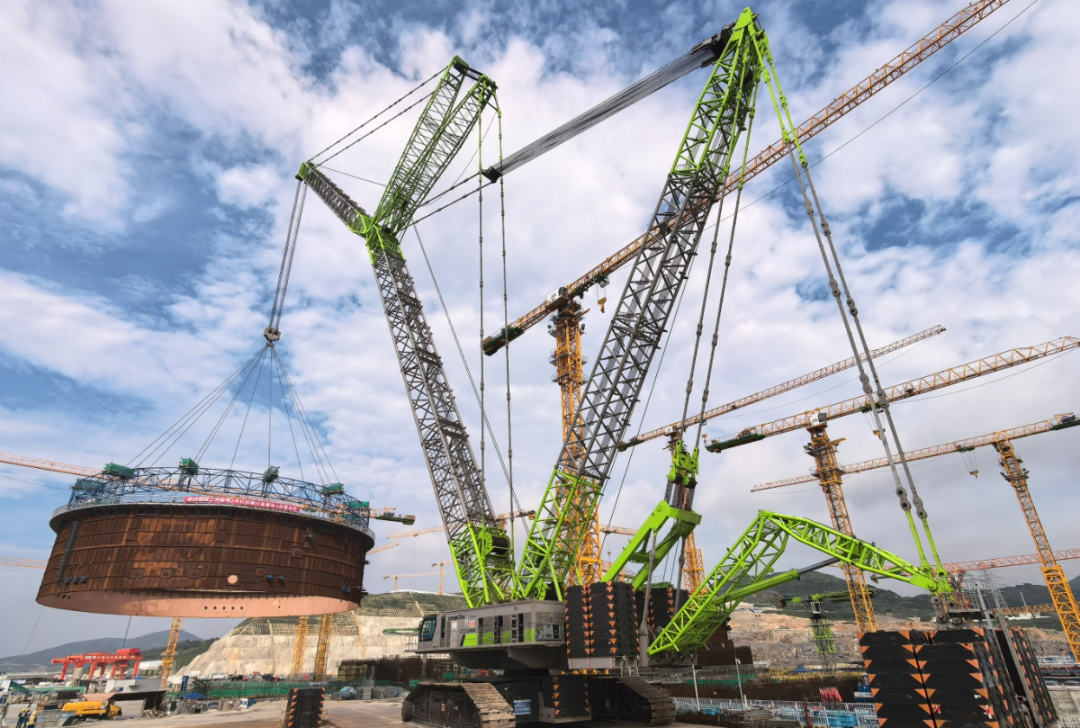
Module 4 of Steel Liner for Unit 3 of San'ao Nuclear Power Plant Successfully Hoisted
At 8:16 a.m. on August 15, the hoisting operation of Module 4 of the 3BRX steel liner for Unit 3 of the San'ao Nuclear Power Plant was officially launched. Under the stable operation of the 2,000-ton crawler crane of CNNC Machinery Engineering, the module successively completed a series of procedures including slewing, load-bearing travel, and alignment adjustment. After 220 minutes, the hoisting task was successfully completed. Module 4 of Unit 3 hoisted this time was integrally assembled from the fourth and fifth layers of the cylinder, with a diameter of approximately 45 meters and a height of 11.46 meters. The module features a large volume, susceptibility to deformation, and limited slewing space for the crane. The project team strictly implemented the special plan, completed site reinforcement, transport of baskets and counterweights, and crawler crane relocation in advance, organized hoisting simulation drills, and comprehensively inspected various safety hazards...
2026-08-18
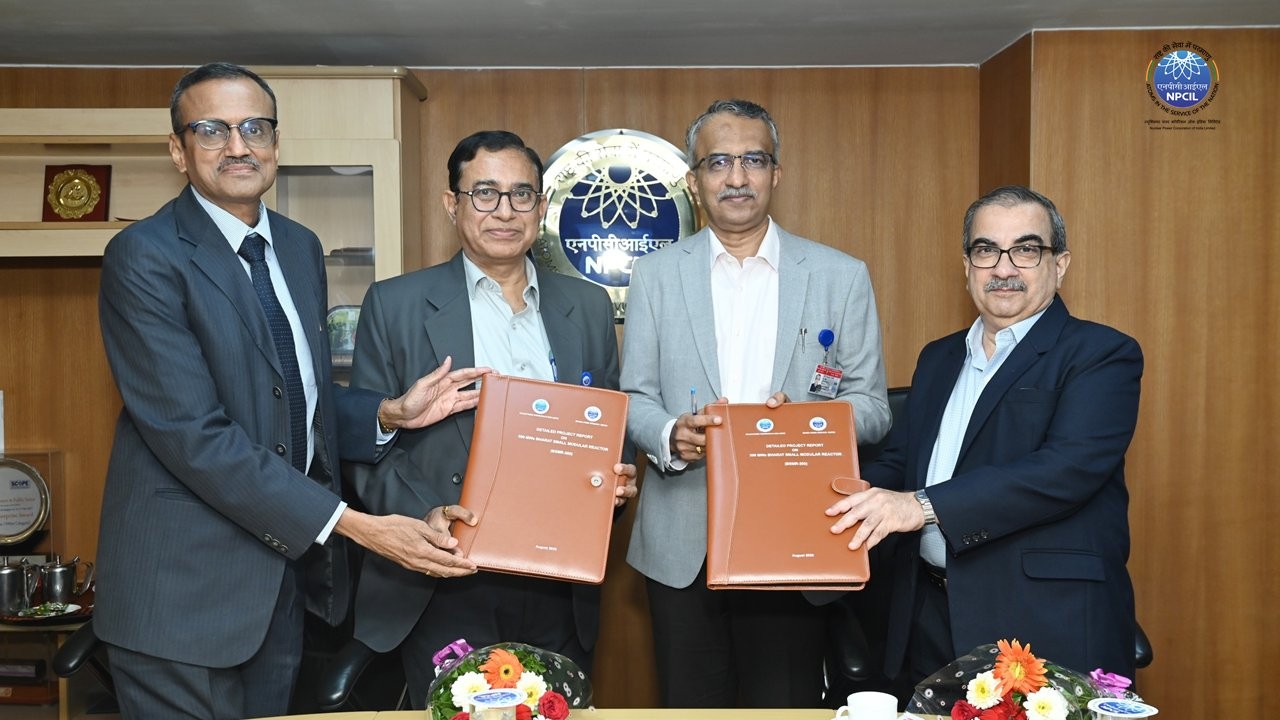
India Releases Detailed Project Report for 300 MWe Bharat Small Modular Reactor
The release of the Detailed Project Report (DPR) for India's 300 MWe Bharat Small Modular Reactor (BSMR-300) marks a new milestone in India's indigenous small modular reactor program. The report was released on August 14, 2026, and was jointly prepared by the Bhabha Atomic Research Centre (BARC) and the Nuclear Power Corporation of India Limited (NPCIL). The project falls under the indigenous Small Modular Reactor (SMR) program advanced by India's Department of Atomic Energy (DAE), positioned as a complement to India's existing large-scale nuclear power construction projects and offering captive nuclear power solutions. According to the released information, the BSMR-300 is designed as a fully indigenously developed Generation III+ pressurized water reactor with an installed capacity of 300 MWe. The project continues...
2026-08-17