
Search Results
Keyword:Al
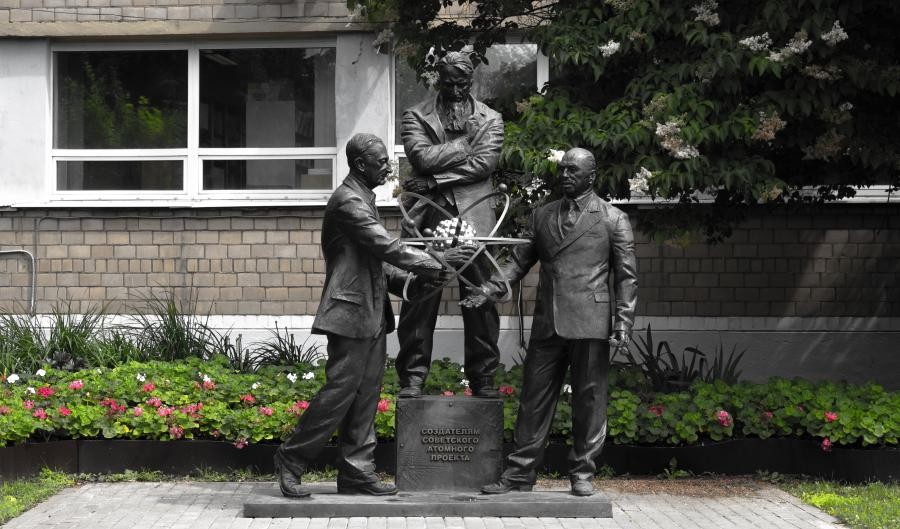
Russia Marks 81 Years Since the Birth of Its Nuclear Industry: From the Soviet Nuclear Program to Modern Nuclear Talent Development
On August 20, 1945, the founding documents establishing the Special Committee and the First Main Directorate under the Council of People's Commissars of the USSR were officially signed, generally regarded as the starting point of the Soviet nuclear industry system. Eighty-one years later, Russia's nuclear energy community once again looks back at this historical milestone, linking it to nuclear science and technology development and talent cultivation. In August of that year, after the United States used atomic bombs on Hiroshima and Nagasaki, the Soviet Union accelerated the establishment of its own nuclear research and industrial system. On August 29, 1949, the Soviet Union completed the RDS-1 nuclear test. Thereafter, Soviet nuclear science gradually extended from military applications to peaceful uses, building the world's first grid-connected nuclear power plant and developing a fleet of nuclear-powered icebreakers. The establishment of the nuclear industry system also drove...
2026-08-21

U.S. SYNOPTICS Produces Large-Size Yb:YLF Crystal for Inertial Confinement Fusion Laser Systems
On August 19, SYNOPTICS, a subsidiary of Northrop Grumman, announced that it had successfully grown and harvested a large-size ytterbium-doped yttrium lithium fluoride crystal, namely a Yb:YLF crystal ingot. The crystal measures approximately 127 millimeters at its widest point, with a diameter three times the industry standard. SYNOPTICS stated that as laser engineering continues to expand toward higher efficiency and higher power, the demand for gain media with larger apertures and larger dimensions continues to grow. The Yb:YLF crystal produced this time is approximately 20% larger than the largest crystal the company had previously grown, and approximately 50% larger than the company's conventional product size. Kevin Stevens, General Manager of SYNOPTICS, stated that yttrium lithium fluoride is a commonly used host material for laser-active rare-earth ions, and scaling up the growth of YLF crystals will help laser engineers continue to raise the upper limit of achievable laser output power. He said that such materials are of significant importance for applications including directed energy, inertial confinement fusion, and industrial laser systems. Stevens also stated that Yb:YLF crystals can be used in applications requiring reduced thermal lensing effects and enhanced pulsed energy storage capability, while also leveraging their natural birefringent host to achieve polarization characteristics. According to information recently released by SYNOPTICS, some of the crystals will be used in the high-energy laser system at the German Electron Synchrotron Research Center (DESY) to support its inertial confinement fusion energy research. The company is currently studying the feasibility of further scaling up the size of Yb:YLF crystals, and plans to extend the relevant processes to other rare-earth-ion-doped YLF crystals, including holmium, thulium, and neodymium doping systems.
2026-08-21

South Korea Amends Nuclear Safety Act to Clarify Safety Responsibilities of Nuclear Facility Operators
The National Assembly of South Korea passed a partial amendment to the Nuclear Safety Act at its 438th special session on August 20, marking the first time that nuclear-related business operators' primary responsibility for nuclear facility safety has been explicitly established at the legal level. This move signifies that South Korea's nuclear safety management system will further transition from a licensing and regulation-centered approach to a responsibility system aligned with the safety principles of the International Atomic Energy Agency (IAEA). The amendment was proposed by South Korean lawmaker Oh Se-hee. Prior to the revision, South Korea's Nuclear Safety Act primarily established safety standards and regulatory procedures around reactor construction and operating licenses, nuclear material use, and radioactive waste management facility operations, but lacked...
2026-08-21
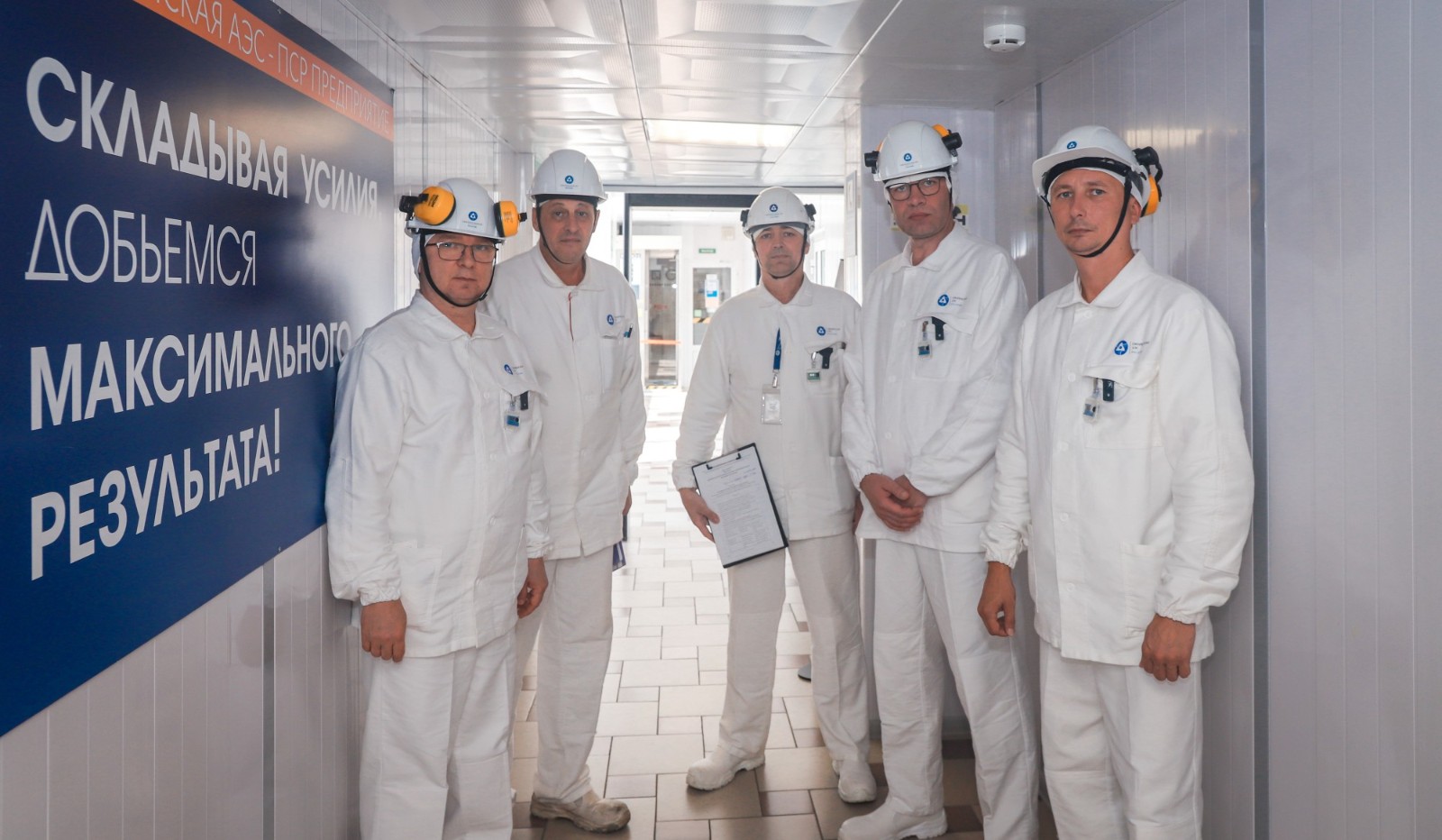
Organizational Diagnostic Assessment Completed at Russia's Smolensk Nuclear Power Plant
Russia's Smolensk Nuclear Power Plant has recently completed an organizational diagnostic assessment under a support mission of the WANO Moscow Centre. The assessment was carried out by a team of eight experts from the WANO Moscow Centre, Rosenergoatom, Beloyarsk Nuclear Power Plant, and Atomflot, among other organizations. Organizational diagnostics is a type of assessment that WANO has been conducting in recent years, focusing not on a single topic but on a comprehensive review of the plant from the organizational and operational perspective. The assessment covered areas including employee...
2026-08-21
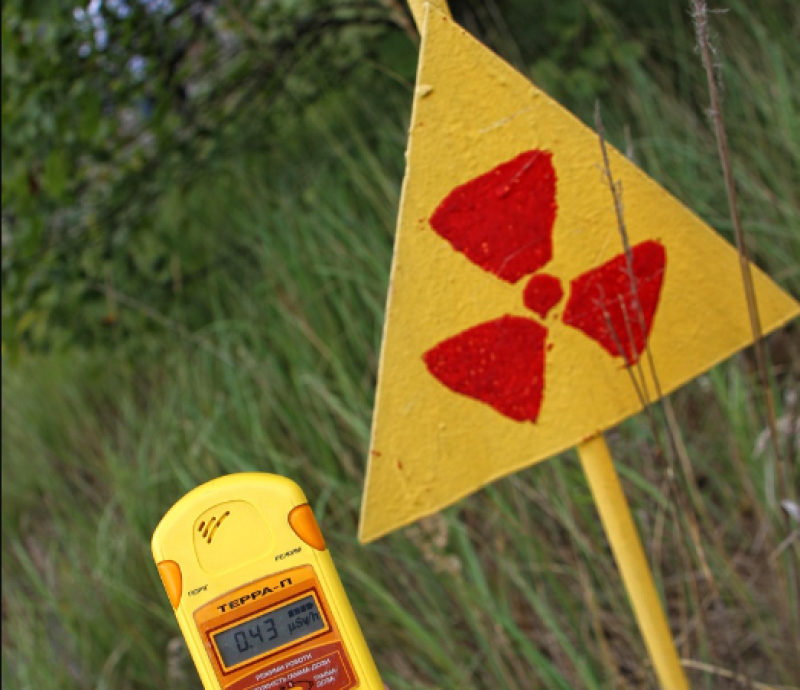
22 Atmospheric Radiation Automatic Monitoring Stations in Shaanxi Operate Stably, with National-Controlled Stations Achieving 99.9% Data Acquisition Rate
In recent years, Shaanxi Province has continuously strengthened the construction of its radiation environmental monitoring network. The 22 atmospheric radiation automatic monitoring stations across the province, including 12 national-controlled stations and 10 provincial-controlled stations, have maintained stable operation. These stations utilize high-pressure ionization chambers, ultra-high-flow aerosol samplers, gamma spectrometers, and other equipment to conduct continuous monitoring of atmospheric instantaneous gamma dose rates, aerosol samples, and gamma radionuclides. Relevant data are transmitted in real time to the system platform of the Shaanxi Provincial Nuclear and Radiation Safety Supervision Station. According to reports, Shaanxi has gradually established an automatic station operation and maintenance management system featuring strong organization, closed-loop responsibility, funding guarantees, standardized procedures, and digital-intelligent empowerment. In 2023, the 5-minute data acquisition rate of Shaanxi's 12 national-controlled stations reached 99.9%, ranking third nationwide.
2026-08-21
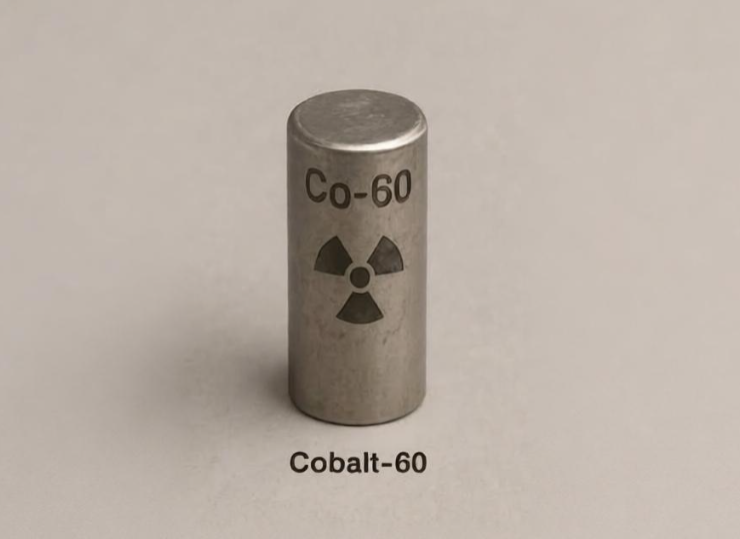
A Category IV Cobalt-60 (Co-60) radioactive source retired in Huangshi
Recently, under the coordinated deployment and on-site supervision of the Huangshi Municipal Ecological Environment Bureau in Hubei Province, a retired Category IV Cobalt-60 (Co-60) radioactive source was transported in a closed loop by a professionally qualified vehicle and safely delivered to the Hubei Provincial Urban Radioactive Waste Repository, where it was permanently sealed in a standardized manner. The collection and storage process for this waste source followed standard procedures with meticulous control, and no readings exceeding limits, equipment loosening, or other safety anomalies occurred throughout the entire transport process. It is understood that this Cobalt-60 radioactive source was originally the core component of a level gauge supporting an enterprise's kiln production line. As the production line was dismantled and scrapped, the related equipment ceased operation, increasing the safety management pressure of the idle radioactive source. Upon receiving the enterprise's disposal application, the Huangshi Municipal Ecological Environment Bureau...
2026-08-21
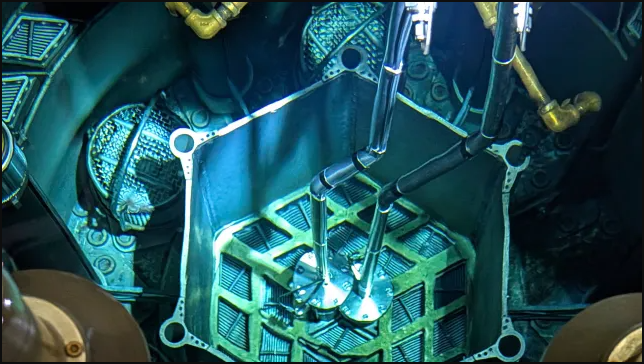
IAEA Launches New Project to Enhance Nuclear Fuel and Materials Testing Capabilities in Research Reactors
The International Atomic Energy Agency (IAEA) recently launched a four-year coordinated research project aimed at optimizing the experimental design of nuclear fuel and structural materials testing in research reactors, enhancing the safety, effectiveness, and efficiency of irradiation experiments. Top view showing a materials testing reactor core loaded with two in-core materials testing devices. (Photo: Y. Ostrovsky/MIT) With the continued advancement of new nuclear reactor technologies, growing interest in small modular reactors, and existing nuclear power plants seeking long-term operation, the demand for reliable testing of new nuclear fuels and structural materials is increasing. Before being put into use in nuclear reactors, these fuels and materials must be tested and qualified under harsh conditions such as radiation and high temperatures...
2026-08-21
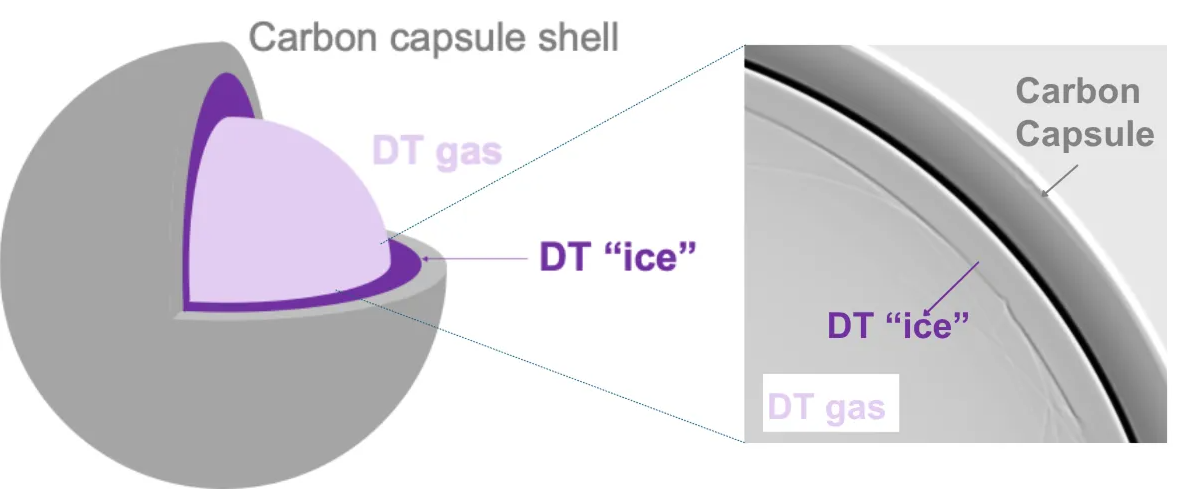
US Inertia Fusion Fuel Preparation Time Significantly Reduced
US fusion startup Inertia Enterprises said it has made progress in inertial fusion energy fuel preparation in collaboration with Lawrence Livermore National Laboratory (LLNL), reducing the time required for the critical step of forming a cryogenic deuterium-tritium fuel layer from potentially several days in the past to tens of minutes. The company said this achievement completes a key task in the first phase of its commercial fusion power plant development goals. The fundamental approach of inertial fusion energy involves using high-energy lasers to compress and heat small targets containing deuterium-tritium fuel, bringing the fuel to ignition conditions and releasing energy. The National Ignition Facility (NIF) has already...
2026-08-21
Two US Companies Partner to Bring AI to Nuclear Power Plant Simulation Training
Nuclearn, a US artificial intelligence solutions company, and GSE Solutions, a supplier of high-fidelity simulation and operator training systems for nuclear power plants, announced a strategic partnership on August 20. The two companies will combine Nuclearn's AI capabilities with GSE Solutions' nuclear power plant simulator technology for applications such as plant simulation, operator training, and engineering analysis. According to information released by the two companies, the collaboration will proceed along two tracks. GSE Solutions plans to integrate Nuclearn's AI features into its simulator products, providing training instructors with tools such as natural language scenario development, automatic performance summaries after training scenarios, adaptive quiz and assessment generation, and plant-specific physics explanations during training...
2026-08-21
U.S. Apollo Atomics Secures $31 Million in Funding to Advance Commercialization of Compact Pressurized Water Reactor
U.S.-based Apollo Atomics recently announced the completion of a $31 million seed funding round to advance the commercialization of its next-generation compact pressurized water reactor. Incubated by the Massachusetts Institute of Technology (MIT) and backed by Y Combinator, the company plans to shift the reactor from the traditional one-off large-scale construction model to a factory-manufactured, scalable product. The round was led by FCVC, with participation from Y Combinator, Telesoft Partners, Alumni Ventures, Robinhood Ventures, Nucleation Capital, Pelion VC, and Duke Capital Partners. The company stated that the proceeds will be used to...
2026-08-21
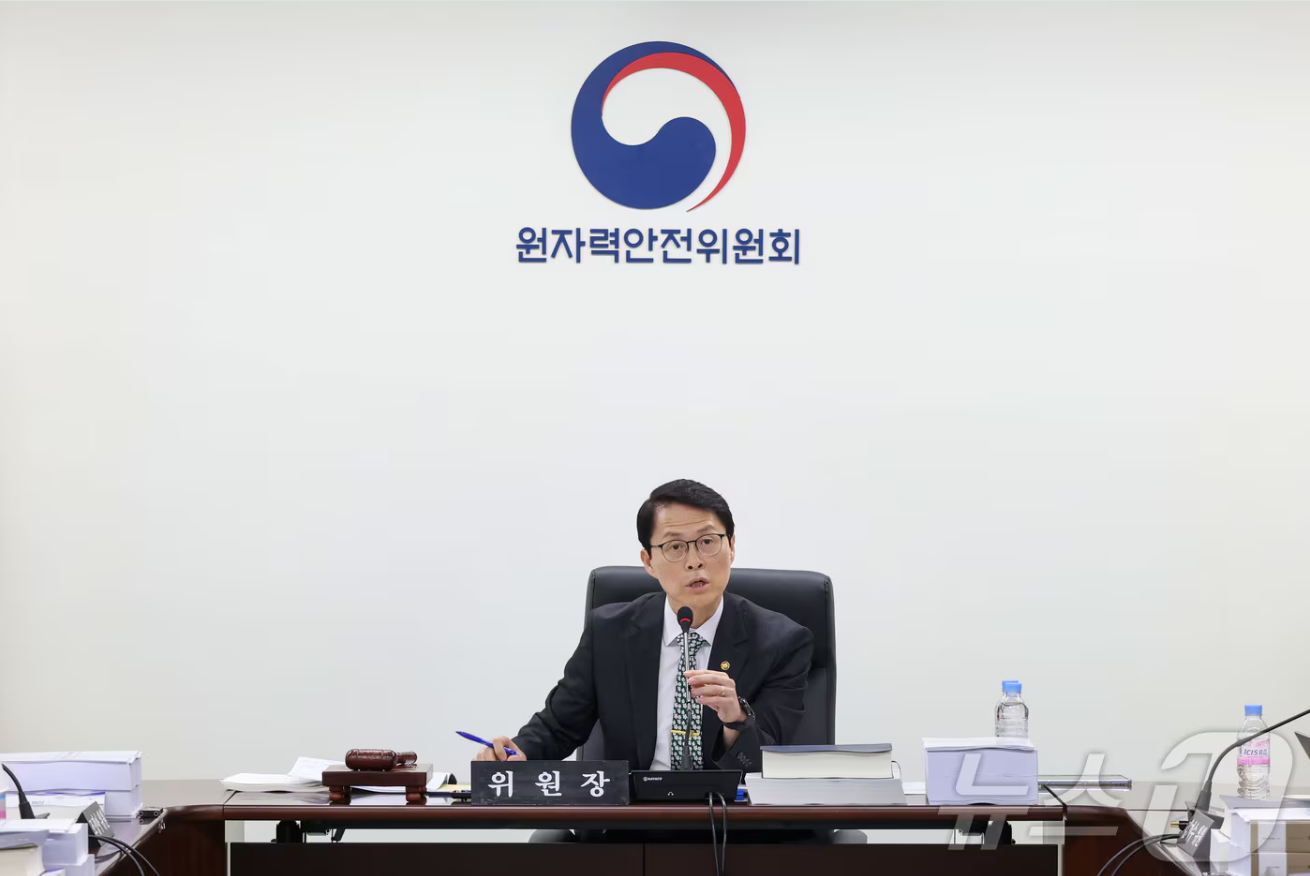
South Korea Approves License Amendment for Gyeongju Low- and Intermediate-Level Radioactive Waste Disposal Facility
The Nuclear Safety and Security Commission (NSSC) of South Korea announced on August 21 that it held its 12th meeting of 2026 in written form on August 20, reviewing and approving the license amendment for the construction and operation of the near-surface disposal facility for low- and intermediate-level radioactive waste operated by the Korea Radioactive Waste Agency (KORAD). The near-surface disposal facility is located in Munmu-daewang-myeon, Gyeongju-si, Gyeongsangbuk-do, and is the second-phase project of the Gyeongju low- and intermediate-level radioactive waste disposal facility. Near-surface disposal refers to the disposal of low- and intermediate-level radioactive waste in near-surface facilities, rather than in deep underground caverns. The facility completed its pre-operational inspection in March this year. This license amendment is primarily intended to update the safety analysis report...
2026-08-21
South Korea's DaeChang Solution Secures Special Steel Contract for French Nuclear Power Turbines
South Korean steel casting manufacturer DaeChang Solution Co. announced on August 21 that it has signed a special steel supply contract with Arabelle Solutions France, with the products to be used in steam turbines for small modular reactors (SMRs) and large nuclear power plants. According to the announcement, the contract value is EUR 50.7649 million, equivalent to approximately KRW 82.631 billion based on the initial market exchange rate of KRW 1,627.72 per euro on the contract signing date. This amount represents 138% of DaeChang Solution's 2025 consolidated sales of KRW 59.877 billion. Of the contract value, 70% is a fixed amount, i.e., EUR 37.2055 million...
2026-08-21
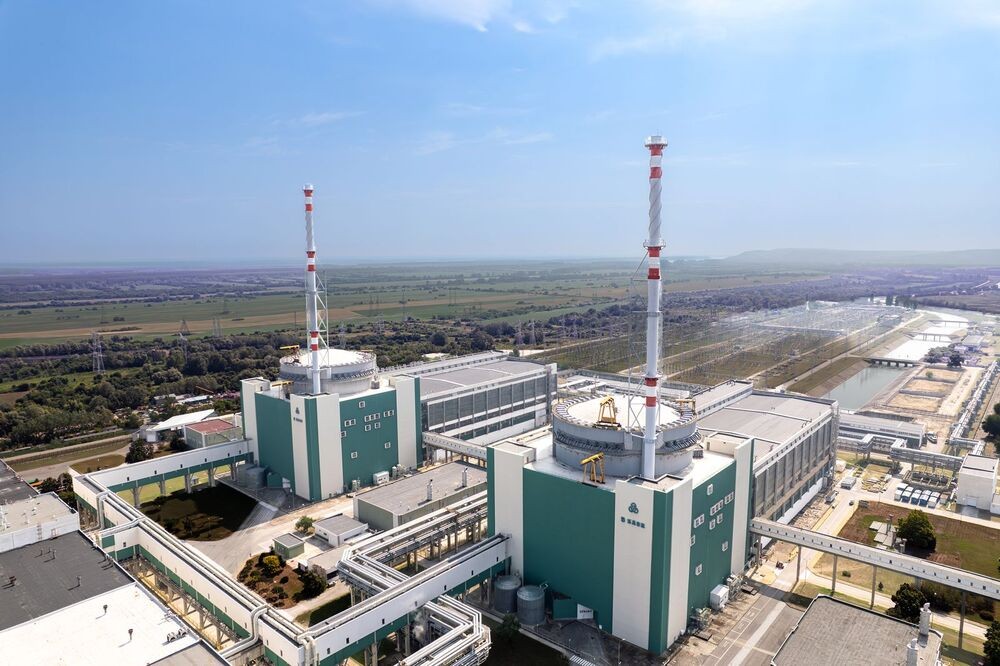
Bulgaria's Kozloduy NPP Reduces Power Output Due to Falling Danube River Levels
Bulgaria's Ministry of Energy stated that due to the sustained decline in the Danube River water level, Unit 5 of the Kozloduy NPP will reduce its power output by 120 megawatts starting August 21 to mitigate potential operational risks. The Ministry said in a statement that reducing reactor power is one of the measures to ensure the safe operation of the Kozloduy NPP, citing a sustained, abnormal, and rapid decline in the Danube River water level. The Danube River water level within Bulgaria is currently still on a downward trend. It is noted that this is the first time in the 52 years since the Kozloduy NPP was commissioned that its generating capacity has been reduced for such reasons. The plant uses Danube River water to cool the steam in the condensers of the conventional island, with water intake completed by dedicated pump stations located on the riverbank.
2026-08-21
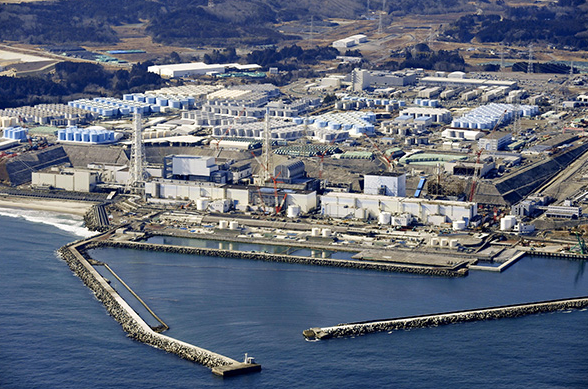
Fire alarm triggered for sixth time in August at Japan's Fukushima Daiichi Nuclear Power Station; fire department confirms no fire occurred
At approximately 3:54 a.m. on August 21, a fire alarm was triggered on the first floor of the access control building at the Fukushima Daiichi Nuclear Power Station. Tokyo Electric Power Company (TEPCO) stated that no open flames or smoke were found near the site; shortly after 5:00 a.m., the fire department confirmed that the alarm was not caused by a fire. Readings from radiation monitoring stations around the plant also showed no significant fluctuations. This was the sixth fire alarm at the Fukushima Daiichi Nuclear Power Station since the beginning of August. Previously, the maintenance building for Units 5 and 6 triggered a fire alarm on August 8; the emergency diesel generator room for the high-pressure core spray system of Unit 6 triggered a fire alarm on August 12; the main administration building triggered a fire alarm on August 13...
2026-08-21
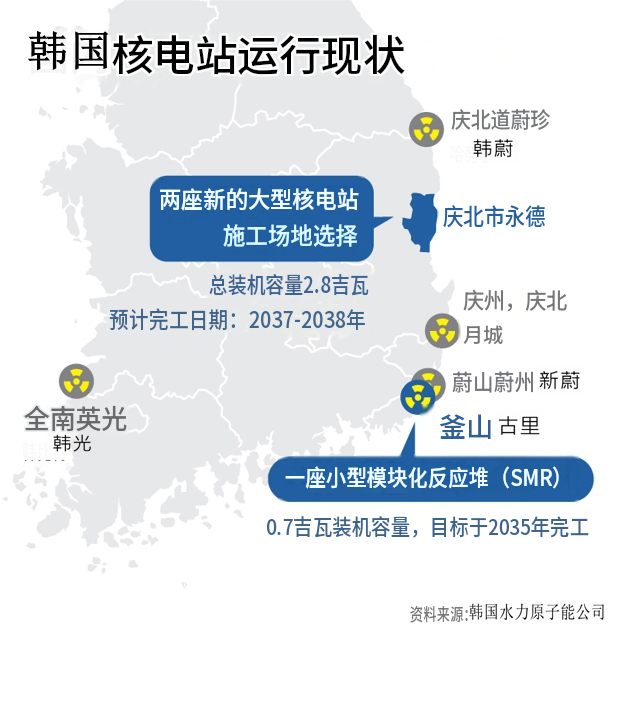
South Korea Raises 2040 Electricity Demand Forecast, Increment Equivalent to 19 Large Nuclear Power Units
A forum on the formulation of South Korea's 12th Basic Plan for Electricity Supply and Demand was held in Seoul on August 20. The new round of electricity demand forecasts submitted at the meeting showed that by 2040, South Korea's annual maximum electricity demand is expected to reach 158.4 GW to 165.0 GW, an upward revision of 26.6 GW to 26.8 GW compared to the forecast proposed in April this year. Based on the 1.4 GW single-unit capacity of the AP1400 large nuclear power unit under construction in South Korea, the increment in electricity demand from this upward revision is equivalent to the electricity provided by approximately 19 large nuclear power units operating at full power. The previous April forecast for the 2040 annual maximum electricity demand was 131.8 GW to 138.2 GW. The new forecast reflects semiconductor industry clusters...
2026-08-21