
Search Results
Keyword:B
IAEA Publishes Technical Document on Emergency Planning Zones for Small Modular Reactors
The International Atomic Energy Agency (IAEA) has published TECDOC Series No. 2134, "Technical Basis for the Emergency Planning Zone for Small Modular Reactors." The document was published in Vienna in 2026, comprising 132 pages with 11 illustrations, in English. This document marks the first time the IAEA has published the results of a Coordinated Research Project (CRP) on the technical basis for emergency planning zones for Small Modular Reactor (SMR) deployment. The research project was conducted from 2018 to 2021, focusing on how to determine the technical basis for off-site emergency preparedness and response (EPR) arrangements in SMR deployment scenarios, particularly the requirements and scope for establishing emergency planning zones (EPZ).
2026-08-07
Sevmash Advances Production of Main Thrust Bearings for Icebreaker "Stalingrad"
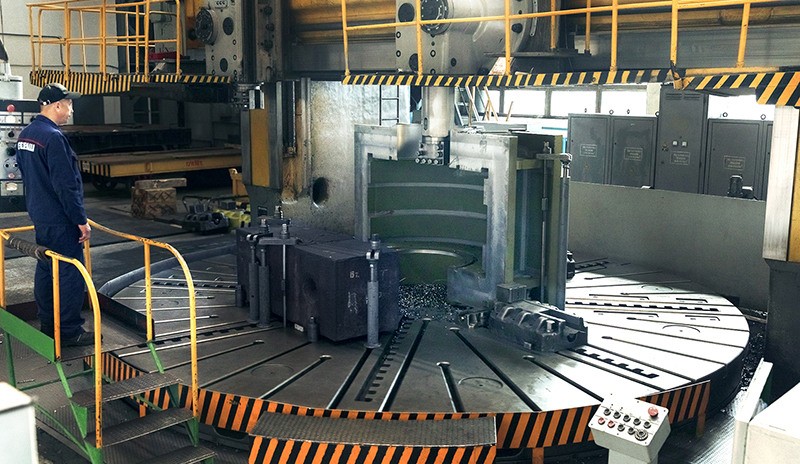
Sevmash, a subsidiary of the United Shipbuilding Corporation (USC), is continuing production of the main thrust bearings for the Stalingrad, the sixth serial universal icebreaker of Project 22220. One set of bearings for this vessel comprises three bearing units. Currently, two of these units have been delivered to Workshop 16 for bearing housing machining; the bearing raceways are also being machined and assembled in this workshop. The housing of the third unit is being assembled in the plant's hull welding shop. Meanwhile, in a dedicated area of Sevmash Workshop 4, bearing internal filling operations are underway, including the manufacture of bushings and bearing housings with anti-friction layers and filling with hot Babbitt metal. Each unit requires the installation of 24 bearing housings. This stage is one of the most labor-intensive processes in bearing manufacturing.
2026-08-07
Rostec's RosEl Delivers First Batch of Vulkan Magnetic Contact Sensors
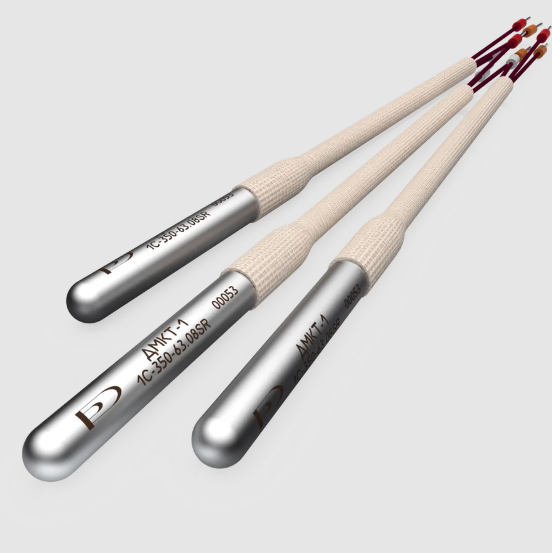
RosEl Holding Company (RosEl), a subsidiary of Rostec, has delivered the first batch of Vulkan magnetic contact sensors to customers. The product is designed for high-pressure steam pipeline applications and can be used in automation and signaling systems, including those at nuclear power plants. According to reports, Vulkan sensors are installed inside steam pipeline valves and are primarily used to monitor and control the valve closing process. The device can operate at temperatures up to 350 degrees Celsius, withstand mechanical shock acceleration of 150g, and achieve seismic category 1 rating, maintaining operational capability under strong earthquake conditions. The sensor features a stainless steel housing and has a design service life of up to 12 years. Its core reed switch...
2026-08-07
Rosatom Completes First Batch of Certification for Energy Critical Information Infrastructure Products
Rosatom has recently completed the first batch of product certification for critical information infrastructure in the fuel and energy sector under the KII-Sert voluntary certification system. The certification system has been operating in Russia's nuclear energy and aerospace industries since 2024, primarily used to assess the reliability, technological independence, and sustainability of solutions related to critical information infrastructure. The certification was carried out by Atomenergoproekt JSC, part of Rosatom's engineering division. As an authorized certification body for trusted products and processes within the KII-Sert system, the company, in cooperation with the industrial testing laboratory Avtomatika-Servis LLC, certified a software and hardware system used in the oil and gas industry.
2026-08-07

Seoul National University NEXFO Workshop: Exploring Sustainable Solutions for SMR and MMR
On August 7, the Nuclear Policy Center at Seoul National University's Institute for Future Nuclear Energy Policy announced that it will host the Nuclear Energy Sustainability NEXFO Workshop on the afternoon of September 16 at the Seoul National University Global Engineering Education Center. The event, coinciding with the center's 10th anniversary, is themed "Embracing the Era of Full-Scale SMR and MMR Deployment" and will discuss the policy, industrial, and technological conditions for the commercialization of small modular reactors and micro modular reactors. The workshop will first revisit the public discourse framework on nuclear energy sustainability, and analyze global nuclear fuel cycle trends as well as the domestic challenges facing South Korea. As SMRs and MMRs transition from technology demonstration to practical application, nuclear fuel...
2026-08-07

South Korea's Taesung advances order for Unit 2 of US TerraPower SMR, pivoting to new track in nuclear power and gas turbine forgings
South Korean open-die forging company Taesung is accelerating its entry into the small modular reactor (SMR) supply chain. Data shows that Taesung secured its first order in June this year for rotating plug components of the primary equipment for Unit 1 of US-based TerraPower's SMR, and is expected to advance follow-up orders for related components of Unit 2 of the same project in September. The rotating plug is installed on the upper section of the reactor to support nuclear fuel replacement and in-vessel equipment maintenance, requiring high material resistance to high temperatures and radiation, as well as large-scale forging capabilities. This order therefore not only carries revenue significance but also demonstrates the company's technical validation value in the high-end nuclear power forging segment. TerraPower, founded by Microsoft founder Bill Gates, is developing...
2026-08-07
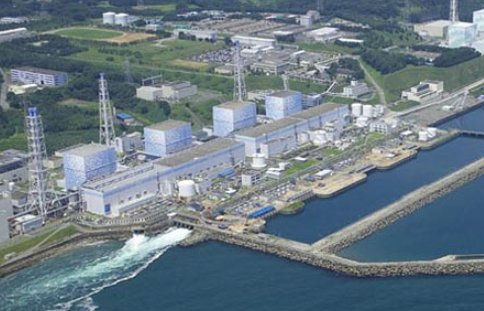
New Decommissioning Plan for Fukushima Daiichi: Priority on Internal Investigation of Unit 3 Before Fuel Debris Retrieval
The Nuclear Damage Compensation and Decommissioning Facilitation Corporation of Japan released on August 6 an outline of the 2026 edition of the "Decommissioning Strategic Plan," proposing technical approaches for the decommissioning of Tokyo Electric Power Company's Fukushima Daiichi Nuclear Power Station. The plan highlights that, for the large-scale retrieval of melted fuel debris at Unit 3, expected to commence in or after fiscal year 2037, priority should currently be given to internal investigations of the reactor building to provide a more reliable basis for subsequent engineering plans. The plan states that the fuel debris retrieval method being studied by TEPCO still requires further improvement in certainty, with the key prerequisite being an understanding of the actual internal conditions of the reactor. Due to the high radiation levels of the water inside the unit following the accident...
2026-08-07
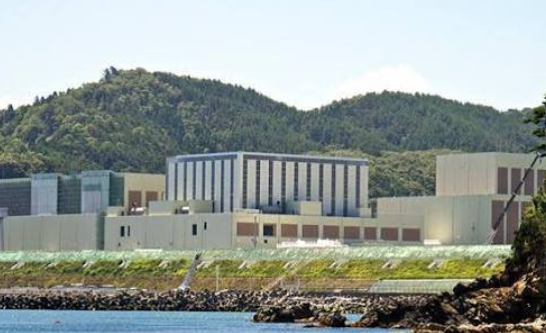
Radiation detector malfunction at Unit 2 of Japan's Onagawa Nuclear Power Plant causes hundreds of abnormal reading fluctuations
Tohoku Electric Power Company of Japan announced on August 6 that a detection equipment malfunction occurred at Unit 2 of the Onagawa Nuclear Power Plant, located in Onagawa Town and Ishinomaki City, Miyagi Prefecture. The issue involved detectors used to measure radiation levels in the main steam lines, which transport steam generated by the reactor to the turbine. Among the four detectors, one displayed readings in the central control room that surged and dropped sharply, repeating hundreds of times. Based on publicly available information, Tohoku Electric has classified this incident as a detector malfunction rather than an abnormal release of radioactive materials or a sudden change in reactor operating conditions. The company stated that the situation does not constitute a problem under security regulations, meaning that from...
2026-08-07
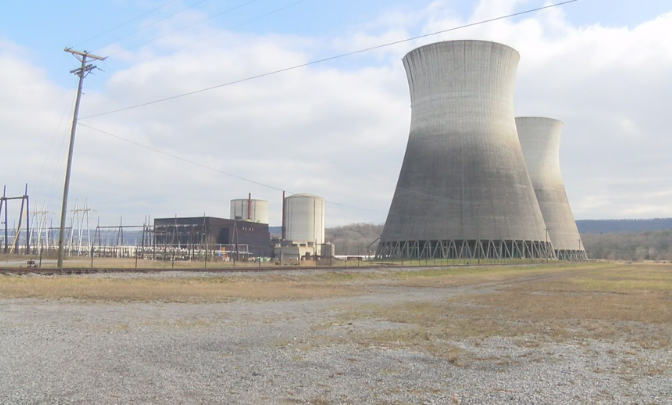
US Tennessee Valley Authority Accelerates Negotiations to Deploy Small Modular Reactors at Alabama Bellefonte Site
The US Tennessee Valley Authority (TVA) confirmed it is in active negotiations with industry partners to develop a new nuclear power generation project at the long-idle Bellefonte Nuclear Plant site in North Alabama. TVA Interim CEO Mike Skaggs stated at a nuclear industry conference in Knoxville, Tennessee, that the negotiations are progressing at a rapid pace, with a focus on partnering with GE Vernova Hitachi Nuclear Energy to build small modular reactors at Bellefonte in Alabama and the Clinch River nuclear site in Oak Ridge, Tennessee. TVA emphasized in a statement that no final investment or construction decisions have been made yet, but multiple potential sites are being evaluated...
2026-08-07

Canadian Nuclear Waste Management Organization Publishes Final Design for Centre of Expertise in Ontario
The Nuclear Waste Management Organization (NWMO) has published the final design for its Centre of Expertise, to be located in the Township of Ignace, Ontario. Ignace is one of the host communities for Canada's deep geological repository project for used nuclear fuel. With an investment of approximately CAD 50 million and expected to open in 2028, the centre is positioned as a key platform supporting the construction and long-term operation of the repository. According to the NWMO, the Centre of Expertise design incorporates input from the local community and will feature flexible multi-purpose spaces, educational areas, public viewing galleries, interactive exhibits, and learning zones, while emphasizing integration with the natural environment and a location that facilitates connection to community amenities...
2026-08-07
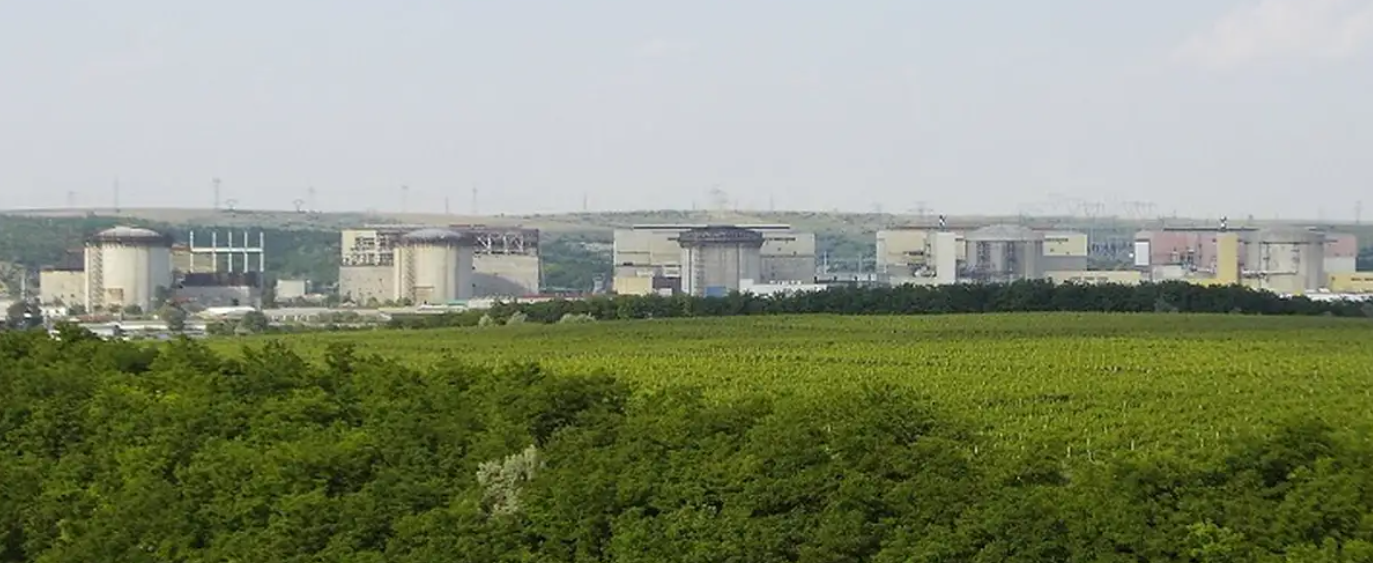
Drought Lowers Danube Water Levels, Romania Plans to Restrict Industrial Power Use if Necessary
Romania's Acting Prime Minister Ilie Bolojan said after a cabinet meeting on August 6 that the government has developed a comprehensive risk prevention plan covering multiple risk scenarios, including earthquakes, public health events, and the current drought, with corresponding response measures clearly defined. Under the plan, Romania will establish a national operations center in the energy sector. Bolojan stated that the government will approve on August 7 measures by Transelectrica to take action when necessary: with 24 hours' prior notice, certain industrial users may be disconnected from the national grid. He also emphasized that power supply to ordinary citizens, apartments, and residential users will not be...
2026-08-07
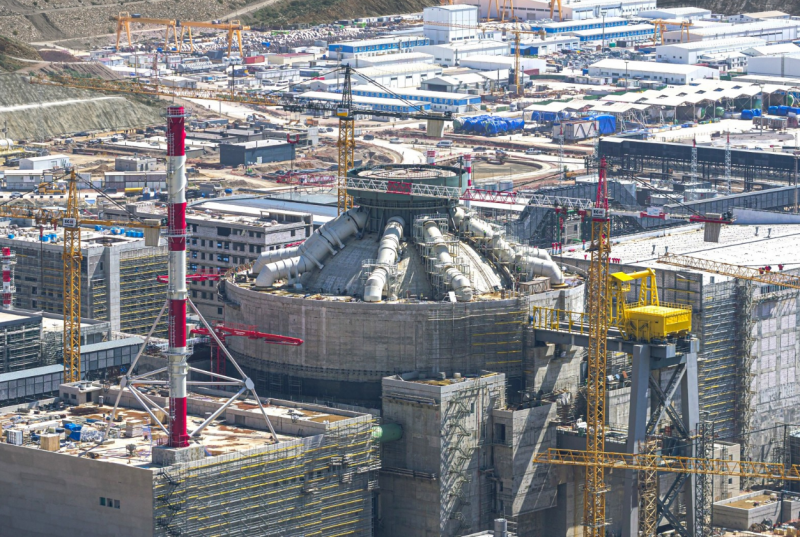
Türkiye plans to commission subsequent Akkuyu nuclear power plant units at one-year intervals
Turkish Energy Minister Alparslan Bayraktar said on August 6 that Türkiye plans to commission subsequent units of the Akkuyu Nuclear Power Plant (NPP) at one-year intervals after the first unit goes into operation. Bayraktar stated that Unit 1 of the Akkuyu NPP is scheduled to begin generating electricity by the end of the year, with work on the first reactor's commissioning currently progressing at full speed. According to Türkiye's plan, after Unit 1 enters service, the remaining units will successively enter the commissioning phase. The Akkuyu NPP is Türkiye's first nuclear power plant, constructed by Russia's State Atomic Energy Corporation (Rosatom). The project plans four units, all using Russia-designed Generation III+...
2026-08-07
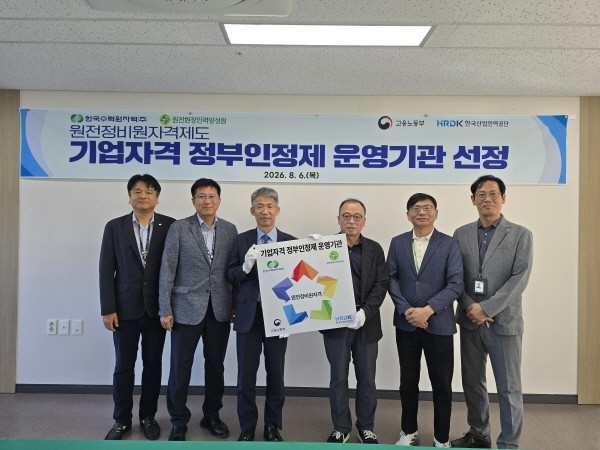
KHNP's Comprehensive Nuclear Power Plant Maintenance Qualification System Recognized by South Korean Government
Korea Hydro & Nuclear Power (KHNP) announced on August 7 that its comprehensive nuclear power plant maintenance qualification system has received government recognition from the Human Resources Development Service of Korea, an affiliate of South Korea's Ministry of Employment and Labor. The system is primarily designed for nuclear power plant maintenance positions, aiming to enhance the professional knowledge and on-site technical capabilities of practitioners. Government recognition refers to the formal confirmation by the government of a qualification certification system used within a company to improve employee skills. KHNP believes this signifies that the objectivity and credibility of its qualification assessments have been recognized at the national level, contributing to...
2026-08-07
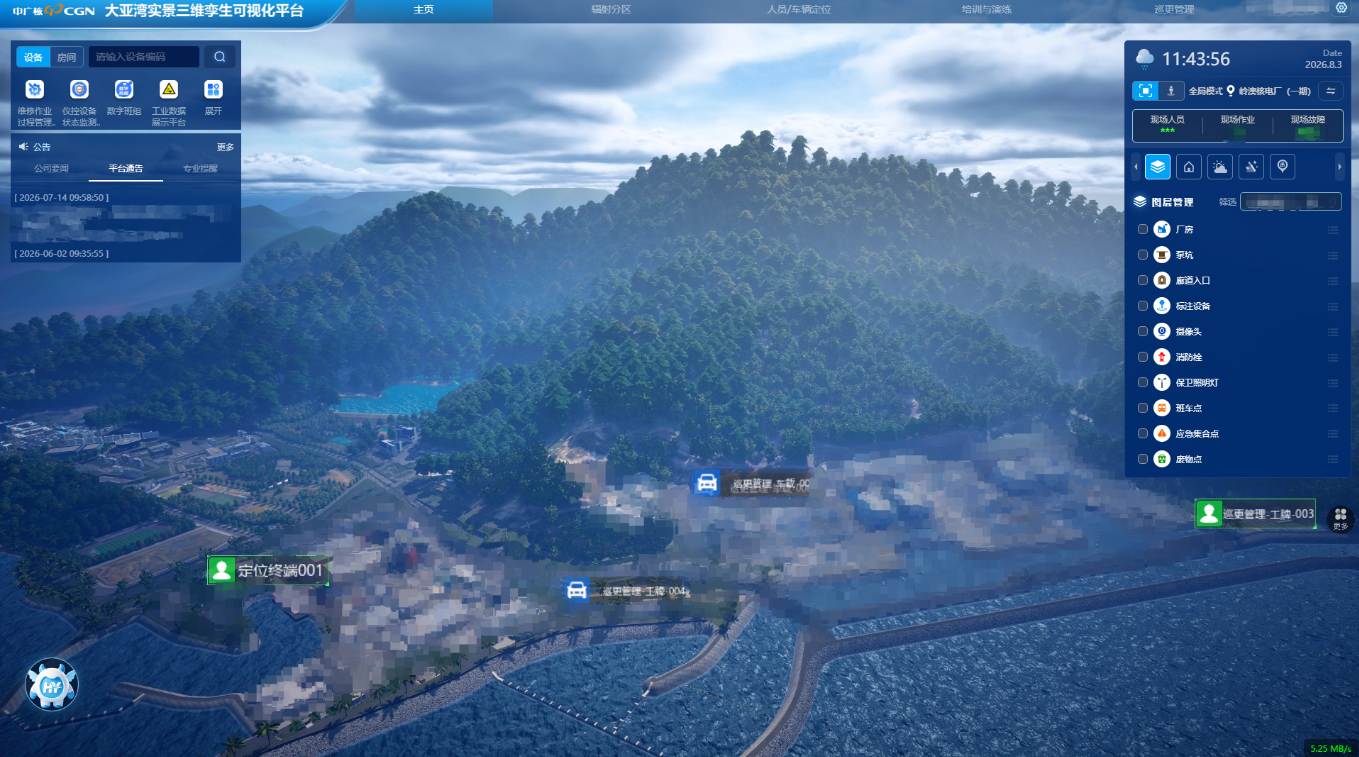
Self-developed "Dimeng" Engine Powers Trial Operation of Daya Bay Nuclear Power's Real-Scene 3D Twin Platform
Recently, the real-scene 3D twin platform for Daya Bay Nuclear Power, jointly developed by Daya Bay Nuclear Power and Zhike/Simulation Company under CGN Digital Technology, was launched for trial operation. Leveraging the self-developed Dimeng domestic 3D engine from the Simulation Company, the platform integrates multi-source data including 3D models, Gaussian splatting, forward design data, and GIS for the Daya Bay Nuclear Power base. The Dimeng engine is a graphics development tool independently developed by the Simulation Company to address the characteristics of the nuclear power industry, such as dense equipment, complex system interconnections, and scattered data, providing underlying capabilities including model rendering, spatial interaction, physical simulation, and data-driven processing. Building on this foundation, the Simulation Company, in collaboration with Daya Bay Nuclear Power, constructed the real-scene 3D twin platform...
2026-08-07
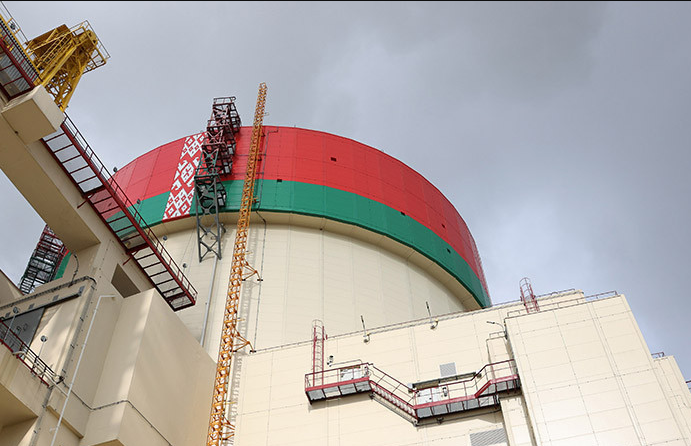
Unit 2 of Belarusian Nuclear Power Plant Resumes Grid Connection
According to the Belarusian Nuclear Power Plant, Unit 2 of the station was reconnected to the grid on August 4. The plant stated that after completing diagnostic testing of the electrical equipment of Unit 2, the unit was put into operation and reached rated operating parameters. Previously, Unit 2 of the Belarusian Nuclear Power Plant was disconnected from the grid at the end of July.
2026-08-07