
Search Results
Keyword:B
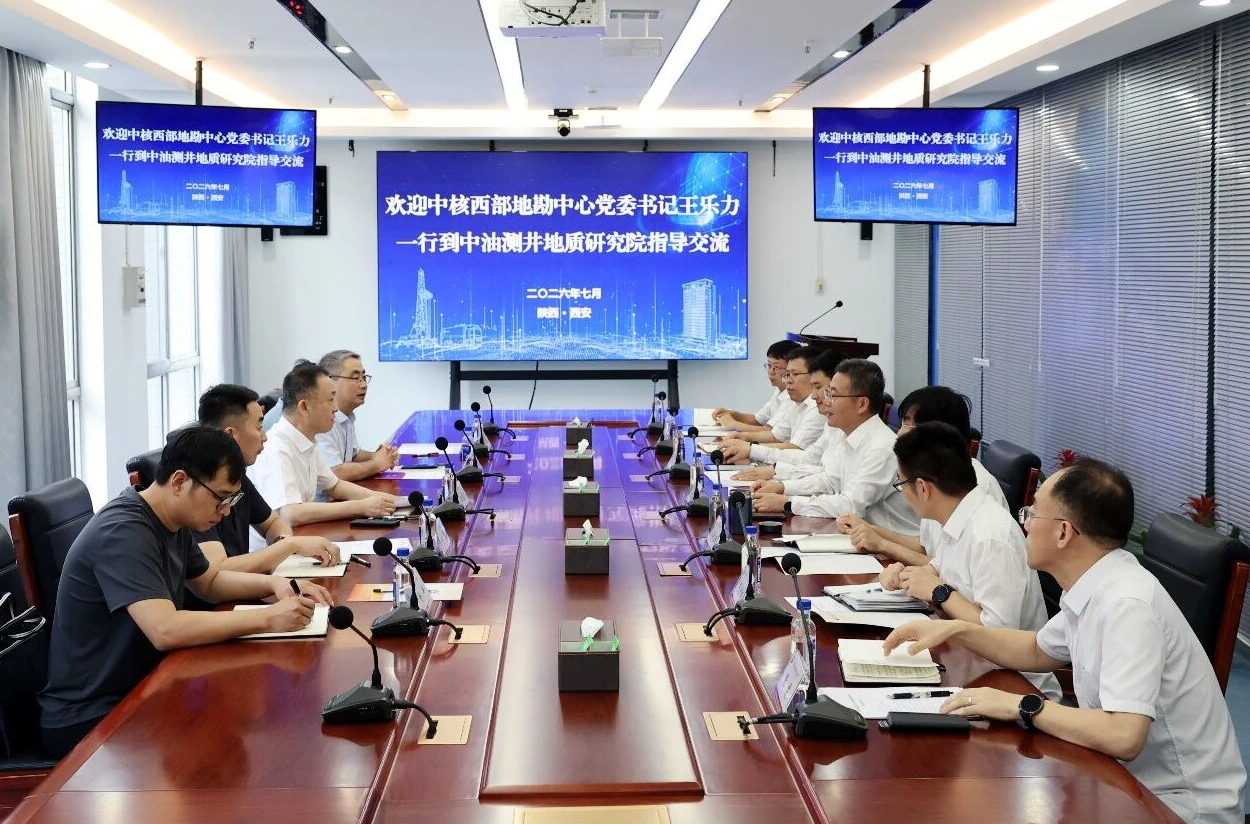
CNNC Western Geological Survey Center Conducts Business Exchange with CNPC Logging Geological Research Institute
To thoroughly implement the national strategy for energy and resource security, promote the integration and mutual enhancement of oil and gas logging and uranium ore geological survey technologies, facilitate cross-industry research resource sharing and joint tackling of key technologies, recently, Wang Leli, Party Secretary of CNNC Western Geological Survey Center, led a team to CNPC Logging Geological Research Institute for a special technical exchange and discussion. At the meeting, Wan Jinbin, Party Secretary of CNPC Logging Geological Research Institute, systematically introduced mature technology systems including domestic integrated oil and gas logging equipment, downhole detection, petrophysical experiments, intelligent logging interpretation, deep well detection, and multi-source geological data analysis, and shared uranium exploration experience in oil- and gas-bearing basins through practical case studies. Wang Leli introduced the reform and development overview of the Western Center, its uranium exploration history, major achievements, and research directions such as technical difficulties and metallogenic prediction in uranium exploration of key northwestern basins.
2026-08-06
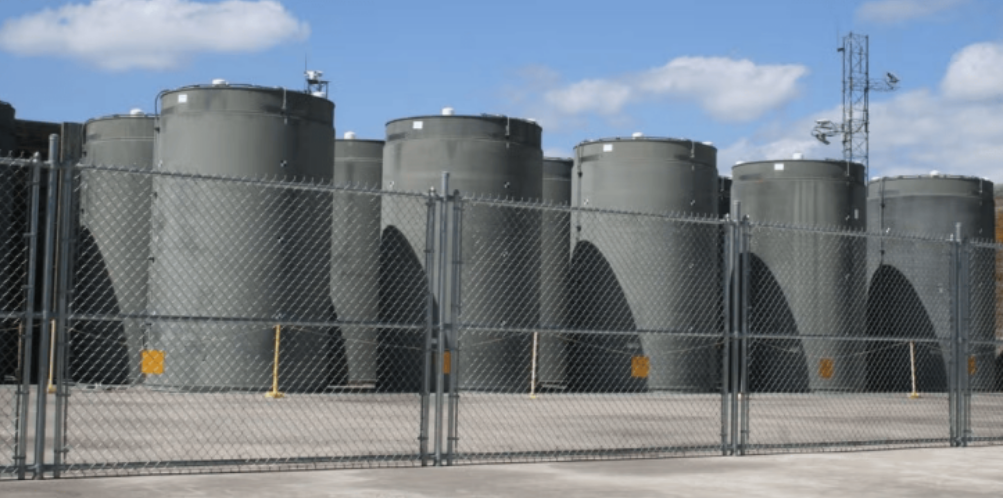
IAEA Publishes Report on Aging Management of Spent Fuel Dry Storage Systems
The International Atomic Energy Agency (IAEA) has published the findings of a decade-long study on aging management of spent fuel dry storage systems. According to IAEA estimates, by the end of 2024, spent fuel discharged from nuclear power plants worldwide had exceeded 400,000 tonnes of heavy metal (tHM). Of this, 106,000 tHM is in dry storage, a long-term storage method that is becoming increasingly common compared with wet storage. Most IAEA member states are still decades away from commissioning permanent spent fuel repositories, which means dry storage systems will likely need to continue operating safely beyond their design lifetimes. Wet storage has been in operation for decades, and the IAEA states that aging management of such facilities is generally well understood. Utilities choose dry storage for its passive safety features, and many dry storage facilities have already received license extensions. The IAEA expects demand for dry storage to continue growing, with service periods extending well beyond the original 20-to-40-year licensing terms, potentially exceeding 120 years. Aging management programs (AMPs) are therefore needed to verify continued safe operation.
2026-08-06
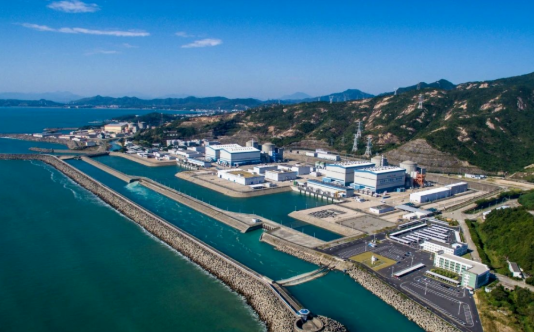
South China Regional Office of the Ministry of Ecology and Environment Conducts Unannounced Special Inspection on Typhoon and Flood Prevention at Daya Bay Nuclear Power Base
To effectively strengthen the safety production defense line during the flood season, reinforce the primary responsibility of operating entities for typhoon and flood prevention, and prevent and mitigate nuclear safety risks posed by extreme weather such as typhoons and heavy rainfall, the South China Regional Office of Nuclear and Radiation Safety Supervision under the Ministry of Ecology and Environment (hereinafter referred to as the South China Regional Office) recently conducted an unannounced special inspection on typhoon and flood prevention at the Daya Bay Nuclear Power Base. After Typhoon Hongxia, some buildings at the Daya Bay Nuclear Power Base experienced issues such as roof leakage and water seepage. This inspection focused on the aforementioned weak links, conducting on-site verification of key critical points including the diesel generator buildings, the open intake channel for the cold source, and the combined pump house one by one. The inspection team went deep into the production frontline, meticulously examining equipment operating conditions,...
2026-08-06
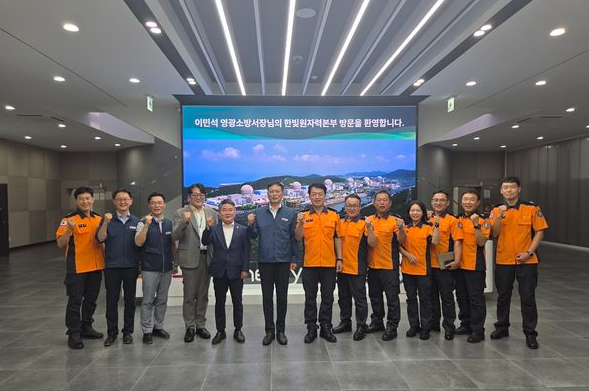
Yeonggwang Fire Station in South Jeolla Province, South Korea, visited Hanbit Nuclear Power Plant to strengthen the disaster response coordination system.
On August 6, Lee Min-seok, Chief of Yeonggwang Fire Station in South Jeolla Province, led a team of 10 commanders and working-level personnel, including the head of the Prevention Safety Division and the captain of the Field Response Unit, to visit the Hanbit Nuclear Power Plant Headquarters of Korea Hydro & Nuclear Power, a Class A national critical facility, for an on-site inspection and special check aimed at establishing a rapid and effective initial response system in the event of a disaster. The visit placed particular emphasis on the unique characteristics of nuclear power facilities, with the goal of consolidating the coordination system with KHNP's self-defense fire brigade and enhancing the disaster response capabilities of field commanders. At the site, the fire station confirmed the status of major fire protection facilities and firefighting equipment at the nuclear power plant, inspected access routes and fire water supply facilities for fire and disaster situations, toured major power generation facilities, and reviewed disaster response routes. Discussions were also held on the linked response system and cooperation plans with KHNP's self-defense fire brigade.
2026-08-06

Clobot Signs MOU with Korea Atomic Energy Environment Corporation and Others to Demonstrate Multi-Robot System for Safe Radioactive Waste Management
Clobot, a specialized enterprise in intelligent robot services and integrated control of heterogeneous robots, announced on August 6 that it will apply its multi-robot integrated control system to radioactive waste safety management sites. On August 3, the company signed a business agreement at the headquarters of the Korea Atomic Energy Environment Corporation, with partners including T-Robotics, the Gyeongbuk ICT Convergence Industry Promotion Association, and the Korea Atomic Energy Environment Corporation, under the project name "Demonstration Project for Multi-Robot Operation in High-Risk Radioactive Waste Safety Management." The collaboration is based on the selection through the public call for proposals for the "Large-Scale Converged Robot Demonstration Project: Social Problem-Solving Type" hosted by the Korea Institute for Robot Industry Advancement in 2026, with Clobot serving as the lead organization.
2026-08-06

MIT Develops Ultrafast X-ray Thermometry Method to Observe Heat Transfer in Multilayer Chip Structures
Researchers at the Massachusetts Institute of Technology (MIT) have developed a new method for observing how heat transfers through multilayer materials, which can be used to precisely measure heat flow variations inside electronic devices such as computer chips. The findings have been published in Nature Communications. As computer chips continue to shrink in size and power density keeps rising, device overheating has become a major factor limiting performance improvements. Traditional heat flow measurement methods face limitations when dealing with the multilayer structures of real electronic devices—for example, the commonly used time-domain thermoreflectance method struggles to distinguish heat transport in different material layers, while infrared imaging and other approaches also fail to capture rapid changes at microscopic scales. To address this issue...
2026-08-06

U.S. Laboratories Plan "Materials Discovery Cloud" to Use AI to Predict Impact of Defects in Microelectronic Devices
Researchers at the U.S. Department of Energy's Argonne National Laboratory, Lawrence Berkeley National Laboratory, Oak Ridge National Laboratory, and Northwestern University are planning to develop a Materials Discovery Cloud platform that leverages a physics-based artificial intelligence framework to predict how tiny defects affect the performance and lifespan of microelectronic devices. Visualization of the Materials Discovery Cloud, a physics-based AI framework that integrates experimental data, simulations, and high-performance computing to predict how tiny defects affect the performance and lifespan of microelectronic devices. (Image provided by ChatGPT.) Microelectronic devices are widely used in smartphones, laptops, secure communications, and artificial intelligence hardware. As device dimensions continue to shrink and operating speeds increase, tiny defects within materials and at interfaces have a more pronounced impact on device stability. These defects can cause overheating, leakage current, switching instability, and other issues, or in certain conditions, improve electrical or thermal performance. Identifying critical defects and understanding their evolution under real-world operating conditions has become a key challenge in the design of next-generation microelectronic materials.
2026-08-06
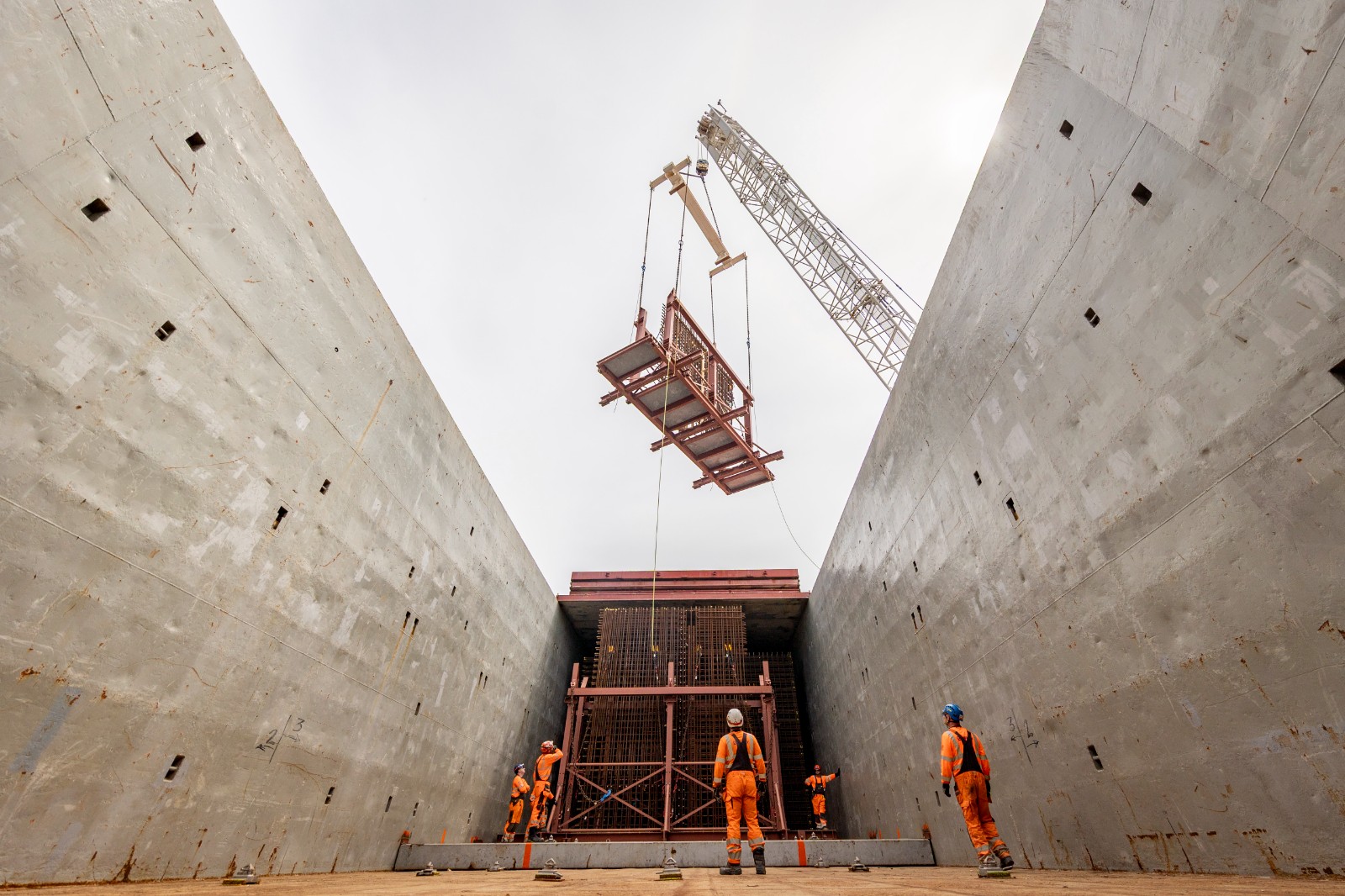
Final Voyage Completed for Rebar Cage Sea Transport to Hinkley Point C Nuclear Power Station
This summer, the cargo vessel Anfield Peak departed from the Port of Bristol in the UK, heading to Hinkley Point C Nuclear Power Station in Somerset. This marked the vessel's final voyage for the related transport mission. Previously, it had made over 100 round trips between the two locations, delivering factory-prefabricated rebar cages to the nuclear construction site. These rebar cages are large in volume and high in density, serving as critical foundational components in civil engineering construction. Under traditional practices, such rebar cages are typically prefabricated on-site before concrete pouring. The Hinkley Point C project, however, has shifted part of the rebar cage prefabrication process to a factory in Bristol, with the cages then transported by sea to the site for installation...
2026-08-06
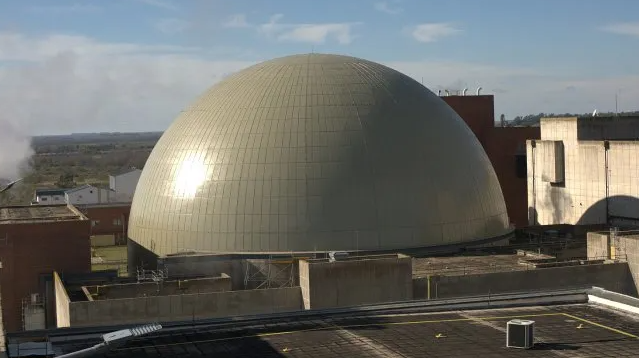
Argentina's nuclear power generates 4.45 million kWh in half a year, accounting for over 7% of national electricity and meeting the residential electricity needs of 6 million people
Operating data from Nucleoeléctrica Argentina for the first half of 2026 shows that the Atucha 2 and Embalse nuclear power plants generated a combined 4,450,355 kWh, accounting for over 7% of the country's total electricity generation during the period and covering 13% of national residential electricity demand. Notably, although Atucha 1 is temporarily out of service due to a life extension project, the nuclear plants are still able to supply electricity to approximately 6 million people. In addition to its operational breakthroughs, Nucleoeléctrica Argentina is also actively expanding its international business. The company has formally established a new business unit aimed at...
2026-08-06
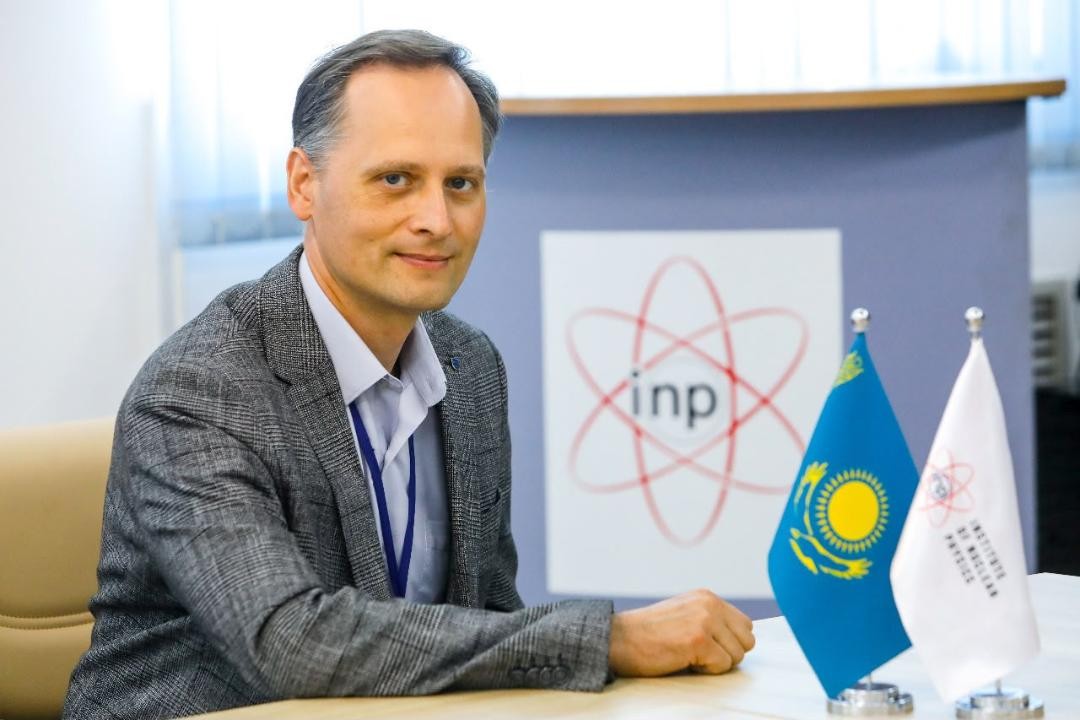
Kazakh experts call for enhanced radioecological monitoring in border regions
As Central Asian countries accelerate the development of nuclear energy, Kazakh experts have recently proposed that the radioecological monitoring system in border regions should be improved as soon as possible to provide long-term environmental data support for the construction and operation of regional nuclear power projects. Relevant materials indicate that nuclear energy is becoming an important direction in the energy policies of several Central Asian countries. Kazakhstan has decided to build its own nuclear power plant, while neighboring countries such as Uzbekistan are also advancing or preparing similar projects. Growing electricity demand and the need to reduce greenhouse gas emissions are key factors driving the development of nuclear energy in the region. Experts believe that nuclear power development involves not only the construction of advanced units, but also the simultaneous establishment of an effective ecological and radiation safety assurance system. Modern nuclear power plants...
2026-08-06
Germany Establishes Three Fusion Centers, HZDR Contributes to Advancing Key Technologies for Fusion Power Plants
The German Federal Ministry for Research, Technology and Space (BMFTR) recently established three fusion centers under the German High-Tech Agenda (HTAD), aiming to pool the efforts of research institutions and industry to advance technology development for future fusion power plants. The German federal government will provide €125 million in initial funding for the related work, with a focus on laser fusion, magnetic confinement fusion, and cross-cutting areas such as fuel cycle and materials development. The Helmholtz-Zentrum Dresden-Rossendorf (HZDR) will participate in the construction of the relevant centers leveraging its research infrastructure, contributing capabilities in high-power lasers, materials research, simulation and data analysis. The SAXFUSION capability network, jointly coordinated by HZDR and the Fraunhofer Institute for Material and Beam Technology (Fraunhofer IWS), will also take on tasks of exchange, cooperation and knowledge transfer.
2026-08-06

"Academician Lomonosov" Floating Nuclear Power Plant Passes Two-Week Audit by International Experts, with Significantly Fewer Findings Compared to 2022
An international team of inspectors at the Arctic port of Pevek conducted a two-week safety assessment of the Akademik Lomonosov, the world's only operating floating nuclear power plant. The experts observed daily operations and studied documentation in key areas. The audit focused on management organization, engineering support, maintenance and repair, radiation protection, and preparedness for various emergency scenarios. The final report shows a significant reduction in the number of findings compared to inspections prior to 2022. This is attributed to the professionalism of management and staff, who followed domestic and international best practices, thereby achieving a high level of safety and operational culture. The plant's nuclear...
2026-08-06

Rosatom selects SNIIP as chief design organization for radiation control systems, overseeing standardization of radiological instrumentation and import substitution assurance at nuclear facilities
Rosatom has selected the Research Institute of Scientific Instruments (SNIIP) as the chief design organization for radiation control systems. The institute, which is part of Rosatom's automation control and electrical equipment division, has been granted this status for a range of similar products in radiation control equipment and systems, including automated radiation control systems and radiation environment monitoring. SNIIP's status as chief design organization means it will be responsible for ensuring Russia's technological autonomy in this field and for developing radiation control instruments and systems. SNIIP General Director Alexey Nikitin stated that this recognition is a testament to the years of work, experience, and professional expertise of the institute's employees...
2026-08-06
Belarus Plans Construction of New Nuclear Power Plant
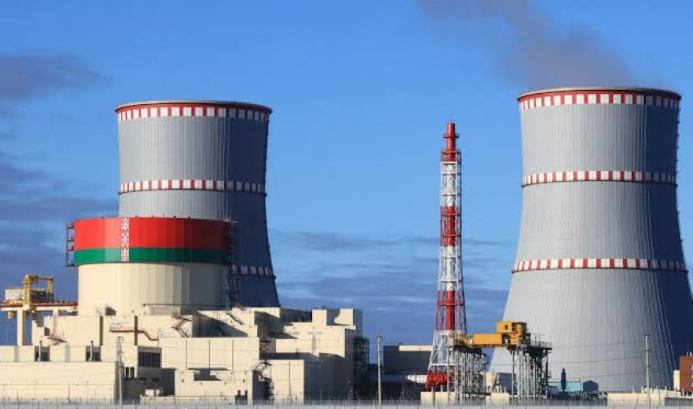
Belarus plans to build a third unit at its existing nuclear power plant and is planning a second nuclear power plant. The Belarusian nuclear power plant has become a flagship project of the Union State and a symbol of cooperation between Belarus and Russia. However, the country does not intend to stop there. The President of Belarus has made an important decision: to build a third unit at the existing nuclear power plant, while studying the possibility of constructing a second nuclear power plant in the Mogilev region. Energy Minister Denis Moroz discussed the significance of this initiative, its timeline, and the direction of energy development over the next 15 years in the "Economic Environment" program. In 2008, the President of Belarus made the strategic decision to build a nuclear power plant, at a time when other countries were shutting down...
2026-08-06
South Korean Scholar Patents Fusion Reactor Optimization Design Method
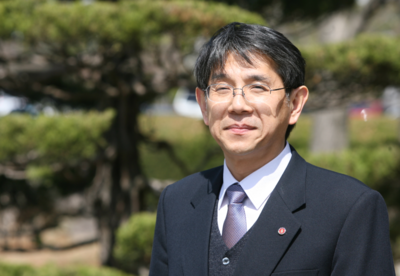
Professor Bonggeun Hong (transliteration) of the Department of Quantum System Engineering at the College of Engineering, Jeonbuk National University, South Korea, has recently registered a patent for a fusion reactor optimization design method, aimed at supporting the engineering design and commercialization of next-generation fusion technology. [Image source: Jeonbuk National University] The design method proposed in the patent can evaluate the performance of fusion reactors in various application scenarios—including power generation, thermal energy utilization, and use as a neutron source for nuclear transmutation—while optimizing device dimensions and key component structures. Its core approach is to simultaneously consider fusion system performance and economic feasibility during the initial design phase, thereby deriving more optimal design solutions.
2026-08-06