
Search Results
Keyword:C

Oklo's Groves Isotope Test Reactor Achieves First Criticality
Oklo, a U.S. advanced nuclear technology company, announced on August 6 that its Groves Isotope Test Reactor has achieved a controlled self-sustaining nuclear chain reaction at low power, reaching first criticality. This milestone comes less than a year after the project broke ground. Groves Isotope Test Reactor facility (Image: Groves) The Groves low-power test reactor, located in Lockhart, Texas, is the first reactor to achieve criticality on private land under the U.S. Department of Energy's Reactor Pilot Program. According to Oklo, the facility was built from undeveloped land, completing civil excavation, engineering construction, component fabrication or procurement, fuel configuration, and...
2026-08-07

Self-developed "Dimeng" Engine Powers Trial Operation of Daya Bay Nuclear Power's Real-Scene 3D Twin Platform
Recently, the real-scene 3D twin platform for Daya Bay Nuclear Power, jointly developed by Daya Bay Nuclear Power and Zhike/Simulation Company under CGN Digital Technology, was launched for trial operation. Leveraging the self-developed Dimeng domestic 3D engine from the Simulation Company, the platform integrates multi-source data including 3D models, Gaussian splatting, forward design data, and GIS for the Daya Bay Nuclear Power base. The Dimeng engine is a graphics development tool independently developed by the Simulation Company to address the characteristics of the nuclear power industry, such as dense equipment, complex system interconnections, and scattered data, providing underlying capabilities including model rendering, spatial interaction, physical simulation, and data-driven processing. Building on this foundation, the Simulation Company, in collaboration with Daya Bay Nuclear Power, constructed the real-scene 3D twin platform...
2026-08-07
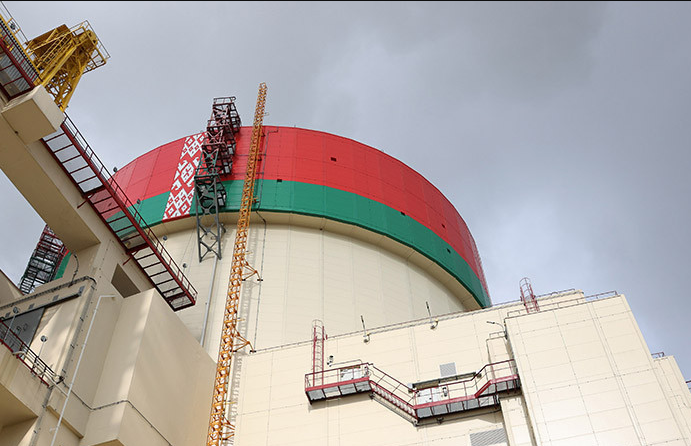
Unit 2 of Belarusian Nuclear Power Plant Resumes Grid Connection
According to the Belarusian Nuclear Power Plant, Unit 2 of the station was reconnected to the grid on August 4. The plant stated that after completing diagnostic testing of the electrical equipment of Unit 2, the unit was put into operation and reached rated operating parameters. Previously, Unit 2 of the Belarusian Nuclear Power Plant was disconnected from the grid at the end of July.
2026-08-07
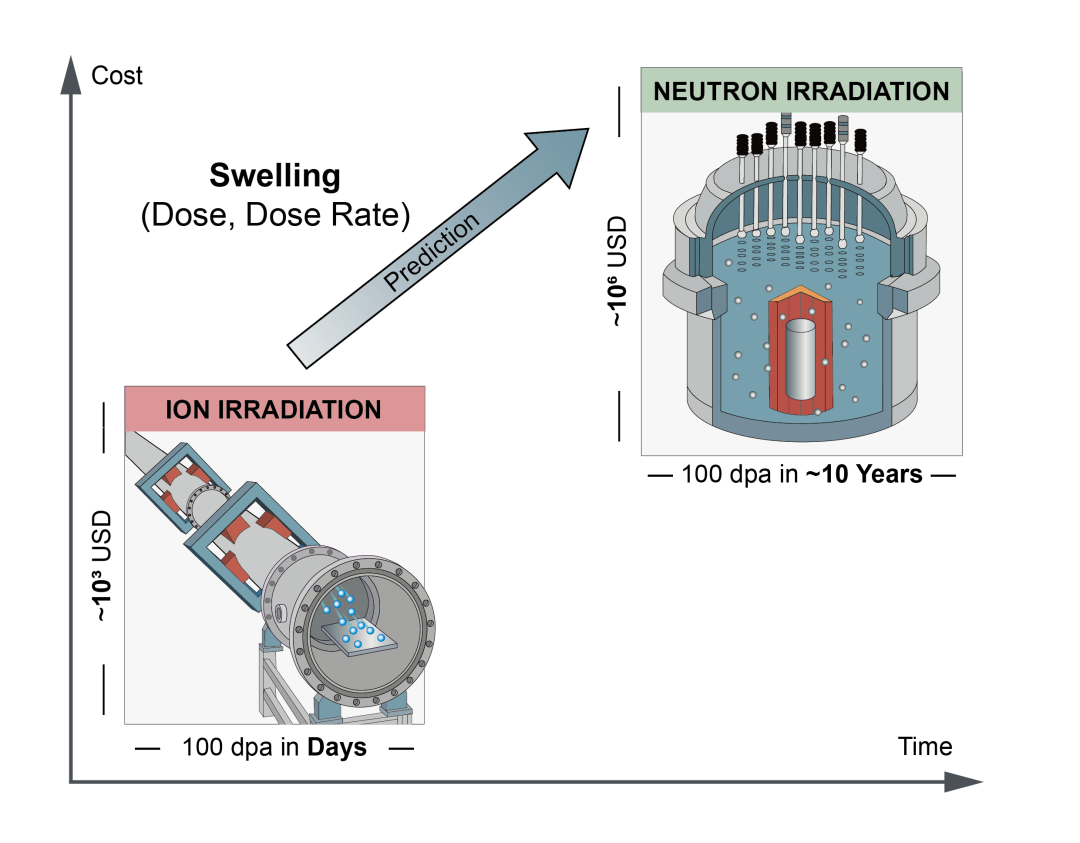
Basic research cracks an application challenge that has persisted for nearly half a century: quantitative prediction of neutron irradiation swelling via ion irradiation
Whether advanced nuclear energy systems can operate safely over the long term depends on the ability of structural materials to resist neutron irradiation damage. Neutrons create numerous atomic-scale defects in materials, which gradually aggregate into nanoscale cavities, ultimately causing material swelling, dimensional instability, and performance degradation. However, obtaining high-dose neutron irradiation data often requires years or even more than a decade, with high costs and post-irradiation sample radioactivity; in contrast, ion irradiation can simulate years of accumulated damage within days and is therefore widely adopted (approximately 95% of irradiation experimental data in existing literature come from ion irradiation). But the dose rate of ion irradiation is typically 3—4 orders of magnitude higher than that of neutron irradiation, making direct conversion between the two results difficult. Recently, the research team of Wang Chenxu and Wang Yugang from the Institute of Heavy Ion Physics, School of Physics, and the State Key Laboratory of Nuclear Physics and Nuclear Technology at Peking University, in collaboration with researchers from the University of Tennessee and other institutions, established a quantitative relationship between material swelling and irradiation dose and dose rate at fixed temperatures based on cluster dynamics simulations, theoretical derivations, and ion irradiation experiments, achieving prediction of neutron irradiation swelling using rapid ion irradiation and providing a new tool for rapid screening and lifetime evaluation of nuclear materials.
2026-08-07
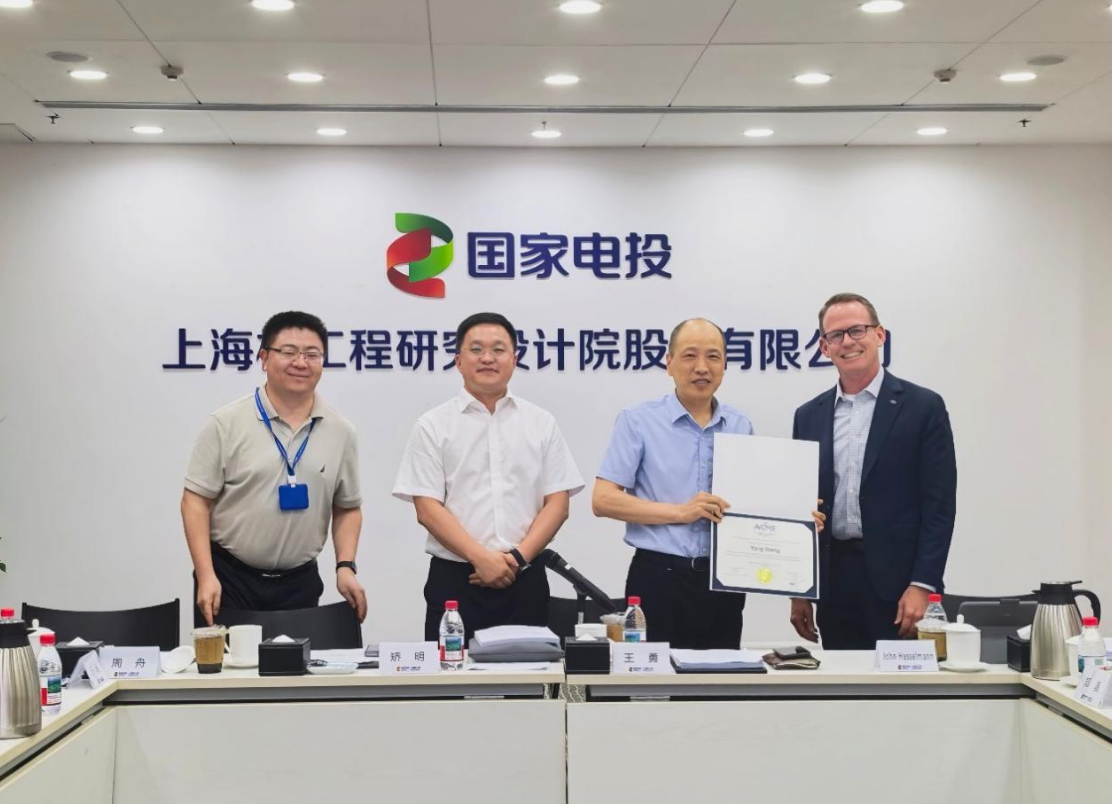
New Chair Takes Office for ASME BPV III China International Working Group
On August 4, the 2026 First Working Meeting and the Fourth Chairmanship Election Conference of the ASME Boiler and Pressure Vessel Code Section III (BPV III) China International Working Group (hereinafter referred to as the "Working Group") were held at Shanghai Nuclear Engineering Research and Design Institute (SNERDI). Following a vote by attending committee members, Jiao Ming, Deputy General Manager of the company, was unanimously elected as the new Chair of the Working Group, while Zhou Zhou, Director of the Nuclear Equipment Safety and Reliability Center at China Productivity Center for Machinery, and Jiang Cailin, Vice President of Shanghai Electric Nuclear Power Group, were elected as Vice Chairs. Jiao Ming stated that the Working Group will continue to establish regular communication channels between the domestic industry and ASME, leverage key domestic nuclear power projects, and lead the industry in tackling cutting-edge technologies such as radiography testing of ultra-thick forgings, phased array ultrasonic testing, and additive manufacturing of nuclear equipment...
2026-08-07
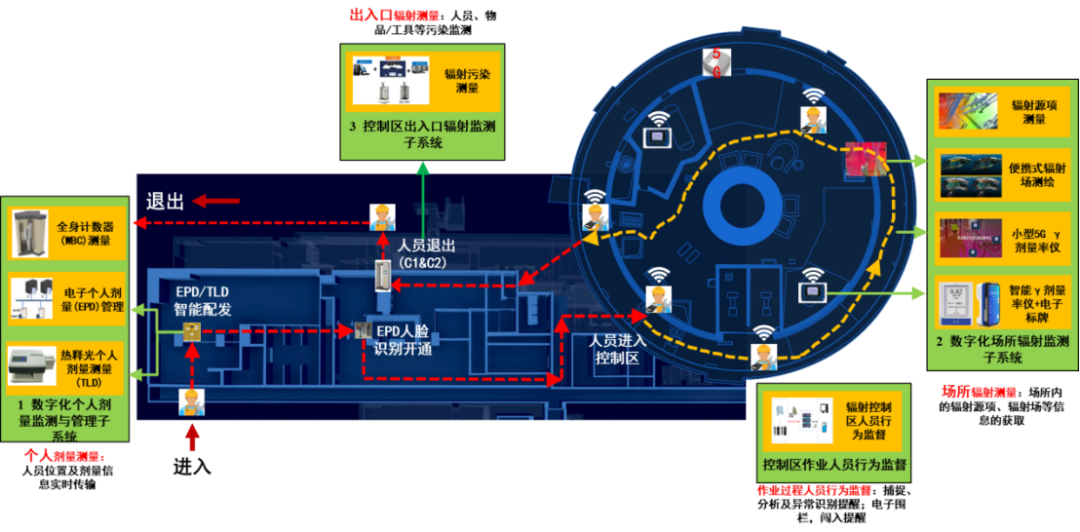
Real-Time Perception, Full-Scope Visibility! CNNC Environmental Protection's "SMARP2.0" Leads a New Paradigm in Nuclear Power Radiation Protection
In nuclear power radiation work scenarios, the ability to pre-determine radiation dose levels in various areas has long been an aspiration of countless nuclear industry workers. Now, the SMARP2.0 system developed by the China Institute for Radiation Protection (CIRP), a subsidiary of CNNC Environmental Protection, has turned this vision into reality. Recently, the China Institute for Radiation Protection, under CNNC Environmental Protection, completed the iterative upgrade of the SMARP2.0 digital radiation protection technical support system. This system can pre-calculate radiation dose levels in various areas of nuclear power operations, effectively resolving the long-standing industry challenge where frontline nuclear workers could not grasp on-site radiation conditions in advance, providing robust technical support for optimizing radiation work plans and ensuring worker radiation safety. SMARP2.0...
2026-08-07
Huaneng Hainan Changjiang Nuclear Power Plant Unit 4 Secondary Loop Combined Hydrostatic Test Successfully Completed
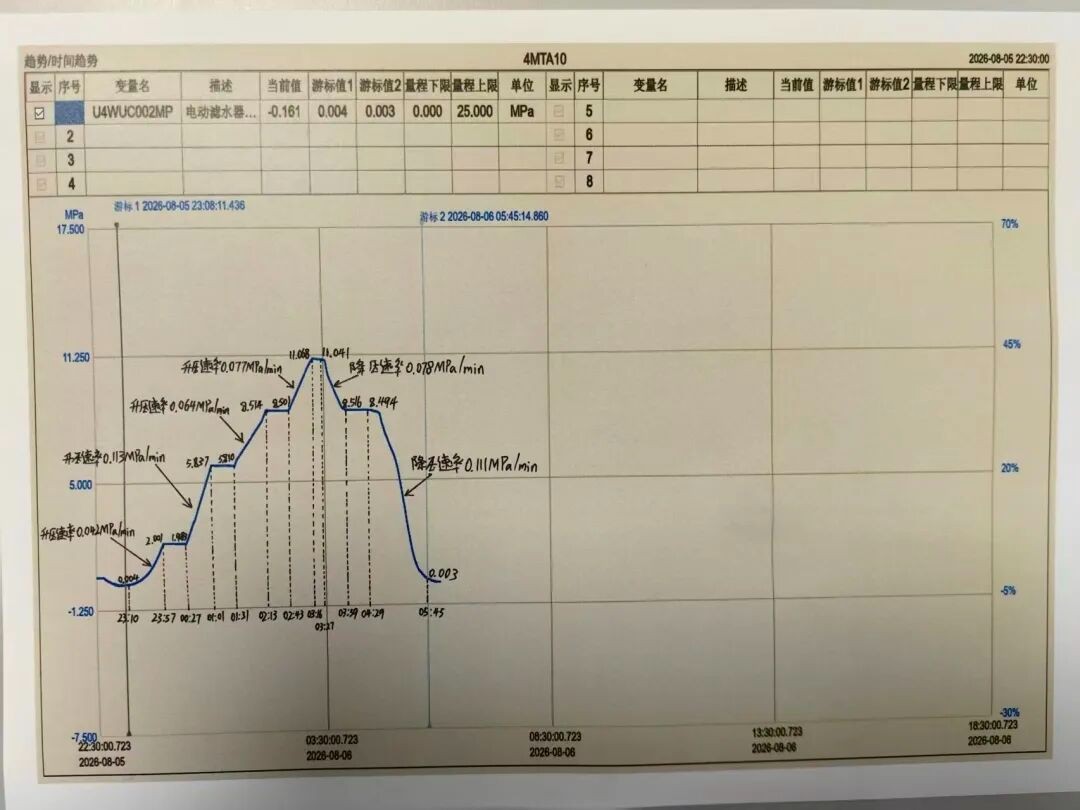
At 04:29 on August 6, 2026, witnessed jointly by Huaneng Changjiang Nuclear Power Company and all participating construction units, the secondary loop combined hydrostatic test of Unit 4 was completed, laying a solid critical prerequisite foundation for the comprehensive implementation of subsequent cold functional tests of the unit. Hydrostatic test curve diagram The secondary loop hydrostatic test is the core critical test following the blasting purging process in the unit's secondary loop system, and constitutes a mandatory acceptance procedure during the construction and installation phase of the Hualong One nuclear power unit. The test primarily targets the steam generator secondary side system, main steam pipelines, feedwater system, auxiliary valves, supports and hangers, and all associated piping, comprehensively verifying the overall structural pressure resistance, weld and flange sealing performance, and...
2026-08-07
Ministry of Ecology and Environment's North China Regional Office of Nuclear and Radiation Safety Supervision Holds Regular Dialogue Meeting with Jiangsu Nuclear Power
Recently, the North China Regional Office of Nuclear and Radiation Safety Supervision under the Ministry of Ecology and Environment (hereinafter referred to as the North China Regional Office) organized the first regular dialogue meeting of 2026 with Jiangsu Nuclear Power Co., Ltd. (hereinafter referred to as Jiangsu Nuclear Power), focusing on exchanges regarding nuclear safety supervision, significant anomalies, construction, and operation management at Tianwan Nuclear Power Station. Representatives from the East China Regional Office of Nuclear and Radiation Safety Supervision under the Ministry of Ecology and Environment and CNNC Suneng Nuclear Power Co., Ltd. attended the meeting. The North China Regional Office heard reports from Jiangsu Nuclear Power on the operation and construction status of units at Tianwan Nuclear Power Station in the first half of 2026, as well as the implementation of daily supervision and management requirements from the North China Regional Office, and was briefed on recent on-site supervision work at Tianwan Nuclear Power Station...
2026-08-06

IAEA Supports Nicaragua in Enhancing Agricultural Health and Food Security through Nuclear Technology
The Nicaraguan Institute for Agricultural Protection and Health (IPSA) recently hosted an official visit from Raúl Ramírez García, Director of the Technical Cooperation Division for Latin America and the Caribbean at the International Atomic Energy Agency (IAEA). The meeting, chaired by IPSA Executive Director Ricardo Somarriba Reyes, focused on agricultural health, food safety, and the application of nuclear science and technology in agriculture. During the working session, both parties reaffirmed Nicaragua's continued participation in national and regional cooperation projects as a member of the Agreement for the Promotion of Nuclear Science and Technology Cooperation in Latin America and the Caribbean (ARCAL). The core objective of such projects is to...
2026-07-09

60th Anniversary of the Joint FAO/IAEA Centre: Nuclear Techniques Continue to Serve Global Agriculture and Food Safety
In 2024, the Joint FAO/IAEA Centre of Nuclear Techniques in Food and Agriculture marks its 60th anniversary. Established in 1964 through a partnership between the Food and Agriculture Organization of the United Nations and the International Atomic Energy Agency, the Centre primarily promotes the application of nuclear science and related technologies in food security, agricultural production, and sustainable environmental development. Over the past 60 years, the Joint Centre has carried out work in areas including pest control, plant breeding and genetics, soil and water management, animal production and health, and food safety and quality control. Its Agriculture and Biotechnology Laboratories have long undertaken tasks in technology development, capacity building, and technology transfer,...
2024-12-27
South Gyeongsang Province Completes 380 Food Radioactivity Tests in First Half of Year, All Meeting Standards
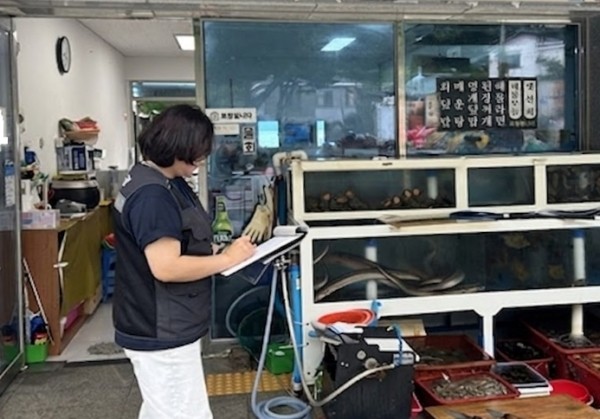
The Gyeongsangnam-do Institute of Health and Environment recently announced that in the first half of this year, it conducted radioactivity testing on agricultural products, aquatic products, and processed foods already in circulation, completing tests on 380 samples. Testing items included radioactive iodine, radioactive cesium, and tritium, with all results meeting food radiation-related standards. According to the institute, it continues to conduct radiation monitoring on foods with high market consumption to ensure the daily dietary safety of residents. Of the 380 tests completed in the first half of this year, 338 were for iodine and cesium, and 42 were for tritium, with no samples exceeding permissible levels. In terms of monitoring methods, the institute has established a...
2026-07-27
Nuclear science helps reduce global food spoilage and waste
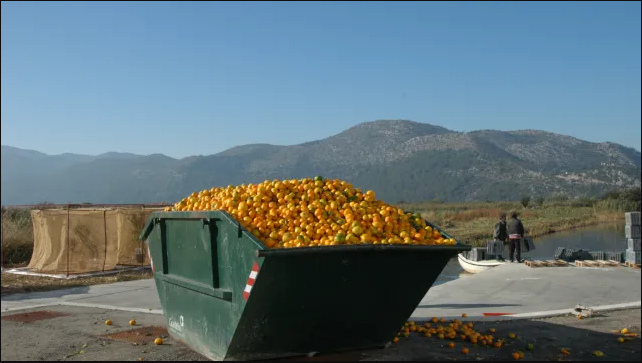
On April 10, 2026, the International Atomic Energy Agency introduced several applications of nuclear science in reducing food spoilage and food waste. According to data from the Food and Agriculture Organization of the United Nations, approximately 1 billion tonnes of edible food are wasted globally each year, accounting for about one-fifth of the total food available to consumers. Of this, 13.2% of food is lost before reaching the retail stage, valued at approximately $400 billion; another 19% is wasted at the retail and consumption stages due to spoilage and other reasons. Food loss not only means wasted resource consumption but also exacerbates greenhouse gas emissions, pollution, and biodiversity loss. The International Atomic Energy Agency, through the Food and Agriculture Organization...
2026-04-10
FAO and IAEA: Nuclear Technologies Are Enhancing Agricultural Production and Food Security
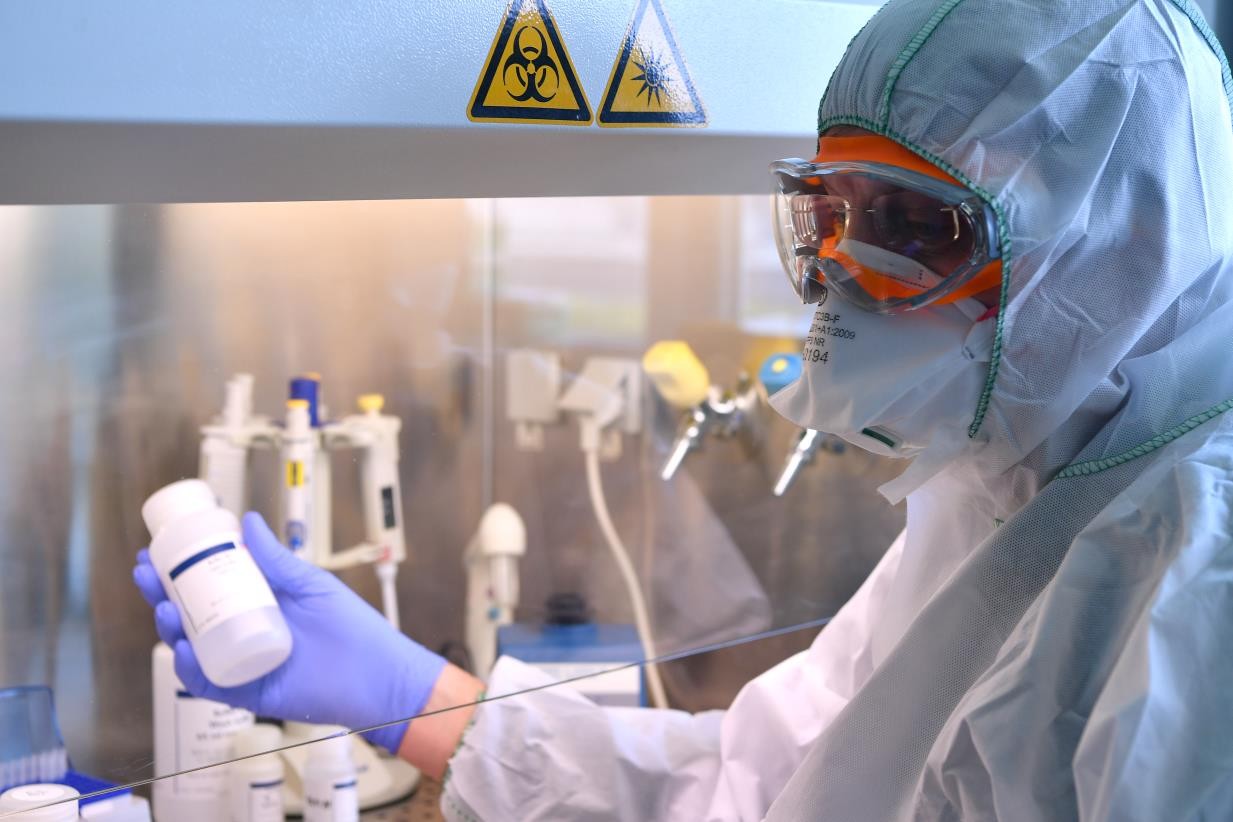
On March 30, 2021, the Food and Agriculture Organization of the United Nations and the International Atomic Energy Agency presented multiple applications of nuclear technologies in agriculture and food security. The two organizations have collaborated for over 50 years in knowledge sharing and capacity building, further strengthening their partnership through the establishment of the Joint FAO/IAEA Centre of Nuclear Techniques in Food and Agriculture. In the field of animal health, nuclear technologies are used for the detection, control, and prevention of transboundary animal diseases and zoonoses. Belize previously had to send animal disease testing samples to overseas laboratories; with support from the Joint FAO/IAEA Centre, the Belize Agricultural Health Authority established a molecular diagnostic laboratory for animal health and adopted real-time polymerase chain reaction (PCR) testing technology. This method can detect animal diseases within 24 hours, helping frontline personnel take rapid prevention and control measures. Recently, the laboratory has also been used to assist in human COVID-19 testing, reflecting the "One Health" concept that animal, human, plant, and environmental health are interconnected.
2021-03-30
China's First Industry Standard for LOCA BEPU Analysis, Led by CGN Research Institute, Officially Released
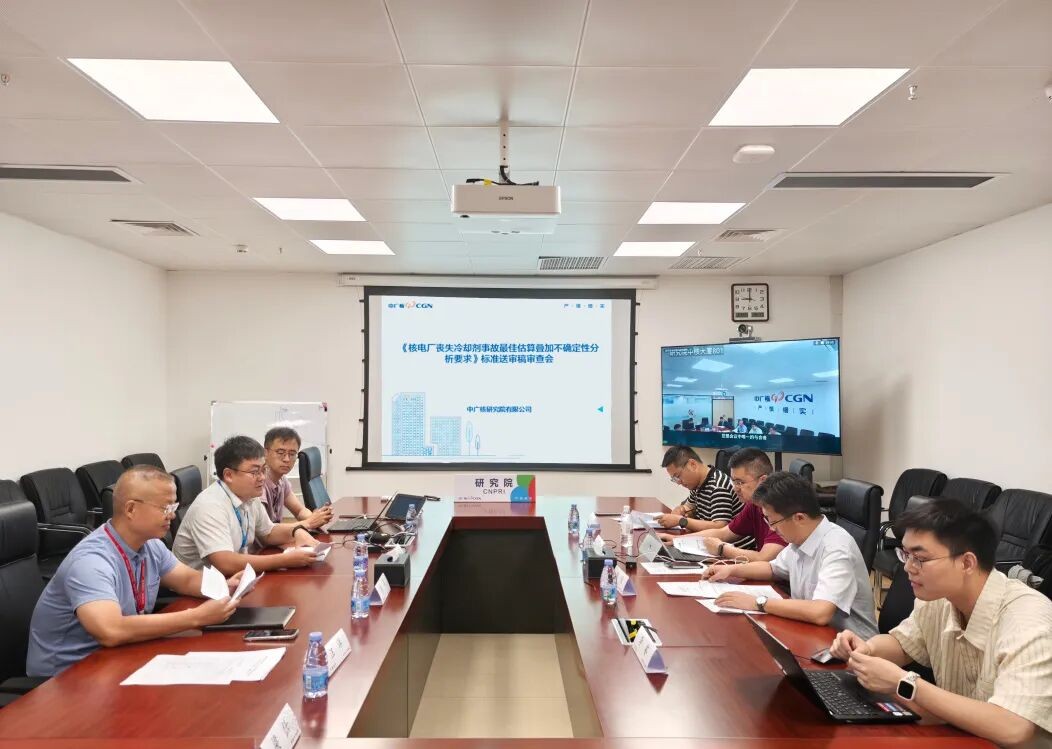
Recently, approved by the National Energy Administration, the energy industry standard "Technical Requirements for Best Estimate Plus Uncertainty Analysis of Loss of Coolant Accident in Pressurized Water Reactor Nuclear Power Plants" (NB/T 20751-2026), led by CGN Research Institute, was officially released. The standard was developed under the leadership of the Research Institute, in collaboration with the Nuclear and Radiation Safety Center of the Ministry of Ecology and Environment, China Nuclear Power Research and Design Institute, Shanghai Nuclear Engineering Research and Design Institute, Hualong Nuclear Power Technology Co., Ltd., and China Nuclear Power Engineering Co., Ltd., among other organizations. It will come into effect on December 26, 2026. This standard is China's first BEPU analysis...
2026-08-06
CNNC Western Geological Survey Center Conducts Business Exchange with CNPC Logging Geological Research Institute
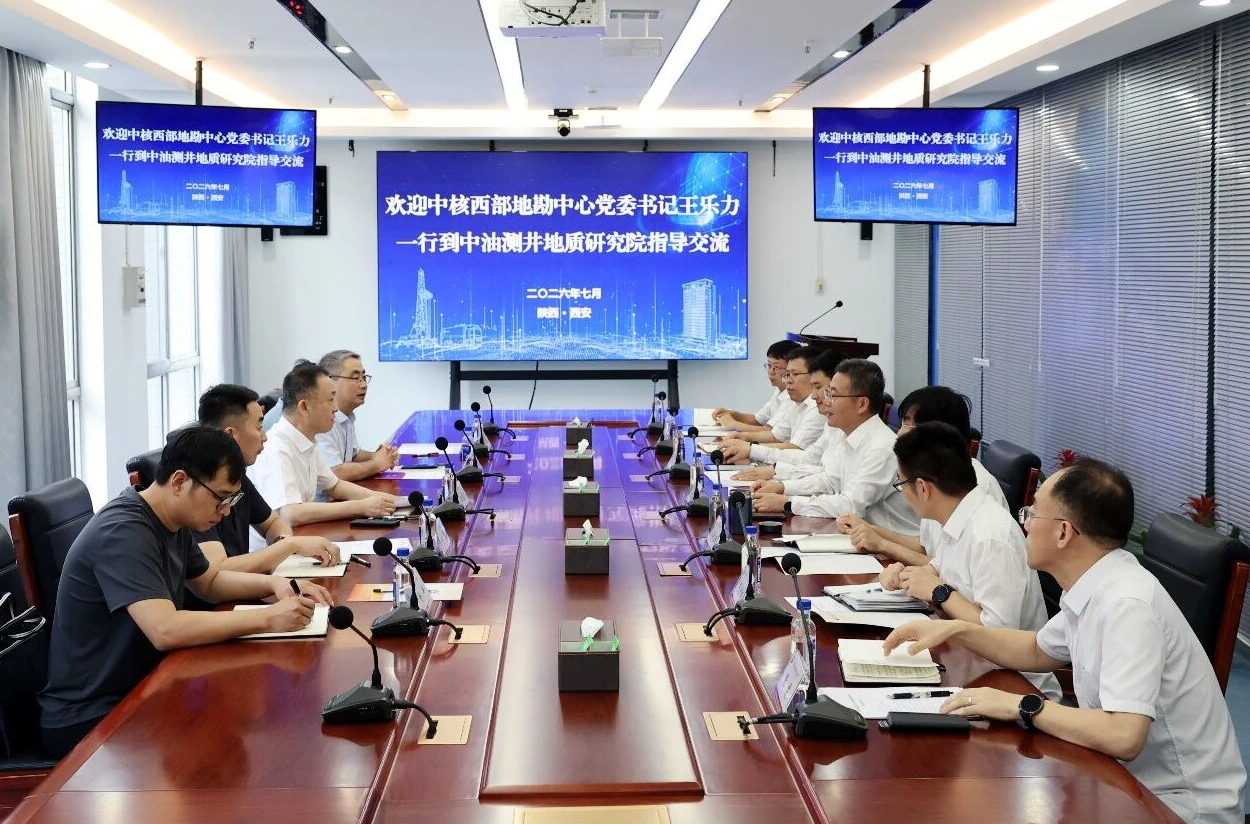
To thoroughly implement the national strategy for energy and resource security, promote the integration and mutual enhancement of oil and gas logging and uranium ore geological survey technologies, facilitate cross-industry research resource sharing and joint tackling of key technologies, recently, Wang Leli, Party Secretary of CNNC Western Geological Survey Center, led a team to CNPC Logging Geological Research Institute for a special technical exchange and discussion. At the meeting, Wan Jinbin, Party Secretary of CNPC Logging Geological Research Institute, systematically introduced mature technology systems including domestic integrated oil and gas logging equipment, downhole detection, petrophysical experiments, intelligent logging interpretation, deep well detection, and multi-source geological data analysis, and shared uranium exploration experience in oil- and gas-bearing basins through practical case studies. Wang Leli introduced the reform and development overview of the Western Center, its uranium exploration history, major achievements, and research directions such as technical difficulties and metallogenic prediction in uranium exploration of key northwestern basins.
2026-08-06