
Search Results
Keyword:CMS
CMS Experiment Advances Higgs Boson Pair Search with New Data
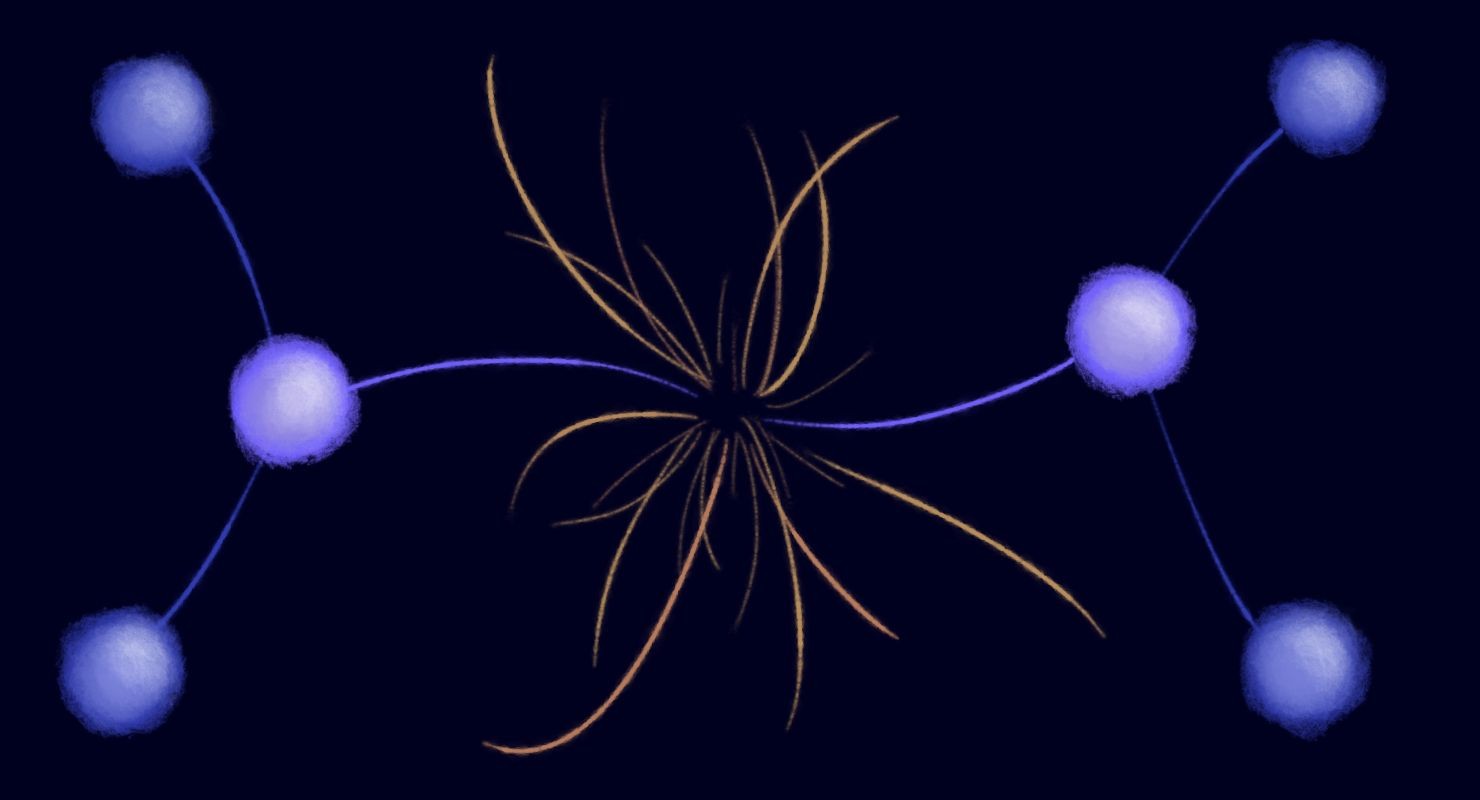
The CMS Collaboration has recently announced new progress in the study of Higgs boson pair production. The study is based on proton collision data at a center-of-mass energy of 13.6 TeV recorded by the CMS detector from 2022 to 2024, focusing on the search for processes where one Higgs boson decays to a bottom quark–antiquark pair and the other decays to a τ lepton–antitau pair, namely the HH→bbττ channel. Since the discovery of the Higgs boson in 2012, the CMS and ATLAS Collaborations have continuously measured the interactions of the Higgs boson with other Standard Model particles, and the results so far remain generally consistent with Standard Model predictions. In contrast, the “self-coupling” among multiple Higgs bosons...
2026-08-17
CMS records highest-energy lepton pairs to date, testing the possibility of a composite Higgs boson
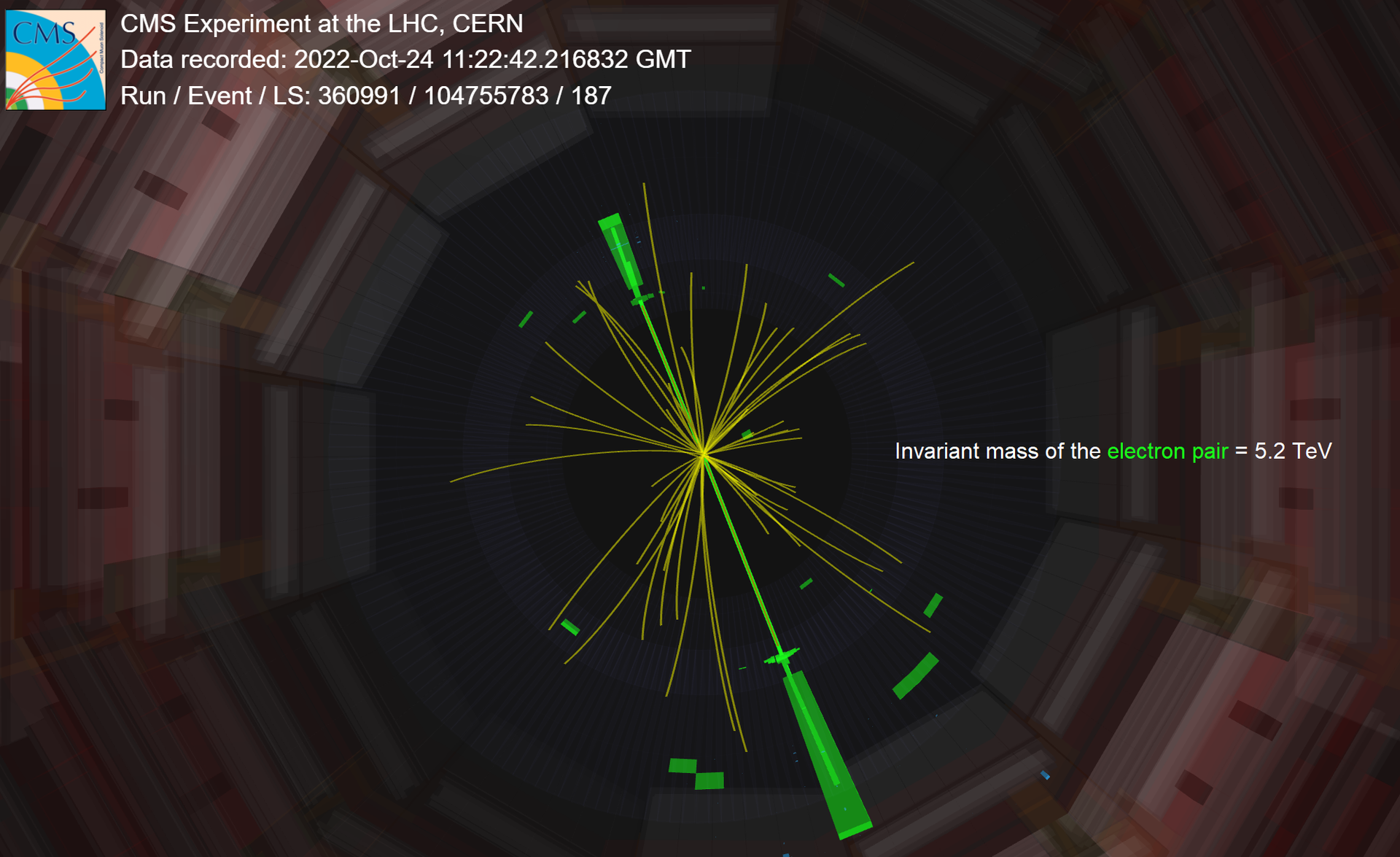
The CMS experiment recently used the complete proton-proton collision dataset collected during Run 2 of the Large Hadron Collider and the first two years of Run 3, namely 2022 to 2023, to search for clues that the Higgs boson may be composed of smaller constituents. The analysis results show that the experimental data are consistent with Standard Model predictions, with no evidence pointing to new physics yet. Whether the Higgs boson is an elementary particle or a composite particle with deeper structure is a long-standing question in particle physics. To test this possibility, the CMS team adopted two complementary approaches: on one hand, directly searching for new heavy particles that could be produced at the Large Hadron Collider; on the other hand, indirectly probing the effects of new particles with higher masses that are difficult to produce directly through subtle deviations in high-energy electron pair and muon pair production processes.
2026-08-10
CMS completes high-pileup collision test, validating particle reconstruction algorithms for High-Luminosity LHC operation
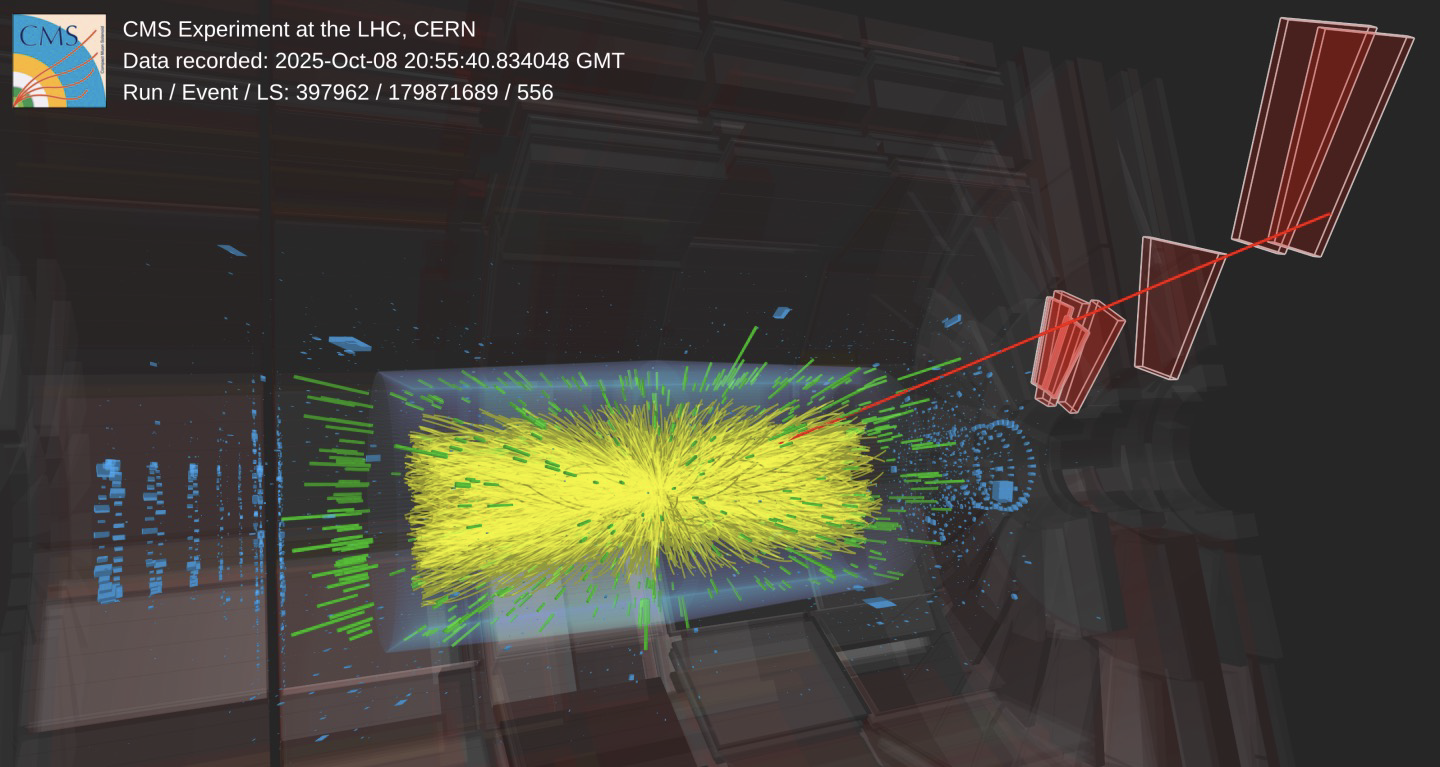
In 2025, the Large Hadron Collider (LHC) conducted a dedicated test over several days to simulate high-intensity collision conditions closer to those expected during future operation of the High-Luminosity Large Hadron Collider (HL-LHC). The Compact Muon Solenoid (CMS) experiment team used this opportunity to test whether existing particle tracking, identification, and reconstruction software, along with a new class of machine learning methods, can adapt to the more complex collision conditions of the HL-LHC era. During LHC operation, each crossing of proton beams produces multiple proton–proton collisions simultaneously, a phenomenon known as pileup. The current Run 3 features approximately 65 simultaneous interactions, while the HL-LHC is expected to reach 140 to 200. To...
2026-08-10
Large Structure for CMS Future High-Granularity Calorimeter Passes Rigorous Cold Tests
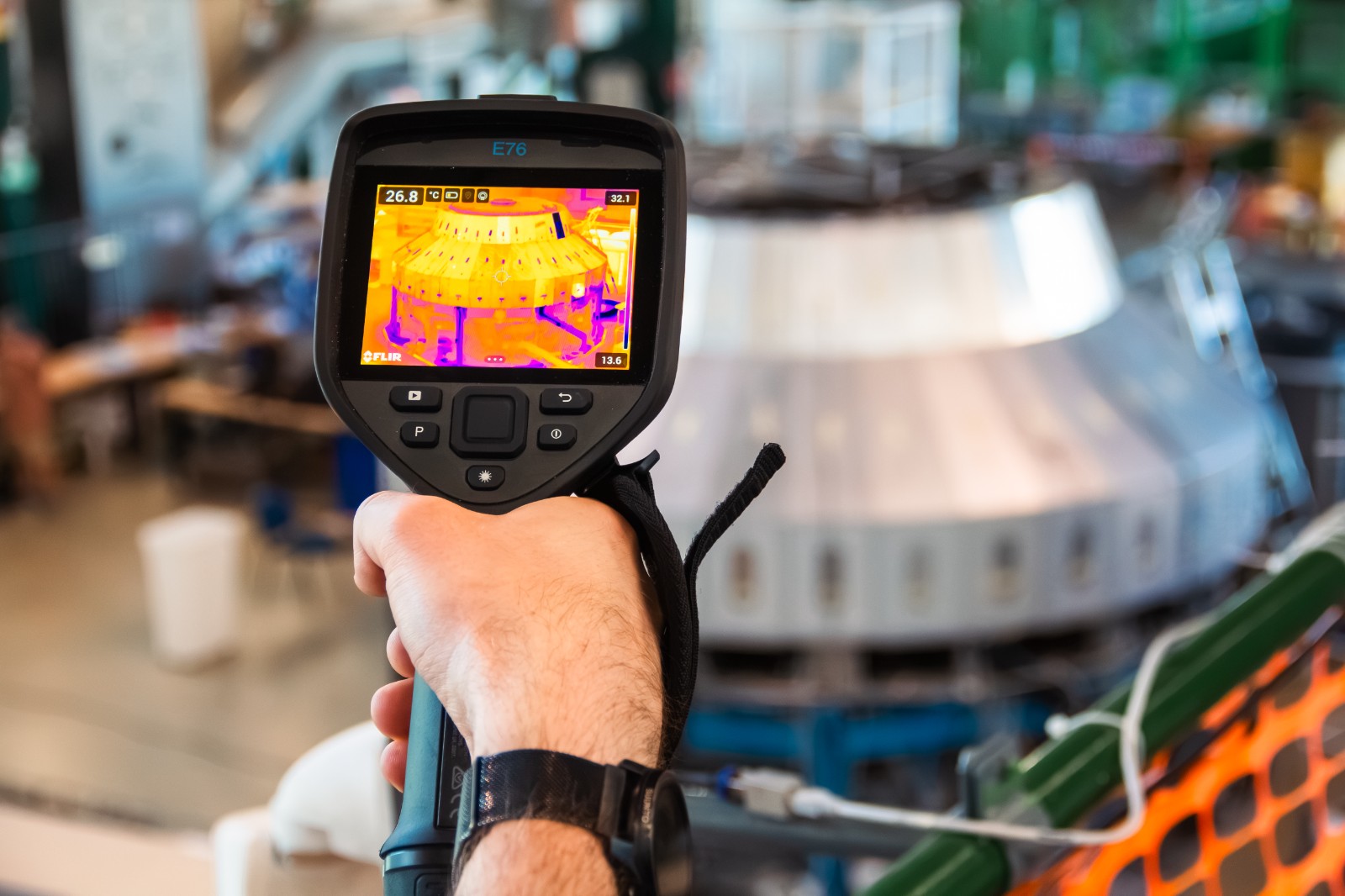
A key engineering test for the future High-Granularity Calorimeter (HGCAL) of the CMS experiment at CERN has recently made progress. One of the largest HGCAL structures has completed a series of rigorous cold tests, during which no overheating, condensation, or leakage was recorded on the outer panels, laying the groundwork for its future service at the High-Luminosity Large Hadron Collider (HL-LHC). HGCAL will replace the existing endcap calorimeters of the CMS experiment to reconstruct particle showers with greater precision under HL-LHC operating conditions. The structure tested this time is the first of two large stainless steel absorber structures. By design, the active elements of HGCAL will be installed within the absorber structures and must maintain long-term stable performance in a cryogenic environment...
2026-08-03