
Search Results
Keyword:EU

ITM and SpiroChem Announce Strategic Collaboration to Advance Novel Radiopharmaceutical Development
Garching/Munich, Germany and Basel, Switzerland, September 8, 2026 – Radiopharmaceutical biotechnology company ITM Isotope Technologies Munich SE and Swiss collaborative research organization SpiroChem AG today announced a strategic drug discovery partnership focused on a novel radiopharmaceutical candidate within ITM's pipeline. The specific target and financial terms of the collaboration were not disclosed. Under the agreement, the parties will combine their respective capabilities to advance candidate discovery and optimization. SpiroChem will leverage its drug discovery platform, macrocycle library, and screening engine to lead hit identification and optimization, while ITM will provide...
2026-09-09
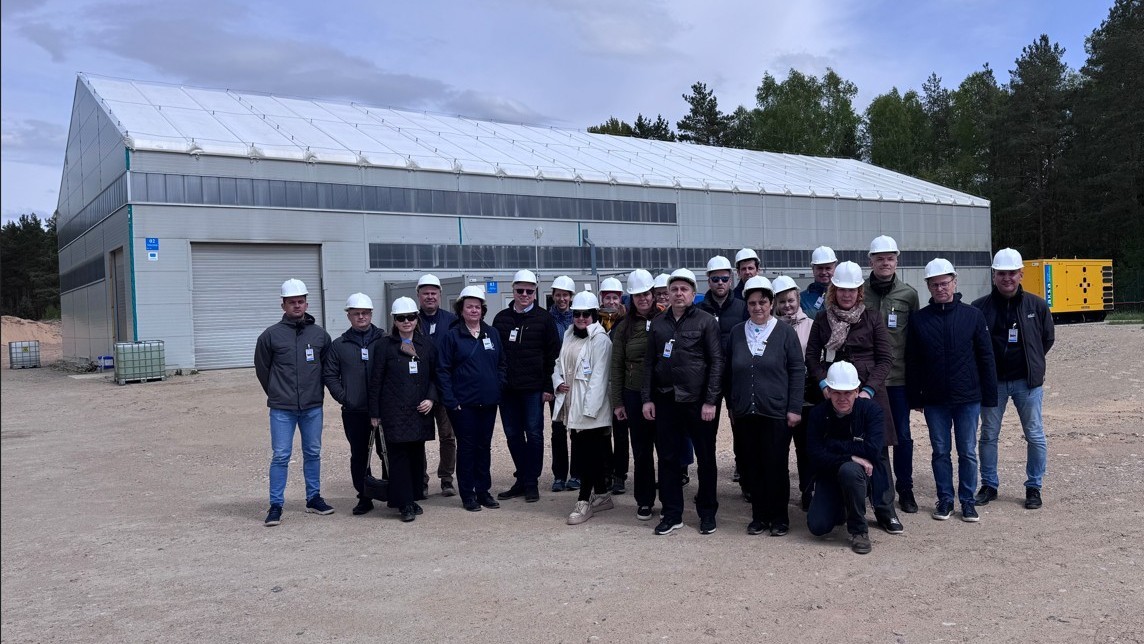
Europe and Central Asia Strengthen Regional Cooperation on Radioactive Waste Management
The International Atomic Energy Agency (IAEA) recently stated that over the past two years it has trained more than 200 experts in Europe and Central Asia, supporting relevant countries in enhancing their safe radioactive waste management capabilities and developing long-term management strategies tailored to their national circumstances. IAEA representatives visited storage and disposal facilities in Lithuania to observe successful radioactive waste management practices firsthand. (F. Dragolici/IAEA) Radioactive waste originates from the application of nuclear technology in energy, medicine, industry, research, and other fields. Under safety management requirements, countries are responsible for the full lifecycle of radioactive waste, covering generation, characterization, treatment, conditioning, storage, and final disposal in licensed disposal facilities.
2026-09-09

UK think tank calls for clear nuclear reactor technology roadmap to support nuclear expansion
On September 8, 2026, UK think tank Policy Exchange released a white paper stating that the UK government needs to more clearly articulate which nuclear reactor technologies it will rely on to advance the so-called nuclear golden age, and to strengthen the supply chain and achieve economies of scale through batch construction. Policy Exchange's Nuclear Enterprise Committee is composed of experts from government, industry, and academia. The committee believes that the UK's civil nuclear strategy is at a critical stage, and related decisions will affect the country's energy system for decades to come. The white paper points out that given that new small modular reactor technologies are still in the early stages of development, the UK government should retain the option of building another large-scale nuclear...
2026-09-09
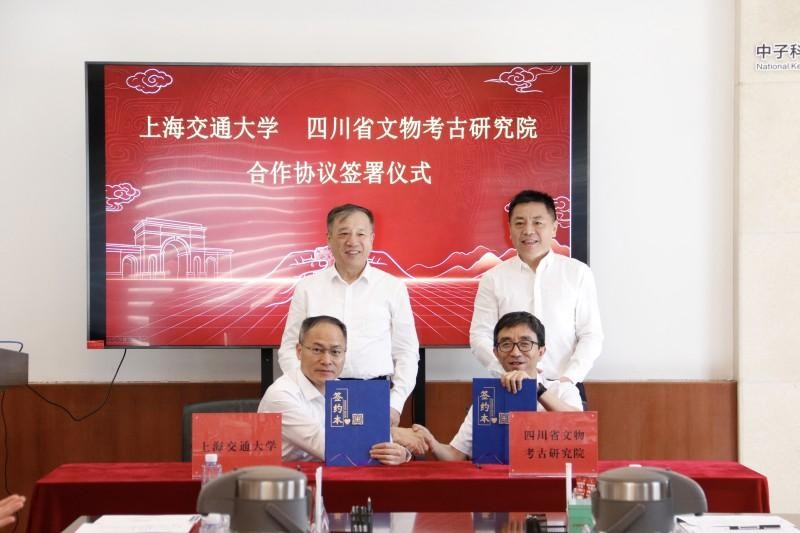
Shanghai Jiao Tong University and Sichuan Provincial Cultural Relics and Archaeology Research Institute to Jointly Build Neutron Cultural Heritage Protection Laboratory
On September 2, Shanghai Jiao Tong University and the Sichuan Provincial Cultural Relics and Archaeology Research Institute signed a strategic cooperation agreement to jointly advance the construction of the Neutron Cultural Heritage Protection Laboratory, promoting the deep integration of modern technology and cultural heritage conservation. Yang Zhenbin, Party Secretary of Shanghai Jiao Tong University, and Pu Xin, Deputy Director of the Sichuan Provincial Cultural Heritage Administration, delivered speeches respectively and jointly witnessed the signing. The collaboration focuses on the scientific research, conservation, and transmission of significant cultural heritage sites including Sanxingdui. The Sanxingdui site is a vital component of the Chinese Civilization Exploration Project. With the continuous advancement of archaeological excavations in recent years, a large number of precious artifacts have been unearthed, with increasingly complex structures and materials. How to accurately obtain their internal structure, material composition, manufacturing techniques, and preservation status without damaging the artifacts themselves has become a critical issue in cultural heritage conservation and archaeological research...
2026-09-08
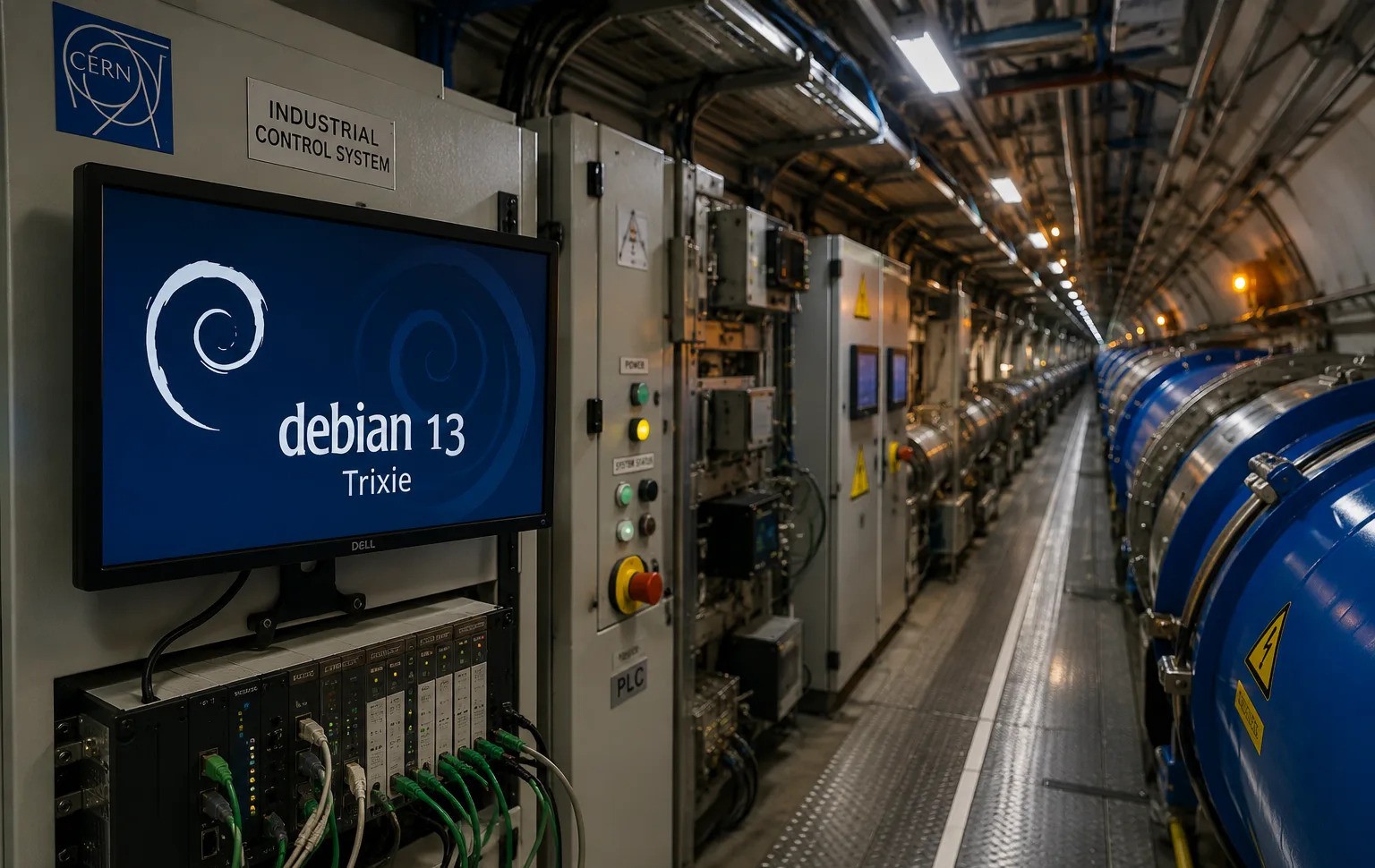
CERN Accelerator Control Systems to Migrate to Debian 13
Representatives from the European Organization for Nuclear Research (CERN) stated at the MiniDebConf conference that they plan to migrate over 2,200 industrial and embedded computers used to control their accelerator complex from RHEL to Debian 13 by the end of 2026. The systems involved include control computers for the Large Hadron Collider as well as several independent experimental facilities. CERN also clarified that this migration applies only to accelerator control-related equipment and will not affect data centers or experimental systems. Those data centers and experimental systems will continue to use RHEL/AlmaLinux. According to reports, CERN engineers had previously considered migrating the relevant systems to CentOS Stream, but...
2026-09-08
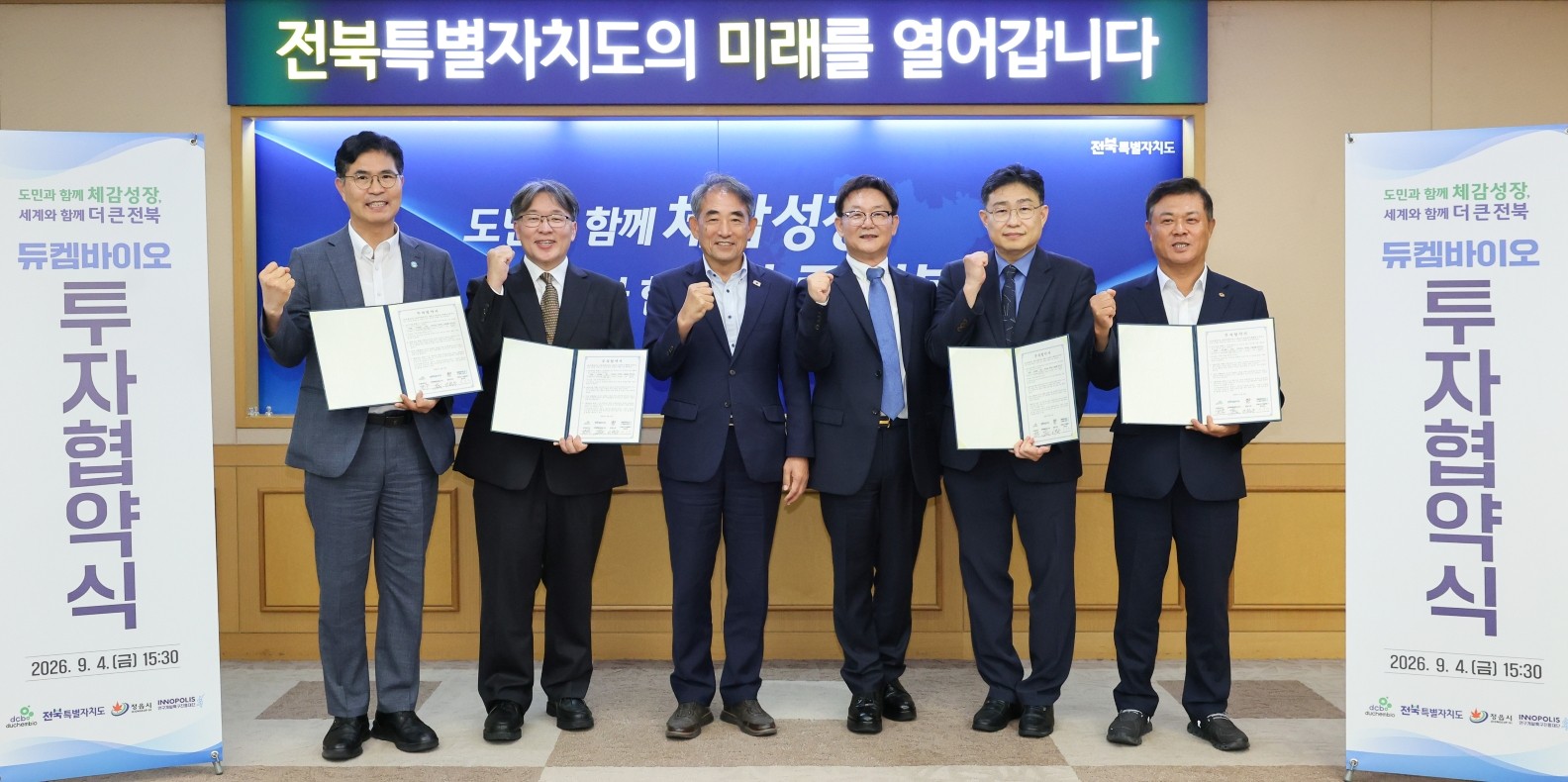
South Korea's DuChemBio to Build Country's First Radiopharmaceutical CDMO Plant
South Korean radiopharmaceutical therapy company DuChemBio will build the country's first contract development and manufacturing organization (CDMO) plant dedicated to radiopharmaceuticals, in response to growing demand for radiopharmaceuticals used in the diagnosis and treatment of cancer and neurological diseases. DuChemBio is a subsidiary of healthcare distributor Geo-Young Group. The company recently signed an investment agreement with North Jeolla Province and the city of Jeongeup to invest KRW 34.3 billion (approximately USD 25.5 million) in building a new plant in Jeongeup. The company stated that this is the largest investment since Geo-Young acquired DuChemBio. According to the plan, the new facility will integrate radioisotope production...
2026-09-08
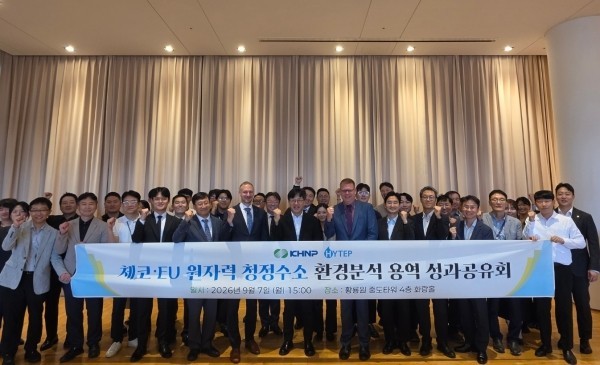
South Korean Companies Advance Nuclear Hydrogen Demonstration Project in Czech Republic
Korea Hydro & Nuclear Power (KHNP) announced on September 8 that it has completed a joint research review with the Czech Hydrogen Association (HYTEP) on the legal, institutional, and policy environment for nuclear hydrogen production in the Czech Republic and the European Union, and exchanged views on advancing a clean hydrogen production demonstration project in the Czech Republic. The two sides held a results-sharing meeting on September 7 at Hwangnyongwon in Gyeongju, South Korea, to review the final outcomes of the research. The study, launched in September 2025 and spanning approximately 11 months, primarily examined policy directions, laws and regulations, certification requirements, and market access conditions in the nuclear and hydrogen sectors in the Czech Republic and the EU, providing an institutional basis for the implementation of nuclear hydrogen production projects. Based on the research findings, KHNP plans to promote a clean hydrogen production demonstration project integrated with nuclear power in the Czech Republic.
2026-09-08
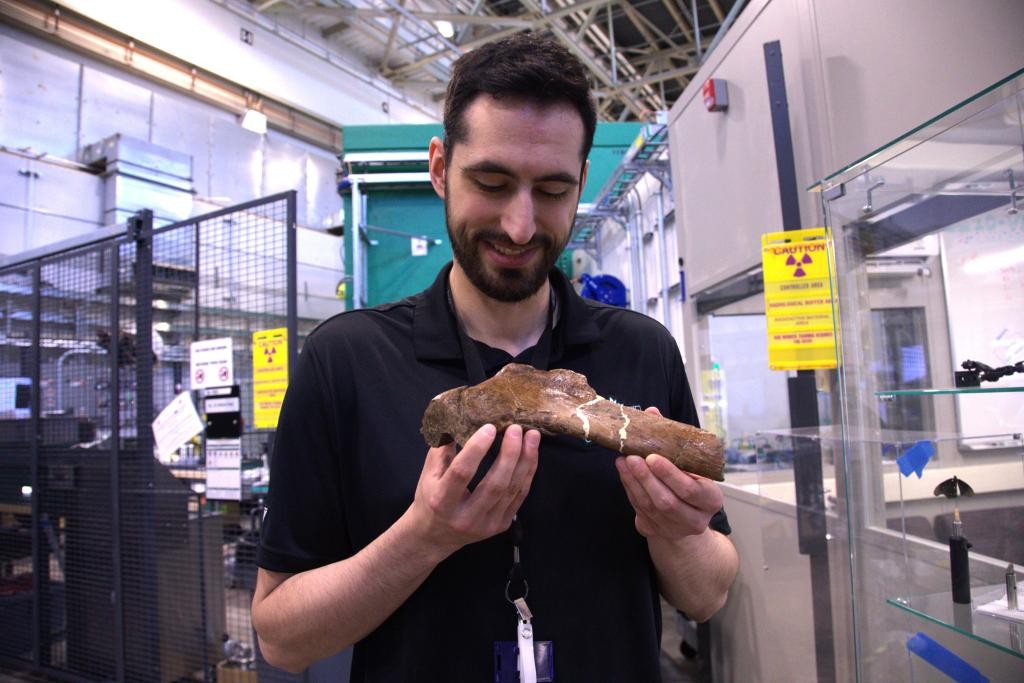
ORNL Neutron Imaging Technology Reveals Healed Rib Fracture in Tyrannosaurus Rex Fossil
Neutron imaging technology at the U.S. Department of Energy's Oak Ridge National Laboratory (ORNL) has helped researchers from the University of Regina in Canada and other institutions observe rare healing signs inside the fossilized bones of a Tyrannosaurus rex, providing new insights into ancient life from approximately 66 million years ago. The subject of this study is a fractured rib from "Scotty," the largest Tyrannosaurus rex skeleton ever discovered. Researchers found that this rib preserved a wound-healing process rarely seen in the fossil record: after the fracture occurred, iron-rich blood entered the injured area and formed a network of blood vessels to promote healing; however, before the rib had fully healed, Scotty died and was preserved in a salt marsh environment, which slowed the decomposition of the remains...
2026-09-07
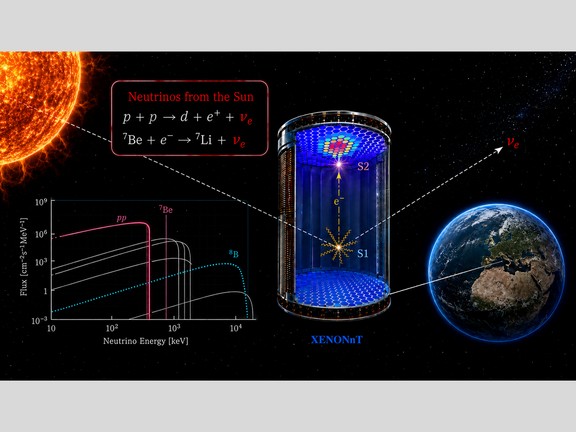
XENONnT Observes First Low-Energy Solar Neutrino-Electron Scattering Signals
Scientists of the XENON collaboration recently announced the first observation of low-energy solar neutrino scattering off electrons in the XENONnT particle detector. The results were presented at a workshop held on August 31, 2026, at the Gran Sasso National Laboratory of the Italian National Institute for Nuclear Physics. The team of Prof. Teresa Marrodán Undagoitia and Dr. Hardy Simgen from the Max Planck Institute for Nuclear Physics played a key role in the experiment. Nuclear fusion in the Sun continuously produces vast numbers of neutrinos, with hundreds of billions passing through every square centimeter of Earth each second. Because neutrinos interact with matter extremely weakly, detecting these particles...
2026-09-07
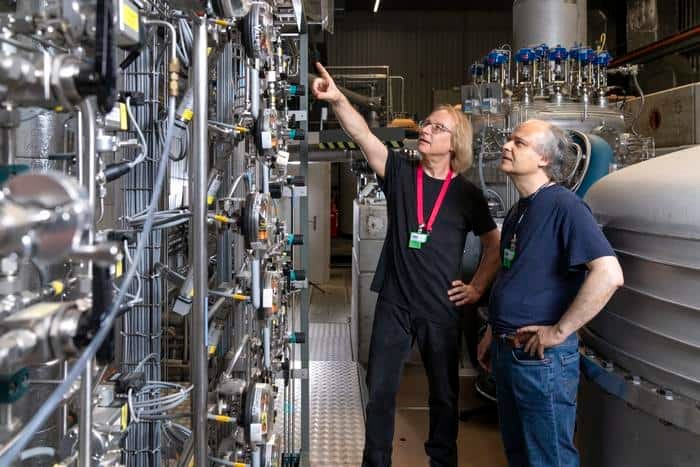
No Evidence of Mirror Neutrons Found in Swiss PSI Ultracold Neutron Experiment
The Ultracold Neutron Physics Group at the Paul Scherrer Institute (PSI) in Switzerland recently stated that its research team found no evidence of spontaneous transformation of ordinary neutrons into mirror neutrons in a high-precision experiment. The researchers said the result essentially rules out the main parameter space previously suggested for anomalous neutron-mirror neutron oscillation signals, and also weakens the possibility that mirror neutrons could be a component of dark matter. Bernhard Lauss (left) and Géza Zsigmond examined approximately 2.5 billion neutrons at the ultracold neutron source at the Paul Scherrer Institute (PSI). They essentially ruled out the hypothesis of spontaneous transformation of neutrons into mirror neutrons. (Image courtesy of Paul Scherrer Institute PSI/Ma...
2026-09-07
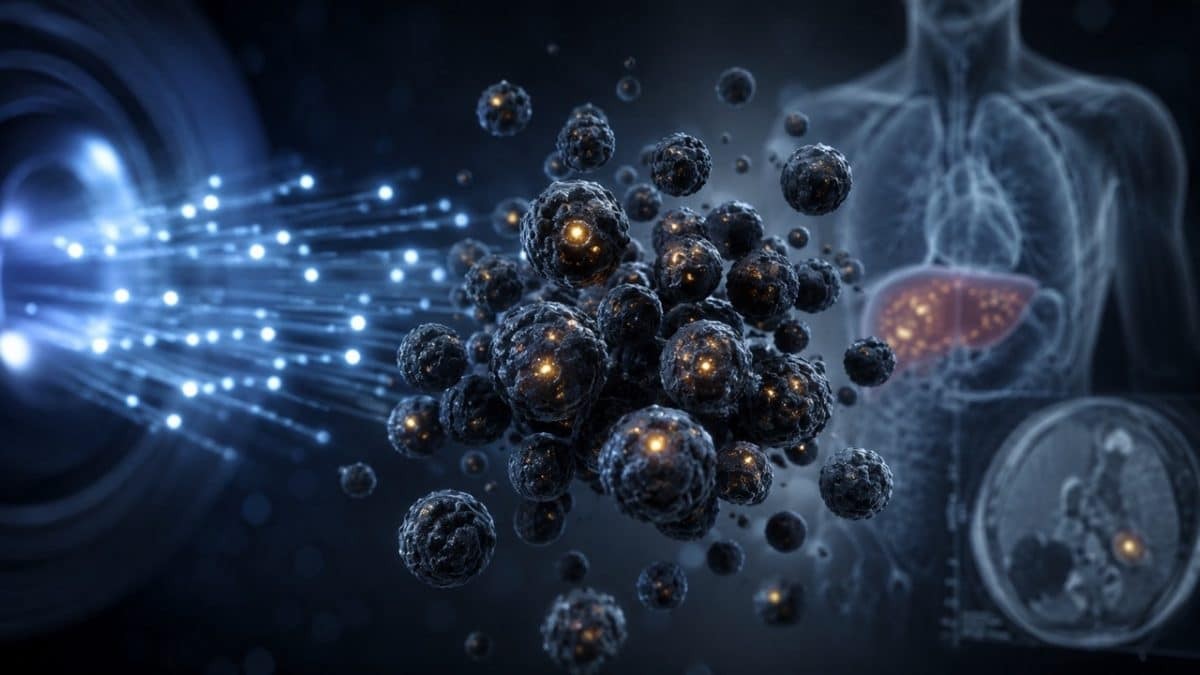
Russian Researchers Propose New Method for Preparing Iron-59 Magnetite Nanoparticles, Potentially Advancing Nuclear Medicine Diagnostics and Therapy
Russian researchers have developed a new method for preparing iron-59-labeled magnetite nanoparticles, which is expected to provide a new material preparation pathway for medical applications such as magnetic resonance imaging, single-photon emission computed tomography, and radionuclide therapy. According to reports, researchers from the Vernadsky Institute of Geochemistry and Analytical Chemistry and the Karpov Institute of Physical Chemistry, both under the Russian Academy of Sciences, have proposed synthesizing iron-59 magnetite nanoparticles using the sol-gel method. The relevant findings have been published in the journal Applied Radiation and Isotopes. The sol-gel method is a chemical approach for preparing nanomaterials, with the core process involving the conversion of a liquid colloidal solution into a gel-like network...
2026-09-07

Unit 3 at Saeul Nuclear Power Plant in South Korea Shut Down Again During Trial Operation
Unit 3 at the Saeul Nuclear Power Plant, operated by Korea Hydro & Nuclear Power (KHNP), was shut down again during trial operation. The unit, located in Ulju County, Ulsan, South Korea, has a generating capacity of 1,400 MW. According to the plant operator, operators manually shut down the reactor at approximately 3:01 p.m. on the 6th. The shutdown was initiated after a leak was confirmed in a pipe related to turbine steam condensate. The plant stated that the manual shutdown was carried out to ensure facility stability and facilitate maintenance. The plant also stated that the shutdown caused no radiological impact and that the unit is currently in a stable condition. Personnel are analyzing the cause of the pipe leak. This...
2026-09-07
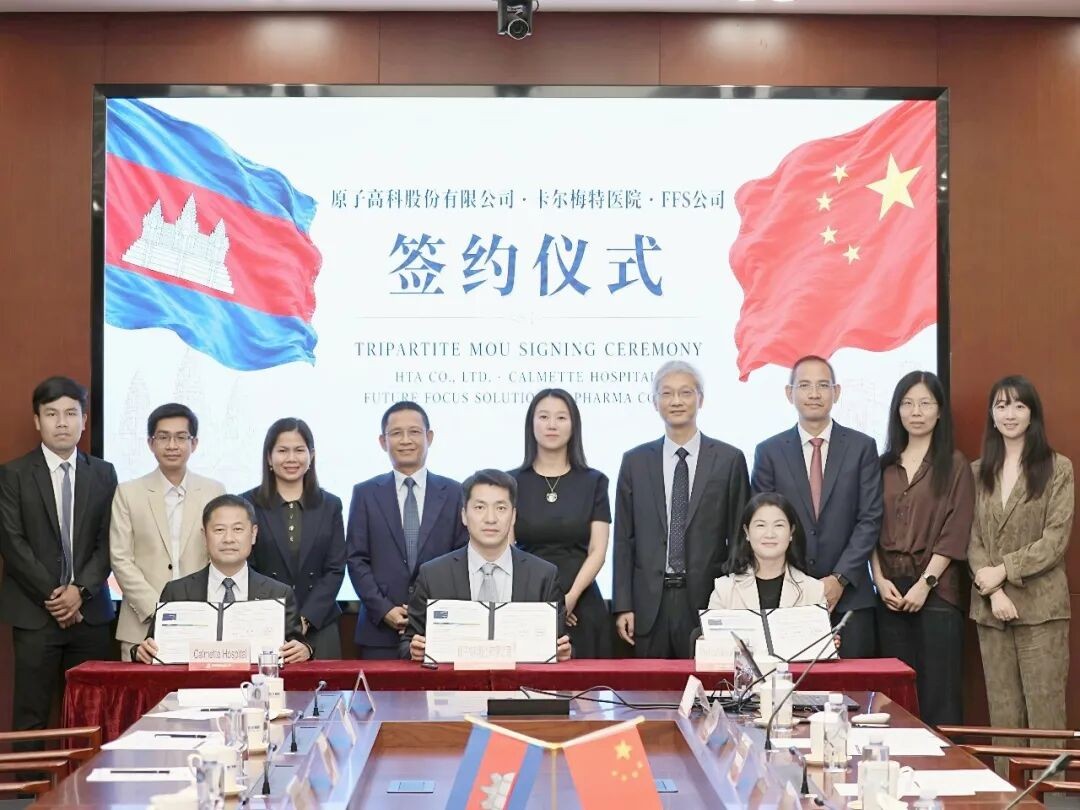
Atom High-Tech Signs Memorandum of Cooperation with Cambodia's Calmette Hospital and Others to Advance Nuclear Medicine Capacity Building
On September 4, Atom High-Tech, Cambodia's Calmette Hospital, and FFS Company held a trilateral memorandum of cooperation signing ceremony in Beijing. Huo Yingying, Deputy Secretary of the Party Committee of China Isotope & Radiation Corporation (CIRC), attended and delivered a speech, while Zhang Yiming, Secretary of the Party Committee and Chairman of Atom High-Tech, signed on behalf of the company. Established in 1950, Calmette Hospital is one of Cambodia's largest and most technologically advanced public hospitals and serves as a national referral center. It undertakes three core missions: delivering high-quality medical services, training health professionals, and conducting medical research. Currently, the hospital is actively advancing its nuclear medicine capacity by establishing the country's first nuclear medicine department, further improving its oncology diagnosis and treatment and molecular imaging service systems...
2026-09-07
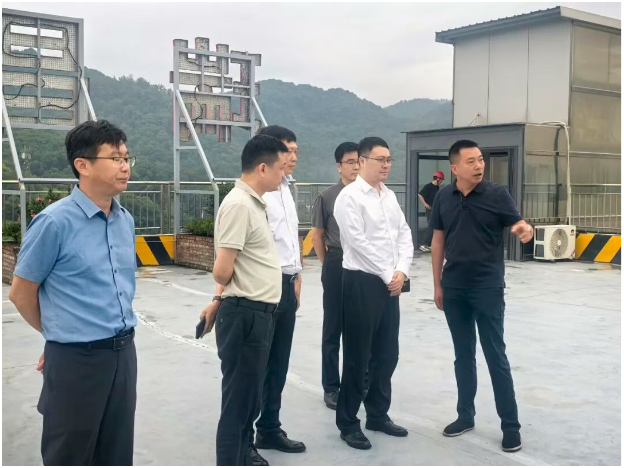
Baiyunshan Xike Visits Jiujiang, Jiangxi to Explore Nuclear Medicine Industry Chain Cooperation
Recently, a delegation from Guangzhou Baiyunshan Xike Health Pharmaceutical Co., Ltd., a subsidiary of Guangzhou Pharmaceutical Holdings Limited (GP Corp.), visited Jiujiang City, Jiangxi Province, conducting field inspections and discussion exchanges in Ruichang City, Jiujiang Economic Development Zone, and Pengze County, focusing on cooperation across the full nuclear medicine industry chain. Liu Hong, Director of the Scientific Research Project Management Department of GP Corp. and Chairman and General Manager of Baiyunshan Xike, led the core team in exchanges with Chen Shuilian, Member of the Party Leadership Group and Vice Mayor of Jiujiang Municipal People's Government, as well as responsible officials from Ruichang City, Pengze County, and Jiujiang Economic Development Zone, reaching multiple consensuses on subsequent cooperation. The inspection covered key facilities including the Ruichang Institute of Nuclear Physics Applications, the Biomedical (Nuclear) Industrial Park in Jiujiang Economic Development Zone, and the Jiangxi Tianhong Nuclear Technology project site in Pengze County. The delegation conducted in-depth visits to research laboratories, industrial parks, and projects under construction to understand local capabilities in nuclear technology research, isotope R&D infrastructure, project construction progress, as well as land and industrial supporting conditions.
2026-09-07

U.S. ZC Institute Unveils "Kardashev One" Fusion Prototype Reactor Plan to Independently Test Neutron Recovery Concept
ZC Institute, a fusion energy company headquartered in Atlanta, USA, announced on September 4 the launch of the Kardashev One program, aiming to develop a fusion prototype reactor to explore recovering energy lost to radiation and neutron escape during fusion reactions. As an early validation step of the program, ZC Institute has commissioned Professor Jason Cassibry and his team at the University of Alabama in Huntsville (UAH) to conduct independent testing of the related field distortion technology. According to ZC Institute, existing fusion approaches, including inertial confinement fusion and magnetic confinement fusion, lose energy in forms such as electromagnetic radiation and neutron escape. Magnetic fields can confine charged...
2026-09-05