
Search Results
Keyword:EU

Canada's AtomVie Opens Large-Scale Radiopharmaceutical R&D and Manufacturing Facility in Hamilton
On September 4, AtomVie Global Radiopharma, a radiopharmaceutical contract development and manufacturing organization, announced the official opening of its new state-of-the-art production facility at 10 Aeropark Boulevard, Hamilton, Ontario, Canada. The facility is designed to support the full-spectrum translation of radiopharmaceuticals from early-stage research and development, through clinical development, to commercial manufacturing. According to reports, the new facility represents an investment of over $160 million and spans 72,300 square feet, making it one of the largest single-site radiopharmaceutical R&D CDMO facilities in North America. The facility offers production capabilities ranging from low-throughput to high-throughput, increasing AtomVie's overall production capacity by more than tenfold, with dedicated spaces configurable to meet clients' subsequent R&D and commercialization needs.
2026-09-05
U.S. NANO Nuclear and Enveniam to Advance Microreactor and Nuclear Fuel Cycle Cooperation
U.S. advanced nuclear energy company NANO Nuclear Energy Inc. announced on September 4 that it has signed a non-binding memorandum of understanding with Enveniam, LLC, a project integration and engineering technology services provider, to explore cooperation in areas such as nuclear fuel cycle infrastructure, microreactor commercialization, advanced manufacturing, and end-user energy solutions. Under the MOU, the parties will evaluate how to leverage Enveniam's experience in nuclear engineering, project integration, safety analysis, licensing support, project controls, operational readiness, and complex energy infrastructure development to support NANO Nuclear...
2026-09-05
U.S. Completes Mechanical Property Measurements of Irradiated HALEU TRISO Fuel Particles
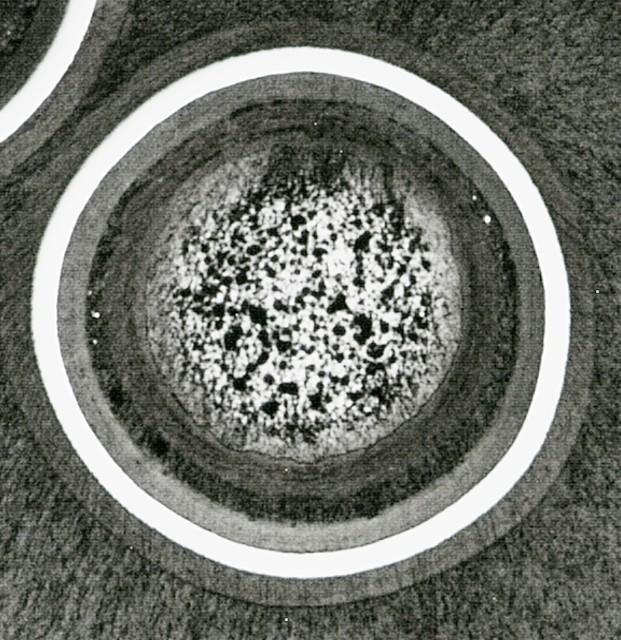
Researchers at the U.S. Department of Energy's Oak Ridge National Laboratory (ORNL) have completed mechanical property measurements of irradiated high-assay low-enriched uranium (HALEU) TRISO fuel particles, providing new experimental data for the development and qualification of next-generation nuclear fuels. This is an optical cross-sectional image of an irradiated AGR-2 TRISO fuel particle in the Irradiated Fuels Examination Laboratory at Oak Ridge National Laboratory. Image credit: Oak Ridge National Laboratory, U.S. Department of Energy. TRISO fuel, or tri-structural isotropic fuel, features particles coated with multiple protective layers, typically including pyrolytic carbon layers and a silicon carbide layer. This structure provides strong fission product retention capability and is considered one of the key fuel options for advanced reactors, particularly high-temperature gas-cooled reactors. Understanding the property changes of these coatings after irradiation is a critical step in predicting fuel performance under reactor operating conditions.
2026-09-04

Cause Identified for Automatic Shutdown of Unit 3 at Shin-Kori Nuclear Power Plant in South Korea
The Nuclear Safety and Security Commission (NSSC) of South Korea reported on the 4th that it has completed its investigation into the automatic shutdown of Unit 3 at the Shin-Kori nuclear power plant during commissioning tests on the 11th of last month, and has approved the resumption of commissioning tests for the unit. The investigation confirmed that the direct cause of the incident was an operator error in inputting parameters during the process of restoring reactor power after the tests. According to the investigation findings, at the time of the incident, while setting the parameters for the turbine control valve position limiter, the operator mistakenly entered a value intended to limit the upper opening limit of the valve as a value in the valve closing direction. This limiter is used to prevent a rapid increase in the amount of steam entering the turbine for power generation within a short period. After the parameter error, the unit experienced an interruption in power output at approximately 80% power level, followed by an automatic shutdown.
2026-09-04

Study Says Neutrino Laser Physically Impossible Due to Mechanism Constraints
On September 2, physicists at the Massachusetts Institute of Technology published two papers in Physical Review Letters analyzing a previously proposed neutrino laser concept. The research concludes that, due to atomic recoil effects and the fermionic nature of neutrinos, the scheme of using radioactive atomic clouds to produce laser-like neutrino beams is physically impractical. Neutrinos are elementary particles with extremely small mass and very weak interactions with ordinary matter. Earlier research had envisioned cooling radioactive atomic clouds to nanokelvin temperatures to form a Bose-Einstein condensate. According to this concept, atoms in a quantum coherent state might decay synchronously, producing neutrino beams with strong directionality through a quantum amplification effect similar to superradiance...
2026-09-03

U.S. Think Tank Recommends European Nuclear Power Adjust Cooling Configurations to Address High Temperatures and Drought
The U.S. Boston-based think tank Clean Air Task Force (CATF) recently stated that extreme heat and drought are placing new pressure on Europe's energy infrastructure, with nuclear power plant operations also affected. The organization believes the nuclear industry needs to place greater emphasis on climate resilience in energy planning and assess the impact of different cooling configurations on long-term plant operations. CATF noted that for nuclear power plants, temperature changes, water resource availability, environmental conditions, and related regulatory requirements over the coming decades could all affect unit operations. The selection of cooling schemes for nuclear power plants should be determined based on site-specific conditions, including local water resource availability, environmental regulations, geographical conditions...
2026-09-03

Japan considers expanding reuse of decontaminated soil from Fukushima
Japan's Environment Minister Ishihara stated after a Cabinet meeting on September 1 that the government is considering and coordinating efforts to continue the decontaminated soil reuse project from Fukushima Prefecture at government offices and other locations in other regions, in order to raise public awareness of the relevant systems and safety management approaches. Following the Fukushima Daiichi Nuclear Power Station accident, large volumes of soil removed during decontamination operations in Fukushima Prefecture are currently stored at an interim storage facility within the prefecture. Under Japanese law, this soil must be finally disposed of outside the prefecture by March 2045. To reduce the volume of final disposal, the Japanese government is promoting the reuse of decontaminated soil with lower radiation levels. Late last month, construction work was carried out at national government joint office buildings in Sendai City and Saitama City, with soil for flower beds and other areas delivered to the sites. This marked the first time decontaminated soil was reused at such government facilities outside the Tokyo region.
2026-09-03

U.S. to Conduct Underwater Neutrino Detection Tests in Lake Superior and Vermilion Lake
From October 2026 to approximately April 2027, a team of researchers from U.S. universities and government agencies will conduct underwater neutrino tests in Lake Superior and Vermilion Lake. The project, named the Experimental Neutrino Detector (END), aims to validate a baseline detection system in natural water bodies to identify the NuMI neutrino beam produced by Fermi National Accelerator Laboratory and distinguish it from cosmic-ray backgrounds and other noise in shallow-water environments. END will place underwater neutrino detectors on the lakebed of Lake Superior where the Fermilab neutrino beamline passes through—near Two Harbors, Minnesota. The beamline will continue toward...
2026-09-02
XENONnT Dark Matter Detector Captures Faintest Solar Neutrino Signal Ever Observed
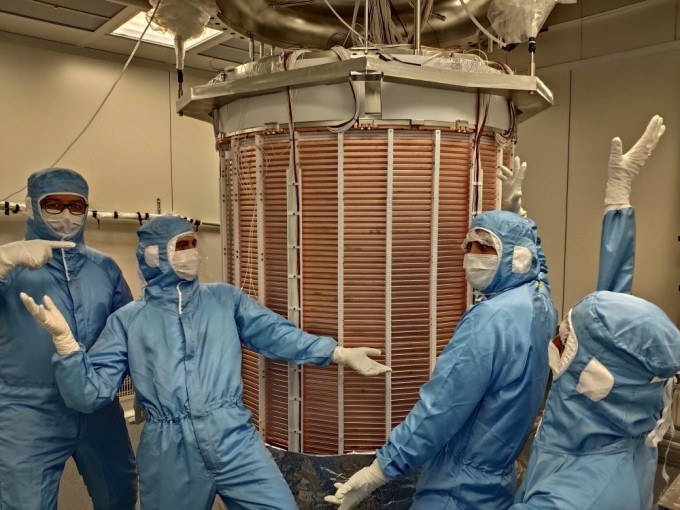
September 1 news - The XENONnT dark matter detection experiment at the Gran Sasso National Laboratory in Italy has achieved new progress. The XENON collaboration research team announced that the detector has captured low-energy solar neutrino collision signals never observed before, lowering the neutrino detection energy threshold to approximately 17 kiloelectron-volts (keV). The research team's analysis indicates that the probability of the signal being merely a statistical fluctuation is less than one in a million. Neutrinos are elementary particles with no electric charge and extremely small mass, which can be produced in processes such as nuclear fusion reactions in the solar core, supernova explosions, and nuclear fission in reactors. Due to the extremely weak interaction between neutrinos and matter, vast numbers of neutrinos can pass through the Earth, which also makes detection...
2026-09-02

Canada's Devonian Integrates HPLC-MS, NMR, and Cell-Based Potency Assays into Thykamine Quality Control Platform
Devonian Health Group Inc., a Canadian clinical-stage biopharmaceutical company, recently announced that it has completed independent validation of key analytical methods and biological quality control technologies and integrated them into the extraction and production process of Thykamine, the company's lead active pharmaceutical botanical candidate. According to the company, its quality control program includes validated high-performance liquid chromatography-mass spectrometry (HPLC-MS) chemical fingerprinting, nuclear magnetic resonance (NMR) spectroscopy, and cell-based biological potency assays based on the U937 human cell line. The relevant cell-based assays use macrophage inflammatory protein-1β (MIP-1β) as a biomarker of Thykamine's anti-inflammatory activity...
2026-09-02
Major Breakthrough in Residual Stress Research on Key Aviation Materials in China
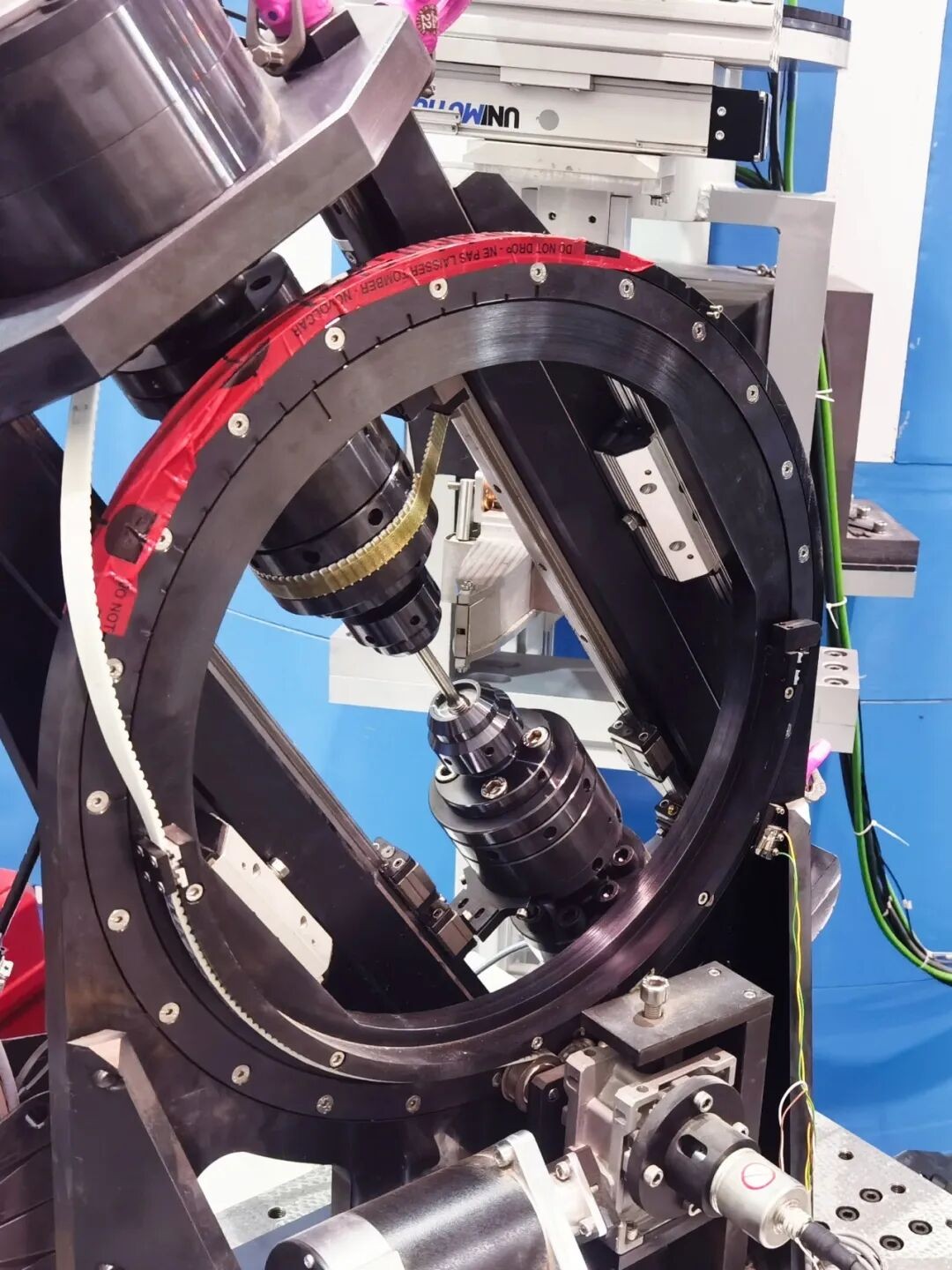
Nickel-based single-crystal superalloys are key materials for manufacturing turbine blades in aviation engines. Recently, the neutron scattering team from the Department of Nuclear Physics at the China Institute of Atomic Energy (CIAE) under CNNC, leveraging the Engineering Science Stress Spectrometer at the China Advanced Research Reactor (CARR), overcame technical challenges in residual stress measurement of single-crystal superalloys and established a precise three-dimensional residual stress testing method based on neutron diffraction. This provides an effective solution for residual stress assessment of critical aviation materials and lays a solid methodological foundation for the in-depth application of the CARR Engineering Science Stress Spectrometer in high-end manufacturing. During high-temperature heat treatment or service of nickel-based single-crystal superalloys...
2026-09-02
Dankook University Hospital Introduces Next-Generation Digital PET-CT System to Enhance Precision Diagnosis of Cancer and Other Diseases
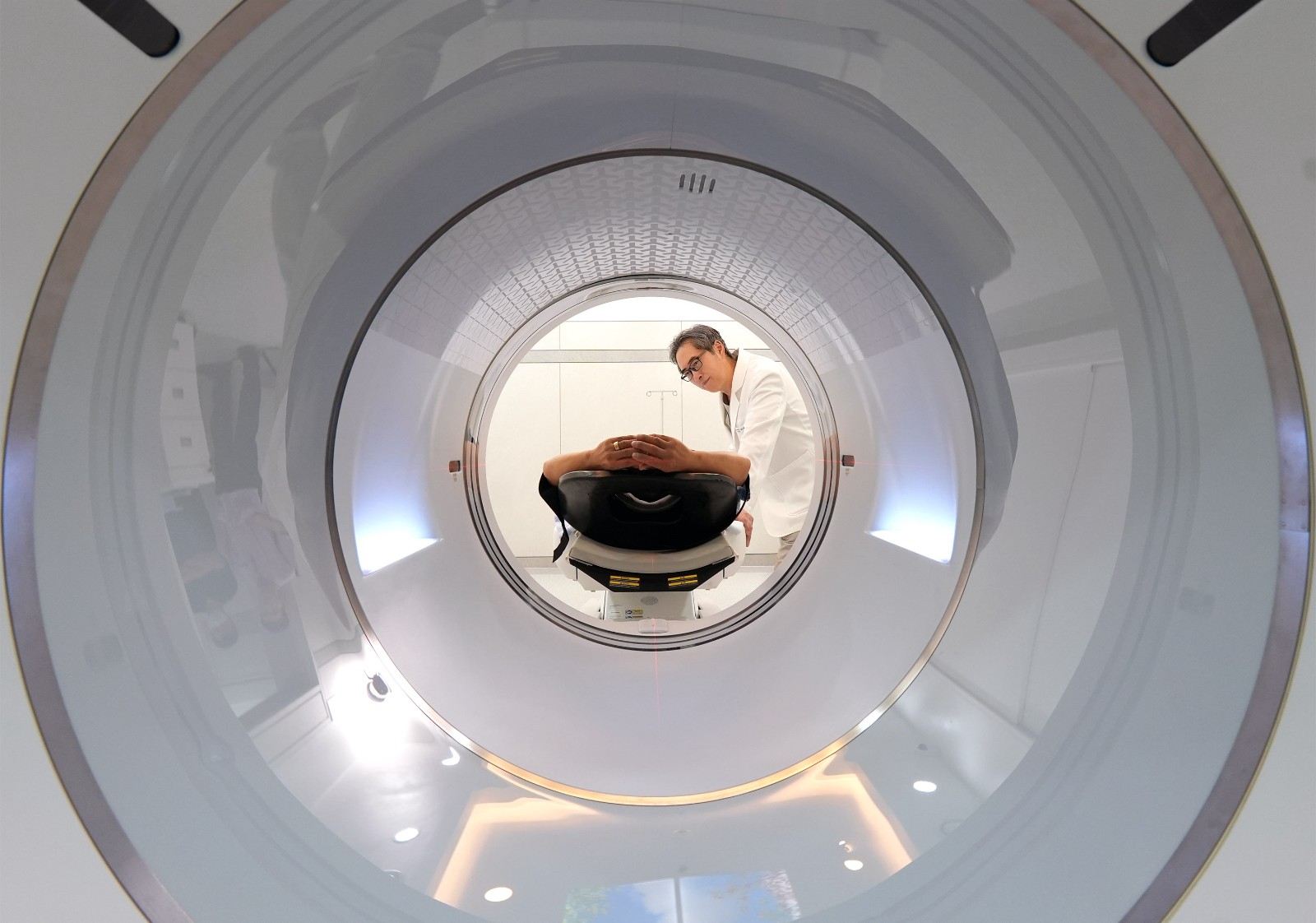
Dankook University Hospital announced on September 1 that it has introduced GE HealthCare's next-generation digital PET-CT system, the OMNI Legend 32, to enhance precision diagnostic capabilities for a wide range of diseases, including cancer, brain disorders, and cardiac conditions. PET-CT is an important nuclear medicine diagnostic imaging modality. During the examination, a radiopharmaceutical is injected into the patient, and the system observes metabolic activity through positron emission tomography (PET) while simultaneously confirming anatomical structures via computed tomography (CT), thereby providing imaging evidence for clinical diagnosis. According to the hospital, the newly introduced OMNI Legend 32 employs AI-based image reconstruction technology to visualize small lesions with greater clarity, assisting physicians in making more accurate assessments...
2026-09-01

Defence Therapeutics Expands Radiopharmaceutical R&D Program to Evaluate Alpha and Beta Emitter Applications
MONTREAL, Quebec, Canada — Biotechnology company Defence Therapeutics Inc. recently announced the expansion of its radiopharmaceutical R&D program to include α and β radioisotopes in its evaluation scope, further validating the application potential of its proprietary Accum® technology in precision oncology. Defence Therapeutics is a publicly traded biotechnology company developing next-generation oncology treatments centered on its Accum® precision drug delivery platform. The company stated that the Accum® technology is designed to facilitate the entry of drug payloads into the intracellular compartment, thereby improving delivery efficiency. This expansion of the radiopharmaceutical program...
2026-09-01
U.S. Heavy-Ion Collision Research Suggests Protons and Neutrons May Not Be Just "Three Quarks"
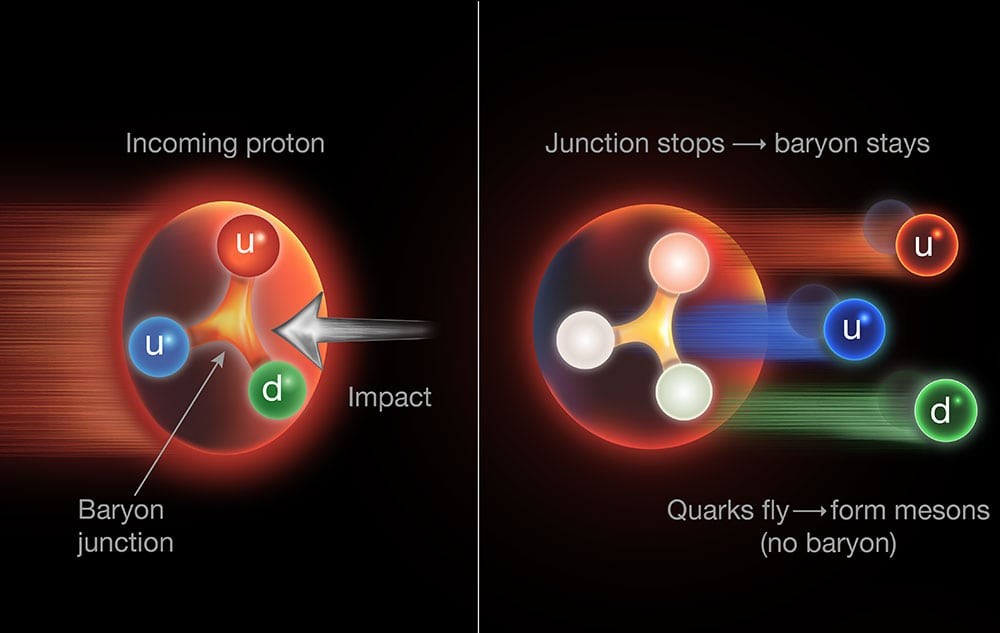
The STAR Collaboration at the Relativistic Heavy Ion Collider (RHIC) at the U.S. Department of Energy's Brookhaven National Laboratory recently proposed, based on heavy-ion collision data studies, that baryons such as protons and neutrons may not be simply composed of three valence quarks, and that their baryon number may be more closely related to "baryon junctions" in the gluon field. The findings were published in the journal *Science*. In the traditional valence quark model, each quark is assigned a baryon number of 1/3, so baryons such as protons and neutrons, composed of three quarks, carry a baryon number of +1. However, this model is not a fundamental requirement of quantum chromodynamics (QCD). As early as the 1970s, alternative explanations had been proposed in the theoretical community; in 1996, Dmitri Kharzeev proposed a model suggesting that the baryon number is not necessarily carried by the quarks themselves, but may instead be concentrated at the Y-shaped junction formed by the gluon field—the "baryon junction."
2026-08-31
Japan Atomic Energy Agency discovers magnetic "strong-weak waves" in uranium semiconductor
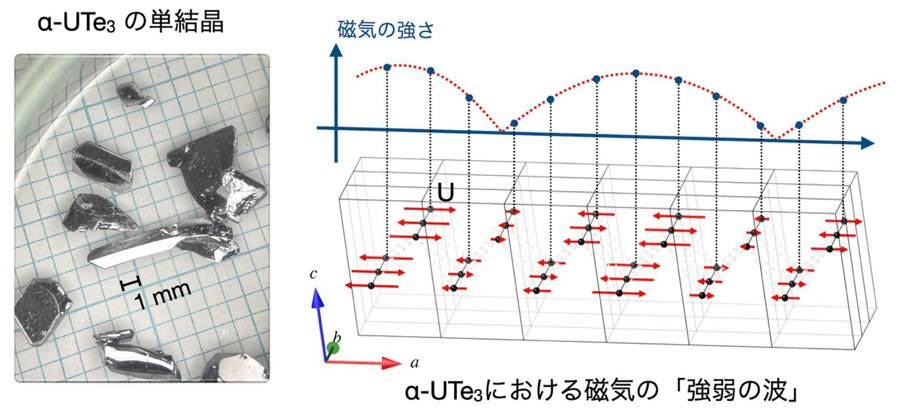
The Japan Atomic Energy Agency announced on August 21 that its research team has discovered a special magnetic structure in the layered uranium semiconductor α-UTe3 (α-uranium tritelluride): the magnetism of uranium atoms not only alternates in opposite directions, but its magnetization intensity also periodically strengthens and weakens depending on the crystal position, forming a state resembling “strong-weak waves.” α-UTe3 is composed of uranium and tellurium atoms and belongs to van der Waals layered materials, where atomic layers are stacked through weak interlayer forces. Using high-quality α-UTe3 single crystals, the research team analyzed its low-temperature magnetic structure through resistivity, specific heat, and magnetization measurements, as well as nuclear magnetic resonance and single-crystal neutron diffraction techniques...
2026-08-31