
Search Results
Keyword:EU
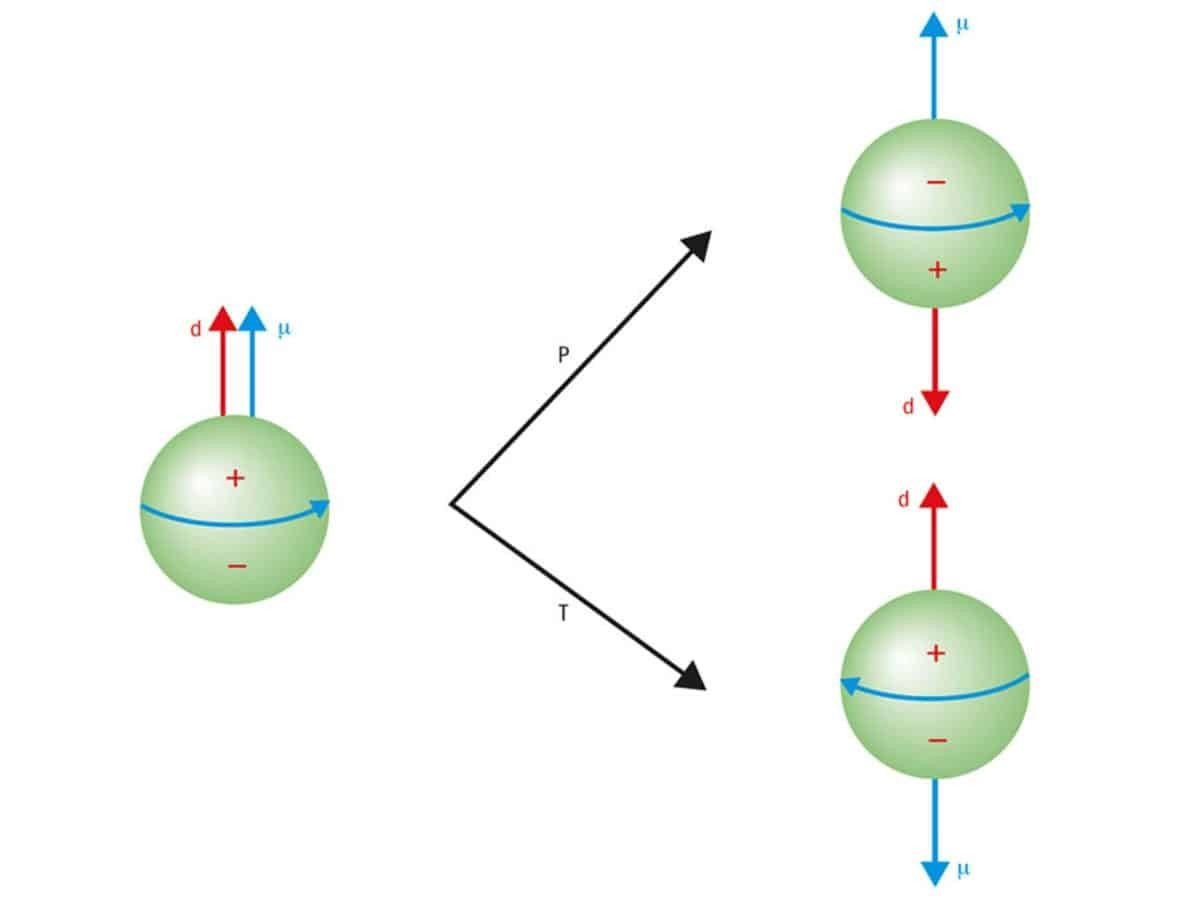
Russian Research Team Proposes New Method for Measuring Proton and Deuteron Electric Dipole Moments in a Single Storage Ring
Physicists from several Russian research institutions have proposed a new method for searching for the electric dipole moments of protons and deuterons, potentially enabling the study of both particle types in a single storage ring. The participating institutions include the Moscow Institute of Physics and Technology, the Institute for Nuclear Research of the Russian Academy of Sciences, the National Research Nuclear University MEPhI, and the Landau Institute for Theoretical Physics of the Russian Academy of Sciences. The research was published in the journal *Nuclear Science and Technology* and was supported by a grant from the Russian Science Foundation. The electric dipole moment reflects whether there is a tiny asymmetry between the internal charge distribution of a particle and its spin direction. According to Standard Model predictions, the electric dipole moments of the proton and deuteron are nonzero but extremely small, on the order of 10...
2026-08-31
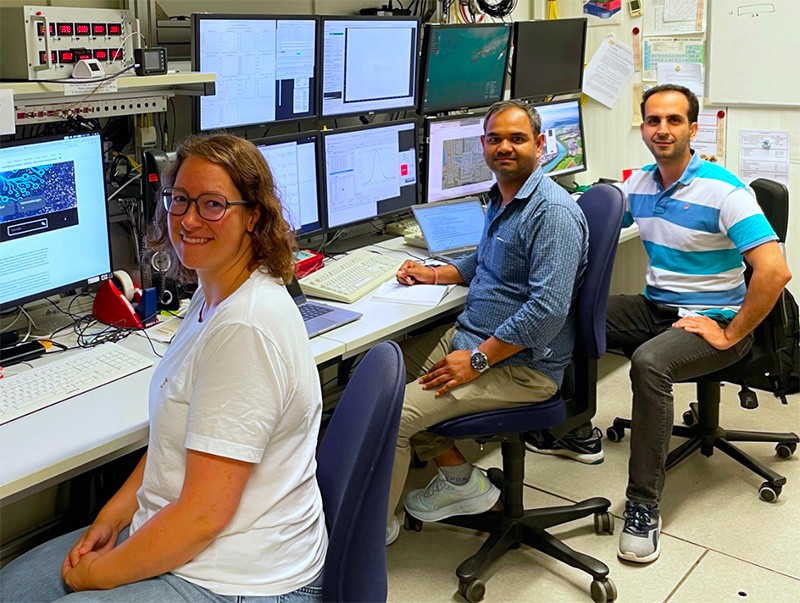
German Photon and Neutron Research Data Alliance Receives €8.3 Million in Second-Phase Funding
The German National Research Data Infrastructure consortium for photon and neutron experimental data (DAPHNE4NFDI) will enter its second funding phase, receiving initial funding of €8.3 million, with the funding period running until the end of 2028. Since 2021, the consortium has been working to improve the management of research data from photon and neutron experiments, making the data easier to find, access, and reuse over the long term. DAPHNE4NFDI is one of the disciplinary consortia under the German National Research Data Infrastructure (NFDI), with members including the German Electron Synchrotron (DESY), Kiel University (CAU), and other universities and research institutions. The funding decision is based on a recommendation from the German Research Foundation (DFG). Since January 2026...
2026-08-31

Korea's Eugene MS Wins KRW 11.4 Billion Order for ITER Core Components
Korea's Eugene MS announced on August 31 that it has signed a contract with the Korea Institute of Fusion Energy (KFE) to produce and supply the second batch of vacuum vessel port sealing flanges for the International Thermonuclear Experimental Reactor (ITER). The contract is valued at approximately KRW 11.4 billion, equivalent to about 44% of Eugene MS's 2025 revenue of KRW 25.9 billion. The contract period runs through December 2030. Under the arrangement, the sealing flanges will be delivered to the ITER Organization in three batches, with final inspection and related procedures scheduled for completion by June 30, 2031. The ITER vacuum vessel port sealing flanges consist of large fasteners and other components...
2026-08-31

Hungary Plans Additional ~EUR 300 Million in Funding for Paks II Nuclear Power Plant
The Hungarian government plans to allocate an additional HUF 111.6 billion, equivalent to approximately EUR 305.5 million, to the Paks II nuclear power plant project. The funds have been included in the draft amendment to the 2026 budget, which is expected to be submitted to the Hungarian Parliament for review. According to the budget document, financial support for the Paks II project through the end of 2026 will increase from HUF 95 billion to HUF 206.6 billion, approximately EUR 565.5 million. Based on relevant calculations, over the past 12 years, the Hungarian government has directly allocated HUF 628.7 billion, exceeding EUR 1.7 billion, to the project; with the inclusion of this budget arrangement, cumulative financial support will exceed EUR 2.2 billion. The Paks II nuclear power plant involves the participation of Russia's State Atomic Energy Corporation (Rosatom)...
2026-08-31
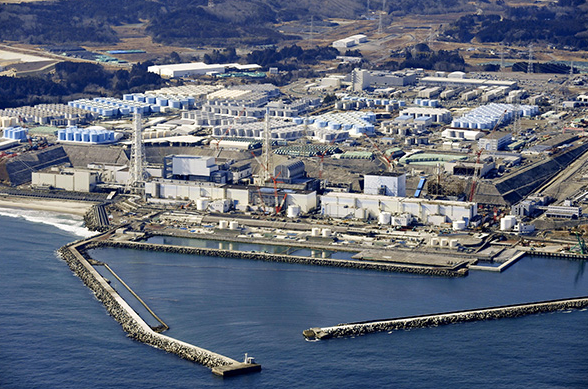
Decontaminated soil from Fukushima used in flower beds at Saitama municipal government building
Decontaminated soil generated after the Fukushima Daiichi Nuclear Power Station accident was transported on August 30 to a government building in Saitama City, Japan, and used in a reuse project for on-site flower beds. The work took place at the Saitama Shintoshin Joint Government Building in Chuo Ward, Saitama City. Approximately one cubic meter of decontaminated soil was brought to the site, where workers dug holes in the flower beds, filled the soil to a depth of about 20 centimeters, and then covered it with approximately 20 centimeters of ordinary soil. Similar decontaminated soil reuse work was carried out on August 29 at the Sendai Joint Government Building in Miyagi Prefecture. Apart from demonstration projects within Fukushima Prefecture, this is the second reuse case conducted outside the Tokyo area. On the day of the work, approximately...
2026-08-31
Russia Advances Construction of Fourth-Generation Nuclear Power Projects
Rosatom reports that it is one of the global leaders in the implementation of fourth-generation nuclear energy systems. According to the report, fourth-generation nuclear technologies are designed to minimize the risk of nuclear power accidents and reduce radioactive waste generation through a closed nuclear fuel cycle. As part of the relevant deployment, an innovative power unit featuring the BREST-OD-300 lead-cooled fast neutron reactor is under construction in Seversk, Tomsk Oblast, Russia. The project is regarded as a key component of Russia's efforts to advance the engineering application of fourth-generation nuclear power technologies. The report indicates that in 2025, the installation of the metal cladding for the central cavity of the BREST-OD-300 reactor was completed at the Seversk site, and the cladding for the surrounding cavities has also been installed in the designed positions. Meanwhile, the analytical simulator for the power unit has been put into operation.
2026-08-29
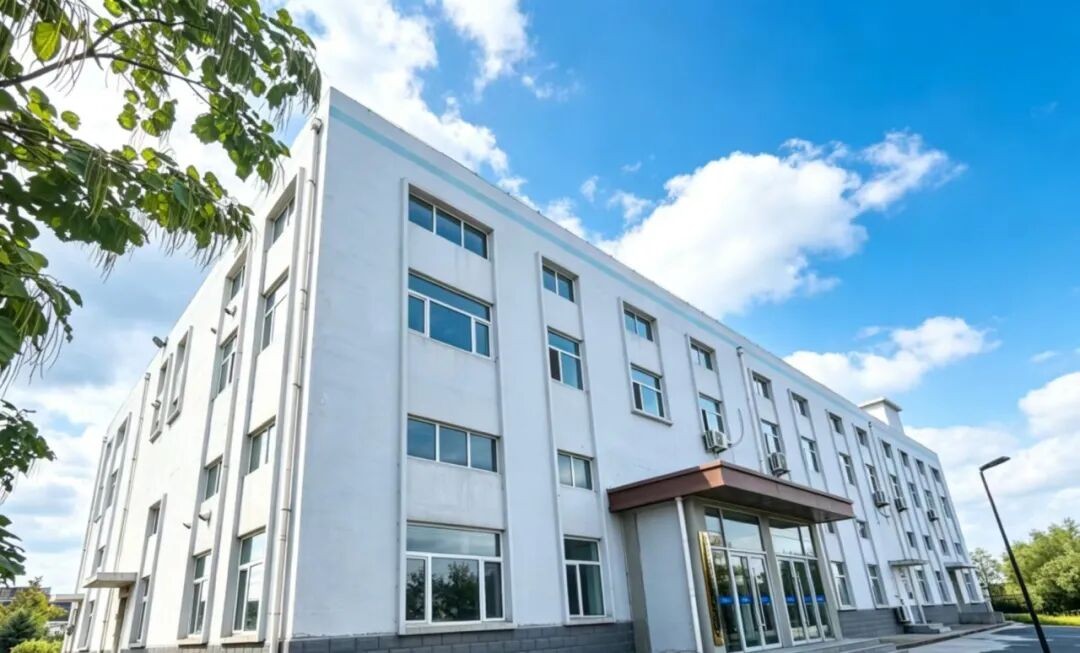
CNNC Changchun Nuclear Medicine Base Obtains Production License
On August 28, the Jilin Provincial Drug Administration approved and issued the "Radiopharmaceutical Production License" to Changchun Atomic Hi-Tech Pharmaceutical Co., Ltd. (hereinafter referred to as "Changchun Hi-Tech"), a subsidiary of Atomic Hi-Tech under China Isotope & Radiation Corporation (CIRC). The acquisition of this license marks that Changchun Hi-Tech is now fully qualified for the production of technetium-labeled drugs. Radiopharmaceuticals are characterized by short half-lives, high transportation requirements, and strict time sensitivity. Long-distance transportation not only increases transportation and time costs but also poses greater challenges to the stability and timeliness of clinical medication. With the production qualification, Changchun Hi-Tech will be able to complete the production and distribution of technetium-labeled drugs locally in Jilin Province, which will help improve the clinical use of nuclear medicine in the Northeast region...
2026-08-29
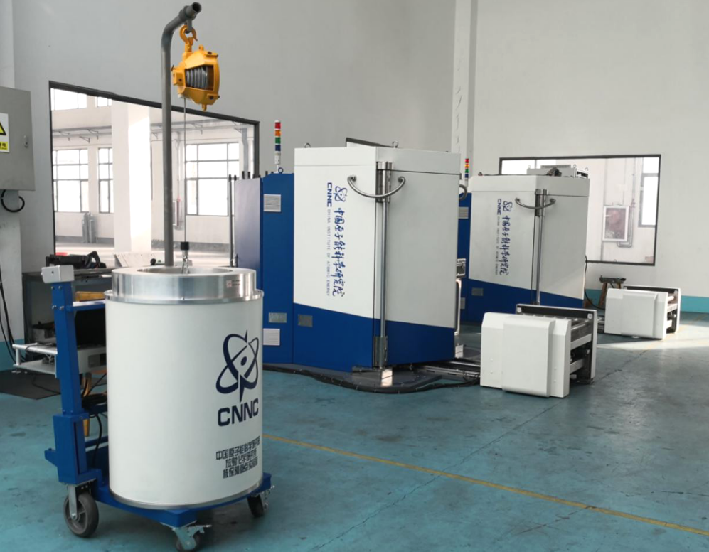
CIAE Neutron Measurement Patent for Nuclear Waste Wins China Patent Excellence Award
On August 28, the results of the 26th China Patent Award, the highest government honor in China's intellectual property field, were announced. The invention patent for the calibration method of a neutron measurement device for drummed nuclear waste, completed by Zhu Liqun, Senior Engineer, and Xu Xiaoming, Associate Researcher, from the Department of Radiochemistry at the China Institute of Atomic Energy (CIAE), won the China Patent Excellence Award. Since 2020, CIAE has won the China Patent Award for six consecutive sessions, securing a total of 11 awards including 2 gold and 1 silver medals, further demonstrating the institute's formidable strength in technological innovation and intellectual property. The calibration method invention patent for the neutron measurement device for drummed nuclear waste has achieved multiple world firsts...
2026-08-29

U.S. Fusion Company Advances Deuterium-Helium-3 Fusion Testing
American Fusion Inc. on August 27 announced progress in ongoing testing of the Texatron Fusion Engine and released computational and experimental observations regarding the device's ability to achieve deuterium-helium-3 (D-³He) fusion conditions. The company stated that the test program is evaluating two Texatron configurations at approximately 500 kilowatts and 5 megawatts, with the core technical approach being proprietary pulsed magnetic compression. Texatron's R&D focus is on utilizing short-duration, high-intensity electromagnetic pulses to compress and heat plasma in extremely short timeframes, simultaneously creating the conditions required for fusion, including high temperature, high pressure, high density, and a certain confinement time. American Fusion Inc...
2026-08-28
Russian Thorium-Based Radiopharmaceuticals Expected Within 1-2 Years
On August 27, Igor Korobko, Professor of the Russian Academy of Sciences and Director of the Department of Medical and Scientific Development in Healthcare of the Russian Ministry of Health, stated at the Technoprom Forum held in Novosibirsk that thorium-based drugs for precision radionuclide therapy of tumors are expected to become available in Russia within the next 1 to 2 years. Korobko noted that tumor treatment still requires support from more available isotopes. For example, when patients develop resistance to actinium-related therapies, clinical practice necessitates the use of different isotopes for treatment. He stated that Russia is advancing the development of related therapies domestically and expects to have thorium-based drugs within the next year or two. Currently, actinium-225 is considered one of the more promising radionuclides...
2026-08-28
Russia Advances Radiopharmaceutical Development, Plans to Expand into Diagnostics and Treatment of Heart Disease and Other Conditions
Rosatom is developing radiopharmaceuticals for the diagnosis and treatment of neurodegenerative diseases, heart disease, and rheumatic conditions, further expanding the application of radionuclide technology in medicine. During the 13th International Technology Development Forum Technoprom-2026 held in Novosibirsk, Sergei Surov, Director of the Department of Radionuclide Products and Nuclear Medicine at Rosatom's Science Division, stated that the company is advancing the development of these drugs. Radiopharmaceuticals typically contain radioactive isotopes, i.e., radionuclides, and are currently used in medicine primarily for the diagnosis and treatment of various cancers. Surov noted that the new development directions mean...
2026-08-28

Russia and Egypt Plan to Cooperate on Construction of Nuclear Medicine Center and Radiopharmaceutical Plant
Alexey Likhachev, CEO of Rosatom, recently stated that Russia and Egypt are expanding cooperation in non-energy nuclear technologies, with one of Egypt's key priorities being the construction of a high-performance nuclear medicine center based on a research reactor. According to reports, the project will adopt a comprehensive approach, including a radiopharmaceutical production plant, isotope production facilities, and modern diagnostic systems based on PET and SPECT technologies. Some diagnostic systems will use Russian equipment. Once completed, the project is expected to conduct up to 30,000 diagnostic examinations annually and provide treatment services for 400 patients. Construction of the medical facility is expected to begin as early as 2027...
2026-08-28
Bristol Myers Squibb to Invest $173 Million in New Radiopharmaceutical Plant in Indiana, USA
Bristol Myers Squibb's RayzeBio will build a new radiopharmaceutical production facility in Whitestown, Indiana, USA, with an investment of $173 million. The project will be located at the Anson Industrial Park in Boone County, with construction planned to begin this year, complementing RayzeBio's existing operational radiopharmaceutical plant in Indianapolis. According to information released by the state of Indiana, the new facility will cover approximately 225,000 square feet. Bristol Myers Squibb expects the two production sites to add 100 new positions by the end of 2029, with annual salaries for new positions expected to exceed $130,000. Bristol Myers Squibb acquired San Diego-based RayzeBio in 2023 for $4.1 billion...
2026-08-28
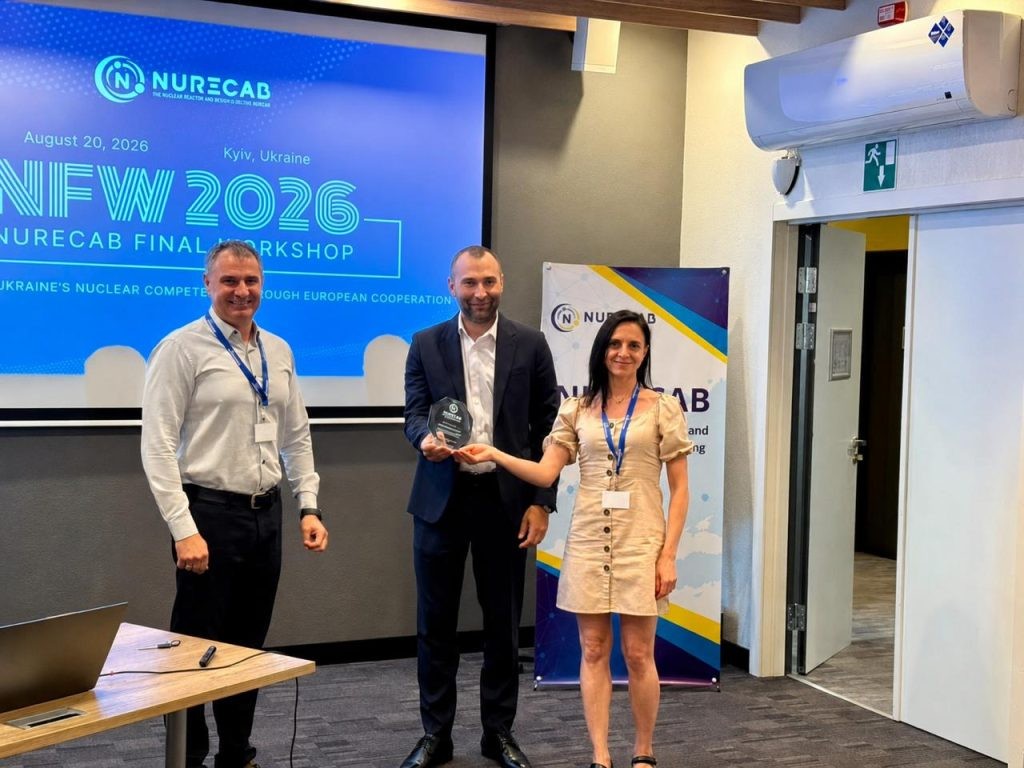
Ukraine's Nurecab Nuclear Capacity Building Project Completes First Implementation Cycle
On August 20, 2026, the final seminar of the international project Nurecab (Nuclear Capacity Building in Ukraine through European Cooperation) was held in Kyiv. The project is funded by the European Union through the Euratom Research and Training Programme and is incorporated into the Horizon Europe framework. The seminar was held in a hybrid format, with a total of 76 experts, researchers, educators, and representatives of national institutions participating, of whom 26 attended in person in Kyiv and 50 joined via video link. The meeting showcased the project's implementation results and facilitated discussions on nuclear energy education in Ukraine, the development of nuclear science, and...
2026-08-27

Europe Advances Space Nuclear Power Research, Targeting Lunar and Mars Missions
The European Space Agency (ESA) is accelerating its assessment of nuclear energy applications in deep-space missions, focusing on using small nuclear reactors to power spacecraft electric propulsion systems, as well as providing stable energy for future fixed lunar surface facilities and subsequent Mars missions. Existing space missions primarily rely on chemical fuels and solar panels. The former is limited by the amount of propellant that can be carried, while the latter suffers from declining power generation efficiency as spacecraft move farther from the Sun. ESA believes that nuclear power systems could compensate for the shortcomings of both approaches, particularly in long-duration lunar operations and deeper space exploration. ESA completed a nuclear thermal propulsion study last year. In March this year, the agency...
2026-08-27