
Search Results
Keyword:El
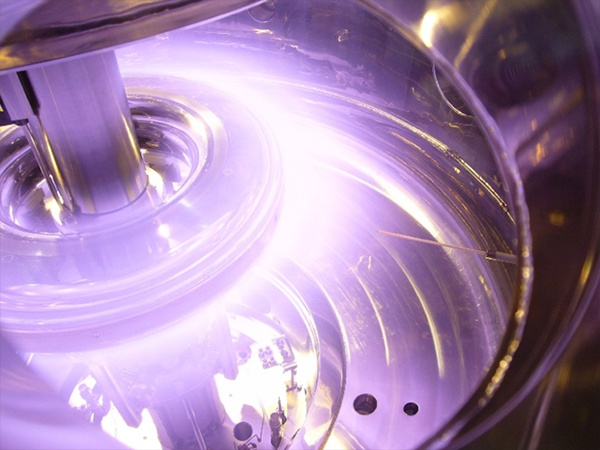
Japanese research team experimentally demonstrates that fusion plasma fluctuations can drive inward particle transport
August 3, 2026, a research team from The University of Tokyo and the National Institute for Fusion Science (NIFS) under the National Institutes of Natural Sciences announced that researchers have directly observed in experiments that low-frequency electric field fluctuations in high-temperature plasma confined by a dipole magnetic field can transport particles to the central region of the plasma. Plasma produced by the levitated dipole experiment device RT-1 (Ring Trap 1) Overall view of the RT-1 device (Kashiwa Campus, The University of Tokyo) The study was conducted using the levitated dipole experiment device Ring Trap 1 (RT-1) at The University of Tokyo. RT-...
2026-08-03
Ratio Therapeutics Completes $70 Million Series C Financing to Advance Clinical Development of Ac-225 Targeted Radiopharmaceuticals
Ratio Therapeutics, Inc., a U.S. clinical-stage pharmaceutical company, recently announced the completion of a $70 million Series C financing round. The company stated that following this round, its cumulative total financing has exceeded $240 million. According to the announcement, this round saw participation from existing investors Duquesne Family Office and Bristol Myers Squibb, while also bringing in new investors such as Catalio Capital Management, Eli Lilly and Company, and Wasatch Group. Ratio Therapeutics stated that the proceeds will be used to advance the clinical development of its targeted radiotherapeutic product pipeline and expand manufacturing infrastructure. The company plans to continue advancing the ATLAS study, which is evaluating its lead radiotherapeutic agent [Ac-2...
2026-08-03

Wang Min, Deputy Director of the China International Nuclear Fusion Energy Program Execution Center, Led a Delegation to Thailand and Malaysia to Attend China-Thailand and China-Malaysia Bilateral Science and Technology Cooperation Consultations on Nuclear Fusion
To fully implement the spirit of China's Belt and Road Initiative, implement the Memorandum of Understanding between China and Thailand on jointly strengthening nuclear fusion exchange and cooperation, and advance research and development cooperation in the field of nuclear fusion between China and Thailand and between China and Malaysia, the China-Thailand and China-Malaysia bilateral science and technology cooperation consultations on nuclear fusion were held in Bangkok and Kuala Lumpur respectively from July 27 to 30. Wang Min, Deputy Director of the Nuclear Fusion Center, led a delegation to attend the meetings. At the China-Thailand consultation, the two sides engaged in in-depth discussions on their respective national fusion research and development progress, how to implement the newly signed Memorandum of Understanding on jointly strengthening nuclear fusion exchange and cooperation, and matters such as jointly conducting fusion physics experimental research, personnel exchange visits, and talent cultivation based on the TT-1 tokamak device donated by China.
2026-08-03
National Standard Compiled by CNNC Mining and Metallurgy Technology Successfully Released
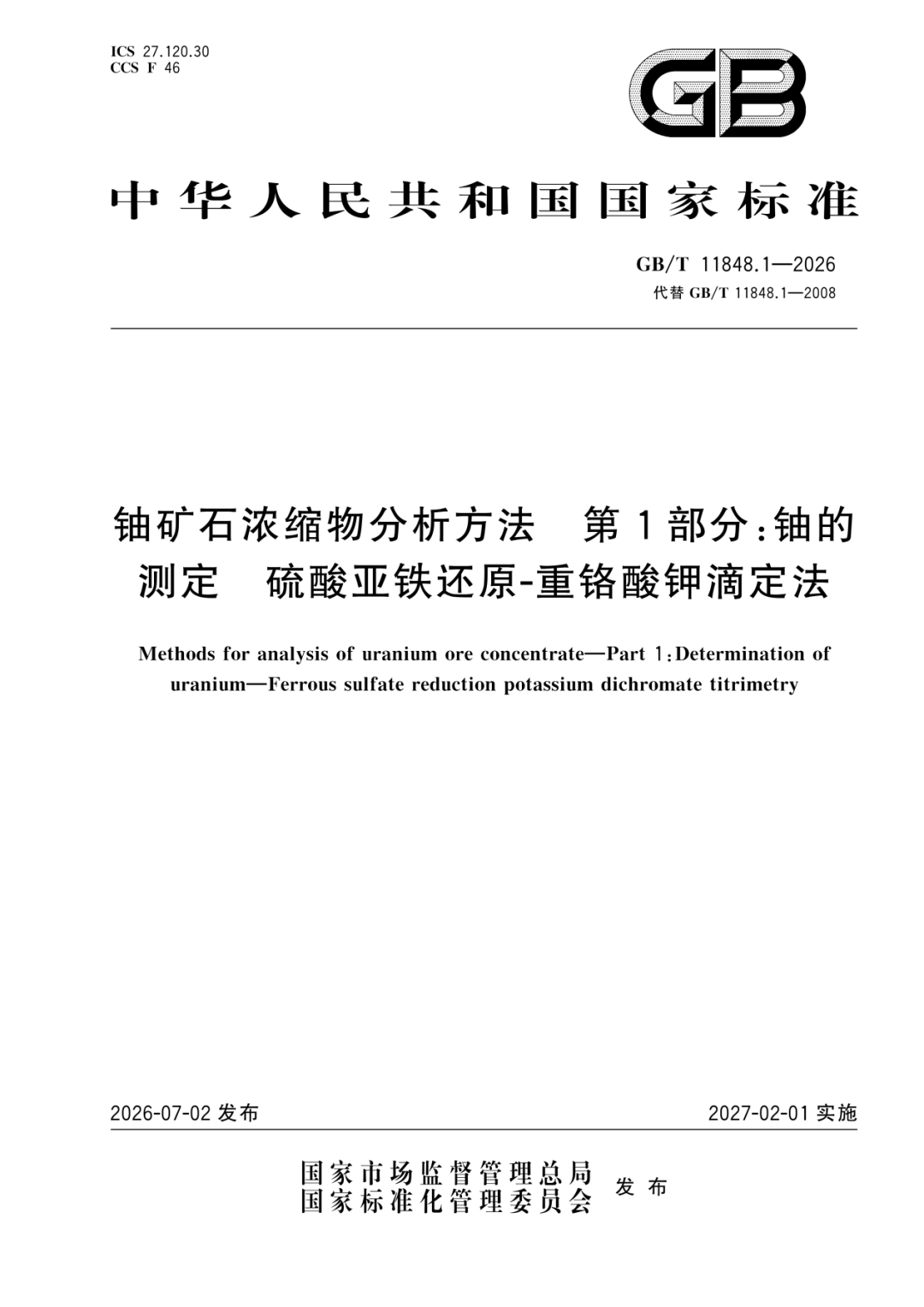
Recently, the national standard "Methods of Analysis of Uranium Ore Concentrate - Part 1: Determination of Uranium - Ferrous Sulfate Reduction - Potassium Dichromate Titration Method" (GB/T 11848.1-2026), compiled by CNNC Mining and Metallurgy Technology Group Co., Ltd. (Beijing Research Institute of Chemical Engineering and Metallurgy, CNNC), was officially released. With this, all 15 national standard methods for "Methods of Analysis of Uranium Ore Concentrate" (GB/T 11848.2-11848.16, implemented in May 2026) led by our company have been fully released. Uranium ore concentrate is an important intermediate product in the nuclear fuel cycle, with its core value lying in the uranium it contains. The determination of uranium content is a crucial link throughout the entire industrial chain from ore to nuclear fuel. This is not merely a simple compositional analysis, but a core step in ensuring economic benefits, product compliance, process safety, and conformity with international regulations. The control of impurity elements plays an important role in the uranium purification and conversion process. The determination of impurity elements is primarily aimed at meeting product control and quality assurance requirements, ensuring downstream process safety, and supporting nuclear safeguards and forensic traceability. The new series of analytical methods is better adapted to modern production processes and detection techniques.
2026-08-03

Montpellier, France, tests control of tiger mosquitoes by releasing 200,000 X-ray-sterilized males weekly
Montpellier, France, is testing a mosquito control strategy that does not rely on chemical insecticides by releasing X-ray-sterilized sterile male tiger mosquitoes, in response to the spread of tiger mosquitoes and the associated disease transmission risks. The trial has been underway since 2025 in the Malbosc residential area of Montpellier. This area is suitable for tiger mosquito breeding, and the trial team releases sterile male tiger mosquitoes at approximately 30 release points twice a week, about 100,000 per release, equivalent to roughly 200,000 per week across an area of about 50 hectares. The method is based on the sterile insect technique. Since only female mosquitoes bite and suck blood and may transmit viruses, and females typically mate only once in their lifetime, researchers release male mosquitoes that have lost their reproductive capacity after X-ray treatment into the wild to mate with wild females. The eggs subsequently laid by females fail to fertilize normally, thereby reducing the next generation of mosquito populations.
2026-08-03
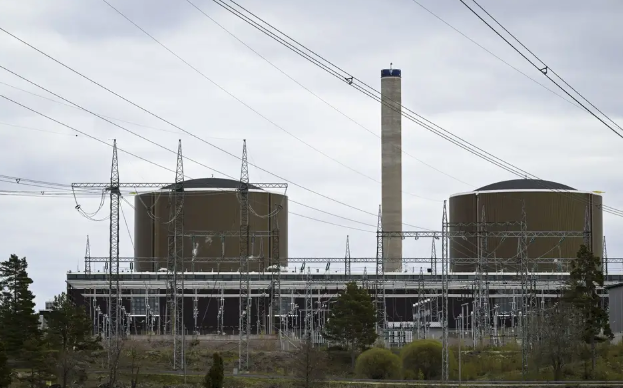
Annual maintenance outage begins at Finland's Loviisa nuclear power plant, spanning August 2 to October 18
The annual maintenance of Finland's Loviisa nuclear power plant began on August 2. Energy company Fortum stated that this annual maintenance will be carried out from August 2 to October 18. During the maintenance period, several modernization projects related to extending the plant's service life will also be launched. The maintenance will first be carried out on Unit 2, followed by Unit 1. Fortum stated that while one unit is under maintenance, the other unit will continue normal power generation. The maintenance of Unit 2 is a large-scale annual inspection conducted once every eight years, which includes removing fuel from the reactor for inspection and pressure testing of the reactor vessel, as well as replacing...
2026-08-03
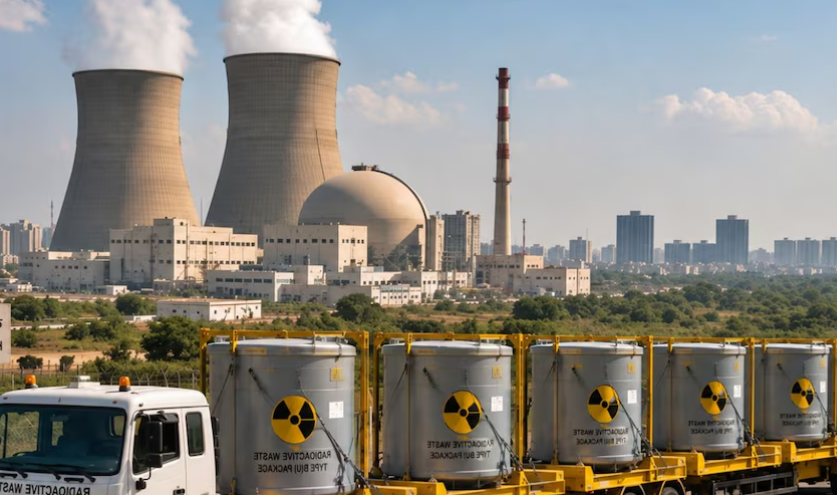
Behind India's Nuclear Power Expansion: Where Does Radioactive Waste Go? Government Details Management Process in Parliament for First Time
India is rapidly advancing its nuclear power expansion, but the safe disposal of radioactive waste is the least-publicized challenge. The government has for the first time detailed in Parliament how it handles hazardous waste. In a written reply, the Department of Atomic Energy disclosed that all nuclear power plants in India generate an average of 0.15 cubic meters (approximately 150 liters) of solid radioactive waste per megawatt (MW) of capacity annually, including waste from operational and decommissioning phases, equivalent to about 1.5 household bathtubs in volume; radioactive waste quantities and disposal records are regularly reported to the Atomic Energy Regulatory Board (AERB). The operation and maintenance of nuclear power plants generate various types of radioactive waste, including spent filter cartridges, protective clothing, tools, equipment, and other items that come into contact with radioactive materials. Waste is categorized into gaseous...
2026-08-03
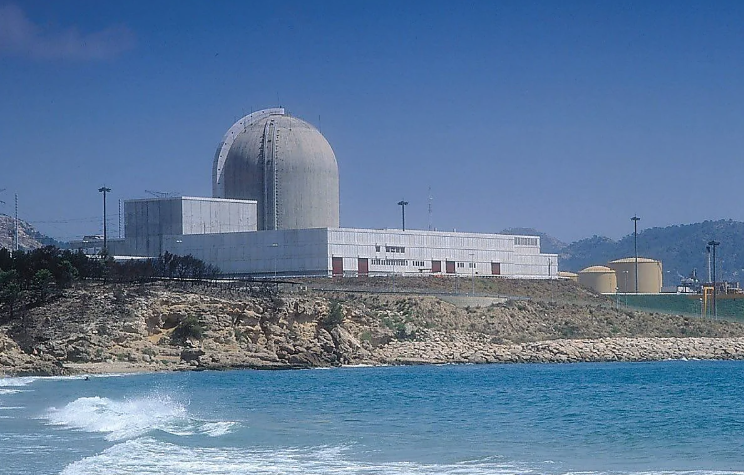
Spain's two major nuclear power holders, Iberdrola and Endesa, paid approximately €360 million in taxes and fees for nuclear power in the first half of the year
Spain's two major nuclear power holders disclosed to the CNMV: Iberdrola's expenditure on the "production tax on spent fuel and radioactive waste derived from power generation" in the first half of 2026 was €52 million (compared to €56 million in the same period last year), plus €117 million in Enresa radioactive waste management fees (levied based on each unit's monthly gross nuclear generation) (compared to €118 million in the same period last year), totaling €169 million. Endesa paid €56 million in nuclear tax items during the same period (up €3 million year-on-year), and €135 million in radioactive waste treatment fees (up €7 million year-on-year). Due to its controlling stake in Catalan nuclear units, it also paid €76 million in the Catalan environmental tax, totaling €267 million; the two companies' combined nuclear-related taxes and fees for the first half of the year amounted to approximately €336 million (text...
2026-08-03
First Experimental Result Published from the High-Intensity Heavy-Ion Accelerator Facility
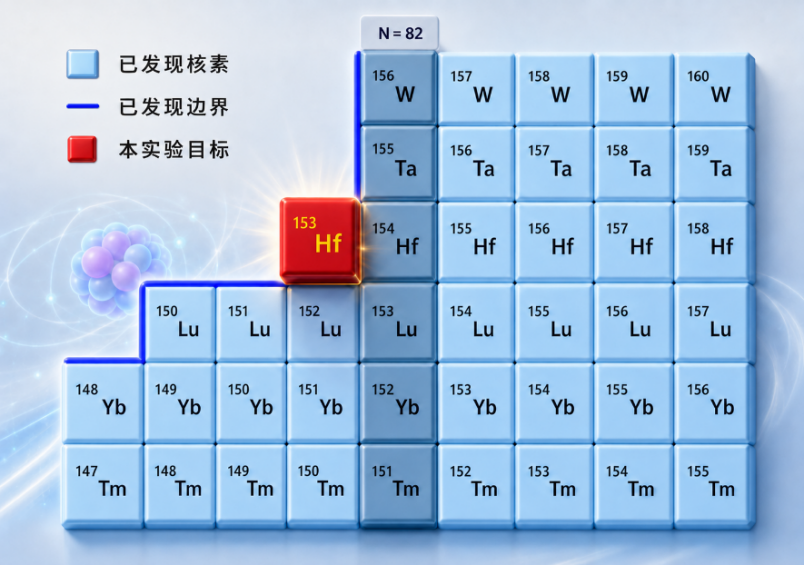
Recently, the research team from the Institute of Modern Physics (IMP) of the Chinese Academy of Sciences, together with collaborators, successfully produced and identified the rare isotope hafnium-153 using the High-Intensity Heavy-Ion Accelerator Facility (HIAF). This is the first physics result obtained during the commissioning of HIAF, demonstrating that China's new-generation high-intensity heavy-ion research facility is capable of exploring unknown nuclides and expanding the nuclear chart. It marks the official commencement of HIAF's scientific discovery journey. The result was published as a short communication in *Science Bulletin*. Figure: Position of hafnium-153 on the nuclear chart; the blue line indicates the boundary of known nuclides. Image | Hu Houyu, Li Hongfu. Atomic nuclei are composed of protons and neutrons, and different combinations of proton and neutron numbers form the diverse world of nuclides. Exploring unknown nuclides and investigating the boundaries of nuclear existence are important frontiers in nuclear physics. Hafnium-153 is located in the neutron-deficient heavy-mass region and is an important subject for studying the evolution of nuclear structure and the limits of nuclear stability. It had not been reported prior to this experiment. The discovery and precise measurement of this nuclide will help test nuclear theory models and deepen our understanding of nuclear structure regularities.
2026-08-03

Busan Gijang Southeast Radiation Medical Science Industrial Complex Simultaneously Advances Proton and Heavy Ion Therapy Centers
Within the Southeast Atomic Energy Medical Institute (Southeast Atomic Energy Medical Institute) in Gijang-gun, Busan, the proton therapy center and heavy ion therapy center projects are being advanced simultaneously, expected to form an integrated cancer treatment hub, alleviate medical concentration in the capital region, and attract patients from other regions and overseas. Busan's first proton accelerator project can also be used for industrial purposes, benefiting regional high-tech industries and investment attraction. According to Busan City and the Busan Institute of Science and Technology Advancement (BISTEP) on August 2, the Southeast Proton Therapy Center construction project will officially break ground in the second half of this year; BISTEP recently completed a commissioned study on the establishment strategy and implementation plan for the Southeast Proton Therapy Center (executed by the Southeast Atomic Energy Medical Institute) (Southeast...
2026-08-03
The Institute of High Energy Physics of the Chinese Academy of Sciences Successfully Held the Fourth "1+1" Youth Forum on Nuclear and Particle Physics — Frontier Technologies Empowering Nuclear Medicine Diagnosis and Treatment
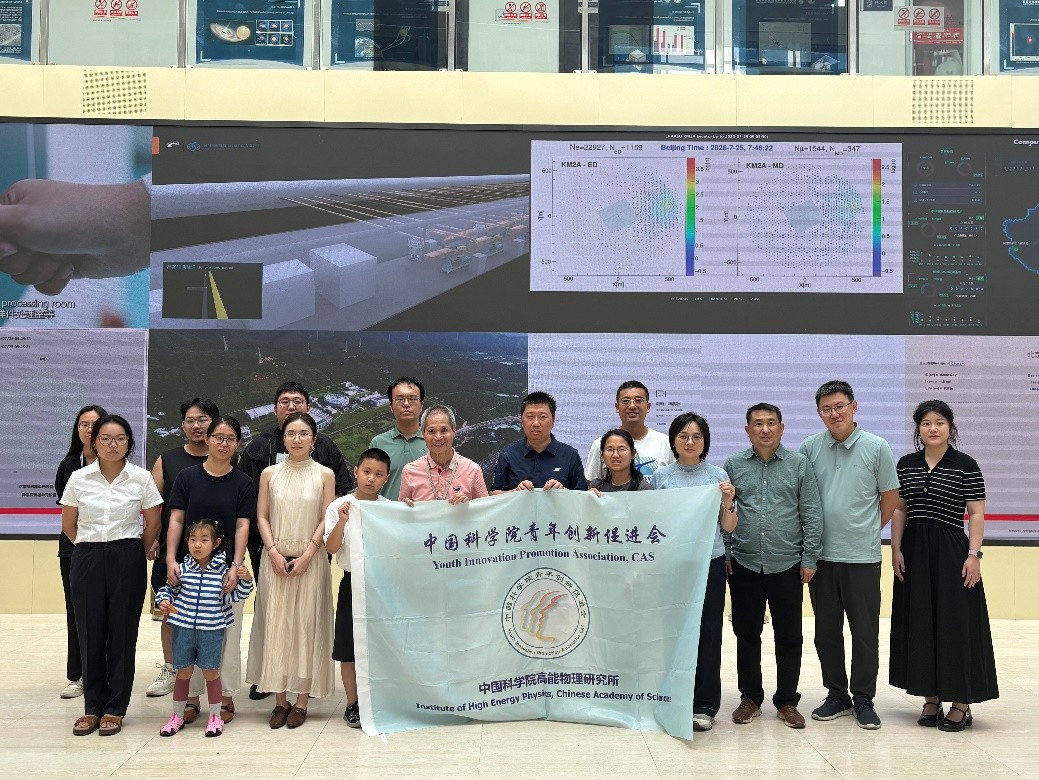
On July 25, 2026, the fourth "1+1" Youth Forum on Nuclear and Particle Physics (hereinafter referred to as the "1+1 Forum") was successfully held at the Institute of High Energy Physics of the Chinese Academy of Sciences (hereinafter referred to as IHEP). Themed "Frontier Technologies Empowering Nuclear Medicine Diagnosis and Treatment," the forum was organized by the Youth Working Committee of the Beijing Nuclear Society and the IHEP Group of the Youth Innovation Promotion Association of the Chinese Academy of Sciences, co-organized by the Institute of High Energy Physics of the Chinese Academy of Sciences and the School of Nuclear Science and Technology of the University of Chinese Academy of Sciences, and hosted by the R&D Center for Nuclear Technology (Nuclear Detection and Nuclear Imaging) of the China Atomic Energy Authority and the Beijing Engineering Research Center for Radiation Imaging Technology and Equipment. The 1+1 Forum has always adhered to the principle of organically combining demand with technology, academia with science popularization...
2026-08-03
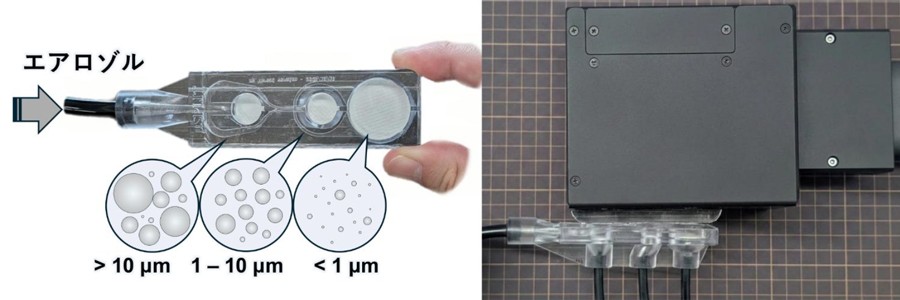
JAEA Develops 3D-Printed Disposable Aerosol Particle Size Classification Device
On July 30, 2026, the Japan Atomic Energy Agency announced the development of a palm-sized, 3D-printed disposable device named µSPLIT (micro splitter) that can separate airborne particles by particle size on-site and collect them onto filters for subsequent or direct measurement. The disposable classification and measurement device µSPLIT (left) separates aerosols by particle size through controlled intake flow rate, with particles collected on filters. (Right) The main unit can be directly connected to a radiation detector via a thin film. According to reports, µSPLIT measures approximately 12 cm × 3 cm × 3 cm and is integrally molded from transparent resin using stereolithography 3D printing technology...
2026-08-03
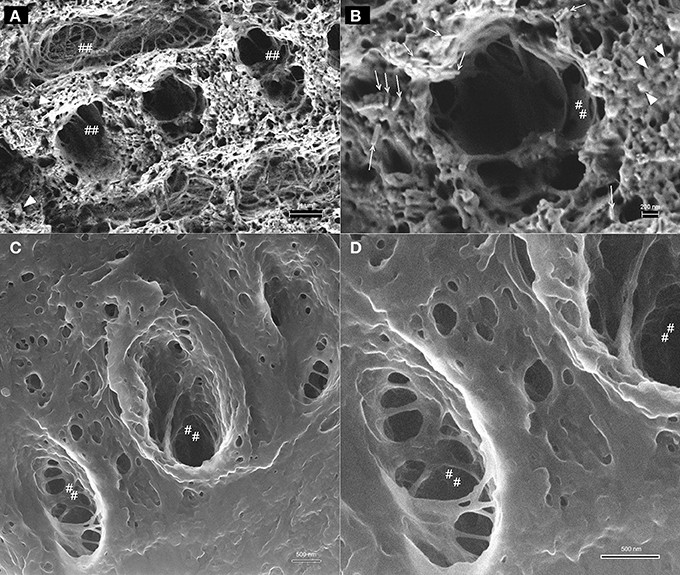
Russian research team reveals submicroscopic pore structure of chernozem using ion beam scanning electron microscopy
Researchers at the Moscow Institute of Physics and Technology and their collaborators have recently used focused ion beam scanning electron microscopy (FIB-SEM) to perform detailed characterization of the microstructure of chernozem soil samples. The study shows that this technique can identify pores smaller than 1 micron, pore morphology, and specific organic components in soil, providing a new observational tool for understanding the mechanisms of chernozem fertility formation and maintenance. The research was supported by a grant from the Russian Science Foundation and published in the 17th series "Soil Science" of the Moscow University Bulletin. Soil science research typically requires extending from the field scale to the microscopic scale. Computed tomography (CT) has been widely used to...
2026-08-03
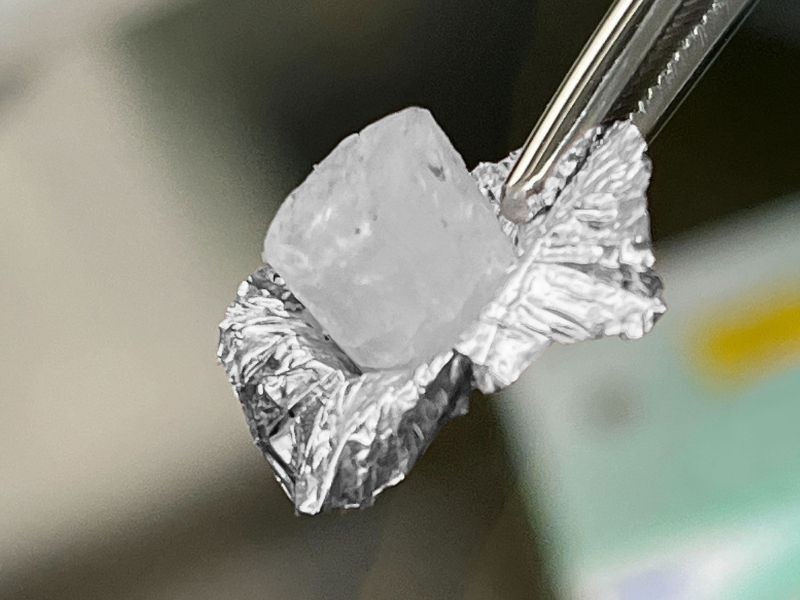
Kairos Power Advances Flibe Molten Salt Applications to Support KP-FHR High-Temperature Reactor Development
Kairos Power announced on July 29 that its Fluoride Salt-Cooled High-Temperature Reactor (KP-FHR) will be among the early adopters of a fluoride salt coolant. This coolant, commonly referred to as Flibe, is composed of lithium fluoride (LiF) and beryllium fluoride (BeF₂). In the 1960s, Oak Ridge National Laboratory used this material as a coolant in the Molten Salt Reactor Experiment. According to Kairos Power, Flibe has a high specific heat capacity, enabling it to effectively absorb and transfer heat generated in the reactor core. Compared with some sodium-cooled or helium-cooled reactor systems, fluoride salt offers certain advantages in heat transport...
2026-08-03

Utah Finalist for DOE Nuclear Fuel Cycle Site, with Great Salt Lake Rescue as Bargaining Chip
Utah is seeking an agreement with the U.S. Department of Energy (DOE), hoping to secure federal nuclear hub status while also gaining assistance in addressing the Great Salt Lake crisis. Governor Spencer Cox and U.S. Energy Secretary Chris Wright signed a memorandum agreeing to collaborate on realizing the full value of the nuclear fuel cycle. However, this agreement does not mean Utah has decided to build the nuclear hub, and the state will decline if it is deemed unsafe or disadvantageous. Currently, Utah is one of five states competing for the federal Nuclear Lifecycle Innovation Park, which aims to consolidate all aspects of the nuclear fuel cycle in one location, including fuel fabrication, enrichment,...
2026-08-03