
Search Results
Keyword:El
Russia Plans to Complete Development of First Domestic Proton Beam Therapy Cyclotron by 2027
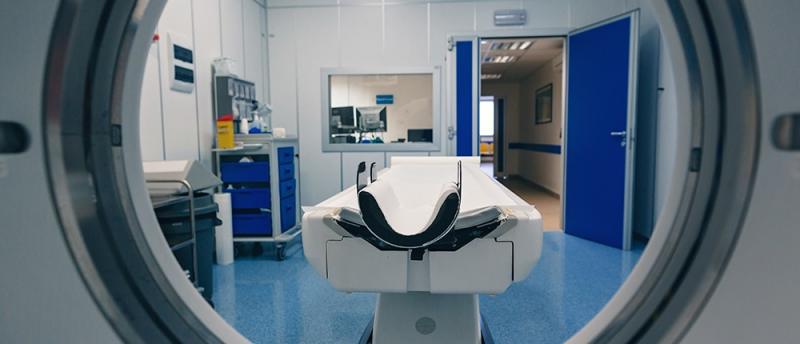
Russian scientists plan to complete the development of the country's first domestically produced proton beam therapy cyclotron by 2027, with commissioning to begin in the same year. This progress was announced by Sergey Gertzog, CEO of the Russian National Institute of Electronics and Atomic Energy (NIIEFA), at the recent Technoprom forum held in Novosibirsk. A proton beam therapy cyclotron is a type of charged particle accelerator that uses magnetic and electric fields to accelerate protons to high-energy states, reaching speeds of one-half to two-thirds the speed of light. The accelerated proton beam can target cancerous tumor areas with relative precision for oncological treatment. According to the schedule outlined in Gertzog's report...
2026-08-28
Russia Advances Radiopharmaceutical Development, Plans to Expand into Diagnostics and Treatment of Heart Disease and Other Conditions
Rosatom is developing radiopharmaceuticals for the diagnosis and treatment of neurodegenerative diseases, heart disease, and rheumatic conditions, further expanding the application of radionuclide technology in medicine. During the 13th International Technology Development Forum Technoprom-2026 held in Novosibirsk, Sergei Surov, Director of the Department of Radionuclide Products and Nuclear Medicine at Rosatom's Science Division, stated that the company is advancing the development of these drugs. Radiopharmaceuticals typically contain radioactive isotopes, i.e., radionuclides, and are currently used in medicine primarily for the diagnosis and treatment of various cancers. Surov noted that the new development directions mean...
2026-08-28
Finland's Onkalo Spent Fuel Disposal Facility Starts Drilling of First Disposal Hole
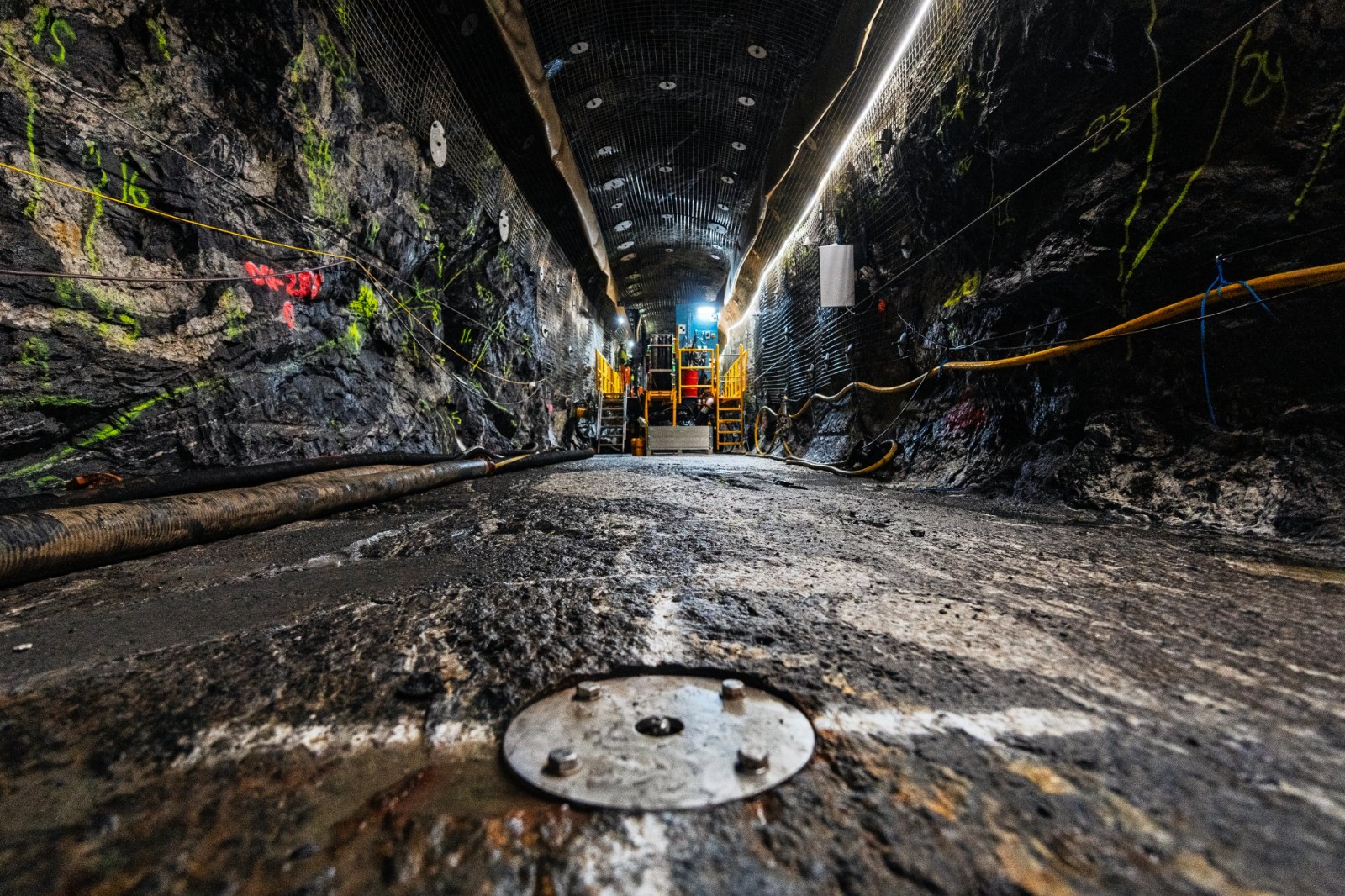
On the afternoon of August 26, 2026, Finland's Onkalo spent fuel final disposal facility commenced drilling of its first disposal hole deep in the bedrock at Olkiluoto. Posiva stated that the drilling operation is being carried out at a depth of more than 400 meters underground, with the drill bit beginning to cut into the approximately 1.9-billion-year-old Olkiluoto bedrock. Kimmo Lehtola, Posiva's Operations Construction Manager, explained that a kick-off meeting had been held the day before the operation, focusing on reviewing safety matters, technical specifications, and the detailed drilling plan. On the morning and early afternoon of the drilling day, the team completed final adjustments to the equipment, after which the drilling rig began its work. He noted that the team had previously completed...
2026-08-28
Welding of main circulation pipeline completed for Unit 2 of Turkey's Akkuyu NPP
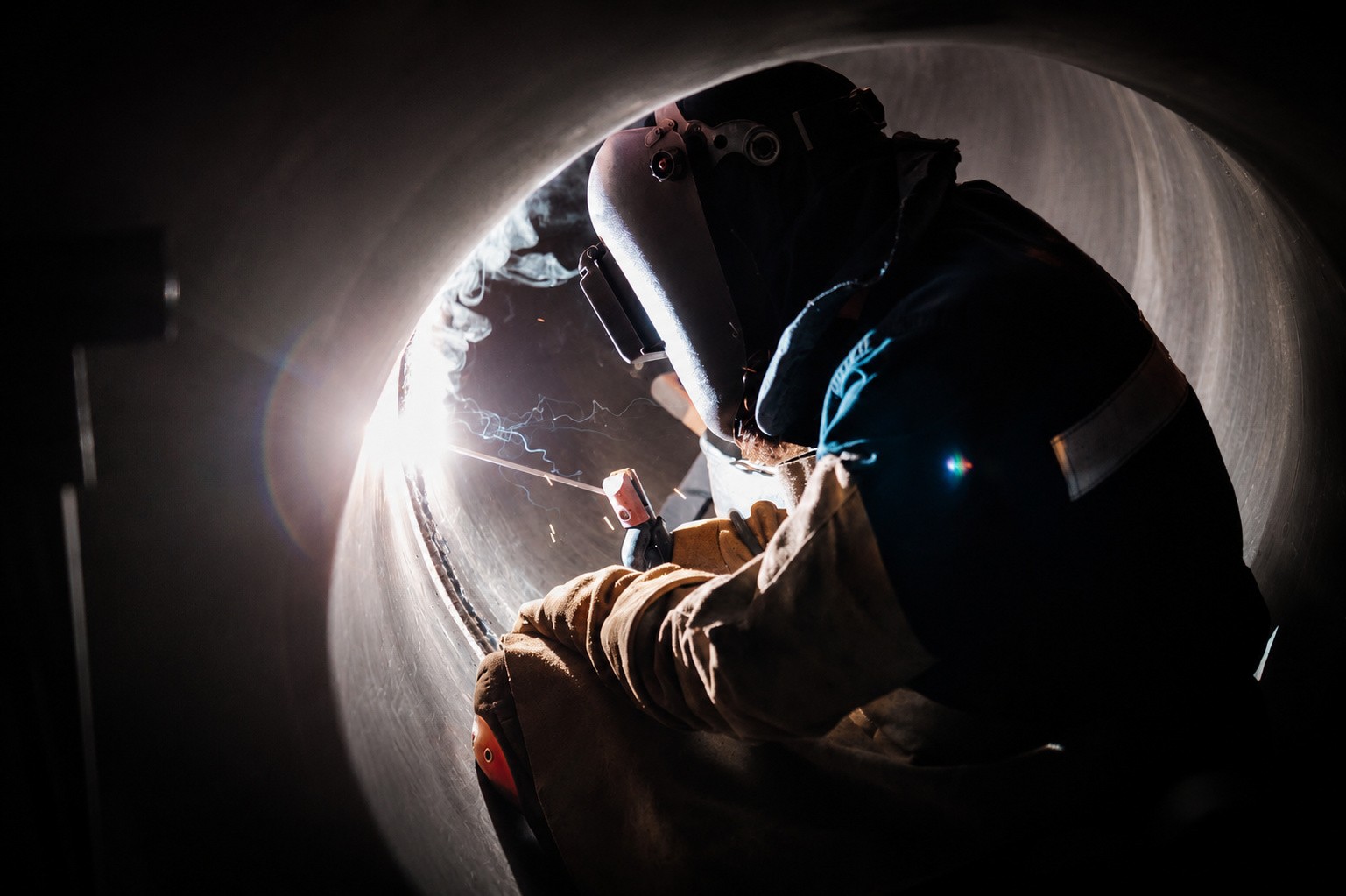
On August 27, welding of the main circulation pipeline was completed for Unit 2 of Turkey's Akkuyu Nuclear Power Plant. The pipeline connects the reactor, steam generators, and main circulation pumps, and is one of the key components forming the primary circuit system of the reactor facility. The welding work lasted 73 days and involved welding 32 pipe joints. Engineering technicians, welders, fitters, pipe cutters, non-destructive testing personnel, heat treatment personnel, and quality inspection personnel participated in the relevant operations. During construction, each process step proceeded according to the established technological workflow, and welded joints had to pass inspection before moving to the next stage. According to reports, all welded joints underwent high-temperature heat treatment to relieve internal stress in the metal and ensure compliance with design performance requirements.
2026-08-28
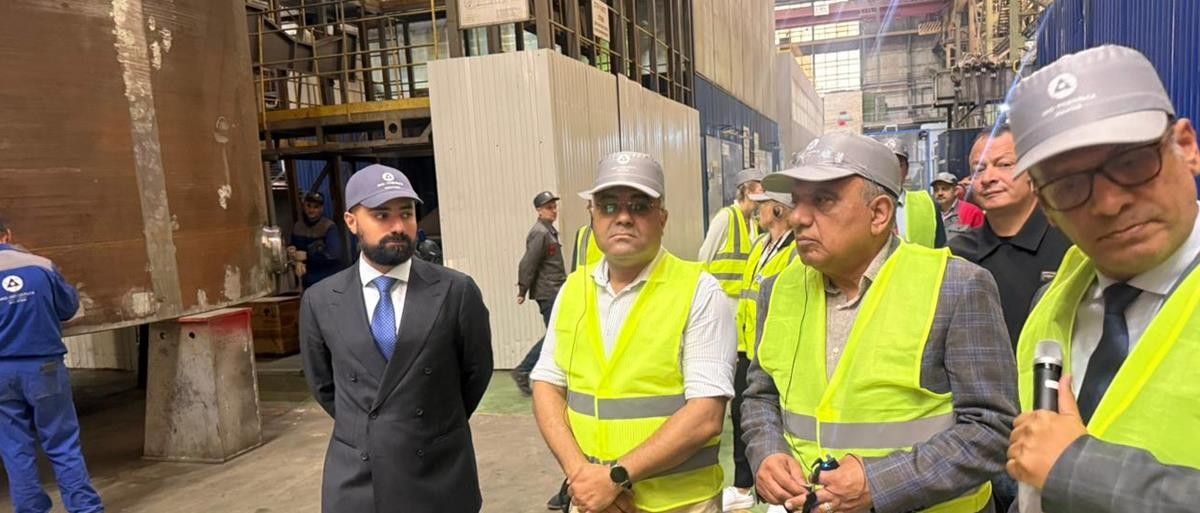
Egyptian Minister of Electricity Inspects Small Modular Reactor Technology in Russia
On August 27, 2026, Egyptian Minister of Electricity and Renewable Energy Mahmoud Esmat visited a small nuclear reactor manufacturing and assembly plant operated by Rosatom during an official visit to Russia. The inspection focused on the latest advancements in small modular reactor-related technologies, industrial application status, and potential cooperation opportunities between the two sides. The Egyptian side stated that such visits align with the country's direction of diversifying energy sources and enhancing the security and sustainability of electricity supply. During the visit, Esmat was briefed on the manufacturing and assembly processes of small reactor components, as well as related safety systems...
2026-08-28
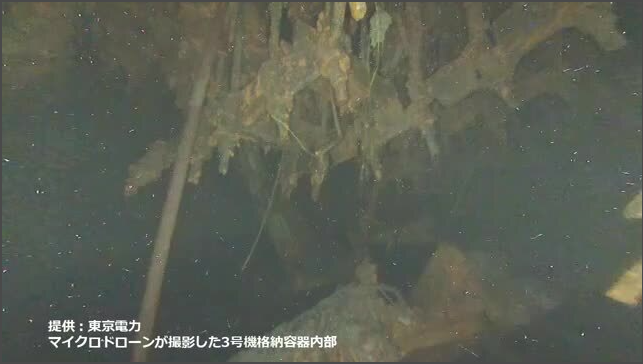
Hole of about 3 meters confirmed at bottom of reactor pressure vessel of Unit 3 at Fukushima Daiichi Nuclear Power Station
Tokyo Electric Power Company (TEPCO) announced on August 27 that a hole approximately 3 meters in diameter has been confirmed at the bottom of the reactor pressure vessel of Unit 3 at the Fukushima Daiichi Nuclear Power Station. The pressure vessel is a steel container that held nuclear fuel before the accident, with a cylindrical shape and a diameter of about 5.5 meters. This is the first time since the core meltdown accident at Units 1 to 3 of the Fukushima Daiichi Nuclear Power Station in 2011 that the specific size and shape of such a hole have been confirmed on the pressure vessel. The hole is believed to be related to the falling of melted nuclear fuel during the 2011 accident. After the accident, the containment vessel of Unit 3 has maintained a relatively high water level for an extended period, and access routes into the containment vessel are limited. TEPCO previously used a micro drone measuring approximately 12 centimeters per side...
2026-08-28

Fukui Prefecture in Japan Aims to Promote Local Utilization of Nuclear Power
On the 27th, Fukui Prefecture in Japan held a co-creation meeting to exchange views on development measures for areas hosting nuclear power plants. The meeting confirmed a new policy aimed at promoting the local use of electricity generated by nuclear plants to drive related industrial development, including attracting large-scale data centers and other high-power-consuming businesses. Fukui Prefecture has held co-creation meetings for the past five consecutive years, with participants including the Fukui Prefectural Government, local governments in areas within the prefecture hosting nuclear plants, Japan's central government, and representatives of electric power companies. The meeting focused on how to combine the stable power supply and carbon-dioxide-free operation of nuclear plants with regional industrial revitalization...
2026-08-28

Japan to Build Fusion Tritium Fuel Research Base in Aomori Prefecture
Japan's Ministry of Education, Culture, Sports, Science and Technology (MEXT) has decided to establish a new fusion power generation research base in Aomori Prefecture, focusing on tritium fuel handling technology. The base will target the development needs of fusion demonstration projects in the 2030s, promoting joint research and development among industry, government, and academia. MEXT plans to include approximately 100 billion yen in fusion development-related funding in its budget request for the next fiscal year. Fusion power generation releases energy through the fusion reaction of deuterium and tritium nuclei, a principle similar to the energy generation process inside the sun. Unlike traditional nuclear power that relies on nuclear fission chain reactions, fusion reactions carry a lower risk of runaway, leading many countries to view it as an important direction for future energy technology...
2026-08-28
Antares and Standard Nuclear Sign Multi-Year TRISO Fuel Supply Agreement
Antares Nuclear, Inc. of the United States recently announced that it has signed a binding multi-year fuel supply agreement with Standard Nuclear to secure advanced nuclear fuel supply for its compact microreactor program. Under the agreement, Standard Nuclear will supply up to 8 metric tons of uranium (MTU) of tristructural isotropic particle fuel, or TRISO fuel, to Antares Nuclear by 2035. This fuel will be used in the microreactor currently being developed by Antares. Designed for demanding operating environments such as ground-based and space applications, this class of reactors aims to provide reliable power for national defense, aerospace, and off-grid critical infrastructure...
2026-08-28
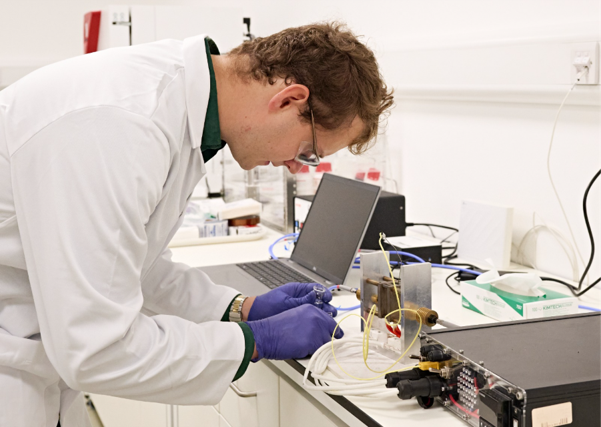
Cambridge AtomWorks Opens New Laboratory at Granta Park to Develop ODIN Microreactor
Cambridge AtomWorks announced on August 27 that its new light industrial facility and laboratory at Granta Park in Cambridge, UK, has officially entered service. The site, leased from TWI (The Welding Institute), will be used to advance research and development work related to the ODIN microreactor. According to the company, the new laboratory has already begun conducting experiments closely linked to ODIN microreactor development, including studies on coolant properties and behavior. The research team is using an STA-MS system to characterize material properties related to fuel performance, which enables simultaneous thermogravimetric analysis, heat flow analysis, and mass spectrometry. The new facility will also be used for reactor flow...
2026-08-28
U.S. Marathon Fusion Demonstrates Hydrogen and Lithium Isotope Enrichment Technology
U.S.-based Marathon Fusion announced on August 27 that it has successfully demonstrated hydrogen and lithium isotope enrichment technology using its proprietary plasma centrifuge. The company stated that this advancement addresses the fuel cycle needs of fusion energy and related isotope supply requirements. In the deuterium-tritium fusion pathway, hydrogen isotope processing is critical to the continuous operation of fusion devices, while lithium isotope enrichment is closely tied to tritium production. The U.S. Department of Energy (DOE) released its "Fusion Science and Technology Roadmap" in June of this year, which identifies tritium processing as one of the core challenges, noting that related progress is essential for achieving sustained deuterium-tritium fusion operation and validating fusion as a large-scale energy form...
2026-08-28
Boric Acid Leakage During Spent Fuel Transfer Preparation at South Korea's Hanul Nuclear Power Plant
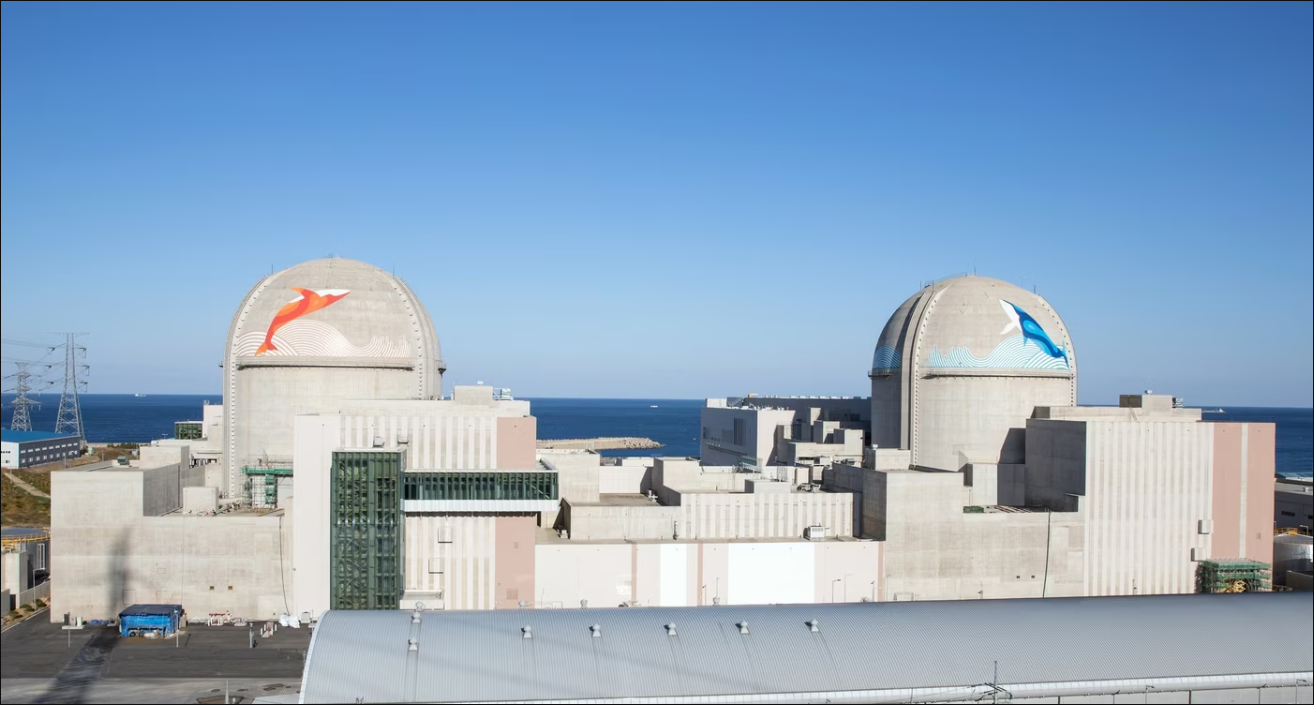
Hanul Nuclear Power Plant in Uljin County, North Gyeongsang Province, South Korea, recently disclosed that at 10:16 a.m. on the 3rd, a boric acid solution leakage incident occurred in the auxiliary building of Unit 2 at Shin Hanul Nuclear Power Plant. The incident happened while workers were preparing to transfer spent fuel from a transport container in the spent fuel loading pool to the spent fuel storage pool, and the preliminary cause has been attributed to improper on-site operations. Boric acid solution is used in spent fuel storage-related operations. As the solution is associated with the spent fuel storage environment, it carries radioactive management attributes. Hanul Nuclear Power Plant stated that leakage containment measures were immediately taken after the leak occurred, and the leaked material was collected in the decontamination area and recovered to the controlled area...
2026-08-28
CNNC Fuyuan (Beijing) Technology Co., Ltd. officially established, focusing on accelerator and radiation technology equipment
On August 26, 2026, CNNC Fuyuan (Beijing) Technology Co., Ltd. (abbreviated as: CNNC Fuyuan) was officially established. CNNC Fuyuan is a joint venture between China Isotope & Radiation Corporation (CIRC) and CNNC Atomic Energy Institute Technology Co., Ltd., with nuclear technology equipment as its core business and radiation technology empowering industrial upgrading. Leveraging the Atomic Energy Institute's profound accumulation in accelerator technology over more than 70 years, as well as CIRC's market-oriented industrialization capabilities, the company builds a deeply integrated industry closed loop encompassing research, education, application, and utilization, strengthening and complementing the nuclear technology equipment industry chain. Looking ahead, CNNC Fuyuan will adhere to the dual-drive approach of independent innovation and achievement transformation, starting with accelerators, breaking through the boundaries of single products, and extending toward full-spectrum radiation technology,...
2026-08-28
Fangchenggang Nuclear Power Station Unit 2 Completes First Ten-Year Overhaul
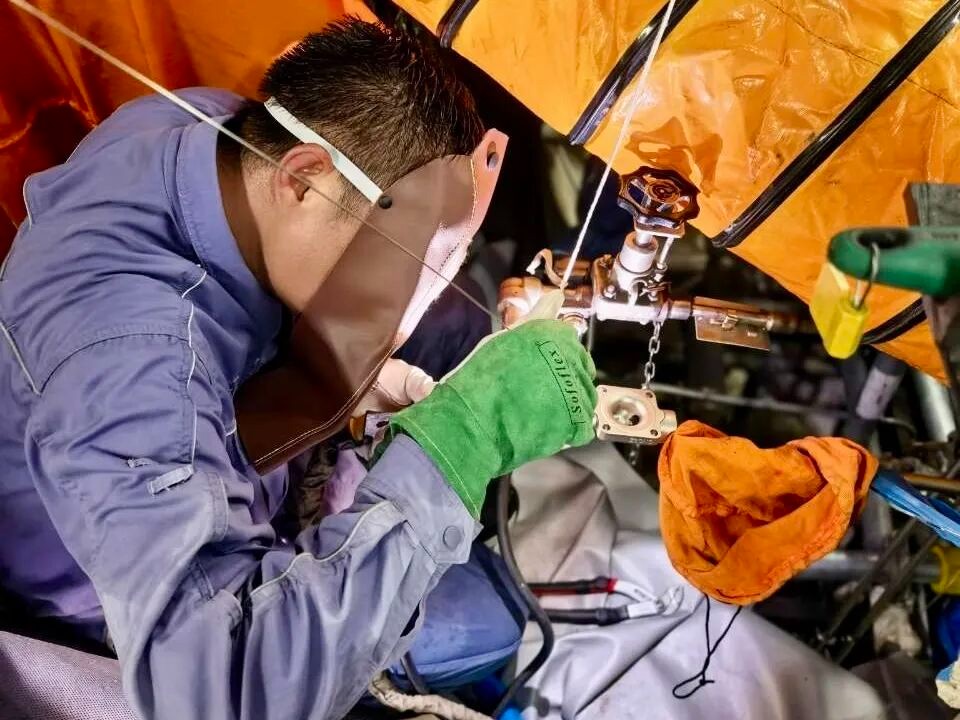
On the morning of August 25, Unit 2 of CGNPC Fangchenggang Nuclear Power Station successfully synchronized to the grid on its first attempt following the 7th overhaul, marking the completion of the F207 overhaul undertaken by CGNPC Service Maintenance Company. This overhaul was the first ten-year overhaul since Unit 2 was put into commercial operation. The maintenance process achieved the goal of "no indicator events in safety, quality, and schedule," and made breakthroughs in charging pump maintenance and nuclear-grade socket welding operations. During this overhaul, the nuclear-grade socket welding project was implemented on-site for the first time. To ensure work quality, the maintenance team completed preparatory work in advance, including welding procedure qualification certification, skill qualification process card review and submission, test piece welding, and non-destructive testing, all of which passed acceptance.
2026-08-28
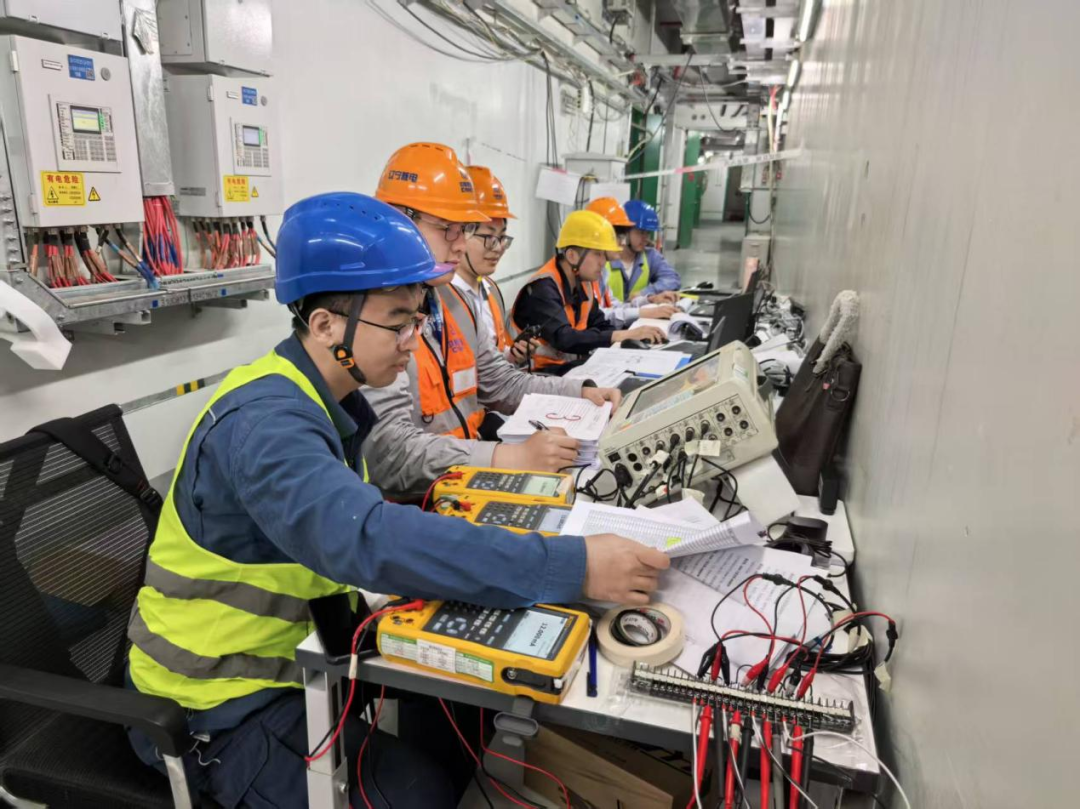
Safety-level DCS Response Time Testing for Unit 3 of Xudabao Nuclear Power Plant Successfully Completed
Recently, with the final test data confirmed to be accurate, the safety-level DCS (Digital Control System) response time testing for Unit 3 of Xudabao Nuclear Power Plant was successfully completed. All test results met the requirements, with no abnormal equipment actions throughout the entire process, providing reliable instrumentation and control assurance for the subsequent fuel loading and stable operation of the unit. The test lasted 14 days and covered 182 test cases, encompassing more than 1,500 functional tests for reactor trip and engineered safety features systems. As a critical step before fuel loading, the safety-level DCS response time test holds significant reference value for verifying the response performance of the unit's safety systems. To ensure the successful completion of the test, the instrumentation and control team adhered to the work philosophy of "comprehensive preparation, strong collaboration, experience feedback, and pragmatic execution," advancing all tasks in an orderly manner.
2026-08-27