
Search Results
Keyword:El
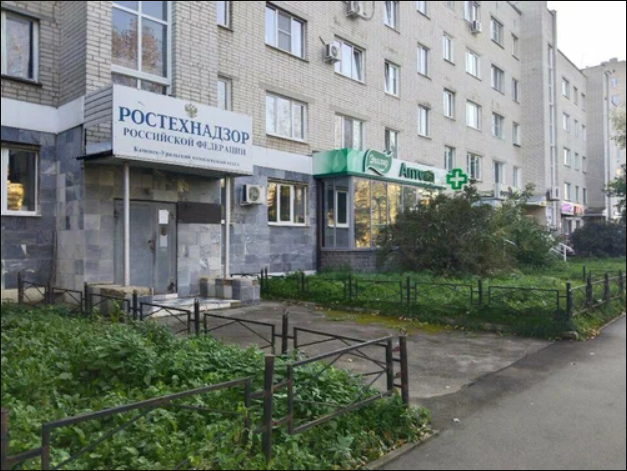
Russian regulator inspects nuclear fuel cycle safety compliance at Ural Electrochemical Plant
On July 27, the Department for Supervision of Nuclear Fuel Cycle Facilities, Ship Nuclear Power Plants and Radiation Hazardous Facilities of the Federal Service for Environmental, Technological and Nuclear Supervision of Russia conducted a routine on-site comprehensive inspection of the Ural Electrochemical Plant Joint-Stock Company located in Novosibirsk, focusing on verifying the enterprise's compliance with relevant federal laws, regulations, and regulatory license terms on the use of atomic energy. The inspection covered multiple aspects of the operational safety of nuclear fuel cycle facilities, including the implementation of responsibilities of the operating organization in safety assurance, maintenance of performance of important safety systems and components, safety control during technical process implementation, compliance with decommissioning requirements for nuclear facilities, and safety of radioactive waste treatment...
2026-07-30
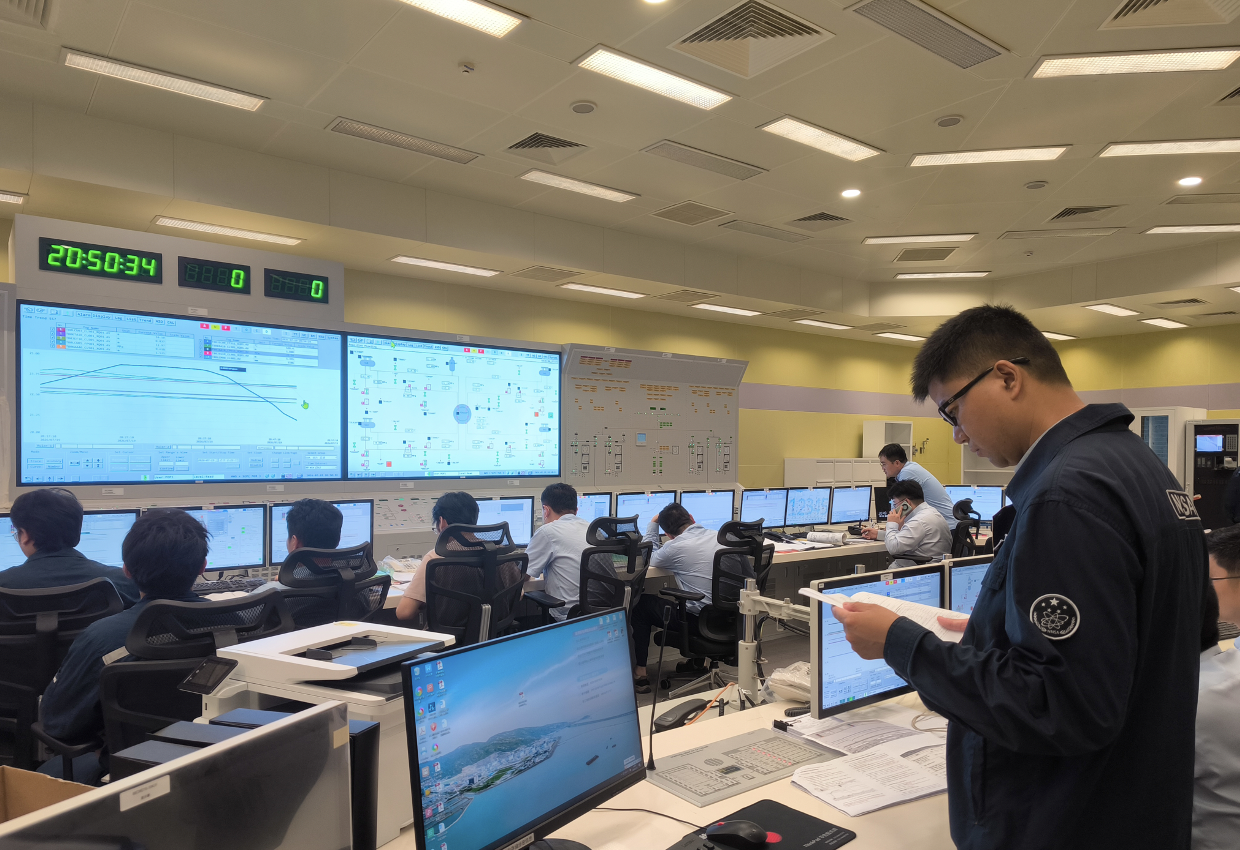
Ministry of Ecology and Environment's North China Nuclear and Radiation Safety Supervision Station Conducts Special Supervision on Cold Test Release for Tianwan Nuclear Power Unit 8
The Cold Functional Test (hereinafter referred to as the cold test) is the first major comprehensive test for a nuclear power unit transitioning from the installation phase to the commissioning phase. It is a key core link to verify the pressure-bearing capacity and sealing performance of the nuclear island main system and equipment under design pressure conditions, and serves as a critical milestone to ensure the subsequent safe and stable operation of the unit. Recently, the Ministry of Ecology and Environment's North China Nuclear and Radiation Safety Supervision Station (hereinafter referred to as the North China Supervision Station) conducted comprehensive supervision on the cold test control point release for Tianwan Nuclear Power Plant Unit 8. Adhering to the principle of supervision moving forward, the station consolidated the pre-test foundation. Upholding the nuclear safety supervision philosophy of "prevention first, moving the checkpoint forward," the North China Supervision Station focused on the preconditions for the cold test control point release, verified various items pending rectification one by one, and ensured that all hidden dangers were effectively addressed, building a solid safety barrier for the smooth progress of subsequent tests.
2026-07-30
SuperCritical Obtains Exclusive License for Uranium Extraction from Seawater Technology, Plans Industrial Deployment in the United States
SuperCritical Materials Corp., a U.S. developer of nuclear fuel and critical materials infrastructure, announced on July 24 that it has obtained an exclusive license from Battelle Memorial Institute for a patented uranium adsorbent technology used to extract uranium from seawater. The technology was originally developed by Pacific Northwest National Laboratory (PNNL) and its research partners. Battelle Memorial Institute currently manages eight national laboratories for the U.S. federal government. SuperCritical stated that the technology has been verified to extract uranium from seawater...
2026-07-30
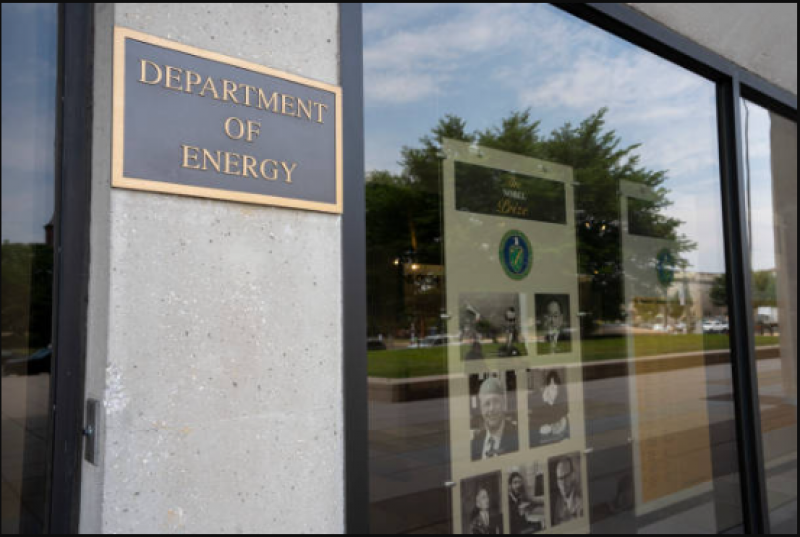
U.S. Department of Energy Selects Five States to Explore Building Nuclear Lifecycle Innovation Hubs
The U.S. Department of Energy (DOE) announced on July 28 that it has selected Utah, Tennessee, Oklahoma, Louisiana, and Idaho as potential host states for Nuclear Lifecycle Innovation Hubs. The DOE has signed memorandums of understanding with these five states and will continue to evaluate the conditions and plans for hosting the hubs in each state. On January 28 of this year, the DOE issued a Request for Information, inviting states to express interest in building Nuclear Lifecycle Innovation Hubs. The proposed hubs are intended to support full lifecycle activities for nuclear fuel, including fuel fabrication, uranium enrichment, spent nuclear fuel reprocessing, and waste disposal. Depending on state priorities and regional capabilities, the hubs may also accommodate...
2026-07-30
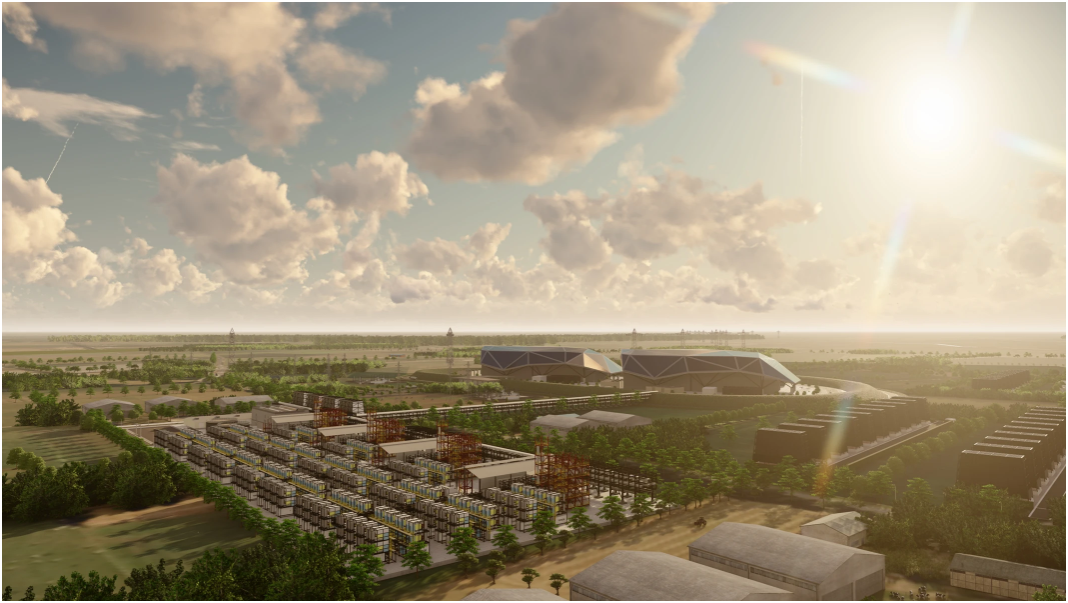
McDermott Signs Agreement with ULC-Energy to Support Rolls-Royce SMR Development in the Netherlands
McDermott and ULC-Energy announced on July 29 that they have signed a cooperation agreement to jointly support the development of the Rolls-Royce Small Modular Reactor (Rolls-Royce SMR) project, with a primary focus on the Dutch market. Under the agreement, the collaboration will center on the coupling of small modular reactors with energy-intensive industrial processes, exploring the application of nuclear energy in industrial energy systems. McDermott will leverage its engineering experience in energy transition and industrial decarbonization, covering areas such as low-carbon hydrogen and ammonia, sustainable aviation fuel (SAF), and carbon capture and utilization (CCU); ULC-Energy will provide capabilities in nuclear project development.
2026-07-30
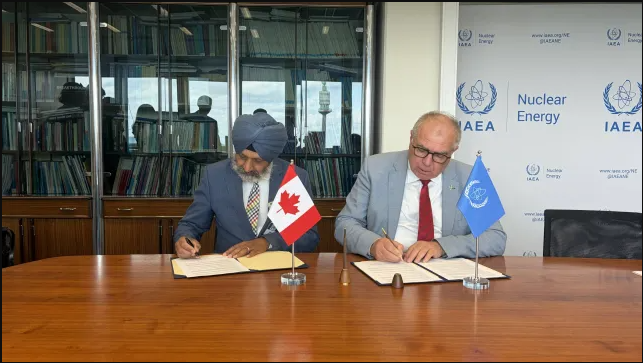
IAEA and University of Saskatchewan Sign Agreement to Strengthen Nuclear Talent Development
The International Atomic Energy Agency (IAEA) and the University of Saskatchewan recently signed a "Practical Arrangement" to enhance cooperation in nuclear knowledge management, nuclear energy education, research support, and talent development. The agreement was signed on July 24 at IAEA headquarters. Baljit Singh, Vice-President of the University of Saskatchewan, and Mikhail Chudakov, IAEA Deputy Director General and Head of the Department of Nuclear Energy, signed the "Practical Arrangement" on July 24 at IAEA headquarters. (Photo: IAEA) Under the agreement, the two parties will collaborate through training workshops, expert missions, and educational material development...
2026-07-30
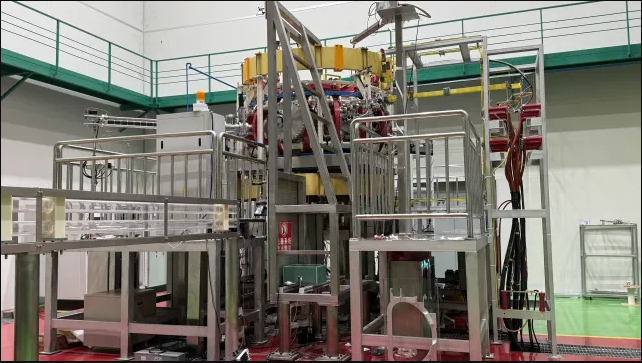
IAEA Launches New Project to Advance Research Network on Small and Medium-Sized Fusion Devices
The International Atomic Energy Agency recently launched a new Coordinated Research Project, aiming to further strengthen the global network of small and medium-sized fusion devices, supporting multinational coordinated experiments, diagnostic technology development, and personnel training, providing a platform for cultivating the next generation of fusion researchers. The Tokamak TT-1 device at the Thailand Institute of Nuclear Technology (TINT) has long participated in the IAEA Coordinated Research Project on the network of small and medium-sized fusion devices, contributing to international cooperation, research, and capacity building. (Photo: JP Cayol/IAEA) This project builds upon a previous five-year collaborative research program. The previous project was named Small and Medium-Sized Magnetic Confinement...
2026-07-30
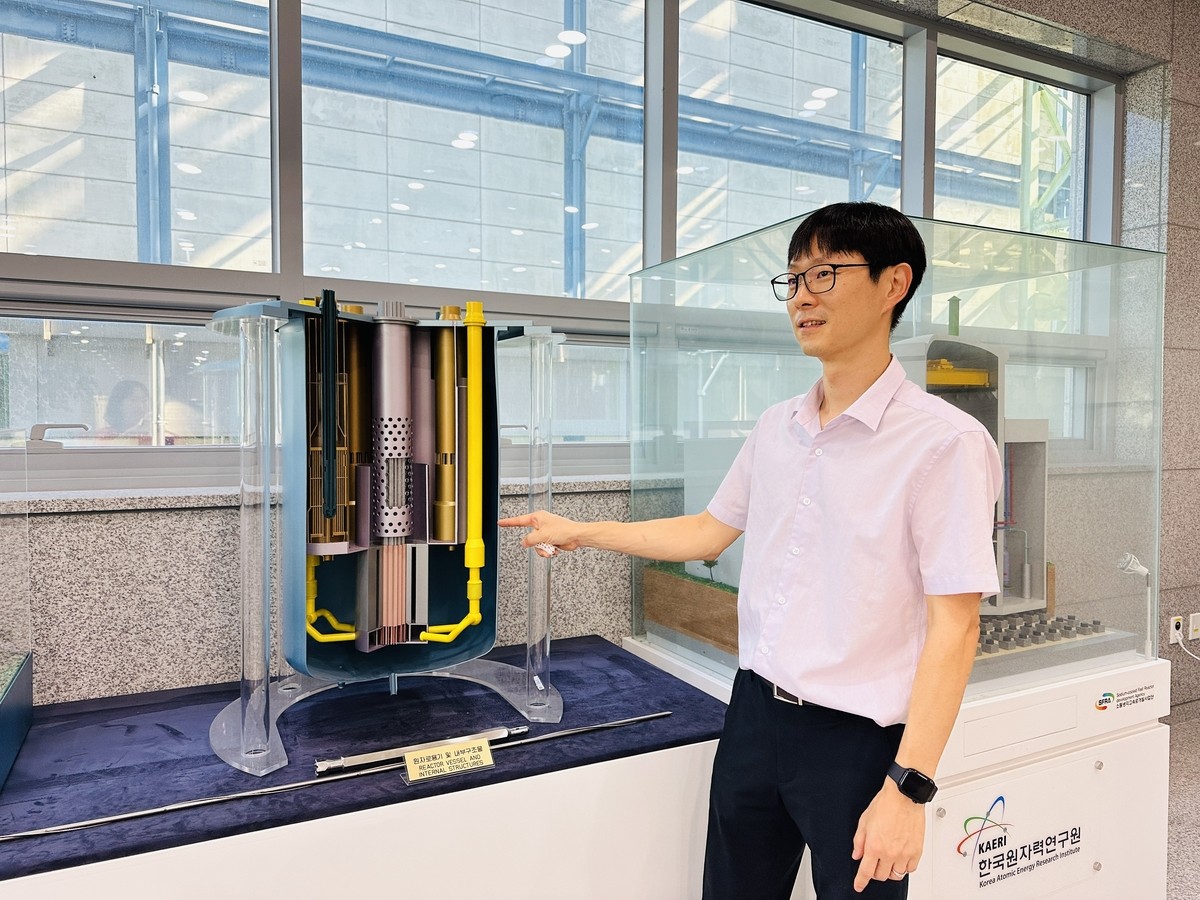
South Korea launches design of 250 MWe sodium-cooled fast reactor Helios
The Korea Atomic Energy Research Institute (KAERI), in collaboration with Hyundai Engineering & Construction and KEPCO E&C, has initiated the design of the next-generation sodium-cooled fast reactor Helios. The reactor is planned to have an electrical output of 250 MWe, based on the existing 100 MWe-class sodium-cooled fast reactor Salus-100 design, targeting large-scale power consumption applications such as AI data centers and industrial parks. Lee Je-hwan, head of the Fourth Generation Reactor Technology Development Department at KAERI, stated that future demand for large-scale carbon-free electricity around AI data centers and industrial parks...
2026-07-30
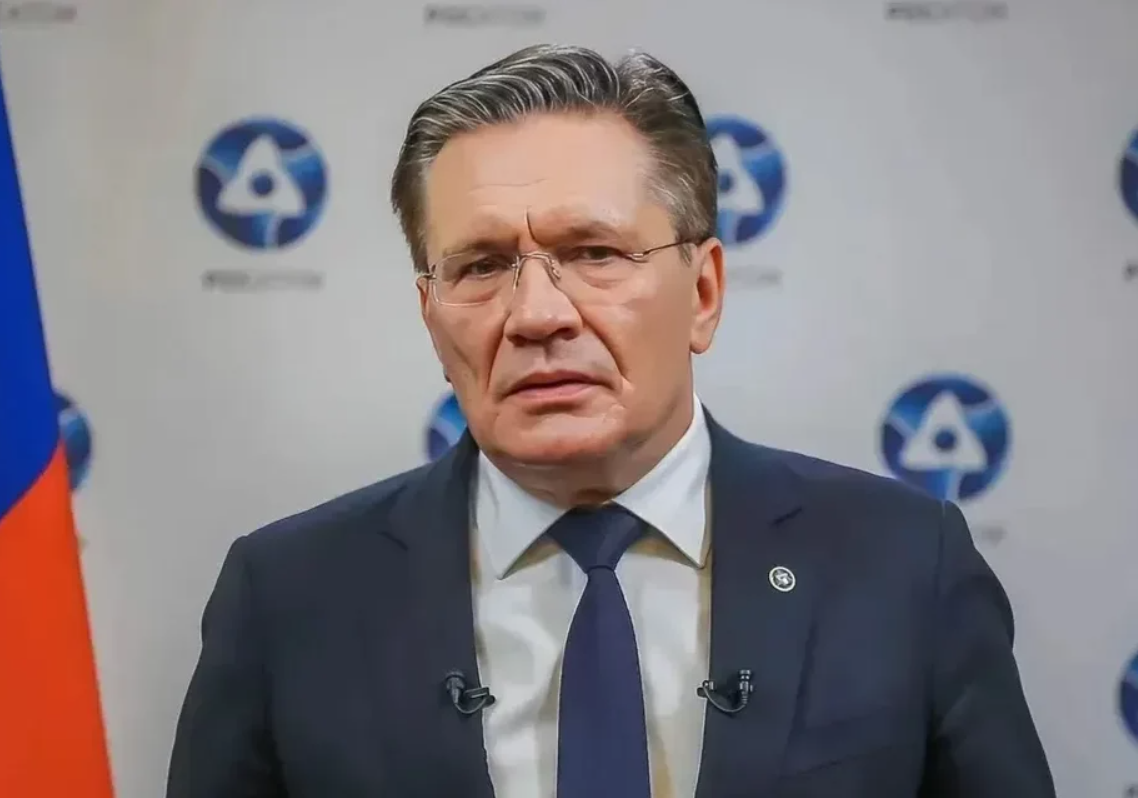
Rosatom says 13 small reactor pressure vessels at various production stages
Rosatom Director General Alexey Likhachev recently stated that 13 small reactor pressure vessels are currently at various production stages, and the equipment will be used for nuclear-powered icebreakers and small nuclear power plant projects. Likhachev noted that the batch includes reactor pressure vessels for the Uzbekistan nuclear power plant, which is planned to start construction in 2026. He said that the simultaneous manufacturing of 13 small reactor pressure vessels is unprecedented in the history of Russia's nuclear industry. The reactor pressure vessel is one of the core components of the primary circuit of a nuclear reactor, used to house the core and related internal structures, and withstand high temperatures and pressures during operation.
2026-07-30
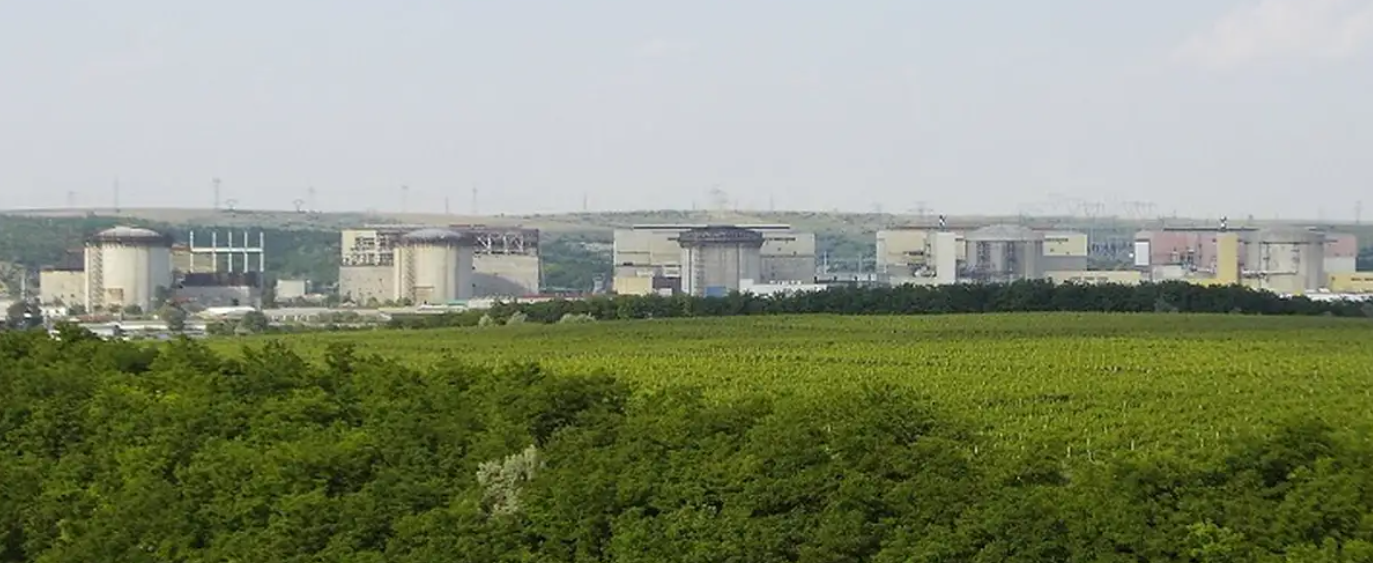
Danube River water levels continue to drop, Romania's only nuclear power plant to shut down completely
Affected by prolonged drought and high temperatures, the water level of the Danube River has been continuously declining, impacting the operation of multiple nuclear power plants along its banks. Romanian authorities have confirmed that both units of the country's only nuclear power plant, the Cernavodă Nuclear Power Plant, will be completely shut down to prevent damage to the cooling system. Romania's Acting Prime Minister Ilie Bolojan has called on residents and large industrial users to voluntarily reduce electricity consumption, especially by controlling the load between 8:00 PM and 11:00 PM. He stated that Romania often faces electricity shortage pressure during this period. Bolojan noted that the Danube River flow rate during the same period in previous years was typically 3,900 to 4,500 cubic meters per second, but it has now dropped to 1,600 cubic meters per second, and is expected to continue decreasing in the coming days.
2026-07-30
Japan Nuclear Fuel Company Says It Will Propose New Schedule for Rokkasho Reprocessing Plant as Soon as Possible
Naohiro Masuda, President of Japan Nuclear Fuel Company (JNFL), stated at a regular press conference on July 29 that the spent nuclear fuel reprocessing plant in Rokkasho Village, Aomori Prefecture, may be difficult to complete within the current fiscal year. The company will propose a new overall schedule as soon as possible after continuing consultations with regulatory authorities on the treatment of liquid waste within the facility. Masuda said that earlier this month, when an official from the Agency for Natural Resources and Energy of the Ministry of Economy, Trade and Industry met with Aomori Governor Soichiro Miyashita, Miyashita had informed the official that completing construction of the reprocessing plant within the current fiscal year would be challenging. Masuda stated that the company needs to make every effort to avoid the risk of schedule delays becoming a reality, and will manage the project construction progress from multiple aspects...
2026-07-30
Japan's Nuclear Regulation Authority to Revise Seismic Review Guidelines for Nuclear Power Plants
Following the exposure of Chubu Electric Power Co., Inc.'s alleged tampering with data related to earthquake assumptions at the Hamaoka Nuclear Power Plant in Shizuoka Prefecture, Japan's Nuclear Regulation Authority (NRA) has decided to revise certain seismic review guidelines for nuclear power plants to strengthen prevention of similar misconduct. At a regular meeting held on July 29, the NRA decided to proceed with revisions to the guidelines concerning seismic assumption reviews. Previously, the review process primarily focused on the calculation results submitted by nuclear power plant operators. The revision will extend the scope of verification to include the calculation process and the data used therein, in order to prevent companies from intentionally selecting, adjusting, or manipulating data.
2026-07-30
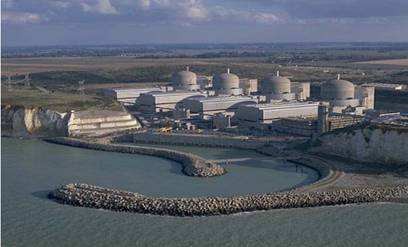
Public Meeting Held on Restart Plan for Three Mile Island Unit 1
As electricity demand from AI-related data centers rises, multiple locations across the United States are reassessing the value of nuclear reactors originally slated for decommissioning. Recently, the restart plan for Unit 1 of the Three Mile Island Nuclear Power Plant in eastern Pennsylvania has entered the public engagement phase. The Three Mile Island plant has long been under scrutiny due to the 1979 accident at Unit 2, which involved a nuclear fuel meltdown and the release of radioactive materials. The proposed restart involves the adjacent Unit 1, which has been in the decommissioning process since 2019. Upon restart, it will operate under the name "Crane Clean Energy Center." On July 28, the U.S. Nuclear Regulatory Commission...
2026-07-30
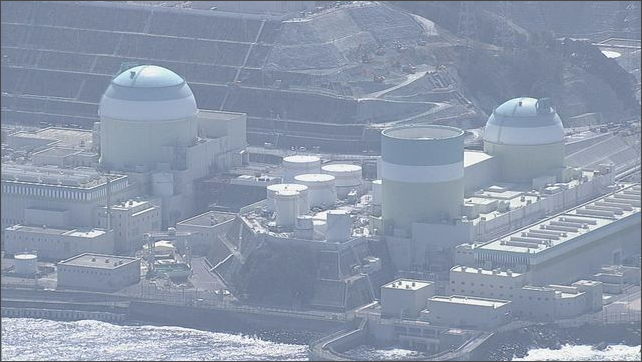
Japan's Ikata Nuclear Power Plant Unit 1 Decommissioning Plan to Enter Second Phase
The Environmental Safety Management Committee for the Ikata Nuclear Power Plant, established by the Ehime Prefectural Government, recently held a meeting to review the progress of the decommissioning plan for Unit 1 of the Ikata Nuclear Power Plant. The unit ceased operation in 2016 and is currently in the decommissioning implementation phase. Unit 1 of the Ikata Nuclear Power Plant is operated by Shikoku Electric Power Co. The company began decommissioning the unit in 2017, planning to carry out the work in four phases over a total period of approximately 40 years. Currently, the first phase has been largely completed, primarily involving the removal of nuclear fuel. Shikoku Electric Power Co. has applied to the Japanese central government to enter the second phase, which involves dismantling equipment around the reactor area, and has...
2026-07-30
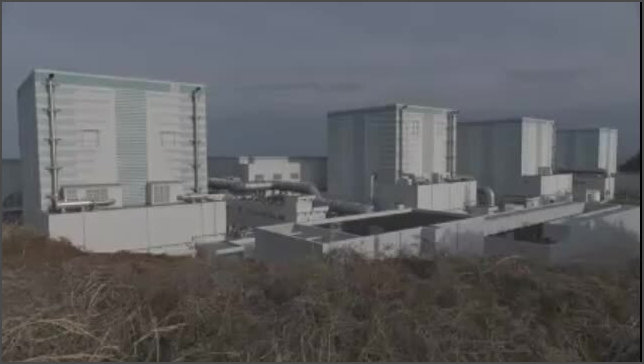
TEPCO says cooling interruption of spent fuel pool at Fukushima Daini Unit 1 due to human error
Tokyo Electric Power Company (TEPCO) announced on July 29 that the event in April 2026, where the spent fuel pool cooling system at Unit 1 of the Fukushima Daini Nuclear Power Plant was shut down for approximately 32 hours, was determined to be caused by human error. At the time of the incident, the plant was in the decommissioning phase. On April 5, a fault alarm was triggered by the cooling water circulation pump of Unit 1 at Fukushima Daini. After on-site personnel confirmed smoke from the equipment, the pump was stopped, resulting in an interruption of the spent fuel pool cooling system for about 32 hours. TEPCO previously stated that the cause was damage to the cable connecting the pump motor. According to TEPCO's latest explanation, the cable melting may be related to the installation method when the cable was replaced in 2012...
2026-07-30