
Search Results
Keyword:El

Four Units of Egypt's Dabaa Nuclear Power Plant Under Simultaneous Construction
Alexey Likhachev, President of Rosatom, and Mahmoud Esmat, Egypt's Minister of Electricity and Renewable Energy, recently discussed the construction progress of the Dabaa Nuclear Power Plant. As Egypt's first nuclear power plant, the Dabaa project is planned to feature four VVER-1200 reactor units, which are expected to provide electricity for approximately 20 million people once completed. Likhachev stated that the project has entered a critical construction phase, with all four units progressing simultaneously. Among them, Unit 1 serves as the pilot unit for the project and is scheduled to be connected to the grid in 2028. To achieve this goal, the project team still needs to complete several tasks, including the delivery of nuclear fuel in 2027.
2026-08-26
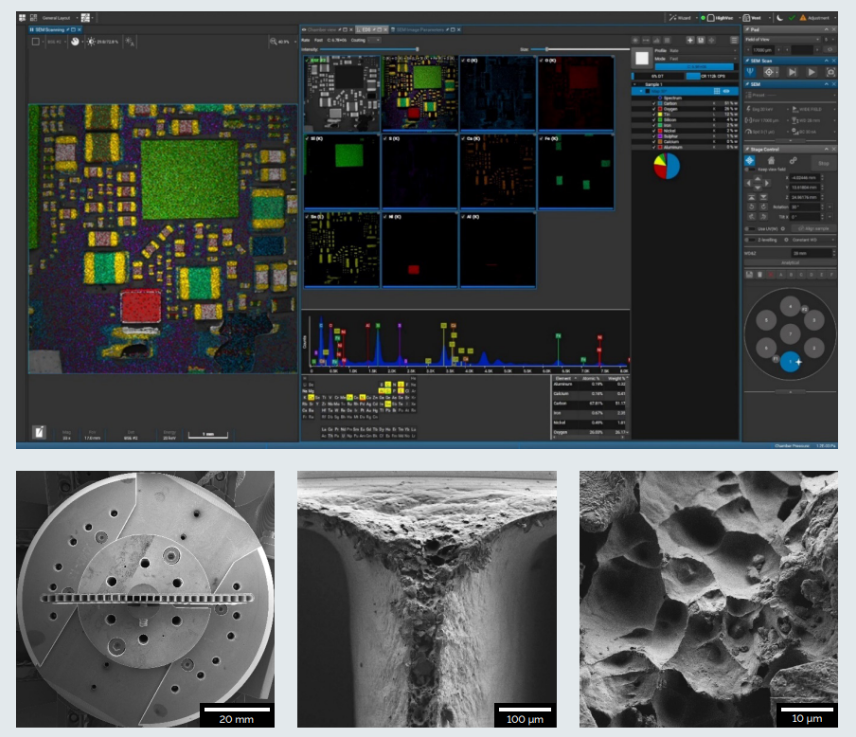
Tescan Launches MIRA XR Ultra-High-Resolution Scanning Electron Microscope for Materials Characterization and Failure Analysis Applications
Tescan recently launched the MIRA XR ultra-high-resolution scanning electron microscope system, targeting materials characterization needs in fields such as battery technology, metallurgy, and advanced materials science. Positioned between the Tescan MIRA and Tescan CLARA, the system aims to deliver higher resolution, enhanced surface sensitivity, and a more streamlined workflow, serving applications including R&D laboratories, industrial quality control, and failure analysis. According to reports, the MIRA XR employs BrightBeam™ technology and a single high-efficiency axial detector to improve surface signal acquisition under field-free imaging conditions, making it suitable for beam-sensitive materials and magnetic samples while reducing the need for sample preparation steps such as surface coating. The system also features an aperture-free column design that minimizes manual aperture selection and adjustment steps, allowing operators to focus more on sample observation and data analysis.
2026-08-26
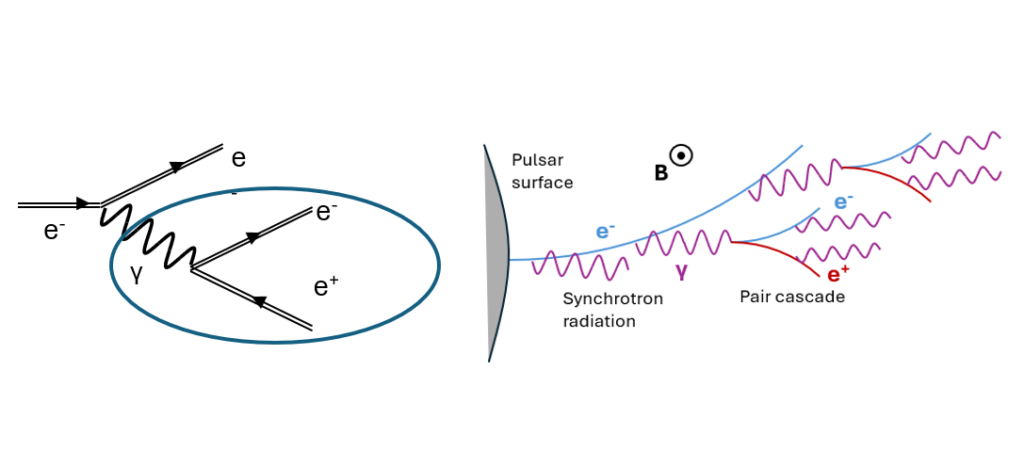
Lancaster University in the UK receives EPSRC funding to study antimatter production in intense laser pulses
Christopher Arran, a lecturer at Lancaster University and the Cockcroft Institute in the UK, has recently been awarded a three-year New Investigator Award from the UK Engineering and Physical Sciences Research Council (EPSRC) to study electron-positron pair production in the extremely intense electromagnetic fields of high-power lasers. The research focuses on matter-antimatter production processes under intense laser pulse conditions. Similar interactions are believed to exist in extreme cosmic environments, such as near pulsars and black hole accretion disks. Previously, such interactions had only been measured at large particle accelerator facilities such as Stanford University and the European Organization for Nuclear Research (CERN), but the electric and magnetic field strengths used in those experiments were far weaker than the strong-field conditions achievable with current high-power lasers.
2026-08-26
IsoEnergy Signs Agreement with Kineepik Métis Local to Advance Uranium Exploration in Saskatchewan, Canada
On August 24, 2026, IsoEnergy Ltd. announced that it has signed an exploration agreement with Kineepik Métis Local Inc. to support its responsible uranium exploration activities in Saskatchewan, Canada. Under the agreement, the two parties will establish mechanisms for ongoing communication, information sharing, and collaboration around IsoEnergy's exploration activities in the relevant region. The agreement also provides that Kineepik community members and local businesses may participate in exploration-related work through business partnerships, employment opportunities, and training programs. Kineepik Métis Local Inc. represents Métis rights holders residing within the Kineepik use and occupancy area, including...
2026-08-26
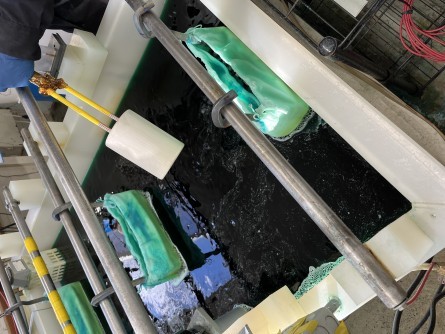
U.S. Develops Hybrid Process Combining Electroforming and 3D Printing for Critical Component Manufacturing in Advanced Nuclear Reactors
On August 24, local time, the U.S. Department of Energy's Oak Ridge National Laboratory (ORNL) announced that its scientists are collaborating with AJ Tuck Company (AJ Tuck) to develop a hybrid manufacturing process that combines 3D printing and electroforming to produce complex, leak-tight hot isostatic pressing canisters for powder metallurgy hot isostatic pressing processes. The process targets the manufacturing of critical metal components for advanced nuclear reactors and other energy and defense applications, with the goal of shortening production workflows and reducing reliance on traditional large-scale forging and casting supply chains. A hot isostatic pressing canister is a type of sealed container used to compact metal powders into high-performance metal components under high temperature and high pressure. Traditional hot...
2026-08-26

Electron Beam Processing Can Reduce Poultry Pathogens, Study Shows Turkey Meat Quality Remains Well Preserved
A study on electron beam treatment of poultry meat products shows that electron beam irradiation has the potential to reduce the risk of foodborne pathogens in poultry while preserving meat quality as much as possible. The paper, titled "Effects of Electron Beam (eBeam) Treatment on the Texture and Sensory Attributes of Chicken and Turkey Meat Batters," was published in the journal Poultry Science. Electron beam is a non-thermal processing technology that uses high-energy electrons to cause irreversible damage to pathogen DNA or RNA, making it difficult for bacteria to replicate. Like X-rays and gamma rays, electron beam has been approved by the U.S. Food and Drug Administration for cold pasteurization that does not rely on heating. The research team used the electron beam irradiation facility at Texas A&M University...
2026-08-26
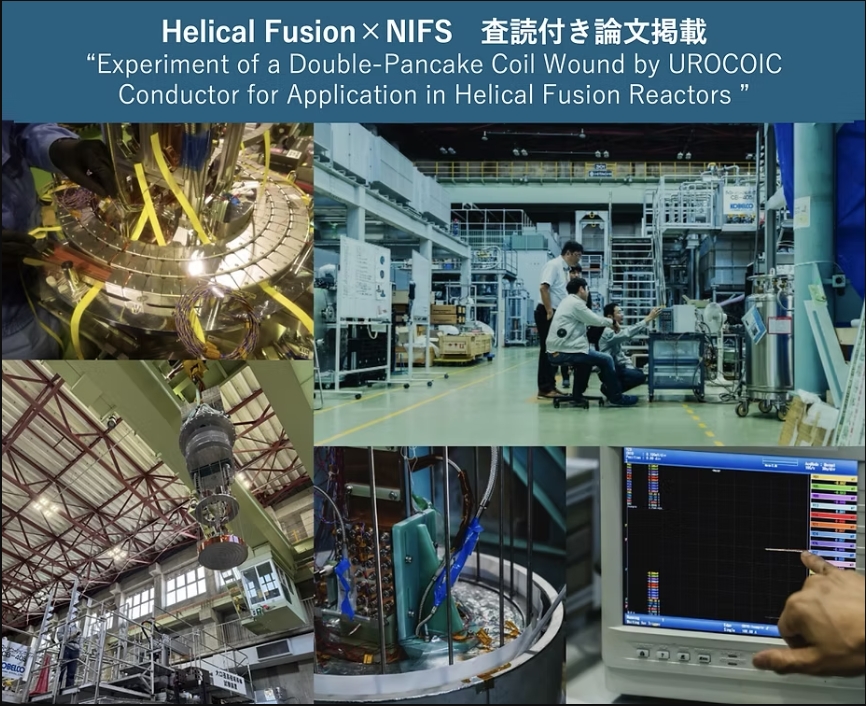
Japan's Helical Fusion Publishes Research Results on High-Temperature Superconducting Magnets
Helical Fusion recently announced that its joint research on high-temperature superconducting magnets with the National Institute for Fusion Science (NIFS) has passed peer review and been published in the Journal of Physics: Conference Series. The results, previously disclosed in a preliminary report, primarily validate the performance of high-temperature superconducting conductors for fusion reactor applications under strong magnetic fields and high currents. This study tested the UROCOIC high-temperature superconducting conductor independently developed by Helical Fusion. The research team fabricated the conductor into a double-pancake coil sample and used existing test equipment to simulate, as closely as possible, the magnetic field and current environment expected in future fusion reactors.
2026-08-26

Jamaica Launches Graduate Training Program in Radiation Protection and Safety, Poised to Become a Regional Center of Excellence in the Caribbean
Jamaica's newly established graduate training program in radiation protection and safety is being viewed as an important platform for enhancing nuclear technology safety capabilities in the Caribbean region. Chris Ardouin, an International Atomic Energy Agency expert and Senior Scientist and Technical Manager of Public Health and Forensic Science at the National Radiation Science Centre of New Zealand, stated that the program demonstrates Jamaica's potential to become a regional center of excellence for radiation protection and safety training. The six-month program, implemented as the first graduate education course in radiation protection and safety under the framework of the University of the West Indies' short-term academic resources, is currently training 12 professionals from seven CARICOM member states, with a focus on enhancing regional...
2026-08-26
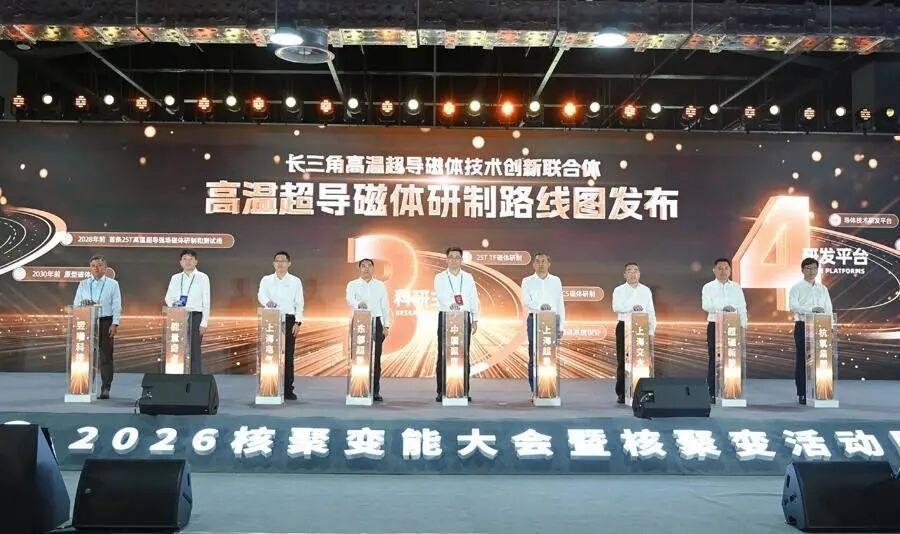
China's Huanliu-4 High-Temperature Superconducting Magnet Development Roadmap Clarified
On August 25, during the 2026 Fusion Energy Conference and Fusion Energy Activity Week, the Yangtze River Delta Innovation Consortium, led by China Fusion Energy Co., Ltd., has clarified its development targets for high-temperature superconducting high-field tokamak magnets: to build the first 25T high-temperature superconducting high-field magnet development and testing line by 2028, and to complete prototype magnet development by 2030. The consortium is led by China Fusion Energy Co., Ltd., with members including Shanghai Superconductor, Eastern Superconductor, Shanghai Jiao Tong University, Shanghai Electric Nuclear Power Group, Chaoci Xinneng, Energy Singularity, Hangyang Group, and Yixi Technology. The consortium will focus on building high-temperature superconducting high-field tokamak magnet development capabilities and engineering technology systems to provide key technical support for the subsequent construction of China's Huanliu-4.
2026-08-26
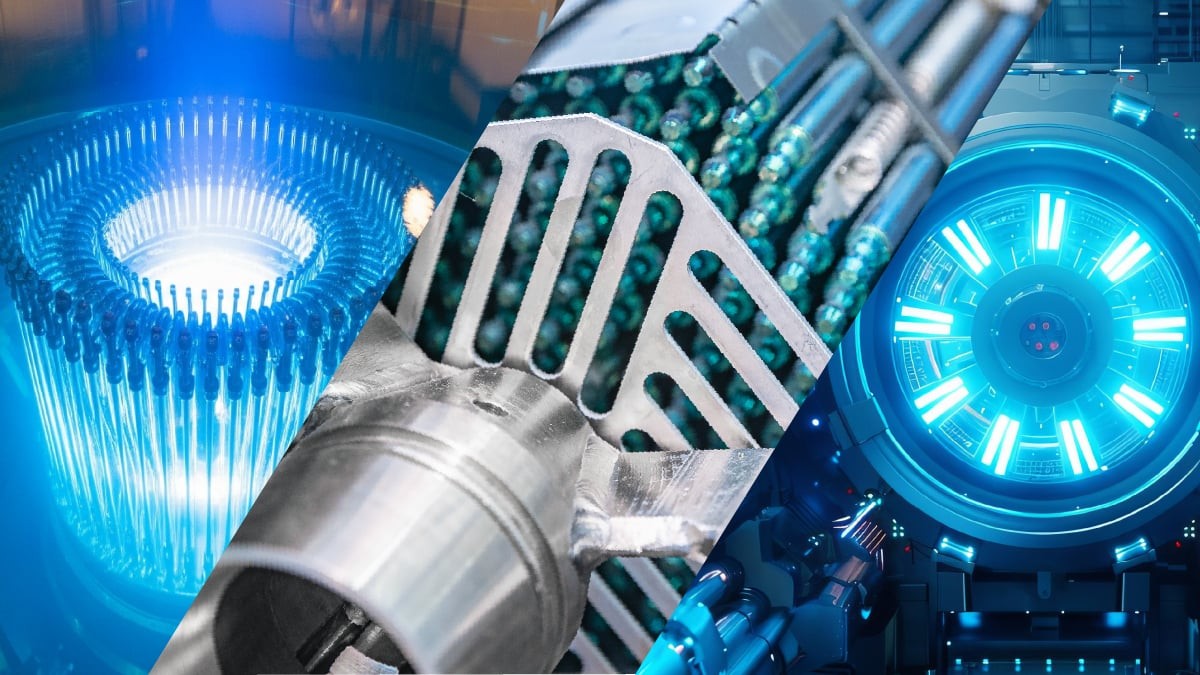
U.S. NRIC Selects 13 Nuclear Energy Launch Pad Projects
The U.S. Department of Energy (DOE)'s National Reactor Innovation Center (NRIC) announced on August 24 that 13 new projects have been selected for the Nuclear Energy Launch Pad program. NRIC is based at Idaho National Laboratory (INL). NRIC Director Brad Tomer stated that this round of selections reflects developers' growing commitment to advancing related technologies. The program will provide companies with a priority pathway to DOE authorization, as well as access to expert resources, facility conditions, and targeted regulatory support to adv...
2026-08-26
Rare Germanium Isotope Infrared Spectral Signatures Elucidated in Detail for the First Time
The press service of the Russian Ministry of Education and Science reported on August 25 that scientists from Tomsk Polytechnic University, in collaboration with an international research team, have for the first time conducted a detailed study of the infrared spectra of two rare germanium isotopes and identified characteristic spectral signatures that can be used to recognize the relevant isotopes in complex gas mixtures. The research team selected two highly enriched isotopes—germanium-72 and germanium-73—as the subjects of the study, recording their spectral information using a high-resolution Fourier transform spectrometer. This instrument is capable of resolving closely spaced spectral lines, providing the conditions for analyzing subtle spectral changes induced by isotopic substitution. The researchers stated that precise spectral data for different germanium isotopes remain relatively scarce in the scientific literature, and such data are of significant importance for identifying molecules in planetary atmospheres and for producing ultra-pure germanium isotopes for quantum technologies and modern electronics.
2026-08-26
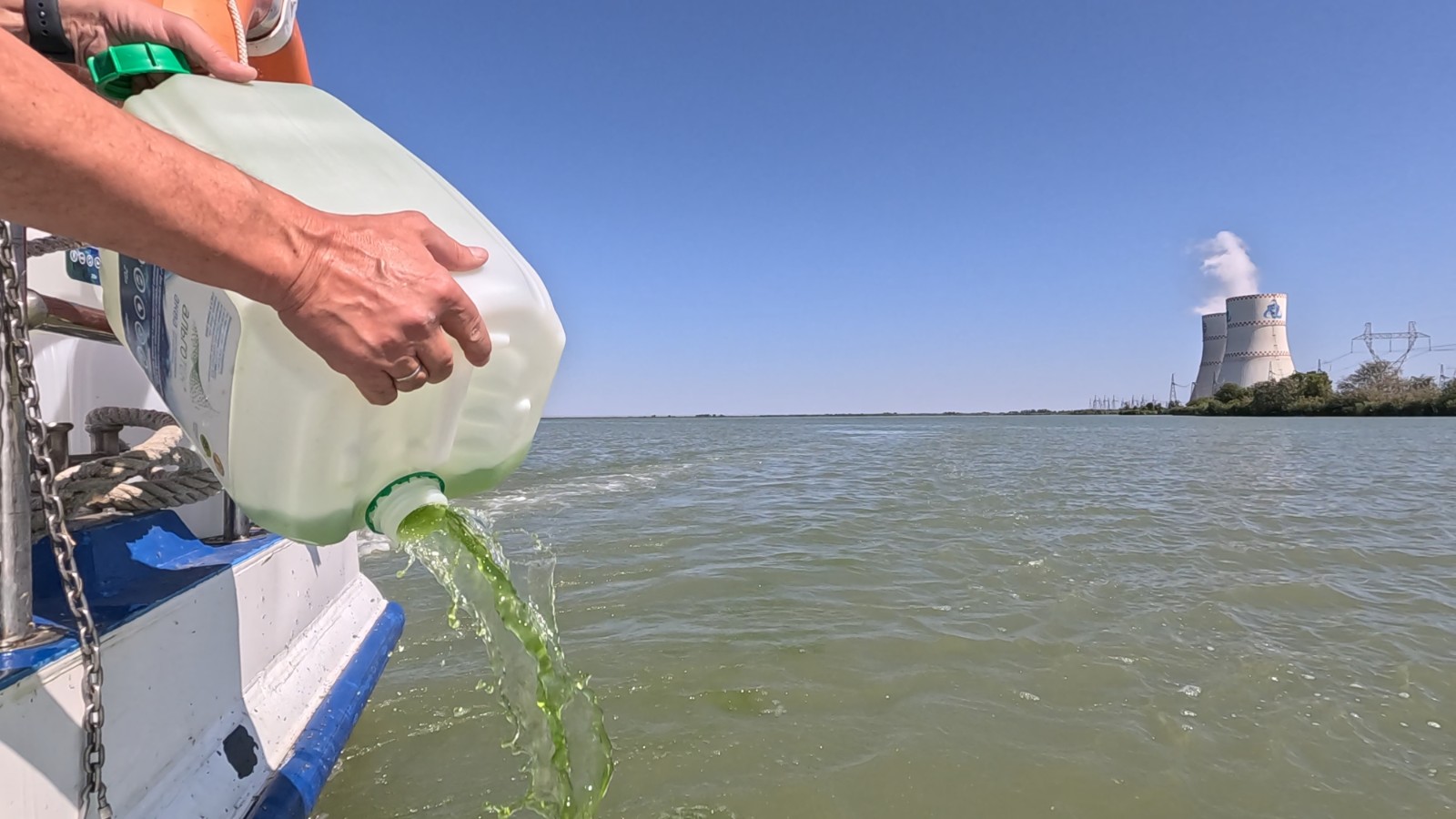
Russia's Rostov NPP Releases Chlorella into Cooling Pond to Strengthen Ecological Control
Russia's Rostov NPP recently carried out its annual ecological control operation at the plant's technical reservoir, releasing 3.6 tonnes of a bioactivator based on the planktonic algae chlorella into the water to suppress the risk of algal blooms and maintain the ecological balance of the cooling pond. Rostov NPP is part of Rosenergoatom, the power generation division of Russia's State Atomic Energy Corporation (Rosatom). The operation is part of the plant's long-standing algae management measures, primarily aimed at stabilizing water conditions under climate change and abnormally high temperatures, ensuring the smooth operation of related equipment. Chlorella acts as a natural biofilter, capable of suppressing...
2026-08-26
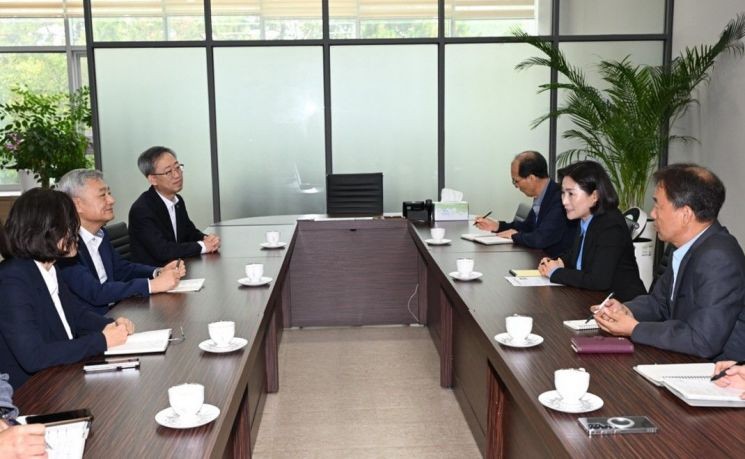
South Korea's Gijang County and KHNP Discuss Communication Issues with Residents near Kori Nuclear Power Plant
Gijang County, Busan, South Korea, said on August 25 that it held talks with Korea Hydro & Nuclear Power (KHNP) that day on pending issues related to the Kori Nuclear Power Plant, focusing on resident communication, allocation of co-prosperity support funds, dry cask storage facilities for spent fuel, and the small modular reactor project. According to Gijang County, KHNP President Kim Hoe-cheon visited the Gijang County government that day and met with County Governor Woo Sung-bin. Since taking office on March 18, Kim Hoe-cheon has been visiting nuclear power plant sites to understand local concerns, and this visit to Gijang County, the site of the Kori Nuclear Power Plant, is part of that ongoing communication effort...
2026-08-26

U.S. Submits Civil Nuclear Agreement with Saudi Arabia to Congress for Review
U.S. government officials said on August 25 that President Donald Trump has submitted a proposed civil nuclear energy agreement with Saudi Arabia to Congress for review. The agreement, reached in July this year, includes provisions allowing U.S. companies to export civil nuclear technology to Saudi Arabia. Under the relevant procedures, Congress will have 90 session days to review the agreement. Two congressional sources said the agreement has been submitted to congressional leadership and is expected to be referred to relevant committees for consideration. If Congress raises no objections within the specified period, the agreement will enter into effect; if Congress rejects the agreement, Trump may still exercise his veto power, and Congress would need a two-thirds majority to override the presidential veto...
2026-08-26
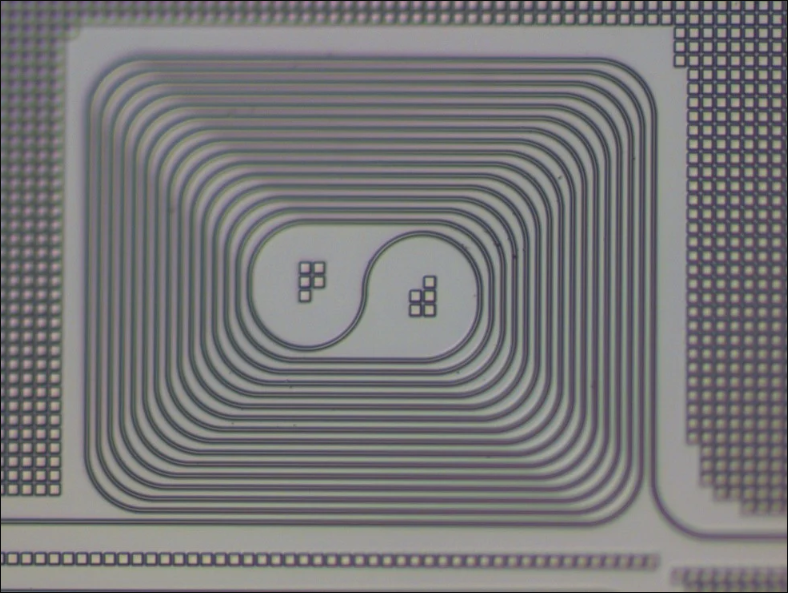
Singapore team develops deuterated silicon nitride waveguides for wafer-scale broadband light generation
A research team from the Singapore University of Technology and Design and the Institute of Microelectronics at the Agency for Science, Technology and Research (A*STAR) in Singapore has recently developed a low-loss deuterated silicon nitride waveguide capable of on-chip broadband light generation. By replacing hydrogen with its heavier isotope deuterium, the team fabricated silicon nitride waveguides at low temperatures, demonstrating potential for integration with CMOS-compatible semiconductor processes and wafer-scale mass production. The related paper, "Octave-spanning supercontinuum generation in wafer-scale low-loss deuterated silicon nitride waveguides," was published in *Optics Letters*. The study shows that this chip-scale waveguide can broaden infrared laser pulses to cover a spectral range from visible red light to deep infrared. Traditionally, silicon nitride thin films are grown from silane gas, and residual silicon-hydrogen bonds in the material absorb light in the telecommunications band, requiring high-temperature annealing that is incompatible with integrated electronic circuits.
2026-08-26