
Search Results
Keyword:FAC
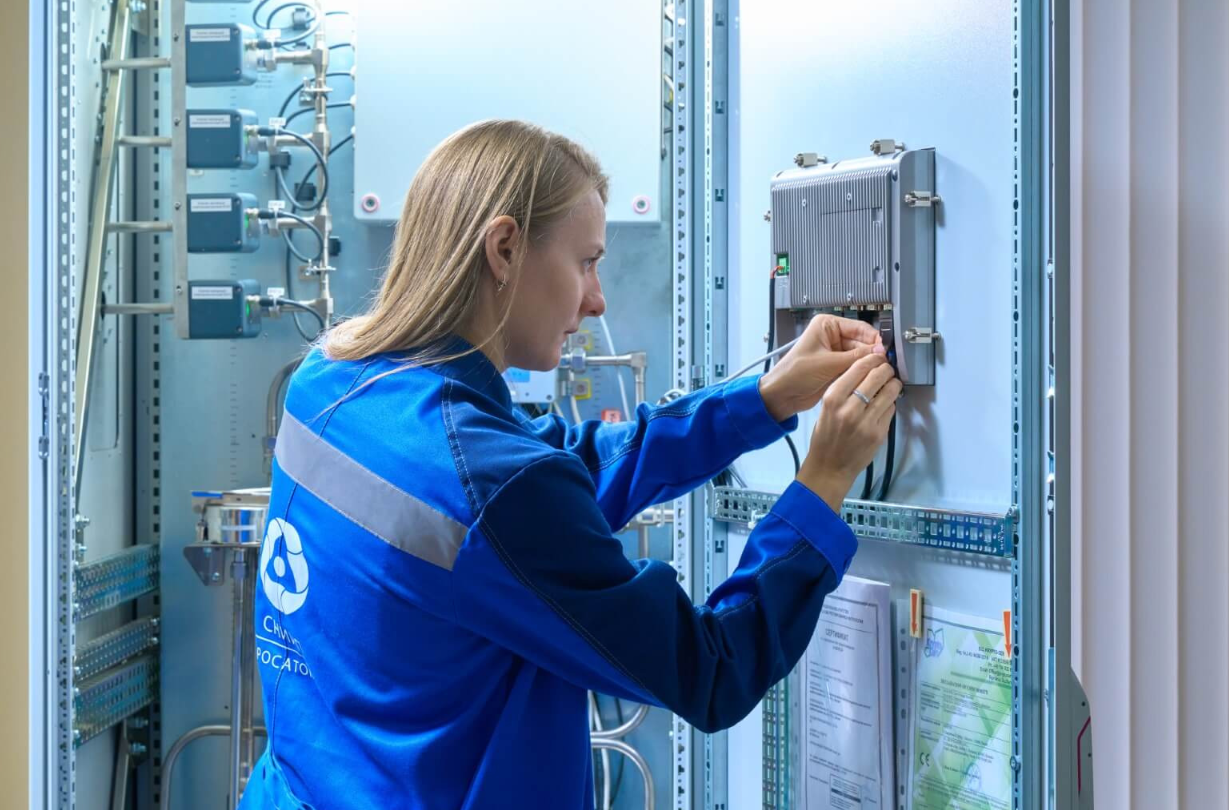
Rosatom selects SNIIP as chief design organization for radiation control systems, overseeing standardization of radiological instrumentation and import substitution assurance at nuclear facilities
Rosatom has selected the Research Institute of Scientific Instruments (SNIIP) as the chief design organization for radiation control systems. The institute, which is part of Rosatom's automation control and electrical equipment division, has been granted this status for a range of similar products in radiation control equipment and systems, including automated radiation control systems and radiation environment monitoring. SNIIP's status as chief design organization means it will be responsible for ensuring Russia's technological autonomy in this field and for developing radiation control instruments and systems. SNIIP General Director Alexey Nikitin stated that this recognition is a testament to the years of work, experience, and professional expertise of the institute's employees...
2026-08-06
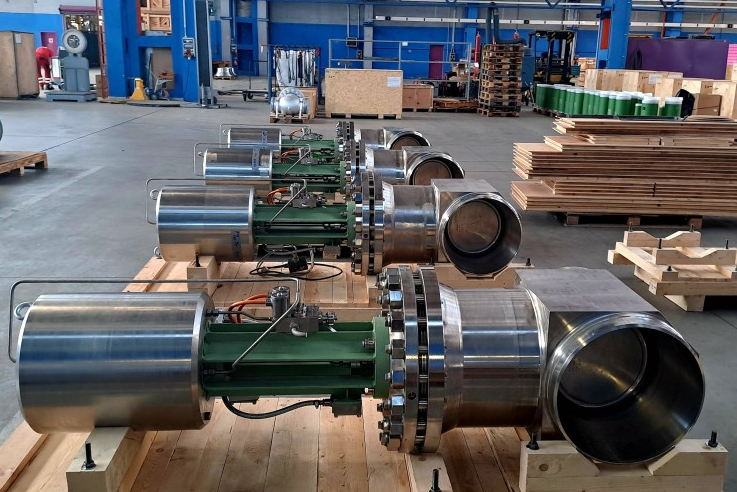
Czech industrial valve manufacturer MSA expands into the full nuclear energy supply chain
Czech industrial valve manufacturer MSA is actively expanding its business, aiming not only to participate in the construction of the Dukovany nuclear power plant but also to enter the supply chains related to small modular reactors (SMRs) and nuclear submarine projects. The company is one of the representatives of Czech industrial valve manufacturers, with years of industry experience and technical expertise. MSA specializes in the manufacture of industrial valves designed for the control of media such as liquids and gases. Its products have a long history and have undergone significant technological advancements. Modern industrial valves have become a highly specialized field, relying on contemporary research, innovative materials, and stringent technical and legal requirements. In particular, valves used in nuclear power plants must meet the highest standards of quality, safety, and operational reliability...
2026-08-06

Leonardo DRS to Build New Facility in Connecticut, U.S. to Support Growth in Naval Nuclear Propulsion-Related Business
Leonardo DRS announced on August 4 that it has signed an agreement to build a new facility in Brookfield, Connecticut, U.S., to expand and consolidate its naval electric power systems operations. The project aims to increase production capacity, support key U.S. Navy-related programs, and provide space and infrastructure for the company's future growth in the nuclear energy sector. According to the company's disclosure, the new facility is located at 120 Park Ridge Road in Brookfield, covering approximately 141,087 square feet. Once completed, the facility will consolidate operations currently spread across three locations in Danbury and Bethel, Connecticut. The facility is expected to be operational in early 2027, with partial occupancy potentially available by late 2026 if final design and tenant fit-out work proceed smoothly.
2026-08-06

Two Advanced Materials Research Projects by 1st American Nuclear Co. Supported by U.S. Department of Energy Nuclear Science User Facilities Program
1st American Nuclear Co. (FANCO) announced on August 3 that two research proposals submitted by its scientists have been selected for support under the Nuclear Science User Facilities (NSUF) program of the U.S. Department of Energy Office of Nuclear Energy. Both selected projects come from the NSUF Fiscal Year 2026 Rapid Turnaround Experiment (RTE) review cycle, with research focused on next-generation reactor materials and fuel-related issues. The NSUF Rapid Turnaround Experiment program is open to nuclear energy researchers and primarily provides irradiation testing, post-irradiation examination capabilities, and related technical support...
2026-08-06
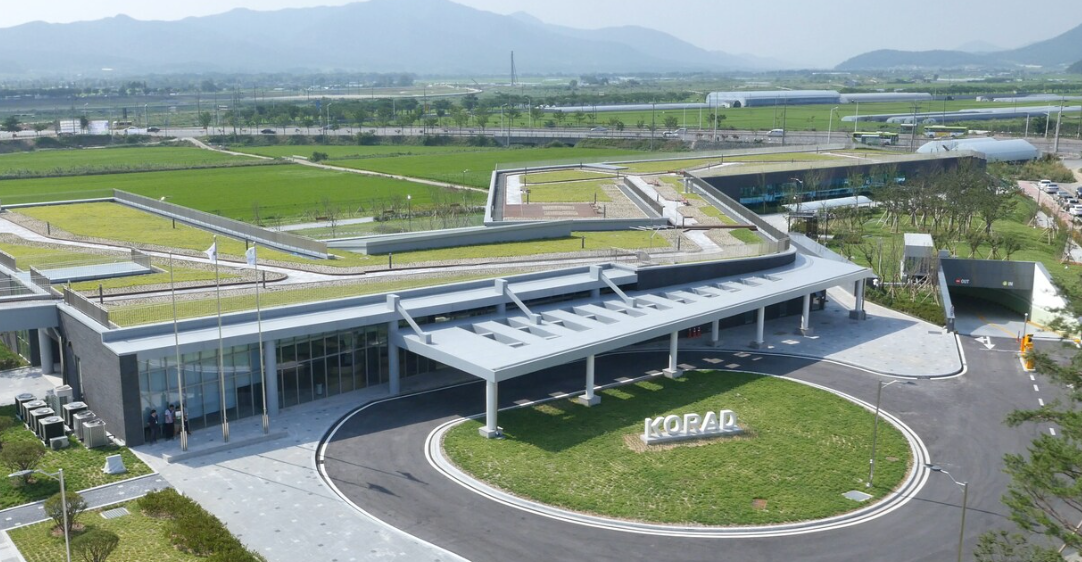
A batch of radioactive waste from the Korea Atomic Energy Research Institute deemed unsuitable for disposal due to documentation discrepancies
According to disclosures by relevant parties on August 5, a batch of radioactive waste shipped last year by the Korea Atomic Energy Research Institute (KAERI) to the low- and intermediate-level radioactive waste disposal facility (RWDF) in Gyeongju, North Gyeongsang Province, was deemed unsuitable for batch disposal due to inconsistencies between the declared documentation and actual contents. The Korea Radioactive Waste Agency (KORAD) conducted inspections after receiving the waste. KAERI shipped a total of 694 drums of radioactive waste to the disposal facility last year, of which 69 drums were inspected, and 32 were found to be non-compliant. The primary reason for non-compliance was discrepancies between the contents of the documents submitted by the institute and the actual inspection results after receipt. As a result, this batch of waste from the Korea Atomic Energy Research Institute...
2026-08-06
Japan Nuclear Security System Introduces SmartHR to Advance Centralized HR Data Management
On August 5, SmartHR Inc. announced that Japan Nuclear Security System Co., Ltd. has adopted its back-office system SmartHR for personnel and organizational management, to promote paperless HR operations and centralized employee information management. Japan Nuclear Security System, headquartered in Minato-ku, Tokyo, provides comprehensive security services for nuclear-related facilities, particularly nuclear power plants, through a combination of mechanical security and personnel security. One of the direct reasons for introducing the new system is that the company's existing HR system has ceased support, necessitating the selection of a replacement. Previously, ...
2026-08-05
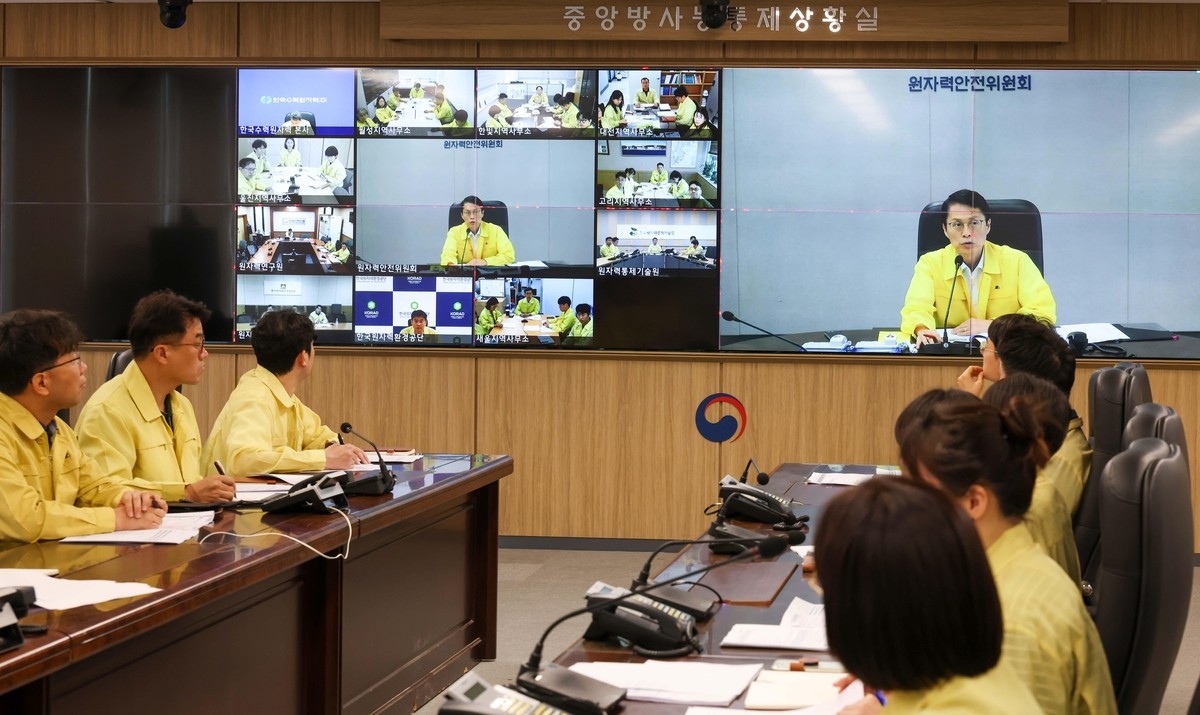
South Korea Launches Emergency Safety Inspection of Nuclear Facilities Amid Heatwave
The Nuclear Safety and Security Commission (NSSC) of South Korea announced on August 5 that, due to the ongoing nationwide heatwave, it will conduct an emergency inspection of the safety status and emergency response preparedness of nuclear facilities, including nuclear power plants. The inspection was conducted via video conference, with participation from personnel of the NSSC's six regional offices, safety regulatory agencies, and Korea Hydro & Nuclear Power (KHNP). The inspection focused on the potential impact of rising seawater temperatures used for cooling nuclear power plants. The NSSC verified the performance of relevant measuring instruments and heat exchangers, and examined KHNP's on-site emergency response status and handling procedures. The design temperature limits for seawater intake at South Korea's nuclear power plants range from 31 to 36.1 degrees Celsius. Due to climate change, the risk of high seawater temperatures is gradually emerging. In 2024, seawater temperatures in the waters off all South Korean nuclear power plants, except for the area around Shin-Hanul Units 1 and 2, reached record highs.
2026-08-05
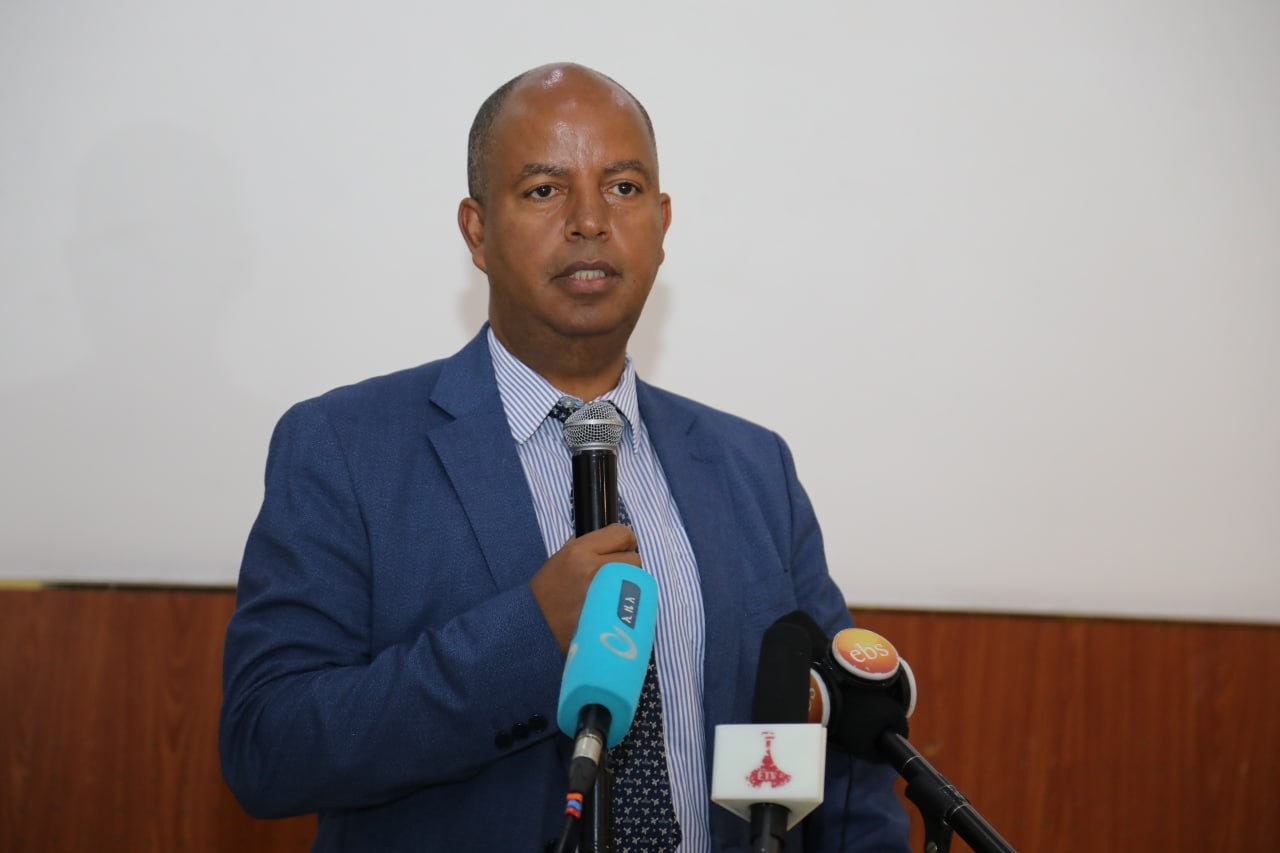
Ethiopia Advances Nuclear Power Regulatory Framework Development
The Ethiopian Technical Authority stated on August 4 that the country is strengthening its legal and regulatory framework in the nuclear energy sector, aligning with its strategic plan for future nuclear power generation and bringing relevant systems in line with international standards. As part of its nuclear power program, the Ethiopian Technical Authority has convened a stakeholder consultation forum bringing together government agencies, professional associations, and key partners to review the draft regulations for nuclear facility oversight. Solomon Getachew, Director General of the Ethiopian Technical Authority, stated at the forum that since the country formally notified the International Atomic Energy Agency (IAEA) of its intention to utilize peaceful nuclear technology for power generation, Ethiopia has undertaken various efforts in regulatory capacity building...
2026-08-05
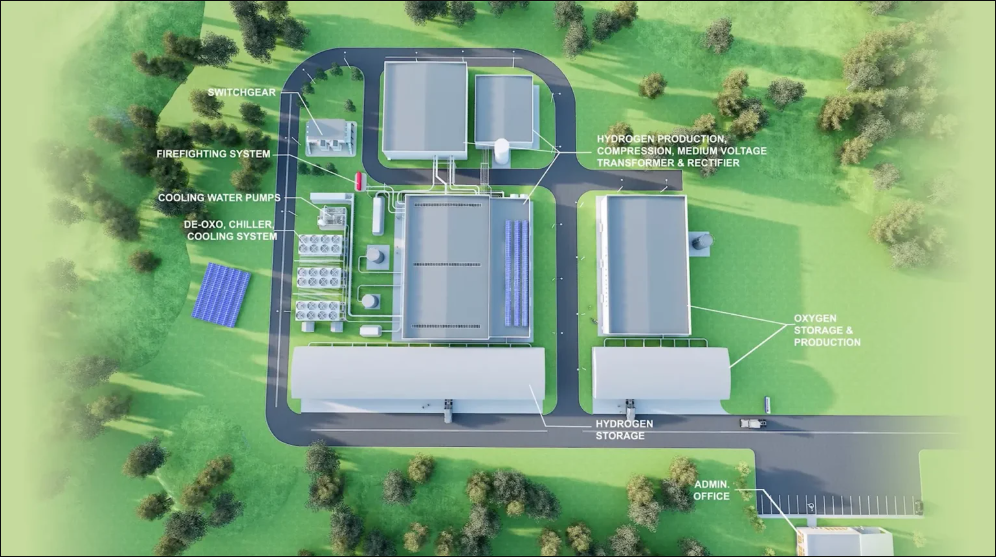
Aternium to Build First U.S. Heavy Water and High-Purity Hydrogen Production Facility in Delaware
Aternium announced on August 4 that it has selected Dover, Delaware, as the site for its first commercial heavy water and electrolytic hydrogen production facility. The company has reached a definitive sales agreement for a parcel within Garrison Oak Technical Park, with the transaction expected to close by mid-Q4 2026. The project will serve as Aternium's flagship production initiative in the United States, planned to produce heavy water (deuterium oxide) and high-purity hydrogen. According to company disclosures, the project is expected to bring at least $226 million in capital investment to Dover, create dozens of direct and supporting jobs, and generate hundreds of construction jobs during the build-out phase...
2026-08-05

ASP Isotopes PET Lab Revenue Grows Over 50% in First Half of Year, Isotope Enrichment Facilities Advance Toward Commercial Production
ASP Isotopes Inc. recently released a letter to shareholders outlining operational progress across its business segments ahead of the company's second-quarter 2026 financial results announcement. The company stated that its PET lab segment achieved organic revenue growth of more than 50% in the first half of 2026 compared to the same period in 2025. Based on current expectations, the segment's full-year 2026 revenue is projected to be approximately $14 million, up from $6 million in 2025. PET-related operations are typically closely associated with radiopharmaceutical preparation, molecular imaging, and nuclear medicine diagnostic applications. On the isotope front, ASP Isotopes stated that its silicon-28 and ytterbium-176 enrichment facilities have entered the final stage before commercial production, with first deliveries expected in the second half of 2026...
2026-08-05
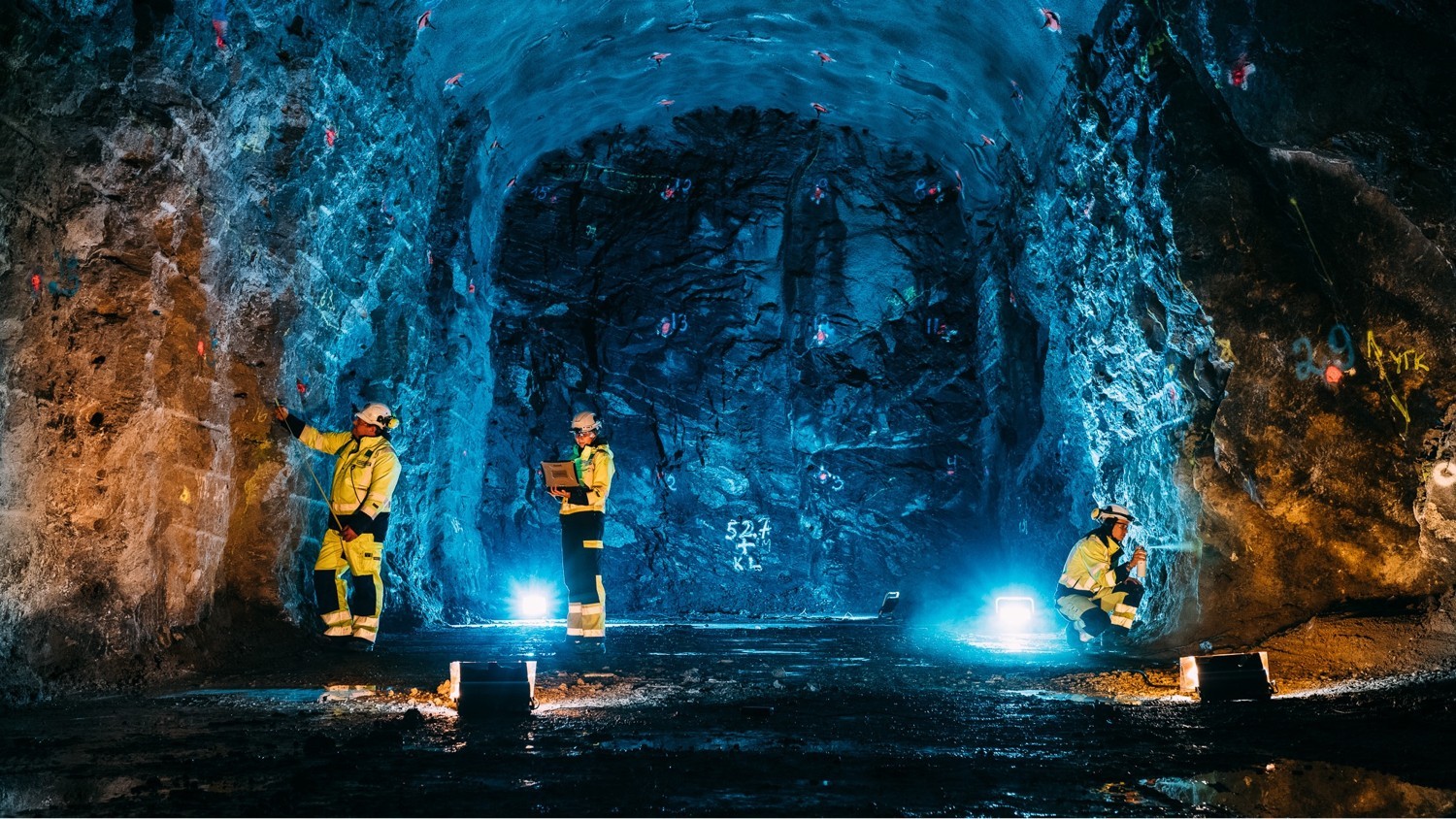
Finland's Olkiluoto Spent Nuclear Fuel Final Disposal Facility Passes Regulatory Safety Assessment
The Radiation and Nuclear Safety Authority of Finland (STUK) released a safety assessment report on August 4, concluding that Posiva's spent nuclear fuel encapsulation plant and final disposal facility at Olkiluoto, Finland, meets the safety requirements for an operating license. This conclusion brings the project, regarded as the world's first industrial-scale geological final disposal facility for spent nuclear fuel, one step closer to obtaining government approval for operation. The facility is located on Olkiluoto Island in the municipality of Eurajoki, southwestern Finland, and is designed to dispose of spent nuclear fuel generated by the Olkiluoto nuclear power plant units of Teollisuuden Voima Oyj (TVO) and the Loviisa nuclear power plant units of Fortum. Posiva submitted its operating license application in December 2021...
2026-08-05

South Korea Accelerates Safety Reviews of Long-Term Operating Nuclear Reactors and Advances Licensing of First Spent Fuel Dry Storage Facility
The Nuclear Safety and Security Commission (NSSC) of South Korea stated at its second-half work report meeting on August 4 that it will accelerate safety reviews of long-term operating nuclear reactors while simultaneously advancing regulatory efforts such as licensing systems for spent fuel dry storage facilities and small modular reactors. Under the plan, the NSSC will conduct safety inspections on nine reactors applying for continued operation, with review standards referencing newly built nuclear power plants and confirming safety margins in consideration of the characteristics of long-term unit operation. Among these, whether Kori Nuclear Power Plant Units 3 and 4 will be approved for continued operation in the second half of this year, and whether Hanbit Nuclear Power Plant Units 1 and 2 will be approved for continued operation in the first half of next year, are the near-term review priorities...
2026-08-05
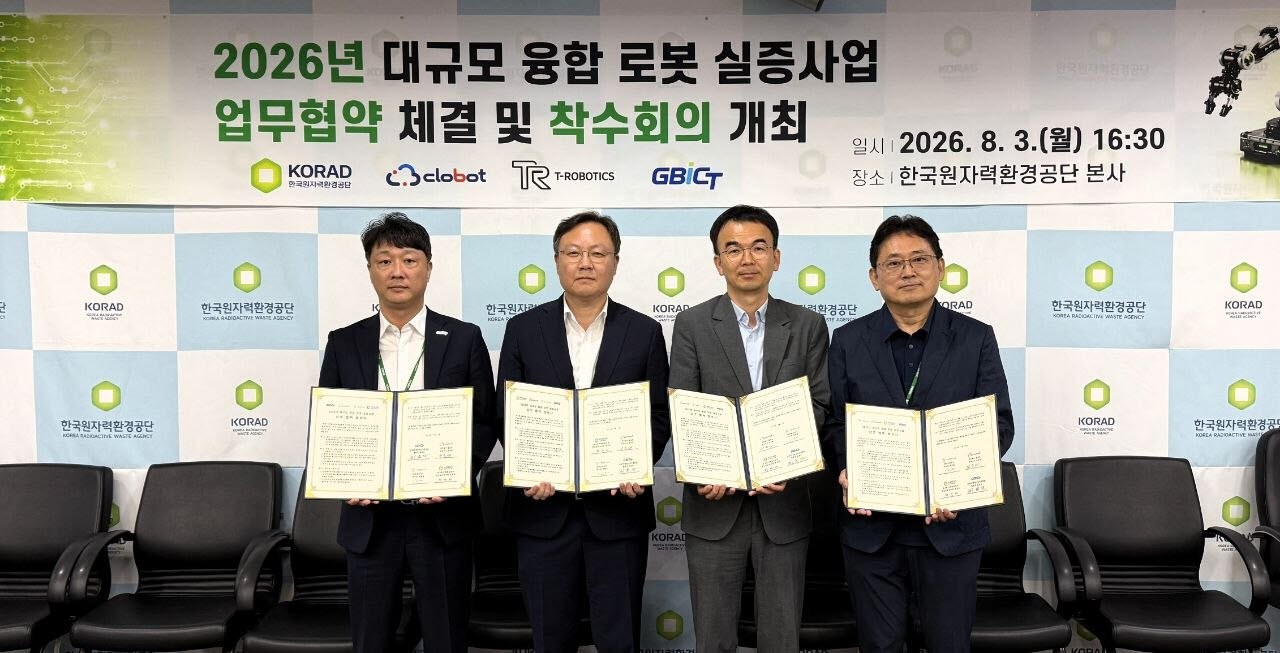
T-Robotics to Participate in South Korea's Radioactive Waste Management Robot Demonstration Project
T-Robotics, a South Korean industrial humanoid robot and autonomous mobile robot (AMR) company, announced on August 4 that it has signed a memorandum of understanding to advance the 2026 large-scale integrated robot demonstration project. The MOU was jointly signed by T-Robotics, the Korea Radioactive Waste Agency (KORAD), Klobot, and the Gyeongbuk ICT Convergence Industry Promotion Association. The parties plan to jointly pursue a government demonstration project targeting high-risk radioactive waste safety management scenarios, exploring the collaborative application of multiple types of robots in radioactive waste disposal facilities. Under the agreement, the participating organizations will establish...
2026-08-04

USDA Plans $25 Million Investment in Sterile Fly Release Facility in Arizona
The U.S. Department of Agriculture will invest $25 million to build a new sterile fly release facility in Arizona, strengthening efforts to control New World screwworm and reduce the risk of it invading American livestock herds. Agriculture Secretary Brooke Rollins announced the plan during a visit to the Douglas Port of Entry in Arizona. According to the department, releasing sterile flies is a key method for suppressing and ultimately eradicating New World screwworm populations. The proposed Arizona facility will enhance USDA's sterile fly release capacity and complement existing facilities and operations in Texas, Mexico, and Panama, further strengthening emergency response capabilities along the U.S. southwest border. The U.S...
2026-08-04
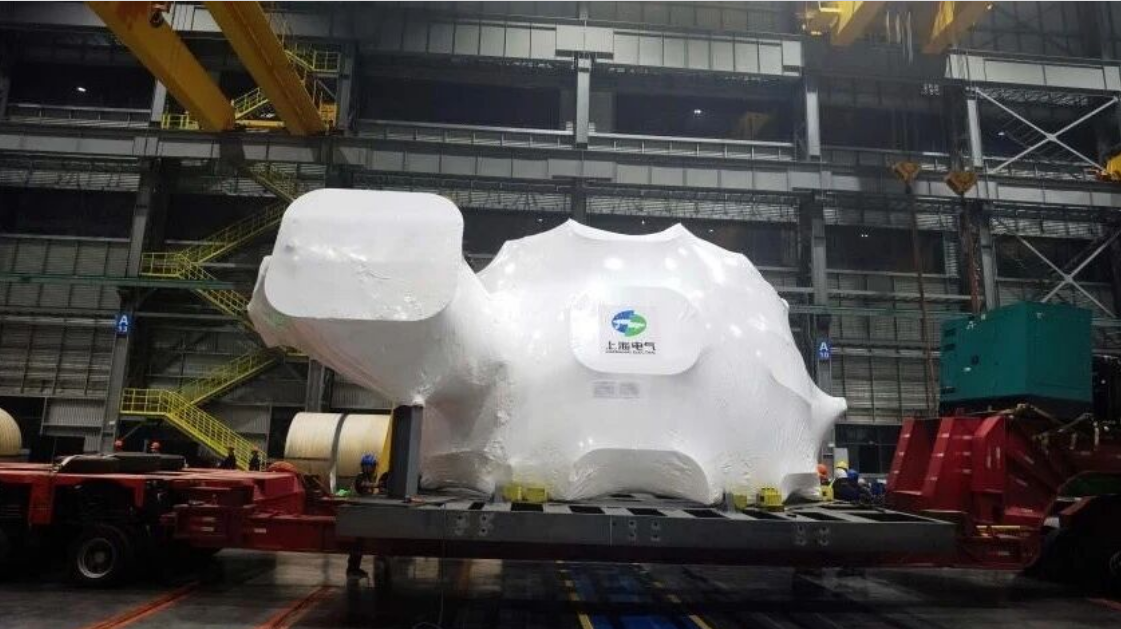
Key Breakthroughs Achieved in Development of Core Equipment for BEST Compact Fusion Energy Test Facility
Recently, at a critical juncture in the all-out sprint toward the "double-half" goals, the development of two core components of the compact fusion energy test facility (BEST) main machine equipment—the vacuum vessel and the mid-plane thermal shield—undertaken by Shanghai Electric Nuclear Power Group and manufactured by No.1 Machine Tool Plant, has achieved successive milestone results. Multiple key manufacturing tasks have been successfully completed and delivered upon acceptance, marking that the development of BEST main machine core equipment has fully entered the critical stage of tackling difficulties and accelerating the sprint, laying a solid foundation for high-quality project delivery. As the core key equipment of the compact fusion energy test facility, the BEST vacuum vessel and mid-plane thermal shield feature complex structures, extremely high precision requirements, and difficult manufacturing processes...
2026-08-03