
Search Results
Keyword:FIRST
First Experimental Result Published from the High-Intensity Heavy-Ion Accelerator Facility
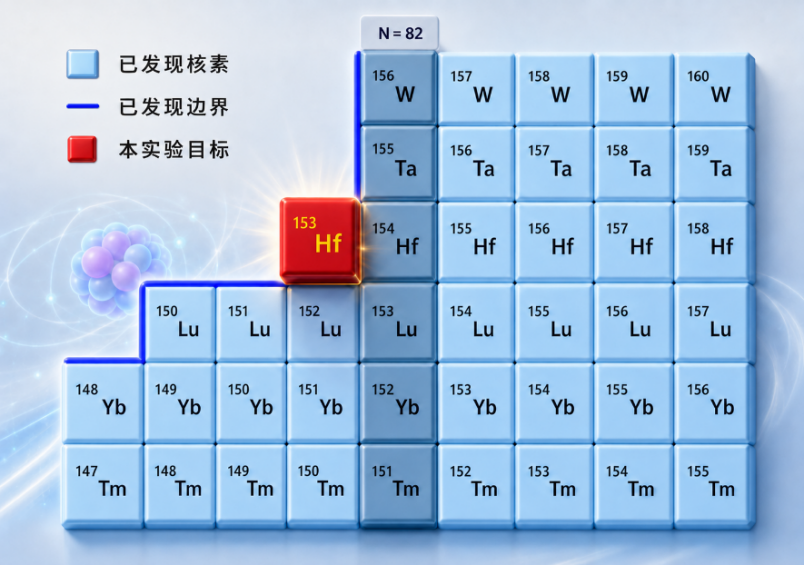
Recently, the research team from the Institute of Modern Physics (IMP) of the Chinese Academy of Sciences, together with collaborators, successfully produced and identified the rare isotope hafnium-153 using the High-Intensity Heavy-Ion Accelerator Facility (HIAF). This is the first physics result obtained during the commissioning of HIAF, demonstrating that China's new-generation high-intensity heavy-ion research facility is capable of exploring unknown nuclides and expanding the nuclear chart. It marks the official commencement of HIAF's scientific discovery journey. The result was published as a short communication in *Science Bulletin*. Figure: Position of hafnium-153 on the nuclear chart; the blue line indicates the boundary of known nuclides. Image | Hu Houyu, Li Hongfu. Atomic nuclei are composed of protons and neutrons, and different combinations of proton and neutron numbers form the diverse world of nuclides. Exploring unknown nuclides and investigating the boundaries of nuclear existence are important frontiers in nuclear physics. Hafnium-153 is located in the neutron-deficient heavy-mass region and is an important subject for studying the evolution of nuclear structure and the limits of nuclear stability. It had not been reported prior to this experiment. The discovery and precise measurement of this nuclide will help test nuclear theory models and deepen our understanding of nuclear structure regularities.
2026-08-03

Danube at Record Low, Hungary's Paks Nuclear Plant Faces First Full Shutdown in 44 Years
On August 2, Hungarian authorities stated that the Paks Nuclear Power Plant may halt electricity generation due to the Danube River dropping to a historic low. This is the country's only nuclear power plant, with an installed capacity of approximately 2 gigawatts, generating nearly half of Hungary's total electricity output. The Paks Nuclear Power Plant draws water from the Danube for cooling. Due to persistent high temperatures and insufficient rainfall, the Danube's water level has been continuously declining recently. Hungarian water authorities predict that the river, which flows from Germany to the Black Sea, will see further drops in water levels in the coming days. As of 18:37 GMT on August 2, the Paks Nuclear Power Plant's output was only slightly above 10% of its installed capacity. Péter M...
2026-08-03
Xinjiang's First Domestically Developed SPECT/CT Put into Operation at the First Affiliated Hospital of Shihezi University
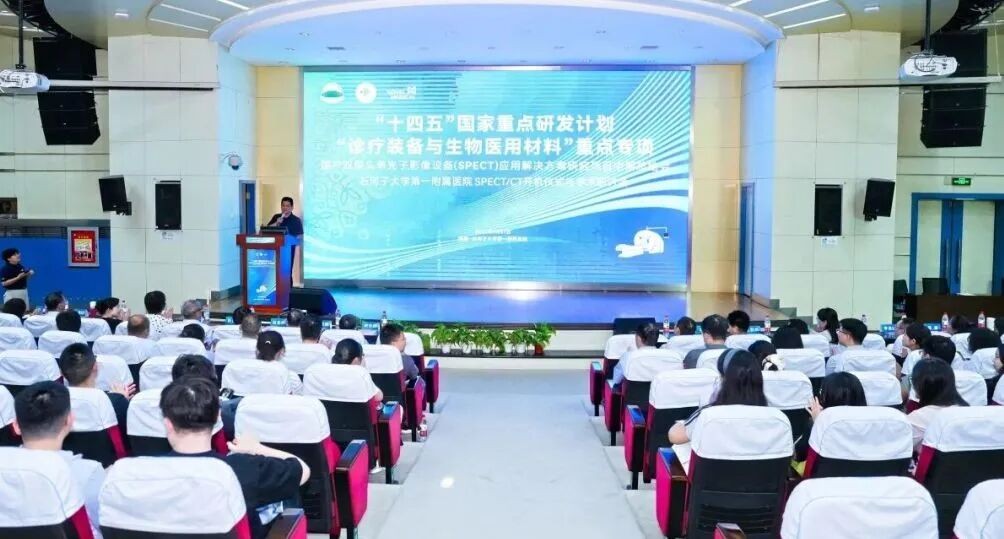
Recently, the mid-term summary meeting of the National Key R&D Program project "Research on Application Solutions for Domestically Developed Dual-Head Single-Photon Imaging Equipment (SPECT)" under the 14th Five-Year Plan, along with the SPECT/CT commissioning ceremony and academic seminar, was held at the First Affiliated Hospital of Shihezi University. The Insight four-dimensional quantitative SPECT/CT from永新医疗 (Yongxin Medical) was officially installed in Xinjiang, becoming the first domestically developed SPECT/CT system put into clinical use in the region. A representative from the First Affiliated Hospital of Shihezi University stated that the commissioning of the domestically developed SPECT/CT will help the hospital improve its precision diagnosis and treatment system in northern Xinjiang and enhance regional nuclear medicine service capabilities. Experts attending the meeting noted that the deployment of this system in clinical practice will help explore the standardized application pathways of SPECT/CT in primary hospitals and accumulate clinical experience in the use of nuclear medicine imaging equipment in western China.
2026-08-03

Unit 3 of the Huaneng Changjiang Nuclear Power Phase II project—Hainan Province's first "Hualong One" nuclear power project—has been connected to the grid and is generating electricity
On August 1, Unit 3 of the Huaneng Changjiang Nuclear Power Phase II Project, the first large-scale pressurized water reactor nuclear power project under controlling construction by China Huaneng Group Co., Ltd. and the first "Hualong One" nuclear power project in Hainan Province, was connected to the grid, generating Huaneng's first kilowatt-hour of pressurized water reactor nuclear power. This marks that the unit has officially gained the capability to transmit power to the grid, taking a key step toward the goal of commercial operation. The project plans to build two 1.2-million-kilowatt nuclear power units, equipped with China's independently developed third-generation pressurized water reactor nuclear power technology, the "Hualong One." It vigorously promotes the independent design of nuclear power and the localization of equipment manufacturing, and adopts a safety design concept combining active and passive systems, which can significantly improve the reliability and safety of the nuclear power plant. ...
2026-08-03
India's First Elekta Evo Installed at Manipal Hospital in Bengaluru for Online Adaptive Radiotherapy
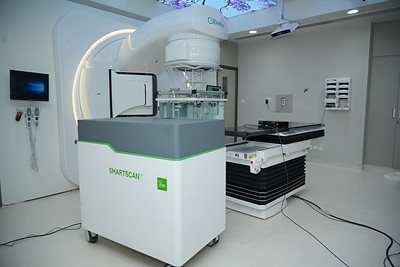
Bengaluru, India – Manipal Hospital Yelahanka has become the first healthcare facility in India to install Elekta Evo, Elekta's AI-enhanced adaptive CT linac platform, which will support clinical teams in delivering online adaptive radiotherapy for more personalized and precise cancer treatment. The system was previously showcased at AROICON 2025, India's radiation oncology conference. According to data from the Indian Council of Medical Research, India records an estimated 1.46 million new cancer cases annually, with radiotherapy demand continuing to grow. For patients with complex conditions or those presenting at advanced stages...
2026-08-01
Six Polish companies enter final stage of supplier qualification for Westinghouse AP1000 first reactor
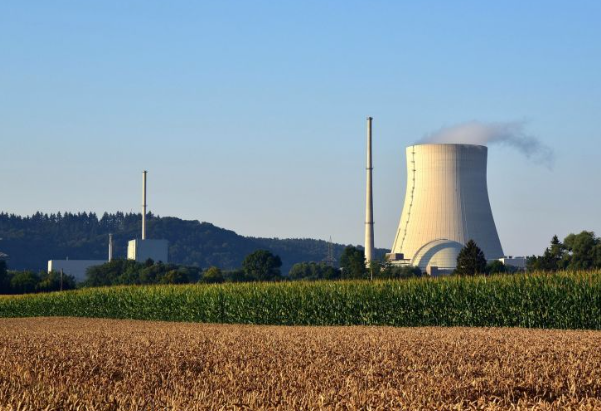
Poland's Mostostal Kielce, along with five other Polish companies, has entered the final stage of qualification jointly organized by Westinghouse and Polish Nuclear Power Company (PEJ), with the potential to participate in the construction of Poland's first nuclear power plant. The plant will be located in the Choczewo municipality and will use AP1000 technology. The six companies entering the final stage include Mostostal Kielce, FAMAK, Ferrum Welded Structures Plant, Mostostal Siedlce, Mostostal Kraków, and Energomontaż-Północ Gdynia. In the final round, they will produce structural mock-ups to verify compliance with ASME NQA-1, the international quality standard for the nuclear sector. Prior to this...
2026-08-01

American Fusion Completes First Phase of Texatron Testing at Texas Tech University
American Fusion (American Fusion, OTC: AMFN) announced on July 31 that the first phase of its proprietary Texatron Fusion Engine engineering and testing program has been completed at the Center for Emerging Energy Sciences, Department of Physics and Astronomy, Texas Tech University in Lubbock, Texas. The company stated that the project has achieved initial engineering goals and has advanced to the next phase of the Texatron development and testing program. According to reports, American Fusion's seven-member science and engineering team collaborated with Texas Tech University personnel this week on engineering assessments, subsystem...
2026-08-01
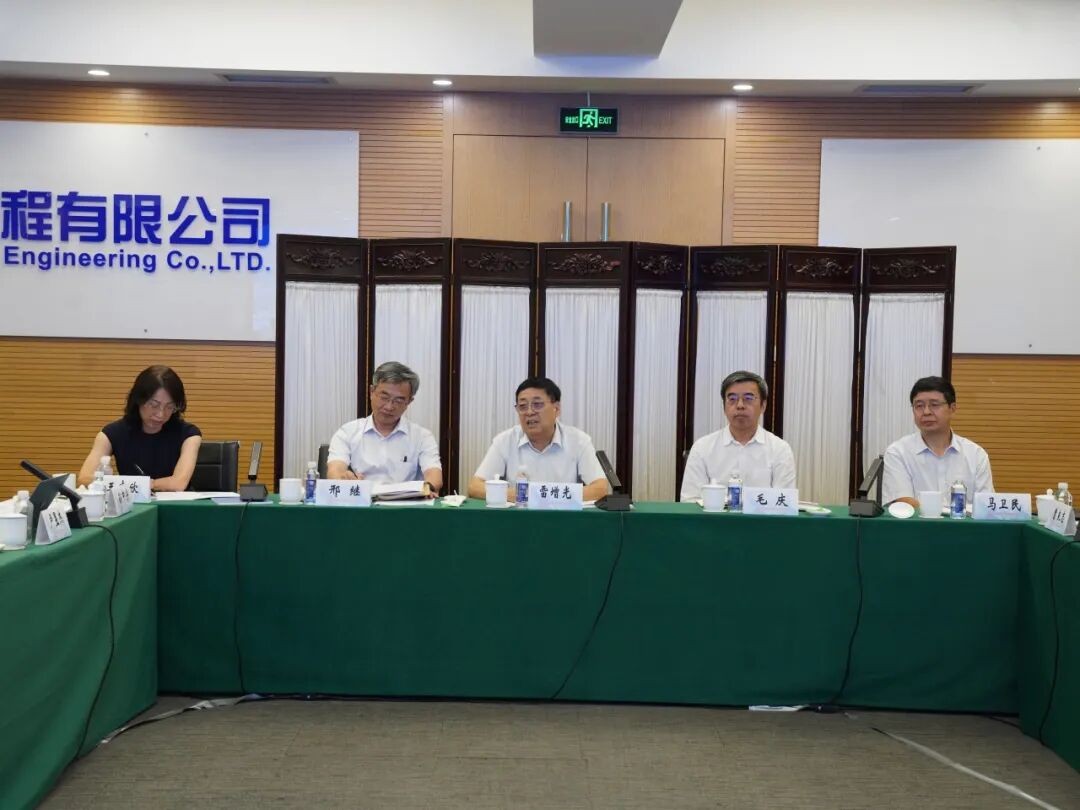
First Editorial Board Meeting of *Research & Design of Nuclear Engineering* Held in Beijing
On July 31, the first editorial board meeting of *Research & Design of Nuclear Engineering*, a high-standard English-language journal in the nuclear engineering field, was successfully held at the Beijing Nuclear Energy Building. Academician Lei Zengguang of CNNC, Editor-in-Chief, and Academician Tu Shandong of East China University of Science and Technology, Associate Editor-in-Chief, along with editorial board representatives from domestic and international universities and research institutes, including the Royal Institute of Technology (KTH) in Sweden and Tsinghua University, attended the meeting. Relevant leaders from China Nuclear Power Engineering Co., Ltd. and CGN Engineering Co., Ltd., the journal's sponsors, as well as representatives from Science Press, the publisher, participated on-site. The meeting was chaired by Liu Liping, Director of the Science and Technology Department of CNNC Engineering. At the meeting, CNNC...
2026-08-01
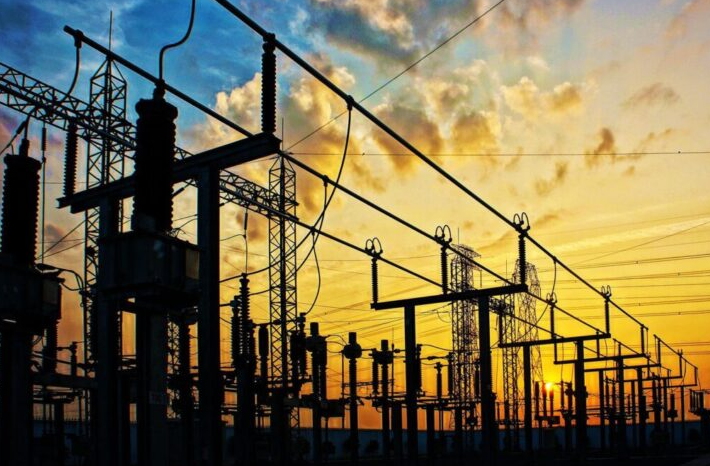
Ukraine's Nuclear Power Plants Generate 26.8 Billion kWh in First Half of Year
On July 29, Ukraine's national nuclear energy company Energoatom reported that from January to June 2026, the country's nuclear power plants generated a cumulative 26.8201 billion kWh (26.82 TWh), an increase of 163.1 million kWh compared to the same period in 2025. Nuclear power continues to serve as the backbone of Ukraine's electricity system baseload, with its share exceeding 67% during certain periods between 2019 and 2025 (according to data from Ukraine's National Energy and Utilities Regulatory Commission, NKREKP), supporting system stability amid repeated attacks on the power grid during wartime. Data shows that from 2019 to 2025, the share of electricity generated by Ukraine's nuclear power plants even exceeded 67% of the country's total energy output during certain periods. This stable power supply capability remains effective in maintaining the stable operation of the energy system even as Ukraine's energy sector faces persistent challenges...
2026-07-31
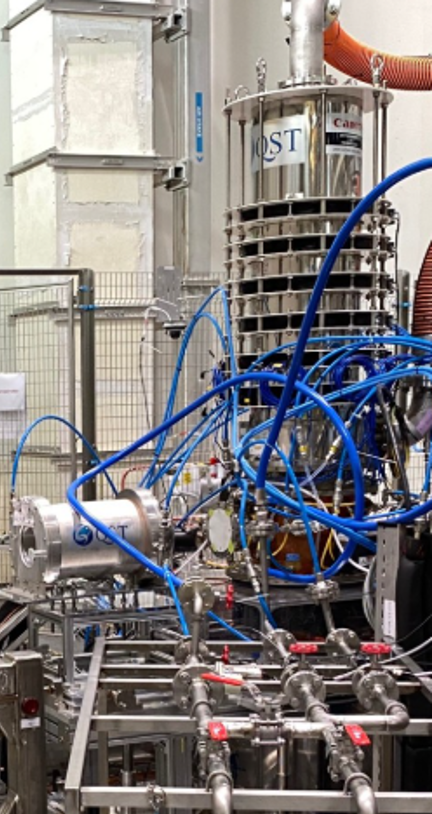
QST completes first gyrotron 170 GHz microwave output test at ITER site
The National Institutes for Quantum Science and Technology (QST) of Japan announced on July 31 that it has completed the integration and operational testing of the first gyrotron system at the International Thermonuclear Experimental Reactor (ITER) site in southern France, successfully producing 170 GHz microwave output. This system is used for ITER plasma generation and heating, and is one of the key devices for ITER's plan to commence operations in 2034. The core equipment of this test is the gyrotron, a high-power microwave source. Gyrotron operation requires the coordinated work of peripheral equipment such as power supplies, superconducting coils, and cooling systems. QST previously completed performance testing of eight ITER gyrotron systems at the gyrotron test facility of the Naka Fusion Institute in Japan, and transported components including gyrotrons, superconducting coils, and quasi-optical matching units to the ITER site. Over the past three years, QST has advanced system installation, commissioning, and operational preparation at the site.
2026-07-31
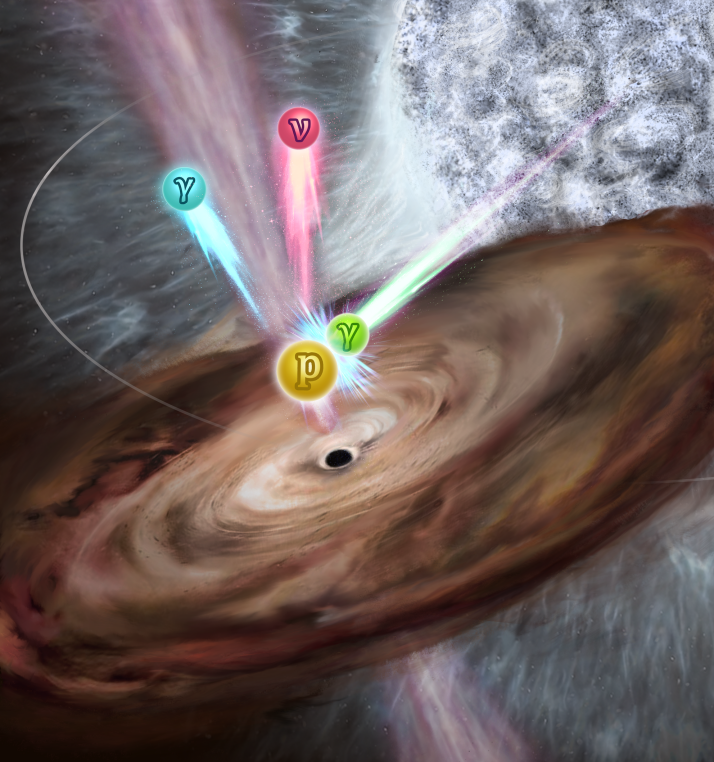
LHAASO "Sees" for the First Time How Black Holes Produce the Highest-Energy Particles in the Universe
How do black holes accelerate particles to the highest energies in the universe? The latest research provides the answer. On July 31, it was learned from the Institute of High Energy Physics of the Chinese Academy of Sciences that the Large High Altitude Air Shower Observatory (LHAASO, "Lasso"), a major national scientific and technological infrastructure, has for the first time clearly observed the process by which a black hole, while devouring material from its companion star, regularly produces the highest-energy particles in the universe like a metronome, and has identified the first PeV gamma-ray variable source. The related research results were published in the *National Science Review*. Cygnus X-3 is a binary system located in the constellation Cygnus, consisting of a black hole and a massive companion star. The gravitational pull there is extremely strong, and the black hole frantically accretes the stellar wind blown off by its companion. LHAASO detected...
2026-07-31

Crusoe and Aalo Atomics Forge Strategic Partnership: First Nuclear-Powered AI Facility Planned
U.S.-based Crusoe and Aalo Atomics have reached a strategic partnership aimed at deploying the first nuclear-powered artificial intelligence facility. This commercial collaboration builds on Aalo's recent criticality achievement, underscoring U.S. leadership in AI and energy. Crusoe's Spark modular AI data centers will be co-located with Aalo Atomics' nuclear reactor buildings at Idaho National Laboratory. The project aims to validate the effectiveness of nuclear energy for AI workloads. Cully Cavness, co-founder, president, and chief strategy officer of Crusoe, stated that next-generation AI infrastructure requires reliable, abundant, clean, and scalable power, and Aalo's reactors are designed precisely for that purpose. Crusoe's core value is "bending the energy arc toward sustainability," guided by the principle of leveraging its market position to support and accelerate energy innovation...
2026-07-31
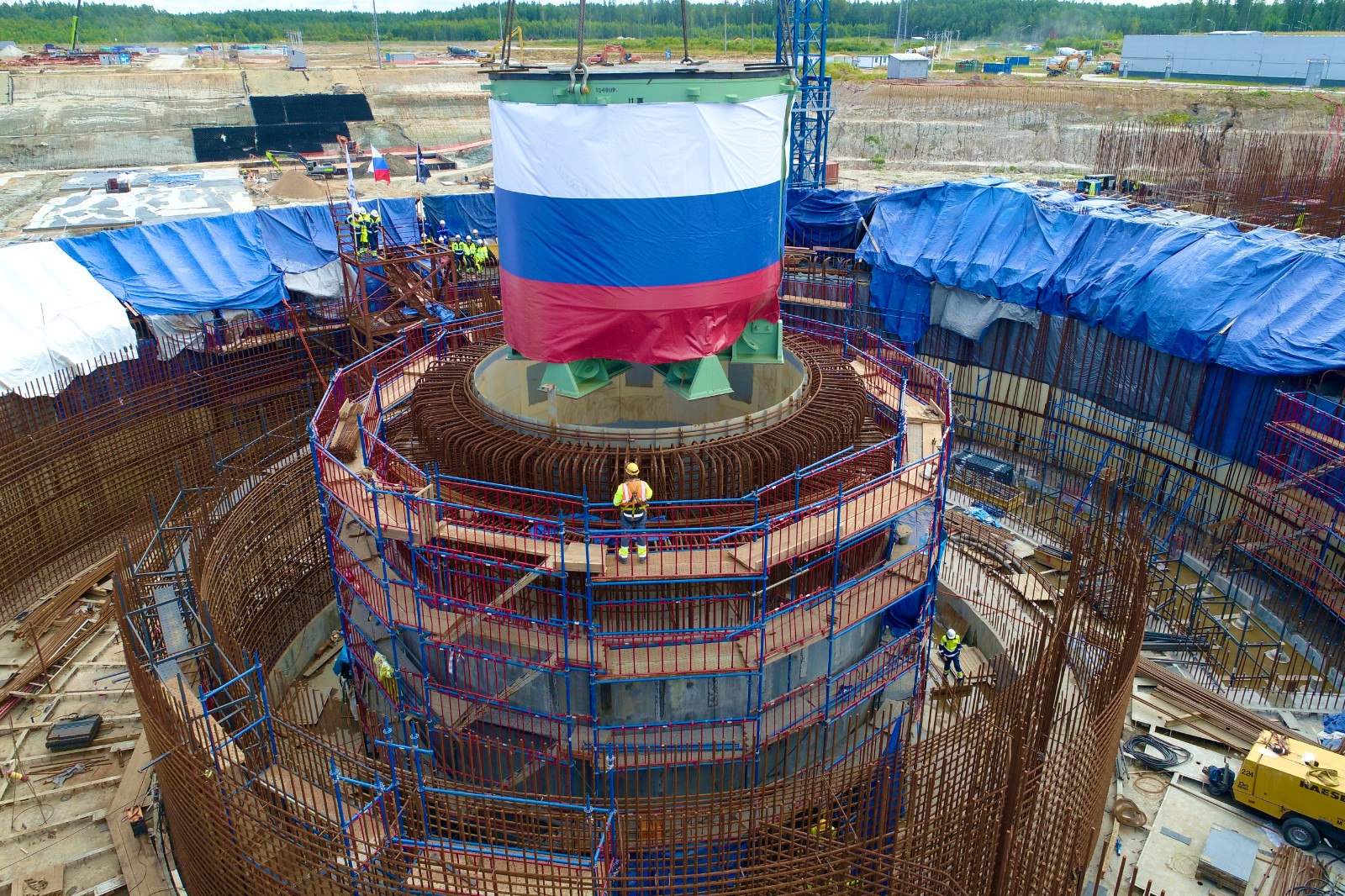
Unit 4 of Leningrad NPP Phase II completes installation of first major equipment
Unit 4 of Russia's Leningrad NPP Phase II recently completed the installation of the core melt catcher vessel. This is the first major equipment of the unit to enter the installation stage, and also the first passive safety system equipment to be installed. The steel structure weighs 157 tonnes, and the installation was carried out using a heavy crawler crane, taking about one work shift of approximately 8 hours, nearly 3 months ahead of the original schedule. Valery Zhemchugov, Acting Director of Leningrad NPP, stated that the installation of the core melt catcher vessel is a key milestone in the construction of Unit 4, a VVER-1200 pressurized water reactor unit, and that the relevant work was completed in accordance with quality requirements, providing more time for subsequent reactor building civil and installation works.
2026-07-31
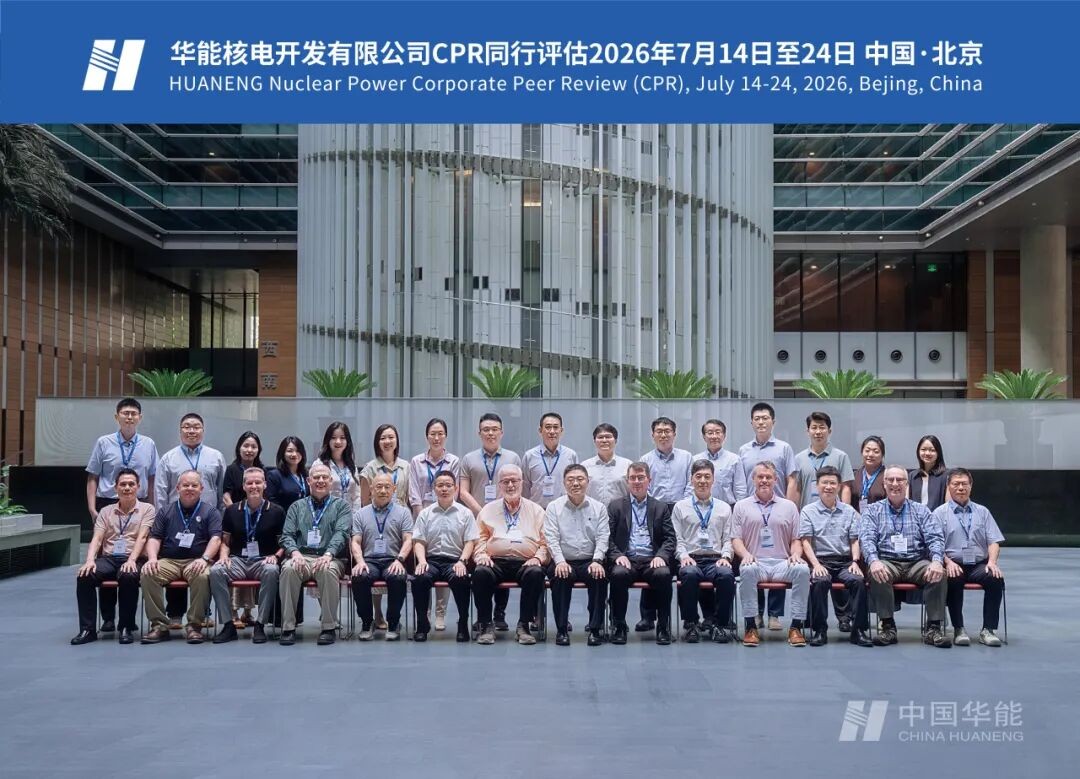
Huaneng Nuclear Power Receives First WANO Corporate Peer Review
From July 14 to 24, 2026, Huaneng Nuclear Power received its first Corporate Peer Review (CPR) organized by the Atlanta Center of the World Association of Nuclear Operators (WANO), successfully achieving the set objectives. WANO CPR is a widely accepted headquarters-level peer review in the global nuclear industry and serves as an important channel for in-depth international exchange. A 14-member assessment team, consisting of 7 foreign experts from the United States and Canada, along with personnel from the WANO Shanghai Office and industry management, conducted the review in accordance with WANO peer review standards. The evaluation covered seven areas: corporate leadership, corporate governance, oversight and monitoring, independent oversight, corporate support services, human resources and leadership development, and...
2026-07-31
Russian flaw detection robots to be deployed for the first time at Egypt's El Dabaa NPP
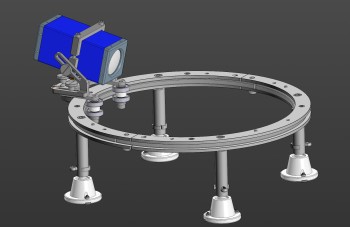
Engineers from Russia's Ural Atomenergo and the Atomic Energy Non-Destructive Testing Center (NDTC) have developed an automated metal non-destructive testing system, which includes specialized inspection devices for reactor pressure vessel equipment. The system will be sent to Egypt's El Dabaa Nuclear Power Plant for related equipment inspection. This is also the first deployment of such a standardized system at a nuclear power project outside Russia. The system consists of multiple robotic arms and a magnetic wheeled robot, capable of delivering ultrasonic flaw detection sensors and measuring devices to positions that are difficult for humans to access. The developer stated that the main goal of the system is to replace manual operations in high-radiation areas, reducing the risk of personnel entering hazardous zones for inspection tasks.
2026-07-30