
Search Results
Keyword:FIRST
Oklahoma Strives to Build the Nation's First Nuclear Energy Innovation Hub
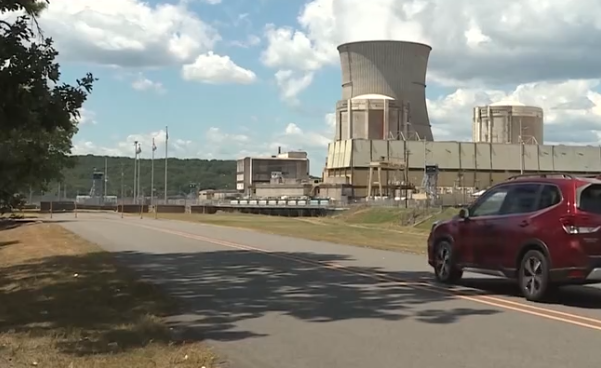
Oklahoma is actively competing to become the first nuclear energy innovation hub in the United States, having submitted a detailed 31-page proposal. The plan aims to cover the entire nuclear fuel lifecycle management, encompassing fuel fabrication, advanced reactor construction, spent fuel recycling, and permanent disposal of high-level radioactive waste. Oklahoma's goal is to establish the first permanent waste disposal solution in the U.S., achieving this before commercial nuclear power deployment. In the proposal, deep borehole drilling for radioactive waste disposal emerges as a key component. This method involves drilling thousands of feet deep and placing radioactive waste sealed in specially designed containers into the subsurface, followed by sealing the borehole.
2026-08-05
Kazakhstan's Uranium Output Up 9% Year-on-Year in First Half of 2026
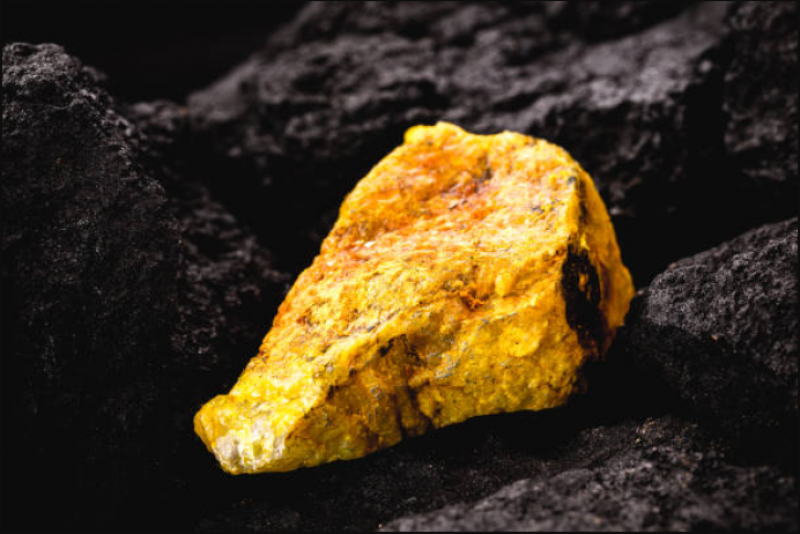
Kazatomprom, Kazakhstan's largest uranium producer, reported on August 3 that the country's uranium output increased by 9% year-on-year in the first half of 2026. According to the report, on a 100% basis, uranium oxide (U3O8) production from entities in which the company holds stakes totaled 13,291 tonnes in the first half of this year, up from 12,242 tonnes in the same period of 2025. The 100% basis covers the full production of all entities in which Kazatomprom holds stakes, with a portion of that output potentially attributable to joint venture partners or other third-party shareholders. On an attributable basis, Kazatomprom's uranium production in the first half of 2026 stood at 7,054 tonnes, up 10% year-on-year. This basis only counts the portion of production attributable to Kazatomprom...
2026-08-05
Aternium to Build First U.S. Heavy Water and High-Purity Hydrogen Production Facility in Delaware
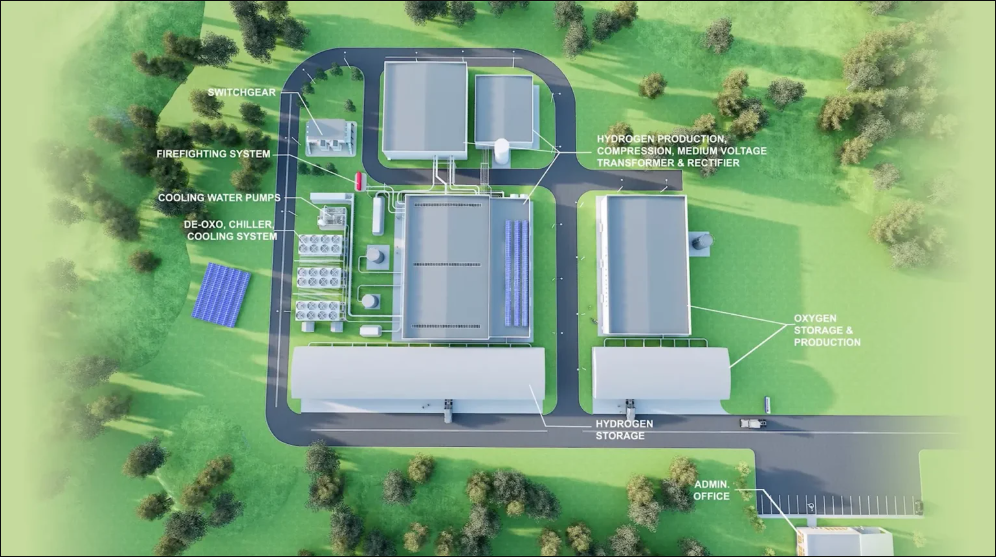
Aternium announced on August 4 that it has selected Dover, Delaware, as the site for its first commercial heavy water and electrolytic hydrogen production facility. The company has reached a definitive sales agreement for a parcel within Garrison Oak Technical Park, with the transaction expected to close by mid-Q4 2026. The project will serve as Aternium's flagship production initiative in the United States, planned to produce heavy water (deuterium oxide) and high-purity hydrogen. According to company disclosures, the project is expected to bring at least $226 million in capital investment to Dover, create dozens of direct and supporting jobs, and generate hundreds of construction jobs during the build-out phase...
2026-08-05

ASP Isotopes PET Lab Revenue Grows Over 50% in First Half of Year, Isotope Enrichment Facilities Advance Toward Commercial Production
ASP Isotopes Inc. recently released a letter to shareholders outlining operational progress across its business segments ahead of the company's second-quarter 2026 financial results announcement. The company stated that its PET lab segment achieved organic revenue growth of more than 50% in the first half of 2026 compared to the same period in 2025. Based on current expectations, the segment's full-year 2026 revenue is projected to be approximately $14 million, up from $6 million in 2025. PET-related operations are typically closely associated with radiopharmaceutical preparation, molecular imaging, and nuclear medicine diagnostic applications. On the isotope front, ASP Isotopes stated that its silicon-28 and ytterbium-176 enrichment facilities have entered the final stage before commercial production, with first deliveries expected in the second half of 2026...
2026-08-05

South Korea Accelerates Safety Reviews of Long-Term Operating Nuclear Reactors and Advances Licensing of First Spent Fuel Dry Storage Facility
The Nuclear Safety and Security Commission (NSSC) of South Korea stated at its second-half work report meeting on August 4 that it will accelerate safety reviews of long-term operating nuclear reactors while simultaneously advancing regulatory efforts such as licensing systems for spent fuel dry storage facilities and small modular reactors. Under the plan, the NSSC will conduct safety inspections on nine reactors applying for continued operation, with review standards referencing newly built nuclear power plants and confirming safety margins in consideration of the characteristics of long-term unit operation. Among these, whether Kori Nuclear Power Plant Units 3 and 4 will be approved for continued operation in the second half of this year, and whether Hanbit Nuclear Power Plant Units 1 and 2 will be approved for continued operation in the first half of next year, are the near-term review priorities...
2026-08-05

Russian Nuclear-Powered Icebreaker "Yakutia" Provides First Escort for Luxury Cruise Ship to Wrangel Island Nature Reserve
This summer, the second group of tourists to Wrangel Island successfully landed on the nature reserve. 150 tourists were able to witness with their own eyes this mysterious island known as the "birthplace of polar bears." This was made possible thanks to the nuclear-powered icebreaker Yakutia providing ice escort services for the luxury cruise ship SH Minerva, ensuring navigational safety. This year, ice conditions in the Chukotka region were relatively complex, posing challenges to the cruise ship's operations. Previously, SH Minerva had failed to reach Wrangel Island due to its inability to break through sea ice, so the trip organizers took special measures this time. RussiaDiscovery and Vodokhod companies submitted a request to Rosatomflot...
2026-08-04
First H-mode plasma with ELMs achieved on WEST
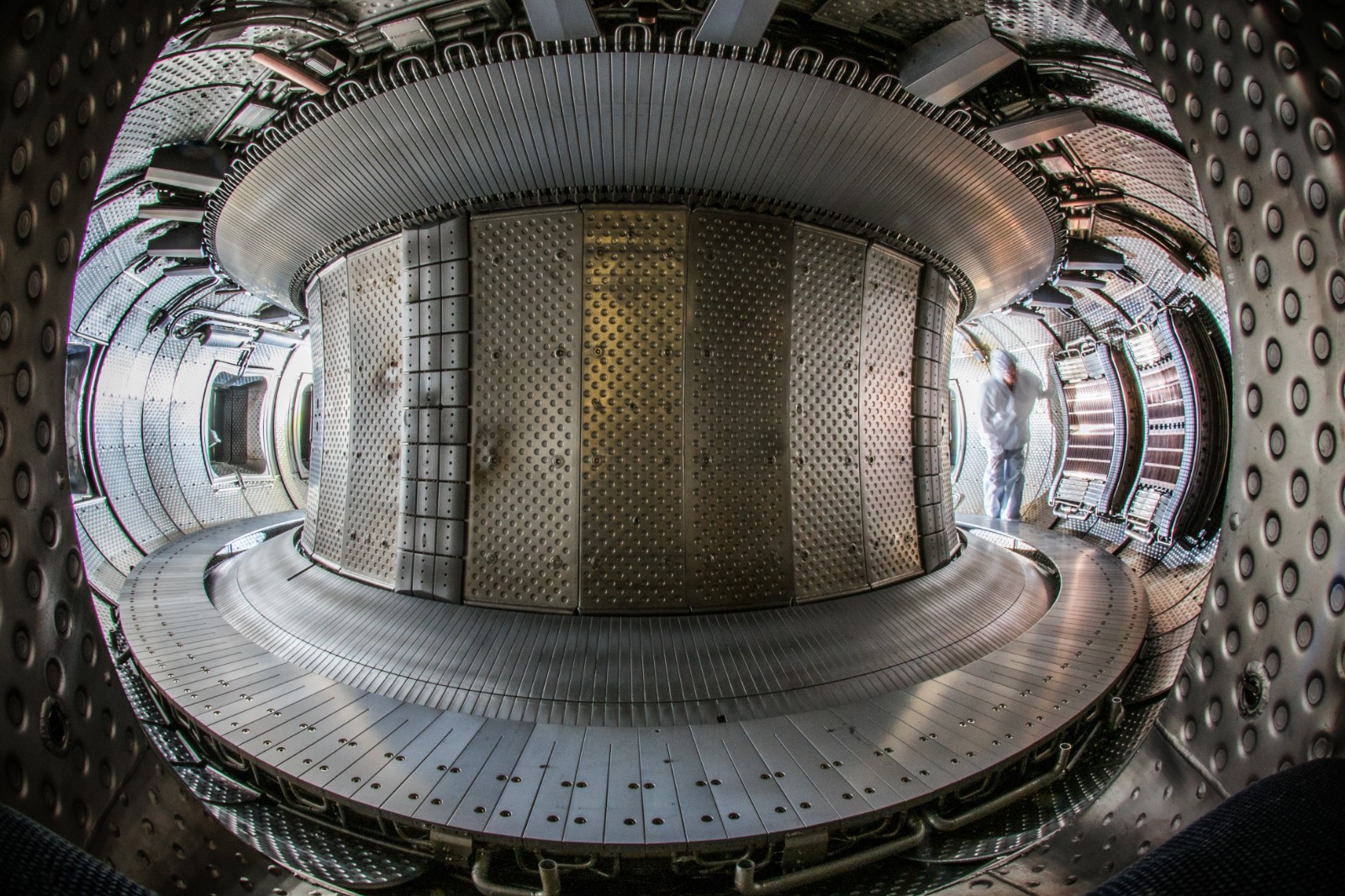
Recently, the C13 experimental campaign on the French tungsten tokamak WEST achieved a major breakthrough, successfully producing H-mode plasmas with Edge Localized Modes (ELMs). This is a key step in preparing for plasma scenarios relevant to the International Thermonuclear Experimental Reactor (ITER) and future fusion power plants. Over the past nearly three months, scientists, engineers, and technicians from the French Alternative Energies and Atomic Energy Commission (CEA) at Cadarache, together with international collaborators, conducted the C13 experimental campaign. This campaign aimed to address a series of key scientific and technical challenges in magnetic confinement fusion, covering the behavior of plasma-facing components and advanced plasma scenarios. The experiments focused on...
2026-08-04
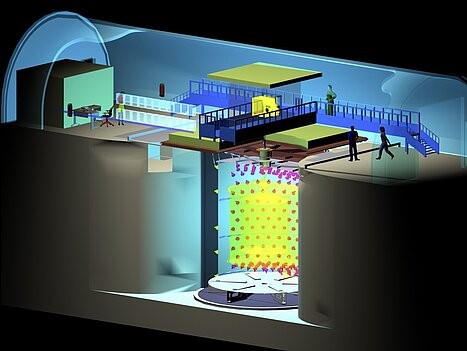
Antineutrinos Detected for the First Time in Spent Fuel Elements
Even after a nuclear reactor has been shut down, the radioactive fuel continues to emit a faint stream of antineutrinos. The Double Chooz collaboration, led by scientists from the Max Planck Institute for Nuclear Physics (MPIK), has succeeded for the first time in measuring this elusive signal, opening up new prospects for reactor monitoring, nuclear safety, and control procedures. The Double Chooz detector. Image credit: Double Chooz collaboration. The research team conducted these measurements at the Chooz nuclear power plant in northern France. The Double Chooz detector is located approximately 400 meters underground, in close proximity to two reactor cores. Inside, the detector contains more than 30 cubic meters of liquid scintillator material...
2026-08-04
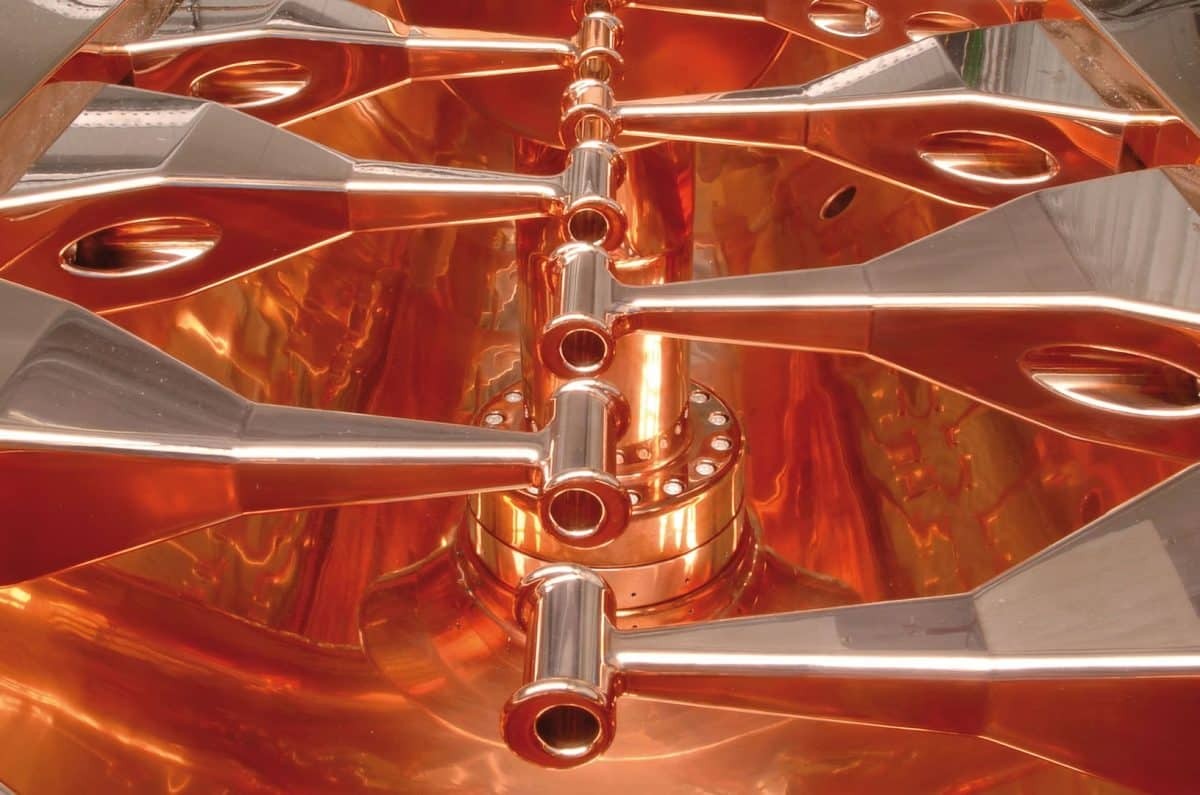
Germany Achieves First Capture of Argon Nuclei at 30% Speed of Light with Electron Cooling
On August 3, researchers at the GSI Helmholtz Centre for Heavy Ion Research in Germany successfully decelerated and captured fully ionized argon ions (^36Ar^18+) for the first time using the HITRAP highly charged ion trap facility. These ions, having lost all their electron shells, can be regarded as bare nuclei, with an initial velocity of approximately 30% of the speed of light. The research findings have been published in the journal Physical Review X. The interior of the radiofrequency resonator that slows down the ions is where highly charged ions are typically produced via particle accelerators and formed under strong electric fields and high-energy conditions. Since these ions are generated at extremely high velocities, they must first be stopped, captured, and cooled before precision physics measurements can be conducted. The research team stated that this experiment achieved, for the first time, the entire process from producing highly charged ions to storing them in a special trap for at least 11 seconds.
2026-08-04
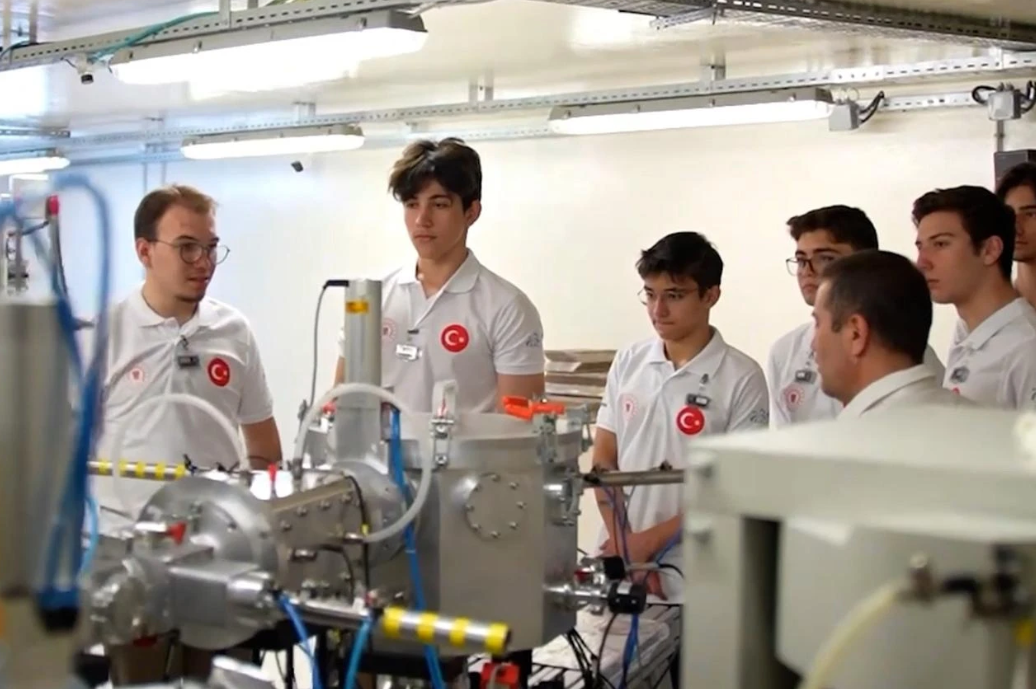
Türkiye to participate in International Nuclear Science Olympiad for first time
Türkiye will participate in the International Nuclear Science Olympiad (INSO-2026) as a competing country for the first time. The competition is scheduled to take place from August 2 to 9 in Jeddah, a city on the Red Sea coast of Saudi Arabia. According to Türkiye's Ministry of Energy and Natural Resources, the high school students representing Türkiye have completed their final preparations in the capital Ankara. The participating students come from Istanbul Private Bahçeşehir Science High School, who were selected through a nationwide competition, standing out from 30 schools to earn the right to represent Türkiye. During the preparation period, students received training in atomic structure, atomic nucleus, radiation, fission, fusion, environmental radioactivity, radiation risks and safety, as well as nuclear energy and...
2026-08-03
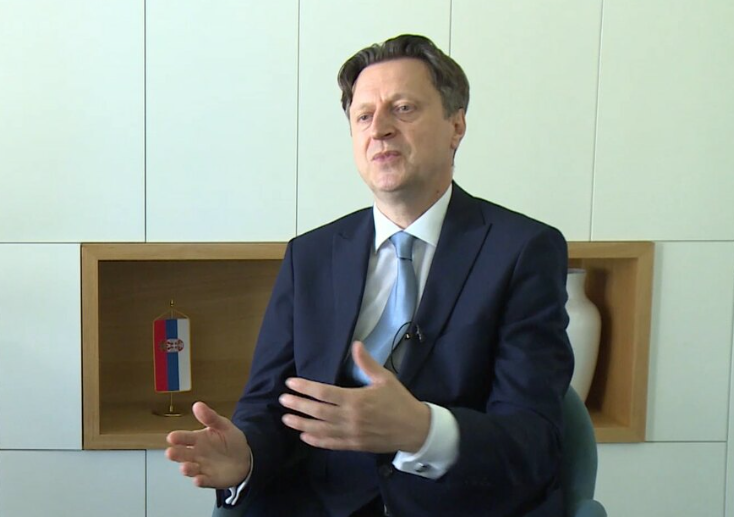
Serbia Launches Nuclear Program: Experts to Train in France for 17 Months, First Nuclear Power Plant Expected by 2040
The nuclear cooperation agreement signed between Serbia and France officially launched the first phase of the country's nuclear energy program on July 29. Under the agreement, Serbian experts will travel to France over the next 17 months for training, seminars, and professional visits to acquire the new knowledge and experience needed to advance the nuclear program. Radoš Popadić, Assistant Minister at Serbia's Ministry of Mining and Energy, stated that nuclear energy could become a realistic and viable solution within Serbia's energy mix. The primary task of the first phase is to assess existing capabilities and identify what additional resources are needed as the process moves forward. According to the plan, Serbia needs to strategically...
2026-08-03
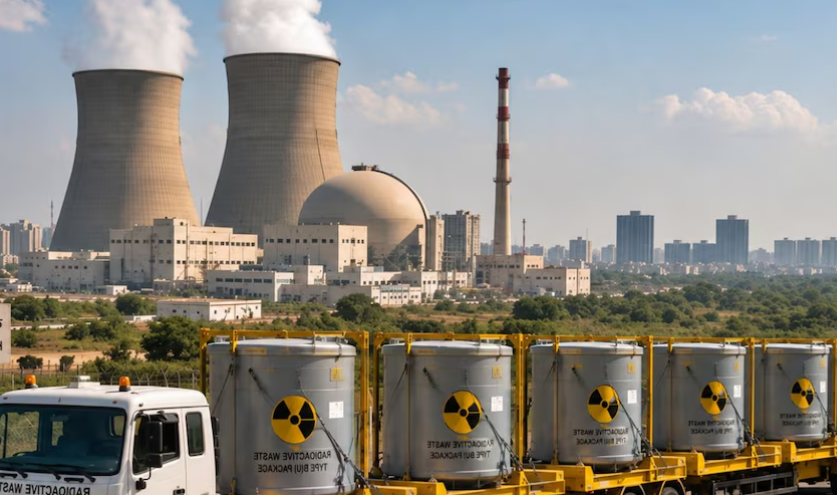
Behind India's Nuclear Power Expansion: Where Does Radioactive Waste Go? Government Details Management Process in Parliament for First Time
India is rapidly advancing its nuclear power expansion, but the safe disposal of radioactive waste is the least-publicized challenge. The government has for the first time detailed in Parliament how it handles hazardous waste. In a written reply, the Department of Atomic Energy disclosed that all nuclear power plants in India generate an average of 0.15 cubic meters (approximately 150 liters) of solid radioactive waste per megawatt (MW) of capacity annually, including waste from operational and decommissioning phases, equivalent to about 1.5 household bathtubs in volume; radioactive waste quantities and disposal records are regularly reported to the Atomic Energy Regulatory Board (AERB). The operation and maintenance of nuclear power plants generate various types of radioactive waste, including spent filter cartridges, protective clothing, tools, equipment, and other items that come into contact with radioactive materials. Waste is categorized into gaseous...
2026-08-03
India's First Draft Rules for SHANTI Nuclear Energy Act Prepared, in Consultation with Ministries and Industry
The Indian government is formulating implementation rules for the SHANTI Act (Sustainable Harmonious Advancement of Nuclear Technology in India Act), aimed at fundamentally transforming the country's nuclear energy sector. The Act is expected to open up the previously tightly controlled nuclear industry to private companies. Relevant departments have already sought comments on these draft rules, but final publication may still take several months, as issues involving multiple agencies require careful consideration. The SHANTI Act is crucial for India's goal of achieving 100 gigawatts of nuclear power capacity by 2047. It will bring about significant structural changes to India's nuclear energy policy, integrating regulation, implementation processes, civil liability, and dispute resolution mechanisms...
2026-08-03
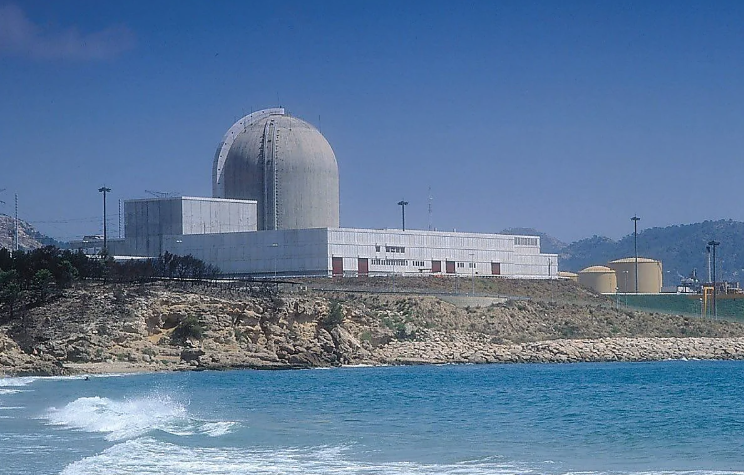
Spain's two major nuclear power holders, Iberdrola and Endesa, paid approximately €360 million in taxes and fees for nuclear power in the first half of the year
Spain's two major nuclear power holders disclosed to the CNMV: Iberdrola's expenditure on the "production tax on spent fuel and radioactive waste derived from power generation" in the first half of 2026 was €52 million (compared to €56 million in the same period last year), plus €117 million in Enresa radioactive waste management fees (levied based on each unit's monthly gross nuclear generation) (compared to €118 million in the same period last year), totaling €169 million. Endesa paid €56 million in nuclear tax items during the same period (up €3 million year-on-year), and €135 million in radioactive waste treatment fees (up €7 million year-on-year). Due to its controlling stake in Catalan nuclear units, it also paid €76 million in the Catalan environmental tax, totaling €267 million; the two companies' combined nuclear-related taxes and fees for the first half of the year amounted to approximately €336 million (text...
2026-08-03
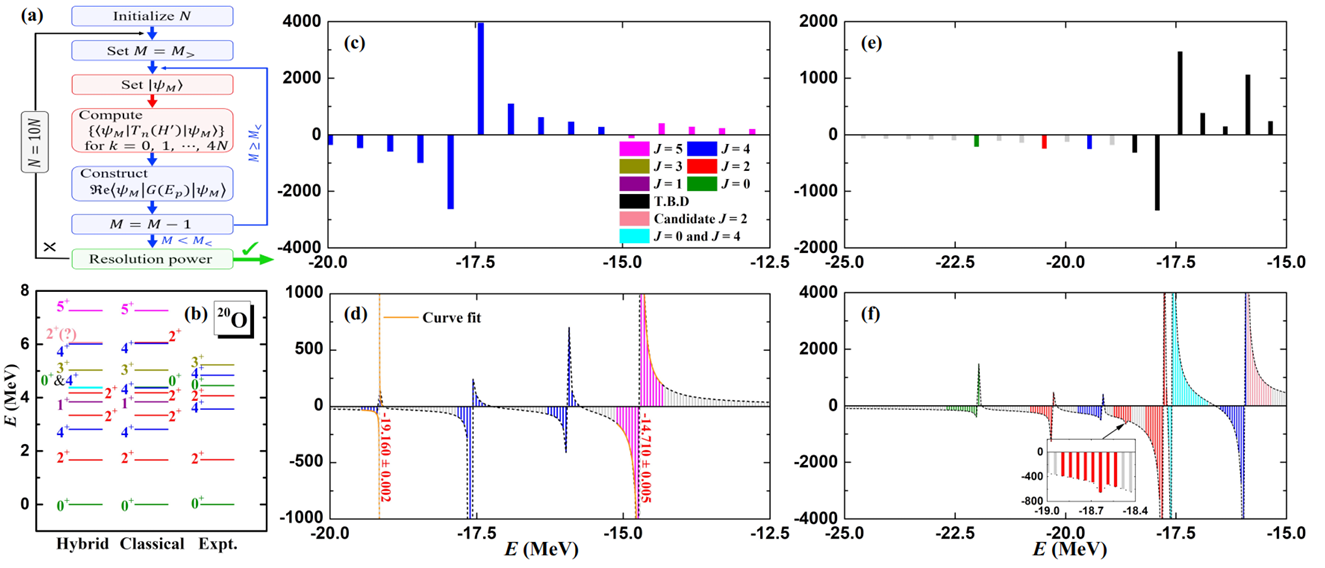
New Progress in First-Principles Quantum Computing for Nuclear Structure
Recently, the research team at the Institute of Modern Physics, Chinese Academy of Sciences, has made new progress in quantum computing studies of first-principles nuclear structure for multi-fermion systems. The team developed a universal quantum-classical hybrid computing framework capable of calculating Green's functions and spectral functions of nuclear many-body systems. The relevant results were published as a Letter in Physical Review C. First-principles Hamiltonian many-body calculations are a core approach for revealing the laws of strongly correlated quantum systems, widely applied in fields such as quantum chemistry and nuclear physics. However, the Hilbert space of such problems grows exponentially with particle number, posing insurmountable computational resource challenges on classical computers...
2026-08-03