
Search Results
Keyword:GE
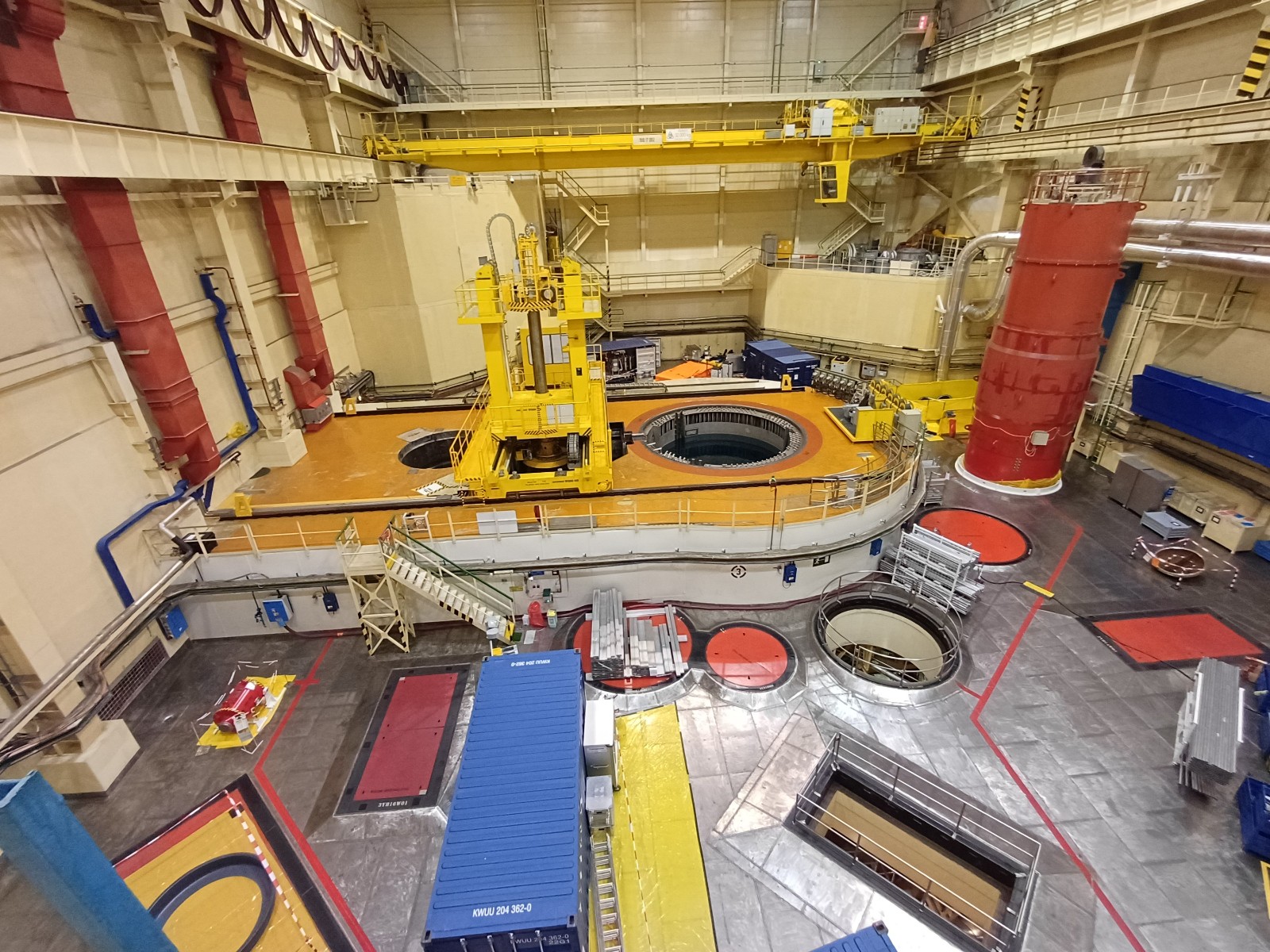
Fuel unloading completed for Unit 3 of Dukovany Nuclear Power Plant
On July 30, Unit 3 of the Dukovany Nuclear Power Plant completed the unloading of reactor fuel assemblies, and the planned refueling outage has now entered its next phase. During this outage, the plant will replace part of the nuclear fuel and carry out hundreds of inspections, tests, and maintenance activities to enhance nuclear safety levels and ensure the long-term stable operation of the unit. In this outage, although the actual number of fuel assemblies to be replaced accounts for about one-fifth of the total, operators must first remove all fuel assemblies from the entire core and transfer them to the spent fuel pool. Subsequently, the reactor water level will be lowered to create conditions for maintenance of core cooling system components and inspection of some primary circuit equipment...
2026-07-30
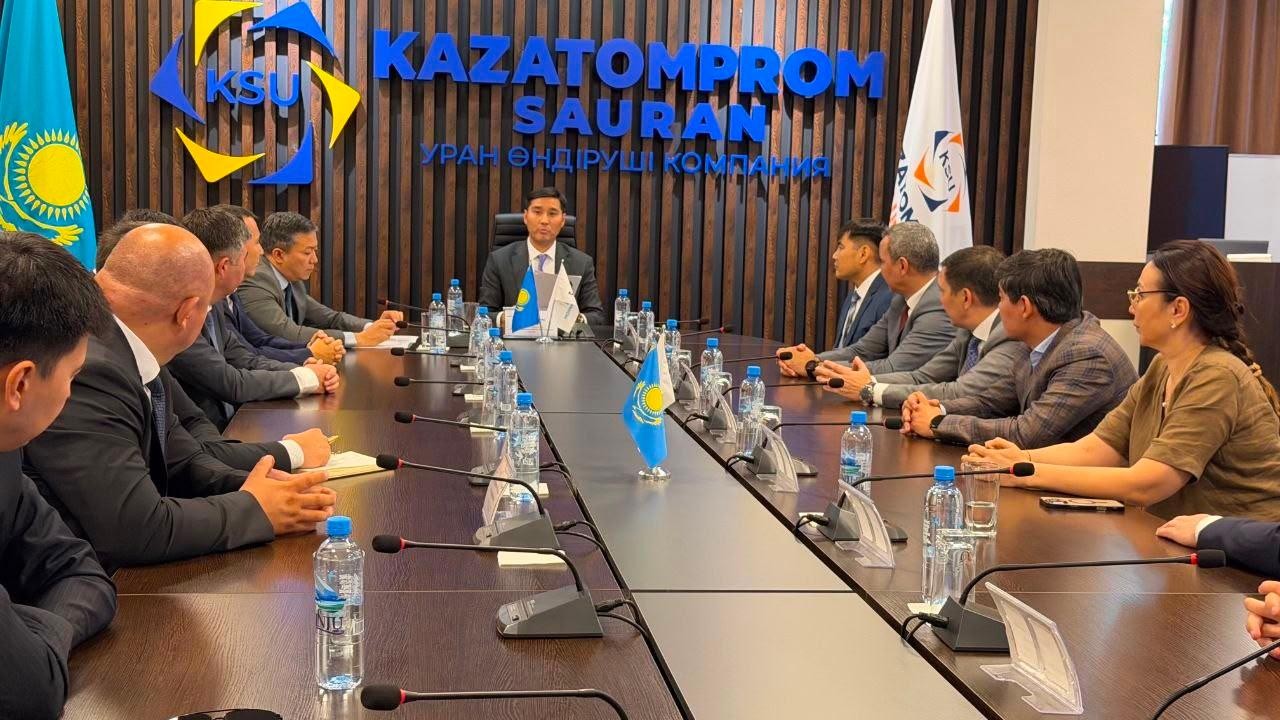
Kazakhstan Atomic Energy Agency Holds Meeting on Uranium Mining Enterprise Regulation Implementation in Shymkent
On July 29, 2026, Deputy Director of the Atomic Energy Agency of the Republic of Kazakhstan G.E. Sergazin conducted a working visit to Shymkent and held a meeting with heads and representatives of uranium mining enterprises to discuss the recently adopted amendments to national regulatory documents in the field of atomic energy use. The meeting focused on interpreting key changes in the new regulations, including modernized approaches to radioactive waste treatment, strengthened requirements for atomic energy use and radioactive waste management, and enhanced efficiency of the national regulatory mechanism. Participants also discussed the practical implementation of the new norms in the daily operations and compliance management of uranium mining enterprises. The meeting was conducted in an open dialogue format. ...
2026-07-30
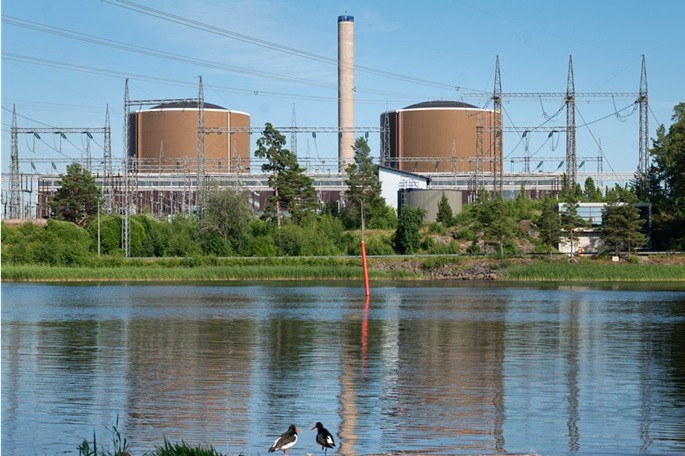
Annual outage maintenance of Loviisa Nuclear Power Plant begins on August 2
Fortum, the Finnish state-owned energy company, announced that the annual outage maintenance of the Loviisa Nuclear Power Plant will commence on August 2, starting with Unit 2 and then transitioning to Unit 1. The maintenance is scheduled to continue until October 18. During this period, the two units will be taken offline for maintenance in rotation, with the other unit remaining in operation. As planned, Unit 2 will undergo a major annual overhaul conducted every eight years. During the maintenance, staff will unload the reactor fuel, inspect and pressure test the reactor pressure vessel, replace approximately one-quarter of the fuel, and complete a series of equipment maintenance and servicing tasks. Unit 1 will undergo a shorter routine annual maintenance, primarily involving fuel replacement and related maintenance work.
2026-07-30
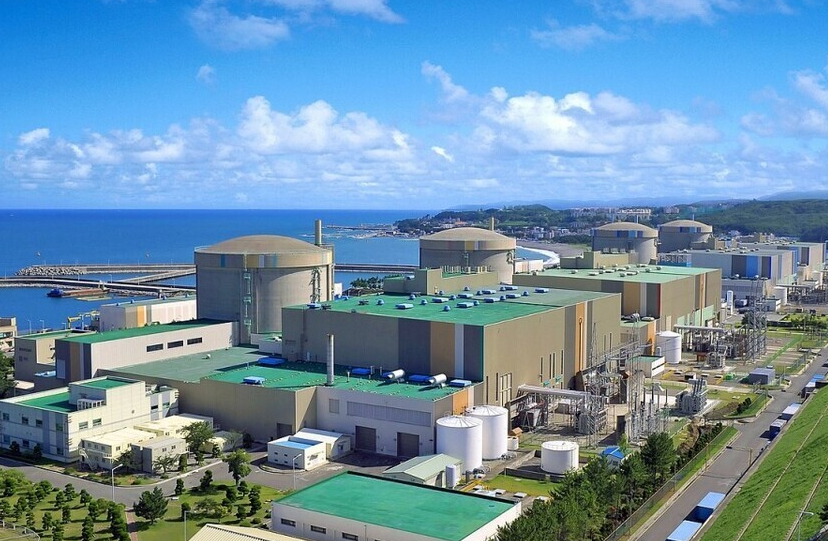
Heavy water leak at Wolseong Nuclear Power Plant Unit 2 in South Korea found to be far larger than initially reported
The actual scale of the heavy water leak that occurred at Wolseong Nuclear Power Plant Unit 2 in Gyeongju, North Gyeongsang Province, South Korea, in September last year, is reported to be far larger than the initially disclosed figure. The Gyeongju Environmental Movement Alliance disclosed on the 30th that a detailed internal report obtained from Korea Hydro & Nuclear Power (KHNP) shows the total amount of heavy water leaked was 1,311.15 kg, approximately five times the initially reported 256 kg, of which 5.14 kg was recorded as having leaked outdoors. After the incident, Korea Electric Power Corporation (KEPCO) had reported a heavy water leak of 256 kg and stated that no external leakage occurred. The detailed report now made public reveals...
2026-07-30
TerraPower Isotopes to Donate Actinium-225 via Oncidium Foundation to Support Cancer Treatment Accessibility
TerraPower Isotopes (TPI), a subsidiary of U.S. nuclear innovation company TerraPower, announced on July 29 that it will coordinate the donation of the rare medical isotope actinium-225 (Ac-225) through the Oncidium Foundation to support economically disadvantaged cancer patients in accessing targeted radionuclide therapy. The Oncidium Foundation is a non-profit organization dedicated to promoting global access to targeted radionuclide cancer treatments. Its RLT-Connect program aims to help financially challenged patients access relevant therapies, reducing treatment disparities caused by geographic and economic conditions. This donation also marks TPI's entry into Oncidium's collaborative ecosystem of radioisotope suppliers, medical practitioners...
2026-07-30
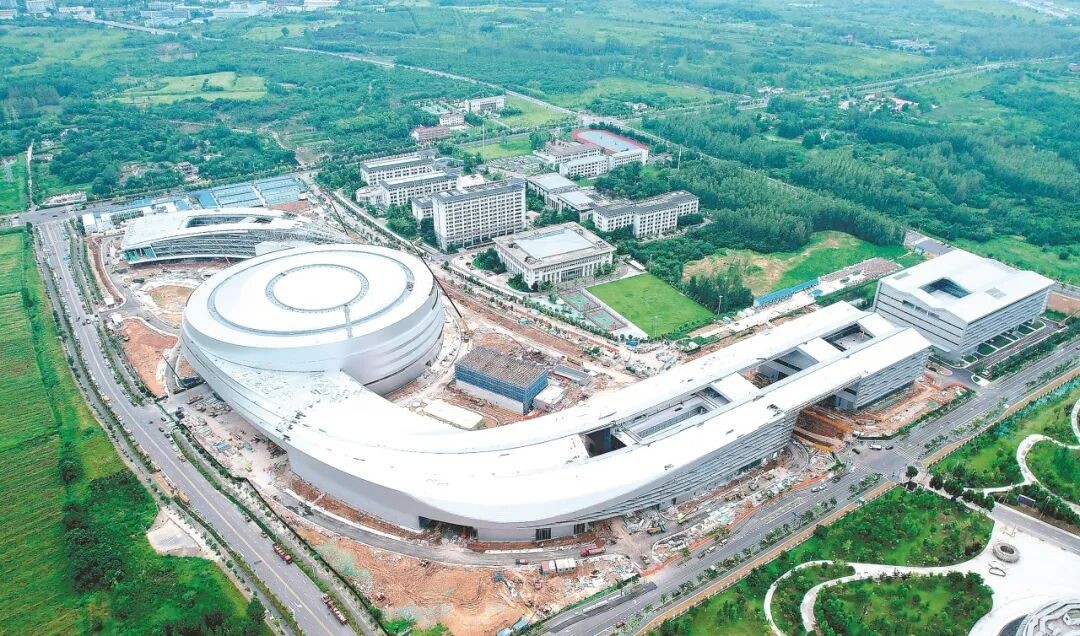
Hefei Compact Fusion Energy Experimental Device Accelerates Construction
On July 27, the Compact Fusion Energy Experimental Device (BEST), located in Sanshigang Township, Luyang District, Hefei City, Anhui Province, is accelerating its construction. From aerial footage, the construction at the project site is progressing in an orderly manner, with related work continuing to unfold. The BEST device is a follow-up project to the Experimental Advanced Superconducting Tokamak (EAST) and will conduct further experimental validation based on the first-generation EAST device. As a key experimental platform for future fusion energy applications, BEST is expected to become the world's first compact fusion energy experimental device, providing support for the transition of fusion energy from scientific experiments to engineering applications. ...
2026-07-30
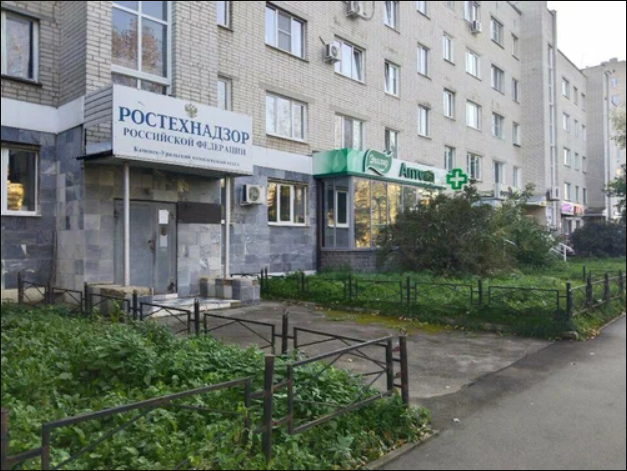
Russian regulator inspects nuclear fuel cycle safety compliance at Ural Electrochemical Plant
On July 27, the Department for Supervision of Nuclear Fuel Cycle Facilities, Ship Nuclear Power Plants and Radiation Hazardous Facilities of the Federal Service for Environmental, Technological and Nuclear Supervision of Russia conducted a routine on-site comprehensive inspection of the Ural Electrochemical Plant Joint-Stock Company located in Novosibirsk, focusing on verifying the enterprise's compliance with relevant federal laws, regulations, and regulatory license terms on the use of atomic energy. The inspection covered multiple aspects of the operational safety of nuclear fuel cycle facilities, including the implementation of responsibilities of the operating organization in safety assurance, maintenance of performance of important safety systems and components, safety control during technical process implementation, compliance with decommissioning requirements for nuclear facilities, and safety of radioactive waste treatment...
2026-07-30
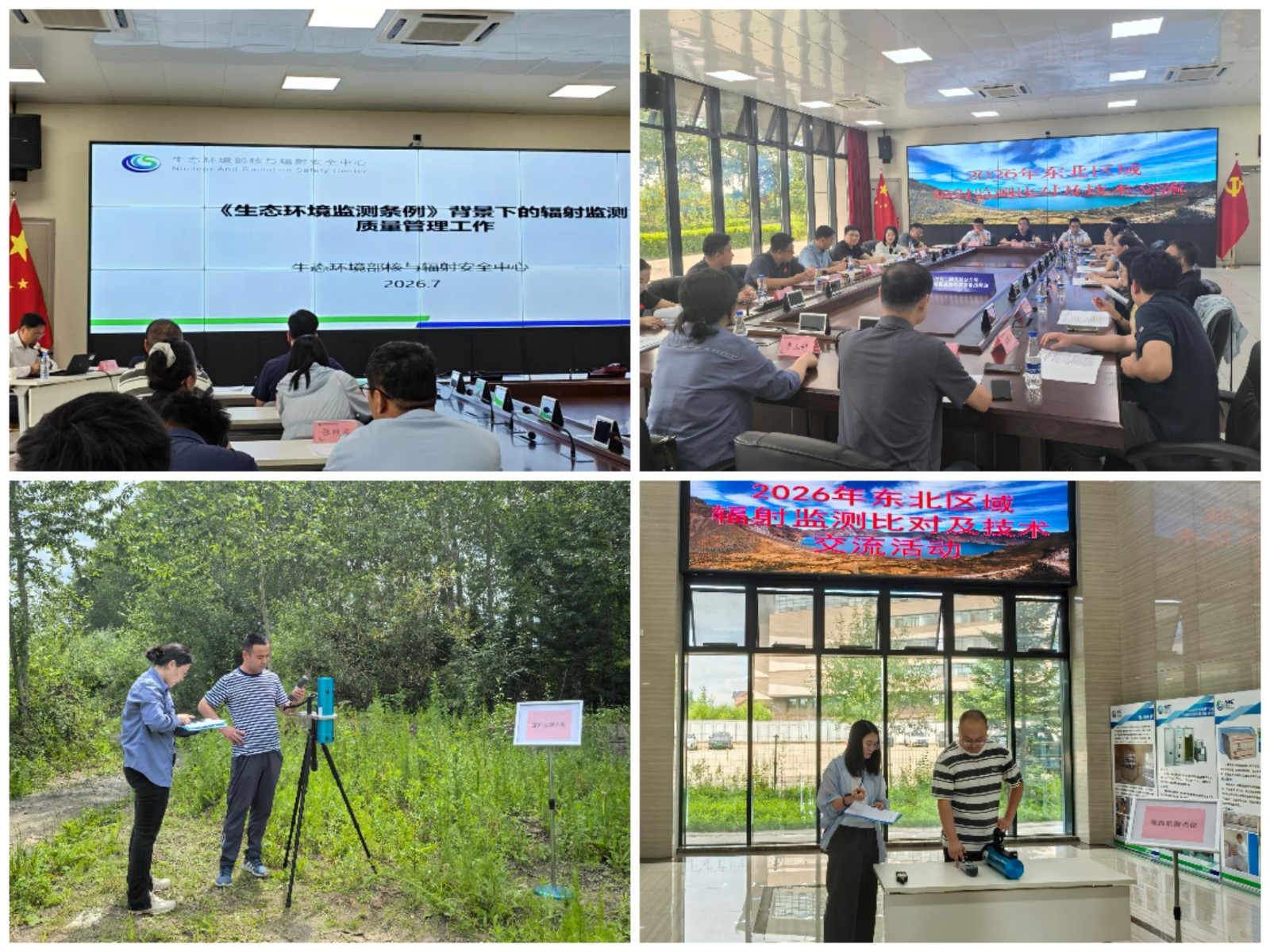
Northeast China Regional Nuclear and Radiation Safety Supervision Station of the Ministry of Ecology and Environment Organizes 2026 Northeast Regional Radiation Monitoring Comparison and Technical Exchange Activity
To further enhance the radiation monitoring capability and level in Northeast China and deepen technical exchanges and cooperation in radiation monitoring within the region, the Northeast China Regional Nuclear and Radiation Safety Supervision Station of the Ministry of Ecology and Environment (hereinafter referred to as the Northeast Supervision Station), relying on the Northeast Base of the Nuclear and Radiation Safety Center of the Ministry of Ecology and Environment, recently organized the 2026 Northeast Regional Radiation Monitoring Comparison and Technical Exchange Activity. Frontline monitoring technical experts from units including the Nuclear and Radiation Safety Center of the Ministry of Ecology and Environment, the National Marine Environmental Monitoring Center, provincial-level radiation monitoring institutions of the three northeastern provinces, Liaoning Hongyanhe Nuclear Power Co., Ltd., and CNNC Liaoning Nuclear Power Co., Ltd. participated in this event. This technical exchange activity closely aligns with the actual...
2026-07-30
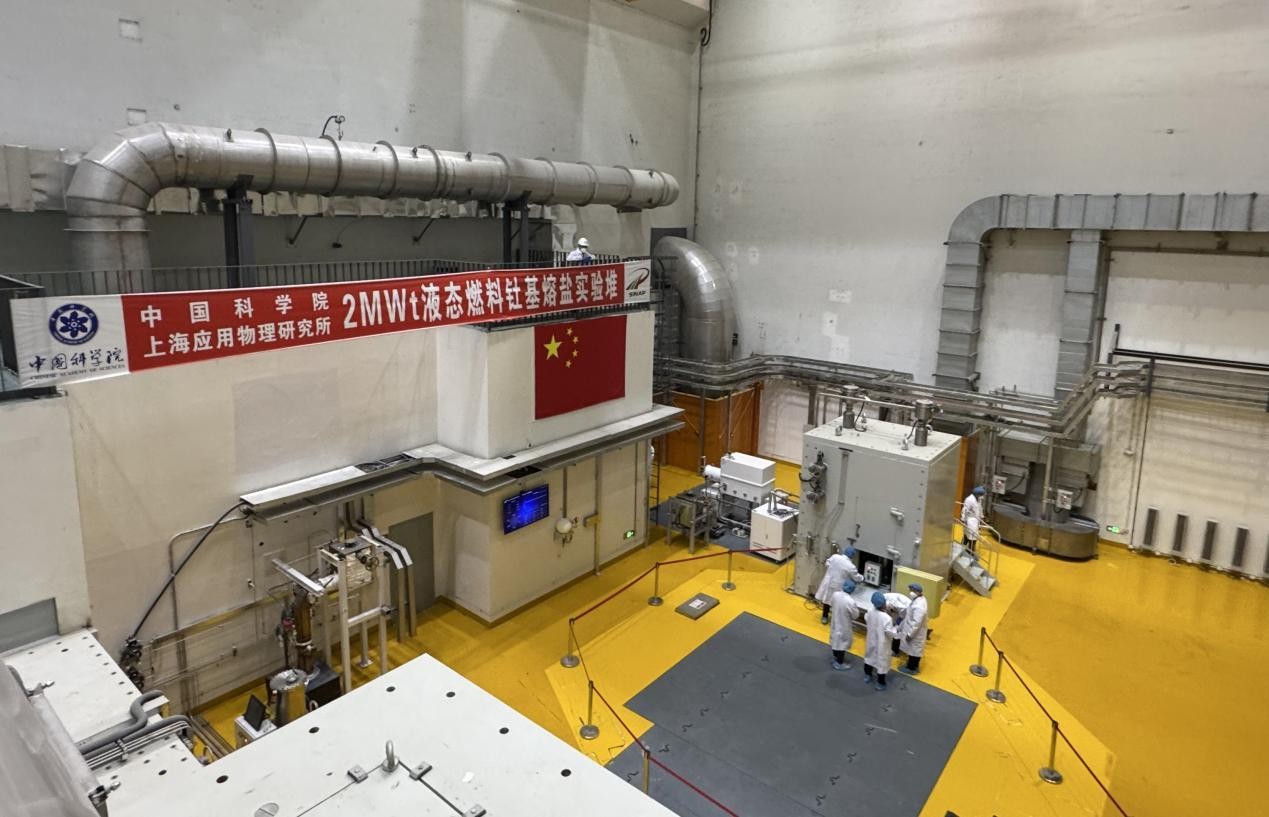
Northwest Nuclear and Radiation Safety Supervision Station of the Ministry of Ecology and Environment Completes Routine Supervision and Emergency Assessment of Thorium-based Molten Salt Reactor
Recently, the Northwest Nuclear and Radiation Safety Supervision Station of the Ministry of Ecology and Environment (hereinafter referred to as the Northwest Supervision Station) organized a supervision team to conduct routine nuclear and radiation safety supervision and comprehensive emergency drill assessment for the 2 MW Liquid Fuel Thorium-based Molten Salt Experimental Reactor (hereinafter referred to as the Thorium-based Molten Salt Reactor) of the Shanghai Institute of Applied Physics, Chinese Academy of Sciences (hereinafter referred to as Shanghai Institute of Applied Physics). This supervision focused on the operational safety of the Thorium-based Molten Salt Reactor, effluent and environmental monitoring, radiation safety of nuclear technology utilization projects, and comprehensive emergency drills. The supervision team, through document review, on-site verification, and record tracing, primarily examined the effectiveness of the quality assurance program, personnel training and authorization, effluent and environmental monitoring records, emergency system documents, and the rectification records from previous inspections. At the same time, the supervision team observed the comprehensive emergency drill on-site and provided guidance based on actual conditions, conducting a full-process assessment of accident response procedures, cross-departmental coordination, and emergency response measures. In response to the issues and deficiencies identified during the supervision, the supervision team held a special communication meeting with the Shanghai Institute of Applied Physics and proposed rectification requirements.
2026-07-30
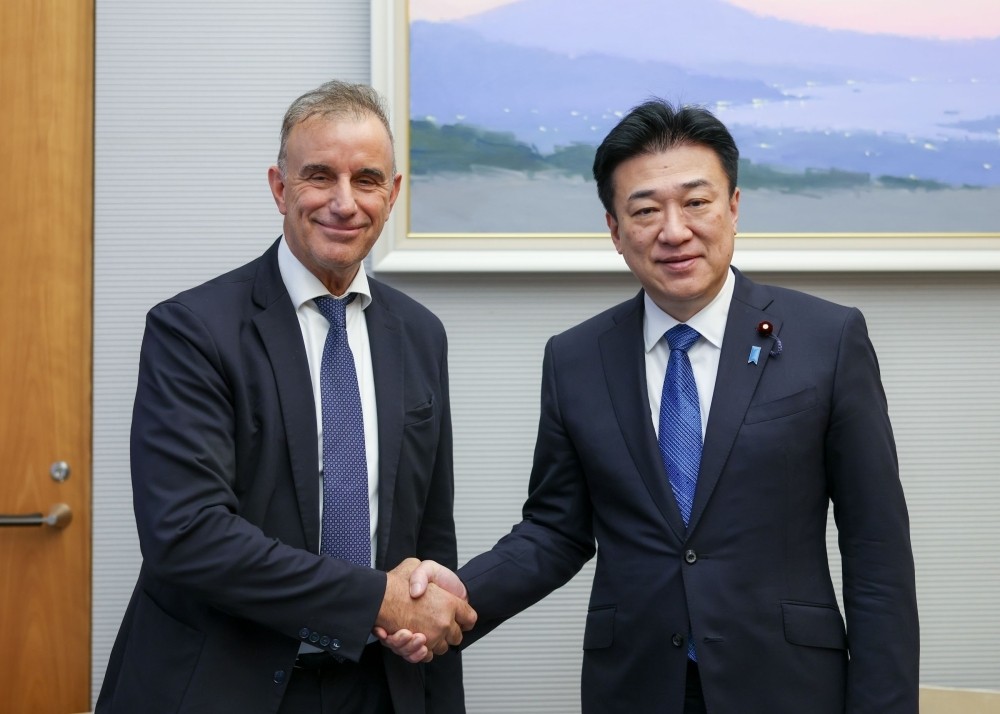
Japan's Chief Cabinet Secretary Meets ITER Organization Director-General
Starting at 4:50 p.m. on July 29, Japan's Chief Cabinet Secretary Yoshimasa Hayashi met with Pietro Barabaschi, Director-General of the International Thermonuclear Experimental Reactor (ITER) Organization, who was visiting Japan. The meeting lasted approximately 15 minutes. (Photo source: Japan Cabinet Public Affairs Office) Hayashi welcomed Barabaschi's visit to Japan. He stated that fusion energy has been listed as one of the 17 strategic areas in Japan's growth strategy. Japan looks forward to progress in the ITER project and believes it will play a significant role in advancing the realization of fusion energy and enhancing energy security. Hayashi...
2026-07-30
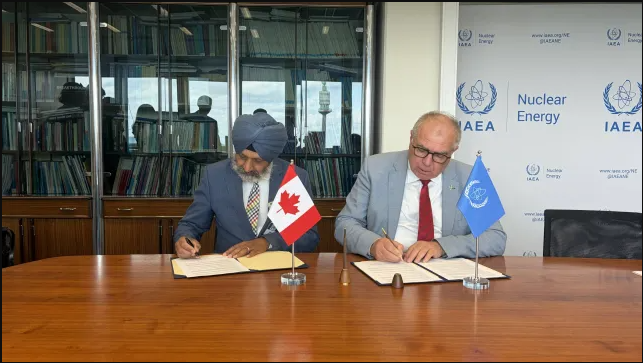
IAEA and University of Saskatchewan Sign Agreement to Strengthen Nuclear Talent Development
The International Atomic Energy Agency (IAEA) and the University of Saskatchewan recently signed a "Practical Arrangement" to enhance cooperation in nuclear knowledge management, nuclear energy education, research support, and talent development. The agreement was signed on July 24 at IAEA headquarters. Baljit Singh, Vice-President of the University of Saskatchewan, and Mikhail Chudakov, IAEA Deputy Director General and Head of the Department of Nuclear Energy, signed the "Practical Arrangement" on July 24 at IAEA headquarters. (Photo: IAEA) Under the agreement, the two parties will collaborate through training workshops, expert missions, and educational material development...
2026-07-30
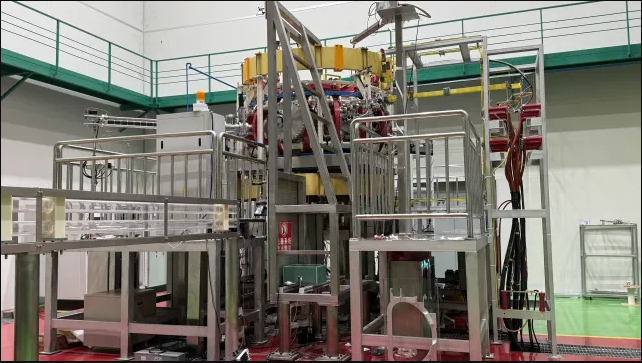
IAEA Launches New Project to Advance Research Network on Small and Medium-Sized Fusion Devices
The International Atomic Energy Agency recently launched a new Coordinated Research Project, aiming to further strengthen the global network of small and medium-sized fusion devices, supporting multinational coordinated experiments, diagnostic technology development, and personnel training, providing a platform for cultivating the next generation of fusion researchers. The Tokamak TT-1 device at the Thailand Institute of Nuclear Technology (TINT) has long participated in the IAEA Coordinated Research Project on the network of small and medium-sized fusion devices, contributing to international cooperation, research, and capacity building. (Photo: JP Cayol/IAEA) This project builds upon a previous five-year collaborative research program. The previous project was named Small and Medium-Sized Magnetic Confinement...
2026-07-30
World Nuclear Association expects global large-scale nuclear power construction spending to peak between 2041 and 2045
The World Nuclear Association (WNA) expects global nuclear power industry spending to reach a phased peak between 2041 and 2045. At 2025 prices, approximately $1 trillion will be directed toward the construction of large nuclear power plants during this period. Sama Bilbao y León, Director General of the World Nuclear Association, stated that investment interest in the nuclear energy sector has significantly increased, with 50 countries having formulated relatively specific nuclear energy development plans. She believes that implementing these plans will require substantial financial support, with the required investment scale far exceeding current levels. According to the Association's estimates, in addition to large nuclear power plant construction, approximately $450 billion will be allocated globally to small modular reactor projects between 2041 and 2045, along with $84 billion for extending the operational lifetimes of existing reactors.
2026-07-30

Rosatom says 13 small reactor pressure vessels at various production stages
Rosatom Director General Alexey Likhachev recently stated that 13 small reactor pressure vessels are currently at various production stages, and the equipment will be used for nuclear-powered icebreakers and small nuclear power plant projects. Likhachev noted that the batch includes reactor pressure vessels for the Uzbekistan nuclear power plant, which is planned to start construction in 2026. He said that the simultaneous manufacturing of 13 small reactor pressure vessels is unprecedented in the history of Russia's nuclear industry. The reactor pressure vessel is one of the core components of the primary circuit of a nuclear reactor, used to house the core and related internal structures, and withstand high temperatures and pressures during operation.
2026-07-30
Public Meeting Held on Restart Plan for Three Mile Island Unit 1
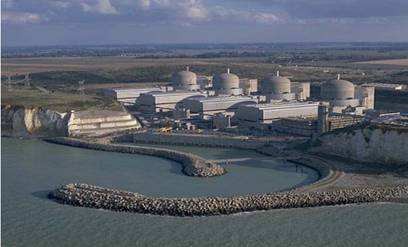
As electricity demand from AI-related data centers rises, multiple locations across the United States are reassessing the value of nuclear reactors originally slated for decommissioning. Recently, the restart plan for Unit 1 of the Three Mile Island Nuclear Power Plant in eastern Pennsylvania has entered the public engagement phase. The Three Mile Island plant has long been under scrutiny due to the 1979 accident at Unit 2, which involved a nuclear fuel meltdown and the release of radioactive materials. The proposed restart involves the adjacent Unit 1, which has been in the decommissioning process since 2019. Upon restart, it will operate under the name "Crane Clean Energy Center." On July 28, the U.S. Nuclear Regulatory Commission...
2026-07-30