
Search Results
Keyword:IC
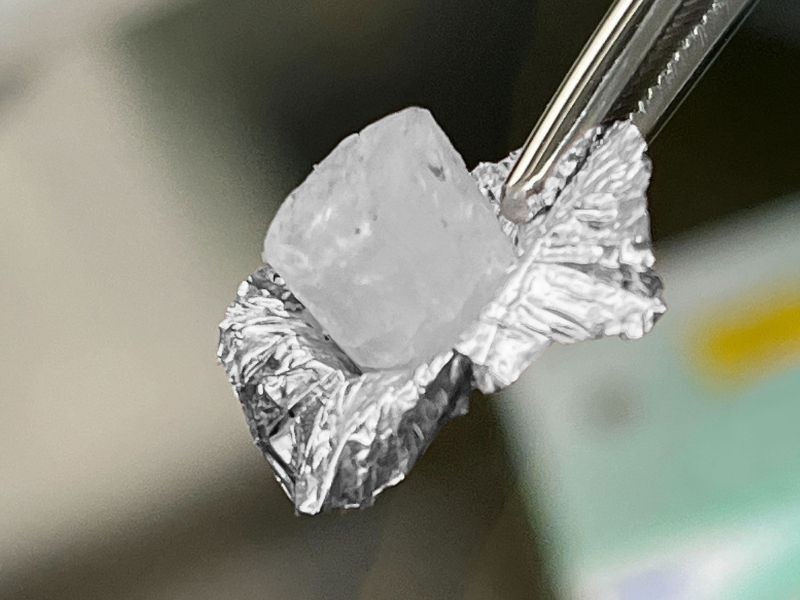
Kairos Power Advances Flibe Molten Salt Applications to Support KP-FHR High-Temperature Reactor Development
Kairos Power announced on July 29 that its Fluoride Salt-Cooled High-Temperature Reactor (KP-FHR) will be among the early adopters of a fluoride salt coolant. This coolant, commonly referred to as Flibe, is composed of lithium fluoride (LiF) and beryllium fluoride (BeF₂). In the 1960s, Oak Ridge National Laboratory used this material as a coolant in the Molten Salt Reactor Experiment. According to Kairos Power, Flibe has a high specific heat capacity, enabling it to effectively absorb and transfer heat generated in the reactor core. Compared with some sodium-cooled or helium-cooled reactor systems, fluoride salt offers certain advantages in heat transport...
2026-08-03

Bolivia Advances Legislative Process for Peaceful Nuclear Technology Applications
EL ALTO, Bolivia, July 29 - The Bolivian Nuclear Energy Agency (ABEN) recently held working exchanges with relevant committees of the Plurinational Legislative Assembly to discuss the reactivation of related legislative agendas, focusing on the continued advancement of Bolivia's nuclear energy program and peaceful nuclear technology application projects. René Soria Sausedo, Executive Director of ABEN, stated that as the primary operating entity of Bolivia's nuclear program, ABEN bears the responsibility of driving the implementation of peaceful nuclear technology application projects. These efforts require modern legal instruments to define institutional mandates, technical standards, and the fundamental legal framework for project development. The parliamentary delegation, led by the President of the International Policy and Migration Protection Committee, visited ABEN facilities...
2026-08-03
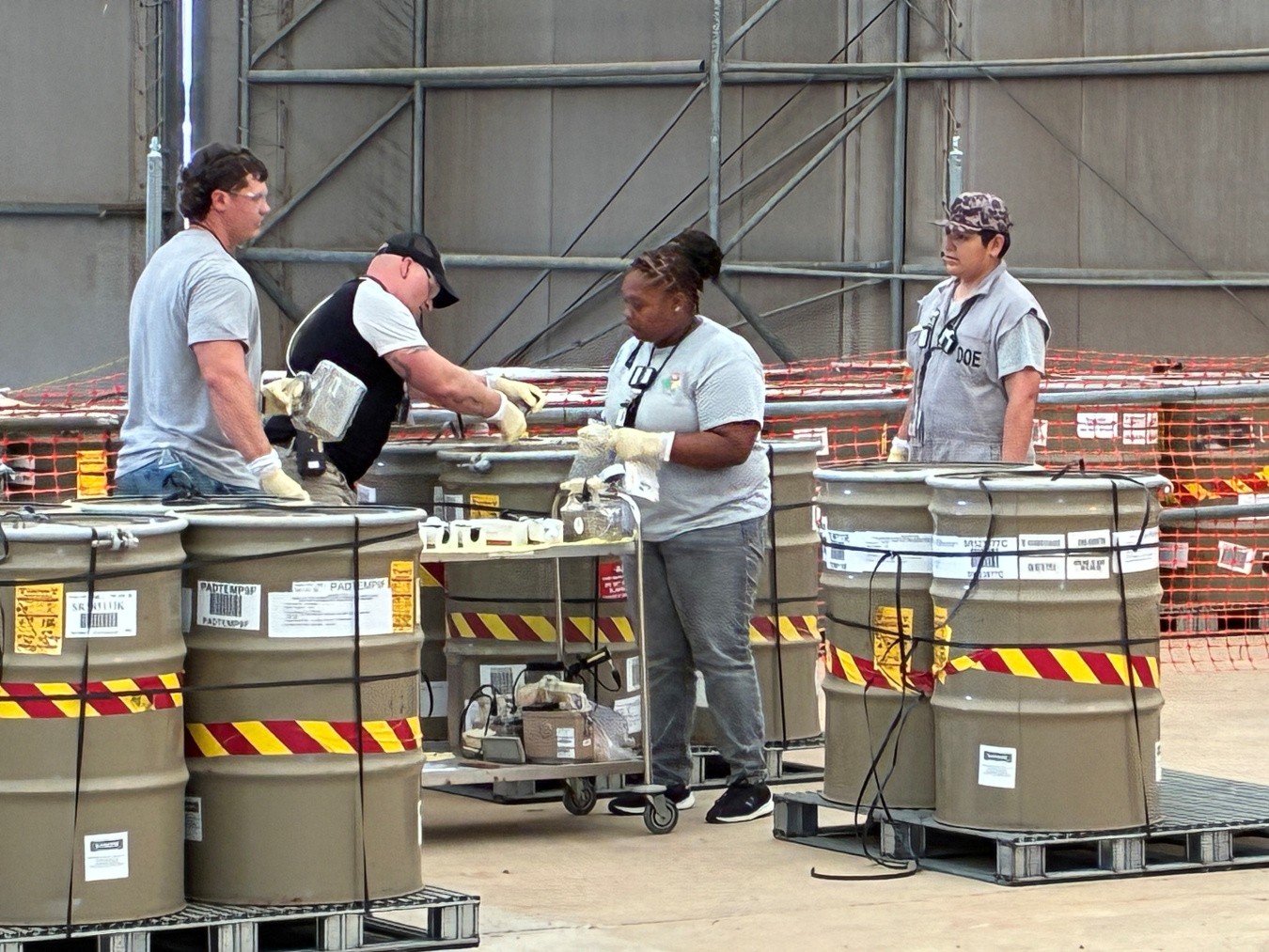
U.S. to Resume Shipping Transuranic Waste Drums from Savannah River Site to WIPP for Permanent Disposal
The U.S. Department of Energy Office of Environmental Management (EM) will resume shipping remote-handled transuranic waste drums from the Savannah River Site (SRS) in South Carolina to the Waste Isolation Pilot Plant (WIPP) in New Mexico for permanent disposal on July 28, 2026. Prior to resuming shipments, relevant teams have completed flammable gas analysis, confirming that these waste containers meet safety requirements for transport to the underground disposal facility. Flammable gas sampling is a critical safety step before transuranic waste transportation. Workers assess potential combustion risks inside containers by detecting gases such as hydrogen, methane, and volatile organic compounds, and confirm their safety during transport and disposal...
2026-08-03

U.S. Department of Energy Highlights Progress in Legacy Waste Cleanup and Medical Isotope R&D
Recently, senior officials from the U.S. Department of Energy attended an event hosted by the U.S. House Nuclear Cleanup Caucus, presenting the application progress of legacy nuclear waste cleanup efforts in medical isotope R&D and future energy technologies. The event, themed "DOE's Isotope Mission: Legacy Cleanup Saves Lives, Empowers America's Future," focused on how nuclear cleanup missions align with isotope production and medical research. DOE's Under Secretary for Science Dario Gil, along with Oak Ridge National Laboratory Environmental Management Office Manager Eric Olds and Savannah River Operations Office Manager Edwin DeShon, jointly attended the event. DeShon...
2026-08-03
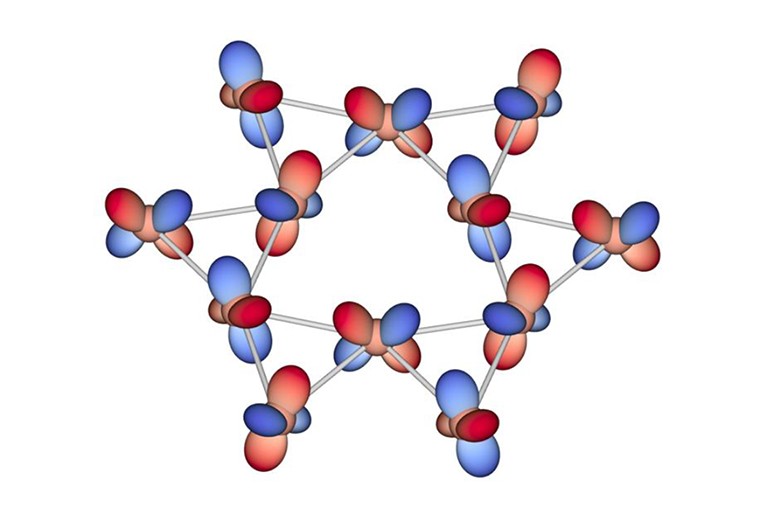
Japanese Team Discovers New Ordered State of "Electronic Chirality" in Uranium Compound
The Japan Atomic Energy Agency and Tohoku University announced on July 28 that their research team has discovered a new electronic ordered state in the uranium compound URhSn, confirming for the first time in an actual material that even when the crystal structure itself lacks chirality, the arrangement of electrons within the material can spontaneously form right-handed/left-handed characteristics. Chirality generally refers to the property where an object cannot perfectly coincide with its mirror image, such as left and right hands, screw thread directions, and the helical structure of DNA. In the past, material chirality was generally believed to originate from asymmetry in atomic arrangement. This study demonstrates, however, that chirality can also arise from the ordered arrangement of electron distributions. The research team used single-crystal samples of URhSn, composed of uranium, rhodium, and tin, and employed nuclear magnetic...
2026-08-03

Radiation protection expert Peter Bryant to lead University of Liverpool's Chadwick Institute for Nuclear Innovation
The University of Liverpool has announced that Professor Peter Bryant has been appointed as the Director of the newly established Chadwick Institute for Nuclear Innovation, with his tenure officially commencing in September 2026. The Chadwick Institute for Nuclear Innovation is named after Nobel laureate Sir James Chadwick, who served as Head of the Physics Department at the University of Liverpool and is renowned for his discovery of the neutron. The Institute will leverage the University of Liverpool's research expertise, innovative facilities, and strategic partnerships in the nuclear energy sector to advance research and talent development in nuclear innovation. Bryant has long been engaged in work related to the civil nuclear fuel cycle, with his research and management portfolio encompassing radiation protection, environmental permitting, radioactive waste...
2026-08-03

Large Structure for CMS Future High-Granularity Calorimeter Passes Rigorous Cold Tests
A key engineering test for the future High-Granularity Calorimeter (HGCAL) of the CMS experiment at CERN has recently made progress. One of the largest HGCAL structures has completed a series of rigorous cold tests, during which no overheating, condensation, or leakage was recorded on the outer panels, laying the groundwork for its future service at the High-Luminosity Large Hadron Collider (HL-LHC). HGCAL will replace the existing endcap calorimeters of the CMS experiment to reconstruct particle showers with greater precision under HL-LHC operating conditions. The structure tested this time is the first of two large stainless steel absorber structures. By design, the active elements of HGCAL will be installed within the absorber structures and must maintain long-term stable performance in a cryogenic environment...
2026-08-03
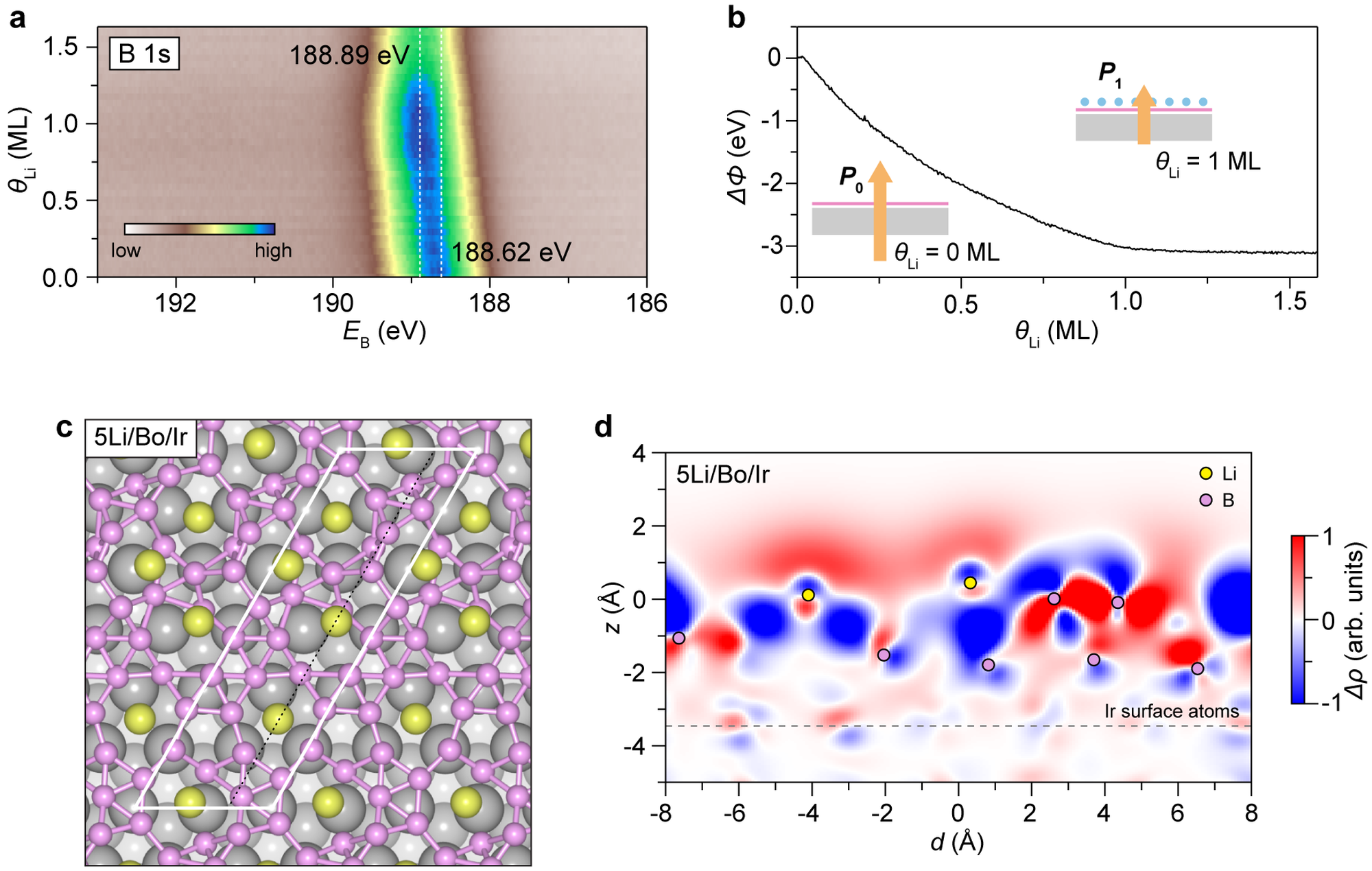
Multinational Team Reveals Mechanisms of Lithiation in Modulating the Structural and Electronic Properties of Borophene Using Synchrotron Techniques
A research team from the Institute of Physics in Zagreb, Croatia, Elettra Synchrotron in Trieste, Italy, Shimane University, and Tokyo University of Science recently conducted a study on the interaction between lithium atoms and borophene, revealing the mechanisms by which lithiation affects the atomic structure and electronic properties of borophene. The findings were published in *ACS Nano* and selected as the journal cover article. (a) Shift of the B 1s core level toward higher binding energy; (b) reduction of the sample work function due to charge transfer from Li atoms to B atoms; (c) lithium atoms (yellow) deposited on borophene (magenta) induce deformation of the borophene lattice, attributed to significant charge redistribution within the system...
2026-08-03
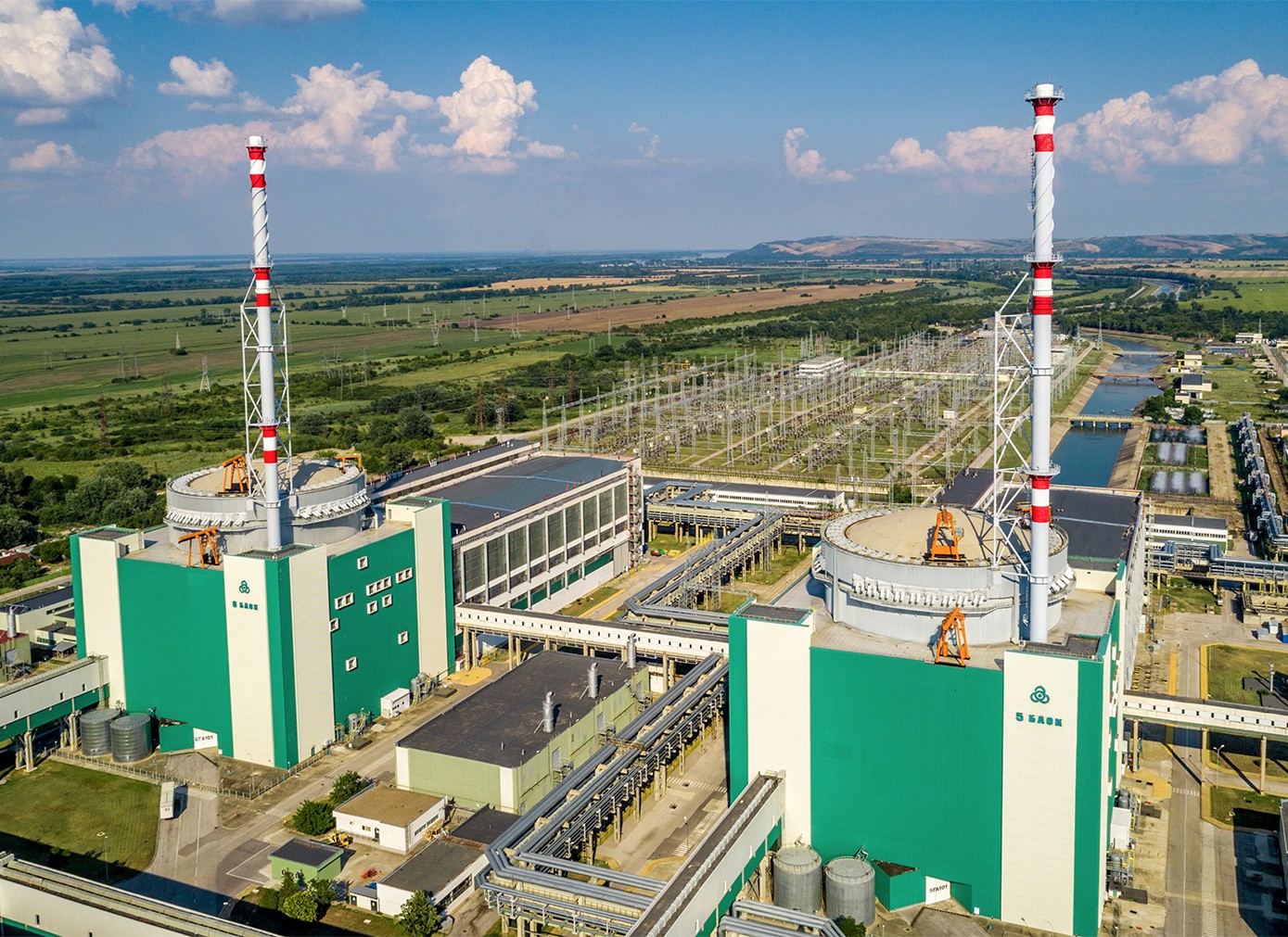
Bulgaria Approves Decommissioning Licenses for Units 3 and 4 of Kozloduy Nuclear Power Plant
On August 1, the Bulgarian Nuclear Regulatory Agency (NRA) issued a 10-year license to the State Enterprise for Radioactive Waste Management (SERAW), authorizing it to carry out the decommissioning of Units 3 and 4 of the Kozloduy Nuclear Power Plant. The license was presented to SERAW Deputy Executive Director Elizabeth Mladenova by NRA Chairman Tsanko Bachiski. The license is held by SERAW's specialized department responsible for the decommissioning of Units 1 to 4 of the Kozloduy Nuclear Power Plant. SERAW Management Board Chairman Sergey Tsochev attended the license award ceremony. According to the license requirements, the decommissioning of Units 3 and 4 must comply with Bulgaria's Law on the Safe Use of Nuclear Energy and relevant implementing regulations.
2026-08-03

Adani Group Proposes Two Nuclear Power Plants in India's Odisha State
The Adani Group has submitted a proposal to the Government of Odisha to build two nuclear power plants in the state, with a planned total installed capacity of 5,600 MW and an estimated investment of approximately ₹1.5 trillion. The proposal is seen as a significant move to expand private sector participation in India's civil nuclear energy sector. According to disclosures, Subrat Tripathy, President of Business Development at Adani Ports and Special Economic Zone, led a delegation to meet Odisha's Deputy Chief Minister and Energy Minister Kanak Vardhan Singh Deo in Bhubaneswar...
2026-08-03
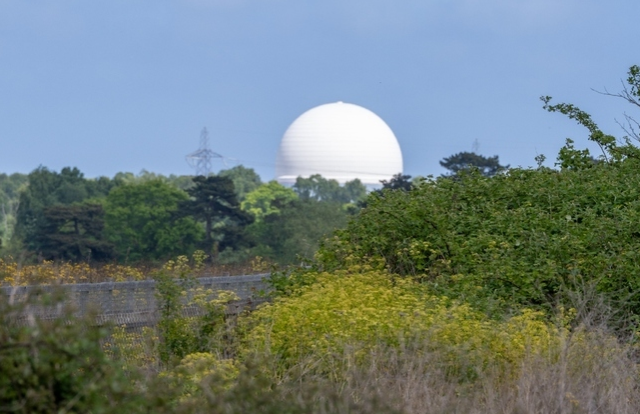
UK Poll Shows Nearly Half of Public Support Nuclear Energy Development
A new UK opinion poll shows that nearly half of respondents support the country's development of nuclear energy to address climate change and energy security challenges. Although public concerns over nuclear power plant safety persist, with growing awareness of the intermittency of renewable energy and rising calls to reduce dependence on fossil fuels, the role of nuclear energy in the UK's energy mix is attracting increasing attention. The survey results show that 48% of respondents consider nuclear energy an important component of achieving net-zero emission targets, while 29% hold opposing views. The main reasons for supporting nuclear energy include its reliability and low-carbon characteristics. Unlike renewable sources such as wind and solar, nuclear power plants...
2026-08-03

US Utility Xcel Energy's Nuclear Plant Life Extension Boosts Q2 Earnings Significantly
Xcel Energy, a multi-state regulated electric and gas utility headquartered in Minneapolis, USA, achieved significant earnings growth in the second quarter, primarily driven by reduced depreciation expenses resulting from extended operating lives of its nuclear power plants. The company extended the expected operating lives of its nuclear plants to 2050 and beyond, thereby lowering quarterly depreciation costs and positively impacting its financial performance. Despite a decline in operating revenues, net income still grew by 32% to $586 million, with diluted earnings per share rising from $0.75 to $0.93. The extension of nuclear plant operating lives does not imply an immediate increase in cash flow or power generation...
2026-08-03
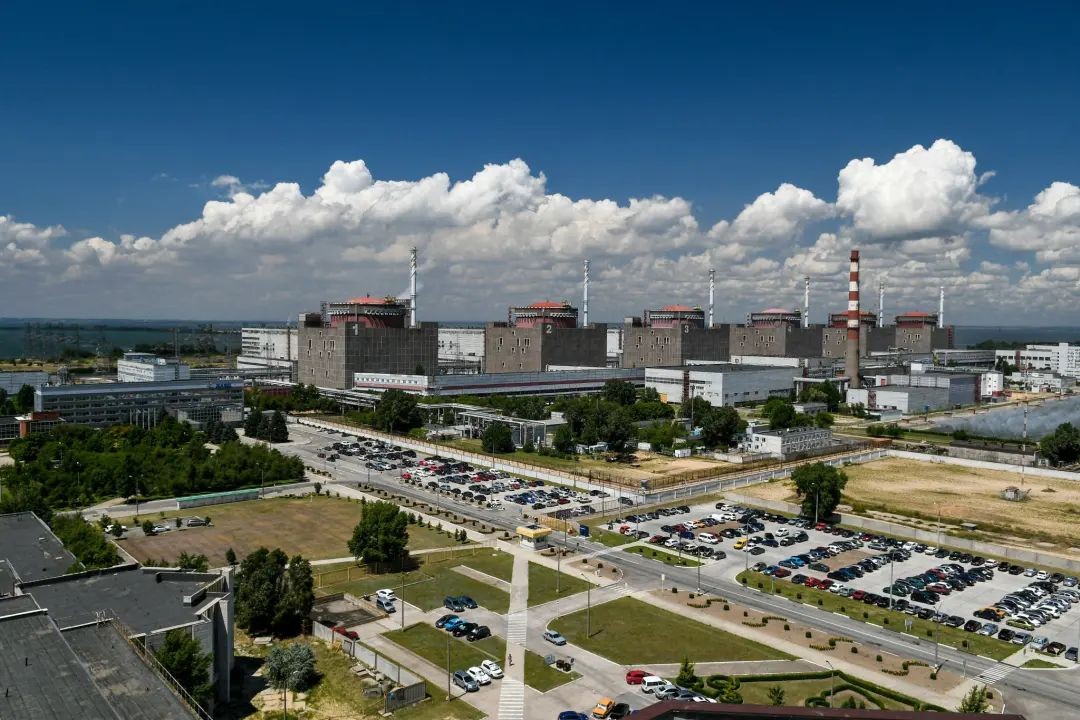
Zaporizhzhia Nuclear Power Plant currently relies on only one external power line for electricity supply
Alexey Likhachev, President of Rosatom, stated that the Zaporizhzhia Nuclear Power Plant currently obtains electricity through only one 330 kV external transmission line—Ferrosplavnaya-1—and that the instability of external power supply remains one of the main safety hazards facing the facility. According to the company's press office, Likhachev noted that the lack of a second operational external transmission line at the Zaporizhzhia NPP increases the risk to the safe operation of the plant's units. Although the plant is in a shutdown state, its safety-critical systems still require a stable power supply to ensure the continued operation of equipment related to nuclear safety...
2026-08-03
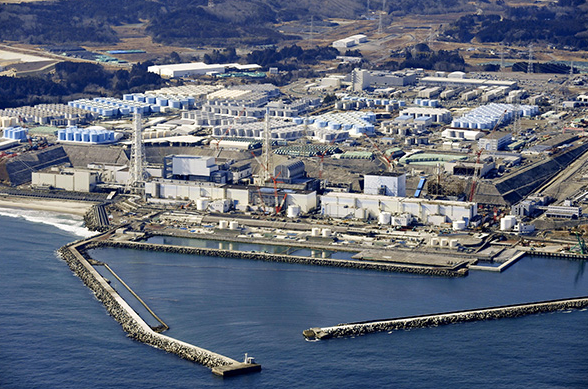
Nitrogen Supply Unit at Fukushima Daiichi Nuclear Power Station Resumes Operation After Malfunction
Tokyo Electric Power Company (TEPCO) reported on August 1 that a reactor nitrogen supply unit at the Fukushima Daiichi Nuclear Power Station malfunctioned that day, but was subsequently repaired and resumed gas supply. The company stated that during the malfunction, no significant fluctuations were observed in hydrogen concentrations inside the reactors of Units 1 to 3 or in surrounding radiation monitoring data, and no risk of hydrogen explosion was confirmed. The reactor containments and pressure vessels of Units 1 to 3 at the Fukushima Daiichi Nuclear Power Station require continuous nitrogen injection to suppress hydrogen accumulation resulting from radiolysis of water. If hydrogen concentrations exceed a certain level, the risk of hydrogen explosion may increase. According to TEPCO, at 11:14 a.m. on August 1, a worker...
2026-08-03

Danube at Record Low, Hungary's Paks Nuclear Plant Faces First Full Shutdown in 44 Years
On August 2, Hungarian authorities stated that the Paks Nuclear Power Plant may halt electricity generation due to the Danube River dropping to a historic low. This is the country's only nuclear power plant, with an installed capacity of approximately 2 gigawatts, generating nearly half of Hungary's total electricity output. The Paks Nuclear Power Plant draws water from the Danube for cooling. Due to persistent high temperatures and insufficient rainfall, the Danube's water level has been continuously declining recently. Hungarian water authorities predict that the river, which flows from Germany to the Black Sea, will see further drops in water levels in the coming days. As of 18:37 GMT on August 2, the Paks Nuclear Power Plant's output was only slightly above 10% of its installed capacity. Péter M...
2026-08-03