
Search Results
Keyword:IC
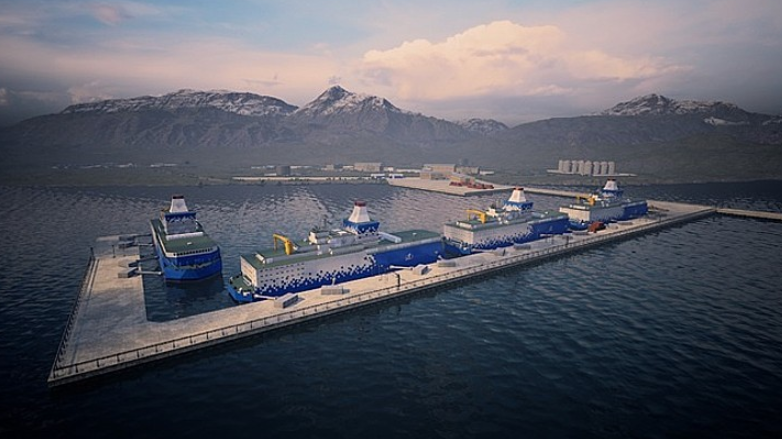
Rosatom Plans Four More Floating Nuclear Power Plants to Strengthen Energy Layout in the Arctic and Far East
Rosatom plans to build four additional floating nuclear power plants. This move indicates that Russia continues to regard small-scale nuclear energy and offshore floating nuclear power platforms as key solutions for energy supply in remote areas, particularly for the Arctic, the Far East, and resource development zones that are difficult to cover with traditional power grids. The core advantage of floating nuclear power plants lies in their deployment flexibility, providing relatively stable electricity and heat to coastal towns, port facilities, mining projects, and industrial bases. Compared with reliance on diesel, coal, or long-distance power transmission, floating nuclear power plants can reduce fuel transportation pressure and enhance energy security for large projects in remote areas. For...
2026-08-14
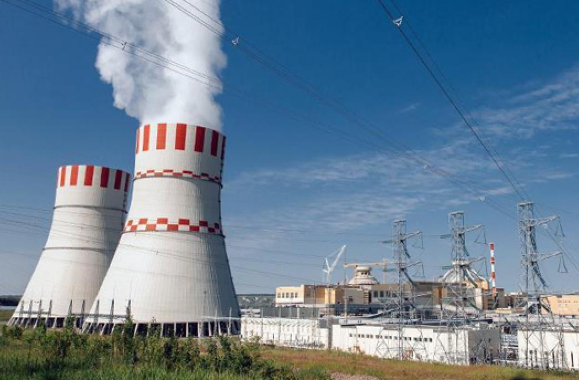
Turkey's Nuclear Regulatory Authority (NDK) Relaxes Certification Requirements for Testing of Short-Cycle Equipment
Turkey's Nuclear Regulatory Authority (NDK) has recently adjusted testing requirements for equipment related to nuclear facilities, providing flexibility for equipment with a production cycle of less than 15 days. According to the decision published in the Official Gazette, under specific conditions, when such equipment undergoes certain tests, testing laboratories will no longer be required to hold specific accreditation for the corresponding test methods. This adjustment applies to the supply chain under the framework of the Regulation on Authorization of Nuclear Facilities. When the NDK, suppliers, or subcontractors are unable to provide a laboratory accredited for the relevant test methods, the original accreditation prerequisite may be waived for the testing of such equipment. This indicates that the regulatory authority, while ensuring quality control of nuclear facility equipment, has also left operational leeway for the testing process of short-cycle production equipment.
2026-08-14

Russia Plans to Build Small Nuclear Power Plant in Kyrgyzstan, Land-Based Icebreaker Reactor in Focus
Rosatom's plan to promote the construction of a small nuclear power plant in Kyrgyzstan is centered around discussions on the RITM-200N reactor design. With a power output of approximately 55 MW, this reactor is the land-based version of the RITM-200 reactor used in Russia's new generation of nuclear-powered icebreakers. Several Russian nuclear-powered icebreakers currently operate on the same technological platform, which serves as the primary basis for Russia to demonstrate its maturity and reliability. The project first entered public discussion in January 2022. At that time, Kyrgyzstan's energy authorities stated that if a nuclear power plant were to be built, its installed capacity should be no less than 300 MW, reflecting the country's practical concerns over power shortages and energy security...
2026-08-14
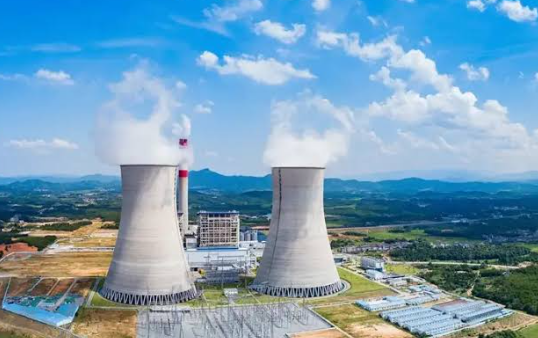
Kazakhstan Enters a New Era of Atomic Energy, with the Institute of Nuclear Physics Viewed as a Key Pillar of the National Nuclear Industry
Kazakhstan is entering a new stage of nuclear energy development. The construction of a nuclear power plant means not only the addition of a major energy project, but also the need for the country to simultaneously establish a complete nuclear industry system, including research support, personnel training, experimental infrastructure, nuclear and radiation safety systems, and indigenous technological capabilities. The article points out that a nuclear power plant can be built using foreign project designs, but true scientific and technological capability cannot be purchased along with the equipment; it is gradually formed through the long-term operation of nuclear facilities, conducting research, training engineering teams, and passing on experience. Against this backdrop, the Institute of Nuclear Physics of Kazakhstan is regarded as an important pillar of the future nuclear energy industry. The institution...
2026-08-14

Polish President Signs Key Nuclear Power Bill, Allowing Early Construction Works to Start Ahead of Schedule
Polish President Karol Nawrocki signed an amendment to the Act on the Preparation and Implementation of Nuclear Energy Facilities and Associated Investments on August 14, aiming to accelerate the construction of nuclear power plants in the country. According to information released by the Presidential Chancellery, the core of this legal adjustment is to allow certain preliminary construction and preparation works to proceed before the final construction permit for the entire project is granted, thereby shortening the timeline for large-scale nuclear projects. The amendment concerns Polish laws related to the preparation and implementation of nuclear energy facilities and associated investments. The new regulations introduce a new type of permit, namely the permit for preliminary construction works of nuclear energy facilities. Once this permit is obtained, the investor can carry out some early-stage construction and preparation works before all complete project investment documents have been fully approved.
2026-08-14
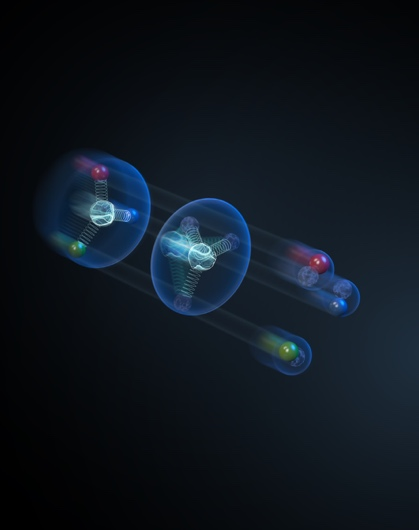
USTC Team Participates in STAR Experiment, Discovering Possible "Y"-Shaped Gluon Junction Inside Nucleons
The University of Science and Technology of China, together with Kent State University and Brookhaven National Laboratory, played a leading role in the STAR international collaboration. Through precise measurements of net baryon number and net charge in high-energy nucleus-nucleus collision experiments, they discovered an exotic structure inside nucleons that may overturn fundamental understanding of nucleon internal structure. In the early morning of August 14, the results were published online in the journal Science under the title "Tracking the baryon number with nuclear collisions." Nucleons are the fundamental particles that make up the material world, carrying more than 99% of the mass of the visible matter in the universe. Understanding the internal structure of nucleons is of paramount importance for understanding the fundamental constituents and fundamental interactions of the material world.
2026-08-14
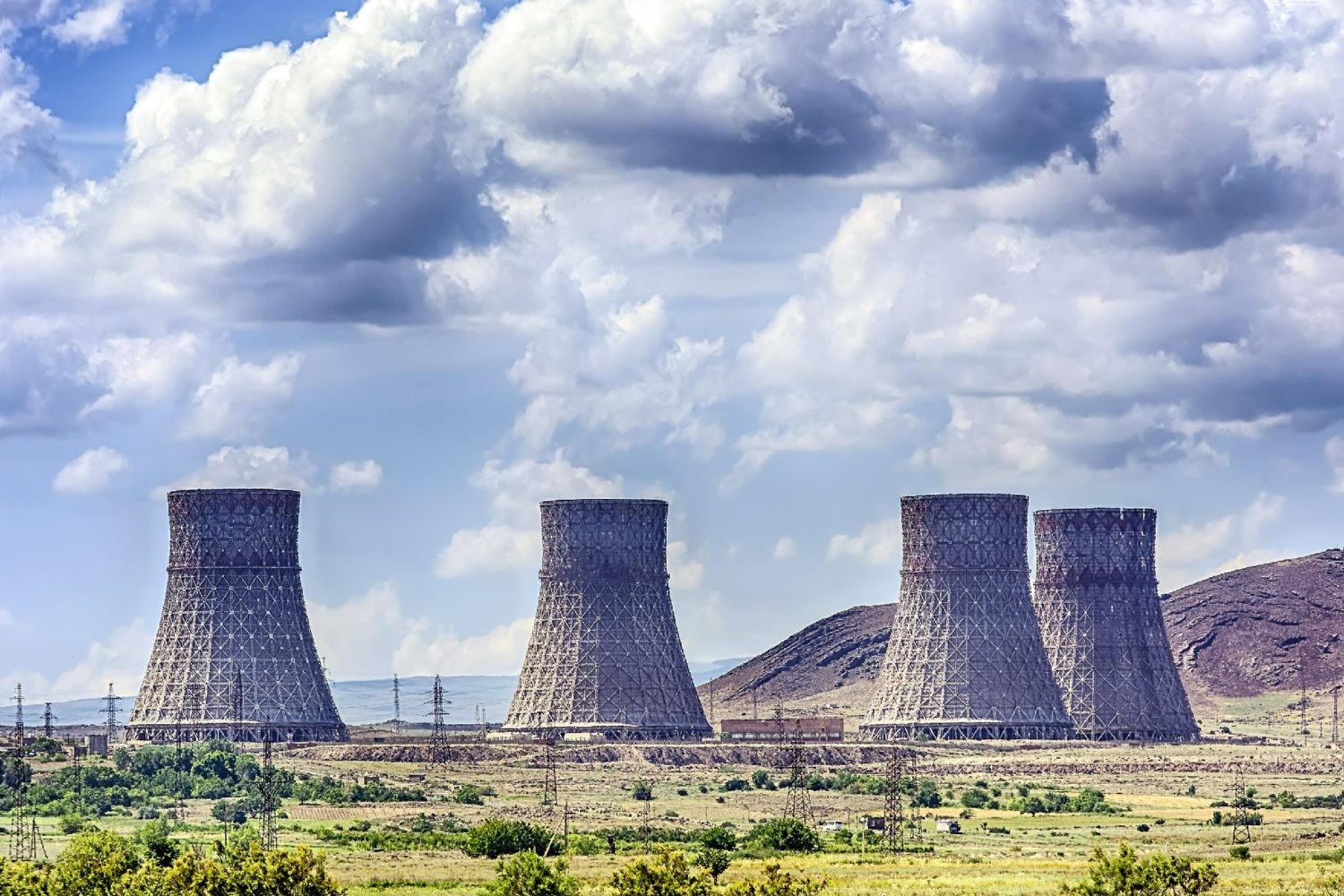
Armenia Responds to Claims of Metsamor NPP Closure: Operating License Valid Until 2036
In response to Azerbaijani President Ilham Aliyev's claims that the Metsamor Nuclear Power Plant is outdated and could pose a potential threat to the region, Arman Yeghoyan, a lawmaker from Armenia's ruling Civil Contract party, stated that the operating lifetime of a nuclear power plant is not unilaterally determined by the governments of neighboring countries. Yeghoyan noted that every nuclear power plant has an established operating period, and the Metsamor NPP is currently authorized to operate for a maximum term extending to 2036, information that has long been public. He also stated that the Armenian side has announced it is studying options for building a new nuclear power plant...
2026-08-14

Russian Scientists Develop Bioluminescent Bacterial Bioassay for Screening Safe Low-Dose Radiation Levels in Animals
Russian researchers have developed a rapid bioassay method based on bioluminescent bacteria that can be used to assess safe dose ranges of ionizing radiation for animals, providing an early screening tool for low-dose radiation applications in livestock farming. The study involved researchers from the Institute of Biophysics of the Siberian Branch of the Russian Academy of Sciences, Siberian Federal University, and Krasnoyarsk State Agrarian University. The research team noted that low-dose ionizing radiation ranging from tens to hundreds of milligrays (mGy) may activate a series of physiological processes in animals, including metabolism, growth, and biomass accumulation; however, if the dose exceeds the safe range, it may cause physiological...
2026-08-14

Russian Researchers Find Low-Energy Electron Beam and X-Ray Treatment of Wheat Seeds Can Increase Yields
Researchers from the D.V. Skobeltsyn Institute of Nuclear Physics at Lomonosov Moscow State University, in collaboration with the Faculty of Physics and the Faculty of Chemistry of Lomonosov Moscow State University, as well as the Siberian Federal Scientific Centre of Agro-BioTechnologies of the Russian Academy of Sciences, have found that pre-sowing treatment of wheat seeds with low-energy electron beams and X-rays can help increase crop yields and enhance plant resistance to diseases. The study focused on the wheat variety Novosibirskaya 29 and included laboratory experiments, two consecutive years of field trials, and computer modeling. The results showed that a dose range of 5 to 15 Gy is suitable as a pre-sowing irradiation treatment parameter for wheat seeds. According to Moscow State University...
2026-08-14
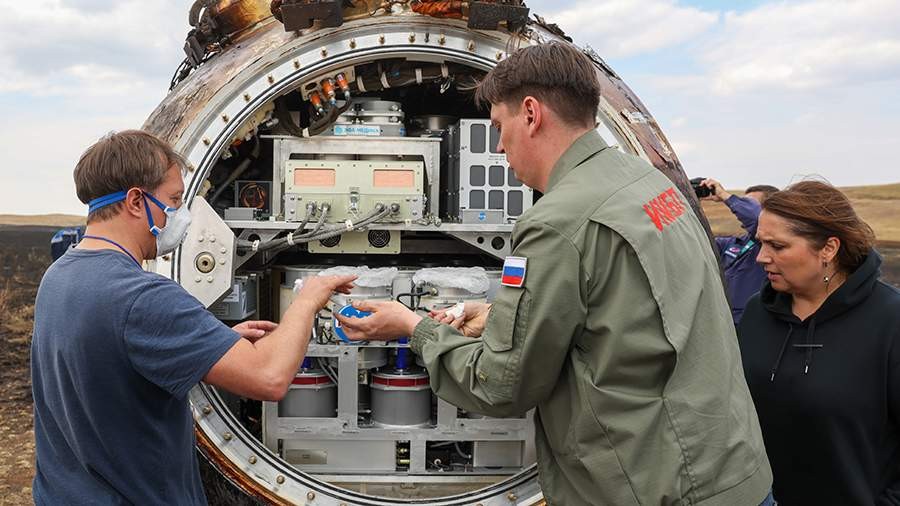
Russia's Bion-M 3 spacecraft planned for launch in 2030 to study effects of cosmic radiation on living organisms
Russia plans to launch the new Bion-M 3 spacecraft in 2030 to study the effects of cosmic radiation on living organisms under conditions similar to deep space. Vladimir Sychev, a senior official at the Institute of Biomedical Problems of the Russian Academy of Sciences, presented the plan at a meeting of the Presidium of the Russian Academy of Sciences' Space Council on August 4. Sychev stated that cosmic rays, solar proton events, and their effects on the human body are critical issues that must be understood when planning long-term interplanetary crewed missions. Participants have endorsed the draft scientific research program for the spacecraft's flight testing. According to the plan, Bion-M 3 will be placed into a polar orbit at an altitude of approximately 800 kilometers...
2026-08-14
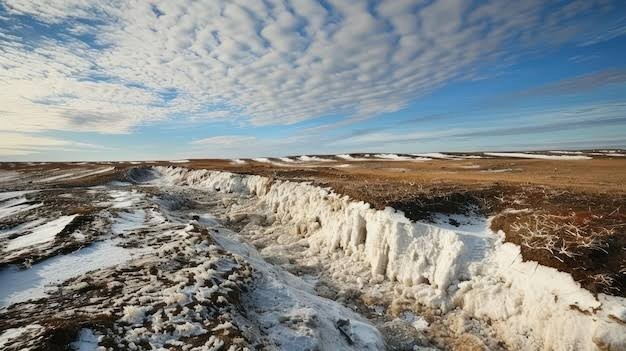
Radioactivity Levels in Arctic Archipelagos Within Background Range, Russian Research Team Reports No Anomalies
On August 13, Andrei Puchkov, senior researcher at the Environmental Radioactivity Laboratory of the N.P. Laverov Federal Arctic Integrated Research Center, Ural Branch of the Russian Academy of Sciences, stated that measurements taken during the 2026 Arctic Floating University expedition's landings on Novaya Zemlya and Franz Josef Land showed very low radioactivity levels, with no anomalies detected. Puchkov noted that the expedition measured radon concentrations at all landing sites, with radon flux densities ranging from below 1 millibecquerel per square meter per second to 200 millibecquerels per square meter per second, all recorded values remaining within background levels. He indicated that permafrost acts as a barrier and shield in the region, preventing radioactive gases from reaching the surface; relatively higher radon fluxes in some areas may be associated with geological features such as fault zones and fracture zones.
2026-08-14
U.S. Poll Shows Majority of Respondents Support Prioritizing Permanent Disposal of High-Level Waste
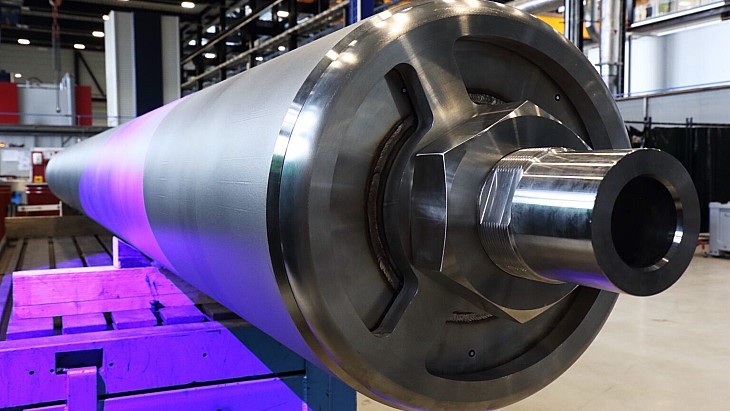
A recent survey conducted by market research and data analysis company YouGov shows that more than 80 percent of U.S. respondents believe finding a permanent disposal solution for high-level radioactive waste should be a national priority; after learning about relevant technical information, a significant number of respondents viewed deep geological disposal as a credible option. Prototype canister for borehole disposal (Image: Deep Isolation) The survey was commissioned by nuclear waste disposal technology company Deep Isolation Inc. and conducted in April this year among 1,000 U.S. adults with a nationally representative sample. The survey covered public attitudes toward nuclear energy, concerns about radioactive waste management...
2026-08-14
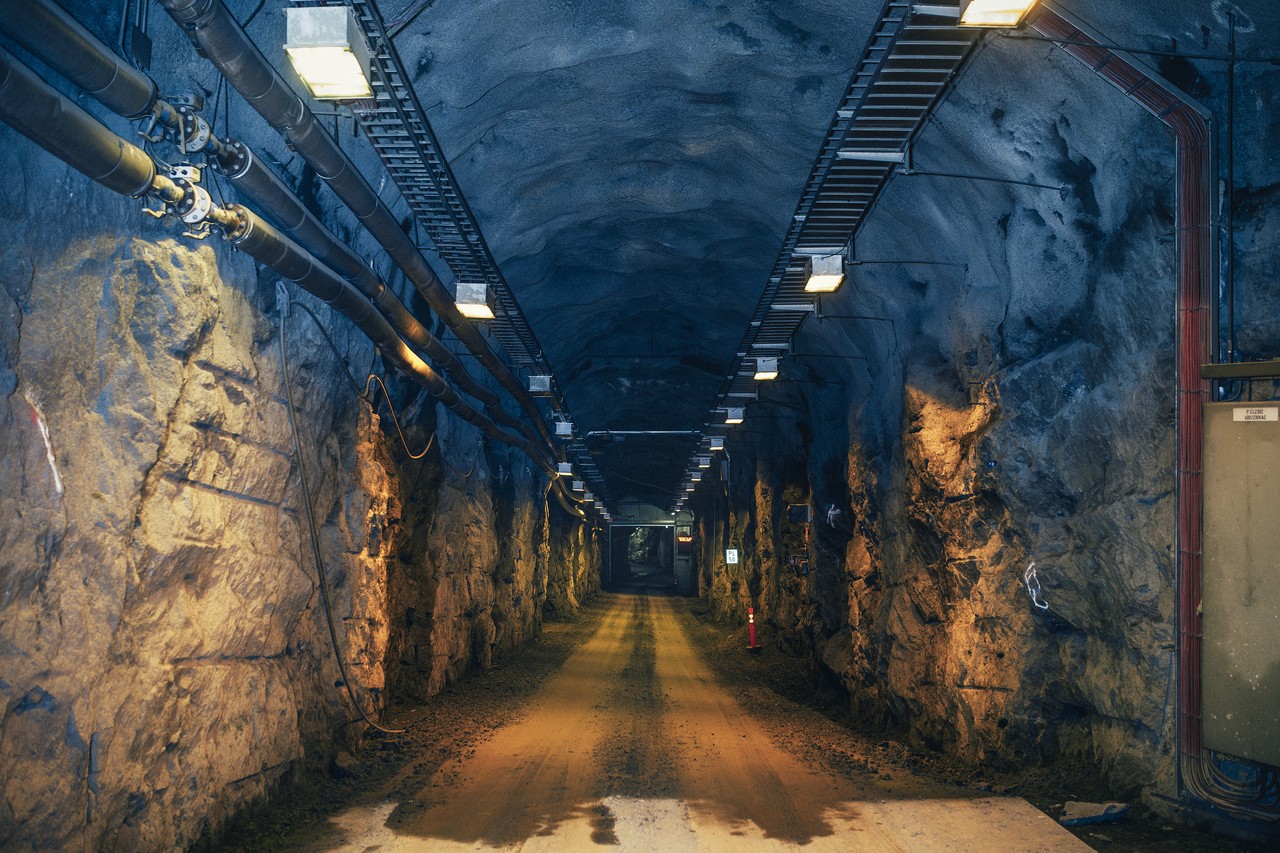
Finland's Onkalo Spent Nuclear Fuel Final Disposal Facility Expected to Receive Operating License by Year-End
Finland's spent nuclear fuel final disposal project has entered the critical stage of operating license review. The Radiation and Nuclear Safety Authority of Finland (STUK) issued a statement saying that the design and emergency response procedures of the Onkalo final disposal facility meet the safety requirements for granting an operating license. The Finnish government is expected to decide whether to approve the facility's operation before the end of the year. Onkalo is located on Olkiluoto Island in southwestern Finland. "Onkalo" means "cave" in Finnish. If licensed and operational, the facility will become the world's first deep geological final disposal facility for spent nuclear fuel from nuclear power plants, serving as a reference for other countries considering similar facilities...
2026-08-14
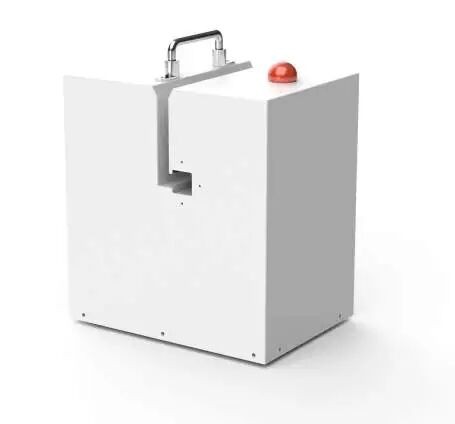
CGN Dasheng Launches BV Cable X-Ray Thickness Gauge for Full Online Inspection of Cable Insulation Layers
CGN Dasheng Accelerator Technology Co., Ltd. recently announced that its BV cable X-ray thickness gauge can be used for online inspection of insulation layers during cable production. The system employs X-ray technology to perform real-time measurement of key parameters such as cable outer diameter, inner diameter, wall thickness, eccentricity, and concentricity, replacing the potential detection blind spots inherent in traditional sampling inspection methods. In cable production, insulation layer thickness directly affects product safety and material utilization. Traditional inspection typically relies on sample cutting, manual measurement, and recording, with limited inspection frequency. If issues such as uneven wall thickness or eccentricity occur during production, they are often difficult to detect in a timely manner, which also hinders subsequent quality traceability and process adjustment. According to the company, the equipment...
2026-08-14

China Isotope & Radiation's National Headquarters for Irradiation Application Industry Settles in Guangzhou
On August 11, the national headquarters of China Isotope & Radiation's irradiation application industry — CNNC Irradiation (Guangdong) Technology Co., Ltd. (hereinafter referred to as "CNNC Irradiation") — officially settled in Tianhe District, Guangzhou, and entered the Pearl River New City. This marks an important milestone in the development of China Isotope & Radiation's irradiation application industry. The relocation of the national headquarters for irradiation application to Guangzhou is a key step for China Isotope & Radiation in implementing the central-local cooperation deployment between CNNC and Guangdong Province, and in strategically positioning for the "15th Five-Year Plan." As the nuclear technology application industry platform of CNNC, China Isotope & Radiation possesses a complete industrial chain and core technological advantages in the irradiation application field. It is a leading domestic provider of irradiation facility design, manufacturing, installation, and operation & maintenance services, and has accumulated extensive industrialization experience in high-end medical device sterilization, green irradiation processing of food and traditional Chinese medicinal materials, and material modification.
2026-08-14