
Search Results
Keyword:IC
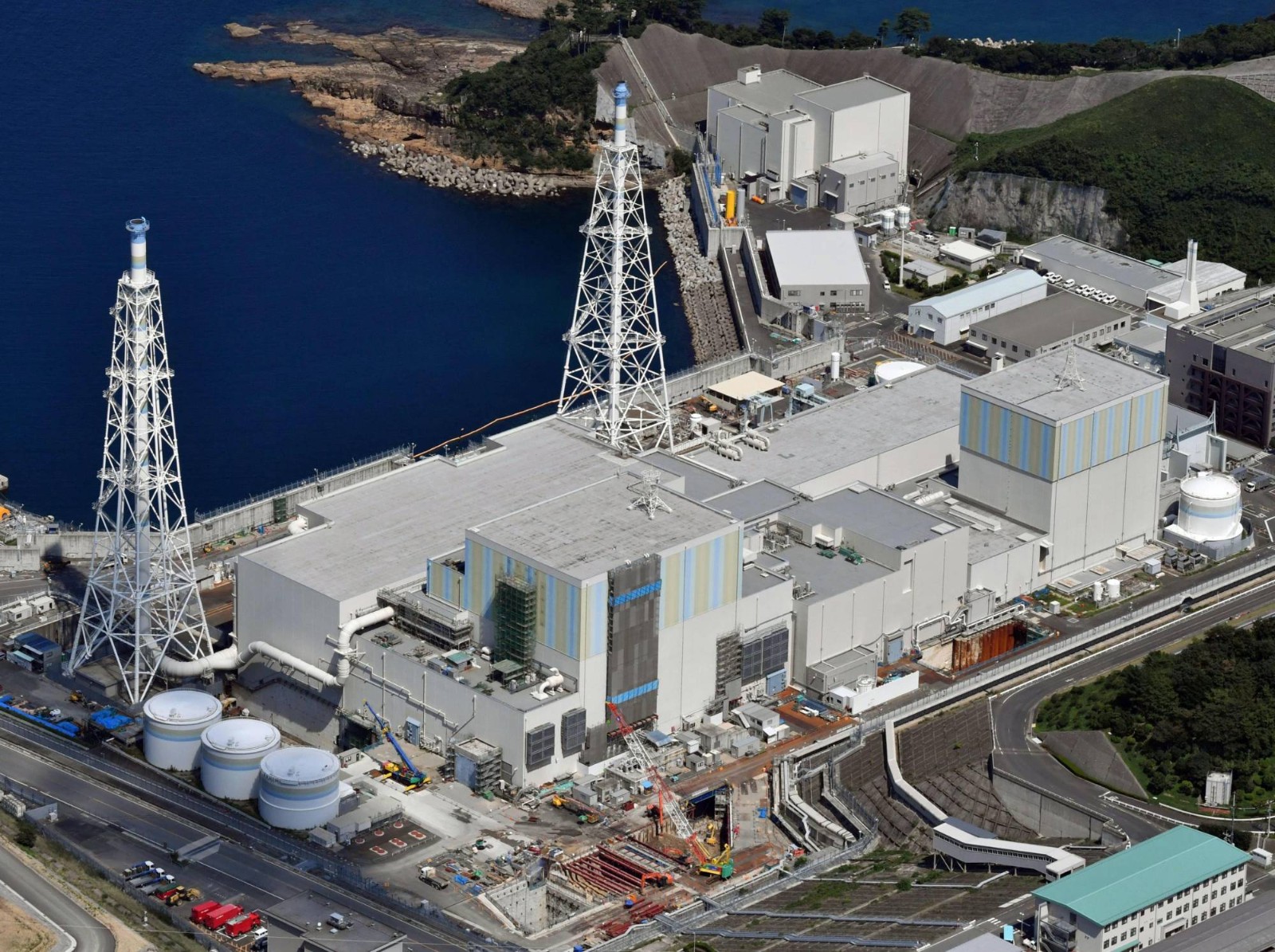
Shimane Nuclear Power Station Unit 2 restarted and reached criticality
Chugoku Electric Power Co. announced on August 13 that it started up the reactor of Unit 2 at the Shimane Nuclear Power Station at 10:00 that day, and the unit reached a critical state at 12:14. Unit 2 of the Shimane Nuclear Power Station is a boiling water reactor with a rated electrical output of 820,000 kilowatts. Criticality refers to the state in which nuclear fission reactions in the reactor core can be sustained, and is one of the key milestones in the unit restart process. According to the plan, the unit will resume power generation, i.e., synchronize the generator to the grid, on August 18, 2026, and is expected to resume commercial operation on September 16, 2026. Chugoku Electric Power Co. stated that it will continue to prioritize safety and steadily advance all subsequent procedures.
2026-08-13

Russian and South African energy company representatives exchange nuclear emergency response cooperation
On August 11, the St. Petersburg Chamber of Commerce and Industry held an off-site information briefing. The event was organized by ATC JSC, a subsidiary of Rosatom, and attended by senior management representatives from Eskom Holdings SOC Ltd (ESKOM) of South Africa. The meeting aimed to establish professional contacts and exchange experience on topics including nuclear energy utilization, nuclear and radiation safety, and emergency response operations. During the event, a representative delivered a report titled "Current Status and Capabilities of the Rosatom Nuclear Emergency Response System in Conducting Emergency Response Operations at Fire Stations," presenting the operational framework and technical capabilities of the Rosatom nuclear emergency response system. Radiation monitoring equipment used by the emergency response system was also demonstrated during the event.
2026-08-13
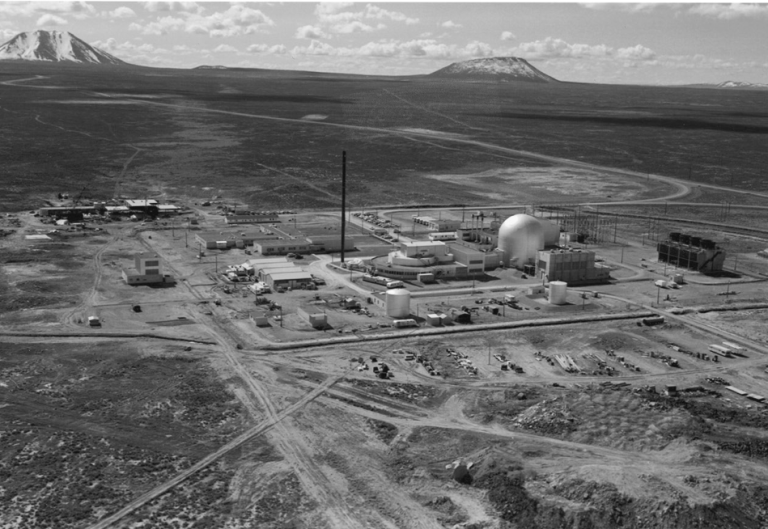
Idaho National Laboratory's Hot Fuel Examination Facility Named U.S. Nuclear Historic Landmark
The American Nuclear Society (ANS) recently designated the Hot Fuel Examination Facility (HFEF) at Idaho National Laboratory (INL) as a Nuclear Historic Landmark. Since becoming operational in 1975, the facility has conducted post-irradiation examination of nuclear fuel and materials, and continues to support research on advanced reactors, commercial nuclear fuel, and related energy security. HFEF is located within the Materials and Fuels Complex (MFC) at Idaho National Laboratory and houses the largest inert-atmosphere hot cell in the United States dedicated to nuclear materials research. The hot cell operates in an argon environment and features approximately 4-foot-thick shielding walls, enabling remote, non-destructive, and high-precision examination of highly irradiated fuel and material samples while reducing worker radiation exposure.
2026-08-13
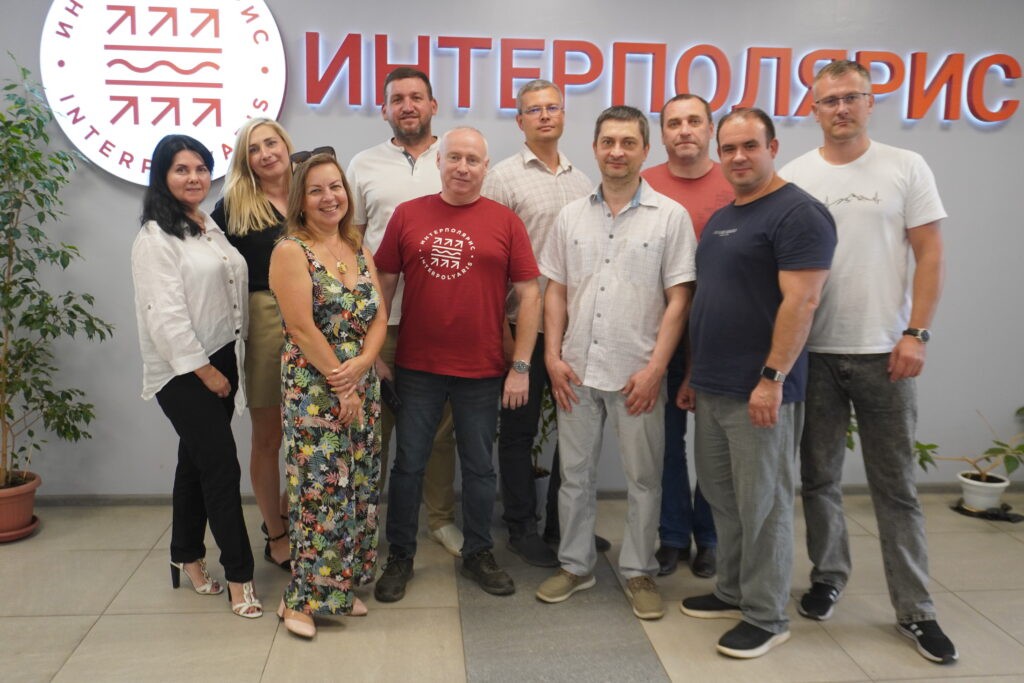
Heat Exchangers and Mechanical Filters for Russian Nuclear-Powered Icebreakers Complete Testing
On August 11, 2026, the manufacturing project for equipment supporting Russian nuclear-powered icebreakers achieved a milestone. InterPolaris has completed testing of multiple key equipment items, including two shell-and-tube heat exchangers and two mechanical filters. The shell-and-tube heat exchangers that completed testing this time are primarily used to heat water containing purification solutions using heating steam. Compared with conventional heat exchange equipment, the operating environment of marine nuclear power platforms is more complex, imposing higher requirements on structural strength, sealing performance, and operational stability. The horizontal heat exchanger is designed to accommodate prolonged vessel inclination conditions, with mounting brackets capable of withstanding loads from different directions and maintaining stable equipment parameters under complex operating conditions.
2026-08-13

OXOS Medical and Others Deploy Portable X-Ray Systems to Disaster Zones in Venezuela
On August 12, U.S.-based OXOS Medical announced that it will partner with the non-profit organization Love & Life Foundation and the rapid response and disaster intervention team MEDIC Corps to deploy the MC2 portable X-ray system to Venezuela to support post-disaster humanitarian medical relief efforts. According to reports, the strong earthquake that struck Venezuela on June 24 has caused more than 16,000 injuries. For medical teams treating patients on the front lines in rubble and disaster zones, timely assessment of injuries such as fractures and chest or abdominal trauma is critical, but in areas with damaged infrastructure and limited resources, routine medical imaging examinations are often difficult to obtain in a timely manner. The materials also cite World Health Organization data stating...
2026-08-13
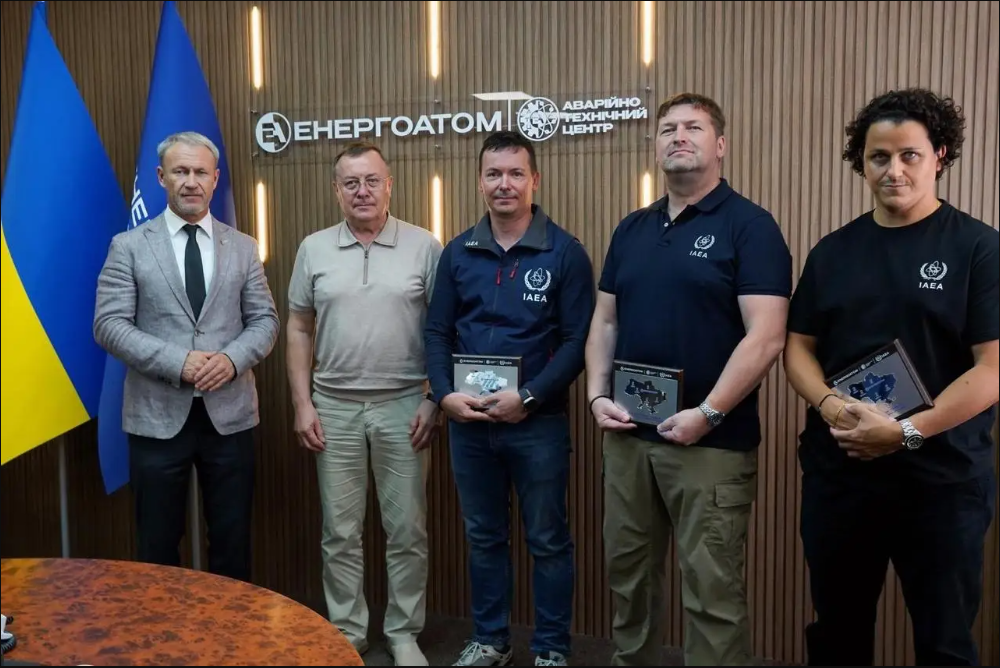
Energoatom and IAEA Strengthen Cooperation on Nuclear Power Emergency Preparedness
Acting CEO of Energoatom, Pavlo Kovtoniuk, recently held a working meeting with representatives of the International Atomic Energy Agency (IAEA) coordination and technical team at the company's subsidiary, the Emergency Technical Center. During the meeting, Kovtoniuk briefed the IAEA representatives on the operational status of Energoatom under the current circumstances and the main challenges facing Ukraine's nuclear power operator. He stated that the safe operation of nuclear power plants and emergency response preparedness remain among the company's top priorities, and enhancing the capabilities of the Emergency Technical Center is a key component of these efforts. Uk...
2026-08-13
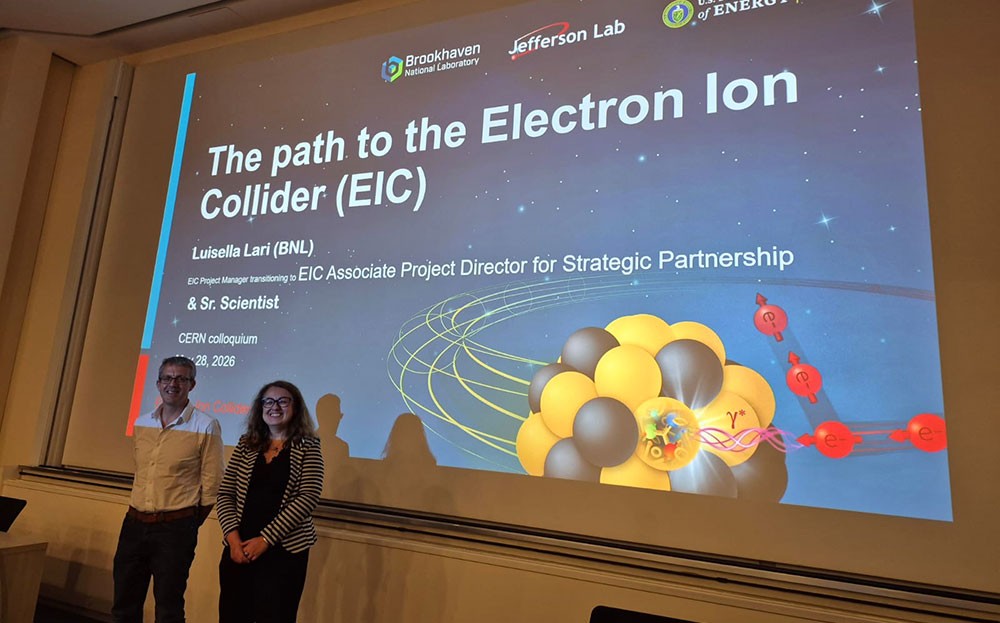
EIC and CERN Strengthen Cooperation to Advance International Scientific Exchange for the Electron-Ion Collider
August 12, 2026 - The collaboration between the Electron-Ion Collider (EIC) project and the European Organization for Nuclear Research (CERN) is deepening further. On May 28, CERN hosted a workshop themed around the EIC to introduce the project's scientific goals, construction progress, and future research opportunities to its international scientific community. Luisella Lari (right), Deputy Director for Strategic Partnerships of the Electron-Ion Collider (EIC) project, poses with Matthew Chalmers, organizer of the CERN lecture series, after delivering a talk titled "The Road to the Electron-Ion Collider" at CERN. Luisella Lari, senior scientist on the EIC project, delivered a talk titled "The Road to the Electron-Ion Collider" at the workshop.
2026-08-13
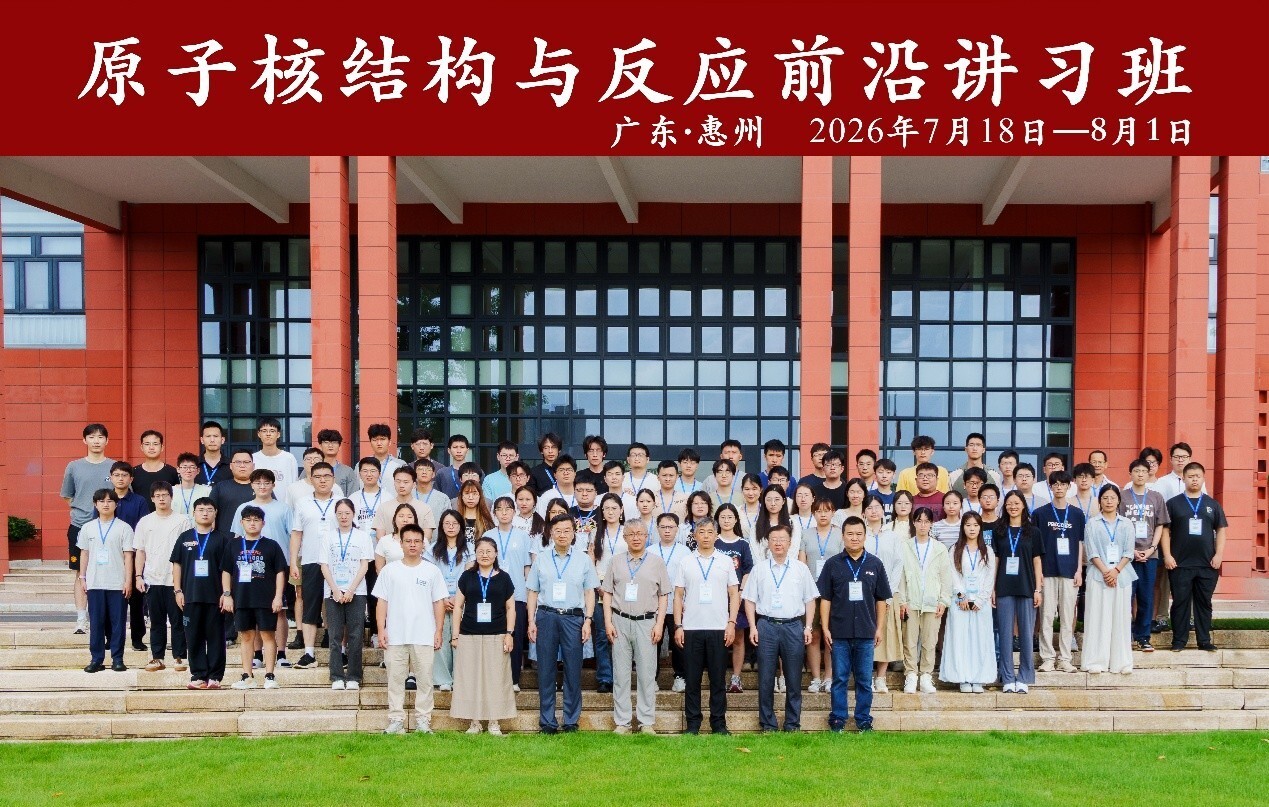
"Frontier Workshop on Nuclear Structure and Reactions" Successfully Held at the Institute of Modern Physics, Chinese Academy of Sciences
From July 18 to August 1, the Institute of Modern Physics of the Chinese Academy of Sciences hosted the Frontier Workshop on Nuclear Structure and Reactions. Funded by the Special Fund for Theoretical Physics of the National Natural Science Foundation of China, the workshop attracted 89 young faculty members, postdoctoral researchers, and graduate students from over 30 universities and research institutions nationwide. Twenty-one experts in nuclear physics were invited to give lectures, totaling nearly 80 class hours. Academician of the Chinese Academy of Sciences and President of East China Normal University, Professor Ma Yugang; Academician of the Chinese Academy of Sciences and Professor at Tsinghua University, Zou Bingsong; Director of the Institute of Modern Physics, Professor Sun Zhiyu; as well as representative lecturers Professor Ye Yanlin and Professor Yang Xiaofei from Peking University...
2026-08-13

Nuclear Technology Aids Pest Control: Sterile Insect Technique Achieves Results in Multiple Countries
The application of nuclear technology is not limited to power generation and heating. In areas such as agricultural pest control, animal health, and disease vector management, the Sterile Insect Technique (SIT) based on cobalt-60 gamma rays is playing an important role. The core approach of SIT involves mass-rearing target pests in specialized facilities, separating males, and then irradiating them with a cobalt-60 gamma ray source. The radiation causes DNA breaks in the reproductive cells of male insects, leaving them able to fly and mate with wild females but unable to produce viable offspring. As large numbers of sterile males are continuously released, the proportion of ineffective matings in the wild population increases, pest numbers decline generation after generation, and under certain conditions...
2026-08-13

Philippine Energy Regulatory Commission Supports Nuclear Energy Legislation, Emphasizing Regulatory Alignment and Consumer Protection
The Philippine Energy Regulatory Commission (ERC) has expressed support for proposed legislation promoting nuclear energy development, stating that it would help strengthen national energy security and enhance electricity supply reliability. On August 12, during a hearing held by the Special Committee on Nuclear Energy of the Philippine House of Representatives, Krisha Marie T. Buela, Director of the Office of the General Counsel and Secretariat of the ERC, presented the Commission's preliminary comments on the proposed bills. Buela stated that the ERC is reviewing several provisions in the proposed legislation and will submit a formal position paper to the Special Committee on Nuclear Energy. Based on the preliminary comments, the Commission's concerns include...
2026-08-13
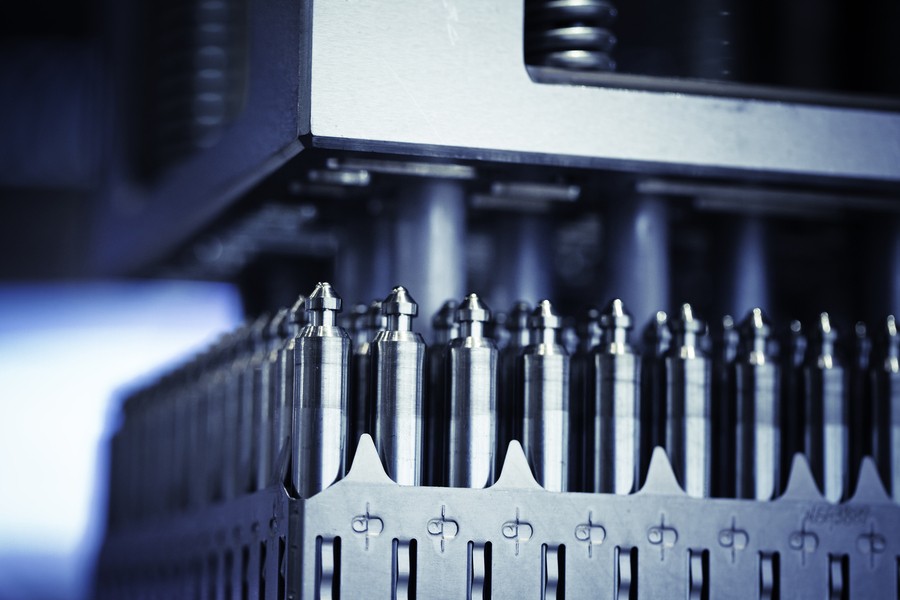
Study Reveals Three-Dimensional Pore Networks Inside Uranium-Zirconium Metallic Nuclear Fuel
Researchers at the Massachusetts Institute of Technology (MIT), in collaboration with Idaho National Laboratory (INL), conducted three-dimensional imaging studies on irradiated uranium-10 zirconium metallic fuel, revealing the internal pore networks within the fuel and their relationship with chemical changes and fuel-cladding interactions. The researchers believe these results will help improve metallic fuel performance models, providing references for extending the operating cycles of certain reactors and for the design of next-generation sodium-cooled fast reactor fuel systems. Uranium-10 zirconium (U-10Zr) is a uranium-zirconium alloy metallic fuel containing 10% zirconium, which has been extensively tested in sodium-cooled fast reactors such as Experimental Breeder Reactor II (EBR-II) and the Fast Flux Test Facility (FFTF). As advanced reactor research and development progresses, this type of metallic fuel has regained attention, but the details of pore formation, swelling, heat transfer, and interactions with cladding materials under reactor irradiation conditions still require further clarification.
2026-08-13

Bhabha Atomic Research Centre (BARC) in India develops 72 improved crop varieties through radiation mutation technology
The integration of nuclear technology with agricultural production is demonstrating increasingly tangible value in Indian farmlands. Through radiation-induced mutation and hybrid breeding techniques, the Bhabha Atomic Research Centre in India has successively developed 72 improved crop varieties, covering peanuts, rice, mung beans, mustard, and other crops. India's Minister of State Jitendra Singh disclosed this progress in a written reply to Parliament, showing that the peaceful application of nuclear science has extended from laboratories to the frontlines of agricultural production. In terms of variety composition, peanut new varieties are the most numerous, reaching 17; rice has 10, mung beans and mustard 9 each, black gram 8, pigeon pea 5, sorghum 3, and cowpea, wheat, and soybean 2 each. Additionally...
2026-08-13

ASP Isotopes Plans Commercial Delivery of Multiple Stable Isotopes in Second Half of 2026
ASP Isotopes Inc. recently presented its expansion plans for isotope production, radiopharmaceuticals, and helium operations at Canaccord Genuity's 46th Annual Growth Conference. The company aims to begin commercial delivery of stable isotopes including silicon-28, carbon-14, and ytterbium-176 in the second half of 2026. Victor Petkov, the company's Chief Commercial Officer, stated that ASP Isotopes is leveraging its proprietary enrichment technology to serve electronics, nuclear medicine, and nuclear fuel-related markets. Currently, the company operates three production facilities in Pretoria, South Africa, primarily producing silicon-28 for semiconductor applications, as well as carbon-14 and ytterbium-176 for nuclear medicine-related uses. Regarding isotope supply...
2026-08-13
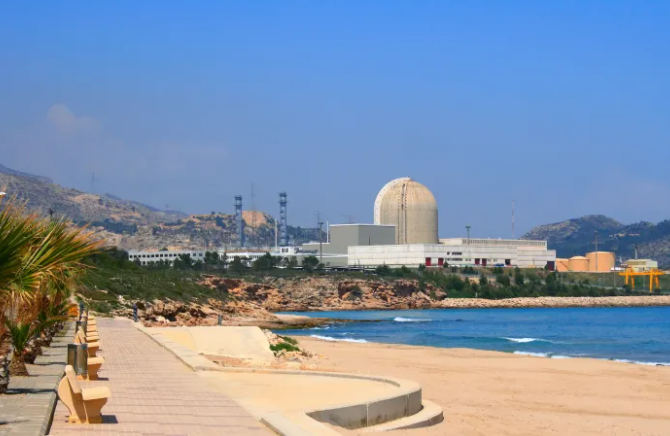
Poland's First Nuclear Power Plant Enters New Phase with Deepening Polish Enterprise Participation
Poland's first nuclear power plant (Lubiatowo-Kopalino site) has transitioned from the preparatory stage to substantive on-site construction. On August 12, Polish Nuclear Power Company (PEJ) officially handed over the construction site to the general contractor, American company Bechtel, while Budimex, one of Poland's largest construction firms, commenced earthworks. This marks another significant milestone for the project following the securing of financing, the refinement of the legal framework, and support from technology partners. Polish Energy Minister Miłosz Motyka stated that this investment will enhance Poland's energy security and sovereignty, while creating stable and predictable energy prices for households and businesses. To date, PEJ has signed contracts with approximately 4...
2026-08-13
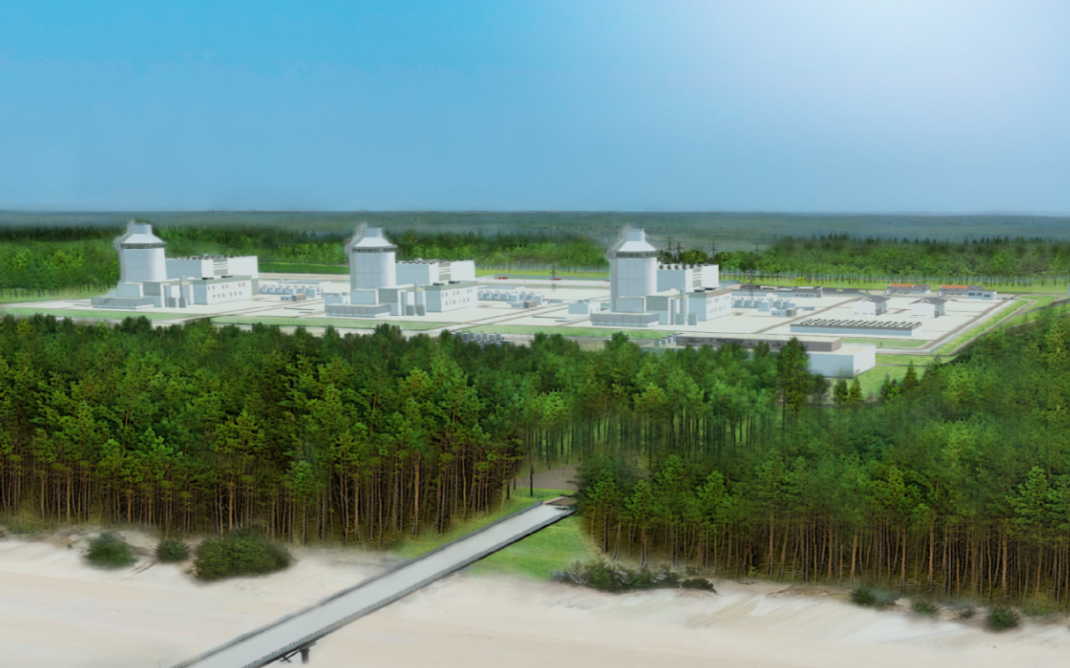
Rising River Water Temperatures in Europe Constrain Nuclear Power Operations, Poland's First Nuclear Power Plant Turns to Baltic Sea for Cooling Water
Persistent high temperatures, droughts, and low river water levels across Europe are turning nuclear power plant cooling issues from a purely engineering topic into a real risk affecting the stability of electricity supply. Experience in countries such as France and Switzerland shows that when river water temperatures are too high or flow rates are insufficient, nuclear power plants—even with generating capacity available—may be forced to reduce output or temporarily shut down due to environmental restrictions. In 2022, France's nuclear power generation fell by 22% year-on-year, and during recent summer heatwaves, rising water temperatures in rivers such as the Seine and the Rhône have repeatedly led to restrictions on related units. The core of this issue is not just whether there is enough water, but also whether the water is cold enough. Traditional river-dependent cooling systems...
2026-08-13