
Search Results
Keyword:India

Scientists from a small town in Uttar Pradesh, India, gain international recognition: exploring AI-assisted nuclear reactor control
Samendra Roy, a scientist and resident of Payagpur in the Bahraich district of Uttar Pradesh, India, along with his team, has recently attracted attention from the international academic community. The research focuses on the potential applications of artificial intelligence in the operation and control of nuclear reactors. The findings have been published in *npj Artificial Intelligence*, a journal under the Nature Publishing Group, marking the team's work's arrival on a prestigious international academic platform. The study primarily explores the role of agent-based physics-informed artificial intelligence in nuclear reactor control. The research team believes that during nuclear reactor operation, control systems often face complex environments and highly challenging decision-making scenarios, and AI technology is expected to play a significant role in the future in areas such as assisting judgment, optimizing control processes, and enhancing operational management capabilities.
2026-08-11
India's Nuclear Power Expansion Drives Up Uranium Demand, Annual Demand Could Reach 5,400 Tonnes
India is accelerating its nuclear energy development program, with uranium resource demand rising correspondingly. According to estimates by the Indian Parliament's Committee on Public Undertakings in its follow-up report on NPCIL performance rectification, India will require approximately 5,400 tonnes of uranium annually in the future as nuclear power projects expand. This figure reflects the urgency of India's energy structure adjustment and indicates the rising status of nuclear power in its long-term electricity planning. Currently, domestic uranium production in India can only meet about 30% of demand, with the remainder relying on imports, primarily from countries including Kazakhstan, Russia, Uzbekistan, and Canada. The Parliamentary Committee therefore emphasized...
2026-08-10

India Announces INR 26.75 Trillion in Investments This Fiscal Year, with INR 6.5 Trillion Planned for Nuclear Power
According to a report released by the Economic Research Department of India's Bank of Baroda, total announced investments in India reached INR 26.75 trillion between April 1 and August 5 of the 2026-2027 fiscal year. Amid persistent uncertainties in the global economic landscape, Information Technology-enabled Services (ITeS) emerged as the dominant investment destination, accounting for 56% of total proposed investments. The report stated that the ITeS sector announced investments of INR 14.98 trillion, with nearly 99% concentrated in data centers and artificial intelligence, involving 13 companies. This indicates that digital infrastructure and AI-related industries remain a strategic focus for Indian enterprises and capital allocation. By sector, investment announcements remain highly...
2026-08-10

Indian Parliamentary Committee Emphasizes Urgency of Accelerating Uranium Mining Projects
On August 7, 2026, the Indian Parliamentary Committee on Public Undertakings noted in its report on nuclear power expansion progress that India's uranium mining project expansion needs to be accelerated. DAE has committed UCIL to doubling production by 2036 through enhancing existing capacity and new projects in Jharkhand, Rajasthan, and Chhattisgarh, but the committee considers this timeline too late—NPCIL's installed capacity will surge significantly over the next decade, and delays in mining clusters would prolong the strategic vulnerability period of imported fuel. Currently, PHWR units of approximately 25 GWe require about 5,400 tonnes of U3O8 annually, with UCIL able to meet only about 30% of that demand; accelerated domestic production and diversified supply are needed to reduce import dependence. The committee supports UCIL forming a joint venture with NTPC to acquire equity stakes in overseas uranium assets...
2026-08-08
India's cumulative nuclear power generation surpasses 1 trillion units (1000 BU), NPCIL sets historic milestone
Nuclear Power Corporation of India Limited (NPCIL) announced on August 4 that cumulative nuclear power generation since the start of commercial operations has exceeded 100 billion kilowatt-hours (1000 Billion Units, equivalent to 1 trillion kWh) for the first time. The company stated that this milestone marks a significant achievement on India's path toward clean and sustainable energy, corresponding to avoiding approximately 860 million tonnes of CO₂ emissions—equivalent to approximately taking 187 million gasoline and diesel passenger vehicles off the road for a full year, or nearly the total annual greenhouse gas emissions of a single industrialized nation such as Germany or Japan. NPCIL data shows that electricity generated through nuclear power has effectively avoided substantial greenhouse gas emissions. Nuclear energy is recognized as one of the low-carbon and reliable energy sources, playing a critical role in addressing climate change...
2026-08-05
NPCIL launches engineering design tender for 220 MWe Bharat Small Reactor
Nuclear Power Corporation of India Limited (NPCIL) has issued a tender notice inviting bids for plant engineering design and 3D modeling services for its 220 MWe-class Bharat Small Reactor (BSR) project. The reactor design is based on India's existing 220 MWe pressurized heavy water reactor (PHWR) technology, with a bid submission deadline of August 10. The scope of this tender covers general design and engineering services for civil, process, mechanical, piping, electrical, control and instrumentation systems, as well as heating, ventilation and air conditioning systems, pipe stress analysis, and 3D computer modeling. NPCIL aims to select a supplier capable of delivering an integrated engineering solution and providing support for subsequent detailed design verification, construction and commissioning documentation. The project requires suppliers to prioritize quality assurance and comply with relevant regulatory and technical standards.
2026-08-04

IIT Hyderabad launches nuclear technology training programme
The Indian Institute of Technology Hyderabad (IIT Hyderabad), in collaboration with Pune-based technology company Crimson Energy Experts Pvt. Ltd. (CEEPL), has launched a three-month full-time residential training programme to train engineers and industry professionals for India's expanding civil nuclear energy sector. The programme, named Anugyan-Nuclear Technology Orientation Programme (NTOP), is described as India's first industry-academia collaborative initiative dedicated specifically to engineering talent development in the nuclear energy sector, with a focus on bridging the gap between academic curricula and nuclear industry engineering practice.
2026-08-04
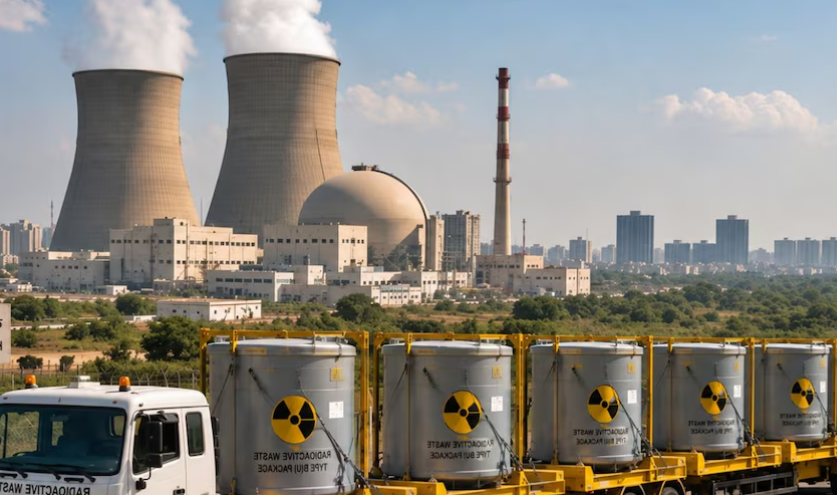
Behind India's Nuclear Power Expansion: Where Does Radioactive Waste Go? Government Details Management Process in Parliament for First Time
India is rapidly advancing its nuclear power expansion, but the safe disposal of radioactive waste is the least-publicized challenge. The government has for the first time detailed in Parliament how it handles hazardous waste. In a written reply, the Department of Atomic Energy disclosed that all nuclear power plants in India generate an average of 0.15 cubic meters (approximately 150 liters) of solid radioactive waste per megawatt (MW) of capacity annually, including waste from operational and decommissioning phases, equivalent to about 1.5 household bathtubs in volume; radioactive waste quantities and disposal records are regularly reported to the Atomic Energy Regulatory Board (AERB). The operation and maintenance of nuclear power plants generate various types of radioactive waste, including spent filter cartridges, protective clothing, tools, equipment, and other items that come into contact with radioactive materials. Waste is categorized into gaseous...
2026-08-03
India's First Draft Rules for SHANTI Nuclear Energy Act Prepared, in Consultation with Ministries and Industry
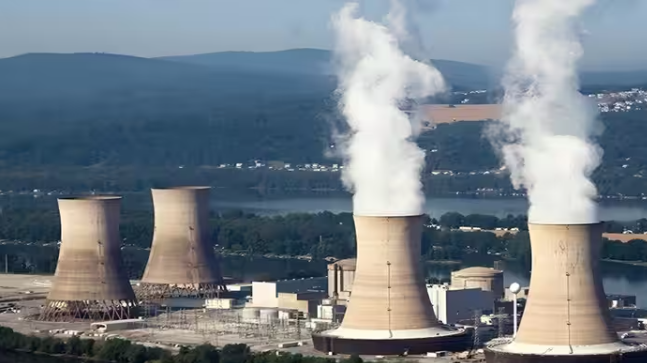
The Indian government is formulating implementation rules for the SHANTI Act (Sustainable Harmonious Advancement of Nuclear Technology in India Act), aimed at fundamentally transforming the country's nuclear energy sector. The Act is expected to open up the previously tightly controlled nuclear industry to private companies. Relevant departments have already sought comments on these draft rules, but final publication may still take several months, as issues involving multiple agencies require careful consideration. The SHANTI Act is crucial for India's goal of achieving 100 gigawatts of nuclear power capacity by 2047. It will bring about significant structural changes to India's nuclear energy policy, integrating regulation, implementation processes, civil liability, and dispute resolution mechanisms...
2026-08-03

Adani Group Proposes Two Nuclear Power Plants in India's Odisha State
The Adani Group has submitted a proposal to the Government of Odisha to build two nuclear power plants in the state, with a planned total installed capacity of 5,600 MW and an estimated investment of approximately ₹1.5 trillion. The proposal is seen as a significant move to expand private sector participation in India's civil nuclear energy sector. According to disclosures, Subrat Tripathy, President of Business Development at Adani Ports and Special Economic Zone, led a delegation to meet Odisha's Deputy Chief Minister and Energy Minister Kanak Vardhan Singh Deo in Bhubaneswar...
2026-08-03
Global Nuclear Power Construction Accelerates, Asian Countries Lead the Way
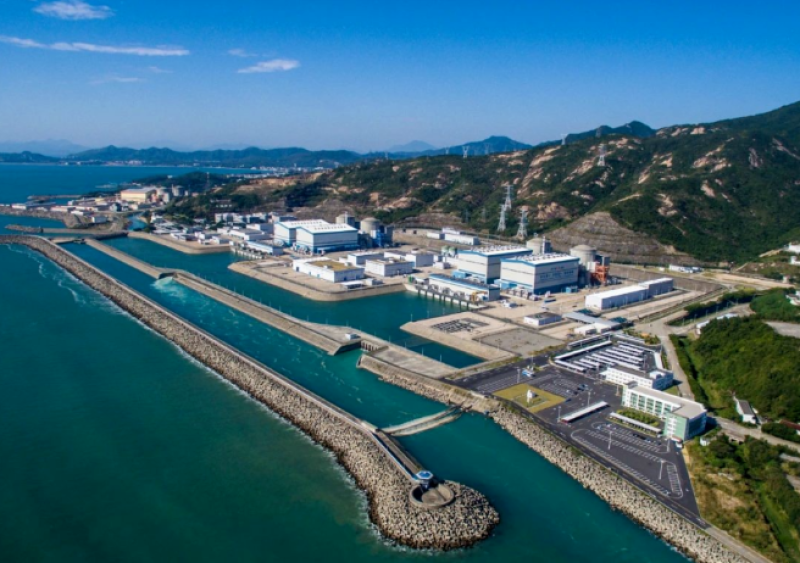
Global nuclear power construction is accelerating, particularly in the Asian region. China is currently the most active country in nuclear power construction worldwide, with more than twenty nuclear reactors under construction, far surpassing other nations. This large-scale investment reflects China's emphasis on energy security and reducing carbon emissions. India follows closely behind, also actively expanding its nuclear power capacity to meet growing electricity demand and achieve climate goals. Beyond Asia, several European countries are also increasing their nuclear power capacity. Although France already possesses a large number of existing nuclear power plants, it is also advancing the construction of new nuclear reactors, aiming to maintain the share of nuclear energy in its energy mix. The United Kingdom is likewise committed to developing nuclear power, with plans to build new...
2026-08-03
India's First Elekta Evo Installed at Manipal Hospital in Bengaluru for Online Adaptive Radiotherapy
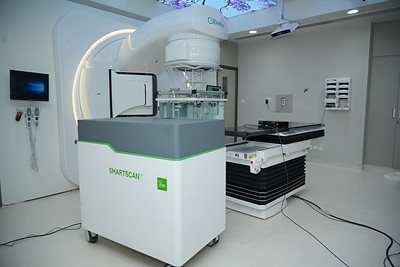
Bengaluru, India – Manipal Hospital Yelahanka has become the first healthcare facility in India to install Elekta Evo, Elekta's AI-enhanced adaptive CT linac platform, which will support clinical teams in delivering online adaptive radiotherapy for more personalized and precise cancer treatment. The system was previously showcased at AROICON 2025, India's radiation oncology conference. According to data from the Indian Council of Medical Research, India records an estimated 1.46 million new cancer cases annually, with radiotherapy demand continuing to grow. For patients with complex conditions or those presenting at advanced stages...
2026-08-01
Adani Group Enters Nuclear Power, India's Energy Landscape May See Transformation
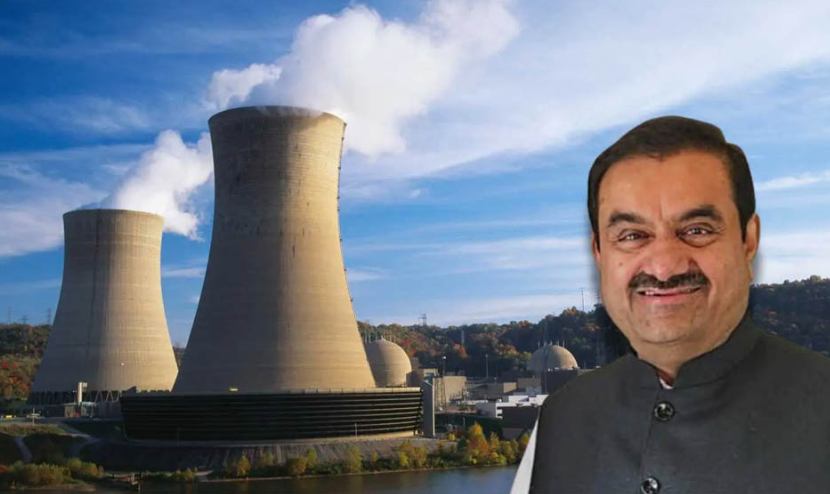
The Adani Group plans to triple its power generation capacity by 2035, becoming the largest private power producer. Currently, feasibility studies at Bina and Nigari are progressing intensively, and the CEO of Adani Power has also hinted at related information. Although no official announcement has been made, the company has clearly stated that it is actively evaluating the relevant possibilities. At present, only two state-owned enterprises in India produce nuclear power: the Nuclear Power Corporation and NTPC Limited. The former plans to develop 30 GW of nuclear capacity, while the latter is also preparing to develop 30 GW. Adani Power has an operating capacity of over 3.2 GW and is currently conducting evaluations...
2026-08-02
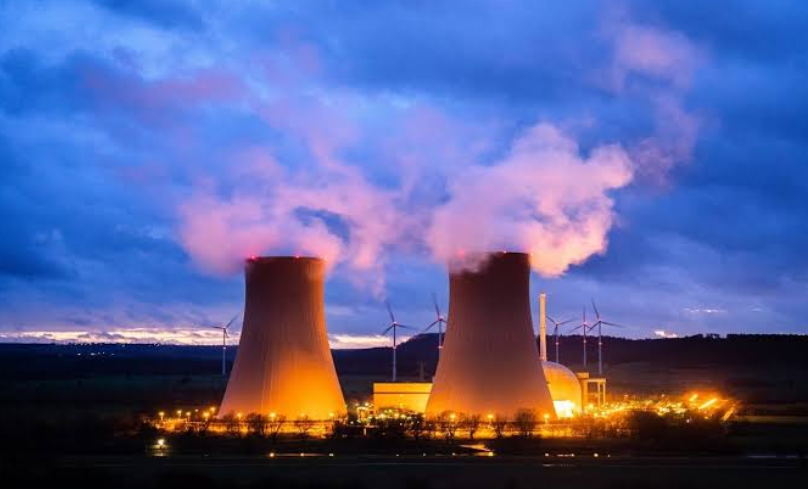
Four new units at India's Kudankulam nuclear power plant delayed by three years, cost overrun of 55% to $14.4 billion
The construction cost of four new units at the Kudankulam nuclear power plant being built by Russia's Rosatom in India has increased by 55% since 2024 due to delays. Each unit has a capacity of 1 gigawatt, and the updated total construction cost has reached 1.38 trillion Indian rupees (approximately $14.4 billion). Among them, the construction cost of Units 3 and 4 has increased by 73%, while the cost of Units 5 and 6 has risen by 40%. Russia had previously provided India with $4.2 billion in state credit for the construction of Units 3 and 4. Indian officials stated that the reasons for the delays include the impact of the COVID-19 pandemic, difficulties in the supply of specific materials and equipment, and problems faced by contractors. Despite...
2026-08-02

Indiana University Team Participates in Large Hadron Collider Detector Upgrade
On July 28, 2026, physicists from Indiana University are participating in an international scientific collaboration to install new particle detector components at the Large Hadron Collider (LHC) at CERN, located near Geneva, Switzerland, to enhance scientists' ability to study the fundamental building blocks of the universe. The Large Hadron Collider is currently the world's largest particle accelerator, which helps researchers explore the structure of matter and fundamental interactions by colliding protons at near-light speeds and analyzing the particles produced in the collisions. Indiana University is a member of the ATLAS experiment collaboration, which comprises approximately 245 institutions from over 40 countries, with thousands of scientists...
2026-07-29