
Search Results
Keyword:NI
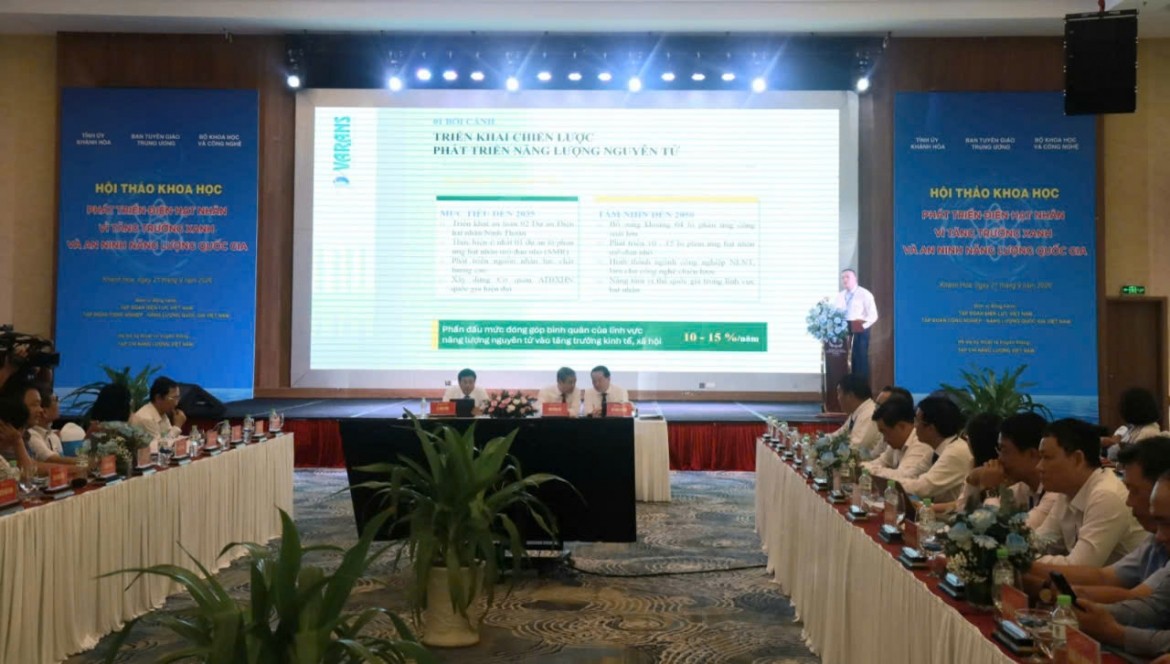
Vietnam Holds Scientific Seminar on "Developing Nuclear Energy for Green Growth and National Energy Security"
On September 21, the Central Propaganda Department, the Ministry of Science and Technology, and the Khanh Hoa Provincial Party Committee of Vietnam jointly held a scientific seminar on "Developing Nuclear Energy for Green Growth and National Energy Security," aiming to explore the role of nuclear energy in addressing challenges such as climate change, meeting electricity demand, and promoting clean energy transition. The seminar emphasized that nuclear energy, as an energy source with large power generation capacity, stable operation, and low carbon emissions, can serve as baseload energy and effectively complement renewable energy that depends on natural conditions. For Vietnam, nuclear power is regarded as an important strategy for achieving sustainable socio-economic development and is expected to bring opportunities for scientific and technological development, industrial upgrading, and the cultivation of high-quality talent. At the seminar,...
2026-09-22
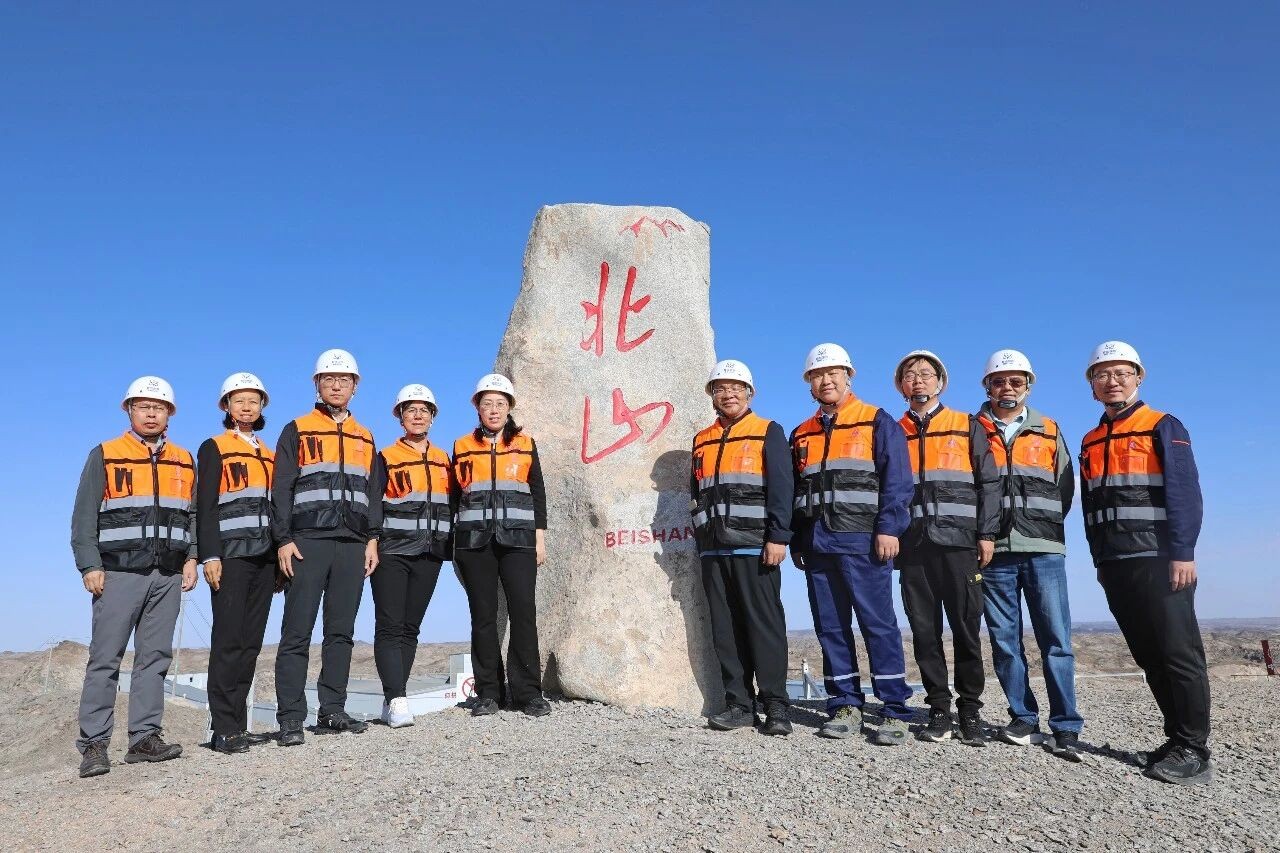
Nuclear and Radiation Safety Center of the Ministry of Ecology and Environment Conducts Technical Exchange at Beishan Underground Laboratory
To align with the key engineering tasks of the 15th Five-Year Plan for Building a Beautiful China, the responsible officials of the Nuclear and Radiation Safety Center of the Ministry of Ecology and Environment (hereinafter referred to as the Nuclear and Radiation Safety Center) recently led a team to the Beishan Underground Laboratory for technical exchange. The 15th Five-Year Plan for Building a Beautiful China explicitly proposes the construction of a safety assessment and verification platform for geological disposal of high-level radioactive waste. During the exchange, personnel from the Nuclear and Radiation Safety Center went deep into the Beishan Underground Laboratory site, conducting on-site inspections of underground tunnels, disposal holes, surrounding rock excavation interfaces, etc., and carried out in-depth technical exchanges with personnel from the Beijing Research Institute of Uranium Geology. The two sides focused on the layout of special tests for safety review, software development and testing, conceptual design review...
2026-09-22
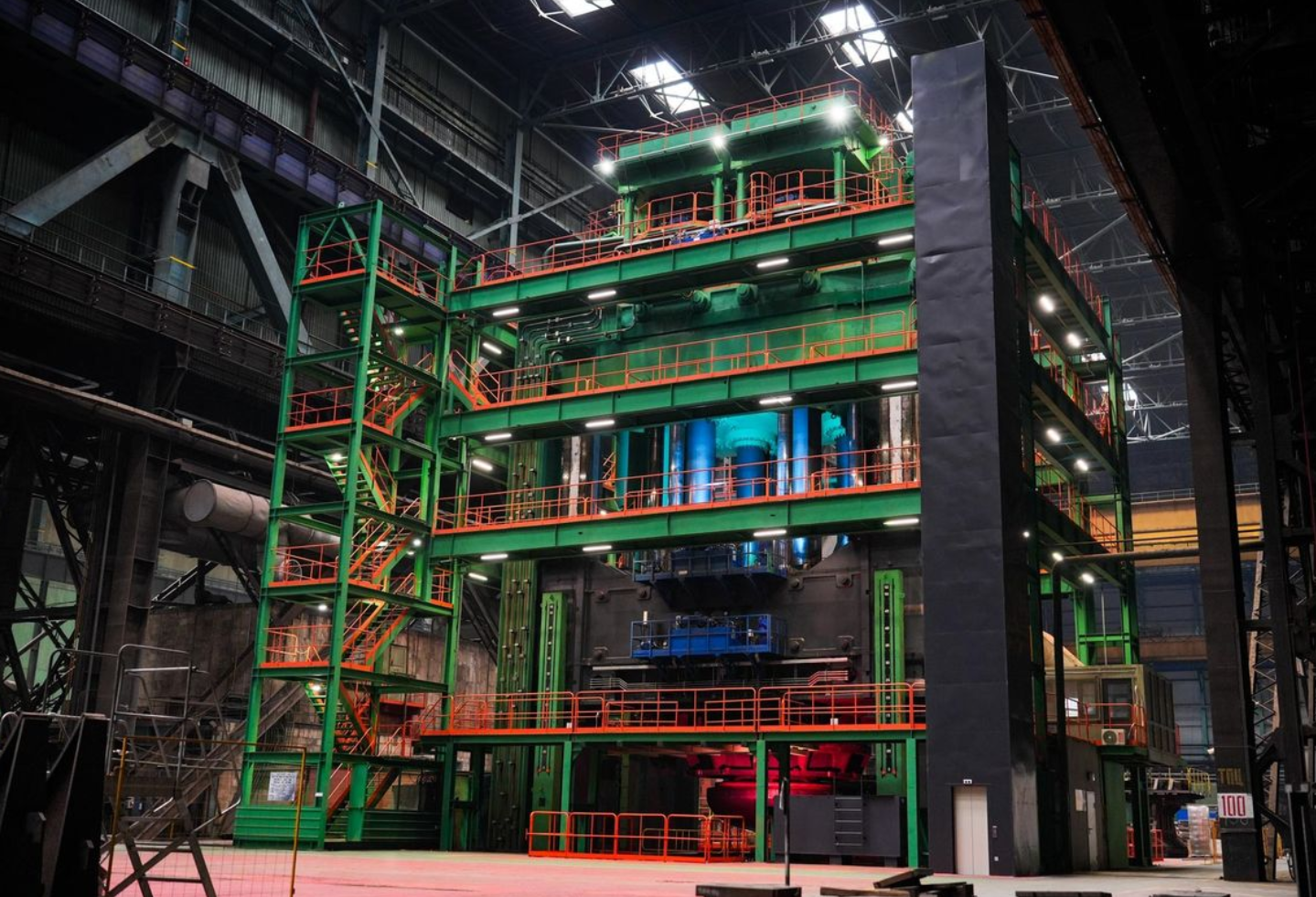
Modernization of the hydraulic blade stamping equipment for nuclear power plants at the Russian "Atom Machine" plant has been completed
On September 21, 2026, according to project information released by the Russian "Atom Machine" (Atom Machine, part of the Mechanical Engineering Division of the Russian State Atomic Energy Corporation "Rosatom"), the plant located in Volgodonsk (Волгодонск), Rostov Oblast, announced that its hydraulic blade stamping equipment for nuclear power plants, which is unique to date and has no equivalent in Russia, has completed modernization and successfully passed testing. It is understood that this hydraulic press with a force of up to 15,000 tonnes has now successfully passed all tests and is fully ready for production. This equipment was originally put into operation in 1980. In this modernization project, engineers not only...
2026-09-22
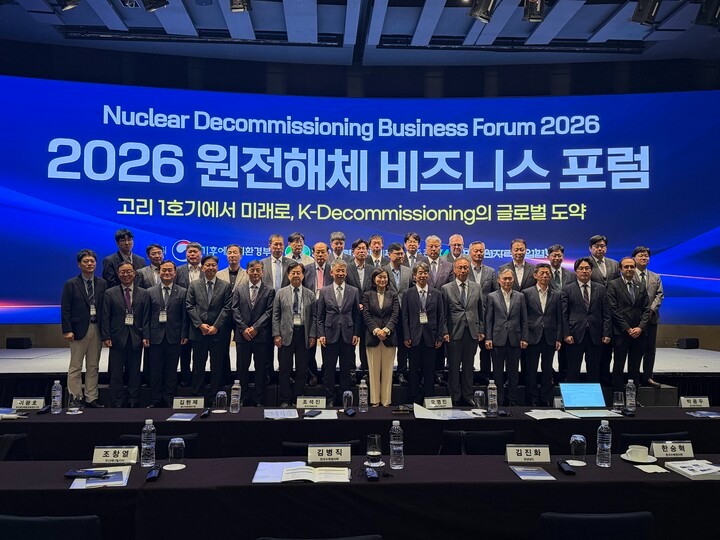
South Korea Promotes K-Decommissioning Nuclear Power Plant Decommissioning Technology Overseas
At the 2026 Nuclear Facility Decommissioning Business Forum held on the 18th at the Westin Chosun Seoul, Seo Beom-kyung (서범경), Director of the Clean Nuclear Facility Technology Development Department at the Korea Atomic Energy Research Institute (KAERI), stated that given the limited scale of the domestic nuclear facility decommissioning market, it is necessary to turn attention to overseas markets. Seo Beom-kyung said that the scale of South Korea's domestic decommissioning market is limited, so attention must be directed overseas. This requires the establishment of international standards, as well as decommissioning methods that reduce environmental burden and plans for subsequent site utilization. At the same time, emphasis must be placed on verifying K-Decommissioning technology in practical applications to ensure its performance and safety. Although technologies achieved at the R&D stage may...
2026-09-22
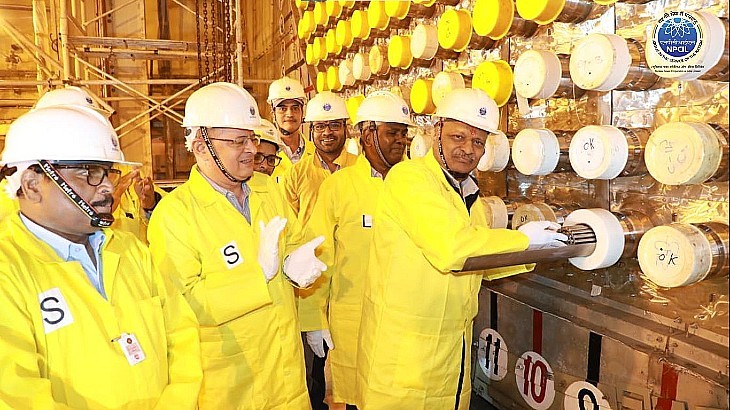
Fuel loading begins at Unit 8 of Rajasthan Nuclear Power Station
At 3:18 PM on September 19, 2026, initial fuel loading (IFL) began at Unit 8 of the Rajasthan Atomic Power Project Units 7 & 8 (RAPP-7&8) of the Nuclear Power Corporation of India Limited (NPCIL), located at Rawatbhata in Rajasthan. It is understood that the Rajasthan Atomic Power Station (RAPS) 7&8 consists of two indigenous 700 MW Pressurized Heavy Water Reactor (PHWR) units. The initial fuel loading of Unit 8 marks an important step toward first criticality and subsequent start of power generation. The unit is expected to begin commercial operation in the current financial year...
2026-09-22
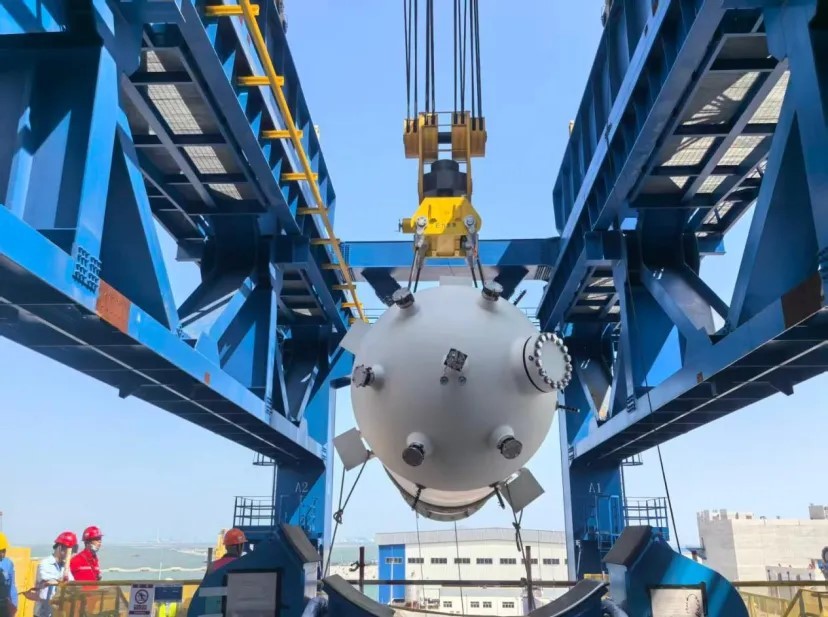
The pressurizer of Unit 3 of the Zhangzhou Nuclear Power Plant has been hoisted into place.
At 19:03 on September 20, the pressurizer of Unit 3 of the Zhangzhou Nuclear Power Plant was hoisted into place. During this pressurizer hoisting operation, the pressurizer was horizontally lifted to the +16.5m platform by a gantry crane, transported and towed by a heavy-duty vehicle into the reactor building, then turned and erected by the polar crane, and finally hoisted into place. The pressurizer is one of the core main equipment items of the nuclear island reactor coolant system, and its main function is to undertake primary loop pressure control and overpressure protection, among other duties. When the temperature and pressure inside the reactor fluctuate, the pressurizer can maintain the temperature and pressure inside the reactor within a safe range by adjusting the flow rate and temperature of the coolant water, thereby ensuring the safe and stable operation of the reactor. At the same time, the pressurizer is crucial for ensuring the power generation efficiency of the unit and maintaining stable operation, and is key equipment for the safe operation of nuclear power units.
2026-09-21
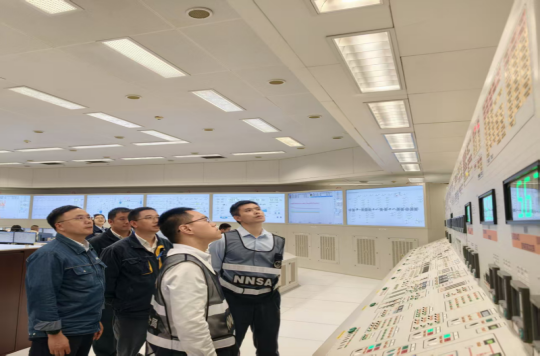
South China Supervision Station Escorts the Safe and Smooth Transition of Changjiang Nuclear Power Plant Unit 3 to Commercial Operation
Recently, the Changjiang Nuclear Power Plant Unit 3, the first Hualong One nuclear power project constructed by Huaneng Group in the Hainan Free Trade Port, successfully completed a 168-hour full-power trial operation. The achievement of this important milestone marks that the unit has officially met the conditions for commercial operation, and also means that as an important supplement to the clean energy structure of the Hainan Free Trade Port, the project is steadily advancing toward the goal of full commissioning, injecting new vitality into local economic and social development. Looking back at the commissioning process of Unit 3, on April 30 of this year, the unit officially completed its first fuel loading and immediately entered the most critical nuclear commissioning phase. During the commissioning period that lasted for months, every...
2026-09-21
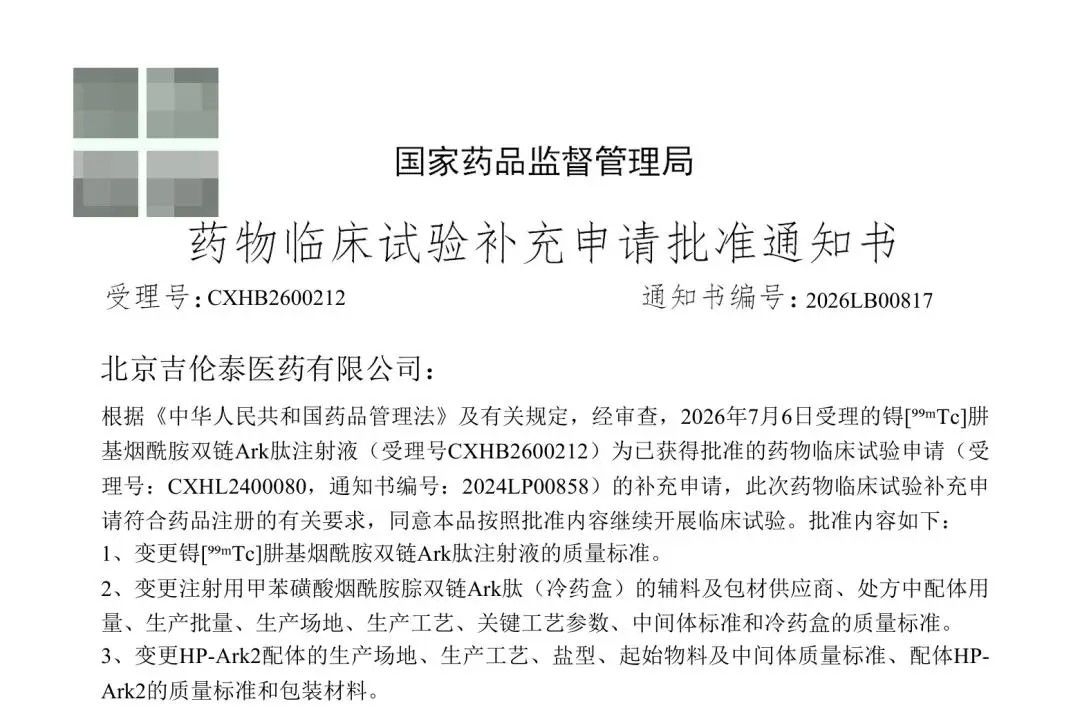
Jiluntai's independently developed HER2-targeted diagnostic new drug has been approved for clinical trials, expected to facilitate precision treatment of breast cancer
Jiluntai Company, a nuclear medicine innovation enterprise invested and incubated by Baiyang Pharmaceutical Group, has recently made important progress. Its independently developed Class 1 chemical radioactive diagnostic new drug —— Technetium [⁹⁹ᵐTc] hydrazinonicotinamide dual-chain Ark peptide injection (⁹⁹ᵐTc‑HP‑Ark2), has received supplementary clinical trial application approval from the National Medical Products Administration (NMPA), which means the product will continue to undergo clinical trials, bringing new hope for precision subtyping and treatment of breast cancer. This product is a radioactive diagnostic agent for SPECT/CT imaging, intended for the differential diagnosis of HER2-positive breast cancer. HER2 is an important prognostic indicator for malignant tumors such as breast cancer...
2026-09-21
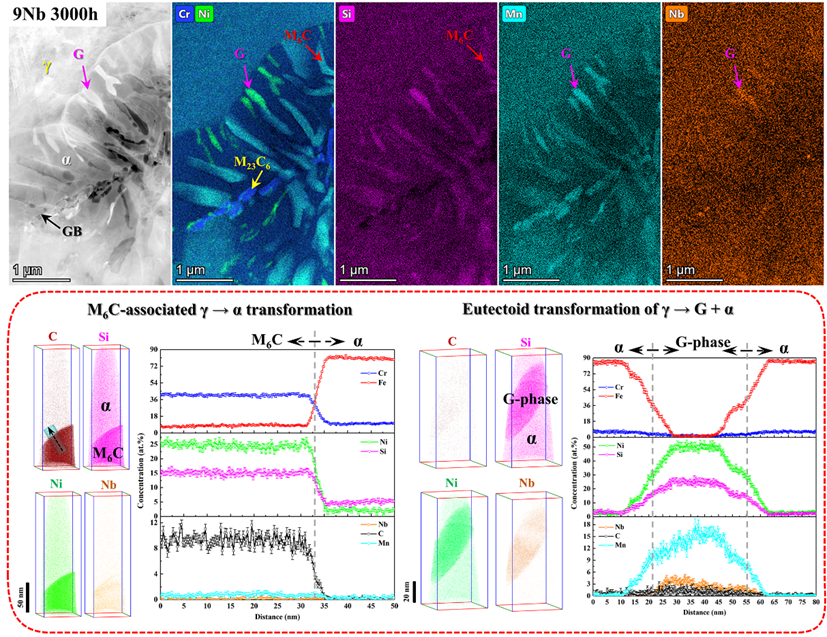
New Progress in Research on Microstructural Stability of High-Silicon Austenitic Steels for Lead-Cooled Fast Reactors
The lead-cooled fast reactor is an important reactor type in the fourth-generation nuclear energy system, and its structural materials need to withstand harsh service environments such as high temperature, irradiation, and liquid lead-bismuth corrosion over the long term. High-silicon austenitic stainless steel possesses excellent lead-bismuth corrosion resistance and is an important candidate structural material for core equipment such as the reactor vessel and internals of lead-cooled fast reactors. However, Si addition significantly alters the phase precipitation mechanism during high-temperature service and induces austenite decomposition, affecting the long-term microstructural stability of the material. Recently, the Special Alloys Research Department of the Institute of Metal Research, Chinese Academy of Sciences, in collaboration with the Department of Mechanical Engineering of The Hong Kong Polytechnic University, building on prior work that revealed Si-induced austenite decomposition behavior in high-silicon austenitic steels and the resulting mechanical...
2026-09-21
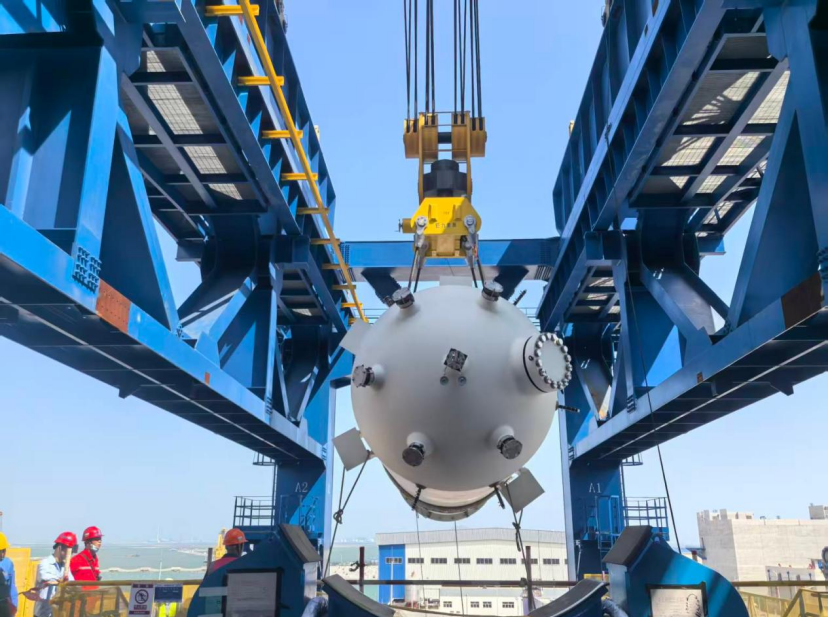
Pressurizer of Zhangzhou Nuclear Power Unit 3 Hoisted into Place
At 19:03 on September 20, the pressurizer of Zhangzhou Nuclear Power Unit 3 was hoisted into place. During this pressurizer hoisting operation, the pressurizer was horizontally lifted to the +16.5m platform by a gantry crane, transported by a heavy-duty vehicle into the reactor building, then turned and erected by the polar crane, and finally hoisted into place. The pressurizer is one of the core main equipment items of the nuclear island reactor coolant system, and its main functions include primary loop pressure control and overpressure protection. When the temperature and pressure inside the reactor fluctuate, the pressurizer can maintain the temperature and pressure within the reactor in a safe range by adjusting the flow rate and temperature of the coolant water, ensuring the safe and stable operation of the reactor. At the same time, the pressurizer is...
2026-09-21
National Nuclear Safety Administration Issues the Guidelines for Ecological Environment Impact Assessment of Magnetic Confinement Fusion Devices
To implement the regulatory requirements for fusion devices under the Ecological Environment Code of the People's Republic of China and the Atomic Energy Law of the People's Republic of China, and to improve China's regulatory framework for radiation safety supervision of fusion devices, the Ministry of Ecology and Environment's National Nuclear Safety Administration recently officially issued the Guidelines for Ecological Environment Impact Assessment of Magnetic Confinement Fusion Devices (hereinafter referred to as the Guidelines). The Guidelines were compiled by the Nuclear and Radiation Safety Center of the Ministry of Ecology and Environment, drawing on relevant domestic and international regulations and standards, and incorporating the construction and operation characteristics and environmental impact features of China's fusion devices. They aim to standardize and guide the ecological environment impact assessment of fusion devices throughout their entire life cycle...
2026-09-20
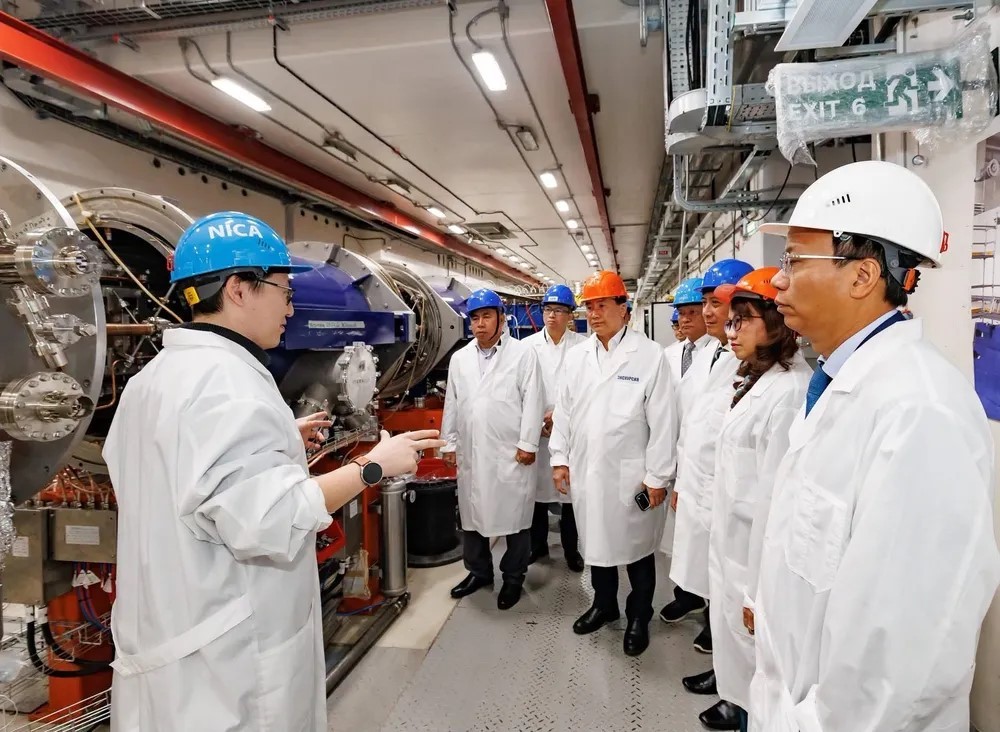
A delegation from Vietnam National University Ho Chi Minh City visited the Joint Institute for Nuclear Research to deepen cooperation in research and talent development
A working delegation from Vietnam National University Ho Chi Minh City recently visited the Joint Institute for Nuclear Research (JINR) in Dubna, Russian Federation, and held a working meeting. The two sides had in-depth exchanges of views on cooperation directions in talent cultivation, scientific research, and human resource development. In terms of talent cultivation and human resource development, the two sides discussed cooperation in fields such as nuclear physics, particle physics, heavy ion physics, quantum physics, advanced materials, nanotechnology, applied mathematics, radiation biology, and data science. Specific forms of cooperation include exchanging master's students, doctoral students, lecturers, and scientists, as well as jointly supervising doctoral students. Vietnam National University Ho Chi Minh City...
2026-09-20

Russia's Kalinin Nuclear Power Plant Unit 2 begins scheduled comprehensive overhaul, equipment upgrades to be carried out
On September 19, 2026, Kalinin Nuclear Power Plant Unit 2 officially entered a period of scheduled maintenance according to plan. The unit belongs to Rosenergoatom, a branch of the Electric Power Division of Rosatom State Atomic Energy Corporation. The maintenance will involve nuclear fuel replacement, routine inspection and repair of the reactor and turbine generator set, as well as a comprehensive assessment of the technical condition of the metal materials of core equipment. During the maintenance period, technical personnel from the Kalinin Nuclear Power Plant will work closely with experts from Atomenergoremont Company. While carrying out routine maintenance, they will also implement nine upgrade and modification projects on some key nodes and process systems of Unit 2. The entire overhaul process requires...
2026-09-20
Uzbekistan and the United States Sign Memorandum of Understanding on Radiation and Nuclear Safety Cooperation
Uzbekistan and the United States have signed a memorandum of understanding aimed at strengthening cooperation between the two sides in the field of radiation and nuclear safety. The Committee for Industrial, Radiation and Nuclear Safety of Uzbekistan disclosed this in a statement released. According to relevant information, the memorandum was signed on the sidelines of the 70th General Conference of the International Atomic Energy Agency (IAEA), which the Uzbek delegation is currently attending. The agreement was signed jointly by A. Rafigov, Chairman of the Committee for Industrial, Radiation and Nuclear Safety of Uzbekistan, and Ho Nieh, Chairman of the United States Nuclear Regulatory Commission. The memorandum provides a framework for cooperation between the nuclear and radiation regulatory bodies of the two countries in multiple...
2026-09-20
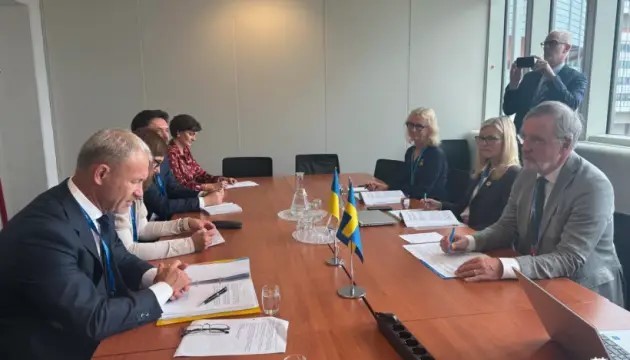
Ukraine and Sweden Extend Nuclear and Radiation Safety Cooperation Agreement
On September 17, 2026, during the 70th General Conference of the International Atomic Energy Agency (IAEA) held in Vienna, Ukraine and Sweden officially extended their cooperation agreement in the field of nuclear and radiation safety for five years. The heads of the State Nuclear Regulatory Inspectorate of Ukraine and the Swedish Radiation Safety Authority jointly signed the extension document. The State Nuclear Regulatory Inspectorate of Ukraine confirmed this outcome in an official statement, noting that the heads of the two countries' national nuclear regulatory bodies had reached agreement on continued cooperation for the next five years, laying the foundation for further deepening bilateral nuclear safety technical collaboration. During the meeting, representatives of Ukraine and Sweden held in-depth discussions on the specific implementation of joint projects. The two sides' future cooperation...
2026-09-18