
Search Results
Keyword:NI
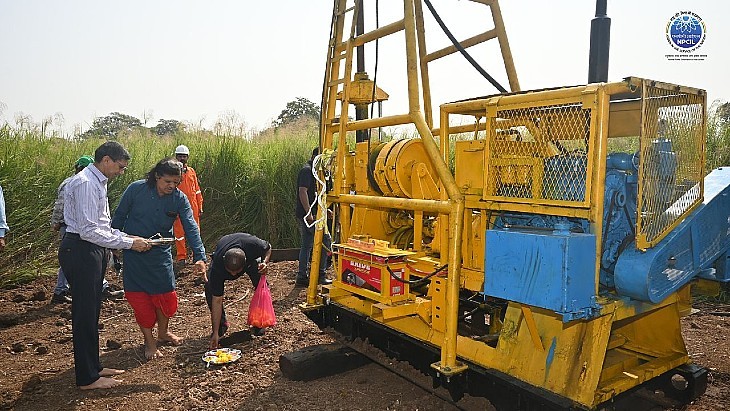
Pre-Project Geotechnical Investigation Launched for Units 5 and 6 of Kakrapar Nuclear Power Station in India
Nuclear Power Corporation of India Ltd (NPCIL) announced that geotechnical investigations have officially commenced at the site of Units 5 and 6 of the Kakrapar Nuclear Power Plant in Gujarat, marking a key early-stage development milestone for these two indigenously designed 700 MWe Pressurised Heavy Water Reactor (PHWR) projects. Meanwhile, the Nuclear Fuels Complex is manufacturing steam generator tubes to support the fleet construction programme, and India's indigenous Small Modular Reactor programme has also reached an important...
2026-10-17
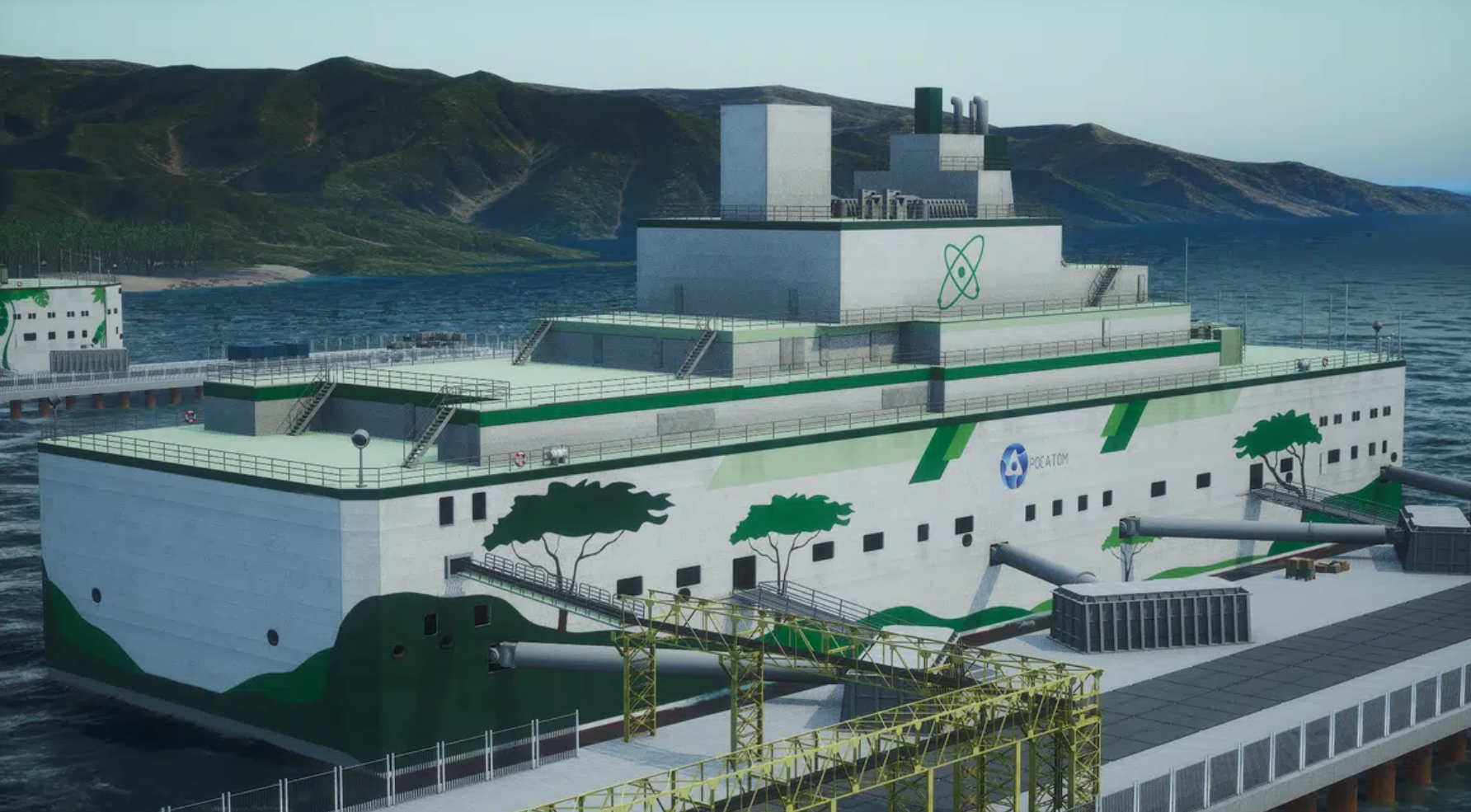
Rosatom and Indonesia Reach Historic Agreement to Implement First Floating Nuclear Power Plant Power Supply Export Project
Rosatom State Corporation and Indonesian state-owned enterprise PT Pembangkit Listrik Nuklir have reached an agreement to supply electricity generated by floating nuclear power units to electricity customers in North Maluku Province in eastern Indonesia. The agreement was signed on October 16, 2026, in Moscow during Russian Energy Week (REW), marking an important milestone in bilateral energy cooperation between Russia and Indonesia. Under the project plan, Rosatom State Corporation will deploy two FPU-...
2026-10-17

Sanmen Nuclear Power's Multiple Management Innovation Achievements Recognized, Supporting High-Quality Development of Nuclear Power
Recently, Sanmen Nuclear Power proudly received multiple management innovation achievement awards. Among them, "Construction and Efficiency Enhancement of a Data-Driven Nuclear Power Thermal Performance Supervision System" won the Second Prize of CNNC, and "Data-Driven Predictive Maintenance Management for Nuclear Power Enterprises" won the Third Prize. In addition, "Full Life-Cycle Health Management of Equipment Based on Multi-Source Data and System Collaboration for Nuclear Power Enterprises" and "Construction of a Reliability-Centered Full-Process Quality Supervision System for Nuclear Fuel Manufacturing" also won the Third Prize of China Nuclear Power Management Innovation. These achievements fully demonstrate Sanmen Nuclear Power's innovation strength in relying on digital transformation, deepening nuclear power operations, and improving quality and efficiency, injecting strong momentum into the year-end sprint...
2026-10-16

Idaho State University to Build Microreactor, Empowering Nuclear Energy Talent Development
Recently, Idaho State University (ISU) announced that it will collaborate with the U.S. Department of Energy (DOE) and local nuclear technology company NuCube to jointly build a new microreactor to fully support the state's only undergraduate nuclear engineering program. It is understood that the project will carry out a major expansion and upgrade of the existing teaching and research reactor that has been in continuous operation since 1965, providing a cutting-edge technology operating platform for the next generation of nuclear engineers. This collaboration relies on the relevant advancement programs of the U.S. Department of Energy's Nuclear Reactor Innovation Center (NRIC), aiming to provide key resources and regulatory guidance for the research, development, and...
2026-10-16

Party Member Commando Team Established for the "National Uranium No. 1" Hadatu Project to Boost Project Sprint
In order to implement the Group Company's business breakthrough deployment of "going all out to sprint in the fourth quarter and truly working hard to make new achievements," the "National Uranium No. 1" Hadatu Project recently officially established a joint Party member commando team, aiming to accelerate the preliminary breakthrough of the project and lay the foundation for the implementation of the integrated mode of scientific research, design, procurement, construction, and operation and maintenance for China's first batch of natural uranium production capacity projects. At the flag presentation ceremony, Party member backbones from China Nuclear Mining Technology and China Nuclear Inner Mongolia Mining gathered together. By visiting the in-situ leaching uranium mining technology exhibition hall and reviewing the technological development history, they further clarified the original aspiration and mission of the breakthrough. The commando team is not only a team that executes tasks, but also a key force driving the high-quality development of the project. At the symposium...
2026-10-16

Oklo Advances Construction of Groves-2 Forge Isotope Pilot Facility, Deepening Medical and Industrial Isotope Layout
Recently, U.S. nuclear technology startup Oklo announced that it will further advance the construction of the Groves-2 Forge isotope production and processing pilot facility. Located in Texas, the facility aims to build on the successful demonstration experience of the company's previous Groves Isotope Testing Reactor to comprehensively expand irradiation, processing, purification, and commercialization readiness capabilities for key isotopes. It is understood that the Groves-2 Forge facility will integrate cutting-edge hot cell processing capabilities, covering the full process chain including isotope separation, product recovery, packaging, and transportation. The facility's initial production focus will be on lutetium-177 (Lutetium-177) used for cancer radiopharmaceutical therapy and other important therapeutic isotopes...
2026-10-15
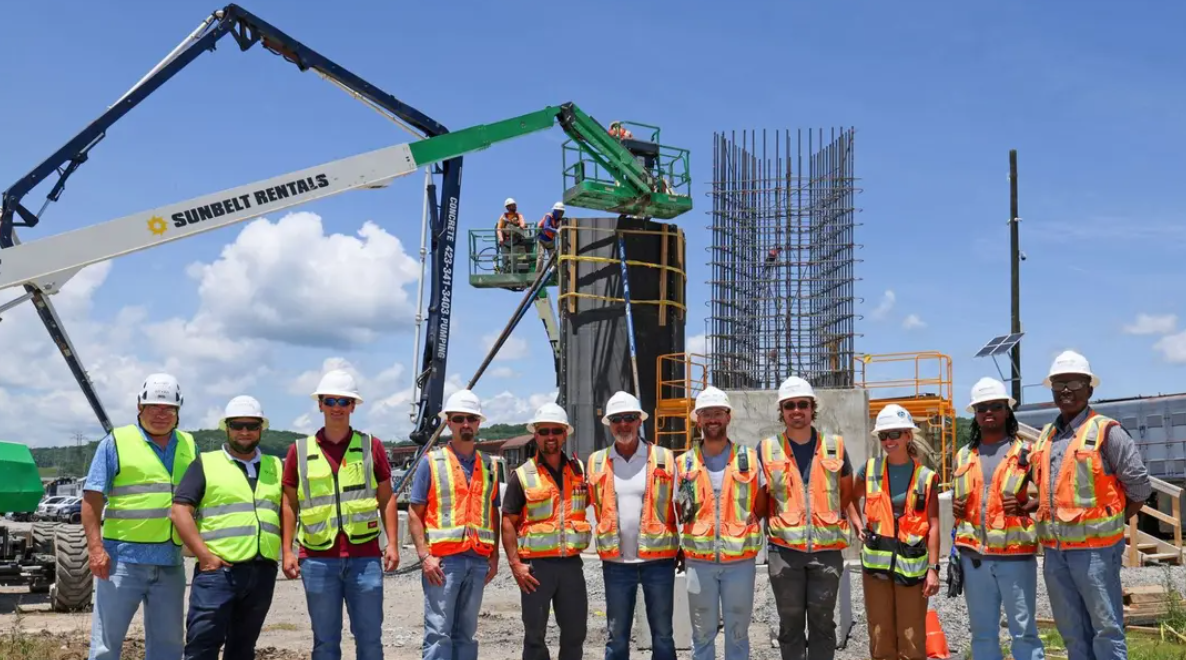
US Oak Ridge National Laboratory Develops 3D-Printed Composite Molds, Significantly Shortening Construction Cycles for Advanced Nuclear Power Plants
According to reports, the US Oak Ridge National Laboratory (ORNL) and its partners have successfully developed new 3D-printed composite molds that can shorten the production cycle of specialized concrete formwork for nuclear facilities from approximately six months to about two weeks. The project, titled Advanced Composite Formwork for Accelerated High-Precision Nuclear Infrastructure Construction, was awarded the 2026 CAMX Combined Strength Award for its breakthroughs in additive manufacturing and advanced materials. It is understood that the technology has been fully...
2026-10-16
China's First Actinium-225 Mass Production Qualification Lands in Chongqing: SPIC Isotope Synergy Accelerates Breakthrough in High-End Medical Isotope Supply Chain Bottleneck
The Ministry of Ecology and Environment recently officially issued a Class A unsealed radioactive material radiation safety license to SPIC Isotope Synergy (Chongqing) Technology Co., Ltd. The issuance of this administrative license marks that the company has officially become the first enterprise in China with full-chain legal qualifications for the mass production, sales, and use of the medical isotope Actinium-225 (Ac-225), filling the gap in China's large-scale supply of novel targeted radionuclides. SPIC Isotope Synergy is located in Bafu Town, Chongqing High-tech Zone, and has been selected for the 2026 Chongqing Potential Unicorn Enterprise Cultivation List. The first phase of the project has a total investment of 918 million RMB, with core technical equipment relying on self-built 120 MeV and 50 MeV high-power medical proton cyclotrons.
2026-10-15
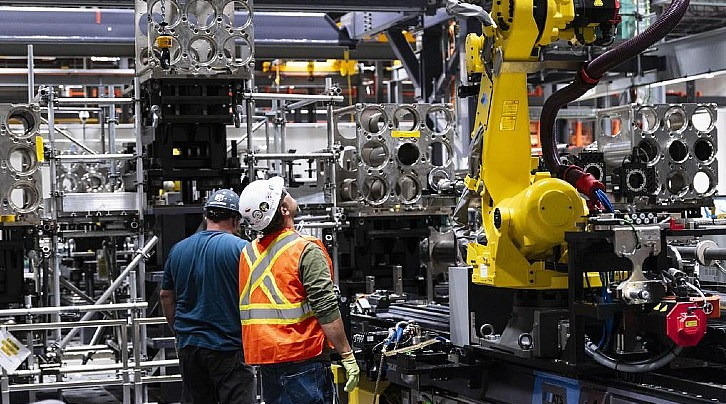
Bruce Unit 4 Refurbishment Sets Record, Schedule Significantly Ahead of Unit 3
Recently, Bruce Power of Canada announced that the Major Component Replacement (MCR) project at Bruce Unit 4 has reached a key milestone. The installation efficiency of the unit's 480 calandria tubes set a new record, with overall progress further accelerated compared to the previous Unit 3. As a core life extension project for the CANDU heavy water pressure tube reactor, the MCR project encompasses the systematic removal and replacement of key core components, representing a major infrastructure undertaking spanning multiple years and aimed at extending the reactor's operational life by 30 to 35 years. During this construction phase, a six-axis robotic tooling system jointly developed by Bruce Power...
2026-10-16
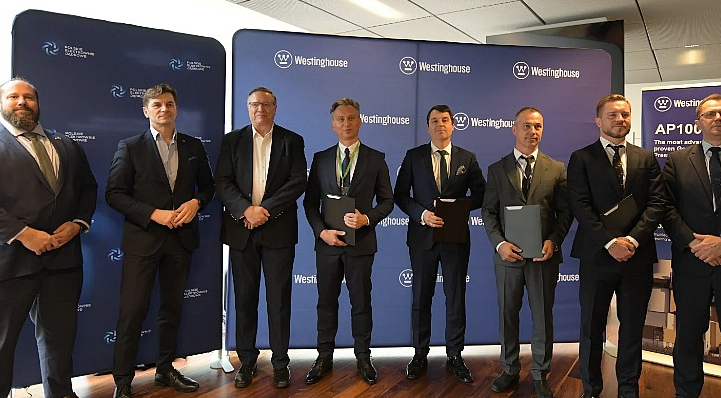
Westinghouse Places First AP1000 Module Orders with Polish Companies
Recently, Westinghouse Electric Company announced during the 4th Nuclear Power Industry Congress held in Warsaw that it has formally placed conditional purchase orders for nuclear safety-related modules with four Polish domestic companies, marking a substantive step forward in the localization of the supply chain for Poland's first nuclear power plant. According to the plan, Poland intends to build three Westinghouse AP1000 reactors at the Lubiatowo-Kopalino site in Choczewo, Pomerania, in northern Poland. After Polskie Elektrownie Jądrowe (PEJ) approved the launch of long-lead component orders for the first unit last week...
2026-10-16
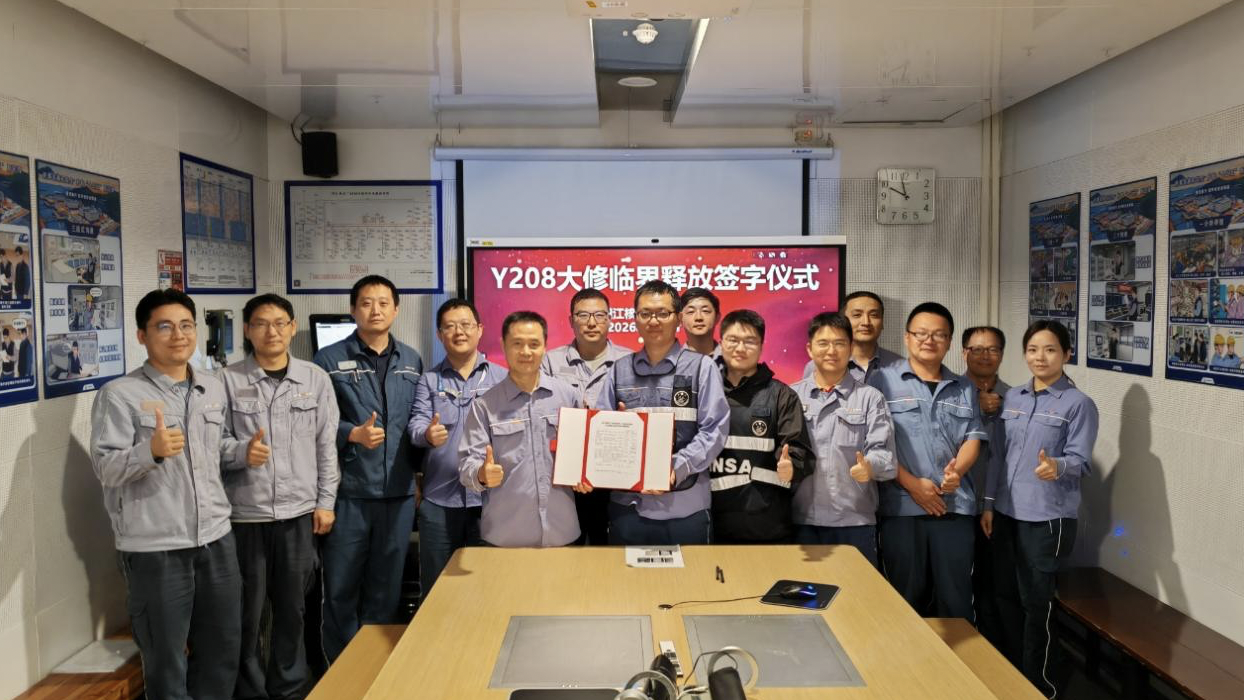
South China Regional Office of the National Nuclear Safety Administration Completes Refueling Outage Inspection of Yangjiang Nuclear Power Plant Unit 2
The South China Regional Office of Nuclear and Radiation Safety Supervision of the Ministry of Ecology and Environment successfully completed the nuclear safety supervision and inspection of the first criticality control point for the eighth refueling outage of Yangjiang Nuclear Power Plant Unit 2 on October 11. After verifying item by item the prerequisites for reactor recriticality and confirming that the primary loop and related systems and equipment were in a controlled and compliant state, the supervisors signed off and released the criticality control point in accordance with the law, marking the successful completion of the on-site nuclear safety supervision task for the Y208 refueling outage of the unit. During the overlapping period of the 2026 Mid-Autumn Festival and National Day holidays, multiple operating units at several nuclear power bases along the South China coast successively entered routine refueling outage cycles, with on-site maintenance activities highly concentrated, and nuclear safety...
2026-10-15
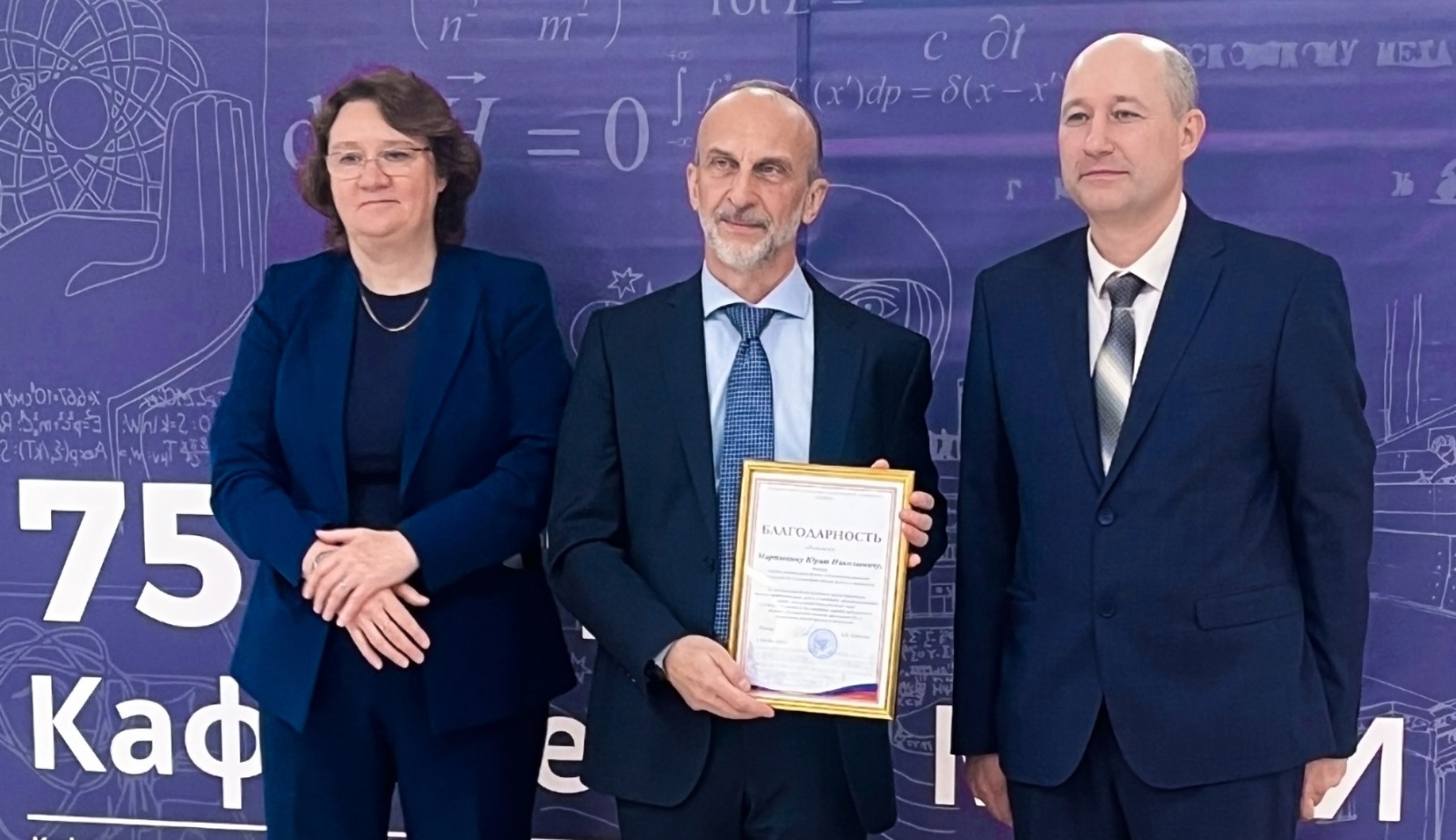
Russian radiation safety instrument manufacturer "Doza" Research and Production Enterprise congratulates Department No. 1 of the Moscow Engineering Physics Institute on the 75th anniversary of its founding
National Research Nuclear University MEPhI held a grand ceremony on October 2 to celebrate the 75th anniversary of its historic Department No. 1—the Department of Radiation Physics and Safety of Nuclear Technologies. Several experts from the renowned Russian radiation safety monitoring system research, development, and manufacturing enterprise NPP Doza, who serve both as key technical personnel of the company and as faculty members at the university, were invited to attend the event. As a major center for training professional and technical personnel for Russia's nuclear industry...
2026-10-14
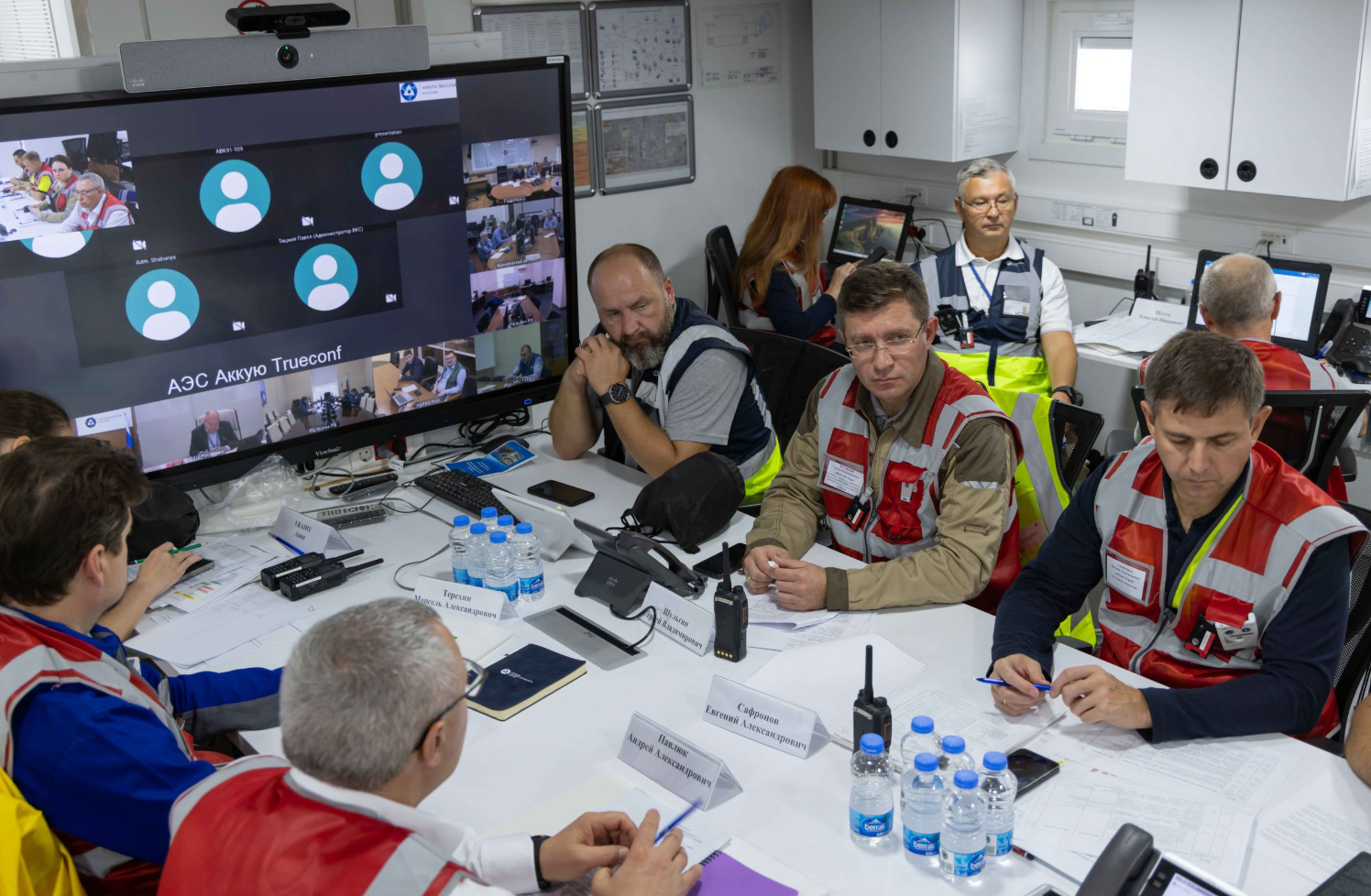
Akkuyu NPP in Türkiye Holds Full-Scale Joint Emergency Exercise: Cross-Departmental Live Drill Tested Ahead of First Unit Commissioning
The Akkuyu NPP, Türkiye's first nuclear power project, constructed by Rosatom, held a large-scale comprehensive emergency and firefighting tactical live exercise on October 12 at the Büyükeceli site in Mersin Province. The exercise aimed to comprehensively test the multi-agency coordinated response capabilities of nuclear power plant operating shift personnel, external technical support organizations, and Turkish local emergency rescue teams under extreme conditions, providing critical pre-commissioning safety justification for Unit 1 of the project as it formally enters the fuel-loading and commercial power generation phase. Rosatom Director General Alexey...
2026-10-14
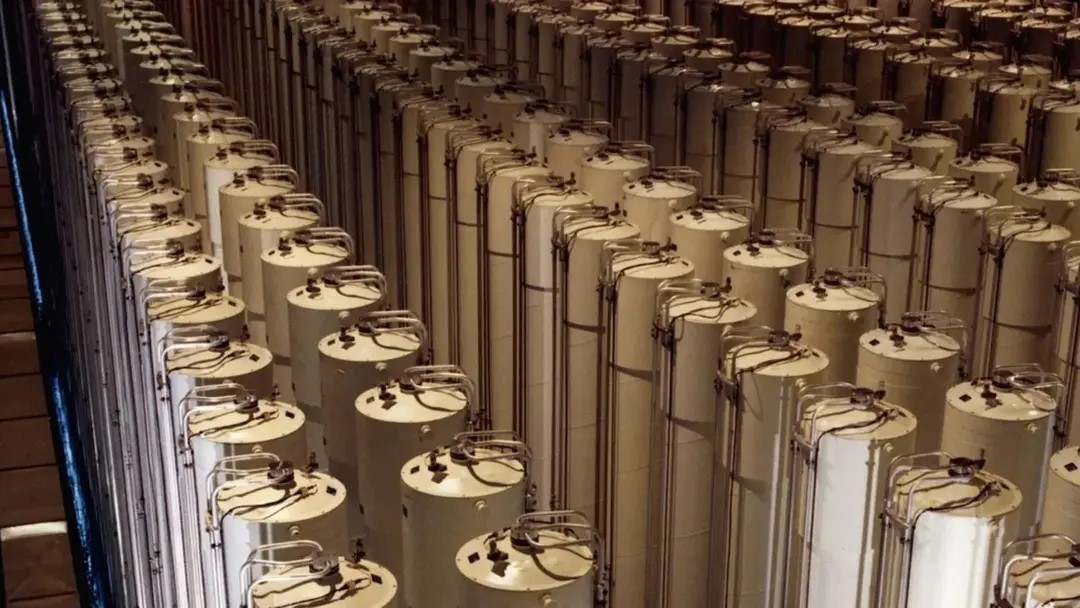
Expansion of the United States' only commercial uranium enrichment facility reaches 75% completion, as Urenco's New Mexico plant accelerates capacity upgrades
As the only commercial uranium enrichment facility on U.S. soil, the National Enrichment Facility in Eunice, New Mexico, has recently reached a key expansion milestone, with its phased capacity expansion target now 75% complete. Operator Urenco Group plans to raise the plant's uranium enrichment capacity to 7 million Separative Work Units (SWU) per year over the next decade, in order to strengthen the United States' domestic nuclear fuel supply security. Strong global demand for zero-carbon electricity is currently driving a revival of the nuclear energy industry. Although the United States is at the forefront of research and development in next-generation reactor technologies...
2026-10-14
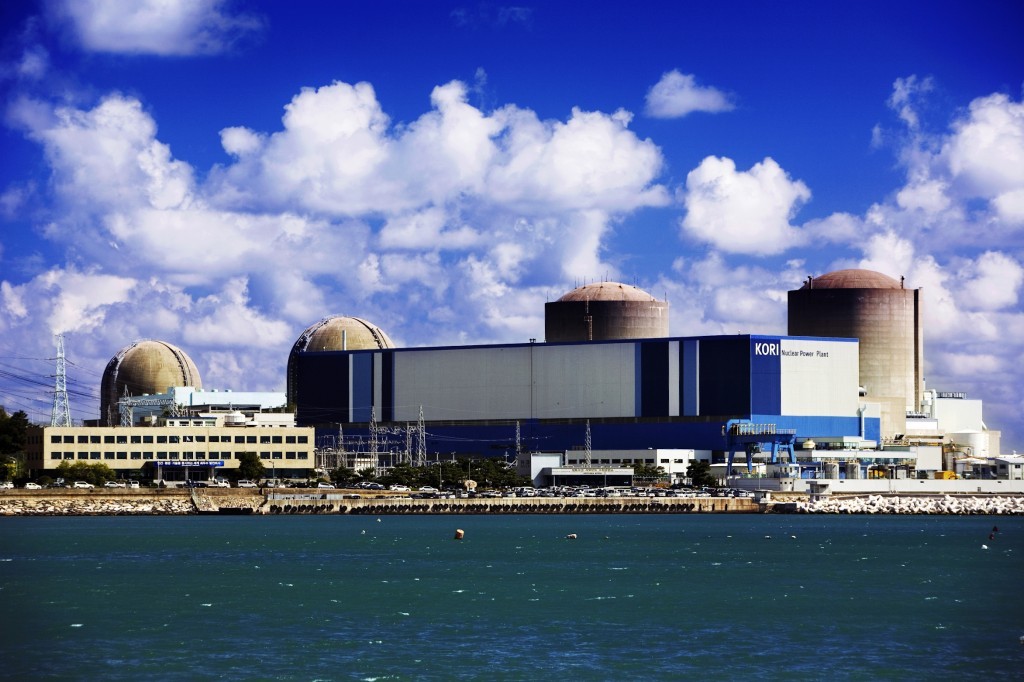
Review of Continued Operation for Kori NPP Units 3 and 4 Launched; Accident Management Plan Included in Review Process
The Nuclear Safety and Security Commission (NSSC) of South Korea is scheduled to hold its 16th plenary meeting of 2026 on October 15, formally placing the continued operation license application for Units 3 and 4 of the Kori Nuclear Power Plant in Gijang, Busan, on its agenda for deliberation. Notably, these two nuclear units, which are currently in a shutdown state, have directly initiated the continued operation licensing procedure in parallel, even as the Accident Management Plan (AMP) has yet to complete final approval. According to the meeting schedule, the first agenda item of this plenary meeting...
2026-10-14